Last Updated on December 1, 2025 by Bilal Hasdemir

Cerebrovascular disease affects the blood vessels that supply the brain. It can lead to less oxygen and brain damage. Nearly 800,000 people in the United States suffer from a stroke every year. This makes it a top cause of disability and death. Is it hemiparesis vs hemiparesis? Learn how this weakness is a critical early symptom of cerebrovascular disease. Get the facts.
Recognizing the earliest symptoms is crucial for obtaining prompt medical assistance. One early sign is a neurological condition that shows as muscle weakness or limb weakness. Spotting these signs early can greatly improve treatment results.
Key Takeaways
- Stroke is a major cause of disability and death worldwide.
- Early symptoms of cerebrovascular disease can include muscle or limb weakness.
- Timely medical intervention is crucial for better treatment outcomes.
- Cerebrovascular disease encompasses conditions like stroke, brain aneurysm, and carotid artery disease.
- Understanding the earliest symptoms can save lives and prevent disability.
Cerebrovascular disease affects the blood vessels in the brain. It can lead to serious brain problems. We will look into what it is, how it works, and its types.
Definition and Pathophysiology

Cerebrovascular disease impacts the brain’s blood supply. It can cause brain damage. The causes are complex, involving blood vessels, inflammation, and brain functions.
Key factors include atherosclerosis, high blood pressure, and blood clots. These can block blood flow or cause blood vessel rupture. Knowing these causes helps doctors treat the disease better.
Common Types of Cerebrovascular Conditions
Cerebrovascular disease includes several serious conditions:
- Stroke: A medical emergency caused by interrupted blood supply to the brain.
- Brain Aneurysm: A bulge in a blood vessel that can rupture, leading to hemorrhage.
- Carotid Artery Disease: Narrowing of the carotid arteries, often due to atherosclerosis.
- Transient Ischemic Attack (TIA): A temporary disruption of blood flow to the brain, often a precursor to a stroke.
| Condition | Description | Key Characteristics |
| Stroke | Interrupted blood supply to the brain | Sudden onset, neurological deficits |
| Brain Aneurysm | Bulge in a blood vessel | Risk of rupture, potentially fatal |
| Carotid Artery Disease | Narrowing of carotid arteries | Atherosclerosis, risk of stroke |
| Transient Ischemic Attack (TIA) | Temporary disruption of blood flow | Temporary symptoms, high risk of subsequent stroke |
Knowing about these conditions is key. It helps doctors act fast and prevent lasting brain damage.
Risk Factors for Cerebrovascular Disease

Many things can increase your chance of getting cerebrovascular disease. Knowing these factors is key to preventing and managing the disease.
Modifiable Risk Factors
Some risk factors can be changed. These include lifestyle choices and medical conditions that can be managed.
- Hypertension (High Blood Pressure): High blood pressure can harm blood vessels in the brain, leading to a stroke.
- Diabetes: Diabetes can damage blood vessels and nerves that control the heart, raising stroke risk.
- High Cholesterol: High LDL cholesterol can cause plaque buildup in arteries, increasing stroke risk.
- Smoking: Smoking damages blood vessels, raises blood pressure, and reduces brain blood flow, all increasing stroke risk.
- Physical Inactivity and Obesity: Being overweight or obese and not being active can lead to other stroke risk factors like high blood pressure and diabetes.
| Modifiable Risk Factor | Impact on Cerebrovascular Disease |
| Hypertension | Damages blood vessels, increasing stroke risk |
| Diabetes | Damages blood vessels and nerves controlling the heart |
| High Cholesterol | Leads to plaque buildup in arteries |
| Smoking | Damages blood vessels, increases blood pressure |
Non-modifiable Risk Factors
Some risk factors can’t be changed. But knowing them helps manage overall risk.
- Age: Stroke risk goes up with age, especially over 65.
- Gender: Men are at higher stroke risk than women, but women’s risk goes up after menopause.
- Family History: A family history of stroke can increase your risk, suggesting a genetic link.
“A comprehensive understanding of both modifiable and non-modifiable risk factors is essential for the effective prevention and management of cerebrovascular disease.”
Managing modifiable risk factors is key, especially for those with a family history of strokes. By controlling hypertension, diabetes, and high cholesterol, and adopting a healthier lifestyle, you can lower your risk of cerebrovascular disease.
During this phase, big changes in blood vessels can happen without any symptoms. This makes it a key part of the disease that needs attention.
Asymptomatic Progression
Asymptomatic progression means the disease gets worse without any symptoms. This silent growth can lead to silent strokes. These are strokes that happen without obvious symptoms but can still cause a lot of damage.
Silent strokes can cause small problems with movement and thinking. These issues can add up over time. For example, people might have a little trouble with coordination or memory. These problems are often thought to be caused by something else.
Subclinical Vascular Changes
Subclinical vascular changes are changes in blood vessels that happen before symptoms show up. These changes can include arteries getting narrower or harder. This can make it harder for blood to reach the brain.
These changes can be found with special imaging tests. This allows for early treatment. We will talk more about these tests later.
Studies show that silent strokes are more common than we thought. They can really affect how well we think. A study found that “Silent strokes are linked to a decline in thinking skills and are a risk for future strokes.”
“The presence of silent cerebral infarctions is associated with a higher risk of subsequent stroke and dementia.”
The table below shows the differences between silent and obvious cerebrovascular disease.
| Characteristics | Asymptomatic Progression | Symptomatic Progression |
| Noticeable Symptoms | No | Yes |
| Detection Method | Advanced Imaging | Clinical Evaluation |
| Impact | Subtle Cognitive and Motor Changes | Overt Neurological Deficits |
Earliest Warning Signs and Symptoms
It’s important to know the early signs of cerebrovascular disease. This helps us get medical help quickly. We need to watch for small symptoms that might mean a stroke or other brain problems.
Transient Ischemic Attacks (TIAs)
Transient Ischemic Attacks, or TIAs or “mini-strokes,” are short times when the brain doesn’t get enough blood. They are important signs that a stroke might happen.
- Symptoms of TIAs: You might notice your face drooping, arms feeling weak, or having trouble speaking.
- Importance of TIAs: TIAs often mean a stroke could happen soon. So, getting medical help right away is key.
Subtle Neurological Changes
There are other small changes in the brain that can show cerebrovascular disease. These signs are easy to miss but are very important for catching problems early.
- Speech and Language Disturbances: You might notice changes in how you speak or find it hard to find the right words.
- Motor Weakness: You might feel a little weakness in your limbs that you might not even notice at first.
- Sensory Changes: You could feel numbness or tingling in different parts of your body.
Keeping an eye out for these small changes can really help with early treatment.
Hemiparesis vs Hemiplegia in Cerebrovascular Disease
Hemiparesis and hemiplegia are two conditions linked to cerebrovascular disease. They affect motor function on one side of the body. Knowing the difference is key for correct diagnosis and treatment.
Defining Hemiparesis: Partial Weakness
Hemiparesis means partial weakness on one side of the body. It happens when the brain’s motor areas are damaged, often by stroke. The weakness can be mild or severe, affecting the arm, leg, or face.
Characteristics of Hemiparesis:
- Partial loss of motor function
- Weakness on one side of the body
- Variable severity
Defining Hemiplegia: Complete Paralysis
Hemiplegia is complete paralysis on one side of the body. It results from severe brain damage, causing total loss of motor function on the affected side.
Characteristics of Hemiplegia:
- Complete loss of motor function
- Paralysis on one side of the body
- Significant impact on daily activities
Clinical Differentiation and Significance
Telling hemiparesis apart from hemiplegia is important. It helps understand the brain damage’s extent and recovery chances. It also guides treatment, like rehabilitation and medication.
| Condition | Motor Function Impact | Severity |
| Hemiparesis | Partial weakness | Variable |
| Hemiplegia | Complete paralysis | Severe |
Correct diagnosis and understanding of these conditions help healthcare providers. They can then offer better interventions, improving patient outcomes and quality of life.
Motor Impairment as an Early Indicator
Small changes in how we move can show early signs of brain disease. It’s key to catch these signs early. Motor impairment is a big warning sign that we should pay attention to.
Subtle Changes in Movement and Coordination
In the early stages of brain disease, we might notice small changes in how we move and balance. These could be slight trouble walking, staying balanced, or doing fine motor tasks. Coordination problems can also be an early sign, showing up as clumsiness or stumbling.
These small changes are easy to miss, for both patients and doctors. But spotting them early is vital for acting fast. For example, someone might find it hard to do precise tasks like buttoning a shirt or tying shoelaces.
Limb Weakness Patterns
Limb weakness is a key part of motor impairment linked to brain disease. This weakness can show up as hemiparesis, or weakness on one side of the body. It might be mild and not obvious at first, so it’s important to watch for any changes in strength or movement.
The way limb weakness shows up can tell us a lot about the vascular issue. For instance, weakness on one side could point to a problem with the carotid artery or its branches. Spotting these patterns helps guide further tests.
By spotting these early signs of motor impairment, we can start diagnosing and treating sooner. This could lead to better outcomes for people with brain disease.
Cognitive and Speech Changes as Early Symptoms
Early signs of stroke include changes in thinking and speaking. These signs can be small but very important. They show we need to watch for them and see a doctor right away.
Speech and Language Disturbances
Speech and language problems are common early signs of stroke. These can show up as dysarthria (trouble speaking clearly) or aphasia (trouble understanding or speaking). People might speak slowly, have trouble finding words, or not get what others are saying.
For example, someone might say “treasure” when they mean “trousers.” Or they might have trouble following simple directions. These problems can be upsetting and show that something is wrong.
Memory and Cognitive Function Changes
Memory and thinking problems are also early signs of stroke. People might forget things, have trouble focusing, or feel confused. These issues can start small but get worse if not treated.
Memory problems can range from forgetting recent things to having trouble solving problems. It’s important to see these changes as signs of possible stroke.
Behavioral Alterations
Behavioral changes can also be an early sign of stroke. These might include mood swings, being more irritable, or acting differently than usual. Sometimes, people might become more quiet or withdrawn. These changes can be small and might seem like other things, but they need medical attention if they keep happening or get worse.
Seeing these changes as early signs of stroke can help get treatment sooner. We need to watch for these signs and get medical help quickly to lessen the effects of stroke.
Sensory Symptoms in Early Cerebrovascular Disease
Cerebrovascular disease can start slowly, with early signs being sensory symptoms. These symptoms are important because they can greatly affect a person’s life if not treated quickly.
This disease affects the brain’s blood vessels, which can lead to stroke or other brain problems. Sensory symptoms are often the first signs that something is wrong.
These symptoms can differ from person to person. They might include vision problems, feeling sensations differently, or trouble with balance and knowing where your body is in space. Spotting these symptoms early is key to getting the right treatment.
Visual Disturbances
Visual problems are a common early sign of cerebrovascular disease. These can be anything from brief blurred vision to lasting vision loss. People might have trouble seeing things on the sides or have blurry vision.
These vision issues can sometimes come with headaches or feeling dizzy. This makes it harder to figure out what’s going on. We need to look at all the symptoms together to understand what’s happening.
Sensory Abnormalities
Sensory problems can show up as numbness, tingling, or feeling sensations differently in different parts of the body. These happen because the brain’s sensory paths are disrupted.
These feelings can happen in arms, legs, or even the face. They might come and go, or stay for a long time. It’s important to check these symptoms carefully to find out why they’re happening.
Balance and Proprioception Issues
Problems with balance and knowing where your body is in space are also important signs. People might feel dizzy, unsteady, or like they’re off-balance.
Proprioception, or knowing where your body parts are in relation to each other, can also be affected. This makes it hard to move around and do everyday things. These symptoms can really affect a person’s life.
The FAST Method for Identifying Stroke Symptoms
Recognizing the earliest symptoms is crucial for obtaining prompt medical assistance.
Face Drooping
Face drooping is a big sign of a stroke. Ask the person to smile. If one side of their face droops or feels numb, it might be a stroke. Face drooping is usually uneven, affecting one side.
Arm Weakness
Look out for arm weakness too. Have them raise both arms and hold them out. If one arm falls or they can’t lift it, it could be a stroke. Arm weakness often comes with numbness or tingling.
Speech Difficulties
Speech problems are another big sign. Ask them to repeat a simple sentence. If their speech is slurred or they can’t speak or understand, it might be a stroke. Speech issues can show as slurred words, confusion, or trouble finding words.
Time to Call Emergency Services
If you see these signs, act fast. The “T” in FAST means Time to call emergency services.
“Time is brain cells” when it comes to stroke treatment
. Quick medical help is crucial. It can greatly improve treatment results.Calling emergency services right away is essentialbecause it can save lives.
Remembering the FAST method helps spot stroke symptoms fast. This simple technique can be a lifesaver in emergencies.
It’s important to know the symptoms of cerebrovascular disease by region for early treatment. This disease affects the brain’s blood vessels. Symptoms vary based on the brain area affected.
Carotid Territory Symptoms
The carotid territory gets blood from the carotid arteries. It covers a big part of the brain’s hemispheres. Symptoms often include contralateral motor or sensory deficits. This means weakness or numbness on the opposite side of the body.
A blockage in the carotid artery can cause hemiparesis or hemiplegia. These are conditions where one side of the body is partially or completely paralyzed.
Vertebrobasilar Territory Symptoms
The vertebrobasilar territory gets blood from the vertebral and basilar arteries. It includes the brainstem, cerebellum, and parts of the posterior cerebrum. Symptoms can be different, like dizziness, vertigo, and visual disturbances.
“The vertebrobasilar system supplies critical structures in the brain, and its compromise can lead to a range of complex symptoms.”
Patients might have ataxia or loss of coordination. They might also have dysarthria, or speech problems, because of the brainstem and cerebellum’s involvement.
Cerebellar Manifestations
Cerebellar involvement can cause symptoms like ataxia, dysmetria, and nystagmus. Ataxia is a lack of coordination and balance. Dysmetria is not being able to judge distances or scale.
Nystagmus, or involuntary eye movements, can also happen because of cerebellar problems.
Basal Ganglia Involvement
The basal ganglia are important for movement control. When cerebrovascular disease affects them, it can cause movement disorders. Symptoms include tremors, rigidity, and bradykinesia, similar to Parkinson’s disease.
Cognitive and behavioral changes can also happen. This is because the basal ganglia are connected to frontal lobe circuits.
Diagnostic Approaches for Early Detection
Early detection is key to managing cerebrovascular disease. We use a variety of methods to find this condition early.
Clinical Evaluation and Neurological Examination
Clinical evaluation is crucial for diagnosing cerebrovascular disease. It includes a detailed medical history and a thorough neurological check. This helps spot signs and symptoms of the disease.
We check cognitive function, motor strength, and sensory perception. We also look at cranial nerve function. Neurological examination is key to finding small problems that patients might not notice.
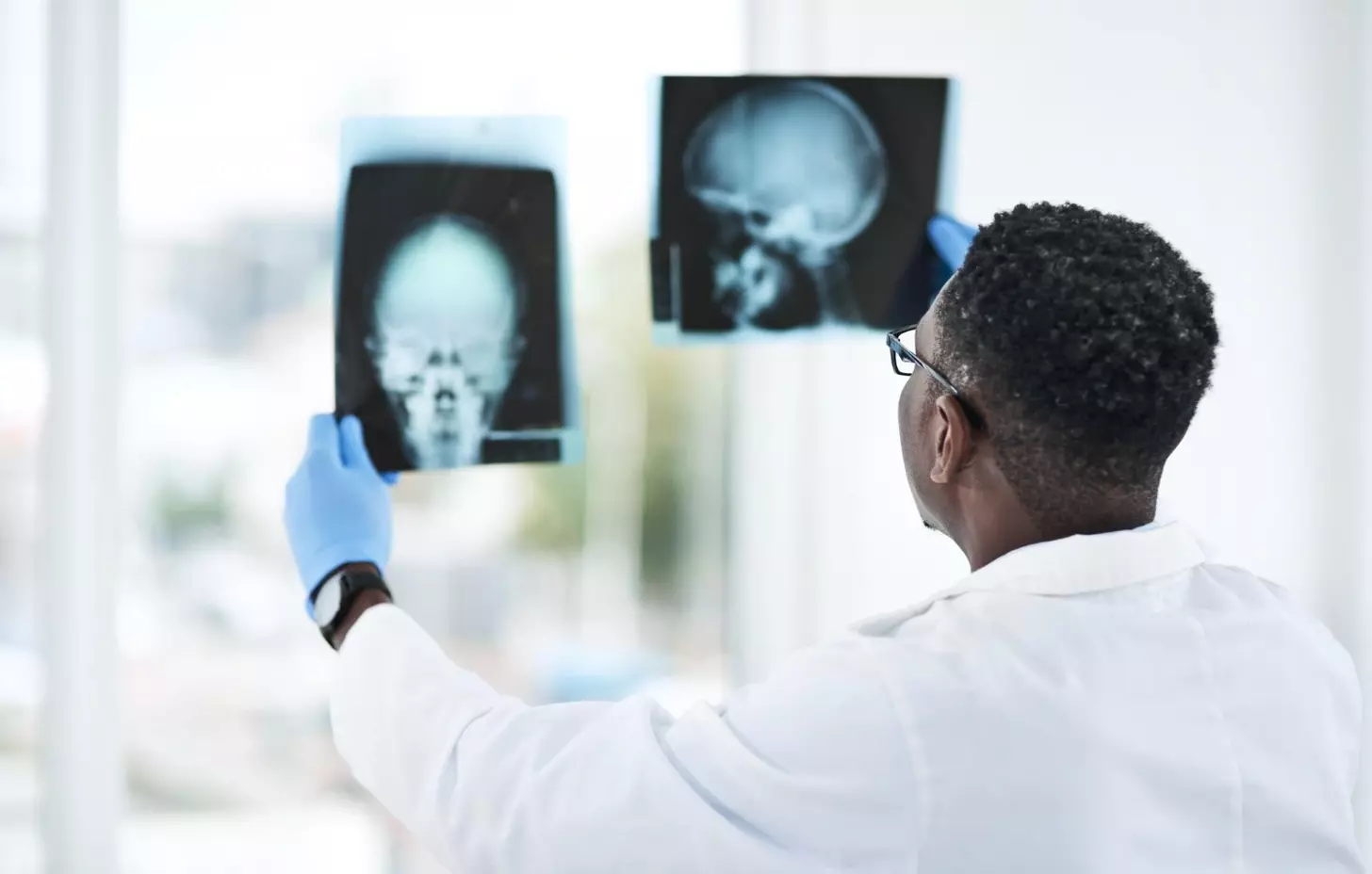
Neuroimaging Techniques
Neuroimaging is vital for diagnosing cerebrovascular disease. CT scans and MRI give us detailed brain images. They help find areas of ischemia or hemorrhage.
These images help us see how much damage there is. They guide our treatment choices. Advanced neuroimaging can spot early brain changes, leading to quicker treatment.
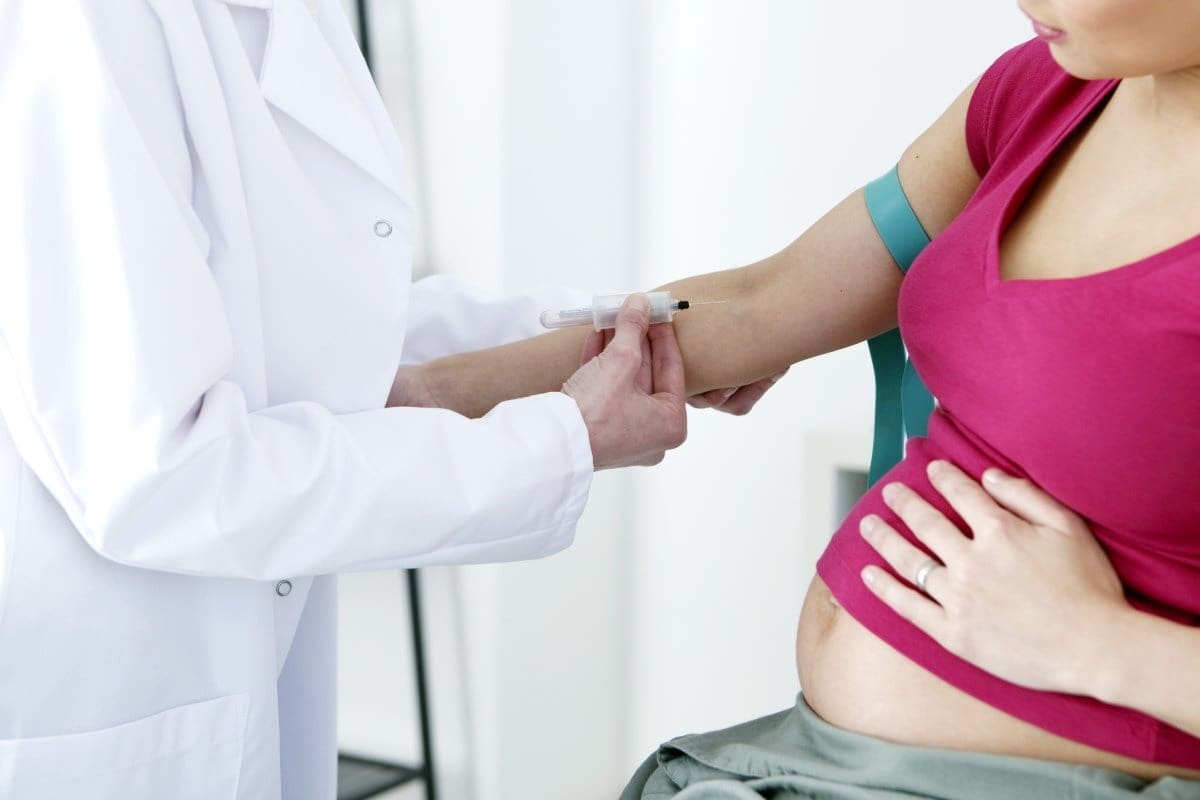
Laboratory Tests and Biomarkers
Laboratory tests are key in diagnosing and managing cerebrovascular disease. We test for risk factors like high cholesterol and diabetes.
Biomarkers show us about cardiac injury or inflammation. These tests help us understand the disease better. They help us make treatment plans that fit each patient’s needs.
Emergency Response to Early Symptoms
Importance of Immediate Action
Recognizing the earliest symptoms is crucial for obtaining prompt medical assistance.
The FAST method helps spot stroke symptoms. It stands for Face drooping, Arm weakness, Speech difficulties, and Time to call emergency services. Knowing these signs helps people react quickly in emergencies.
- Face drooping: Ask the person to smile. Does one side of their face droop?
- Arm weakness: Ask the person to raise both arms. Does one arm drift downward?
- Speech difficulties: Ask the person to repeat a simple sentence. Is their speech slurred or difficult to understand?
- Time to call: If the person shows any of these symptoms, time is of the essence. Call emergency services immediately.
Pre-hospital Care Protocols
Pre-hospital care protocols ensure patients get the right care from the start. EMTs are trained to spot stroke symptoms and do initial checks. They might give oxygen or check vital signs.
Good pre-hospital care includes:
- Quickly checking the patient’s condition
- Telling the hospital about the stroke patient
- Getting the patient to a stroke-ready hospital
Time-Sensitive Interventions
Quick actions are vital for stroke management. At the hospital, a team works fast. They aim to quickly figure out the stroke type and start treatment.
For ischemic strokes, they might use:
- Thrombolytic therapy: Drugs to dissolve the clot.
- Mechanical thrombectomy: Removing the clot from the artery.
For hemorrhagic strokes, they might do:
- Surgical intervention: To relieve pressure or repair the vessel.
- Medical management: To control blood pressure and stop bleeding.
Knowing the importance of quick response and medical help can save lives. Fast action, good pre-hospital care, and quick treatments are key to helping stroke patients.
Treatment Options for Cerebrovascular Disease
Managing cerebrovascular disease needs a detailed approach. This includes different strategies to tackle its complexities. Each patient’s needs are unique, so treatment plans are made just for them.
Acute Interventions
Early treatment is key for cerebrovascular disease, especially for ischemic strokes. Clot-busting medications like alteplase are used to dissolve clots. This helps restore blood flow to the brain.
Studies show that these treatments work best when given quickly.
“Intravenous thrombolysis with alteplase is a well-established treatment for acute ischemic stroke.”
This highlights the need for fast medical help.
| Treatment | Description | Timeframe |
| Alteplase | Clot-busting medication | Within 4.5 hours of stroke onset |
| Mechanical Thrombectomy | Mechanical removal of clot | Within 6-24 hours in selected patients |
Medication Management
Long-term care for cerebrovascular disease relies heavily on medication. Antiplatelet agents, anticoagulants, and drugs to control risk factors like high blood pressure and high cholesterol are used. The right medication depends on the condition and the patient.
- Antiplatelet agents (e.g., aspirin, clopidogrel) to prevent platelet aggregation
- Anticoagulants (e.g., warfarin, novel oral anticoagulants) for cardioembolic strokes
- Statins and other lipid-lowering therapies to manage hyperlipidemia
Rehabilitation Approaches for Hemiparesis and Other Deficits
Rehabilitation is crucial for patients with cerebrovascular disease, especially those with hemiparesis. A team of physical, occupational, and speech therapists work together. They help patients regain lost functions and adapt to their condition.
Rehabilitation includes:
- Physical therapy to improve mobility and strength
- Occupational therapy to enhance daily functioning and independence
- Speech therapy to address communication and swallowing disorders
By using a comprehensive treatment plan, we can greatly improve outcomes for patients with cerebrovascular disease.
Prevention Strategies and Risk Reduction
To lower the risk of cerebrovascular disease, it’s important to live a healthy lifestyle. This means managing medical risks and getting regular check-ups. By being proactive, you can greatly reduce your chance of getting this condition.
Lifestyle Modifications
Making lifestyle changes is key to preventing cerebrovascular disease. These changes include:
- Dietary Changes: Eating a balanced diet with lots of fruits, veggies, whole grains, and lean proteins helps manage weight and lowers disease risk.
- Regular Exercise: Activities like walking, cycling, or swimming boost heart health and cut down stroke risk.
- Smoking Cessation: Quitting smoking is crucial since it’s a big risk factor for cerebrovascular disease.
- Limiting Alcohol Consumption: Drinking less alcohol can help lower blood pressure and reduce stroke risk.
Medical Management of Risk Factors
Managing risk factors through medical care is essential. This includes:
| Risk Factor | Management Strategy |
| Hypertension | Regular blood pressure checks and using prescribed medications. |
| Diabetes | Controlling blood sugar through diet, exercise, and medication. |
| High Cholesterol | Using statins or other medications to lower cholesterol levels. |
Regular Screening and Monitoring
Regular health screenings are crucial for catching risk factors early. This includes:
“Regular check-ups with healthcare providers can help identify risk factors early, allowing for timely interventions that can prevent the onset of cerebrovascular disease.”
Screenings may include blood pressure checks, blood glucose tests, lipid profiles, and carotid artery ultrasounds. By being proactive about health monitoring, you can significantly reduce your risk of cerebrovascular disease.
By combining lifestyle changes, managing medical risks, and regular screenings, you can effectively lower your risk of cerebrovascular disease. This helps keep your heart healthy.
Conclusion
We’ve looked into cerebrovascular disease, a big problem worldwide. Knowing its early signs is key to managing it well. This helps lower the risk of serious issues like stroke.
Spotting cerebrovascular disease early is very important. It lets doctors act fast, using treatments that can really help patients.
By knowing the risks and looking out for early signs, we can fight cerebrovascular disease together. Quick medical help and the right treatments are essential. They help improve life for those dealing with this condition.
FAQ
What is cerebrovascular disease?
Cerebrovascular disease affects the brain’s blood vessels. It can lead to brain damage by reducing oxygen delivery. The most common issue is stroke.
What are the earliest symptoms of cerebrovascular disease?
Early signs include Transient Ischemic Attacks (TIAs) and small changes in the brain. You might notice weakness, trouble speaking, or vision problems.
What is the difference between hemiparesis and hemiplegia?
Hemiparesis means partial weakness on one side of the body. Hemiplegia is total paralysis on one side. Both can happen due to brain damage from cerebrovascular disease.
How can I identify if someone is having a stroke?
Look for Face drooping, Arm weakness, and Speech issues. Remember, Time is crucial to call for help.
What are the risk factors for cerebrovascular disease?
Risk factors include high blood pressure, diabetes, and lifestyle choices. Non-modifiable factors are age, gender, and family history.
Can cerebrovascular disease be prevented?
Yes, by making lifestyle changes and managing risk factors. Regular check-ups also help prevent it.
What are the treatment options for cerebrovascular disease?
Treatments include quick interventions, medicines, and rehabilitation. Each is tailored to the specific problem, like weakness or speech issues.
Doctors use clinical exams, neuroimaging, and lab tests. These help assess brain damage and the extent of the disease.
Why is emergency response important in cerebrovascular disease?
Quick action is key. It can greatly improve outcomes, especially in stroke cases.
What are the region-specific symptoms of cerebrovascular disease?
Symptoms vary based on the brain area affected. This includes symptoms from the carotid and vertebrobasilar territories, cerebellum, and basal ganglia.
How can lifestyle modifications help in preventing cerebrovascular disease?
Changes like managing blood pressure, diabetes, eating well, exercising, and not smoking can lower the risk.
References
Centers for Disease Control and Prevention. Cerebrovascular disease early symptom identification crucial for intervention. Retrieved from https://www.cdc.gov/stroke/signs_symptoms.htm