Last Updated on November 14, 2025 by Ugurkan Demir

Autoimmune Hemolytic Anemia (AIHA) is a rare hemolytic anemia autoimmune disease that happens when the body’s immune system attacks its own red blood cells. This destruction leads to anemia and several serious health problems.
Because this hemolytic anemia autoimmune disease prevents the body from carrying enough oxygen, patients may experience fatigue, jaundice, dizziness, and shortness of breath. These symptoms can range from mild to severe depending on the condition’s type and cause.
Understanding this hemolytic anemia autoimmune disease is key to managing it effectively. At Liv Hospital, we focus on providing specialized care that helps patients control their symptoms and improve their quality of life.
Key Takeaways
- AIHA is a rare autoimmune condition that destroys red blood cells.
- Common symptoms include fatigue, jaundice, and shortness of breath.
- A patient-centered approach is key for managing AIHA.
- Specialized care is needed to tackle the condition’s complexities.
- Liv Hospital offers trusted expertise for those affected by AIHA.
Understanding Autoimmune Hemolytic Anemia (AIHA)
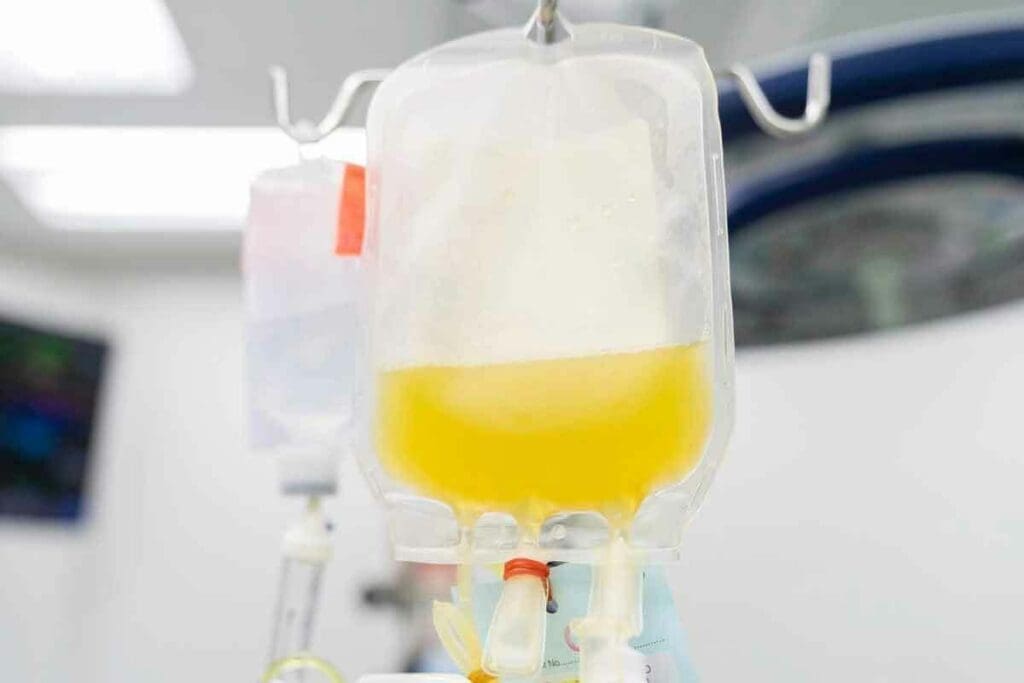
Autoimmune Hemolytic Anemia is a condition where the immune system attacks the body’s red blood cells. This attack reduces the number of red blood cells, causing anemia.
Definition and Prevalence
AIHA happens when the immune system sees red blood cells as enemies. It marks them for destruction, causing hemolysis. This leads to anemia. It’s estimated to affect 0.8 to 3 people per 100,000 each year.
It can happen at any age and affects both men and women. Some studies show women might get it a bit more often.
The Autoimmune Nature of AIHA
In AIHA, the immune system mistakenly attacks the body’s red blood cells. It sees them as foreign and makes antibodies against them. This autoimmune response is what causes the disease.
Knowing that AIHA is an autoimmune disease is key to finding good treatments. These treatments aim to fix the immune system’s mistake.
The Science Behind Hemolytic Anemia Autoimmune Disease – 300 words

To understand hemolytic anemia autoimmune disease, we must first learn about red blood cells. These cells carry oxygen to all parts of our body. They live for about 120 days before being removed by the spleen.
Normal Red Blood Cell Function and Lifespan
Red blood cells are made in the bone marrow. They carry hemoglobin, which holds oxygen. This oxygen is then delivered to the body’s tissues. After 120 days, these cells are removed by the spleen, keeping our blood healthy.
Pathophysiology of Autoimmune Hemolysis
In autoimmune hemolytic anemia (AIHA), the immune system attacks the body’s own red blood cells. This is called autoimmune hemolysis. The antibodies mark these cells for destruction, mainly in the spleen. This leads to fewer red blood cells and anemia.
The immune system and red blood cells interact in complex ways in AIHA. There are two types of autoantibodies: warm and cold. Warm autoantibodies work best at body temperature, while cold autoantibodies work better at lower temperatures. Knowing this helps doctors diagnose and treat AIHA.
Key aspects of AIHA pathophysiology include:
- Production of autoantibodies against red blood cells
- Premature destruction of red blood cells
- Involvement of the spleen in removing antibody-coated red blood cells
Understanding these processes is key to managing hemolytic anemia, autoimmune disease, and improving patient care.
Types of Autoimmune Hemolytic Anemia – 250 words
AIHA is not just one condition but a range of disorders. They are classified based on the autoantibodies’ thermal properties. This helps us understand the different symptoms and how to treat them.
Warm Autoimmune Hemolytic Anemia
Warm Autoimmune Hemolytic Anemia is the most common type. It happens when autoantibodies attack red blood cells at body temperature. This form is often linked to other autoimmune diseases or cancers.
Cold Agglutinin Disease
Cold Agglutinin Disease is caused by cold agglutinins. These antibodies clump red blood cells in cold temperatures. Symptoms get worse in cold, leading to hemolysis when warmed.
Mixed-Type AIHA
Mixed-Type AIHA has features of both warm and cold AIHA. It’s a complex condition. The presence of both types of autoantibodies makes diagnosis and treatment harder.
Knowing the different types of AIHA is key. It helps doctors tailor treatments to each patient’s needs.
Causes and Risk Factors of AIHA Disease – 250 words
AIHA disease is a group of autoimmune disorders. They cause red blood cells to break down too early. Knowing what causes AIHA is key to treating it.
Primary (Idiopathic) AIHA
Some cases of AIHA have no known cause, called idiopathic AIHA. Here, the immune system attacks the body’s own red blood cells. The exact reasons for this are not clear, but genetics and environment play a role.
Secondary AIHA
Secondary AIHA happens with other diseases, such as infections or autoimmune diseases. For example, a study on AIHA in pediatric acute leukemia shows its complexity. The other disease starts the immune attack on red blood cells.
Being at risk for AIHA includes having autoimmune diseases, infections, or cancers. Knowing these risks helps in the early detection and treatment of AIHA disease.
Recognizing the Symptoms of Autoimmune Hemolytic Anemia – 300 words
Autoimmune Hemolytic Anemia (AIHA) is a complex condition. It shows through various symptoms, making early recognition key for effective management. The symptoms of AIHA can differ from person to person. Yet, there are common signs that often point to the disease.
Common Physical Manifestations
People with AIHA may feel fatigue, jaundice (yellowing of the skin and eyes), shortness of breath, and rapid heartbeat. These symptoms happen because of fewer red blood cells. Red blood cells are vital for carrying oxygen.
- Fatigue and weakness from not enough oxygen to tissues
- Jaundice from broken-down red blood cells
- Shortness of breath as the body tries to get more oxygen, and a rapid heartbeat helps get more oxygen.
Severity Spectrum and Progression
AIHA’s severity can range from mild to severe. Some cases are life-threatening. The disease’s progression is unpredictable. Some people’s health slowly gets worse, while others have sudden, severe episodes.
When to Seek Medical Attention
If you’re showing symptoms of AIHA, get medical help right away. Early diagnosis and treatment can greatly improve your chances. If you’re feeling increasing fatigue, severe shortness of breath, or jaundice, see a doctor.
Knowing the symptoms of AIHA and when to get medical help is vital. It’s a key step in managing the condition well.
How AIHA Affects Different Body Systems – 350 words
AIHA affects more than just the blood. It impacts the heart, lungs, and other vital parts of our body. Autoimmune Hemolytic Anemia happens when the immune system attacks and destroys red blood cells. This can harm many body systems.
Cardiovascular Impact
AIHA puts a lot of stress on the heart. It needs to work harder because the blood can’t carry enough oxygen. This can cause heart palpitations, tachycardia, and even heart failure. The heart struggles to keep tissues and organs oxygenated.
Respiratory Consequences
AIHA also affects the lungs. With fewer red blood cells and less hemoglobin, the body gets tired easily. People might feel short of breath (dyspnea) and very tired. In bad cases, they might breathe very fast to try to get more oxygen.
Effects on Other Organ Systems
AIHA can also harm other organs. For example, the spleen gets bigger (splenomegaly) because it works harder to clean the blood. The liver might get affected too, causing jaundice from broken-down red blood cells.
| Organ System | Potential Effects of AIHA |
| Cardiovascular | Heart palpitations, tachycardia, and heart failure |
| Respiratory | Shortness of breath, rapid breathing rate |
| Spleen | Splenomegaly |
| Liver | Jaundice |
A medical expert says, “AIHA is not just a blood issue; it’s a problem that affects many parts of the body.” Knowing how AIHA impacts different systems is key to helping patients get better.
Diagnosis of Autoimmune Haemolytic Anaemia – 300 words
Diagnosing AIHA involves several steps. These include looking at the patient’s history, doing a physical exam, and running special lab tests. Getting the diagnosis right is key to treating the condition well.
Laboratory Tests and Blood Work
Lab tests are essential for diagnosing AIHA. Important tests include:
- Complete Blood Count (CBC): This test checks for anemia and other blood cell issues.
- Reticulocyte Count: It measures young red blood cells to see how the bone marrow is doing.
- Direct Coombs’ Test (Direct Antiglobulin Test): This test finds antibodies or proteins on red blood cells, showing an autoimmune cause.
These tests help understand how much hemolysis is happening and how the body is responding.
Specialized Diagnostic Procedures
There are also special tests for diagnosing AIHA. These include:
- Bone Marrow Examination: It checks how red blood cells are made and rules out other bone marrow problems.
- Imaging Studies: Like ultrasound or CT scans, to find any underlying conditions that might be causing AIHA.
Differential Diagnosis
Differential diagnosis is important in AIHA. It helps tell AIHA apart from other causes of hemolytic anemia. This means checking for other conditions that might look like AIHA but aren’t.
A thorough diagnostic process makes sure patients get the right diagnosis and treatment. This is tailored to their specific needs.
Treatment Approaches for Anemia Hemolítica Autoimune – 350 words
Autoimmune hemolytic anemia (AIHA) treatment includes many options. These aim to lower hemolysis, boost red blood cell count, and manage symptoms.
First-Line Therapies
The first step in treating AIHA often involves corticosteroids like prednisone. These drugs help calm the immune system’s attack on red blood cells. Sometimes, rituximab, a monoclonal antibody targeting B cells, is used. This is for those who don’t respond to steroids or have specific conditions.
- Corticosteroids (e.g., prednisone)
- Rituximab for non-responsive or specific cases
Second-Line and Emerging Treatments
For those not helped by first-line treatments, second-line options are explored. These include immunosuppressive drugs like azathioprine or cyclophosphamide. New treatments involve complement inhibitors and targeted therapies. These aim to lessen the immune system’s destruction of red blood cells.
- Immunosuppressive drugs (e.g., azathioprine, cyclophosphamide)
- Emerging therapies: complement inhibitors and targeted treatments
Managing Acute Hemolytic Crisis
For an acute hemolytic crisis, quick medical help is vital. Treatment may include intravenous immunoglobulin (IVIG) to slow red blood cell destruction. Supportive care, like blood transfusions, is also given to stabilize the patient.
Managing AIHA needs a personalized approach. It considers the patient’s condition, treatment response, and possible side effects. Regular monitoring and adjusting treatment plans are key to the best results.
Special Considerations in Different Populations – 250 words
Different groups, like children, the elderly, and pregnant women, face AIHA in unique ways. This requires special care. The condition affects each group differently, needing specific management plans.
AIHA in Children
AIHA in kids is often more serious and needs quick action. It can come from infections or shots. Doctors usually start with corticosteroids to treat it.
Elderly Patient withwAuto-Hemolyticc Anemia
Older people with AIHA often have other health issues. This makes treating AIHA harder. It’s important to think about these other health problems when planning treatment.
Pregnancy and Autoimmune Hemolytic Anemia
AIHA during pregnancy is a big challenge. It can harm both the mom and the baby. It’s key to watch them closely and adjust treatments to keep risks low.
| Population | Unique Challenges | Management Strategies |
| Children | Severe presentation, association with infections or immunizations | Corticosteroids as first-line treatment |
| Elderly | Presence of comorbidities | Careful consideration of comorbidities in treatment planning |
| Pregnant Women | Risks to both mother and fetus | Close monitoring, adjusted treatment strategies |
Living with Autoimmune and Anemia Conditions – 300 words
For those with AIHA, knowing how to manage it is key to a good life. Managing AIHA means a mix of medical care, lifestyle changes, and support.
Daily Management Strategies
Managing AIHA daily means sticking to your meds, watching for symptoms, and making smart lifestyle choices. Work with your doctor to create a plan that fits you. This plan should include regular check-ups and changes as needed.
Nutritional Considerations
Eating right is important for AIHA. A diet full of iron, vitamin B12, and folate helps make red blood cells. Also, drink plenty of water and follow any diet advice from your doctor.
Monitoring and Preventing Flare-ups
Knowing what causes AIHA flare-ups is important. Common causes include infections, some meds, and stress. Avoiding these can help prevent and lessen flare-ups.
Support Resources
Living with AIHA can be tough, both physically and emotionally. Support groups, counseling, and online forums offer help and advice. They can make dealing with AIHA easier and improve your life.
With a good management plan, people with AIHA can live full and happy lives. It’s important to stay informed, work with your doctor, and use support resources.
Conclusion – 200 words
Autoimmune hemolytic anemia (AIHA) is a rare and complex disorder. It happens when the immune system attacks and destroys red blood cells. We’ve looked at what AIHA is, its types, causes, symptoms, how it’s diagnosed, and how it’s treated.
Understanding AIHA well is key to managing it effectively. It can really affect someone’s quality, and how severe it is can vary a lot. By knowing the signs and symptoms, doctors can quickly diagnose and treat AIHA. This can greatly improve how well a patient does.
In short, treating AIHA needs a team effort. This includes medical care, making lifestyle changes, and emotional support. We hope this summary helps those with AIHA. It’s our goal to give them the knowledge they need to deal with this tough condition and get better.
FAQ
What is autoimmune hemolytic anemia (AIHA)?
AIHA is a rare condition. It happens when the immune system attacks and destroys red blood cells. This leads to anemia.
What are the common symptoms of AIHA?
Symptoms include fatigue, jaundice, and shortness of breath. Pale skin is also common due to fewer red blood cells.
How is AIHA diagnosed?
Doctors use blood tests to check for anemia and signs of hemolysis. They also do special tests to confirm it’s an autoimmune condition.
What are the different types of AIHA?
There are warm autoimmune hemolytic anemia, cold agglutinin disease, and mixed-type AIHA. Each has its own characteristics and triggers.
What causes AIHA?
AIHA can be primary or secondary. Primary AIHA has no known cause. Secondary AIHA is linked to infections, autoimmune diseases, or certain medications.
How is AIHA treated?
Treatment includes steroids and rituximab as first-line options. There are also second-line and emerging treatments. The goal is to reduce hemolysis and manage symptoms.
Can AIHA be managed in different populations, such as children and pregnant women?
Yes, AIHA can be managed in different populations.Bu t, it needs special considerations and tailored approaches for each group.
What are the effects of AIHA on different body systems?
AIHA can affect the cardiovascular and respiratory systems. This can lead to complications like heart failure or respiratory distress.
How can I live with AIHA?
Living with AIHA means managing it daily. This includes nutritional considerations and monitoring for flare-ups. Using support resources helps maintain quality of life.
Is anemia an autoimmune disorder?
Anemia itself is not an autoimmune disorder.But, autoimmune hemolytic anemia is a specific type of anemia caused by an autoimmune response.
What is the difference between primary and secondary AIHA?
Primary AIHA has no known cause. Secondary AIHA is linked to underlying conditions or factors that trigger the autoimmune response.
References
- Medical News Today. (2024, January 18). Autoimmune Hemolytic Anemia: Causes, Types, and Treatment. Retrieved from https://www.medicalnewstoday.com/articles/312508