Menopause is a big change for millions of women around the world. In the US, about 1.3 million women go through it every year. Symptoms like hot flashes, night sweats, and feeling tired can be really tough.A guide to the 7 best herbal remedies for menopause offering natural relief from common symptoms. See our top herbal remedies for menopause.
Natural approaches, including herbal supplements, have gained popularity as women look for alternatives to traditional hormone replacement therapy. About 70% of women use these methods to manage their symptoms. They want relief without the risks of conventional treatments.
At Liv Hospital, we offer evidence-based guidance on the best natural remedies. We combine scientific research with patient-centered care. This helps women navigate menopause with confidence.
Key Takeaways
- Menopause affects 1.3 million women in the US annually.
- 70% of women use natural methods to manage menopause symptoms.
- Herbal supplements are a popular alternative to traditional hormone replacement therapy.
- Natural remedies can help alleviate hot flashes, night sweats, and fatigue.
- Evidence-based guidance is key for safe and effective symptom management.
Understanding Menopause: Statistics and Symptoms
Menopause is a big health milestone for women all over the world. It brings many symptoms that change daily life. Knowing about this natural change is key.
The Global Impact of Menopause
Menopause touches millions of women worldwide. The World Health Organization says by 2030, there will be 1.2 billion women over 50. In the U.S., about 6,000 women start menopause every day. This shows why we need to tackle menopause symptoms well.
Menopause is more than a personal issue; it’s a big public health matter. It affects many cultures and healthcare systems in different ways.
Common Symptoms Affecting Quality of Life
Menopause symptoms vary and can affect women’s lives a lot. Some common ones are:
- Irregular periods
- Vasomotor symptoms (VMS) like night sweats and hot flashes
- Vaginal dryness
- Chills
- Problems sleeping
- Mood problems
- Weight gain
- Hair or skin changes
- Loss of breast fullness
Hot flashes and night sweats hit up to 80% of women. These symptoms can mess with sleep, mood, and life quality a lot.
Symptom | Prevalence | Impact on Quality of Life |
Hot Flashes | Up to 80% | Disrupts sleep, causes discomfort |
Night Sweats | Up to 75% | Affects sleep quality, emotional well-being |
Vaginal Dryness | Up to 50% | Impacts intimacy, daily comfort |
Knowing these stats and symptoms helps us find better ways to handle menopause. As we look at herbal remedies next, it’s important to see how these symptoms affect women’s lives.
The Science Behind Herbal Remedies for Menopause
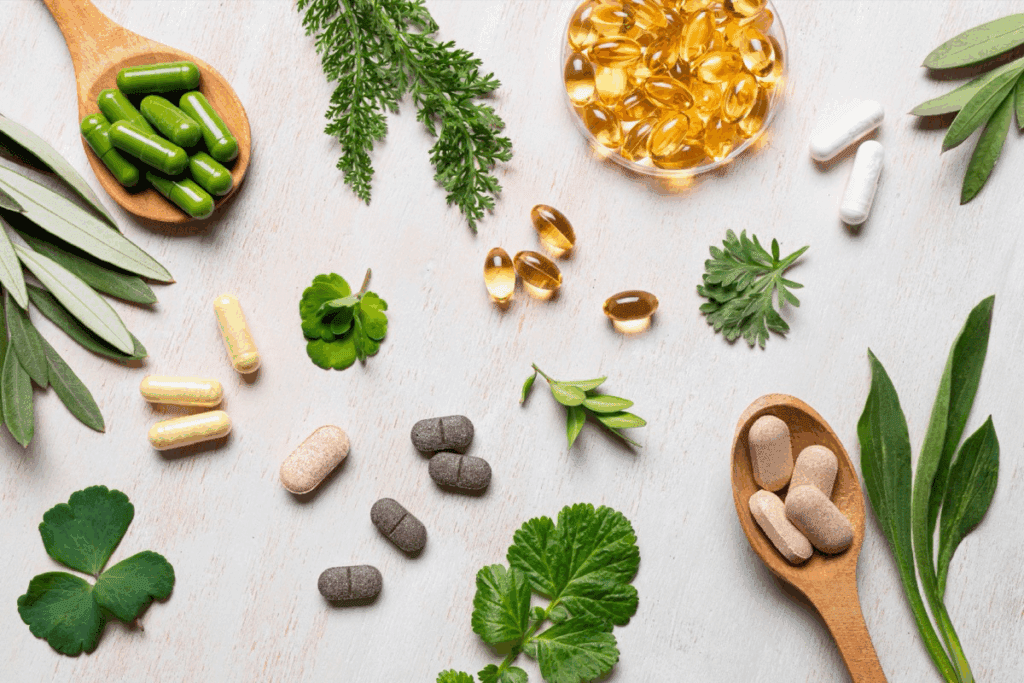
Herbal remedies are becoming more popular for menopause symptoms. Science backs up their effectiveness. We learn how they work with our hormones to help us feel better.
How Plant Compounds Interact with Hormonal Systems
Herbal remedies have complex compounds that affect our hormones. For example, phytoestrogens in plants like red clover and flaxseed act like estrogen. This can help with hot flashes and night sweats.
Phytoestrogens bind to estrogen receptors. This can lessen menopause symptoms. It shows how herbal remedies can help without synthetic hormones.
Clinical Research Supporting Natural Approaches
Studies show herbal remedies like black cohosh and red clover help with hot flashes. They also reduce other symptoms of menopause.
Herbal Remedy | Primary Benefit | Clinical Evidence |
Black Cohosh | Reduces hot flashes and night sweats | Multiple studies show significant symptom improvement |
Red Clover | Alleviates hot flashes and improves bone density | Clinical trials demonstrate effectiveness in symptom reduction |
Flaxseed | Reduces hot flashes and improves heart health | Research supports its use for menopausal symptom relief |
The 70% Trend: Why Women Choose Herbal Solutions
About 70% of women use herbal remedies for menopause. They prefer natural options with fewer side effects than traditional treatments.
Women choose herbal remedies for their safety and effectiveness. More research supports their use. This gives women more ways to manage their symptoms.
Black Cohosh: Leading Herb for Hot Flash Relief
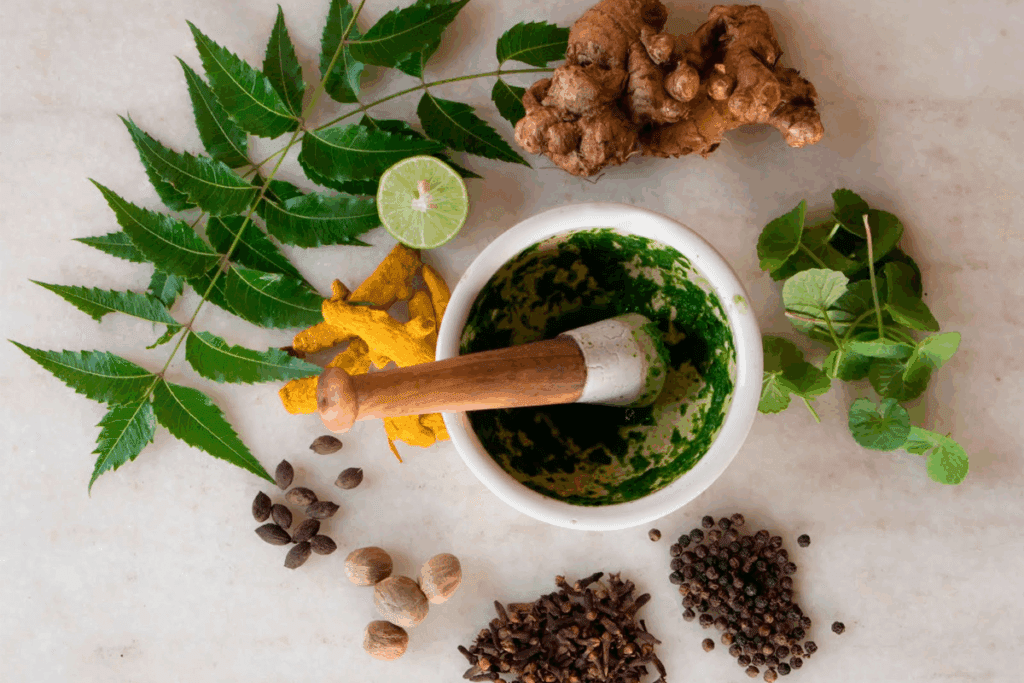
Black cohosh is a top herbal remedy for hot flashes in menopausal women. It comes from North America and has been used for centuries. It’s known for helping with hot flashes and night sweats without hormone therapy.
A 2023 study showed black cohosh’s effectiveness in easing menopause symptoms. The study found black cohosh extract improved symptoms more than a placebo. It’s seen as a good option for those looking for hot flash relief.
2023 Research Findings on Symptom Improvement
The 2023 study gave insights into black cohosh’s benefits for menopausal women. It compared symptom improvement in those taking black cohosh extract and those taking a placebo. Black cohosh significantly reduced hot flashes and night sweats.
These results match earlier studies on black cohosh’s effectiveness. It’s a good choice for women who can’t or don’t want hormone therapy.
Mechanism of Action in the Body
Black cohosh’s exact how-it-works is not fully known. But research suggests it affects the body’s hormones. It might change neurotransmitters and hormones to help with body temperature, reducing hot flashes.
More research is needed to understand black cohosh’s exact effects. But its benefits without major side effects make it appealing to many.
Recommended Dosage and Administration
The right amount of black cohosh varies by preparation and individual needs. Typically, 40-80 mg of standardized extract is taken daily. Always follow the manufacturer’s advice and talk to a healthcare provider before starting.
Black cohosh comes in capsules, tablets, and tinctures. It’s not for those with liver disease, and it’s wise to watch liver health while using it.
Red Clover: Isoflavone-Rich Support for Multiple Symptoms
Red clover is packed with isoflavones, which are like estrogen. They might help ease symptoms when estrogen levels drop during menopause.
Clinical Evidence for Effectiveness
Many studies have looked into red clover’s benefits for menopause. A review in the Journal of Women’s Health showed it can lessen hot flashes.
A study in the Journal of Alternative and Complementary Medicine found it also helps with night sweats and other symptoms.
Benefits Beyond Hot Flashes
Red clover might do more than just ease hot flashes. It could also help keep bones strong, which is important after menopause.
It might also boost heart health by improving cholesterol and blood vessel function.
Safe Usage Guidelines and Preparations
It’s key to use red clover safely. The usual dose is 40 to 80 mg of isoflavones each day.
Preparation | Dosage | Frequency |
Red Clover Extract | 40-80 mg | Once daily |
Dried Red Clover | 1-2 teaspoons | Twice daily |
Red Clover Tea | 1 cup | 2-3 times daily |
Always talk to a doctor before trying new supplements, like red clover. This is true for women with hormone-sensitive cancers or those on hormone therapy.
Flaxseed: 2024 Studies on Hot Flashes and Sleep Quality
Flaxseed is a great choice for women looking for natural ways to ease menopause symptoms. It’s packed with lignans, which act like estrogen, and omega-3 fatty acids. These nutrients make flaxseed very helpful.
Lignans and Omega-3s: The Active Components
Flaxseed has lots of lignans, which help balance hormones during menopause. These lignans act like estrogen, which can lessen hot flashes and night sweats. It also has omega-3 fatty acids, like alpha-linolenic acid (ALA), which are good for the heart and sleep.
Research-Backed Benefits for Night Sweats
Studies from 2024 show flaxseed helps with night sweats and better sleep. A study found that eating flaxseed made night sweats less and sleep better. The lignans in flaxseed are key to these benefits.
- Reduced frequency and severity of night sweats
- Improved sleep quality and duration
- Potential benefits for overall hormonal balance
Culinary Applications and Supplement Options
Flaxseed is easy to add to your meals, making it a natural way to handle menopause symptoms. You can mix it into oatmeal, yogurt, or smoothies. Or use it in baked goods. For a stronger dose, there are flaxseed supplements in capsule or powder form.
Tips for Incorporating Flaxseed into Your Diet:
- Add ground flaxseed to your breakfast cereal or oatmeal
- Mix flaxseed into your favorite smoothie or protein shake
- Use flaxseed as an egg substitute in baking recipes
Adding flaxseed to your diet can help ease menopause symptoms and improve your life quality.
Sage: Traditional European Remedy for Excessive Sweating
Sage is a well-known remedy in Europe for excessive sweating. It has been used for centuries to help manage this issue. Sage is known for its ability to reduce sweating and is often used to treat hot flashes.
Studies have shown that sage can be effective in reducing excessive sweating. It works by reducing the amount of sweat glands produce. This makes it a popular choice for those looking for a natural solution to excessive sweating.
Using sage as a remedy for excessive sweating is simple. You can add it to your meals or make a tea from the leaves. Sage has a mild flavor that can be enjoyed in various dishes, making it easy to incorporate into your diet.
While sage is traditionally used for excessive sweating, it also offers other benefits. It can help with digestion and improve overall health. This makes it a versatile herb that can be used in many ways.
Overall, sage is a traditional European remedy that has been used for centuries to help manage excessive sweating. Its effectiveness in reducing sweat production makes it a popular choice for those looking for a natural solution to this common issue.
Ginseng: Adaptogenic Support for Energy and Vitality
Ginseng is great for women going through menopause. It boosts energy and vitality naturally. For centuries, it’s been used in traditional medicine. Now, modern research backs its benefits.
Varieties and Their Benefits
There are many types of ginseng, each with its own perks. Korean red ginseng is well-studied for menopause symptoms. It helps improve well-being and fight fatigue.
Other notable types include:
- Asian ginseng (Panax ginseng): Known for its energizing properties.
- American ginseng (Panax quinquefolius): Often used for its cognitive benefits.
- Eleuthero ginseng (Eleutherococcus senticosus): Recognized for its adaptogenic properties without the stimulating effects of other ginseng varieties.
Research on Fatigue and Cognitive Function
Research shows ginseng helps with fatigue and brain function in menopausal women. A 2023 study in the Journal of Women’s Health found Korean red ginseng reduced fatigue and boosted brain function in postmenopausal women.
Study Findings | Dosage | Duration |
Improved fatigue and cognitive function | 1,000 mg/day | 12 weeks |
Enhanced overall well-being | 2,000 mg/day | 8 weeks |
Finding Quality Products and Proper Dosing
Choosing a good ginseng supplement is key. Look for products from trusted makers. Make sure they’re standardized for ginsenosides, ginseng’s active parts.
Dosage depends on the ginseng type and your health. Typical doses are 400 mg to 800 mg daily. Always talk to a healthcare provider to find the right dose for you.
Lemon Balm: Nervine Support nervine Support for Mood and Sleep
Lemon balm is known for its calming effects. It helps with menopause-related anxiety and sleep issues. It’s a natural way to manage symptoms without harsh chemicals.
Calming Properties for Anxiety and Irritability
Lemon balm soothes the nervous system. It reduces anxiety and irritability common in menopause. Its compounds work with brain chemicals to bring calm and relaxation.
Research shows lemon balm can lessen anxiety in menopause. Adding lemon balm to daily routines can help manage emotional changes.
Research on Sleep Quality Improvement
Sleep issues are common in menopause, impacting life quality. Lemon balm may help by reducing stress and promoting relaxation.
Studies suggest lemon balm, with other calming herbs, can improve sleep. It’s a natural solution for sleep disturbances in menopause.
Simple Ways to Incorporate Into Daily Routine
It’s easy to add lemon balm to your day. You can drink it as herbal tea, use it in food as a culinary herb, or take it as a supplement.
- Drink lemon balm tea before bed for better sleep.
- Use fresh lemon balm leaves in salads or cooking for calmness.
- Take lemon balm supplements with a healthcare provider’s advice.
By making lemon balm part of your routine, you can use its calming effects. This supports your mental and emotional health during menopause.
Creating a Personalized Herbal Protocol
Women can tailor herbal remedies to fit their unique menopause symptoms. They can pick herbs that work best with their body. This way, they get relief without unwanted side effects.
Symptom-Specific Herb Selection
Choosing herbs based on symptoms is the first step. For hot flashes, Black Cohosh is often a good choice. For mood swings, Lemon Balm might be better. Pick herbs that target your main symptoms.
- Identify primary symptoms: hot flashes, mood swings, sleep disturbances
- Select herbs known to address these symptoms: Black Cohosh, Red Clover, Sage
- Consider individual health status and possible interactions with medications
Timing and Cycling of Different Remedies
When and how often you take herbs matters. Some herbs work better at certain times or in specific combinations. For example, Ginseng is often taken in the morning to boost energy.
- Start with a single herb to gauge its effectiveness
- Cycle herbs every 3-6 months to avoid developing tolerance
- Consider combining herbs for synergistic effects, under professional guidance
- Adjust timing based on symptom patterns and daily routines
Tracking Effectiveness and Making Adjustments
It’s important to track how well your herbal protocol works. A symptom journal can help you see changes. This info helps you decide if you need to change your herbs.
By regularly checking how well your herbal protocol works, you can make smart choices. This ensures you get the most out of your menopause management.
Safety Considerations and Possible Interactions
Women looking into herbal remedies for menopause need to know about safety. These natural options can help with symptoms but might also have side effects or mix with other medicines.
When to Consult Healthcare Providers
It’s important to talk to healthcare providers before starting herbal supplements. This is true if you’re already on medications or have health issues. Share your medical history and current treatments to make sure herbal remedies are safe for you.
Key factors to discuss with your healthcare provider:
- Current medications and possible interactions
- Underlying health conditions
- Previous allergic reactions to herbs or supplements
- Pregnancy or breastfeeding status
Medication Interactions to Be Aware Of
Herbal supplements can affect how medicines work. For example, St. John’s Wort can change how antidepressants work, and ginseng might affect blood thinners.
Herbal Supplement | Potential Interaction | Effect |
St. John’s Wort | Antidepressants | Increased risk of serotonin syndrome |
Ginseng | Blood thinners | Altered anticoagulant effect |
Black Cohosh | Antihypertensive drugs | Enhanced blood pressure lowering effect |
Quality Sourcing and Standardization Issues
The quality of herbal supplements can differ a lot. It’s key to pick products from trusted sources that follow Good Manufacturing Practices (GMPs). Also, make sure they clearly list ingredients and dosages.
When choosing herbal supplements, look for third-party tested products. Organizations like NSF International or the National Science Foundation check for quality and purity.
Complementary Lifestyle Approaches for Enhanced Results
Herbal remedies can help with menopause symptoms. But, adding lifestyle changes can make them work better. Changes in diet, stress, and exercise can help more.
Dietary Modifications That Support Hormonal Balance
Diet is key in managing menopause symptoms. Some foods can balance hormones and lessen hot flashes and night sweats. Foods rich in omega-3 fatty acids, like salmon and flaxseeds, can help. Also, eating lots of fruits, veggies, and whole grains is good for health during menopause.
- Eat foods with phytoestrogens, like soy and lentils
- Have more calcium-rich foods for bone health
- Drink less caffeine and alcohol, as they can cause hot flashes
Stress Management Techniques
Stress makes menopause symptoms worse. So, managing stress is important. Mindfulness meditation, yoga, and deep breathing can help. Doing these regularly can make you feel better and reduce symptoms.
- Do mindfulness or meditation every day
- Try yoga or tai chi for stress and exercise
- Use deep breathing when stressed or during hot flashes
Movement Practices for Symptom Relief
Exercise is vital for managing menopause symptoms. It can lessen hot flashes, improve sleep, and boost health. Brisk walking, swimming, and cycling are great choices. Try to exercise for at least 30 minutes, most days.
- Begin with easy exercises like walking or swimming
- Add strength training to keep bones strong
- Try yoga for both exercise and stress relief
Using herbal remedies and lifestyle changes together can help manage menopause symptoms. This can lead to a better quality of life during this time.
Conclusion: Embracing Natural Support Through the Menopause Transition
Natural support is a promising way to ease symptoms during menopause. Herbal remedies like black cohosh and red clover help with hot flashes and mood swings. Flaxseed, sage, ginseng, and lemon balm also offer relief.
Adding these herbs to a holistic approach can help manage symptoms. Making lifestyle changes, like eating right and managing stress, boosts their effects. This way, women can tackle menopause more effectively.
Every woman’s menopause journey is different. So, finding the right herbal mix is key. Tailoring herbal remedies to fit individual needs can greatly help. This way, women can find relief and support during menopause.
Choosing natural support lets women take charge of their health. By using herbal remedies and making lifestyle changes, they can face menopause with confidence and energy.
FAQ
qWhat are the most effective herbal remedies for managing menopause symptoms?
Black cohosh helps with hot flashes. Red clover can tackle multiple symptoms. Flaxseed is good for night sweats and sleep.
Sage helps with excessive sweating. Ginseng boosts energy and vitality. Lemon balm improves mood and sleep.
Are herbal remedies a suitable alternative to hormone replacement therapy (HRT) for menopause?
Herbal remedies can be a natural choice instead of HRT. But, always talk to a healthcare provider to find the best option for you.
How do herbal remedies interact with hormonal systems in the body?
Herbal remedies have plant compounds that affect hormones. They can help balance hormones, easing menopause symptoms.
What are the benefits of using black cohosh for hot flash relief?
Black cohosh can lessen hot flashes. It improves life quality for women going through menopause.
Can red clover help with symptoms beyond hot flashes?
Yes, red clover helps with night sweats, mood swings, and sleep issues. It’s rich in isoflavones.
How can flaxseed be incorporated into the diet to support menopause symptom relief?
Add flaxseed to meals or take it as a supplement. It offers lignans and omega-3s for better sleep and reduced night sweats.
What are the calming properties of lemon balm, and how can it be used?
Lemon balm calms the nervous system. It reduces anxiety and irritability. Enjoy it as tea, in food, or as a supplement for relaxation and sleep.
How can a personalized herbal protocol be created for menopause symptom relief?
Create a personalized plan by choosing herbs for your symptoms. Consider timing and adjust as needed based on how well they work.
What safety considerations should be taken into account when using herbal remedies for menopause?
Always talk to a healthcare provider before starting herbal remedies. Be aware of any interactions with medications and ensure the quality and standardization of the herbs.
Can lifestyle approaches complement the use of herbal remedies for menopause symptom relief?
Yes, changing your diet, managing stress, and staying active can boost the effects of herbal remedies. They help ease menopause symptoms.
What are some natural hormone replacement therapy options for menopause?
Natural options include herbal estrogen like black cohosh and red clover. These support hormonal balance during menopause.
How can herbal supplements be used to support menopause symptom relief?
Supplements like ginseng and sage can enhance energy and well-being during menopause. But, follow the recommended dosage and consult a healthcare provider.
References
National Center for Biotechnology Information. Menopause Anxiety: Treatment Options and Hormonal Considerations. Retrieved from https://pmc.ncbi.nlm.nih.gov/articles/PMC10086901/