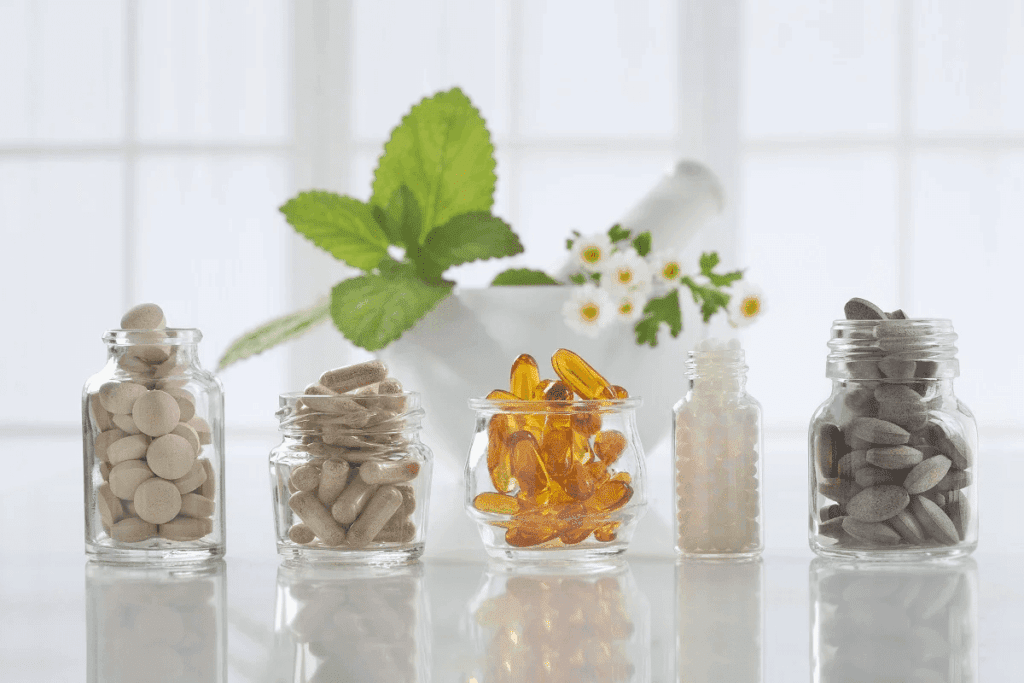
Menopause affects millions of women worldwide. About 3 out of 4 women experience hot flushes and night sweats. These symptoms can really disrupt daily life and sleep.Discover the top 7 herbs good for menopause to combat night sweats and hot flashes effectively. These herbs good for menopause offer relief.
At Liv Hospital, we know how tough this time can be. We’re here to offer natural relief options backed by science.
Recent studies have shown that some herbs and supplements can help with menopause symptoms. For example, black cohosh and evening primrose oil might reduce hot flashes and night sweats. We’ll look at the most effective herbal remedies to help women feel better during menopause.
Key Takeaways
- Menopause affects a significant majority of women globally, causing vasomotor symptoms.
- Certain herbs and supplements may offer natural relief from menopause symptoms.
- Black cohosh and evening primrose oil are among the herbal remedies showing promise.
- Natural hormone replacement options and alternative treatments can help with night sweats and fatigue.
- Evidence-based insights into herbal menopause relief can support women in managing their symptoms.
The Menopausal Transition: What Happens to Your Body
The menopausal transition is a natural process, but it can be tough for many women. As women get closer to menopause, their bodies change a lot. These changes are mainly because of hormonal shifts. This transition can last for months or years and affects women in different ways.
Understanding Hormonal Changes During Menopause
During menopause, the levels of estrogen and progesterone drop a lot. This drop messes with the body’s hormonal balance, causing symptoms. Estrogen is key in keeping body temperature stable, which is why its drop leads to hot flushes and night sweats.
The estrogen drop also affects other body functions, causing symptoms like vaginal dryness and mood swings. Knowing about these hormonal changes helps manage menopausal symptoms better.
Hot Flushes and Night Sweats: Why They Happen
Hot flushes and night sweats are common and bothersome symptoms of menopause, known as vasomotor symptoms (VMS). They happen because the body can’t control its temperature as well, thanks to lower estrogen levels.
Hot flushes are sudden feelings of heat, often with sweating and skin flushing. Night sweats are hot flushes that happen at night, which can disrupt sleep and cause tiredness. The exact reasons for VMS are complex and involve the hypothalamus, the brain part that controls body temperature.
The Prevalence of Menopausal Symptoms: You’re Not Alone
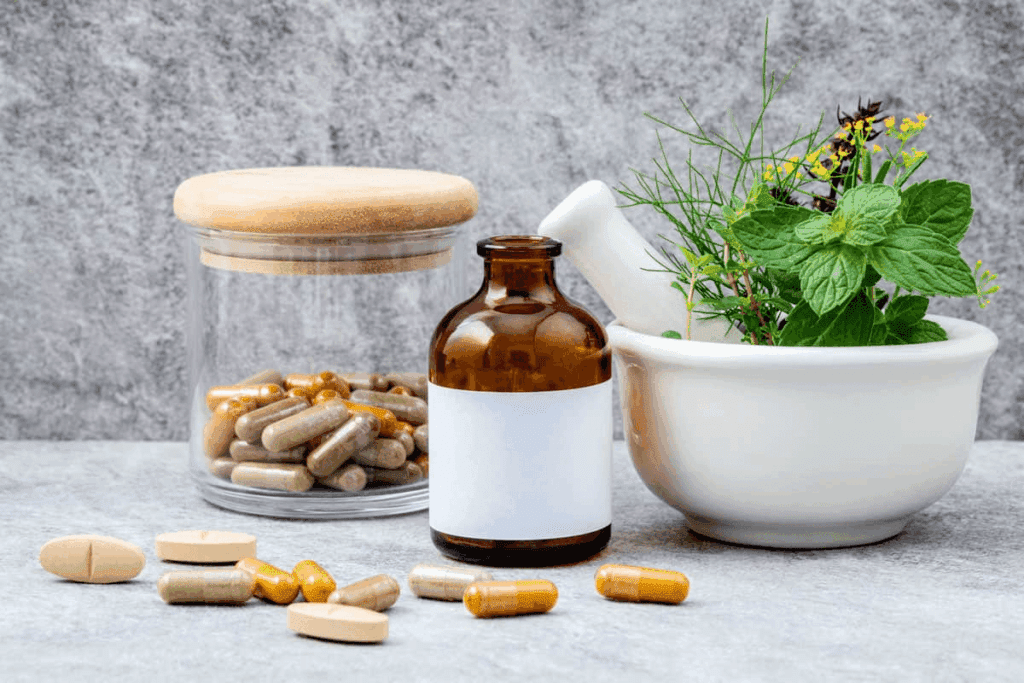
Menopause can be tough, with hot flushes and night sweats being common. It’s a natural part of life, but it can really affect a woman’s day-to-day life and happiness.
Feeling like you’re alone with menopausal symptoms is common, but many women face the same issues. Let’s look at some numbers to understand how widespread these symptoms are.
Recent Statistics: 3 out of 4 Women Experience Vasomotor Symptoms
About 3 out of 4 women deal with hot flushes and night sweats during menopause. These symptoms can happen often and be quite severe. They can mess with a woman’s daily life and sleep.
Vasomotor symptoms are a big deal for many women. How often and how bad these symptoms are can vary. But, they’re a big concern for a lot of women.
Impact on Quality of Life and Work Performance
Menopausal symptoms, like hot flushes and night sweats, can really affect a woman’s life and work. They can cause sleep problems, mood swings, and trouble focusing at work.
To get a better idea of how these symptoms affect women, here’s some data:
Symptom | Impact on Quality of Life | Impact on Work Performance |
Hot Flushes | Discomfort, sleep disturbances | Difficulty concentrating, embarrassment |
Night Sweats | Sleep disturbances, fatigue | Reduced productivity, irritability |
Vasomotor Symptoms Overall | Mood changes, reduced well-being | Absenteeism, presenteeism |
These symptoms can really change a woman’s life. Many women look for natural ways to manage their symptoms instead of hormone therapy. Knowing how common and impactful these symptoms are is key to finding good ways to deal with them.
Conventional Treatments vs. Natural Alternatives
Women going through menopause often face a big choice. They must decide between traditional treatments and natural options for symptom relief. Symptoms can be tough, and the right choice depends on how bad they are, medical history, and personal views.
Traditional treatments, like hormone replacement therapy (HRT), are common for easing symptoms. But worries about risks and side effects make some women look for other ways.
Hormone Replacement Therapy: Benefits and Concerns
Hormone replacement therapy adds hormones to help with menopause symptoms. It can:
- Reduce hot flushes and night sweats
- Make vaginal dryness and discomfort better
- Help prevent osteoporosis
But, HRT also has risks. These include a higher chance of breast cancer, blood clots, and stroke. Always talk to a doctor before starting HRT.
Why Many Women Are Turning to Herbal Solutions
With HRT’s risks, many women choose herbal remedies instead. These natural options offer benefits like:
- Phytoestrogenic effects: Herbs like red clover and black cohosh may help by acting like estrogen.
- Adaptogenic properties: Herbs like maca root and ashwagandha help the body handle stress, easing symptoms.
- Antioxidant and anti-inflammatory effects: Many herbs boost health and well-being during menopause.
Herbal remedies are appealing, but always check with a doctor first. They can affect other medicines or cause side effects.
How Herbs Good for Menopause Work in the Female Body
It’s important to know how herbs help during menopause. Menopause symptoms can really affect a woman’s life. Luckily, many herbs have been studied to see if they can help.
Phytoestrogens: Plant-Based Compounds That Mimic Estrogen
Phytoestrogens are compounds found in plants that act like estrogen. When estrogen levels drop during menopause, symptoms can get worse. Herbs like red clover and dong quai are full of phytoestrogens.
These compounds can attach to estrogen receptors. This might help lessen symptoms like hot flashes and night sweats. Some key herbs include:
- Red clover
- Dong quai
- Black cohosh
Adaptogenic and Hormone-Balancing Properties
Some herbs also have adaptogenic and hormone-balancing effects. Adaptogenic herbs like maca root help the body handle stress better. This can make menopause symptoms less severe.
Other herbs can help balance hormones without acting like estrogen. For example:
- Maca root helps balance energy and mood.
- Valerian root improves sleep, which is often a problem during menopause.
By learning how these herbs work, women can choose the right ones for their menopause treatment.
Black Cohosh: The Leading Herb for Hot Flush Relief
Black cohosh is a top herbal remedy for hot flushes and night sweats in menopause. It has been studied a lot for its ability to lessen menopause symptoms. The results show it’s very effective.
Scientific Evidence: 2024-2025 Clinical Trial Results
Recent studies from 2024 to 2025 have made black cohosh even more popular for hot flush relief. A key study found that those taking black cohosh had fewer and less severe hot flushes than those on a placebo.
This study backs up earlier research, showing black cohosh is a good choice for menopause symptom relief. We’ll keep an eye on new studies to share the latest news.
Estrogenic Mechanisms and Symptom Reduction
Black cohosh works by affecting estrogen levels, but how it does this is not fully known. It’s thought to interact with estrogen receptors, which might help balance hormone changes that cause hot flushes and night sweats.
This balancing act can make menopause symptoms less bothersome, improving life quality for many women. It’s a natural option that doesn’t require hormone replacement therapy (HRT), which is a big plus for some.
Recommended Dosages and Safety Considerations
Knowing the right dosage and safety tips for black cohosh is key. Dosages usually range from 40 mg to 80 mg daily. Always talk to a healthcare provider to find the best dose for you.
Black cohosh is usually safe, but it’s not without risks. Some people might experience side effects, and it could interact with certain medicines. So, it’s important to talk to a doctor before starting black cohosh, even more so if you have health issues or take other medications.
Sage: Nature’s Cooling Agent for Menopausal Heat
Sage is a natural cooling agent that helps with hot flashes during menopause. It has been valued for its medicinal properties for a long time. Recent studies have shown it’s effective in managing menopause symptoms.
Antioxidant and Anti-inflammatory Benefits
Sage is full of antioxidants and has anti-inflammatory properties. These make it great for health during menopause. Antioxidants protect the body from oxidative stress, which can make menopause symptoms worse. Sage’s anti-inflammatory effects may also help lessen hot flashes.
Studies have found that sage extracts are very good at fighting oxidative stress in menopause. Adding sage to their routine can help women feel better and get relief from hot flashes.
Research on Fresh Sage Supplements for Hot Flash Intensity
Recent studies have looked into fresh sage supplements for hot flashes. A study found that fresh sage supplements greatly reduced hot flash severity. This improves the quality of life for women going through menopause.
- Fresh sage supplements have been shown to decrease the frequency and intensity of hot flashes.
- The active compounds in sage may interact with certain biological pathways to provide relief from menopausal symptoms.
- Women taking sage supplements reported improved overall well-being and reduced discomfort from hot flashes.
Different Forms: Tea, Tincture, and Supplements
Sage comes in many forms, making it easy to add to your daily routine. You can choose from sage tea, tinctures, or supplements, based on your preference and needs.
Sage tea is a traditional way to enjoy sage. It can be hot or cold, with or without sugar. Sage tinctures give a strong dose of sage extract and can be mixed with water or taken under the tongue. Sage supplements in capsule or tablet form are easy to take and offer a set amount of sage.
“Sage has been a game-changer for my patients experiencing hot flashes. It’s a natural and effective solution that addresses both the symptoms and overall well-being.”Medical Expert, Menopause Specialist
Knowing about the different forms of sage and their benefits helps women choose the best way to use it in their menopause management plan.
Red Clover: Phytoestrogen-Rich Support for Multiple Symptoms
Red clover is a natural solution for menopause symptoms. It has isoflavones, which are like estrogen in the body. This can help with symptoms caused by less estrogen during menopause.
Clinical Evidence for Reducing Hot Flush Frequency
Studies show red clover helps with hot flushes, a common menopause symptom. A study in the Journal of Women’s Health found it reduces hot flushes in postmenopausal women.
Red clover’s isoflavones work like estrogen. They bind to estrogen receptors, helping with the drop in estrogen during menopause.
Benefits for Vaginal Dryness in Postmenopausal Women
Vaginal dryness is common in postmenopausal women. Red clover may help with this. A study in the Journal of Sexual Medicine showed it improves vaginal dryness and other symptoms.
Red clover’s isoflavones help restore vaginal mucosa. This improves lubrication and reduces vaginal dryness.
Optimal Dosing and Possible Contraindications
Knowing the right dose and possible risks is key when taking red clover. The usual dose is 40 to 80 mg of isoflavones daily. But, the best dose can vary.
Condition | Recommended Dose | Duration |
Hot Flushes | 40-80 mg/day | 12 weeks |
Vaginal Dryness | 40-80 mg/day | 12-16 weeks |
Red clover is usually safe, but there are exceptions. Women with estrogen-sensitive cancers should talk to their doctor first. It may also interact with blood thinners and hormone therapies.
In summary, red clover is a good herbal remedy for menopause symptoms. It helps with hot flushes and vaginal dryness. Always talk to a healthcare provider before starting any supplement.
Evening Primrose Oil: Essential Fatty Acids for Hormonal Balance
Evening primrose oil is getting more attention as a natural remedy for menopause symptoms. It comes from the seeds of the evening primrose plant. This oil is packed with essential fatty acids, like gamma-linolenic acid (GLA), which is thought to help it work.
Mechanism of Action
Evening primrose oil gives the body essential fatty acids important for hormonal balance and health. The GLA in it turns into prostaglandins. These hormone-like substances help control body functions, like inflammation and hormone production.
The GLA in evening primrose oil has anti-inflammatory properties. This might help ease some menopause symptoms. Studies show GLA can affect prostaglandin production. This could reduce inflammation and help balance hormones.
Research-Backed Benefits
Research shows evening primrose oil can help with skin health and joint pain during menopause. Its anti-inflammatory effects can soothe skin irritations and lessen joint pain.
“The anti-inflammatory properties of evening primrose oil make it a possible natural remedy for menopause-related skin and joint issues.”
Choosing a Quality Supplement
When picking an evening primrose oil supplement, look for certain qualities. Choose products that are:
- Derived from high-quality sources
- Manufactured using good manufacturing practices (GMPs)
- Third-party tested for purity and potency
- Clearly labeled with the amount of GLA per serving
Criteria | Description |
Source Quality | Ensure the oil is extracted from high-quality evening primrose seeds. |
Manufacturing Practices | Opt for products manufactured using GMPs to ensure consistency and safety. |
Third-Party Testing | Choose supplements that have been tested by third-party organizations for purity and potency. |
In conclusion, evening primrose oil is a promising natural remedy for menopause symptoms. It’s rich in essential fatty acids. By understanding how it works and choosing a high-quality supplement, women can ease some menopause discomforts.
Dong Quai: The “Female Ginseng” for Circulation and Comfort
Dong Quai, known as “female ginseng,” has been used for centuries to help women’s health. It’s known to ease hot flashes and night sweats, common in menopause.
Traditional Uses and Contemporary Research
For ages, Dong Quai has helped with menstrual cycles, pain, and menopause symptoms. Modern studies are looking into its effects on circulation and comfort during menopause.
Research suggests Dong Quai might lessen hot flashes, but results vary. Its benefits could come from better circulation and possible estrogenic effects.
How It Addresses Hot Flushes and Night Sweats
Dong Quai may help with hot flushes and night sweats in several ways. It’s believed to improve blood flow, helping with body temperature. Its estrogenic effects could also balance hormonal changes in menopause.
Studies hint that Dong Quai might reduce severe symptoms, but more research is needed.
Important Precautions and Drug Interactions
Dong Quai is generally safe but comes with precautions. It can interact with blood thinners and diabetes meds. Women with hormone-sensitive cancers should talk to their doctor before using it.
Dong Quai may cause photosensitivity, so users should avoid too much sun.
Precaution | Description |
Blood Thinners | Dong Quai may enhance the effect of anticoagulant medications. |
Hormone-Sensitive Cancers | Women with a history of hormone-sensitive cancers should consult their healthcare provider. |
Photosensitivity | Dong Quai may increase the risk of sunburn; users should be cautious with sun exposure. |
Maca Root: Adaptogenic Support for Energy and Mood
Women going through menopause often look for natural ways to ease their symptoms. Maca root is a popular choice because of its adaptogenic properties. This plant from the Andes has been used for centuries to boost vitality and balance hormones. We’ll look at how maca root can help during menopause, focusing on its benefits for energy, mood, and well-being.
Balancing Hormones Without Estrogenic Effects
Maca root is believed to balance hormones without causing estrogenic effects. This makes it a safe option for women in menopause. Unlike some herbs, maca doesn’t have phytoestrogens that mimic estrogen. Instead, it supports the HPA axis, which is key for hormonal regulation.
Key benefits of maca root for hormonal balance include:
- Adaptogenic support for the endocrine system
- Potential to alleviate symptoms without estrogenic effects
- Support for overall hormonal regulation
Benefits for Libido and Emotional Well-being
Maca root is also known for its benefits on libido and emotional well-being. Many women in menopause experience a drop in libido due to hormonal changes. Maca root may help by supporting hormonal balance and boosting energy.
Research suggests that maca root may positively affect memory impairment, depression, and bone structure in menopausal women. More research is needed to confirm these findings.
Benefit | Description |
Libido Support | Maca root may help enhance libido by supporting hormonal balance and energy |
Emotional Well-being | Potential to alleviate symptoms of depression and anxiety |
Bone Health | May have a positive effect on bone structure |
Preparation Methods and Effective Dosing
Maca root can be consumed in various forms, including powder, capsules, and tinctures. The effective dosage varies based on the individual and the form of maca. Typically, a daily dose of 1.5 to 3 grams of maca powder is recommended.
When choosing a maca supplement, it’s important to pick a reputable manufacturer. This ensures quality and purity.
By adding maca root to their routine, women may find a natural way to support their energy, mood, and overall well-being during menopause.
Valerian Root: Natural Support for Menopause-Related Sleep Disturbances
Valerian root is a natural remedy for sleep issues during menopause. It helps women who struggle with sleep during this time. This can greatly improve their quality of life.
How Valerian Improves Sleep Quality During Menopause
Valerian root has sedative properties that help improve sleep. It does this by:
- Reducing the time it takes to fall asleep
- Increasing the duration of deep sleep
- Enhancing overall sleep quality
The active compounds in valerian root work with the body’s neurotransmitters. They promote relaxation and reduce anxiety. This is very helpful during menopause, when hormonal changes can cause stress and sleep problems.
Combining with Other Herbs for Enhanced Effects
Valerian root works well on its own but even better with other herbs. Some good combinations are:
- Valerian and Lavender: Lavender’s calming effects pair well with valerian’s sedative properties, making a strong sleep aid.
- Valerian and Chamomile: Chamomile’s anti-anxiety effects can boost valerian’s sleep quality benefits.
- Valerian and Passionflower: This mix may also help with anxiety, a common problem during menopause.
When mixing valerian with other herbs, talk to a healthcare provider first. This is important, even if you’re just looking to try it with other medications or have health conditions.
Conclusion: Creating Your Personalized Herbal Approach to Menopause
Exploring various herbs can help ease menopause symptoms. Women can craft a personalized herbal approach that meets their needs.
Before starting any herbal supplements, it’s key to talk to a healthcare professional. They can check for any interactions with medications or side effects. A healthcare professional will help find the best menopause symptom relief for you.
Combining the right herbs and lifestyle changes can empower women during menopause. We suggest women look into these options. Then, work with their healthcare provider to create a plan that fits their unique needs and promotes well-being.
FAQ
What are the most effective herbal remedies for menopause symptoms?
Effective herbs for menopause relief include black cohosh, sage, and red clover. Evening primrose oil, dong quai, maca root, and valerian root also help. They ease symptoms like hot flushes, night sweats, and sleep issues.
How do phytoestrogens in herbs like red clover help with menopause symptoms?
Phytoestrogens mimic estrogen in the body. Herbs like red clover have these compounds. They help with hot flushes and vaginal dryness by providing a gentle estrogen effect.
Are herbal remedies for menopause safe to use with conventional medications?
Herbal remedies can be beneficial but may interact with medications. Always talk to a healthcare professional before using them, even if you’re on medications or have health conditions.
Can herbal supplements help with menopause-related sleep disturbances?
Yes, herbs like valerian root can improve sleep during menopause. They promote relaxation and reduce stress, helping you fall and stay asleep.
What is the recommended dosage for black cohosh to relieve hot flushes?
Dosage for black cohosh varies. A standard extract with 40-80 mg of triterpene glycosides per day is often recommended. Always follow the manufacturer’s instructions and consult a healthcare professional.
How do adaptogenic herbs like maca root help with menopause symptoms?
Adaptogenic herbs like maca root help the body adapt to stress. They promote balance in the hormonal system. Maca root may help with fatigue, mood swings, and libido changes, improving overall well-being during menopause.
Can herbal remedies be used in conjunction with hormone replacement therapy (HRT)?
Some women use herbal remedies with HRT, but it’s important to consult a healthcare professional. They can discuss interactions and ensure safe use. Herbal remedies can be an alternative or complement to HRT.
Are there any herbal remedies that can help with vaginal dryness during menopause?
Yes, herbs like red clover and dong quai may help with vaginal dryness. Evening primrose oil also helps due to its essential fatty acids.
How long does it take to notice the effects of herbal remedies for menopause symptoms?
Effects of herbal remedies vary. Some women feel relief in weeks, while others may need months. It depends on the herb, individual, and symptom severity.
What are some natural hormone replacement therapy alternatives for menopause?
Natural alternatives include herbal remedies like black cohosh, red clover, and maca root. Dietary changes, lifestyle modifications, and stress management can also help. These can be used with herbal remedies for overall well-being.
How can I create a personalized herbal approach to menopause?
To create a personalized herbal approach, talk to a healthcare professional. Discuss your symptoms, health, and lifestyle. They can help choose the best herbs for you and create a tailored plan.
References
National Center for Biotechnology Information. Herbal remedies for menopause: Alleviating hot flushes and night sweats. Retrieved from https://pmc.ncbi.nlm.nih.gov/articles/PMC4029542/



 Departments
 Related Videos
 Our Doctors
 News
News