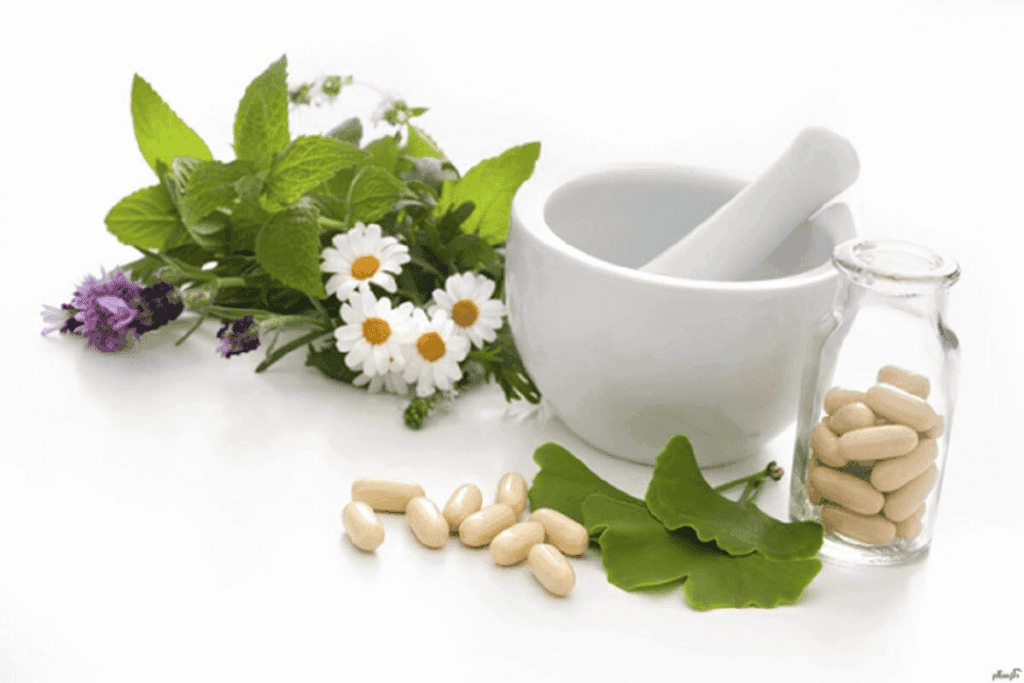
Menopause is a big change for millions of women around the world. It brings symptoms like hot flashes and night sweats. Women looking for relief turn to safe and effective options.Discover the 7 herbs to help with menopause symptoms offering gentle, natural support. Use these herbs to help with menopause for better comfort.
Studies show that herbal remedies are good alternatives to hormone therapy for menopausal symptoms. We’ll look at the 7 top herbs for natural relief and better health during this time.
Key Takeaways
- Menopause is a natural biological event that can cause uncomfortable symptoms.
- Herbal remedies offer a safe and effective alternative to traditional hormone replacement therapy.
- Certain herbs have been scientifically proven to alleviate menopausal symptoms.
- Natural relief from hot flashes and night sweats is possible with the right herbal remedies.
- Improving overall well-being during menopause is achievable through targeted herbal support.
Understanding Menopause and Its Symptoms
Menopause is a big change for women all over the world. It brings tough symptoms. Knowing about these and finding ways to manage them is key.
Common Symptoms of Menopause
Menopause symptoms come from hormonal changes. Hot flashes and night sweats are common. They happen because of changes in estrogen levels.
Many women also feel mood swings. This is because hormone changes affect emotions. Other symptoms include tiredness, sleep problems, and changes in menstrual cycles.
Why Women Seek Natural Alternatives to HRT
Hormone Replacement Therapy (HRT) is often used to help with menopause symptoms. But, many women look for natural alternatives because of HRT’s side effects. Herbal remedies are popular because they offer a natural way to manage symptoms.
Women use these natural solutions to help with hot flashes, night sweats, and mood swings. This improves their life quality.
Studies show herbal remedies can be good alternatives to HRT. They help manage menopause symptoms. By trying these options, women can find relief that fits their health goals.
The Science Behind Herbs to Help with Menopause
Women are looking for alternatives to traditional hormone therapy. Scientists are studying herbal remedies for menopause. This research shows how these natural options can balance hormones.
How Herbal Remedies Work for Hormonal Balance
Herbal remedies affect the body’s hormones in different ways. Black cohosh, for example, acts like estrogen. It helps with hot flashes and night sweats. Maca root is adaptogenic, helping the body handle stress and balance hormones.
Key Mechanisms of Herbal Remedies:
- Estrogenic effects: Mimicking the effects of estrogen in the body
- Adaptogenic properties: Helping the body adapt to stress
- Anti-inflammatory actions: Reducing inflammation that may contribute to menopause symptoms
Research Supporting Herbal Approaches
A study looked at 485 clinical trials on herbs for menopause symptoms. It found 185 herbs studied. Black cohosh was shown to greatly improve symptoms like hot flashes.
Here’s a table with key findings on herbal remedies for menopause:
Herbal Remedy | Key Findings |
Black Cohosh | Significant improvement in overall menopause symptoms and hot flushes |
Red Clover | Isoflavones may help reduce the frequency and severity of hot flashes |
Maca Root | Potential benefits for mood and energy levels during menopause |
“The use of herbal remedies for menopausal symptoms is a rapidly evolving field, with new research continually shedding light on their benefits and mechanisms of action.” Medical Expert, Menopause Specialist
As research grows, women have more natural options for menopause symptoms.
Black Cohosh: The Leading Herbal Remedy
Black cohosh is a top herbal remedy for menopause symptoms. It’s a natural choice for women looking to avoid hormone replacement therapy (HRT). It helps with hot flashes, night sweats, and other discomforts.
Mechanism of Action
Black cohosh works by balancing hormones and affecting neurotransmitters. But, how it does this is not fully known. It’s thought to affect the HPA axis, which controls body temperature and other menopause-related changes.
Scientific Evidence and Effectiveness
A 2023 study showed black cohosh extract helps with menopause symptoms. It reduces hot flashes and night sweats, improving life quality for menopausal women.
How well black cohosh works can differ for each person. More research is needed to understand its full benefits and any limitations.
Recommended Dosage and Forms
Black cohosh comes in capsules, tablets, and liquid extracts. The right dose varies by preparation and individual needs. A daily dose of 40-80 mg of extract is often recommended for relief.
Always talk to a healthcare provider before starting black cohosh or any herbal supplement. This ensures safe and effective use.
Red Clover: Nature’s Estrogen Mimicker
Red clover is a natural remedy for menopausal symptoms. It’s a good alternative to hormone therapy. We’ll look at its benefits and how to use it.
Isoflavones and Their Effects on Menopausal Symptoms
Red clover is full of isoflavones. These compounds act like estrogen in the body. When estrogen levels drop during menopause, symptoms like hot flashes and night sweats appear. Isoflavones in red clover may help by binding to estrogen receptors, acting as a natural estrogen replacement.
Studies show isoflavones can help with menopausal symptoms. A study in the Journal of Women’s Health found red clover isoflavones cut hot flashes in half for menopausal women.
Some key findings from clinical studies include:
- Red clover isoflavones can reduce hot flashes by up to 50%.
- Red clover may improve bone density.
- It could also help with heart health.
Clinical Studies on Red Clover
Many studies have looked at red clover’s effects on menopausal symptoms. A 2022 study found fermented red clover lowered vascular inflammation. This shows its benefits go beyond just symptom relief.
How to Use Red Clover Safely
Red clover is usually safe, but there are guidelines to follow:
- See a healthcare provider before starting red clover, if you’ve had hormone-sensitive cancers.
- Choose a high-quality supplement from a trusted brand.
- Stick to the dosage on the label.
In conclusion, red clover is a good herbal remedy for menopausal symptoms. Its isoflavones offer benefits. By knowing how it works and following safe use guidelines, women can use red clover wisely in their menopause management.
Dong Quai: The Female Ginseng
Dong Quai, known as “female ginseng,” has been key in Eastern medicine for ages. It’s famous for helping with menopause symptoms.
Traditional Uses in Eastern Medicine
In traditional Chinese medicine, Dong Quai helps with menstrual cycles and pain. It’s also used for other women’s health problems. It’s thought to balance the female reproductive system.
Dong Quai has been in herbal remedies for women’s health for a long time. It’s not just for gynecological issues. It also boosts overall health and energy.
Benefits for Hot Flashes and Night Sweats
Studies show Dong Quai can lessen hot flashes and night sweats in menopause. It works best when combined with other herbs.
A study found Dong Quai with other herbs greatly reduced hot flashes and night sweats in menopausal women.
“The use of Dong Quai in herbal medicine offers a promising approach to managing menopausal symptoms.”
Proper Usage Guidelines
To get the most from Dong Quai, follow the right dosage. It’s usually taken as tea, capsule, or tincture. Start with a small dose and adjust as needed.
Always talk to a healthcare professional before starting Dong Quai, or any herbal remedy. Choose high-quality supplements from trusted sources for safety and effectiveness.
Evening Primrose Oil for Hormonal Balance
Evening primrose oil is getting more attention as a menopause supplement. It’s packed with gamma-linolenic acid (GLA), an omega-6 fatty acid. This acid is key for keeping hormones in balance.
How It Affects Hormone Levels
Evening primrose oil may help balance hormones by adding essential fatty acids. Studies show that GLA in EPO can control prostaglandins. These hormone-like substances help with inflammation.
Regulation of prostaglandins is important. It can help with many body functions, easing menopause symptoms.
Benefits Beyond Hot Flashes
Evening primrose oil might help with more than just hot flashes. It’s also known for its anti-inflammatory properties. These can help with skin health, which changes a lot during menopause.
- Reduces inflammation
- Supports skin health
- May alleviate other menopause symptoms
Finding Quality Supplements
Choosing the right evening primrose oil supplement is key. Look for products that are certified by third-party organizations. This means they’ve been checked for quality and purity.
By picking a trusted brand and following the dosage, women can use evening primrose oil wisely. It can be a helpful part of managing menopause.
Maca Root: Balancing Hormones Naturally
Maca root, a traditional Peruvian plant, is now known for its ability to manage menopause symptoms. It’s scientifically called Lepidium meyenii. For centuries, it has been used to boost fertility and energy.
Adaptogenic Properties for Menopause
Maca root is an adaptogen, helping the body handle stress and balance its functions. Menopause brings big changes in hormones, causing symptoms like hot flashes and mood swings. Maca root may help by supporting natural hormonal balance.
Research on Mood and Energy Improvements
A 2022 review showed maca might help with memory, depression, and bone health in menopausal women. More research is needed, but it looks promising for mood and energy. These are big issues for many during menopause.
Study Findings | Potential Benefits |
Improvement in memory impairment | Better cognitive function |
Reduction in depression | Improved mood |
Positive effect on bone structure | Reduced risk of osteoporosis |
Different Forms and Recommended Intake
Maca root comes in powder, capsules, and tablets. Powder is easy to add to meals or smoothies. Capsules and tablets are great for busy people. Aim for 1.5 to 3 grams a day, but talk to a doctor first.
Key Considerations:
- Choose a reputable brand to ensure quality.
- Start with a low dose to assess tolerance.
- Monitor your body’s response and adjust as needed.
Valerian Root: Sleep and Anxiety Relief
Valerian root is a natural herb that has been used for centuries. It helps improve sleep quality and reduce anxiety. This makes it a good option for menopausal symptoms like insomnia and anxiety.
Addressing Insomnia During Menopause
Many women experience insomnia during menopause. This is due to hormonal changes and symptoms like hot flashes and night sweats. Valerian root can help by promoting relaxation and improving sleep.
Using valerian root for insomnia offers several benefits:
- Promoting a calm state of mind
- Enhancing sleep quality
- Reducing the time it takes to fall asleep
Research on Effectiveness
Studies on valerian root for menopausal symptoms show promising results. A 2018 study with 60 menopausal women found it reduced hot flashes. This can help improve sleep quality.
More research is needed to fully understand valerian root’s benefits. But, current evidence suggests it’s a valuable part of managing menopause symptoms.
Safe Usage Guidelines
It’s important to follow safe usage guidelines for valerian root. The recommended dose is usually 500 mg to 1000 mg, taken before bed.
To use valerian root safely:
- Consult with a healthcare provider before starting, if you’re on other medications.
- Start with a lower dose to assess tolerance.
- Be aware of possible interactions with other supplements or medications.
Understanding valerian root’s benefits and safe use can help women make informed choices. They can include it in their menopause management plan.
St. John’s Wort: Managing Mood Changes
Mood swings during menopause can really upset daily life. Women often look for natural ways to feel better. St. John’s Wort is one herbal supplement that helps with mild depression and mood swings.
How It Works for Depression and Mood Swings
St. John’s Wort affects neurotransmitters in the brain. These chemicals, like serotonin and dopamine, help control mood. It might increase these levels, helping to stabilize mood and reduce depression symptoms.
A study in the Journal of Affective Disorders showed St. John’s Wort helps with mild to moderate depression. It found that the extract reduced depressive symptoms in patients.
Key Benefits:
- Potential to alleviate mild to moderate depression
- May help stabilize mood swings
- Natural alternative to conventional antidepressants
Potential Interactions with Medications
St. John’s Wort can be helpful but might interact with other drugs. It can affect a wide range of medications, including:
- Antidepressants (like SSRIs)
- Blood thinners (e.g., warfarin)
- Certain HIV medications
- Some chemotherapy drugs
These interactions can make medications less effective or increase side effects. Always talk to a healthcare provider before starting St. John’s Wort, if you’re on other medications.
“The use of St. John’s Wort requires careful consideration of drug interactions to avoid adverse effects.” – Medical Expert, Integrative Medicine Specialist
Recommended Dosage and Precautions
The dosage of St. John’s Wort varies by preparation. It’s usually 300 mg to 900 mg per day, split into doses. Start with a low dose and increase as needed, under medical guidance.
Be cautious with:
- Avoiding use during pregnancy and breastfeeding unless advised by a doctor
- Watching for signs of interactions or side effects
- Not using it for children or those with severe depression
Knowing the benefits and risks of St. John’s Wort helps women decide if it’s right for them. Always talk to a healthcare provider to ensure it’s safe and effective.
Potential Side Effects and When to Consult a Doctor
Exploring herbal options for menopause is important. We must consider their side effects and interactions. These natural remedies can help, but they come with risks.
Common Side Effects of Herbal Remedies
Herbal supplements can cause side effects, from mild to severe. Some women might feel nausea or bloating. Others could have allergic reactions, like skin rashes or breathing issues.
Let’s look at some common herbal remedies for menopause:
Herbal Remedy | Common Side Effects |
Black Cohosh | Gastrointestinal issues, headache |
Red Clover | Allergic reactions, breast tenderness |
Dong Quai | Photosensitivity, gastrointestinal upset |
Drug Interactions to Be Aware Of
Herbal remedies can interact with prescription drugs. For example, St. John’s Wort can make some drugs less effective. Always tell your doctor about any supplements you’re taking.
Some important drug interactions include:
- St. John’s Wort with antidepressants or blood thinners
- Ginkgo Biloba with anticoagulants or antiplatelet drugs
- Ginseng with blood thinners or diabetes medications
When Herbal Remedies Aren’t Enough
Herbal remedies can help with menopause symptoms, but they might not work for everyone. If your symptoms don’t improve or get worse, see your doctor. They can suggest other treatments.
Severe symptoms that need medical help include:
- Heavy or prolonged bleeding
- Severe hot flashes or night sweats
- Significant mood changes or depression
Knowing the side effects and interactions of herbal remedies helps women make better choices. Always talk to a healthcare professional before starting any new supplements.
Conclusion: Creating Your Personalized Menopause Relief Plan
Menopause is a natural part of life, but it doesn’t have to be tough. Women can find relief by trying different herbal remedies and making lifestyle changes. This way, they can manage their symptoms and feel better overall.
We talked about the 7 best herbs for menopause, their benefits, and what they can’t do. A personalized plan might mix these herbs with healthy eating, exercise, and ways to handle stress. This mix can help you feel your best during menopause.
When making your plan, it’s key to talk to a healthcare expert. They can guide you on the right herbal remedies and make sure they’re safe for you.
By looking at menopause as a whole, women can lessen discomfort and live better. Begin your path to a healthier life by checking out the options and finding what suits you best.
FAQ
What are the best herbal remedies for menopause symptoms?
Top herbal remedies for menopause symptoms include black cohosh and red clover. Dong quai, evening primrose oil, and maca root are also effective. Valerian root and St. John’s Wort help with hot flashes, mood swings, and sleep issues.
How do herbal remedies work to achieve hormonal balance during menopause?
Herbal remedies mimic or support the body’s natural hormones. Isoflavones in red clover act like estrogen. Maca root helps the body adjust to hormonal shifts. Black cohosh affects neurotransmitters and hormones.
Are herbal remedies safe to use during menopause?
Herbal remedies can be helpful but may have side effects. They can also interact with medications. Always talk to a healthcare professional before trying them, as they can affect certain health conditions or medications.
Can herbal remedies replace hormone replacement therapy (HRT) for menopause symptoms?
Herbal remedies might be a good alternative for some women. But, they’re not right for everyone. It’s best to discuss with a healthcare provider to find the best treatment for your needs.
What is the best natural hormone replacement therapy for menopause?
A mix of herbal remedies, diet, and lifestyle changes can be a natural alternative to HRT. Herbs like black cohosh and red clover help with symptoms. Eating well and exercising regularly also supports health.
How can I manage hot flashes and night sweats naturally?
Herbal remedies like black cohosh and dong quai can help with hot flashes and night sweats. Maintaining a healthy weight and avoiding triggers also helps. Relaxation techniques like yoga or meditation are beneficial.
Are there any herbal supplements that can help with menopause-related mood changes?
Yes, St. John’s Wort and maca root can help with mood swings during menopause. St. John’s Wort is good for mild depression. Maca root improves mood and energy.
Can herbal remedies help with sleep disturbances during menopause?
Yes, valerian root can help with sleep issues during menopause. It promotes relaxation and improves sleep quality. This makes it a good natural solution for insomnia and other sleep problems.
How can I find quality herbal supplements for menopause symptoms?
Look for herbal supplements with third-party certifications like USP or NSF International. Choose products from reputable manufacturers that follow Good Manufacturing Practices (GMPs). Always consult with a healthcare professional before starting any new supplement regimen.
References
National Center for Biotechnology Information. Natural Home Remedies for Menopause Symptom Relief. Retrieved from https://pubmed.ncbi.nlm.nih.gov/26077828/