Last Updated on November 20, 2025 by Ugurkan Demir
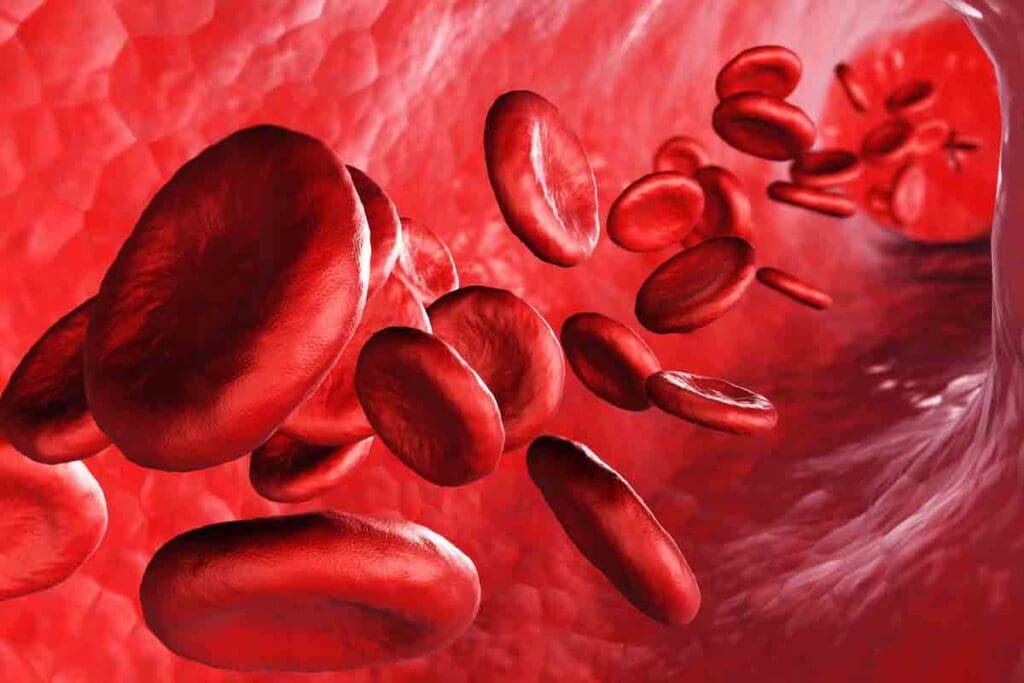
At LivHospital, we know you might wonder is anemia genetic and if it’s passed down in families. Hereditary anemia diseases happen when genes change, affecting red blood cells. This leads to health problems.
These genetic disorders can be passed down through generations. They affect families in different ways. It’s important to know the causes, symptoms, and treatments of these conditions.
We’re dedicated to giving clear, useful information to help patients. By explaining the 7 main types of genetic anemia, we want to help people understand their condition. We also want to highlight the genetic factors involved.
Key Takeaways
- Hereditary anemia diseases are genetic disorders affecting red blood cells.
- These conditions can be inherited and impact families across generations.
- Understanding the genetic causes is key for effective management.
- There are 7 main types of genetic anemia, each with its own characteristics.
- Clear knowledge empowers patients to manage their condition better.
Understanding Hereditary Anemia Diseases

Hereditary anemia diseases are linked to genes that control red blood cells. Anemia means not enough red blood cells or hemoglobin. It can really affect someone’s life.
What Is Anemia and How Does It Affect the Body?
Anemia is a group of disorders caused by different things, including genes. Hereditary anemia is passed down in families because of genetic issues. These issues can mess up how red blood cells are made, look, or work.
Symptoms of anemia vary but often include feeling very tired, weak, and pale. In serious cases, it can cause heart problems or issues during pregnancy.
The Genetic Basis of Hereditary Anemia
Genetic mutations cause hereditary anemia diseases. These mutations can be inherited in different ways, like autosomal dominant or recessive. It depends on the specific condition.
For example, thalassemia and sickle cell disease often follow an autosomal recessive pattern. This means you need two mutated genes, one from each parent, to get the condition.
| Condition | Inheritance Pattern | Key Characteristics |
| Sickle Cell Disease | Autosomal Recessive | Abnormal hemoglobin causes red blood cells to be misshapen |
| Beta Thalassemia | Autosomal Recessive | Reduced production of beta-globin chains |
| Hereditary Spherocytosis | Autosomal Dominant | Red blood cells are spherical instead of biconcave |
How Hereditary Anemia Differs from Acquired Anemia
Hereditary and acquired anemia both mean not enough red blood cells or hemoglobin. But, their causes and effects are different. Acquired anemia comes from outside factors like iron deficiency or chronic diseases.
Knowing if anemia is hereditary or acquired helps choose the right treatment. For hereditary anemia, treatments might include blood transfusions, medicines, or even bone marrow transplants.
Understanding the genetic roots of hereditary anemia helps us see if anemia is genetic. This knowledge is vital for caring for families over generations.
The Role of Genetics in Anemia Development
Genetics are key in anemia development, affecting red blood cell production and function. We’ll look at how genetic factors increase anemia risk and how these conditions are passed down.
How Anemia Genes Function
Anemia genes encode proteins vital for healthy red blood cells. Mutations in these genes can cause red blood cell issues, leading to anemia. For example, hemoglobin gene mutations can cause thalassemia.
These genetic changes can come from parents or happen on their own. Knowing how these genes work and how mutations affect them is key for diagnosing and treating anemia.
Patterns of Inheritance in Anemic Disorders
Anemic disorders can be passed down in different ways, like autosomal dominant, autosomal recessive, and X-linked. Autosomal dominant inheritance requires just one mutated gene, while autosomal recessive inheritance needs two.
Knowing the inheritance pattern is important for genetic counseling and understanding the risk of passing the condition to future generations.
| Inheritance Pattern | Description | Risk to Offspring |
| Autosomal Dominant | One copy of the mutated gene causes the condition | 50% chance of passing the mutated gene |
| Autosomal Recessive | Two copies of the mutated gene are required | 25% chance of having an affected child if both parents are carriers |
| X-linked | Mutated gene is located on the X chromosome | Males are more frequently affected; females can be carriers |
Why Anemia Runs in Families

Anemia can be passed down in families due to inherited genetic mutations. If there’s a family history of anemia, understanding the genetic cause is vital for proper management.
By grasping the genetic factors behind anemia, we can improve diagnosis and treatment. This helps those affected and their families.
Beta Thalassemia: Causes, Symptoms, and Management
Beta thalassemia is caused by a genetic mutation that affects hemoglobin production, leading to anemia. It’s a major health issue worldwide, affecting millions. The disease results from a lack of beta-globin chains in hemoglobin, causing various symptoms.
The Genetic Mutation Behind Beta Thalassemia
The HBB gene mutation is responsible for beta thalassemia. This mutation can lead to less or no beta-globin chains. The disease’s severity depends on the mutation type and the individual’s genetic makeup.
Clinical Manifestations and Severity Levels
Beta thalassemia symptoms range from mild anemia to severe, needing constant blood transfusions. It’s categorized into three types: thalassemia major, thalassemia intermedia, and thalassemia minor.
| Type | Clinical Features | Transfusion Requirement |
| Thalassemia Major | Severe anemia, growth failure, and organ damage | Regular, lifelong transfusions |
| Thalassemia Intermedia | Mild to moderate anemia, variable growth and development issues | Occasional or no transfusions |
| Thalassemia Minor | Mild anemia, often asymptomatic | No transfusions required |
Current Treatment Approaches
Managing beta thalassemia includes regular blood transfusions and iron chelation therapy. Bone marrow transplantation and gene therapy are also options.
Key Management Strategies:
- Regular blood transfusions
- Iron chelation therapy
- Bone marrow transplantation
- Gene therapy
Alpha Thalassemia: Understanding Its Four Forms
Alpha thalassemia is a genetic disorder that affects the production of hemoglobin. This is a key protein in red blood cells. It happens because of mutations in the HBA1 and HBA2 genes, which make alpha-globin chains.
The Genetic Basis of Alpha Thalassemia
The cause of alpha thalassemia is mutations or deletions in genes for alpha-globin. Normally, we have four genes for alpha-globin, two from each parent. The severity of the condition depends on how many genes are affected.
When genes are missing or mutated, alpha-globin chains are not made as much. This leads to less hemoglobin and can cause anemia and other health problems.
From Silent Carrier to Hydrops Fetalis
Alpha thalassemia comes in four forms, based on how many genes are affected. The forms range from being a silent carrier to hydrops fetalis, the most severe form.
Being a silent carrier usually doesn’t cause health issues. Alpha thalassemia trait may cause mild anemia. Hemoglobin H disease causes more severe anemia and may need medical treatment. Hydrops fetalis is very severe and can lead to fetal death without special prenatal care.
Diagnostic Methods and Treatment Options
Diagnosing alpha thalassemia involves genetic testing to find mutations or deletions in the HBA1 and HBA2 genes. Other tests like complete blood count (CBC) and hemoglobin electrophoresis help assess anemia and hemoglobin type.
Treatment depends on the condition’s severity. Mild forms may just need regular check-ups. More severe forms like hemoglobin H disease may need blood transfusions, iron chelation therapy, and sometimes bone marrow transplantation.
Knowing the genetic basis and the different forms of alpha thalassemia is key to managing it. Healthcare providers can offer tailored care by identifying specific genetic mutations.
Sickle Cell Disease: The Most Common Inherited Anemia
Sickle cell disease is caused by a genetic mutation. This mutation changes the hemoglobin in red blood cells. It’s a big health problem worldwide, more so in places where malaria is common. The mutation helps protect against malaria.
Genetic Mutation and Its Effects
The disease comes from a change in the HBB gene. This gene is for a part of hemoglobin. The change makes abnormal hemoglobin, or HbS.
People with two copies of this gene have the disease. Their red blood cells become stiff and sickle-shaped, mostly when there’s less oxygen.
This sickling causes many problems. These include:
- Red blood cells breaking down early, leading to anemia.
- Small blood vessels getting blocked, causing pain and damage to organs.
- Being more likely to get infections because the spleen doesn’t work right.
Symptoms and Complications
People with sickle cell disease have many symptoms. They can have pain crises, which are triggered by things like dehydration or cold. They also might have anemia, infections, and damage to organs over time.
The disease can be different for everyone. Even in the same family, people can have different levels of severity.
Some common problems include:
- Acute chest syndrome, which is very serious.
- Stroke, because of blocked blood vessels in the brain.
- Splenic sequestration, where red blood cells pile up in the spleen.
Modern Management Strategies
There’s no cure for sickle cell disease yet. But, there are ways to make life better for those with it. These include:
- Hydroxyurea therapy, which can lessen pain crises and might cut down on blood transfusions.
- Blood transfusions, which can lower the risk of some problems by reducing sickling red blood cells.
- Supportive care, like managing pain, preventing infections, and watching for complications.
New treatments and ways to manage the disease are being found. This gives hope for better lives for those with sickle cell disease.
Hereditary Spherocytosis: When Red Blood Cells Become Spherical
Red blood cells are usually flexible and disk-shaped. But in hereditary spherocytosis, they become spherical and fragile. This condition is caused by genetic defects in the red cell membrane. It leads to anemia, jaundice, and splenomegaly.
Genetic Defects in the Red Cell Membrane
Hereditary spherocytosis is caused by genetic defects in the red cell membrane. These defects affect the proteins that keep the cells flexible and disk-shaped. The most common affected genes are ankyrin, band 3, protein 4.2, and spectrin.
Mutations in these genes cause a deficiency or dysfunction of these proteins. This results in the red blood cells becoming spherical.
Clinical Presentation and Diagnosis
The symptoms of hereditary spherocytosis vary among individuals. Common symptoms include anemia, jaundice, and splenomegaly. Some people may not show symptoms, while others may need regular transfusions.
Diagnosis involves a clinical evaluation, laboratory tests, and family history. Key tests include:
- Blood smear to observe spherocytes
- Osmotic fragility test to assess the resistance of red blood cells to hemolysis
- Genetic testing to identify mutations in genes associated with hereditary spherocytosis
Treatment Options Including Splenectomy
Treatment for hereditary spherocytosis depends on the individual’s severity and symptoms. Some may not need treatment, while others may benefit from:
| Treatment | Description | Benefits |
| Folic acid supplementation | To support erythropoiesis | Reduces risk of megaloblastic crisis |
| Blood transfusions | To manage severe anemia | Improves oxygen delivery to tissues |
| Splenectomy | Surgical removal of the spleen | Reduces hemolysis and improves anemia |
Splenectomy is a significant treatment option for severe anemia or significant splenomegaly. By removing the spleen, the main site of red blood cell destruction is eliminated. This reduces hemolysis and improves anemia.
Hereditary Elliptocytosis and Its Variants
Hereditary elliptocytosis is a condition where red blood cells are shaped like ellipses. This shape can cause anemia. We will look into the genetic causes, symptoms, and how to manage this condition.
Genetic Basis and Cell Membrane Abnormalities
Hereditary elliptocytosis is caused by genetic mutations. These mutations affect the red blood cell membrane. This makes the cells elliptical and weakens them.
The genes involved are important for the cell’s structure. Mutations in these genes, like spectrin and protein 4.1, change the cell’s shape. This is why the cells are elliptical.
Symptoms and Clinical Severity
Hereditary elliptocytosis can show up differently in people. Some may not have symptoms, while others may have mild to severe anemia. Symptoms include fatigue, pale skin, and jaundice.
The severity of the condition depends on the genetic mutation. Other factors like environment also play a role. In severe cases, medical treatment may be needed.
Management Approaches
Managing hereditary elliptocytosis focuses on easing symptoms and preventing complications. Mild cases might not need treatment. For more severe cases, treatments like folic acid and sometimes splenectomy may be used.
Splenectomy is considered for those with severe anemia that doesn’t respond to other treatments. It can help improve red blood cell survival and reduce anemia.
| Management Strategy | Description | Indications |
| Folic Acid Supplementation | Supports red blood cell production | Mild to moderate hemolytic anemia |
| Splenectomy | Reduces hemolysis by removing the spleen | Severe hemolytic anemia unresponsive to conservative management |
| Monitoring | Regular follow-up to assess anemia severity | All cases, regardless of severity |
Fanconi Anemia: Beyond Blood Disorders
Fanconi Anemia is a rare inherited disorder that brings big challenges. It causes bone marrow failure, birth defects, and a higher risk of cancer. It’s important to understand Fanconi Anemia well to find good ways to manage it.
The Complex Genetics of Fanconi Anemia
Fanconi Anemia happens because of DNA problems. It’s caused by mutations in genes that fix DNA damage. There are at least 22 genes linked to Fanconi Anemia, leading to unstable chromosomes. This genetic mess is why the disorder shows up in different ways.
The way Fanconi Anemia is passed down is autosomal recessive. This means a child needs two bad genes to have the condition. People with one bad gene, called carriers, don’t show symptoms but can pass the gene to their kids.
Key genetic aspects include:
- Mutations in DNA repair genes
- Chromosomal instability
- Autosomal recessive inheritance
Multi-System Manifestations
Fanconi Anemia affects many parts of the body. It can cause:
- Bone marrow failure, leading to anemia, infections, and bleeding disorders
- Congenital anomalies such as skeletal abnormalities, skin hyperpigmentation, and organ malformations
- Increased risk of cancers, like acute myeloid leukemia and certain solid tumors
- Endocrine abnormalities, such as hypothyroidism and diabetes
Each person with Fanconi Anemia is different. So, they need care that’s tailored just for them.
Treatment Strategies and Prognosis
Managing Fanconi Anemia needs a team effort. This includes bone marrow transplants, care for birth defects, and watching for cancer.
Treatment options include:
- Hematopoietic stem cell transplantation
- Supportive care (e.g., blood transfusions, antibiotics)
- Cancer surveillance and treatment
- Management of endocrine and other systemic complications
Thanks to better treatments, like bone marrow transplants, Fanconi Anemia patients have a better chance. But, they can face long-term risks, like more cancers.
Getting a diagnosis early and getting the right care is key to a better life with Fanconi Anemia.
Diamond-Blackfan Anemia: A Rare Congenital Disorder
To understand Diamond-Blackfan anemia, we need to look at its genetic causes, symptoms, and treatment options. This rare disorder affects many aspects of life. We will explore how it impacts people and how doctors treat it today.
Genetic Mutations Affecting Ribosome Function
Diamond-Blackfan anemia is linked to genetic changes in genes that code for ribosomal proteins. These changes mess up the ribosomes’ job in making proteins. This leads to a problem in making red blood cells, causing anemia.
The genes affected in Diamond-Blackfan anemia are mostly those for ribosomal proteins. This shows how vital ribosomes are for cell function. It also shows how red blood cell production is very sensitive to these genetic changes.
Clinical Features and Associated Anomalies
People with Diamond-Blackfan anemia often have severe anemia. They might need blood transfusions often. They can also have physical issues like facial and thumb problems, and be shorter than average.
The symptoms can differ a lot from person to person, even in the same family. This makes the disorder complex. It shows the need for tailored treatment plans for each person.
| Clinical Feature | Frequency | Characteristics |
| Anemia | Common | Severe, requiring transfusions |
| Craniofacial Anomalies | Variable | Range from mild to severe |
| Thumb Anomalies | Common | Triphalangeal thumbs, thumb aplasia |
| Short Stature | Frequent | Growth retardation |
Current Treatment Approaches
Managing Diamond-Blackfan anemia includes using corticosteroids and blood transfusions. Bone marrow transplants are sometimes an option for those who don’t respond well to other treatments.
We are always learning more about Diamond-Blackfan anemia. Our goal is to find better ways to treat it. We want to help people live better lives despite this condition.
Conclusion: Advances in Treating Hereditary Anemia Diseases
Recent research has made big strides in treating hereditary anemia diseases. This includes gene therapy and targeted therapies. We’ve looked at different types of genetic anemia, like beta thalassemia, alpha thalassemia, and sickle cell disease. We’ve talked about their causes, symptoms, and how to manage them.
It’s key to understand the genetic roots of these conditions. As we learn more about hereditary anemia diseases, we can tailor treatments to each patient. The anemia gene plays a big role in how severe these diseases are, and research is ongoing in this area.
By deepening our understanding of genetic and inherited anemia, we can help patients and their families more. The question of whether anemia is genetic is more important than ever. It’s driving new treatments and better care for patients. As we keep researching and using personalized medicine, we’ll face the challenges of hereditary anemia diseases head-on.
FAQ
What are hereditary anemia diseases?
Hereditary anemia diseases are genetic disorders. They affect how red blood cells are made or work. This leads to anemia. These conditions come from genetic mutations passed down from parents.
How do hereditary anemia diseases differ from acquired anemia?
Hereditary anemia diseases come from genetic mutations. Acquired anemia doesn’t. It can happen due to iron deficiency, chronic diseases, or certain medicines.
What is the genetic basis of hereditary anemia?
Hereditary anemia is caused by genetic mutations. These mutations affect red blood cells. Specific genes play a role, and how they’re passed down can vary.
Can anemia be genetic?
Yes, some anemias can be genetic. Hereditary anemia diseases are caused by genetic mutations inherited from parents.
Why do certain types of anemia tend to run in families?
Some anemias run in families because of inheritance. Genetic mutations causing anemia can be passed down. This increases the risk of getting the condition.
What is beta thalassemia, and how is it caused?
Beta thalassemia is a genetic disorder affecting hemoglobin production. It’s caused by a mutation in the beta-globin gene.
What are the symptoms of sickle cell disease?
Sickle cell disease affects red blood cell shape, making them sickle-shaped. Symptoms include anemia, pain crises, and increased infection risk.
How is hereditary spherocytosis diagnosed?
Hereditary spherocytosis is diagnosed with clinical evaluation, lab tests, and genetic testing. It’s characterized by spherical red blood cells, seen in blood smears and tests.
What is the treatment for Fanconi anemia?
Fanconi anemia is a rare disorder affecting the bone marrow. It leads to anemia and other issues. Treatment includes bone marrow transplantation, medications, and supportive care.
Can hereditary anemia diseases be cured?
Some hereditary anemia diseases can be managed with treatment. But a cure isn’t always possible. Medical research and personalized medicine have improved patient outcomes.
How can I determine if I am at risk for hereditary anemia?
If you have a family history of anemia or blood disorders, you might be at risk. Talk to a healthcare professional or genetic counselor to assess your risk and discuss testing.
Are there any new treatments available for hereditary anemia diseases?
Yes, new treatments for hereditary anemia diseases are being developed. Gene therapy, bone marrow transplantation, and other advancements are improving patient outcomes.
Reference
- National Heart, Lung, and Blood In stitute. (n.d.). What is anemia? https://www.nhlbi.nih.gov/health/anemia