Last Updated on December 2, 2025 by Bilal Hasdemir

Did you know that nearly 1 in 4 people will get a hernia in their life? Some may also face unexpected digestive issues like diarrhea?hernia digestive symptoms
Hernias are often linked to abdominal pain or bulges. But their effect on bowel movements is not as well-known. It is important to emphasize comprehensive care. We know that hernias can sometimes cause digestive discomfort, like diarrhea.
We, as caregivers, aim to protect, support, and give top-notch care. It’s key to understand how hernias can mess with bowel movements and digestion. We’ll look into how hernias can impact your digestive health.
Key Takeaways
- Hernias can potentially cause digestive issues, including diarrhea.
- Understanding the connection between hernias and bowel movements is vital.
- Comprehensive care involves addressing both the hernia and its impact on gastrointestinal health.
- Our institution prioritizes personalized, high-quality medical support.
- Recognizing the signs of hernia-related digestive symptoms can lead to better health outcomes.
Understanding Hernias and Their Types

It’s important to know about the different types of hernias. This helps you spot symptoms early and get the right medical help. Hernias are grouped by where they happen and why.
Inguinal Hernia
An inguinal hernia happens when part of the intestine pushes through a weak spot in the abdominal muscles in the groin. It’s a common type of hernia and can cause a noticeable bulge.
You might feel a heavy or aching feeling in your groin. You could also feel pain or discomfort, worse when you cough, bend, or lift heavy things.
Femoral Hernia
A femoral hernia happens just below the inguinal ligament, where the femoral artery goes into the thigh. It’s more common in women. Because of the higher risk of strangulation, getting medical help quickly is key.
You might see a small lump in your upper thigh, near your groin. It can hurt, more so when you stand or strain.
Umbilical Hernia
An umbilical hernia occurs when part of the intestine bulges through an opening in the abdominal muscles near the navel. It’s more common in newborns but can also happen in adults, like those who are overweight or have had many pregnancies.
You might notice a bulge or swelling near your belly button. It can get more noticeable when you cough or strain.
Hiatal Hernia
A hiatal hernia happens when the upper part of the stomach bulges through the diaphragm into the chest. This can cause symptoms like heartburn, chest pain, and trouble swallowing.
There are two main types of hiatal hernias: sliding and paraesophageal. Sliding hiatal hernias are more common and happen when the esophagus and stomach slide up into the chest. Paraesophageal hernias are less common but can be more serious, leading to complications like strangulation.
Knowing about these different hernias and their symptoms is key to getting the right medical care. If you’re feeling symptoms or have concerns, it’s important to talk to a healthcare professional for the right diagnosis and treatment.
Common Digestive Symptoms Associated with Hernias

Hernias can cause several digestive symptoms that need attention. The type and severity of the hernia can lead to different digestive issues. These issues can affect a person’s overall health.
Abdominal Pain
Abdominal pain is a common symptom of hernias. The pain can be mild or severe and is usually felt around the hernia area. Sometimes, it can also cause nausea and vomiting, making the condition worse.
For example, people with inguinal hernias might feel pain in their groin that spreads to their abdomen. This pain can get worse with activities like lifting heavy things or straining during bowel movements.
Nausea and Vomiting
Nausea and vomiting can also happen with hernias. These symptoms are more common in hiatal hernias, where the stomach bulges into the chest. This can cause stomach acid to flow back up, leading to discomfort.
Nausea can be triggered by eating big meals or lying down after eating. Vomiting might happen if the hernia blocks the intestine or if there’s gastroesophageal reflux disease (GERD).
Bloating
Bloating is another symptom that can occur with hernias, mainly those in the abdominal cavity. It can happen if the hernia blocks part of the intestine or if there’s swallowed air that can’t pass through.
Bloating can make you feel uncomfortable and full. To manage it, changing your diet and sometimes medical treatment might be needed.
Symptom | Description | Common Hernia Types |
Abdominal Pain | Pain around the hernia area, ranging from mild to severe | Inguinal, Femoral, Umbilical |
Nausea and Vomiting | Nausea and vomiting, often associated with gastric reflux | Hiatal |
Bloating | Feeling of fullness and discomfort due to partial obstruction or swallowed air | Umbilical, Inguinal |
It’s important to understand these digestive symptoms to diagnose and treat hernias well. Recognizing these symptoms helps healthcare providers offer the right treatment. This can help reduce discomfort and prevent further problems.
Can Hernias Lead to Diarrhea?
Hernias can really mess with your digestive system, leading to diarrhea. We’ll look at how hernias cause digestive problems. We’ll also talk about what can happen if you don’t treat them.
The Mechanism Behind Digestive Disturbances
A hernia happens when an organ bulges through a weak spot in the muscle. This can put pressure on your intestines, causing a bowel obstruction. Symptoms include stomach pain, nausea, vomiting, and changes in bowel movements, like diarrhea.
The irritation from a hernia can also cause inflammation and mess with your bowel function. This intestinal irritation can lead to diarrhea as your body tries to get rid of the irritant. Plus, the discomfort and stress from a hernia can make digestive problems worse.
Related Complications
If you don’t treat a hernia, it can get serious. A strangulated hernia is a big emergency because it cuts off blood to the herniated tissue. It can cause a lot of pain, nausea, vomiting, and changes in bowel movements. You need to see a doctor right away to avoid serious problems.
Untreated hernias can also cause long-term digestive issues, like constant diarrhea. It’s key to manage hernias and their symptoms to keep your digestive system healthy.
Dealing with diarrhea or other digestive problems can be scary. If you’re having ongoing or severe symptoms, you should see a doctor. They can check for any serious issues.
Diagnosing Hernia-Related Digestive Issues
Healthcare professionals use a mix of physical checks and imaging to find digestive problems linked to hernias. This detailed method is key to knowing how serious the hernia is and its effect on digestion.
Physical Examination
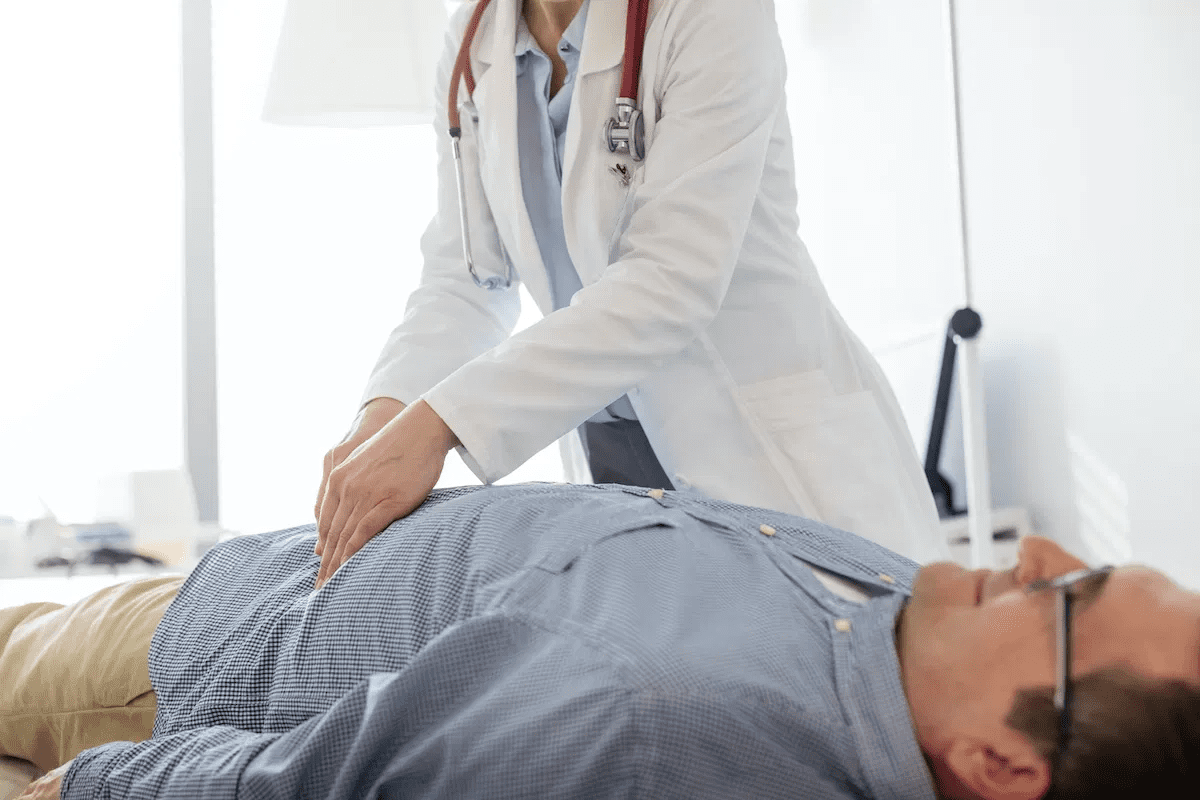
The first step in finding hernia-related digestive issues is a physical check. A doctor looks for signs of a hernia, like a bulge or soreness, in the belly. They might check for a hernia in different spots and when you cough or strain.
Imaging Tests
Even with a physical check, imaging tests are needed to confirm the diagnosis and see how serious the hernia is. Tests like ultrasound, CT scans, and MRI are used. They help doctors understand the hernia’s size, where it is, and any possible problems.
Diagnostic Method | Description | Benefits |
Physical Examination | Initial assessment for signs of a hernia, such as a bulge or tenderness. | Non-invasive, provides immediate feedback. |
Ultrasound | Imaging test that detects hernias and assesses their size and location. | Non-invasive, relatively quick, and cost-effective. |
CT Scan | Detailed imaging that assesses the hernia and surrounding tissues. | Provides detailed info, helps spot complications. |
MRI | Detailed imaging useful for complex cases. | Offers detailed views, great for tricky hernias. |
By mixing physical checks with imaging results, doctors can accurately find hernia-related digestive issues. They can then plan the right treatment.
Treatment Options for Hernias
Choosing the right treatment for hernias is key. It depends on the hernia’s type, size, and how it affects you. Your overall health also plays a big role.
Surgical Methods
Surgery is often needed for big, painful hernias. There are a few ways to fix them:
- Open Repair: This traditional method involves making an incision in the abdomen to access and repair the hernia.
- Laparoscopic Repair: A minimally invasive technique that uses small incisions and a camera to guide the repair.
- Robotic Repair: An advanced form of laparoscopic surgery that offers enhanced precision and flexibility.
Each method has its own benefits and risks. The right choice depends on your situation and the surgeon’s skill.
Non-Surgical Approaches
For small hernias or mild symptoms, you might not need surgery. Here are some options:
- Watchful Waiting: Monitoring the hernia for any changes or development of symptoms.
- Lifestyle Modifications: Making dietary changes, avoiding heavy lifting, and managing weight to reduce strain on the hernia.
- Supportive Devices: Using trusses or binders to provide support and alleviate discomfort.
These non-surgical methods are good for those who can’t or don’t want to have surgery.
Lifestyle Changes to Manage Hernia Symptoms
Managing hernia symptoms can be improved with lifestyle changes. Healthy habits can reduce discomfort and boost your life quality.
Dietary Adjustments
Changing your diet is key to managing hernia symptoms. A balanced diet can lessen discomfort and prevent issues.
Here are some dietary tips:
- Eat smaller, more frequent meals to ease digestion
- Stay away from foods that make symptoms worse, like citrus or spicy foods
- Boost fiber with fruits, veggies, and whole grains for regular bowel movements
Food Group | Recommended Foods | Foods to Avoid |
Fruits | Bananas, apples, berries | Citrus fruits, tomatoes |
Vegetables | Leafy greens, carrots, cucumbers | Broccoli, cauliflower, cabbage |
Grains | Whole wheat bread, brown rice, oats | Refined or processed grains |
Physical Activity
Right physical activity can also help with hernia symptoms. Exercise can make the muscles around the hernia stronger. This reduces discomfort and boosts health.
Good physical activities include:
- Low-impact exercises like walking, swimming, or yoga
- Core strengthening exercises, such as pelvic tilts or gentle abdominal contractions
- Avoid heavy lifting, bending, or hard activities that can make the hernia worse
By making these lifestyle changes, you can manage your hernia symptoms better. This will improve your overall well-being.
When to Seek Medical Attention
It’s key to know when to get medical help for hernia symptoms. This can prevent serious problems.
Being aware of urgent signs is vital. It can greatly affect your health and treatment.
Warning Signs of Complications
Some symptoms mean you need urgent care. These include:
- Severe abdominal pain that gets worse
- Vomiting or nausea that doesn’t stop
- Fever or chills
- A hernia that becomes trapped or cut off
If you see these signs, get medical help right away. Waiting can cause serious issues or even be life-threatening.
Gastrointestinal Symptoms
Some stomach problems also mean you should see a doctor. These include:
- Diarrhea or constipation
- Bloating or gas
- Abdominal tenderness or discomfort
As a medical expert says,
“Stomach symptoms can be a warning of a bigger problem that needs a doctor.”
Keep an eye on your symptoms. If they get worse or don’t go away, get help.
Knowing these signs and acting fast can keep you safe. It also helps you get the right treatment.
Preventing Hernias and Related Symptoms
Hernias can’t always be prevented, but there are steps to lower your risk. Preventing hernias means making lifestyle changes and knowing the risk factors. By making smart choices, you can greatly reduce your chance of getting a hernia.
Avoiding Risk Factors
To avoid risk factors, it’s key to know what causes hernias. Smoking weakens your abdominal muscles. Chronic coughing increases pressure in your abdomen. Keeping a healthy weight is also important, as extra weight strains your abdominal wall.
- Quit smoking to reduce muscle strain.
- Manage chronic coughs through medical treatment.
- Maintain a healthy weight through diet and exercise.
Strengthening Your Core
Strengthening your core muscles helps support your abdominal wall, lowering hernia risk. You can do this with exercises that target your abdominal muscles. It’s best to talk to a healthcare professional to get a safe and effective workout plan.
Some good exercises include:
- Planks to strengthen core muscles.
- Bridges to improve abdominal wall strength.
- Pelvic tilts to support lower back and abdominal muscles.
Conclusion: Understanding the Link Between Hernias and Digestive Symptoms
It’s key to understand how hernias and digestive symptoms are connected. We’ve seen how different hernias can cause stomach pain and changes in bowel movements like diarrhea.
Knowing the signs of hernia-related digestive problems helps people get help fast. Doctors can then create treatment plans that help and prevent worse issues.
We talked about the need for a full approach to handle hernias. This includes making lifestyle changes and getting medical help. By strengthening core muscles and changing what we eat, we can lower the chance of digestive problems from hernias.
Getting professional medical help is important for getting the right diagnosis and treatment. With the right care, people can manage their symptoms and live better lives.
FAQ
Can a hernia cause changes in bowel movements, such as diarrhea?
Yes, a hernia can lead to changes in bowel movements, like diarrhea. This happens because the pressure on the intestines irritates or blocks them. We’ll explore this further.
What types of hernias are most likely to cause digestive issues like diarrhea?
Many hernias can cause digestive problems, including inguinal, femoral, umbilical, and hiatal hernias. The severity depends on the hernia’s size, location, and how much it affects the intestines.
How do hernias lead to digestive disturbances such as bloating and diarrhea?
Hernias can cause digestive issues by putting pressure on the intestines. This pressure can irritate, block, or even cut off the bowel. Symptoms include bloating, pain, nausea, vomiting, and changes in bowel habits, like diarrhea.
What are the diagnostic approaches used to identify hernia-related digestive issues?
Doctors use physical exams, imaging tests like ultrasound and CT scans, and sometimes endoscopy. These help see how much the hernia affects the GI tract.
Can lifestyle changes help manage hernia symptoms, including digestive issues?
Yes, making lifestyle changes can help. Eating smaller meals, avoiding heavy lifting, and keeping a healthy weight can reduce discomfort. This can also help manage symptoms like diarrhea.
When should I seek medical attention for hernia-related symptoms?
Seek medical help for severe pain, vomiting, fever, or if your hernia gets bigger or more painful. Also, if you have persistent or severe digestive symptoms, like diarrhea or constipation, see a doctor.
Are there any preventive measures that can reduce the risk of developing a hernia?
Yes, there are ways to lower your risk. Keep a healthy weight, avoid heavy lifting, eat fiber-rich foods, and do exercises that strengthen your core muscles.
Can hernias be treated without surgery?
Some small hernias without serious symptoms can be managed without surgery. Lifestyle changes and supportive devices like trusses or binders might be suggested. But, surgery is often needed for larger hernias or those causing complications.
How do I know if my diarrhea is related to a hernia?
If you have diarrhea with abdominal pain, nausea, and have a hernia, it might be related. It’s important to talk to a healthcare professional to find out.
What are the potentially serious complications of untreated hernias?
Untreated hernias can lead to serious problems like bowel obstruction, strangulation, and infection. These can be life-threatening and need immediate medical care.
Can dietary changes help alleviate diarrhea caused by a hernia?
Yes, changing your diet can help with diarrhea from a hernia. Eating fiber-rich foods, staying hydrated, and avoiding irritating foods may ease symptoms.
References
The Lancet. Evidence-Based Medical Insight. Retrieved from https://www.thelancet.com/journals/lancet/article/PIIS0140-6736(03)14781-X/fulltext