Last Updated on November 4, 2025 by mcelik
Nearly 1 million people undergo herniated disc surgery each year in the United States. Many patients are curious about the hospital stay and overall healing process, making it important to understand herniated disc surgery recovery time.
The duration of recovery after a discectomy or other herniated disc procedures depends on several factors, including the complexity of the surgery and the patient’s overall health. Knowing what to expect regarding herniated disc surgery recovery time helps patients plan effectively and supports a smoother healing process.
Key Takeaways
- Hospital stay duration varies based on the complexity of the herniated disc surgery.
- Understanding the recovery timeline helps in planning post-surgery care.
- The l4 l5 herniated disc is a common condition requiring surgical intervention.
- Discectomy recovery time is a significant aspect of the overall recovery process.
- Post-surgery rehabilitation plays a critical role in the complete recovery timeline.
Understanding Herniated Disc Surgery

If you’re considering herniated disc surgery, it’s important to understand the procedure and its implications. This surgery helps relieve pain from a herniated disc in the spine.
What is a Herniated Disc?
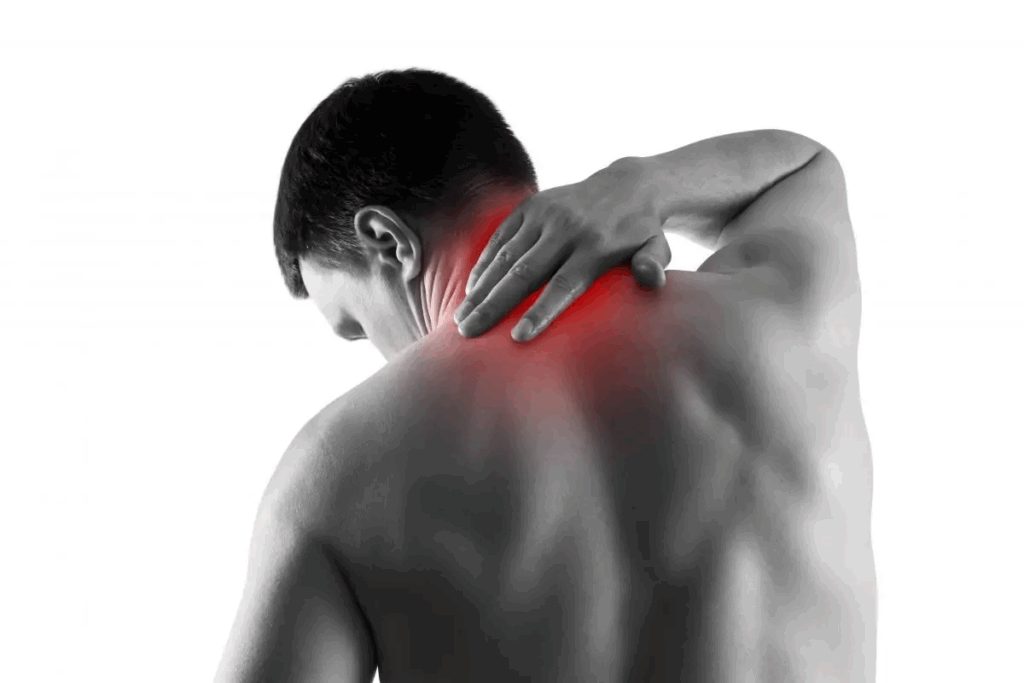
A herniated disc happens when the soft center of the disc leaks out. This can irritate nerves, causing pain, numbness, and weakness in the back and legs.
Symptoms of a herniated disc can differ based on where and how bad it is. Common signs include:
- Lower back pain
- Sciatica (pain down one leg)
- Numbness or tingling in the legs
- Weakness in the back and leg muscles
When Surgery Becomes Necessary
Surgery for a herniated disc is usually considered when other treatments don’t work. Conservative treatments include physical therapy, pain meds, and changes in daily life.
| Conservative Treatment | Description |
| Physical Therapy | Exercises to strengthen back muscles and improve flexibility |
| Pain Medication | Medications to manage pain and inflammation |
| Lifestyle Modifications | Changes in daily activities to avoid exacerbating the condition |
Common Locations: L4-L5 and L5-S1
Herniated discs often happen in the lumbar spine, at the L4-L5 and L5-S1 levels. These spots carry a lot of weight and stress, making them more likely to herniate.
The L4-L5 level is between the fourth and fifth lumbar vertebrae. The L5-S1 level is between the fifth lumbar vertebra and the first sacral vertebra. Herniations here can cause a lot of pain and may need surgery.
Types of Herniated Disc Surgical Procedures

It’s important for patients to know about the different herniated disc surgeries. The right surgery depends on how bad the herniation is, the patient’s health, and the doctor’s advice.
Microdiscectomy
Microdiscectomy is a small surgery to remove the herniated disc part pressing on a nerve. It’s often chosen because it has a small cut, less damage, and a quicker recovery than the old way.
Benefits of Microdiscectomy:
- Smaller incision, resulting in less scarring
- Less damage to surrounding tissue
- Shorter recovery time
- Less post-operative pain
Traditional Open Discectomy
Traditional open discectomy uses a bigger cut to get to the herniated disc. It lets the surgeon see the disc and nerves clearly, which is good for some complex cases.
When Open Discectomy is Preferred:
- Large herniations that require more extensive removal
- Cases where there’s significant nerve compression
- Revision surgeries where scar tissue needs to be addressed
Laminectomy and Fusion Procedures
A laminectomy removes part or all of the lamina to relieve nerve pressure. Fusion procedures join vertebrae together to stabilize the spine.
| Procedure | Description | Indications |
| Laminectomy | Removal of the lamina to decompress nerves | Severe spinal stenosis, significant nerve compression |
| Fusion | Joining vertebrae to stabilize the spine | Spinal instability, severe degenerative disc disease |
Minimally Invasive Techniques
Minimally invasive techniques, like endoscopic discectomy, are popular for their small cuts, less damage, and quick recovery.
There are many surgical options for herniated discs. This variety lets doctors tailor treatments to each patient’s needs and condition.
Hospital Stay Duration After Herniated Disc Surgery
Knowing how long you’ll stay in the hospital after herniated disc surgery is key. The time can change a lot, depending on if it’s an outpatient or inpatient surgery.
Outpatient vs. Inpatient Procedures
Many herniated disc surgeries are now done on an outpatient basis. This means you can go home the same day.
On the other hand, inpatient surgeries might keep you in the hospital longer, sometimes for days. This is more common for complex surgeries or if you have other health issues.
Factors Affecting Hospital Stay Length
Several things can affect how long you stay in the hospital after herniated disc surgery:
- The type of surgical procedure
- Your overall health and age
- If any complications happen during or after surgery
- The surgeon’s decision on when you’re ready to go home
What to Expect During Hospitalization
If you need to stay in the hospital, here’s what you can expect:
- Monitoring of your vital signs and how your nerves are working
- Managing pain with medicines and other treatments
- Help with moving around and basic needs
- Learning about caring for yourself after surgery and doing exercises
Understanding what to expect during your hospital stay can help you prepare more effectively for your recovery. This helps you understand what happens while you’re in the hospital.
Immediate Post-Operative Recovery
The time right after herniated disc surgery is key for healing. It’s a period of watching over the patient, managing pain, and slowly getting them moving again.
First 24-48 Hours After Surgery
The first two days after surgery are very important. Patients stay in the hospital for a few hours. There, doctors keep an eye on their health and manage pain well. Managing pain well is essential for a good recovery.
“Pain control right after surgery is key for comfort and to avoid complications.”
-As advised by specialists.
Hospital Pain Management Protocols
Hospitals have special plans for managing pain after surgery. These plans use different medicines and methods based on what the patient needs. Some common ways to manage pain include:
- Patient-controlled analgesia (PCA)
- Oral pain medications
- Regional anesthesia techniques
Here’s a table showing some common pain medicines used after herniated disc surgery:
| Medication Type | Common Examples | Purpose |
| Opioids | Morphine, Oxycodone | Severe pain relief |
| NSAIDs | Ibuprofen, Naproxen | Reducing inflammation and pain |
| Muscle Relaxants | Cyclobenzaprine | Relieving muscle spasms |
Initial Mobility Expectations
How soon a patient can move after surgery depends on the surgery and their health. Doctors usually want patients to start moving as soon as they can. This helps prevent blood clots and aids in healing.
Moving early is helped by physical therapy, which starts soon after surgery. Patients are told to avoid heavy lifting, bending, or twisting at first.
Knowing what to expect right after surgery helps patients prepare. It makes their recovery from herniated disc surgery smoother and more effective.
Herniated Disc Surgery Recovery Time: Week-by-Week Timeline
A week-by-week guide can help patients know what to expect after herniated disc surgery. Knowing the milestones and challenges is key for a smooth recovery.
First Week After Discharge
The first week after leaving the hospital is very important. Patients are told to rest and avoid hard activities. Managing pain is a top priority, with medicine to help with discomfort.
Key Activities for the First Week:
- Gentle stretching as recommended by healthcare providers
- Short walks to improve circulation
- Following a medication regimen as prescribed
Weeks 2-4 Recovery Milestones
Weeks 2-4 bring noticeable improvements. Pain goes down, and moving around gets easier. It’s time to start doing more physical things.
Notable Milestones:
- Increased tolerance for walking and standing
- Gradual return to light household chores
- Possible reduction in pain medication under the doctor’s guidance
| Week | Typical Activities | Expected Progress |
| 1 | Rest, gentle stretching | Initial healing, pain management |
| 2-4 | Short walks, light chores | Increased mobility, reduced pain |
| 6-12 | Physical therapy, more strenuous activities | Significant improvement, return to normal activities |
1-3 Months Post-Surgery
By 1-3 months after surgery, big improvements are seen. This time is for getting back into harder activities and starting physical therapy to strengthen the back.
Activities to Expect:
- Progressive physical therapy exercises
- Gradually increasing intensity of activities
- Discussing return to work plans with healthcare providers
Recovering from herniated disc surgery takes time, patience, and following the doctor’s orders. Knowing the recovery timeline helps patients stay on track.
Recovery Differences by Procedure Type
Herniated disc surgery recovery varies a lot depending on the type of surgery. This includes microdiscectomy, open discectomy, and minimally invasive surgery. Each method has its own recovery path, influenced by how much tissue is affected, the size of the cut, and the surgery’s specifics.
Microdiscectomy Recovery Timeline
Microdiscectomy is a less invasive surgery, leading to a quicker recovery. It causes less damage and pain, allowing people to get back to normal faster. Most can start with light activities in a few days to a week. Full recovery usually takes 4-6 weeks.
Open Discectomy Recovery Timeline
Open discectomy, with its larger cut and more tissue disruption, takes longer to recover from. The first few weeks are key for healing, with a need to limit activities. Recovery can take 6 to 12 weeks, depending on health and surgery complexity.
Minimally Invasive Surgery Recovery Advantages
Minimally invasive surgery for herniated discs has big recovery benefits. It means smaller cuts, less damage, and less pain. This leads to a shorter hospital stay and quicker return to daily life. Patients often need less pain medicine and face fewer complications, making it a good choice for many.
Choosing the right surgery is key to a smooth recovery. It depends on the patient’s needs and the disc’s condition. Always talk to a healthcare professional to find the best treatment and understand the recovery process.
L4-L5 Herniated Disc Surgery Recovery
Surgery for a herniated disc at L4-L5 can greatly reduce pain and improve movement. But, the recovery process is just as vital as the surgery itself. The L4-L5 area is often affected by herniated discs because it faces a lot of stress.
Specific Challenges of L4-L5 Herniation
Herniated discs at L4-L5 face unique challenges. This area in the lower back carries a lot of weight and stress. Patients often feel severe pain and have trouble moving.
Common complications associated with L4-L5 herniation include:
- Sciatica, or pain that radiates down the leg
- Numbness or tingling sensations in the legs
- Muscle weakness in the affected leg
Expected Recovery Timeline
The recovery time for L4-L5 herniated disc surgery varies. It depends on health, surgery extent, and following post-op instructions. Generally, patients can expect these milestones:
Immediate Post-Surgery (0-6 weeks): Rest and limited activity are key in the first weeks. Patients may feel pain, numbness, or tingling, which should lessen over time.
Intermediate Recovery (6-12 weeks): As healing progresses, patients can start doing more. This includes light exercises and short walks. Physical therapy may be suggested to build back strength and flexibility.
Success Rates and Outcomes
Most patients see significant pain relief and mobility improvement after L4-L5 herniated disc surgery. Studies show that over 90% of patients have successful outcomes. Yet, results can differ from person to person.
Success depends on several factors:
- The severity of the herniation
- The patient’s overall health and age
- Following post-operative rehabilitation
Understanding L4-L5 herniated disc surgery recovery helps patients prepare. This way, they can achieve the best possible results.
L5-S1 Herniated Disc Surgery Recovery
Knowing how to recover from L5-S1 herniated disc surgery is key for good results. The L5-S1 area is common for herniated discs. It brings special challenges during recovery.
Unique Aspects of L5-S1 Recovery
The L5-S1 level is at the bottom of the lumbar spine. Herniations here can affect daily life because of the sciatic nerve’s location. Managing pain and keeping mobility are critical during recovery.
Sciatic Pain Management: Managing sciatic pain is a big concern during recovery. This pain can spread from the lower back to the legs. It makes recovery harder.
Typical Recovery Duration
The time it takes to recover from L5-S1 herniated disc surgery varies. But, most people follow a general timeline:
| Recovery Stage | Timeline | Key Activities |
| Immediate Post-Surgery | 0-2 weeks | Pain management, limited mobility |
| Early Recovery | 2-6 weeks | Gradual increase in physical activity, physical therapy |
| Advanced Recovery | 6-12 weeks | Return to normal activities, strengthening exercises |
Managing Sciatic Pain During Recovery
Controlling sciatic pain is vital during L5-S1 herniated disc surgery recovery. Here are some ways to do it:
- Medication: Using prescribed pain medication to control pain levels.
- Physical Therapy: Engaging in exercises that improve flexibility and strength.
- Posture Management: Maintaining proper posture to reduce strain on the lower back.
By understanding these recovery aspects, patients can better manage their journey. This helps achieve a successful recovery.
Factors That Influence Recovery Time
The time it takes to recover from herniated disc surgery varies. Many things can affect how fast you heal. Knowing these can help both patients and doctors plan better.
Age and Overall Health
How old you are and your health matter a lot. Younger and healthier people usually heal faster. Conditions like diabetes, heart disease, or obesity can slow down recovery. Managing these conditions before and after surgery is essential for recovery.
Severity of Herniation
The size of the herniation affects recovery time. Bigger herniations need more complex surgeries, which can make recovery longer. Where the herniation is also matters, like at L4-L5 or L5-S1.
Surgical Technique Used
The type of surgery you have impacts recovery time. Minimally invasive surgeries are often quicker than open ones. The surgeon’s skill and experience also play a big role.
Compliance with Post-Op Instructions
Following the doctor’s orders is key to a quick recovery. This means taking meds, going to physical therapy, and not lifting too much. Not following these can cause problems and slow healing.
For a quick recovery, focus on:
- Living a healthy lifestyle
- Following the surgeon’s advice
- Going to physical therapy
- Managing pain well
Understanding and tackling these factors can help you recover faster. This way, you can get the best results from your surgery.
Pain Management During Herniated Disc Recovery
Managing pain well is key after herniated disc surgery. A good pain plan can help patients feel better and avoid problems.
Medication Protocols and Tapering
Medicine is important for pain after herniated disc surgery. Doctors often give patients pain relievers, muscle relaxants, and anti-inflammatory drugs. It’s important to take the medication as prescribed to manage pain well.
As recovery goes on, the amount of pain medicine is slowly reduced. This helps avoid becoming too dependent on the medicine.
Non-Pharmaceutical Pain Relief Methods
There are also non-medical ways to ease pain during recovery. These include:
- Applying ice or heat to the affected area
- Doing gentle stretches
- Using deep breathing or meditation
- Eating foods that fight inflammation
These methods can work with medicine to help manage pain and improve overall health.
When to Be Concerned About Pain Levels
Some pain is normal after herniated disc surgery. But if pain gets worse or doesn’t go away with medicine, it’s a worry. Look out for:
- Pain that gets worse and can’t be fixed with medicine
- Pain that spreads to the legs or arms
- Numbness, tingling, or weakness in the hands or feet
Watching pain levels and talking to your doctor about them is key to a smooth recovery.
Physical Therapy and Rehabilitation After Disc Surgery
Physical therapy is a key part of getting better after disc surgery. It helps patients get stronger, move better, and do everyday things again. A good rehab plan is made just for you, based on your surgery.
When Physical Therapy Begins
Physical therapy usually starts a few weeks after surgery. This lets the body heal a bit first. The exact start time depends on the doctor and how you’re doing.
Common Rehabilitation Exercises
Rehab exercises aim to strengthen your back, improve flexibility, and better your posture. Some common ones are:
- Pelvic tilts to loosen the lower back
- Knee to chest stretches to improve flexibility
- Cat-cow stretches to promote spinal mobility
- Core strengthening exercises like planks and bridges
Progression of Physical Activity
Exercise starts off easy and gets harder slowly. It’s important to listen to your body and not push too hard. Your physical therapist will watch how you’re doing and change the plan if needed.
Working with Your Physical Therapist
Working with a physical therapist is key to getting better. They give you personal advice, help with technique, and keep you motivated. It’s important to talk about any pain or worries you have.
Following a good physical therapy plan helps you recover faster from herniated disc surgery. It’s a big step towards getting back to your normal life with confidence.
Returning to Daily Activities
Knowing when to go back to daily life is key after herniated disc surgery. Patients must slowly get back to normal while avoiding things that could harm their healing.
When to Resume Driving
Driving again is a big step in getting better. Most people can start driving a few days to a week after surgery. It depends on how they feel and how well their pain is managed.
Before you can drive, you should be able to:
- Do emergency stops without pain
- React quickly
- Not be affected by pain meds
Returning to Work Timeline
When you can go back to work varies a lot. Office jobs might let you return in 1-2 weeks. But jobs that are very physical could take 6-12 weeks or more.
| Job Type | Typical Return to Work Timeline |
| Office Work | 1-2 weeks |
| Light Physical Work | 2-4 weeks |
| Heavy Manual Labor | 6-12 weeks or more |
Household Activities Restrictions
At first, you should avoid heavy chores like lifting and bending. These rules usually last 4-6 weeks after surgery. But it depends on your doctor’s advice and how you’re healing.
“It’s important to follow your surgeon’s advice on household chores to avoid problems and have a smooth recovery,” -Experts highlight.
Sexual Activity Guidelines
You can usually start having sex again in 2-6 weeks after surgery. It depends on how you feel and what your doctor says. Try to avoid positions that put a lot of strain on your back during the first few weeks.
Going back to daily life after herniated disc surgery takes time and careful thought. By listening to your body and following your doctor’s advice, you can recover safely and effectively.
Potential Complications That May Extend Recovery
Knowing about complications after herniated disc surgery is key for a quick recovery. Most patients do well, but knowing about possible issues helps catch them early. This can make managing them easier.
Infection and Wound Healing Issues
Infection is a rare but serious complication. Look out for signs like redness, swelling, or discharge at the surgical site. Good wound care and following instructions are vital to avoid this. Sometimes, antibiotics are given to prevent or treat infection.
Diabetes and smoking can slow down wound healing. These conditions can lead to longer recovery times. Living a healthy lifestyle and managing chronic conditions can help wounds heal faster.
Persistent Pain or Recurrent Herniation
Some people may feel pain that doesn’t go away after surgery. This could be due to incomplete healing or nerve damage. Working with your doctor to manage pain is important. If pain persists, more tests might be needed to find the cause.
Recurring herniation is another risk, where the disc bulges again. This is more likely if you lift or bend too soon. Following post-op rules and doing physical therapy can lower this risk.
Nerve Damage Complications
Nerve damage is a rare but serious risk. It can cause numbness, weakness, or pain in a limb. Choosing a skilled surgeon and following care instructions can help avoid this.
When to Contact Your Surgeon
Knowing when to call your surgeon is important. Contact them if pain gets worse, you see signs of infection, or have new numbness or weakness. Talking to your doctor quickly is essential for early treatment.
Tips for Speeding Up Herniated Disc Surgery Recovery
Recovering from herniated disc surgery can be smoother and faster with the right approach. Everyone heals at their own pace, but certain factors can help. These include nutrition, sleep, stress management, and following the doctor’s orders.
Nutrition for Optimal Healing
Eating well is key to healing. Foods high in protein, like lean meats and fish, help repair tissues. Calcium and vitamin D in foods support bone health. Drinking plenty of water is also important.
Nutritional Tips for Recovery:
- Increase protein intake to support tissue repair
- Consume calcium-rich foods for bone health
- Stay hydrated with adequate water intake
- Avoid excessive sugar and processed foods
Sleep Positioning and Quality
Good sleep is vital for healing. Sleeping on your back with a pillow under your knees can ease discomfort. Sleeping on your side with a pillow between your knees is also helpful.
Stress Management Techniques
Too much stress can slow healing. Activities like meditation, deep breathing, or gentle yoga can help. Connecting with loved ones or a mental health professional can also offer support.
| Stress Management Technique | Description | Benefits |
| Meditation | Practice mindfulness and focus on the present moment | Reduces anxiety, promotes relaxation |
| Deep Breathing Exercises | Slow, deliberate breathing to calm the mind and body | Lowers stress levels, improves oxygenation |
| Gentle Yoga | Low-impact exercise that combines physical movement with deep breathing | Improves flexibility, reduces muscle tension |
Avoiding Recovery Setbacks
To avoid setbacks, follow your doctor’s post-operative instructions carefully. Avoid heavy lifting and bending. Gradually increase activity as advised. Listen to your body and report any unusual symptoms to your doctor.
By focusing on nutrition, sleep, stress management, and following the doctor’s orders, you can speed up your recovery. This can improve your overall outcome from herniated disc surgery.
Conclusion
Knowing what to expect after herniated disc surgery is key. It helps patients set realistic goals and get the best results. The time it takes to recover depends on the surgery type, your health, and following the doctor’s orders.
Most people see big improvements in the first few weeks after surgery. Procedures like microdiscectomy and minimally invasive surgeries lead to quicker recovery. They also mean shorter stays in the hospital compared to open discectomy.
Several things affect how well you recover. These include your age, health, how bad the herniation is, and the surgery method. Managing pain, doing physical therapy, and rehab are all important. It’s also vital to stick to your doctor’s advice and keep up with follow-up visits.
In short, recovering from herniated disc surgery is a detailed process. It needs careful planning, following doctor’s orders, and understanding the recovery timeline. By knowing these key points, patients can better manage their recovery. This helps them achieve the best possible results.
FAQ
How long is the typical hospital stay after herniated disc surgery?
The time you stay in the hospital varies. It depends on the surgery type and your needs. Some surgeries are done as outpatients, needing no overnight stay. Others might keep you for a day or more.
What is the recovery time for herniated disc surgery?
Recovery times vary but usually last 1-3 months. You’ll see big improvements in the first 6-8 weeks.
What are the common locations for herniated discs?
Herniated discs often happen at L4-L5 and L5-S1 in the lower back. These spots are more prone to herniation because of the spine’s stress and movement.
What are the different types of surgical procedures for herniated discs?
There are several surgeries for herniated discs. These include microdiscectomy, open discectomy, laminectomy, fusion, and minimally invasive methods. The right procedure depends on the herniation’s severity and location, and your needs.
How long does it take to recover from L4-L5 herniated disc surgery?
Recovery from L4-L5 herniated disc surgery usually takes 1-3 months. The challenges of this area might affect your recovery time.
What are the success rates and outcomes for L4-L5 herniated disc surgery?
Most people with L4-L5 herniated disc surgery see a lot of pain relief and better mobility. Success rates are generally good.
How can I manage pain during the recovery period?
Managing pain involves medication, non-medical methods, and lifestyle changes. These can help you feel better during recovery.
When can I resume daily activities after herniated disc surgery?
When you can go back to daily activities varies. It depends on the activity and your recovery. You might start driving, working, and doing household chores in 1-6 weeks.
What are the possible complications that may extend recovery?
Complications like infection, ongoing pain, nerve damage, and herniation can again slow recovery. It’s important to watch for these and talk to your surgeon if you notice anything.
How can I speed up my recovery after herniated disc surgery?
To recover faster, eat well, sleep well, manage stress, and avoid setbacks. These steps can help your body heal quickly.
What is the role of physical therapy in the recovery process?
Physical therapy is key in getting back to normal. It helps you regain strength, mobility, and function. You’ll start physical therapy a few weeks after surgery.
How long does it take to recover from a discectomy?
Recovery from a discectomy usually takes 1-3 months. You’ll see big improvements in the first 6-8 weeks.
What are the benefits of minimally invasive herniated disc surgery?
Minimally invasive surgery has many benefits. It causes less tissue damage, results in less pain, and you recover faster.
References
- Lear, J. T., & Meyers, S. P. (2022). Postoperative recovery patterns following discectomy surgery in lumbar disc herniation: a prospective observational study. Scientific Reports, 12, 21263. https://www.nature.com/articles/s41598-022-15169-8
- Hoogland, T., Schubert, M., Miklitz, B., & Leu, H. (2008). Percutaneous full-endoscopic discectomy for lumbar disc herniation: surgical technique, indications, and results. International Orthopaedics, 32(5), 721–727. https://www.ncbi.nlm.nih.gov/pmc/articles/PMC5296846/