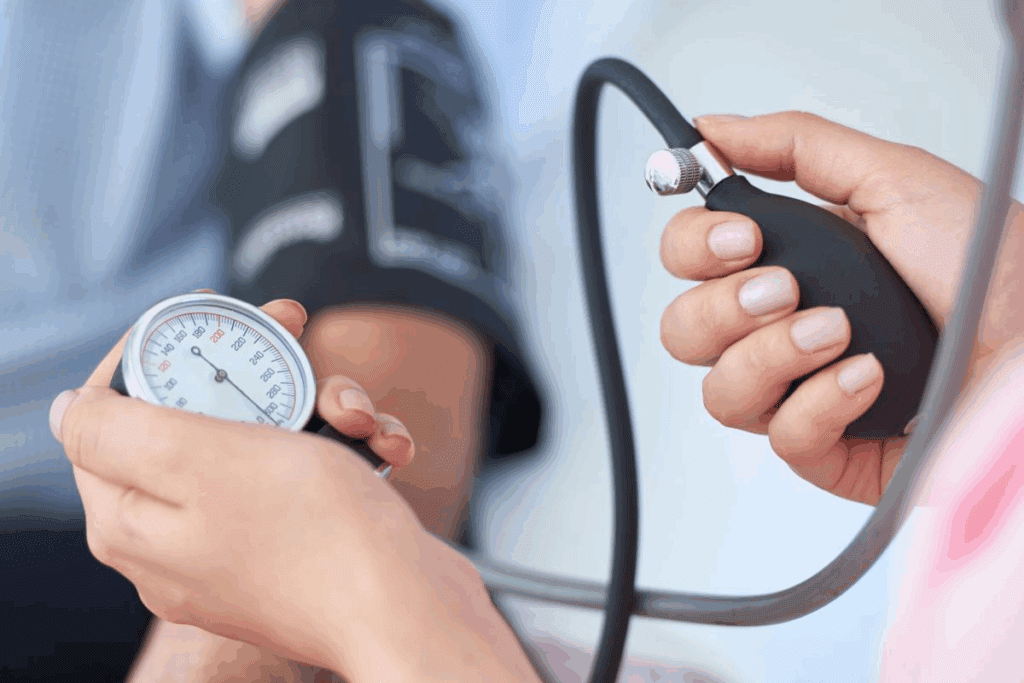
At Liv Hospital, we get how worried you are about hypertension and tachycardia. Research shows a high heart rate is linked to many heart risks. This includes high blood pressure. We know it’s tricky to understand how these two are connected, but it’s key for heart health.
We focus on you at Liv Hospital. We help international patients find top-notch medical care. We want to help you understand the link between high bp high heart rate and heart risks. This way, you can make better choices for your health.
Key Takeaways
- Hypertension and tachycardia are interconnected and can increase cardiovascular risk.
- A high heart rate is correlated with risk factors for atherosclerosis and cardiovascular events.
- Liv Hospital offers patient-centered care with extensive support for international patients.
- Understanding the connection between hypertension and tachycardia is vital for heart health.
- Our dedication is to providing top-notch healthcare with the highest quality standards.
Understanding Hypertension and Tachycardia

It’s key to know how hypertension and tachycardia are connected for better heart health. We’ll look at what these conditions are and how often they happen together. This will give you a full picture of their bond.
What Defines High Blood Pressure
High blood pressure, or hypertension, means your blood pressure is too high in your arteries. It’s when your blood pressure is 130/80 mmHg or higher. Normal blood pressure is less than 120/80 mmHg. It’s a big risk for heart problems like heart attacks, strokes, and kidney disease.
When Heart Rate Becomes Tachycardia
Tachycardia is when your heart beats too fast. For adults, a normal heart rate is 60 to 100 beats per minute (bpm). If it’s over 100 bpm, it’s tachycardia. Some athletes or very fit people might have a heart rate under 60 bpm.
Statistical Connection Between These Conditions
Research shows a strong link between hypertension and tachycardia. Up to 27% of people with high blood pressure have a heart rate over 80 bpm. The table below shows how common tachycardia is in people with hypertension.
| Study | Prevalence of Tachycardia in Hypertensive Patients |
| Study A | 23% |
| Study B | 27% |
| Study C | 31% |
This shows why it’s important to watch both blood pressure and heart rate in people with these conditions. Knowing about these conditions helps doctors create better treatment plans.
The Physiological Relationship Between High BP and High Heart Rate
High blood pressure and high heart rate are closely linked. They show how our body’s heart and blood vessels work together. Knowing this helps us take care of our heart health better.
Normal Cardiovascular Regulation
Our heart and blood vessels work together in a complex way. This keeps our blood pressure and heart rate just right. The baroreceptor reflex is key in this process. It helps adjust our heart rate and blood vessel size based on blood pressure changes.
“The baroreceptor reflex is a critical mechanism that helps maintain blood pressure homeostasis,” as noted by cardiovascular experts. This reflex makes sure our heart rate goes up when blood pressure goes down, and vice versa.
The Autonomic Nervous System’s Role
The autonomic nervous system (ANS) is very important for controlling our heart rate and blood pressure. It has two parts: the sympathetic nervous system, which speeds things up, and the parasympathetic nervous system, which slows things down. The balance between these two systems is key to keeping our heart and blood vessels working well.
Pathophysiological Connections
Sometimes, our body’s normal ways of working can get out of balance. This can lead to high blood pressure and a fast heart rate. For example, too much stress can make our heart rate and blood pressure go up. Also, health problems like an overactive thyroid can cause both high blood pressure and a fast heart rate.
Studies have found a strong link between high blood pressure and a fast heart rate, mainly in people with heart disease.
“The presence of tachycardia in hypertensive patients may indicate an increased risk of cardiovascular events.”
This shows why we need to treat both high blood pressure and a fast heart rate at the same time.
Understanding how high BP and high heart rate are connected helps doctors find better ways to treat both. This can lead to better health outcomes for patients.
Can Tachycardia Cause Hypertension?
The link between tachycardia and high blood pressure is complex. It raises questions about if a fast heart rate can cause high blood pressure. We need to look at how these two conditions are related, check the research, and think about the long-term effects of tachycardia.
Direct vs. Indirect Relationships
Tachycardia and high blood pressure are connected in many ways. Directly, tachycardia can affect blood pressure by increasing the heart’s output, which might lead to high blood pressure over time. But, there are also indirect factors like the autonomic nervous system and blood vessel resistance that play a role.
Research shows that a fast resting heart rate can be a risk factor for heart diseases, even without high blood pressure. This means tachycardia might help cause high blood pressure in ways not just tied to blood pressure.
Research Evidence on Causality
Studies have given us important insights into the connection between tachycardia and high blood pressure. Longitudinal studies have found that people with persistent tachycardia are more likely to get high blood pressure, showing a possible cause-and-effect relationship.
- A study in the Journal of Hypertension found that a higher resting heart rate increases the risk of high blood pressure.
- Another study in the American Journal of Cardiology said tachycardia might predict high blood pressure in some groups.
These studies suggest tachycardia might not just be related to high blood pressure but could actually help cause it.
Long-term Effects of Persistent Tachycardia
Ignoring persistent tachycardia can harm your heart health over time. Chronic tachycardia can make the heart work harder, leading to changes in the heart’s structure, which can increase the risk of heart problems.
Also, a constant fast heart rate can damage blood vessels and make them less flexible, which can worsen high blood pressure.
It’s important to understand the long-term effects of tachycardia to catch and treat it early. This can help prevent high blood pressure and other heart diseases.
Common Triggers for Both Hypertension and Tachycardia
Knowing what triggers hypertension and tachycardia is key to managing them. Many factors can make these conditions worse.
Psychological Factors: Stress and Anxiety
Stress and anxiety can lead to both hypertension and tachycardia. Stress makes our heart rate and blood pressure go up. Long-term stress can harm our heart.
We can fight stress with meditation, deep breathing, and yoga. Lowering stress helps keep our heart rate and blood pressure in check.
Medication Side Effects and Interactions
Some medicines can cause or make hypertension and tachycardia worse. For example, decongestants and certain antidepressants can raise heart rate and blood pressure. Always check with a doctor about any side effects.
Medicine interactions can also be a problem. Knowing what medicines we take and telling our doctor about any changes is important.
| Medication Type | Potential Effect on Heart Rate and Blood Pressure |
| Decongestants | Increase heart rate and blood pressure |
| Certain Antidepressants | May increase heart rate and blood pressure |
| Beta-blockers | Can slow heart rate and reduce blood pressure |
Dietary Influences: Caffeine, Alcohol, and Stimulants
What we eat can affect our heart rate and blood pressure. Too much caffeine, alcohol, and stimulants can lead to tachycardia and hypertension.
Caffeine in coffee, tea, and energy drinks can raise heart rate and blood pressure. Drinking too much alcohol is also bad for our heart.
Physical Exertion and Exercise
Exercise can change our heart rate and blood pressure. While exercise is good, too much can cause tachycardia in some people.
It’s important to balance exercise with rest. Talking to a doctor can help create a workout plan that’s right for us.
By understanding and managing these triggers, we can control hypertension and tachycardia. This improves our heart health.
Medical Conditions That Cause Hypertensive and Tachycardic States
Many health issues can lead to high blood pressure and a fast heart rate. These conditions affect the heart and blood vessels.
Panic Attacks and Anxiety Disorders
Panic attacks and anxiety can cause high blood pressure and a fast heart rate. When we have a panic attack, our body’s “fight or flight” response kicks in. This makes our heart beat faster and our blood pressure go up.
- Symptoms include palpitations, sweating, and trembling.
- Anxiety disorders can lead to chronic hypertension if not managed properly.
Endocrine Disorders: Thyroid and Adrenal Issues
Endocrine disorders, like thyroid and adrenal gland problems, can also cause these issues.
Common endocrine disorders include:
- Hyperthyroidism, leading to increased heart rate and elevated blood pressure.
- Pheochromocytoma, a rare tumor that causes excessive production of adrenaline, resulting in high blood pressure and tachycardia.
Cardiac Arrhythmias and Structural Heart Disease
Cardiac arrhythmias and structural heart diseases can also lead to these problems.
Examples include:
- Atrial fibrillation, a type of arrhythmia that can cause rapid heart rate and increased blood pressure.
- Structural heart diseases, such as hypertrophic cardiomyopathy, which can lead to hypertensive and tachycardic episodes.
Substance Use Disorders and Withdrawal Syndromes
Substance use disorders and withdrawal can also cause these issues.
- Stimulant drugs like cocaine and amphetamines can cause significant increases in heart rate and blood pressure.
- Withdrawal from substances like alcohol and benzodiazepines can lead to hypertensive and tachycardic episodes.
Recognizing and Diagnosing High BP High Heart Rate
It’s important to know the signs of high blood pressure and a fast heart rate. We’ll look at how to spot these conditions. We’ll also talk about tests and signs that mean you need to see a doctor right away.
Clinical Presentation and Symptoms
High blood pressure and a fast heart rate can show in different ways. Some signs are dizziness, headaches, and palpitations. But, in serious cases, you might feel chest pain, shortness of breath, or fainting.
Some people might not notice any symptoms until it’s too late. It’s key to check your blood pressure and heart rate often. This is true, even more so if you have a family history of heart problems.
Essential Diagnostic Tests
To find out if you have high BP and a fast heart rate, doctors use several tests. These include:
- Blood pressure measurement using a sphygmomanometer
- Electrocardiogram (ECG) to check heart rhythm
- Holter monitoring for 24-hour heart rate tracking
- Echocardiogram to look at heart structure and function
| Diagnostic Test | Purpose |
| Blood Pressure Measurement | To check for high blood pressure |
| Electrocardiogram (ECG) | To see if the heart is beating right |
| Holter Monitoring | To watch heart rate for 24 hours |
Warning Signs Requiring Emergency Care
Some symptoms need you to go to the emergency room right away. These include severe chest pain, trouble breathing, or really bad headaches. If you or someone else has these, get help fast.
Knowing the signs, using tests, and spotting urgent signs helps doctors treat high BP and fast heart rates. This can really help patients get better.
Health Risks and Complications
High blood pressure and tachycardia together can lead to serious health issues. We will look at the dangers and long-term effects of these conditions.
Short-term Dangers of Acute Episodes
Acute episodes of high blood pressure and tachycardia can be very dangerous. They can cause cardiac arrhythmias, heart failure, and stroke. The heart works harder, which can lead to heart damage if not treated quickly.
During these episodes, the heart’s activity can also cause cardiac remodeling. This makes the condition worse. It’s important for people to get medical help right away to avoid these risks.
Long-term Cardiovascular Consequences
Long-term high blood pressure and heart rate can harm the heart and blood vessels. High blood pressure can cause the heart to thicken, leading to heart failure. Tachycardia can make the heart tired, making things worse.
These issues can also make blood vessels narrow, raising the risk of heart disease. It’s key to keep these conditions under control to avoid serious problems.
Impact on Other Organ Systems
Hypertension and tachycardia can affect more than just the heart. They can harm the kidneys, leading to kidney disease. They can also strain the lungs, causing breathing problems.
These conditions can also harm the brain, raising the risk of dementia. Managing high blood pressure and tachycardia is important for overall health, not just the heart.
Modern Treatment Approaches for Hypertension with Tachycardia
Hypertension and tachycardia need a detailed treatment plan. This plan might include lifestyle changes, medicine, and new medical procedures. At Liv Hospital, we use a team approach to handle these conditions.
Lifestyle Modifications as First-line Therapy
Changing your lifestyle is often the first step. Dietary adjustments are key, focusing on less sodium and more fruits and veggies. Whole grains are better than processed foods.
Regular physical activity like walking or swimming can also help. Stress management, like meditation and yoga, is important too. Quitting smoking and drinking less alcohol are also key steps.
Pharmacological Management Strategies
When lifestyle changes aren’t enough, medicine is needed. Beta-blockers help by slowing the heart rate and reducing its workload. Other drugs, like calcium channel blockers and ACE inhibitors, control blood pressure.
Anti-arrhythmic medications might be used for tachycardia. The right medicine depends on the patient’s situation and history, needing a tailored treatment plan.
Interventional and Surgical Options
For those not helped by lifestyle changes and medicine, more options are available. Catheter-based procedures like renal denervation are new treatments for hard-to-manage hypertension. Sometimes, surgical interventions are needed to fix heart problems causing tachycardia.
Integrative and Complementary Approaches
Along with traditional treatments, integrative and complementary therapies can help. Acupuncture, biofeedback, and mindfulness-based stress reduction can reduce stress and improve heart health.
At Liv Hospital, we aim to give full care for patients with hypertension and tachycardia. We use the latest in medical science and technology.
Prevention and Self-Management Strategies
Managing high blood pressure and heart rate requires home monitoring, stress control, and a healthy lifestyle. Taking charge of your health can lower risks and enhance your life quality.
Home Monitoring Techniques
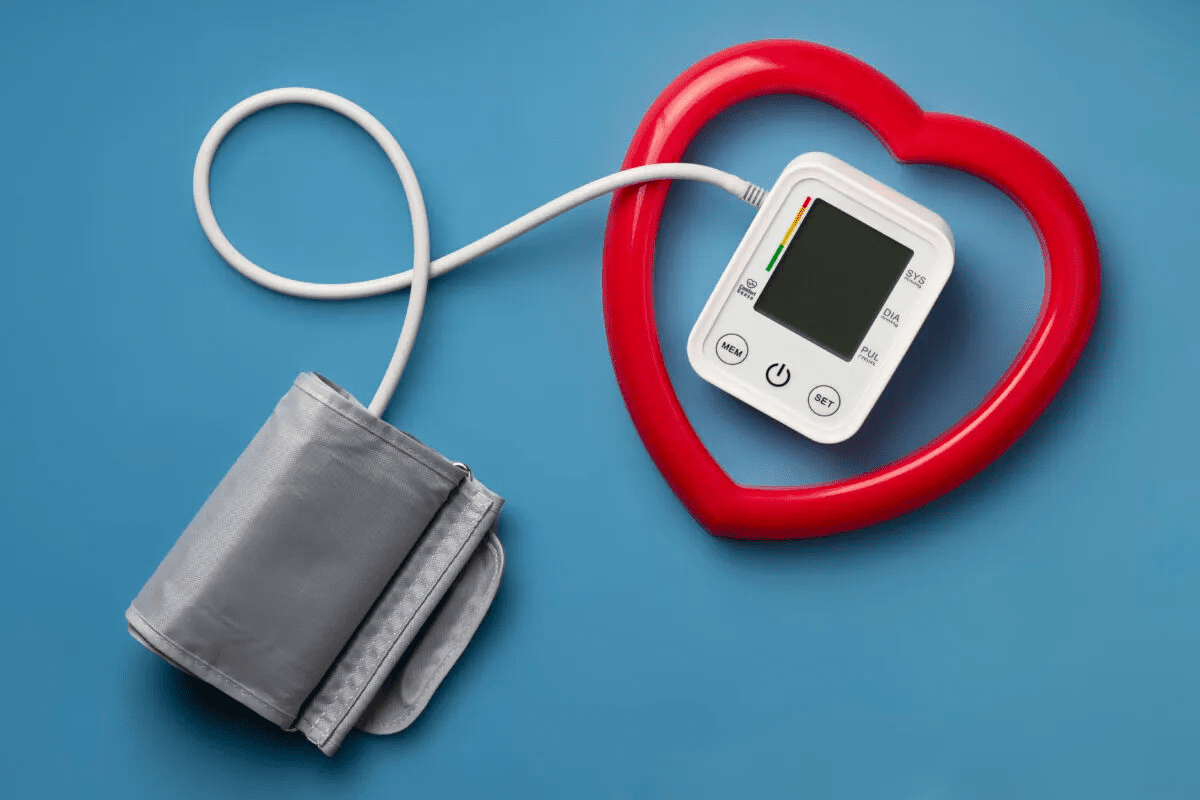
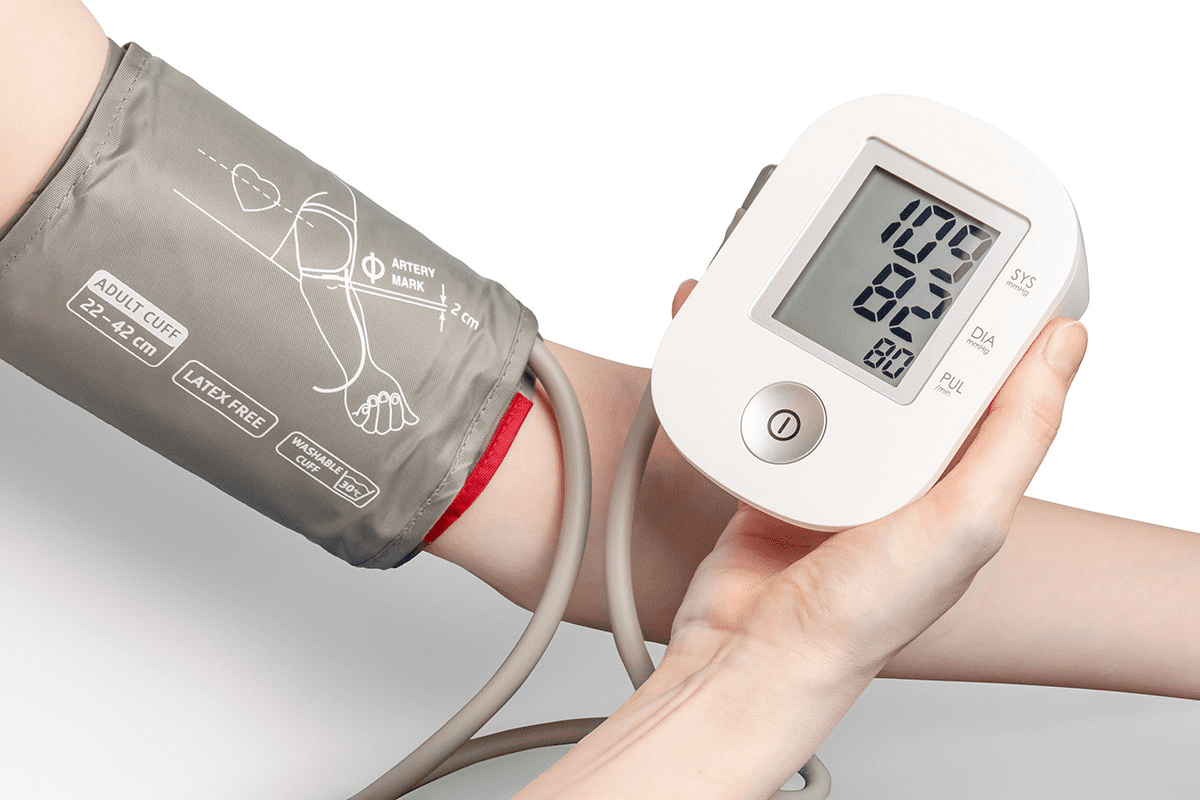
Monitoring your blood pressure and heart rate at home is key. Home blood pressure monitors and heart rate trackers offer insights into daily changes. It’s important to pick a reliable device and follow the instructions for accurate readings.
Here are tips for using home monitoring devices:
- Take readings at the same time each day
- Keep a log or use an app to track your progress
- Discuss your data with your doctor to adjust your treatment
Effective Stress Management Practices
Stress can worsen high blood pressure and heart rate. Stress management techniques like meditation, deep breathing, and yoga can help. Regular practice can lower your blood pressure and heart rate, boosting your heart health.
Some good stress management practices are:
- Mindfulness meditation
- Progressive muscle relaxation
- Regular physical activity, like walking or swimming
“Stress management is not a one-size-fits-all approach. It’s about finding what works best for you and making it a part of your daily routine.”
Optimal Dietary Patterns
Eating right is vital for managing high blood pressure and heart rate. The DASH diet, full of fruits, vegetables, whole grains, and lean protein, is very effective in lowering blood pressure.
Here are some dietary tips:
- Reduce sodium intake
- Eat more potassium-rich foods, like bananas and leafy greens
- Avoid too much caffeine and alcohol
Appropriate Exercise Protocols
Regular exercise is key for heart health. Aerobic exercises, such as brisk walking, cycling, or swimming, can lower blood pressure and reduce heart rate risks.
When planning your exercise, remember:
- Check with your doctor to find a safe exercise level
- Start with moderate activities and gradually increase intensity and duration
- Aim for at least 150 minutes of moderate exercise per week
By using these prevention and self-management strategies, you can manage your high blood pressure and heart rate. This can reduce risks and improve your health.
Liv Hospital’s Multidisciplinary Approach to Cardiovascular Health
Liv Hospital is dedicated to top-notch medicine. We treat heart conditions with a team effort. We focus on the whole person, not just symptoms.
Specialized Diagnostic and Treatment Technologies
Our heart department uses the newest tools. We have 3D echocardiography and cardiac MRI for accurate checks. Our treatments are based on the latest research for the best results.
- Advanced imaging technologies for precise diagnosis
- Minimally invasive surgical options for reduced recovery time
- Personalized treatment plans tailored to individual patient needs
Collaborative Care Teams
At Liv Hospital, teamwork is key. Our team includes cardiologists, surgeons, radiologists, and more. Together, we create detailed plans for heart health.
Our team ensures smooth care from start to finish.
Personalized Treatment Planning
Every patient is different, and so are their plans. Our experts listen to your story and lifestyle. Then, they craft a plan just for you.
- Initial consultation to assess patient needs and preferences
- Development of a tailored treatment plan
- Ongoing monitoring and adjustments as necessary
Liv Hospital combines the latest tech, teamwork, and custom plans for heart care. Our aim is to offer top care that boosts life quality.
Conclusion
Managing high blood pressure and a fast heart rate needs a full approach. We’ve looked at how these two are linked, from their causes to treatment options. This includes their physical reasons, common causes, and ways to treat them.
At Liv Hospital, we focus on personalized care for those with these conditions. Our team uses advanced tests and custom plans to help each patient. We help them manage their heart health through lifestyle changes, medicines, and other treatments.
Knowing how high BP and a fast heart rate are connected helps people make better choices. At Liv Hospital, we aim to give top-notch care to our patients. We give them the tools and knowledge to handle their health well.
FAQ
Can tachycardia cause high blood pressure?
Tachycardia might lead to high blood pressure in some ways. It can increase the heart’s output and trigger certain body responses. But, the link between tachycardia and high blood pressure is complex and depends on many factors.
What is the connection between hypertension and tachycardia?
Hypertension and tachycardia often go together. They can be caused by the same things, like stress, some medicines, and health issues.
How are high BP and high heart rate related?
High blood pressure and a fast heart rate are connected through the body’s nervous system and heart control. Both can harm the heart and need careful management.
What are the common triggers for both hypertension and tachycardia?
Triggers include stress, some medicines, caffeine, and too much exercise.
Can certain medical conditions cause both high BP and high heart rate?
Yes, many health issues can cause both high blood pressure and a fast heart rate. These include panic attacks, thyroid problems, heart rhythm issues, and substance use.
How are hypertension with tachycardia diagnosed?
Doctors use a physical check, listen to symptoms, and do tests like blood pressure checks and ECGs.
What are the health risks associated with having both high BP and high heart rate?
Having both can lead to heart problems. It can cause sudden issues and long-term heart disease.
How can hypertension with tachycardia be managed?
Management includes lifestyle changes, medicines, and sometimes surgery. Integrative care can also help.
What lifestyle changes can help manage high BP and high heart rate?
Changes include monitoring at home, managing stress, eating right, and exercising well.
How does Liv Hospital approach cardiovascular health?
Liv Hospital uses a team approach with advanced technology and personalized plans to care for the heart.
Does hypertension cause tachycardia?
Hypertension itself might not directly cause tachycardia. But, they can be linked through body mechanisms and shared risks.
Can high heart rate cause hypertension?
A fast heart rate might make high blood pressure worse. But, the connection is complex and influenced by many factors.
References
- Mwalimu, J., & Cooper, A. (2024). Multiple variations in abdominal aorta branching with special reference to the presence of accessory renal arteries from an East African female cadaver. Surgical and Radiologic Anatomy, 46(8), 929-934. https://www.ncbi.nlm.nih.gov/pmc/articles/PMC11441833/