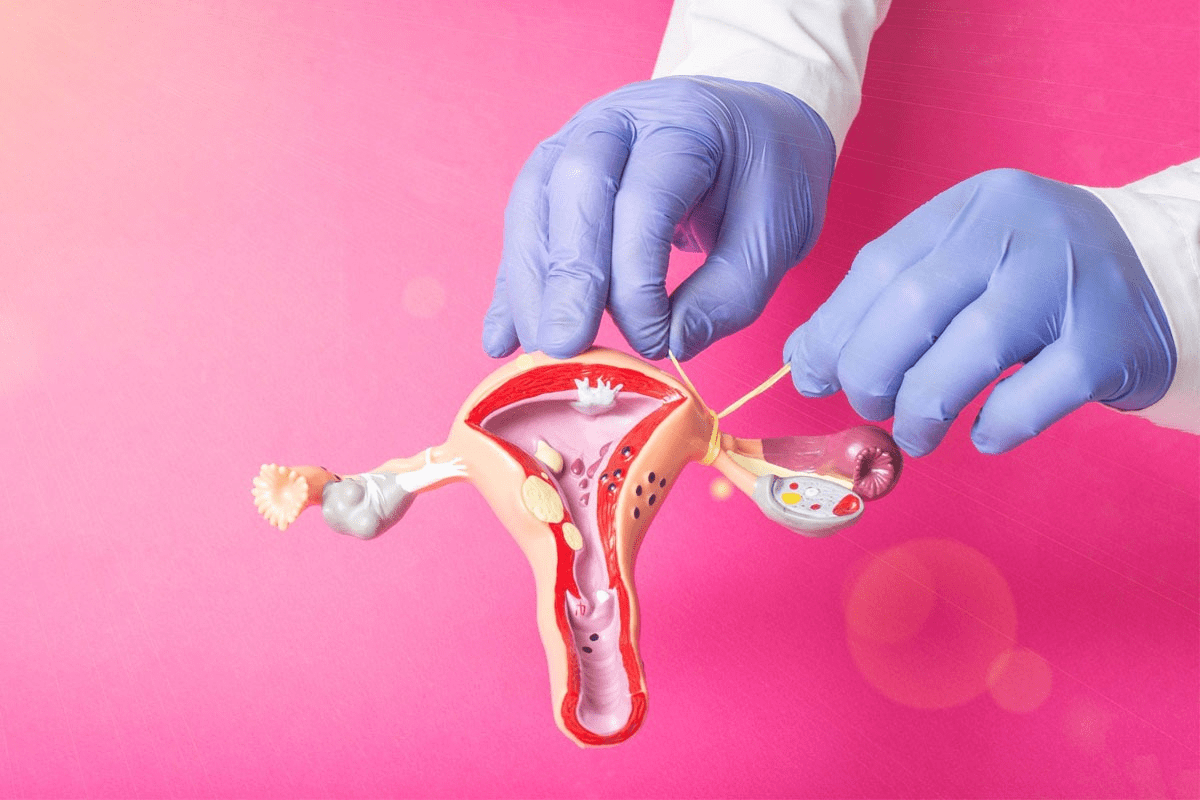

Knowing your cervix position is key to understanding your reproductive health and tracking fertility. The cervix, a muscular organ at the base of the uterus, changes a lot during the menstrual cycle. These changes are due to hormonal shifts.
These shifts can tell you a lot about when you might be fertile and your reproductive health. By learning to check your cervix position and understand its changes, you can better know your body’s signals.
We will show you how to check your cervix position, understand its changes, and why it matters for fertility and reproductive health .What does a high cervix mean? This essential guide reveals the surprising facts about your high cervix and what it means for your cycle or health.
Key Takeaways
- Understanding cervix position is key for reproductive health awareness.
- The cervix changes a lot during the menstrual cycle.
- Checking cervix position can give insights into fertility.
- This guide will walk you through the process and significance of cervix position checking.
- Cervical health is closely linked to overall reproductive well-being.
Understanding Your Cervix and Its Function

Learning about the cervix and its role can help us understand reproductive health and fertility better. The cervix is a key part of the female body. Its changes during the menstrual cycle can tell us a lot about our reproductive health.
What Is the Cervix?
The cervix is the lower, narrow part of the uterus that opens into the vagina. It’s very important for reproductive health. The cervix makes cervical mucus, which protects against infection and helps sperm survive when we’re fertile.
The Role of the Cervix in Reproductive Health
The cervix plays a big role in many reproductive processes. It makes cervical mucus and changes in position, texture, and openness during the menstrual cycle. These changes are due to hormonal shifts and help us track fertility.
During the menstrual cycle, the cervix changes because of hormones. For example, when we ovulate, the cervix is higher, softer, and more open. This helps sperm move through.
Why Cervical Position Changes Matter
Cervical position changes are important because they show when we might be fertile. They give us clues about our reproductive health. By watching these changes, we can learn more about our menstrual cycle and fertility.
Knowing why cervical position changes are important helps us take charge of our reproductive health. By paying attention to these changes, we can make better choices about planning a family or monitoring our health.
The Cervical Changes Throughout Your Menstrual Cycle

The cervix changes a lot during the menstrual cycle. These changes are due to hormonal shifts. They are important for reproductive health and can tell us about fertility and well-being.
Hormonal Influences on Cervix Position
Hormonal changes affect the cervix’s position, texture, and openness. Estrogen levels are key in these changes. They make the cervix more receptive at certain times.
As estrogen goes up, the cervix starts to change. It gets ready for fertilization. Knowing this can help women track their fertility and menstrual health better.
The SHOW Acronym: Soft, High, Open, Wet
The SHOW acronym helps remember the cervix’s traits during the fertile period. It stands for Soft, High, Open, and Wet.
- Soft: The cervix feels soft, like lips, not firm like the nose tip.
- High: The cervix moves up, making it harder to reach.
- Open: The cervix opens a bit, letting sperm pass through.
- Wet: Fertile cervical mucus makes it wet, helping sperm move.
Cervix Position During Different Cycle Phases
The cervix changes with hormonal shifts throughout the cycle. During ovulation, it’s soft, high, open, and wet. This is the best time for fertilization.
During the menstrual period, the cervix is lower and firmer. After ovulation, if there’s no pregnancy, it becomes less receptive. It gets firmer and lower again.
Knowing these changes helps women track their fertility and menstrual health. It gives them insights into their reproductive well-being.
High Cervix: What It Means and When It Occurs
A high cervix is linked to ovulation. During ovulation, the cervix moves up in the vagina. It becomes softer and more open, making it easier for sperm to enter.
Characteristics of a High Cervix
A high cervix is known by its position, feel, and openness. When it’s high, it’s softer and more open than usual. This change happens due to hormonal shifts, mainly the rise in estrogen.
- The cervix is positioned higher in the vagina.
- It becomes softer to the touch.
- The cervical os (opening) is more open.
Relationship Between High Cervix and Ovulation
Ovulation is closely tied to a high cervix. As ovulation nears, the cervix moves up, softens, and opens. This is a natural response to the rise in LH and estrogen, preparing the body for fertilization.
“Observing cervical changes can provide valuable insights into a woman’s fertile window,” notes Medical Expert, a fertility specialist. “A high, soft, and open cervix is often indicative of the peak fertile period.”
High Soft Closed Cervix Interpretation
A high soft closed cervix might seem confusing. It can happen before or right after ovulation. The softness shows estrogen’s effect, while the closed state might mean ovulation hasn’t happened yet or has just passed.
Knowing about these cervical changes helps identify the fertile window. By tracking these signs, one can understand their reproductive cycle better.
Low Cervix: Indicators and Timing
A low cervix can signal different stages of your menstrual cycle or pregnancy. Knowing your cervix’s position and how it changes can help you understand your reproductive health better.
How to Identify a Low Cervix
To see if your cervix is low, learn about its usual spot and how it shifts with your cycle. A low cervix feels closer to the vaginal opening than usual. During menstruation, the cervix is usually low and slightly open, which is normal.
To check your cervix, follow these steps:
- Ensure your hands are clean to avoid infection.
- Choose a comfortable position, such as squatting or sitting on the toilet.
- Insert one or two fingers into your vagina, feeling for the cervix, which is usually at the end of the vaginal canal.
If your cervix feels low and is closer to the vaginal opening, it could be in a low position. It’s essential to check your cervix at the same time every cycle to become familiar with its normal position and changes.
When to Expect a Low Cervical Position
A low cervical position can happen at different times, depending on your cycle and reproductive state. Typically, the cervix is low during menstruation, when the body sheds the uterine lining.
Outside of menstruation, hormonal changes or reproductive events can also cause a low cervix. For example, some women may have a low cervix during certain cycle phases or early pregnancy.
Low Soft Open Cervix Significance
A low soft open cervix can mean different things, depending on your cycle and reproductive health. A soft cervix indicates that it is more pliable and less firm than usual, which can be a sign of hormonal influences or reproductive events.
For instance, a low soft open cervix might be seen during peak fertility times or early pregnancy. But, remember, cervical changes alone don’t confirm pregnancy or fertility. Always consult a healthcare provider for a full understanding of your reproductive health.
“Tracking cervical changes can be a valuable tool for understanding fertility and menstrual health, but it should be used in conjunction with other fertility awareness methods for a more accurate picture.”
By understanding the indicators and timing of a low cervix, you can gain a deeper insight into your reproductive health. This knowledge can help you make informed decisions about your fertility and well-being.
Preparing to Check Your Cervix Position
Getting ready is important to check your cervix right. To make sure you’re comfortable and do it well, think about a few things.
Hygiene Considerations
Keeping clean is key when you check your cervix. Wash your hands well before you start. This stops bacteria from getting into your vagina. Also, trim your fingernails to avoid hurting yourself.
Make sure the area where you’re checking is clean and comfy. You might want to use a lubricant. But pick one that’s okay for inside the vagina.
Hygiene Practice | Importance |
Washing Hands | Prevents infection |
Trimming Fingernails | Reduces risk of injury |
Using Lubricant | Eases examination |
Best Time of Day for Checking
The best time to check your cervix can change. But many find it best at the same time each day. This is when they’re most relaxed.
Try not to check when you’re stressed or in a rush. It’s harder then.
Comfortable Positions for Examination
It’s important to find a comfy position for checking. You can sit on the edge of a bed or chair. Or stand with one leg up on a chair. Squatting works too.
Step-by-Step Guide to Checking Your Cervical Position
Checking your cervical position is key to knowing your reproductive health. We’ll show you how to do it right. This includes the right hand position, finding your cervix, and what to look for.
Hand Positioning Techniques
First, get comfortable to reach your cervix. Sit on a chair’s edge, stand with one leg up, or squat. Then, put your index or middle finger into your vagina, making sure your nail doesn’t hurt.
Proper hand positioning is key for a good check. Keep your finger clean and use lubricant if needed.
How to Locate Your Cervix
Find your cervix by gently feeling into your vagina. You’ll hit a small, round spot that feels like your nose tip. This is your cervix. It might feel odd at first, but you’ll get used to it.
The cervix’s spot in your vagina changes with your cycle. Be patient and gentle to find it right.
What to Feel For
After finding your cervix, notice its position, firmness, and openness. These signs change with your cycle and tell you about your fertility and health.
Cervical Characteristic | Possible Indications |
High and Soft | Fertile phase, potentially ovulating |
Low and Firm | Non-fertile phase, possibly pre-menstruation |
Open | Fertile, potentially during ovulation |
Closed | Non-fertile, possibly after ovulation or pre-menstruation |
By watching these signs and their changes, you learn more about your body. This helps you make better choices about your reproductive health.
Interpreting Cervical Firmness and Texture
Watching how the cervix changes can help women understand their cycle and when they might get pregnant. The cervix, a key part of the female body, changes a lot during the month. These changes are due to the ups and downs of hormones.
Cervical Firmness: Soft vs. Firm
The cervix can feel very different from one day to another. When it’s soft, it’s a sign you might be fertile. This usually happens when you’re ovulating. But when it’s firm, it might not be as good for getting pregnant.
Characteristics of Soft and Firm Cervix:
Characteristics | Soft Cervix | Firm Cervix |
Firmness | Soft, similar to the texture of lips | Firm, similar to the tip of the nose |
Association with Fertility | High fertility | Lower fertility |
Phase of Cycle | Typically during ovulation | Often during non-ovulatory phases |
What Does a Firm Cervix Mean?
A firm cervix means you’re likely not in your fertile time. This is because sperm have a hard time getting through. But, it’s also important to look at other signs like how open and positioned the cervix is to understand your fertility better.
Open Soft Cervix and Fertility
An open soft cervix is a clear sign you might be fertile. When the cervix is both soft and open, it means your body is ready for making a baby. This is most true during ovulation, when it helps sperm get into the uterus.
Knowing about these changes can help women take better care of their reproductive health. By tracking the cervix’s firmness and texture, along with other methods, women can learn more about their cycle and when they might get pregnant.
Understanding Cervical Opening Changes
Learning about cervical opening changes can help women understand their menstrual cycle and fertility better. The cervix, a key part of the female reproductive system, changes a lot during the menstrual cycle.
Is the Cervix Open During Period?
Yes, the cervix opens a bit during menstruation. This lets menstrual tissue out. But, not all women can feel this opening.
How Do I Know If My Cervix Is Open?
To check if your cervix is open, look at its position and feel. A doctor can also check it during a visit.
Cervix Opening Throughout Your Cycle
The cervix changes its opening based on hormones throughout the cycle. When you ovulate, the cervix is higher, softer, and more open. This helps with fertilization.
Menstrual Cycle Phase | Cervix Position | Cervix Opening |
Menstruation | Low | Slightly Open |
Pre-Ovulation | Higher | More Closed |
Ovulation | High | More Open |
Post-Ovulation | Lower | More Closed |
By tracking these changes, women can better understand their fertility and menstrual cycle.
Cervix Position and Pregnancy
Understanding cervix changes during pregnancy is key to knowing about reproductive health. It’s important to see how cervical changes affect the pregnancy journey.
Early Pregnancy Cervical Changes
In early pregnancy, the cervix is high and closed. This helps keep the fetus safe. It’s a vital change to prevent problems.
As pregnancy goes on, the cervix changes more. It gets softer, getting ready for labor. This is a natural step towards childbirth.
Cervix Anterior Position Significance
The cervix’s position can differ among women. But, an anterior cervix position is often seen as better. It can make labor smoother, but experiences vary.
The anterior position is important for labor and delivery. Doctors watch the cervix’s position and other factors. They want a healthy pregnancy and delivery.
When to Consult a Healthcare Provider
Knowing about cervical changes is good, but knowing when to get medical help is key. If you notice unusual symptoms or concerns, consult a healthcare provider.
Regular prenatal visits are important. They help check the health of the mother and the fetus. Doctors can offer advice and address concerns, making sure the pregnancy goes well.
Tracking Cervical Position for Fertility Awareness
Tracking your cervical position can give you insights into your reproductive health. It helps you find your fertile window. This way, you can make smart choices about your fertility.
Creating a Cervical Position Chart
To track your cervical position, making a chart is key. This chart will help you note your observations every day. It lets you see patterns over time.
When making your chart, include columns for date, cervical position, and texture. Also, add columns for cervical opening and mucus presence.
Date | Cervical Position | Cervical Texture | Other Observations |
02/01 | Low | Firm | Closed, no mucus |
02/05 | Intermediate | Soft | Slightly open, mucus present |
02/10 | High | Soft | Open, abundant mucus |
Keeping a detailed chart helps you spot patterns in your cervical position and texture. These changes are due to hormonal shifts in your cycle. Medical Expert, “Charting your cervical mucus and position can greatly improve your understanding of your fertility.”
“The more you observe and record your bodily changes, the more attuned you’ll become to your unique fertility rhythms.”
Combining with Other Fertility Awareness Methods
Tracking cervical position is valuable, but using other fertility awareness methods (FAMs) can give you a better picture. These include basal body temperature tracking and cervical mucus observation. Combining these methods helps pinpoint your fertile window more accurately.
- Basal Body Temperature Tracking: This involves taking your temperature every morning to detect the slight increase that occurs after ovulation.
- Cervical Mucus Observation: Observing the changes in your cervical mucus can indicate when you are approaching ovulation.
Combining these methods provides a complete view of your fertility. The Natural Family Planning (NFP) guidelines say, “Using multiple FAMs together increases the effectiveness of fertility awareness.”
Identifying Your Fertile Window
Your fertile window is when you’re most likely to conceive. It includes the day of ovulation and the five days before it. By tracking your cervical position and other FAMs, you can find this window more accurately.
During your fertile window, your cervix may be high, soft, and open. These signs show your peak fertility period. Knowing these signs helps you plan when to have sex if you’re trying to conceive, or avoid it if you’re not.
By tracking your cervical position and other fertility signs, you can understand your reproductive cycle better. This knowledge helps you make informed choices about your fertility.
Common Challenges When Checking Cervical Position
It’s important to know the common issues when checking your cervical position. Many women find it hard to do this, leading to confusion and frustration.
Why Can’t I Feel My Cervix?
Many women wonder, “Why can’t I feel my cervix?” The cervix is small and can change position in your cycle. Sometimes, it’s harder to find because of its position.
Several things can make it tough to feel your cervix:
- Anatomical variations: Your vagina’s length can affect how easy it is to find the cervix.
- Tension or discomfort: Feeling tense or uncomfortable can make it harder to find the cervix.
- Lack of familiarity: If you’re new to checking your cervical position, it might take time to get used to it.
Can Your Cervix Move During Examination?
Yes, the cervix can move a bit during an examination. This is because it’s flexible and surrounded by other tissues. But, this movement is usually small and doesn’t affect the accuracy much.
To avoid too much movement, be gentle and relaxed. Deep breathing and a comfortable position can help.
Distinguishing Between Normal and Abnormal Findings
It’s key to know the difference between normal and abnormal findings. Normal changes include the cervix’s position, firmness, and opening. But, some changes might mean you need to see a doctor.
Characteristic | Normal Variations | Potential Concerns |
Firmness | Soft during ovulation, firm during other times | Unusually hard or tender |
Position | Higher during ovulation, lower during menstruation | Persistent abnormal position |
Opening | Slightly open during ovulation, closed during other times | Unusually open or dilated |
If you notice any unusual or persistent changes, see a healthcare provider. They can help evaluate and guide you.
Conclusion
Learning about cervix position can really help with reproductive health and tracking fertility. By watching for cervical changes, people can learn a lot about their health. This knowledge helps them make better choices for their well-being.
We’ve given you a detailed guide on how to check your cervix position and its role in fertility and health. With this info, you can better understand your menstrual cycle. You can also find your fertile window and make smart choices about your health.
But tracking fertility is more than just looking at your cervix. It’s about understanding your whole reproductive health. By using cervical awareness with other methods, you can improve your chances of getting pregnant or avoiding it.
By taking charge of your reproductive health, you can learn more about your body. This lets you make choices that are right for you. We suggest you keep learning about your reproductive health. This way, you can make decisions that fit your goals and values.
FAQ
What is the cervix, and what is its role in reproductive health?
The cervix is the lower part of the uterus that opens into the vagina. It plays a key role in reproductive health. It produces mucus that changes in consistency throughout the menstrual cycle. This helps or hinders sperm passage.
How do I check my cervix position?
To check your cervix position, start by washing your hands thoroughly. Choose a comfortable position, such as squatting or sitting on the toilet. Insert one or two fingers into your vagina, feeling for the cervix.
It’s typically at the end of the vaginal canal. Note its position, texture, and opening.
What does a high cervix mean?
A high cervix is positioned higher in the vaginal canal. It often indicates that you are in a fertile phase of your cycle, typically around ovulation.
Is the cervix open during the period?
Yes, the cervix is generally slightly open during menstruation. This allows for the shedding of the uterine lining.
How do I know if my cervix is open?
You can determine if your cervix is open by inserting a finger into your vagina. If it feels open or has a slight depression in the center, it may be open.
What does a firm cervix mean?
A firm cervix is typically a sign that you are not in your fertile window. It can also be indicative of certain hormonal influences or stages of your menstrual cycle.
Can your cervix move during examination?
Yes, the cervix can move slightly during examination. This is due to its muscular nature and the influence of hormonal changes.
Why can’t I feel my cervix?
Some individuals may have a harder time feeling their cervix. This could be due to vaginal tightness, a naturally positioned cervix that’s harder to reach, or lack of experience.
What is the significance of a low soft open cervix?
A low soft open cervix can be indicative of a specific phase in your menstrual cycle or certain reproductive conditions. It may also be a sign of approaching menstruation.
How does cervix position relate to fertility and pregnancy?
Cervix position can be an indicator of fertility. A high, soft, and open cervix often correlates with the fertile window. Changes in cervical position can also occur during early pregnancy.
What does an anterior cervix position mean?
An anterior cervix position refers to the cervix being positioned towards the front of the body. This is considered a normal variation in cervical positioning.
How can I track my cervical position for fertility awareness?
To track your cervical position, regularly check and record its position, texture, and opening throughout your cycle. Combining this with other fertility awareness methods can enhance your understanding of your fertile window.
References
National Center for Biotechnology Information. Cervical Position: Guide to Reproductive Health and Fertility Tracking. Retrieved from https://www.ncbi.nlm.nih.gov/pmc/articles/PMC4459908/