Last Updated on November 4, 2025 by mcelik
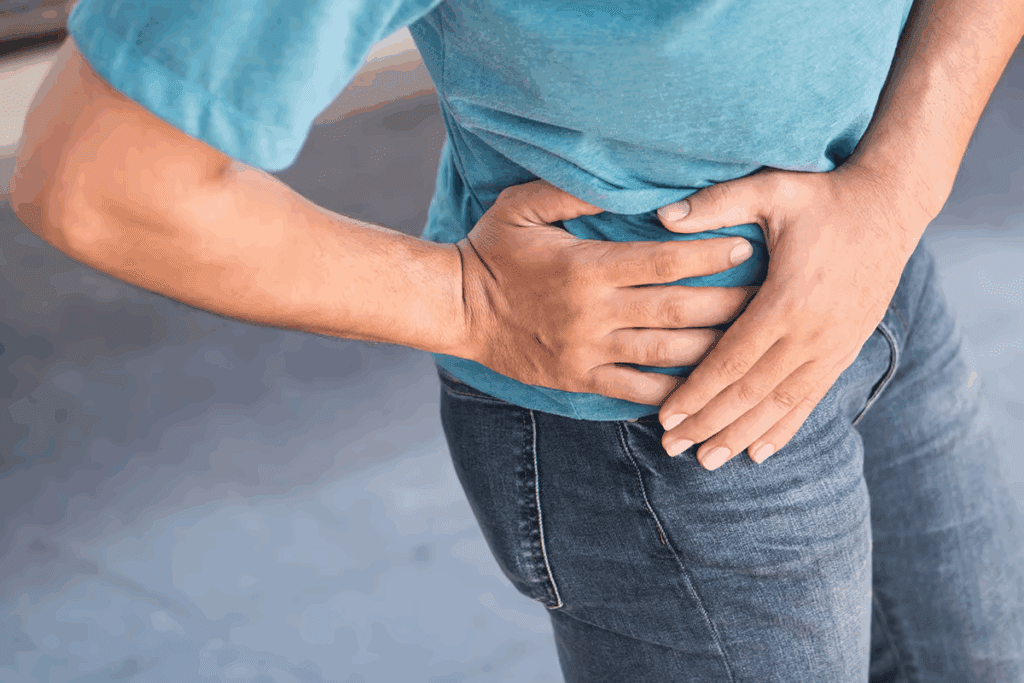
Millions of people worldwide suffer from hip bursitis. Hip bursitis causes inflammation of the bursae, resulting in pain and discomfort. Finding a comfortable hip bursitis sitting position is key to managing this pain.
Proper sitting techniques can play a critical role in hip pain relief. They help in making sitting more comfortable.
Research into human motion intention recognition is important. It shows the value of advanced medical technologies in rehabilitation. This includes managing conditions like hip bursitis.
We know that effective pain management needs a complete approach. This includes the right sitting positions. It helps improve the quality of life for those affected.
Key Takeaways
- Proper sitting positions can significantly alleviate hip bursitis pain.
- Advanced medical technologies play a critical role in rehabilitation.
- A complete approach is necessary for effective pain management.
- Comfortable sitting techniques can improve overall comfort and quality of life.
- Managing hip bursitis requires a multifaceted strategy.
Understanding Hip Bursitis
Knowing about hip bursitis is key to managing its symptoms and improving life quality. Hip bursitis is when the bursae, fluid-filled sacs, get inflamed. These sacs cushion joints and reduce friction between bones and soft tissues.
What is a Bursa and How Does it Function?
A bursa is a small, fluid-filled sac that helps reduce friction and cushion joints. In the hip, several bursae are around the joint. They help with smooth movement and reduce friction between bones, tendons, and ligaments. When these bursae get inflamed, it’s called bursitis.
Types of Hip Bursitis
There are several types of hip bursitis, but trochanteric and iliopsoas bursitis are the most common. Trochanteric bursitis affects the bursa near the greater trochanter, the bony part on the outside of the hip. Iliopsoas bursitis affects the bursa near the iliopsoas muscle, which runs from the lower back to the femur.
| Type of Hip Bursitis | Location | Common Symptoms |
| Trochanteric Bursitis | Near the greater trochanter | Pain on the outside of the hip |
| Iliopsoas Bursitis | Near the iliopsoas muscle | Pain in the groin or front of the hip |
Hip bursitis can be caused by repetitive motion, direct trauma to the hip, or inflammatory conditions like rheumatoid arthritis. It’s more common in middle-aged or older people. Activities that involve repetitive hip movements, such as running or cycling, also increase the risk.
Understanding these causes and risk factors is key to preventing and managing hip bursitis. Recognizing symptoms early and making lifestyle changes can help reduce the risk of this painful condition.
Recognizing Hip Bursitis Symptoms
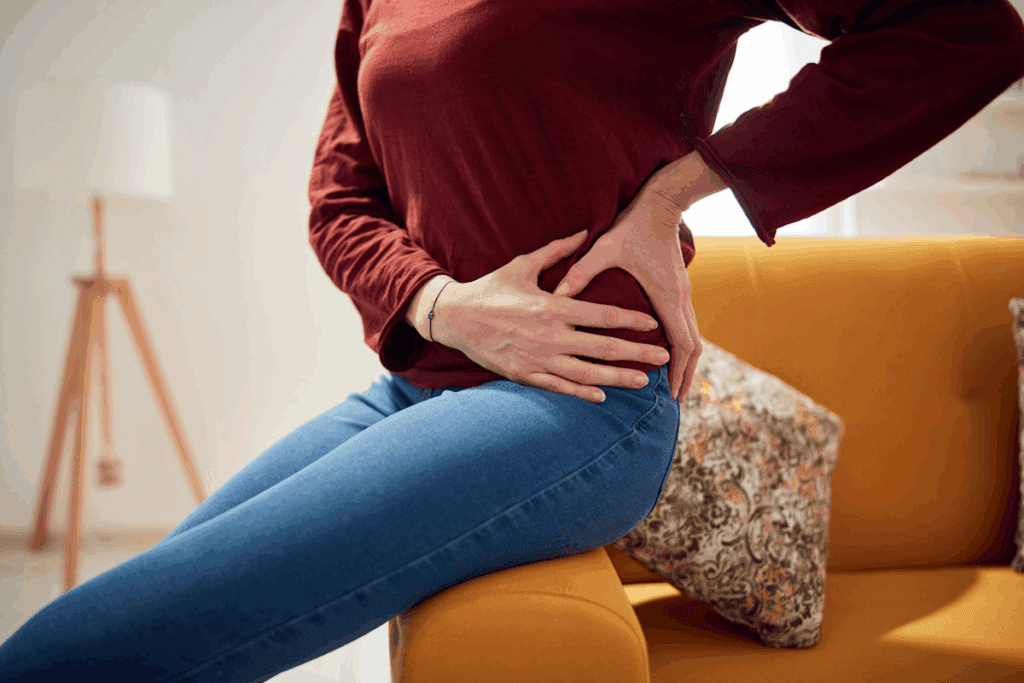
It’s important to know the signs of hip bursitis to manage and treat it well. This condition can show up in different ways. So, it’s key to recognize its common symptoms.
Pain Patterns and Locations
Hip bursitis often causes pain on the outside of the hip or in the groin. The pain might feel sharp or dull and can spread down the thigh. Pain patterns can vary depending on the type of bursitis. For example, trochanteric bursitis affects the outer hip, while ischial bursitis causes pain in the buttock.
Movement-Related Symptoms
Moving around can make hip bursitis symptoms worse. Walking, climbing stairs, or lying on the affected side can hurt more. People often feel stiff or hear a clicking sound in their hip, which might mean bursitis.
Differentiating from Other Hip Conditions
It’s important to tell hip bursitis apart from other hip problems. Conditions like osteoarthritis, tendinitis, or muscle strains can have similar symptoms. A detailed check-up and imaging tests help figure out if it’s hip bursitis.
| Condition | Common Symptoms | Typical Pain Location |
| Hip Bursitis | Pain on movement, stiffness, swelling | Outer hip, groin |
| Osteoarthritis | Joint pain, stiffness, limited mobility | Groin, thigh, buttock |
| Tendinitis | Pain on movement, tenderness | Outer hip, thigh |
Knowing the differences helps doctors create the right treatment plan. Getting the diagnosis right is key to managing hip bursitis well.
How Sitting Affects Hip Bursitis
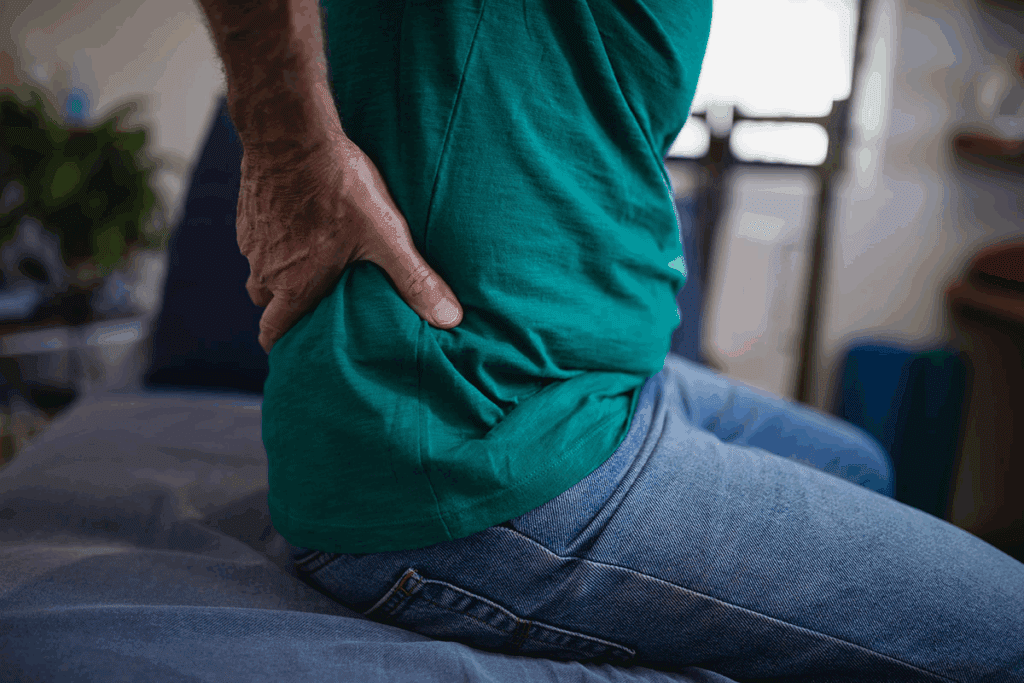
Sitting can have many effects on hip bursitis, including pressure points, posture, and how long symptoms last. When we sit, it’s not just a rest. It can either help or hurt our hip bursitis symptoms.
Pressure Points and Inflammation
Sitting can put more pressure on the bursae in the hip, which is bad if we sit wrong. The bursae are fluid-filled sacs that protect the bones, tendons, and muscles near joints. If these bursae get inflamed, it can cause pain and discomfort. Using the right sitting techniques can help avoid this pressure.
It’s key to watch out for pressure points when sitting, more so for those with hip bursitis. Avoiding direct pressure on the sore area is important. Using cushions or adjusting how we sit can spread out the weight, easing the strain on the inflamed bursa.
Poor Posture Consequences
Poor posture while sitting can really hurt those with hip bursitis. Slouching or leaning to one side can mess up the hip’s alignment, adding stress to the bursae. This stress can make inflammation and pain worse. Keeping the pelvis in a neutral position is key to avoid extra strain on the hip.
To avoid posture problems, sit with your back straight, shoulders relaxed, and feet flat on the floor or on a footrest if needed. This posture keeps the spine’s natural curve and lowers the risk of extra pressure on the hip bursae.
Duration Effects on Symptoms
How long we sit can also affect hip bursitis symptoms. Sitting for a long time can make it stiffer and more painful because of constant pressure on the bursae. Changing positions and taking breaks to stand or stretch can help ease some of this discomfort.
It’s good to stand up, stretch, and move around every 30 to 60 minutes. This not only shortens symptom time but also makes us feel better and lowers the chance of other muscle problems.
The Importance of Proper Hip Alignment
Proper hip alignment is key for those with hip bursitis. It affects pain levels and comfort. When the hip is aligned right, it lessens stress on the bursa and tissues. This can help ease the pain of hip bursitis.
Neutral Pelvis Position
Keeping the pelvis in a neutral position is vital for hip alignment. It means the pelvis should not tilt too far forward or backward. This helps spread the weight evenly and reduces pressure on sensitive areas.
To get a neutral pelvis, try pelvic tilts. Lie on your back with knees bent and tilt your pelvis forward and backward. Find a middle spot that feels comfortable.
Spine and Hip Relationship
The spine and hip relationship is closely linked. Proper spinal alignment helps keep the hip in its best position. This reduces strain on the hip joint. On the other hand, hip misalignment can cause back pain by affecting the spine.
It’s important to understand this connection to manage hip bursitis. This means looking at the whole body, from the spine to the hips and legs, when fixing hip alignment issues.
Weight Distribution Principles
Weight distribution is key for hip alignment. When sitting, spread your weight evenly on both hips and buttocks. Avoid putting too much pressure on one side. Sit with both feet on the floor or a footrest, keep knees at or below hip level, and maintain a straight back.
Using ergonomic chairs or special cushions can also help. They support even weight distribution, which reduces pressure on the hips and eases bursitis symptoms.
Hip Bursitis Sitting Positions for Pain Relief
Finding the right sitting position is key for managing hip bursitis pain. It’s important to use sitting techniques that lessen pressure on the affected area. This helps promote comfort.
Elevated Seating Technique
Using an elevated seating technique can help with hip bursitis pain. A cushion or pillow can lift your seating, reducing pressure on your hip bursae. This method is great for long sitting periods.
To implement elevated seating:
- Use a high-density foam cushion or a hip cushion.
- Put the cushion on your chair to lift your hips.
- Adjust the height to feel comfortable and lessen hip pressure.
Angled Positioning Strategy
Adjusting your sitting angle can also help with pain relief. Changing the angle between your torso and thighs can ease hip joint strain. You can use a chair with adjustable tilt or a wedge cushion under your back or thighs.
The benefits of angled positioning include:
- Less pressure on the hip bursae.
- Better circulation from the changed angle.
- More comfort during long sitting.
Weight Distribution Methods
Proper weight distribution is vital when sitting with hip bursitis. Evenly distributing your weight can reduce hip pressure. Sit with your feet flat on the floor or on a footrest, keep your knees at or below hip level, and maintain a straight back.
Tips for effective weight distribution:
- Choose a chair with good lumbar support for a straight back.
- Adjust your chair height so your feet are flat or on a footrest.
- Avoid crossing your legs to prevent uneven weight distribution.
Ergonomic Chair Features for Bursitis Management
Choosing the right ergonomic chair can greatly improve comfort and reduce pain for those with hip bursitis. It’s not just about comfort in healthcare settings. It’s also about daily life for those with hip bursitis.
Seat Cushion Considerations
The seat cushion is key in managing hip bursitis. A cushion that’s too firm or too thin can make the condition worse. Look for cushions made from high-density foam or gel-infused materials for support and comfort.
The cushion should be thick enough to absorb pressure but not so thick that it causes poor sitting posture.
Backrest Support Requirements
Good backrest support is vital for keeping the spine aligned. This can help ease pressure on the hips. An ergonomic chair with adjustable backrests that fit the spine’s natural curve is best.
Look for chairs with lumbar support that can be adjusted for different body types and preferences.
Armrests and Height Adjustments
Adjustable armrests help in finding a comfortable sitting position. They allow users to rest their arms without leaning forward or to the side, reducing hip strain. Being able to adjust the chair’s height is also important.
It lets users sit with their feet flat or on a footrest, keeping knees at or below hip level. This promotes good posture and lessens hip pressure.
By focusing on these ergonomic chair features, those with hip bursitis can greatly enhance their sitting comfort and reduce pain. It’s about creating a supportive environment that encourages healing and comfort.
Supportive Cushions and Devices
Supportive cushions and devices are key in easing hip bursitis pain. They offer relief and support to those with this condition.
Specialized Hip Cushions
Specialized hip cushions cut down on hip area pressure. They help reduce pain and discomfort. These cushions fit the body’s shape, giving tailored support.
Wedge Cushion Benefits
Wedge cushions help manage hip bursitis well. They spread out weight and lessen pressure on sore spots. Their angled design keeps the hip in line, easing bursa strain.
Memory Foam vs. Gel Options
Choosing a supportive cushion means picking between memory foam and gel. Each has its own advantages.
| Feature | Memory Foam | Gel |
| Support | Conforms to body shape, providing customized support | Offers consistent support and maintains its shape |
| Cooling | Can retain heat | Provides a cooling effect, beneficial for inflammation |
| Durability | Can lose shape over time | Generally more durable and long-lasting |
The choice between memory foam and gel depends on personal needs. Some like memory foam’s fit. Others prefer gel cooling.
Office Seating Strategies for Hip Bursitis
Improving office seating is key for those with hip bursitis. It helps reduce pain and boosts work efficiency. We aim to offer solutions that ease symptoms of hip bursitis at work.
Desk Chair Optimization
Getting your desk chair to fit right is vital for hip comfort. Look for a chair that adjusts in height and has lumbar support. This keeps your pelvis in a neutral position. Also, a chair with a waterfall edge can ease leg pressure.
Key Features to Look for in an Ergonomic Chair:
- Adjustable seat height and depth
- Lumbar support
- Breathable fabric
- Armrests that adjust in height and width
| Feature | Benefit |
| Adjustable Seat Height | Allows feet to rest flat on floor or footrest |
| Lumbar Support | Maintains natural curve of lower back |
| Waterfall Edge | Reduces pressure on legs |
Standing Desk Options
Standing desks offer a great alternative to sitting. They let you switch between sitting and standing. This can lessen hip pressure from sitting.
Tips for Using a Standing Desk:
- Start with short periods of standing and gradually increase duration
- Use an anti-fatigue mat to reduce strain on feet and legs
- Adjust the desk height to avoid bending or stretching
Meeting and Conference Room Adaptations
Meetings can be tough for those with hip bursitis. Ask to sit near the back or in a corner for leg stretching. A portable cushion or back support might also help.
Strategies for Comfortable Meeting Participation:
- Choose a seat that allows you to stretch your legs
- Take breaks to stand or stretch if the meeting is lengthy
- Consider using a portable back support or cushion
Car Seating Adjustments for Hip Pain Relief
Traveling in a car can make hip bursitis worse. But, the right seat adjustments can help ease the pain. The way you sit and the pressure on your bursa affect how comfortable you are.
Driver’s Seat Positioning
Getting the driver’s seat just right is key for hip bursitis relief. Try tilting the seat slightly back to ease hip pressure. Also, adjust the seat height so your knees are slightly bent. This improves blood flow and lessens hip strain.
Key adjustments include:
- Moving the seat backward to reduce pressure on the hips
- Adjusting the seat height to allow for a slight knee bend
- Using lumbar support to maintain a neutral spine position
Passenger Comfort Techniques
Passengers with hip bursitis can also find relief with the right seat settings. Sitting with your affected hip away from the door can help. Using a cushion or pillow for support is also helpful.
Medical experts say, “Proper seating can greatly reduce travel discomfort.”
“The key to comfortable travel for hip bursitis sufferers lies in minimizing pressure on the affected area and maintaining good posture.”
| Comfort Technique | Description | Benefit |
| Using a supportive cushion | Placing a cushion between the hip and the seat | Reduces pressure on the bursa |
| Adjusting seat position | Moving the seat to reduce hip pressure | Minimizes discomfort during travel |
| Maintaining good posture | Sitting upright with lumbar support | Reduces strain on the hip and lower back |
Long Drive Management Strategies
For long drives, it’s vital to take breaks to stretch and move. This helps prevent stiffness and hip pressure. We suggest stopping every hour to stand up, stretch, and walk for a few minutes.
Additional strategies include:
- Taking regular breaks to stretch and move
- Adjusting seating positions periodically
- Using heat or cold packs to manage pain
Home Furniture Modifications
Changing home furniture to help with hip health is key for bursitis sufferers. A few smart changes can cut down on pain and boost life quality.
Couch and Sofa Adaptations
For couches and sofas, focus on support without extra hip pressure. Supportive cushions or specialized hip cushions keep alignment right and lessen strain.
- Choose a couch with firm cushions or add a support layer under the current ones.
- A wedge cushion behind the lower back keeps you comfy.
- On deep sofas, armrests or extra pillows adjust your sitting to ease hip stress.
Dining Chair Solutions
Dining chairs can be too stiff or low, making hip bursitis worse. Look into dining chair cushions or seat pads for more comfort.
- Seek chairs that adjust height so feet are flat or on a footrest.
- A cushion or memory foam pad makes long meals more comfy.
- Chairs with a curved back offer extra lumbar support.
Recliner Adjustment Tips
Recliners are great for hip bursitis, as they offer various positions to ease hip pressure. Finding the right recline angle is essential.
- Try different recline angles to find one that eases hip strain.
- Using the footrest to lift legs can lessen hip pressure.
- A lumbar support or cushion behind the lower back adds to comfort.
With these furniture tweaks, those with hip bursitis can make their home more comfy. This supports their health and happiness.
Managing Pain While Sitting with Hip Bursitis
Managing hip bursitis pain while sitting needs a mix of strategies. It’s not just about taking medicine. People with hip bursitis need ways to feel better when they sit for a long time.
Non-Medication Pain Relief Techniques
There are many ways to ease hip bursitis pain without medicine. Try changing how you sit often, using ergonomic chairs, and relaxing with deep breathing or meditation. Proper posture is key to lessening pressure on the bursae.
Also, get up and stretch regularly. This helps avoid constant pressure on your hips and can really help.
Heat and Cold Therapy Applications
Heat and cold therapy are easy and effective for hip bursitis pain. Heat relaxes muscles and boosts blood flow. Cold therapy cuts down on swelling.
- Heat up for 15-20 minutes before sitting to loosen muscles.
- Use cold packs during or after sitting if swelling goes up.
- Try switching between heat and cold to see what works for you.
Pressure Point Management
It’s important to manage pressure points when sitting with hip bursitis. Using cushions or pillows can help a lot. Specialized hip cushions or wedge cushions spread out your weight better.
Also, change your sitting position often. Avoid crossing your legs or ankles to avoid extra pressure on your hips.
Movement Breaks and Position Changes
Moving regularly and changing positions can help with hip bursitis. Sitting for too long can make it worse. Taking breaks to move and change positions can ease the pain and help it heal.
Timing Recommendations
It’s important to time your breaks right. Try to stand up, stretch, and move every 30 to 60 minutes. The right time may vary based on your needs and how bad the symptoms are.
If you have a desk job, use a reminder or app to remind you to move. Even a short walk or some stretching at your desk can help a lot.
Effective Stretch Breaks
Not all stretches are good for hip bursitis. Effective stretch breaks should be gentle and not stress the hip. Some good stretches include:
- Gentle hip flexor stretches
- Leg swings
- Hip circles
These stretches can make your hip area more flexible and less stiff. Always listen to your body and stop if it hurts more.
Transition Movement Techniques
How you move between positions matters for hip bursitis. Use smooth, gradual movements instead of sudden ones. For example, when standing up, take your time and use your leg muscles.
Also, pay attention to your posture when moving. Keeping your spine straight and engaging your core can help support your hip.
Exercises to Support Healthy Sitting Habits
Exercises are key to healthy sitting habits and managing hip bursitis. They help strengthen hip muscles, improve flexibility, and boost core stability. These are all important for easing hip bursitis symptoms.
Hip Strengthening Routines
It’s important to strengthen the muscles around the hip to reduce bursa strain and pain. Some good exercises include:
- Clamshell Exercise: This targets the gluteus medius muscle, key for hip stability.
- Glute Bridges: These strengthen the gluteal muscles and improve hip mobility.
- Side-Lying Leg Lifts: They target the hip abductors, helping to stabilize the hip joint.
Flexibility Enhancements
Improving flexibility is just as important as strengthening muscles. Flexibility exercises help keep a good range of motion and reduce stiffness. Some good ones are:
- Piriformis Stretch: Relieves tension in the piriformis muscle, which can compress the sciatic nerve.
- IT Band Stretch: Reduces tension in the iliotibial band, which runs down the outside of the thigh.
- Hip Flexor Stretch: Improves flexibility in the front of the hip.
Core Stability Importance
Core stability is key for maintaining proper posture and reducing hip strain. A strong core spreads the load evenly, reducing bursa pressure. Exercises that improve core stability include:
- Planks: Strengthen the abdominal muscles and improve core stability.
- Bridges: Target the core and gluteal muscles, boosting stability.
- Russian Twists: Strengthen the obliques, part of the core muscle group.
Adding these exercises to your daily routine can greatly improve hip health and lessen hip bursitis symptoms. Start slowly and gradually increase exercise intensity and duration to avoid overdoing it.
Professional Treatments for Hip Bursitis
Managing hip bursitis often needs a mix of professional treatments. It’s key to try different options to ease symptoms and boost life quality.
Physical Therapy Approaches
Physical therapy is a big help in treating hip bursitis. We suggest a custom exercise plan to build hip muscle strength, boost flexibility, and cut down pain. A physical therapist can also teach you how to stand and move right.
Physical therapy for hip bursitis offers many benefits:
- Improved hip mobility
- Reduced inflammation
- Enhanced strength and flexibility
- Better posture and movement techniques
Medical Interventions
At times, medical treatments are needed for hip bursitis. We might suggest corticosteroid shots to lessen inflammation and pain. Other medical choices include:
| Treatment | Description | Benefits |
| Corticosteroid Injections | Injecting steroids into the affected bursa | Reduces inflammation and pain |
| Platelet-rich Plasma (PRP) Therapy | Injecting PRP into the affected area | Promotes healing and reduces inflammation |
| Surgery | Removing the inflamed bursa or repairing damaged tissues | Provides long-term relief in severe cases |
When to Seek Medical Help
Knowing when to get medical help for hip bursitis is important. We advise seeing a healthcare professional if you have:
- Severe pain that interferes with daily activities
- Pain that persists or worsens over time
- Difficulty walking or moving
- Swelling or redness around the hip
If you’re showing these symptoms, don’t wait to get medical help. Early action can greatly improve treatment results.
Conclusion
We’ve looked into hip bursitis, a common issue worldwide. To manage it, we need a full plan. This includes the right sitting, ergonomic furniture, and moving often. Knowing the causes and signs helps us find ways to ease pain.
Choosing the right sitting habits is key. This means using ergonomic chairs, taking breaks, and keeping good posture. These steps can greatly reduce pain and boost our daily life.
Our study shows managing hip bursitis needs a mix of strategies. Using the right sitting methods along with other plans helps control symptoms. We suggest talking to doctors to create a personal plan for managing hip bursitis.
FAQ
What is hip bursitis and how does it affect sitting?
Hip bursitis is when the bursae in the hip joint get inflamed. This causes pain and discomfort. Sitting can make it worse because it puts pressure on the affected area.
How can I alleviate hip bursitis pain while sitting?
To ease hip bursitis pain while sitting, use ergonomic chairs. Also, take breaks to stand and stretch. Adjust your sitting position to lessen pressure on your hip.
What are the best sitting positions for hip bursitis relief?
Sitting in elevated positions and with an angle can help. It reduces pressure on the affected area and keeps your hip aligned right.
Can using supportive cushions help with hip bursitis?
Yes, supportive cushions like hip or wedge cushions can help. They reduce pressure on the affected area, easing pain.
How can I modify my office chair to help manage hip bursitis?
Modify your office chair by adjusting the seat height, lumbar support, and armrests. This promotes proper hip alignment and lessens pressure.
Are there any exercises that can help support healthy sitting habits with hip bursitis?
Yes, doing hip strengthening, flexibility, and core stability exercises can help. They support healthy sitting habits and ease hip bursitis pain.
How often should I take movement breaks to manage hip bursitis?
Take movement breaks every 30-60 minutes. Stand, stretch, and move around. This reduces pressure on your hip and eases pain.
Can heat or cold therapy help with hip bursitis pain while sitting?
Yes, applying heat or cold to the affected area can help. It eases hip bursitis pain while sitting.
When should I seek medical help for hip bursitis?
If you have persistent or severe hip pain, or if symptoms get worse, seek medical help. A healthcare professional can diagnose and treat it properly.
What are some common causes and risk factors for developing hip bursitis?
Hip bursitis can be caused by repetitive motion, direct blows to the hip, poor posture, and certain medical conditions like arthritis.
How can I manage hip bursitis pain during long drives or car travel?
To manage hip bursitis pain during long drives, adjust your seat position. Take breaks to stand and stretch. Consider using supportive cushions or pillows.
Can ergonomic seating help prevent hip bursitis?
Yes, ergonomic seating that promotes proper hip alignment and reduces pressure can help prevent hip bursitis. It can also alleviate its symptoms.
Reference
- Greater Trochanteric Pain Syndrome. (2024). In StatPearls. https://www.ncbi.nlm.nih.gov/books/NBK557433/