Last Updated on November 4, 2025 by mcelik
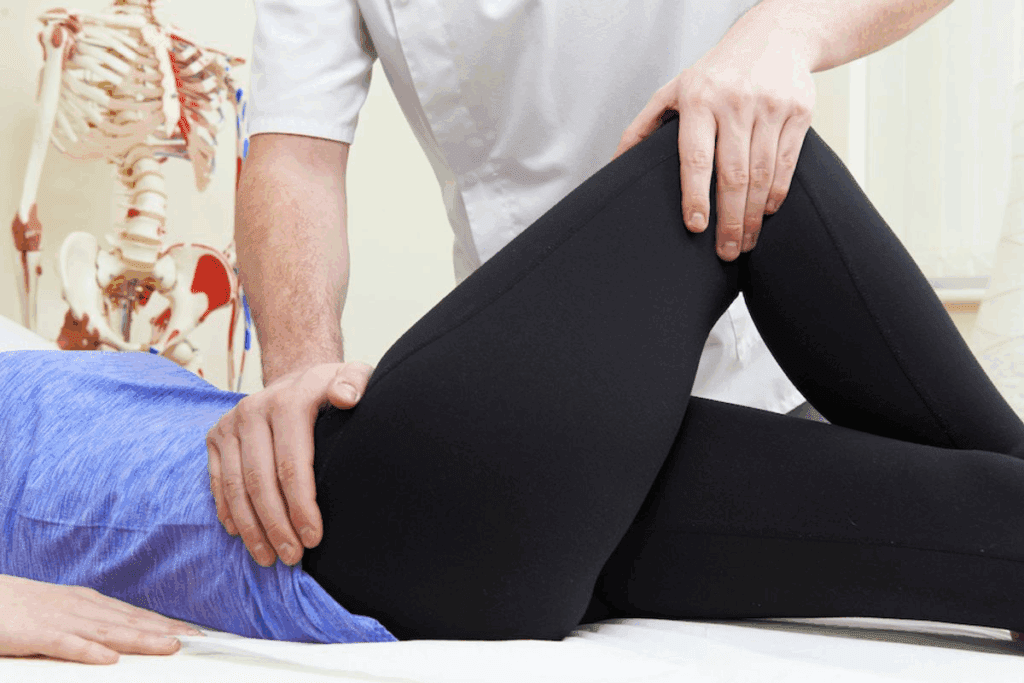
Understanding the causes and types of hip bursitis enhances the ability to develop effective treatment and prevention strategies.
Hip bursitis happens when the bursae, fluid-filled sacs, get inflamed. These sacs cushion the bones and soft tissues near the hip joint. This inflammation can come from repetitive motion, direct blows to the hip, or infection.
Our guide will cover the causes, symptoms, and hip bursitis treatment options, including bursitis pain relief methods and ways to reduce hip inflammation. Learning about effective hip bursitis treatment can help you manage pain and restore mobility faster.
Key Takeaways
- Understanding the causes and types of hip bursitis enhances the ability to develop effective treatment and prevention strategies.
- There are many treatment options, from non-surgical to surgical methods.
- Making lifestyle changes and doing exercises can help reduce pain and improve life quality.
- Seeking professional medical advice is crucial to create a personalized treatment plan.
- Early treatment can prevent long-term damage and improve results.
Understanding Hip Bursitis: What It Is and Why It Happens
Hip bursitis is a condition where the bursae in the hip get inflamed. Bursae are fluid-filled sacs that cushion joints and reduce friction. They help the bones and soft tissues move smoothly.
What Are Bursae and Their Function
Bursae are small, fluid-filled sacs that help reduce friction and cushion joints. They are found in areas where muscles and tendons move over bony parts, like the hip. Their main job is to:
- Reduce friction between moving parts
- Cushion joints and surrounding tissues
- Make it easier for muscles and tendons to move over bones
Understanding the causes and types of hip bursitis enhances the ability to develop effective treatment and prevention strategies.
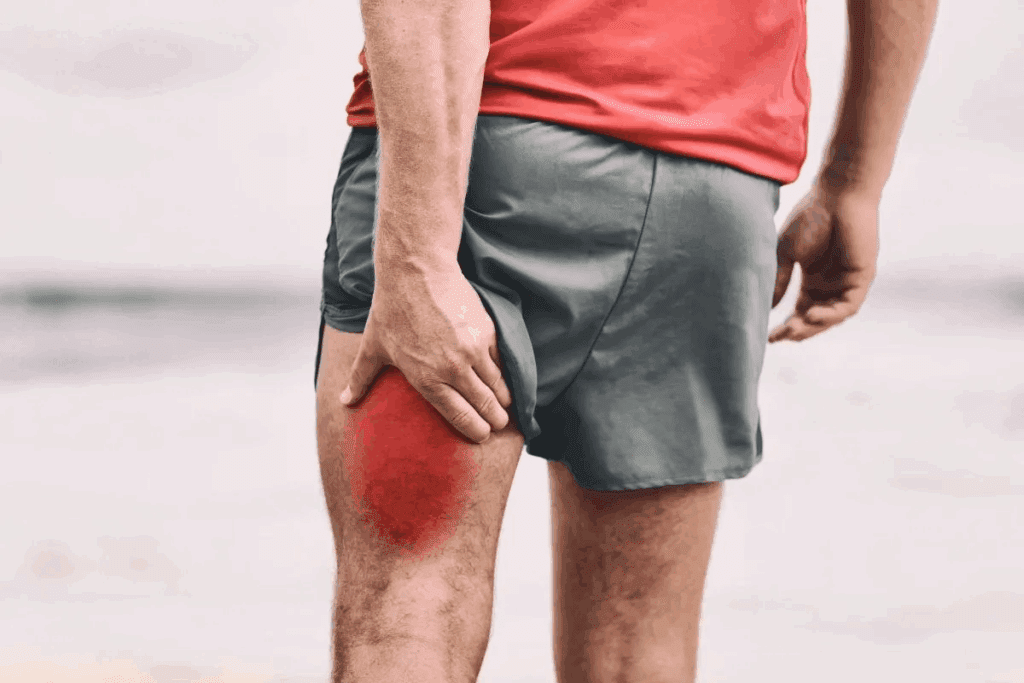
There are several types of hip bursitis, each affecting different bursae around the hip. The most common types include:
- Trochanteric Bursitis: Affects the bursa near the greater trochanter, causing pain on the outer aspect of the hip.
- Iliopsoas Bursitis: Involves the bursa located near the iliopsoas muscle, leading to pain in the front of the hip or groin area.
Common Causes of Inflammation
Hip bursitis can result from various factors, including:
- Repetitive motion or overuse: Activities that involve repetitive hip movements can irritate the bursae.
- Direct trauma: A fall or direct blow to the hip can cause bursitis.
- Poor posture or biomechanics: Abnormal gait or posture can put additional stress on the hip bursae.
- Underlying medical conditions: Conditions like rheumatoid arthritis or gout can increase the risk of developing bursitis.
Understanding the causes and types of hip bursitis enhances the ability to develop effective treatment and prevention strategies.
Understanding the causes and types of hip bursitis enhances the ability to develop effective treatment and prevention strategies.
It’s important to know the signs of hip bursitis to treat it right. This condition affects the hip and can spread to the lower leg. Spotting these symptoms early helps in getting the right care.
Pain Patterns and Locations
Understanding the causes and types of hip bursitis enhances the ability to develop effective treatment and prevention strategies.
- Pain that gets worse with walking or climbing stairs
- Sharp pain when lying on the affected side
- Aching or burning in the hip area
Movement Limitations and Mobility Issues
Hip bursitis not only hurts but also limits movement. It makes the hip stiff, making everyday tasks hard. The swelling can also restrict your hip movement, resulting in pain when you attempt to move.
- Hard to stand up from sitting
- Walking long distances hurts
- Can’t move as well, affecting exercise or sports
Differentiating Hip Bursitis from Other Conditions
Telling hip bursitis apart from other hip issues is key to proper treatment. Conditions like osteoarthritis, tendinitis, or muscle strains can seem similar. But, a detailed check-up and tests can tell them apart.
What sets hip bursitis apart is the pain’s location and how it feels, swelling or redness, and how it affects movement. Knowing these differences helps doctors create a good treatment plan.
Getting a Proper Diagnosis for Hip Bursitis
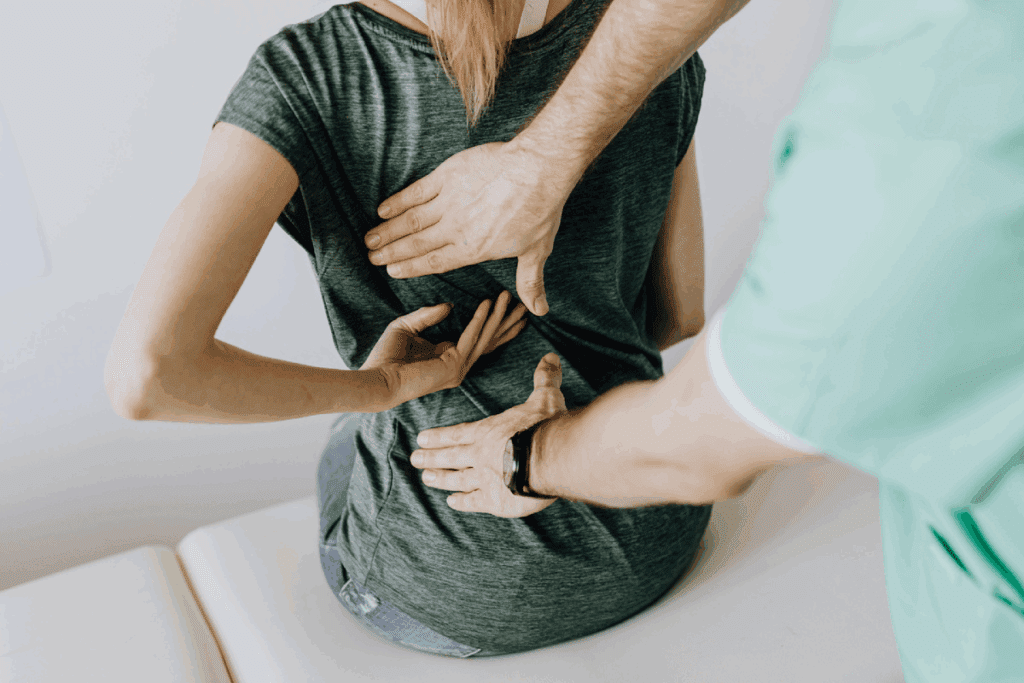
To diagnose hip bursitis, we look at your medical history and use advanced imaging tests. We consider your medical history, do a thorough physical exam, and use imaging tests. This helps confirm the diagnosis and rule out other causes of hip pain.
Medical History and Physical Examination
First, we take a detailed medical history. We ask about when symptoms started, the pain’s nature, and what makes it better or worse. Then, we do a physical exam to check the hip’s movement, look for tenderness, and see if we can make the pain worse.
In the physical exam, we use tests to check how the hip works and find the pain’s source. These tests help us tell if it’s hip bursitis or something else like osteoarthritis or tendinitis.
Imaging Tests for Confirmation
Imaging tests are key to confirming the diagnosis. We use:
- X-rays: To check for bone problems.
- Ultrasound: To see the bursae and soft tissues.
- MRI (Magnetic Resonance Imaging): For detailed images of soft tissues like bursae, tendons, and ligaments.
These tests help us see if there’s bursitis, how bad it is, and plan treatment.
Ruling Out Other Hip Conditions
It’s important to tell hip bursitis from other conditions that might cause similar pain. A detailed diagnostic process helps us rule out other hip pain causes, like:
| Condition | Characteristics | Diagnostic Clues |
| Osteoarthritis | Degenerative joint disease | Joint space narrowing on X-ray, pain with weight-bearing activities |
| Tendinitis | Inflammation of tendons | Pain with specific movements, tenderness over the affected tendon |
| Stress Fracture | Small crack in the bone | Pain that worsens with activity, localized tenderness, confirmed by MRI or CT scan |
By looking at your medical history, physical exam, and imaging tests, we can accurately diagnose hip bursitis. Then, we can create a good treatment plan.
Immediate Relief Strategies for Hip Bursitis Pain
Getting quick relief from hip bursitis pain is possible. You can do this by resting, using therapy, and positioning yourself right. It’s key to cut down inflammation and ease the pain.
Rest and Activity Modification
First off, take a break from your hip. Rest and activity modification are vital in the early stages. Stay away from things that make the pain worse, like repetitive actions or direct pressure on your hip.
- Avoid lying on the affected side.
- Limit stair climbing and high-impact activities.
- Modify your daily routine to reduce strain on the hip.
Hip specialists say, “Rest is not just about avoiding activity; it’s about allowing your body to heal.”
“The key to recovery is not just rest, but smart movement that promotes healing without exacerbating the condition.”
Ice helps reduce inflammation, while heat promotes muscle relaxation and increases blood flow.
Ice and heat therapy are simple yet effective for hip bursitis pain. Ice helps reduce inflammation, while heat promotes muscle relaxation and increases blood flow.
| Therapy Type | Benefits | Application |
| Ice Therapy | Reduces inflammation and pain | Apply for 15-20 minutes, 3-4 times a day |
| Heat Therapy | Relaxes muscles, improves blood flow | Apply for 15-20 minutes, 2-3 times a day |
Switching between ice and heat can really help. But, listen to your body and change your therapy as needed.
Proper Positioning and Sleeping Arrangements
How you position yourself, like when you sleep, can really affect hip bursitis pain. Proper positioning can ease pressure on the bursae.
- Use a pillow between your knees when sleeping on your side.
- Avoid sleeping on the affected side if possible.
- Consider using a supportive mattress or a contoured pillow for better alignment.
By using these quick relief strategies, people with hip bursitis can lessen their pain and live better. It’s about finding the right balance between rest and activity, and being mindful of your daily positioning.
Understanding the causes and types of hip bursitis enhances the ability to develop effective treatment and prevention strategies.
Many people with hip bursitis turn to over-the-counter medications first. These drugs help with pain and swelling. They can make life easier for those dealing with symptoms.
NSAIDs and Their Effectiveness
Nonsteroidal anti-inflammatory drugs (NSAIDs) are a top choice for hip bursitis. They cut down on swelling and ease pain. Ibuprofen (Advil, Motrin) and naproxen (Aleve) are common ones.
Effectiveness of NSAIDs: NSAIDs are good at reducing pain and swelling from hip bursitis. But, it’s important to use them as directed to avoid side effects.
| NSAID | Common Brand Names | Dosage |
| Ibuprofen | Advil, Motrin | 200-400 mg every 4-6 hours |
| Naproxen | Aleve | 220-440 mg twice daily |
Topical Pain Relievers
Topical pain relievers are another option for hip bursitis. They’re applied to the skin over the sore area. This gives targeted relief.
Types of Topical Pain Relievers: You can find creams, gels, and patches with capsaicin, menthol, or lidocaine. They’re applied directly to the skin.
Proper Dosing and Precautions
It’s key to follow the dosage instructions for any medication. This helps avoid side effects. Also, be aware of any drug interactions.
Precautions: People with kidney disease or stomach ulcers should talk to their doctor before taking NSAIDs. Long-term use can lead to stomach problems.
Knowing how over-the-counter medications help with hip bursitis is important. Always talk to a doctor before starting any new treatment.
Hip Bursitis Treatment Options from Medical Professionals
When simple treatments don’t work, doctors have more advanced options for hip bursitis. These treatments aim to cut down inflammation, ease pain, and improve movement.
Corticosteroid Injections
Corticosteroid injections are a common treatment for hip bursitis. They put anti-inflammatory medicine right where it’s needed, giving quick pain relief. The doctor uses ultrasound to guide the needle for accuracy.
Benefits: Quick pain relief, reduced inflammation, minimally invasive.
Aspiration Procedures
Aspiration uses a needle to take out extra fluid from the bursa. It helps shrink swelling and eases pressure on nearby tissues. Like injections, it’s often done with ultrasound guidance.
Indications: Significant fluid buildup, pain that doesn’t go away with simple treatments.
Surgical Interventions for Severe Cases
If other treatments don’t help, surgery might be needed. Surgery can include removing the bursa or fixing problems like tendonitis. It’s a serious step but can offer lasting relief.
| Treatment Option | Description | Benefits |
| Corticosteroid Injections | Anti-inflammatory medication injected into the bursa | Rapid pain relief, reduced inflammation |
| Aspiration Procedures | Draining excess fluid from the inflamed bursa | Reduces swelling, relieves pressure |
| Surgical Interventions | Removal of the bursa or addressing underlying causes | Permanent relief for severe cases |
Physical Therapy Techniques for Hip Bursitis Recovery
Physical therapy is a big help for those with hip bursitis. It offers many techniques to help with recovery and pain management. It’s a key part of a full treatment plan, tackling both symptoms and causes of hip bursitis.
Initial Assessment and Treatment Planning
Seeking professional medical advice is crucial to create a personalized treatment plan.
The assessment may include:
- Range of motion tests to check hip mobility
- Strength assessments to find weak muscles
- Functional tests to see how daily activities and movement patterns are affected
Manual Therapy Approaches
Manual therapy is a big part of physical therapy for hip bursitis. Techniques like massage, joint mobilization, and soft tissue mobilization can lessen pain and swelling. They also help improve joint mobility and aid in healing.
Some common manual therapy approaches include:
- Myofascial release to reduce muscle tension
- Trigger point therapy to target specific pain areas
- Joint mobilization to enhance hip joint mobility
Progression of Rehabilitation
As patients move through their treatment plan, we add more challenging exercises. These exercises aim to boost strength, flexibility, and function. Our goal is to help patients regain normal movement and return to their usual activities.
Measuring Improvement and Treatment Effectiveness
We regularly check how well the treatment plan is working. We use pain scales, functional assessments, and patient feedback to measure progress. This helps us make any needed changes to the treatment plan.
| Outcome Measure | Baseline | Follow-Up |
| Pain Scale (0-10) | 8 | 4 |
| Range of Motion (degrees) | 90 | 120 |
| Functional Assessment Score | 60 | 80 |
By combining manual therapy, exercise, and progressive rehabilitation, we help patients with hip bursitis see big improvements. This enhances their quality of life.
Effective Exercises for Hip Bursitis Relief
For those with hip bursitis, a good exercise plan can really help. It’s key to treat hip bursitis with exercise. This helps ease pain, boosts movement, and strengthens hip muscles.
Gentle Stretching Routines
Stretching gently keeps the hip flexible and less stiff. Start with easy stretches like the hip flexor stretch.
- Stand with one hand against a wall for balance.
- Bend the knee of the affected leg and bring your heel towards your buttocks.
- Gently pull your heel towards your buttocks until you feel a stretch in the front of your hip.
- Hold for 15-30 seconds and repeat 2-3 times.
The piriformis stretch is also good. It targets the muscle from the spine to the thigh bone.
- Sit on the floor with the affected leg crossed over your other leg.
- Place your hand on the knee of the crossed leg and pull it toward your opposite shoulder.
- Hold for 15-30 seconds and repeat 2-3 times.
Strengthening Exercises for Supporting Muscles
Strengthening hip muscles is important. It helps support the bursae and cuts down on swelling. The glute bridge is a great exercise for this.
- Lie on your back with your knees bent and feet flat on the floor.
- Slowly lift your hips towards the ceiling, squeezing your glutes at the top.
- Hold for a few seconds before lowering back down.
- Repeat for 10-15 repetitions.
The clamshell exercise also targets the gluteus medius muscle.
- Lie on your side with your legs bent and feet touching.
- Keeping your feet together, lift your top knee upwards.
- Hold for a few seconds before lowering back down.
- Repeat for 10-15 repetitions on each side.
Balance and Stability Training
Improving balance and stability helps the hip joint and bursae. The single-leg stand is a simple exercise for this.
- Stand on one leg, holding onto a chair or wall for support if needed.
- Hold for 10-30 seconds before switching legs.
- Repeat 2-3 times on each leg.
The heel-to-toe walk also improves balance and stability.
- Walk along a straight line, placing the heel of one foot directly in front of the toes of the other foot.
- Continue for 10-15 steps, focusing on maintaining your balance.
Adding these exercises to your daily routine can help with hip bursitis symptoms. Always talk to a healthcare professional before starting any new exercise plan, even if you’re not feeling too bad.
Natural Home Remedies for Hip Bursitis
Managing hip bursitis can be tough, but natural home remedies can help. Adding natural methods to your treatment can ease symptoms and boost your life quality.
Dietary Changes for Inflammation Reduction
Diet plays a big role in managing hip bursitis. Eating foods that fight inflammation can help heal. Omega-3 rich foods like salmon and sardines are great. Also, foods full of antioxidants, like berries and leafy greens, help fight inflammation.
Stay away from foods that make inflammation worse. Avoid processed foods, sugary snacks, and foods high in saturated fats. Making smart food choices can cut down on medication needs and boost your health.
| Food Type | Examples | Benefits |
| Omega-3 Rich Foods | Salmon, Sardines, Walnuts | Reduce inflammation |
| Antioxidant-Rich Foods | Berries, Leafy Greens, Tomatoes | Combat oxidative stress |
| Pro-inflammatory Foods to Avoid | Processed Foods, Sugary Snacks, Saturated Fats | Can exacerbate inflammation |
The Benefits of Epsom Salt Soaks
Epsom salt soaks are a natural way to ease hip bursitis pain. Epsom salt has magnesium, which fights inflammation, relaxes muscles, and boosts blood flow. Add 1-2 cups to warm bath water and soak for 15 minutes. Do this a few times a week to help manage symptoms.
Essential Oils and Topical Applications
Certain essential oils, like arnica, lavender, and peppermint, can help with hip bursitis. They can be applied to the affected area, but mix them with a carrier oil first to avoid skin problems. Always check with a doctor before trying new treatments.
Using these natural remedies can help lessen your symptoms and improve your health. Remember, these remedies should work alongside, not instead of, medical treatments.
Alternative and Complementary Treatments
Alternative and complementary treatments offer a holistic approach to managing hip bursitis. They focus on both physical and emotional well-being. These therapies can be used alongside conventional treatments to enhance their effectiveness and provide additional relief.
Acupuncture and Dry Needling
Acupuncture is an ancient practice that involves inserting thin needles into specific points on the body. It stimulates healing and pain relief. Dry needling targets trigger points in muscles to reduce tension and inflammation. Both methods have shown promise in alleviating hip bursitis symptoms by promoting blood flow, reducing pain, and improving joint mobility.
Research has indicated that acupuncture can be effective in managing chronic pain conditions, including hip bursitis. A study published in the Journal of Pain Research found that acupuncture significantly reduced pain intensity in patients with chronic hip pain.
Massage Therapy Benefits
Massage therapy is another complementary treatment that can benefit individuals with hip bursitis. By applying various massage techniques, therapists can help reduce muscle tension, improve circulation, and promote relaxation. This can lead to decreased pain and stiffness in the hip area, as well as enhanced overall well-being.
- Improved blood flow to the affected area
- Reduced muscle spasms and tension
- Enhanced range of motion and flexibility
- Promotion of relaxation and stress reduction
Ultrasound and Electrical Stimulation
Ultrasound therapy uses high-frequency sound waves to promote tissue healing and reduce inflammation. Electrical stimulation involves applying electrical currents to stimulate muscle contractions and improve circulation. Both modalities can be effective in managing hip bursitis symptoms when used as part of a treatment plan.
Therapeutic Taping Methods
Therapeutic taping, such as Kinesio taping, is a technique used to support joints and muscles while allowing for a full range of motion. This method can help reduce pain and inflammation by lifting the skin and underlying tissues, improving circulation and reducing pressure on the bursa.
By incorporating these alternative and complementary treatments into a treatment plan, individuals with hip bursitis can potentially experience improved symptom management and enhanced quality of life.
Lifestyle Modifications to Support Hip Bursitis Healing
To heal from hip bursitis, making lifestyle changes is key. These changes can help your body recover and prevent future problems.
Weight Management Strategies
Keeping a healthy weight is important for your hips. Too much weight puts extra pressure on your bursae. A balanced diet and low-impact exercises can help you stay at a healthy weight. This not only helps with hip bursitis but also boosts your overall health.
Effective weight management strategies include:
- Consulting with a nutritionist to develop a personalized diet plan
- Engaging in low-impact activities such as swimming or cycling
- Monitoring your weight regularly to track progress
Ergonomic Considerations
Improving your daily environment can reduce hip stress. Simple changes, like adjusting your workspace or using ergonomic furniture, can help a lot. Look at your daily activities and spaces to find ways to improve ergonomics.
Some ergonomic considerations include:
- Using a chair with proper lumbar support
- Adjusting your computer monitor to eye level
- Taking regular breaks to stand and stretch
Activity Adaptations for Daily Living
Changing how you do daily tasks is important to avoid making hip bursitis worse. Find new ways to do things that are easier on your hips. This can help you avoid overdoing it.
Activity adaptations may include:
- Using assistive devices such as canes or walkers
- Modifying exercise routines to avoid high-impact activities
- Pacing yourself to avoid overexertion
Supportive Devices and Equipment for Hip Bursitis
The right supportive devices are key in managing hip bursitis symptoms. They help ease pain, improve movement, and aid in healing.
Proper Footwear Selection
Choosing the right shoes is vital for those with hip bursitis. The right shoes reduce hip joint stress and support the bursae. Look for shoes with good arch support, cushioning, and a comfortable fit. Avoid high heels and shoes that can change your walk, making hip bursitis worse.
Key Features to Look for in Footwear:
- Good arch support
- Adequate cushioning
- Comfortable fit
- Low to moderate heel height
Walking Aids and Their Proper Use
Using canes or walkers can lessen hip joint stress, helping those with hip bursitis. It’s important to use the right height and method to avoid straining other parts of the body.
| Walking Aid | Benefits | Proper Use Tips |
| Canes | Reduces weight-bearing stress on the hip | Hold the cane in the hand opposite the affected hip |
| Walkers | Provides additional stability and support | Adjust the walker to fit your height, ensuring elbows are slightly bent |
Cushions and Supports for Sitting and Sleeping
Cushions and supports offer relief for hip bursitis, mainly when sitting or sleeping. A cushion between the knees while sleeping helps keep the hips aligned and reduces bursae pressure.
For sitting, a cushion or pillow can support the lower back and keep good posture. This reduces strain on the hip area.
Preventing Hip Bursitis Recurrence
To prevent hip bursitis from coming back, you need to do a few things. First, regular exercise is key. Also, using the right body mechanics is important. And, don’t ignore small symptoms. By doing these things, you can lower your chances of getting hip bursitis again.
Regular Exercise and Maintenance Programs
Keeping your hips healthy is important. A good exercise plan should include:
- Gentle stretching to improve flexibility
- Strengthening exercises to support the hip muscles
- Low-impact aerobic activities to promote overall health
It’s important to keep exercising regularly. Try to find exercises you enjoy. This way, you’ll stick with it for a long time.
| Exercise Type | Benefits | Examples |
| Gentle Stretching | Improves flexibility, reduces stiffness | Hamstring stretch, hip flexor stretch |
| Strengthening Exercises | Supports hip muscles, enhances stability | Squats, lunges, leg press |
| Low-Impact Aerobics | Promotes cardiovascular health, low stress on joints | Cycling, swimming, brisk walking |
Proper Body Mechanics
Using the right body mechanics is vital. It helps avoid hip bursitis. Pay attention to your posture and how you move. Simple changes, like standing straight, can help a lot.
Early Intervention for Minor Symptoms
Don’t ignore small hip pain or stiffness. It’s better to act early. Here’s what to do:
- Watch for early signs of hip pain or stiffness
- Use ice or heat to reduce swelling
- Change your activities to avoid making it worse
By taking these steps, you can manage small symptoms. This helps prevent hip bursitis from coming back.
Conclusion: Living Well with Managed Hip Bursitis
Managing hip bursitis needs a mix of medical care, lifestyle changes, and self-care. Knowing about the condition, its signs, and treatment options helps ease pain and improve life quality. We’ve talked about the key steps: getting a proper diagnosis, finding quick relief, and using long-term rehab like physical therapy and special exercises.
It’s not just about treating hip bursitis; it’s about a whole health approach. Keeping a healthy weight, using good body mechanics, and eating anti-inflammatory foods are important. By making these changes and sticking to a treatment plan, people can manage hip bursitis well. This way, they can live a better life with the condition.
FAQ
What is hip bursitis and how does it occur?
Hip bursitis is when the bursae in the hip area get inflamed. It happens from too much motion, direct hits, or other inflammatory issues. This leads to pain and less mobility.
What are the common symptoms of hip bursitis?
Symptoms include pain on the outer hip or groin, tenderness, swelling, and less mobility. Pain gets worse with walking or climbing stairs.
How is hip bursitis diagnosed?
Doctors check your medical history, do a physical exam, and use X-rays or MRI. This confirms the issue and rules out other hip problems.
What are the immediate relief strategies for hip bursitis pain?
Quick fixes include resting, changing how you move, using ice and heat, and proper sitting and standing. These help lessen pain and swelling.
Can over-the-counter medications help manage hip bursitis?
Yes, NSAIDs and topical pain relievers from the store can help with pain and swelling. But, always follow the dosage and safety guidelines.
What are the treatment options available from medical professionals for hip bursitis?
Doctors might suggest corticosteroid shots, aspiration, or surgery for severe cases that don’t get better with simpler treatments.
How does physical therapy help in recovering from hip bursitis?
Physical therapy starts with an assessment, then uses manual therapy and gradually increases exercises. It aims to improve hip function, mobility, and muscle strength.
What exercises can help alleviate hip bursitis symptoms?
Doing gentle stretches, strengthening muscles, and practicing balance and stability can ease symptoms and enhance hip function.
Are there any natural home remedies for managing hip bursitis?
Yes, eating anti-inflammatory foods, soaking in Epsom salt baths, and using essential oils can help reduce swelling and aid in healing.
Can alternative and complementary treatments help with hip bursitis?
Yes, treatments like acupuncture, massage, and ultrasound can offer relief and support the healing process.
How can lifestyle modifications support hip bursitis healing?
Making changes like managing weight, using ergonomic tools, and adjusting daily activities can help reduce hip stress and aid in healing.
What supportive devices can help manage hip bursitis?
Using the right shoes, walking aids, and cushions for sitting and sleeping can lessen discomfort and support the hip during recovery.
How can hip bursitis recurrence be prevented?
To prevent it from coming back, stay active, keep good body mechanics, and treat minor symptoms early to avoid flare-ups.
What is the role of weight management in hip bursitis healing?
Keeping a healthy weight lessens stress on the hip joint. This helps in healing and lowers the chance of it coming back.
Can hip bursitis be treated without surgery?
Yes, most hip bursitis cases can be treated without surgery. This includes using conservative treatments, making lifestyle changes, and trying alternative therapies.
Reference
- Wang, Y., Wang, Y., Sun, Q., & Li, Z. (2022). The effect of corticosteroid injection in the treatment of greater trochanteric pain syndrome: a systematic review and meta-analysis of randomized controlled trials. BMC Musculoskeletal Disorders, 23, 840. https://www.ncbi.nlm.nih.gov/pmc/articles/PMC9123821/