Last Updated on December 2, 2025 by Bilal Hasdemir
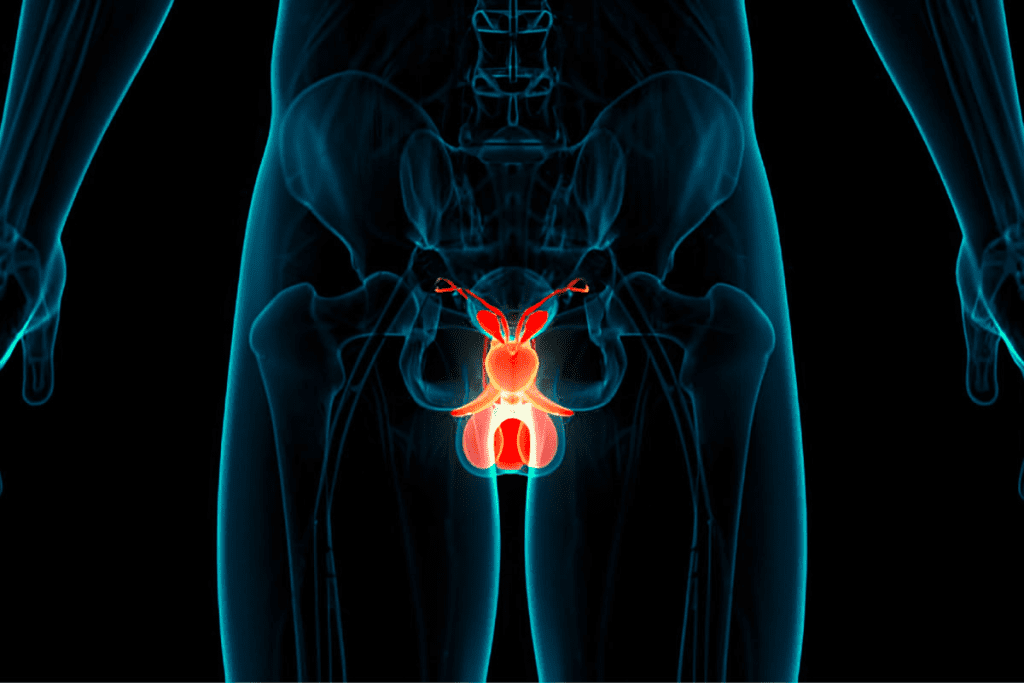
Laser prostate surgery, like the HoLEP procedure, is a top choice for treating BPH. Many patients worry about the pain it might cause. But studies show that the HoLEP procedure leads to only low to moderate pain after surgery. Plus, most patients are very happy with the results.
Research found that 90.9% of patients feel no more pain in their urinary area after the HoLEP procedure. This surgery removes extra prostate tissue that blocks urine flow. It helps ease BPH symptoms. Knowing the benefits and results of laser prostate surgery helps patients choose the best treatment for them.
Key Takeaways
- Laser prostate surgery, like the HoLEP procedure, is a top choice for BPH treatment.
- The procedure is associated with low to moderate postoperative pain.
- High patient satisfaction rates are reported following the HoLEP procedure.
- 90.9% of patients experience complete resolution of genitourinary pain after HoLEP.
- The surgery involves removing excess prostate tissue to relieve BPH symptoms.
What You Need to Know About Laser Prostate Surgery
It’s important for men with an enlarged prostate to know about laser surgery. Laser prostate surgery is a top choice for treating benign prostatic hyperplasia (BPH). It’s known for being effective and having less downtime.
There are many laser prostate surgeries out there. Each one has its own benefits and is right for different patients.
Types of Laser Prostate Surgeries Available Today
Some common laser surgeries include Photoselective Vaporization of the Prostate (PVP), Holmium Laser Ablation of the Prostate (HoLAP), and Holmium Laser Enucleation of the Prostate (HoLEP).
- PVP uses a laser to vaporize prostate tissue, giving quick relief from BPH symptoms.
- HoLAP uses a holmium laser to remove prostate tissue, a precise and effective method.
- HoLEP is a cutting-edge technique that removes the prostate with a holmium laser. It’s great for larger prostates.
The HoLEP Procedure: A Modern Approach to Prostate Surgery
The HoLEP procedure is a big step forward in treating BPH. It uses a holmium laser to remove the prostate. This method is great for bigger prostates because it reduces bleeding, pain, and recovery time.
Studies show that HoLEP is a safe and effective treatment for BPH. It offers a durable solution with few complications. This modern surgery has changed how we treat BPH, giving men a safe and effective option.
5 Pain Phases During and After the HoLEP Procedure
Knowing about the pain phases of the HoLEP procedure is key for those thinking about it. The HoLEP (Holmium Laser Enucleation of the Prostate) is a modern, effective treatment for an enlarged prostate. It has different stages where patients might feel different levels of pain or discomfort.
Preparation and Anesthesia: Is There Pain Before Surgery?
Before the HoLEP, patients receive anesthesia to avoid feeling pain during the surgery. The anesthesia used can be general or spinal. The process of getting anesthesia is not usually painful, but some might feel discomfort from the intravenous line or spinal anesthesia.
During the Procedure: Pain Perception While Under Anesthesia
With the anesthesia working, patients won’t feel pain during the HoLEP. The laser surgery removes prostate tissue precisely, keeping the patient comfortable. How well the anesthesia works can depend on the patient’s health and the anesthesiologist’s skill.

Immediate Recovery: First 24-48 Hours After Surgery
Right after the HoLEP, patients might feel some pain or discomfort. This can be managed with pain meds from the doctor. Symptoms like a burning sensation while urinating or needing to urinate often are common. Following the doctor’s pain management advice is very important.
Short-term Recovery: First Week Post-Surgery
In the first week after the HoLEP, some discomfort or pain might continue, but it usually gets better. Patients should avoid heavy lifting, bending, or hard activities to help heal. Most patients start to feel better, with their urinary symptoms improving too.
By knowing about these pain phases, patients can better prepare for the HoLEP procedure and recovery. They’ll know what to expect and how to manage their pain effectively.
4 Common Pain Locations After Laser Prostate Surgery
Knowing where pain usually happens after laser prostate surgery helps manage discomfort. The HoLEP method removes prostate tissue that blocks urine flow. This is done through the urethra prostatic.
Suprapubic Region: The Most Common Pain Site
The area above the pubic bone is where most pain occurs, affecting about 42% of patients. This pain comes from the surgery site and the catheter during recovery.
Perineal and Penile Area: The Second Most Reported Pain Location
About 33% of patients feel pain in the perineal and penile area. This pain is due to the surgery near the urethra and prostate gland.
Back Pain: An Often Overlooked Symptom
Back pain affects about 17% of patients. It can be from a surgical position, and changes in urine function after surgery.
Perianal Discomfort: The Least Common but Significant
Perianal discomfort is seen in about 8% of patients. This pain is near the anus and can be from irritation or inflammation.
Knowing these pain spots helps patients and doctors manage care better. By focusing on these areas, pain relief can be improved. This makes patients more comfortable and helps them recover better.
3 Effective Pain Management Strategies After Laser Prostate Surgery
Learning how to manage pain after laser prostate surgery can make recovery easier. It’s key to get back to normal life quickly. We’ll look at ways to ease pain after HoLEP surgery.
Medical Interventions: Medications Prescribed for Post-HoLEP Pain
Patients often get meds to handle pain after surgery. These can be nonsteroidal anti-inflammatory drugs (NSAIDs) or stronger pain meds for more pain. It’s vital to stick to the medication plan to keep pain under control. Talk to your doctor if you have any worries about your meds.
Be aware of any side effects and tell your doctor if you notice anything odd. Using meds to manage pain helps patients feel better and focus on getting better.
Physical Approaches: Activities and Positions to Reduce Discomfort
There are also physical ways to ease pain after surgery. Short walks can help prevent blood clots and aid healing. But avoid heavy lifting and hard activities at first.
Changing how you sit can also help. For example, using a cushion for support while sitting can ease pain. Find positions that feel good for you.
When to Contact Your Doctor: Signs That Pain Requires Medical Attention
Some pain is normal after surgery, but watch for signs that mean you need to see a doctor. If pain is severe and can’t be controlled with meds, or if you have a fever or chills, call your doctor right away.
Also, watch for trouble urinating or blood in your urine. Being careful about these signs and getting help fast is very important.
Conclusion: The Reality of Pain After Laser Prostate Surgery
Laser prostate surgery, like the HoLEP procedure, has changed how we treat enlarged prostate or BPH. The thought of surgery can be scary. But knowing about the pain phases and how to manage them can help a lot.
We’ve talked about how some pain is normal during and after HoLEP. Yet, most patients are very happy with the results. They say they feel much better and their lives have improved a lot.
Knowing what to expect helps patients recover better. It makes the whole process less scary. Understanding pain spots and how to manage them is key.
Laser surgery for an enlarged prostate is appealing because it heals quickly and has few side effects. As medical tech gets better, procedures like HoLEP are leading the way. They offer hope and better results for people all over the world.
FAQ
What is HoLEP surgery, and how does it differ from traditional prostate surgery?
HoLEP (Holmium Laser Enucleation of the Prostate) is a new way to treat BPH. It uses a laser to remove extra prostate tissue. This method causes less bleeding and damage to nearby tissue than old surgeries.
Is HoLEP surgery painful?
HoLEP surgery is done under anesthesia, so patients don’t feel pain during the surgery. But they might feel some discomfort when they wake up. This pain can be managed with medicine and other methods.
What are the common pain locations after laser prostate surgery?
After laser prostate surgery, people often feel pain in the lower belly, the area between the legs, the penis, the back, and around the anus. The most common spot is the lower belly.
How is pain managed after HoLEP surgery?
Doctors use medicine and physical ways to help manage pain after HoLEP surgery. This includes changing positions and doing gentle activities.
What is the life expectancy after TURP surgery?
TURP surgery doesn’t change how long you’ll live. It’s a treatment for BPH symptoms, not a cure for a serious disease. So, patients can expect to live as long as they would without the surgery.
How long does it take to recover from HoLEP surgery?
Recovery from HoLEP surgery takes a few weeks for most people. The first 24-48 hours are the toughest. But the pain gets better over the next few days.
Are there different types of prostate surgery?
Yes, there are many types of prostate surgery. HoLEP, TURP, PVP, and open prostatectomy are a few examples. Each has its own benefits and is right for different patients.
What are the benefits of HoLEP surgery compared to other prostate surgeries?
HoLEP surgery has many advantages. It has less bleeding, less damage to nearby tissue, and a shorter hospital stay. It’s also good for treating bigger prostates.
Can I undergo HoLEP surgery if I have a large prostate?
Yes, HoLEP surgery works well for big prostates. It can remove extra tissue, no matter the size of the prostate.
What should I expect during the HoLEP procedure?
During HoLEP, a laser removes extra prostate tissue. The surgery is done under anesthesia, so patients are comfortable during it.
Reference
Enikeev, D., & Shariat, S. F. (2018). Holmium laser enucleation of the prostate: a systematic review of the literature. Current Opinion in Urology, 28(1), 17-23. https://journals.lww.com/co-urology/abstract/2018/01000/preventing_clinical_progression_and_need_for.9.aspx
Gilling, P. J., Fraundorfer, M. R., & Westenberg, A. M. (2009). Long-term results of holmium laser enucleation of the prostate. Journal of Urology, 181(3), 1199-1204. https://doi.org/10.1016/j.juro.2008.10.096
Liao, C. H., Yu, H. J., & Lu, C. Y. (2017). A prospective cohort study of patient satisfaction after holmium laser enucleation of the prostate (HoLEP). PLoS ONE, 12(8), e0182230. https://journals.plos.org/plosone/article?id=10.1371/journal.pone.0182230