

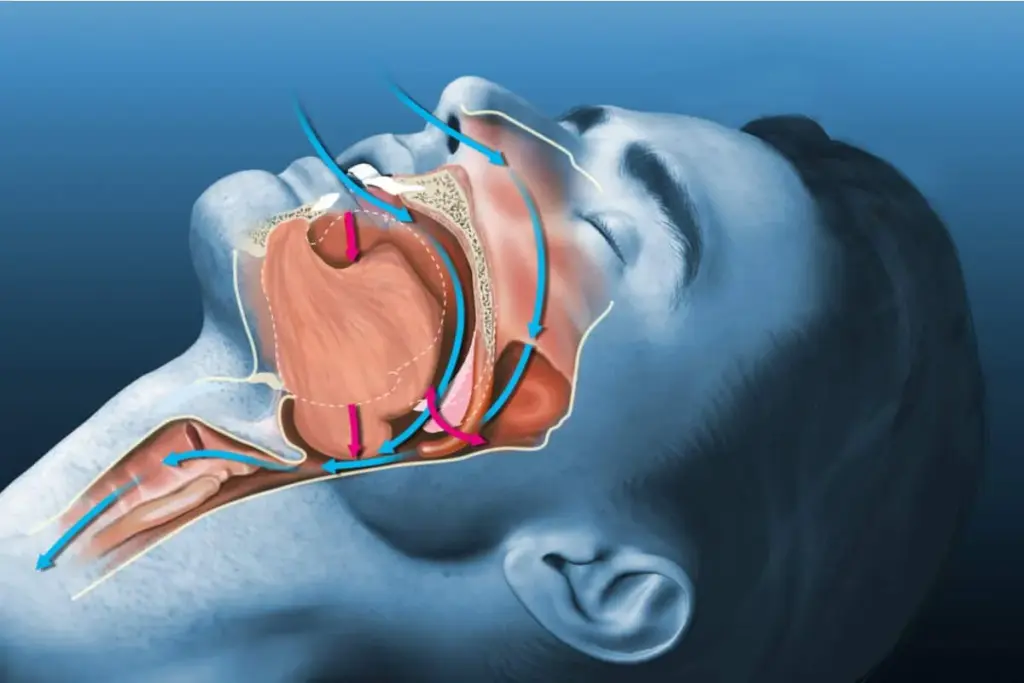
Did you know that nearly 1 in 5 adults in the United States has some form of sleep disorder, with sleep apnea being a significant concern? This condition occurs when a person’s breathing is interrupted during sleep, sometimes hundreds of times a night.home sleep apnea testBest At Home Sleep Apnea Test: Top Picks
We understand the importance of addressing sleep apnea, as it can have serious health consequences if left untreated. Fortunately, testing for sleep apnea is more accessible than ever. Now, you can use at-home tests to get valuable insights into your sleep health.
By exploring these testing options, you can take a critical step towards understanding your sleep. This can help improve your overall health.
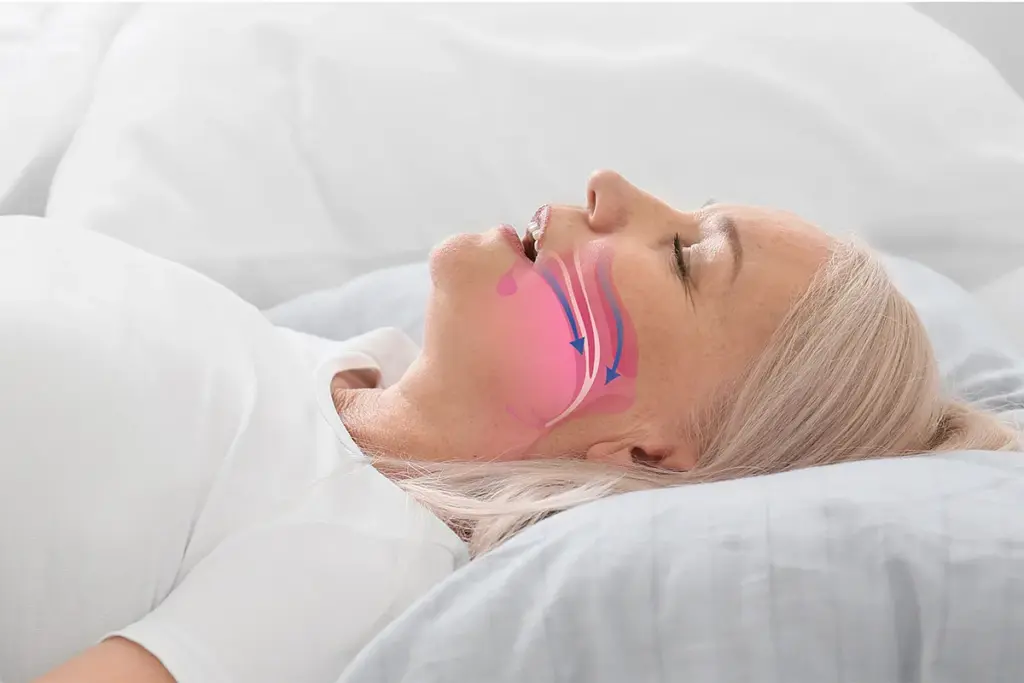
It’s important to understand sleep apnea to know its symptoms and how to treat it. This condition affects millions, disrupting their sleep and health.
Sleep apnea is a disorder where breathing stops or becomes shallow during sleep. There are three main types: obstructive sleep apnea (OSA), central sleep apnea (CSA), and complex sleep apnea syndrome.
Obstructive sleep apnea is the most common. It happens when the airway is blocked, often due to a narrow airway or relaxed throat muscles. Central sleep apnea occurs when the brain doesn’t send the right signals to control breathing. Complex sleep apnea is a mix of OSA and CSA.
Knowing the symptoms of sleep apnea is key for early treatment. Look out for loud snoring, breathing stops during sleep, waking up with a dry mouth or sore throat, and morning headaches. People with sleep apnea may also feel tired during the day, have trouble concentrating, and feel irritable.
If you notice several of these symptoms, getting a sleep apnea symptoms test or sleep apnea risk assessment might be a good idea. This can help figure out if you have the condition.
Getting a diagnosis early is vital to avoid serious health problems. These include heart disease, diabetes, and brain issues. Knowing the symptoms and risk factors helps you seek medical help and improve your sleep.
Starting with a sleep apnea questionnaire is a good way to check your risk. It can help decide if you need to see a doctor.
Learning about self-testing can help people take charge of their sleep. It’s a key first step in checking for sleep apnea risk and spotting sleep issues.
Self-testing for sleep apnea is easy, affordable, and lets you spot risks early. It helps you see how your sleep might be affected.
Key benefits of self-assessment include:
Knowing your risk factors is key to preventing and managing sleep apnea. Things like obesity, age, and family history can raise your risk.
|
Risk Factor |
Description |
|---|---|
|
Obesity |
Excess weight, mainly around the neck, ups sleep apnea risk. |
|
Age |
Risk grows with age, more so after 40. |
|
Family History |
Having sleep apnea in your family raises your risk. |
|
Smoking and Alcohol Use |
Both can up your risk of sleep apnea. |
By knowing these risks and using self-testing tools, you can act early to protect your sleep. This can lower your chance of getting sleep apnea.
Learning how to test for sleep apnea at home can help you manage your sleep better. It’s a simple process that can show if you’re at risk for sleep apnea.
To test for sleep apnea at home, you’ll need a few basic tools. These include:
These tools can give you important information about your sleep. They help spot any sleep apnea issues.
To get accurate results, follow these steps:
After getting your data, it’s key to understand what it means. Look for signs like pauses in breathing, low oxygen levels, or disrupted sleep. If you see anything concerning, talk to a doctor right away.
|
Indicator |
Normal Range |
Potential Concern |
|---|---|---|
|
Oxygen Saturation |
95-100% |
Below 90% |
|
Apnea-Hypopnea Index (AHI) |
0-5 events/hour |
More than 5 events/hour |
|
Sleep Quality |
Consistent, uninterrupted sleep |
Frequent awakenings or trouble falling asleep |
Knowing these signs can help you understand your test results. It guides you on what to do next.
Diagnosing sleep apnea can be done at home or in a lab. We’ll look at both options to see which is best for you.
Home sleep testing lets you monitor your sleep at home. It’s popular because it’s easy and affordable. You wear a device that tracks your breathing, oxygen levels, and heart rate while you sleep.
This device is easy to use and doesn’t disrupt your sleep. It collects data to see if you have sleep apnea and how severe it is.
In-lab sleep studies require a night in a sleep lab. Technicians use many tools to monitor your sleep. This method gives detailed data but is pricier and less convenient than home testing.
The main differences are in convenience, cost, and data type. Here’s a comparison:
|
Feature |
Home Sleep Apnea Testing |
Traditional In-Lab Sleep Studies |
|---|---|---|
|
Convenience |
Sleep in your own bed |
Spend a night in a sleep lab |
|
Cost |
Generally less expensive |
More expensive due to lab and technician costs |
|
Data Collection |
Limited to portable device capabilities |
Comprehensive data collection with various equipment |
|
Technician Presence |
No technician present |
Monitored by sleep technicians |
Choosing between home testing and lab studies depends on your needs and your doctor’s advice. Both methods are used to diagnose sleep apnea. Knowing their differences helps you make a better choice.
When you think about a sleep apnea self-test, think about your health and lifestyle. This helps you understand your risk and what steps to take next.
Your health history is key in figuring out your sleep apnea risk. Here are some things to look at:
Knowing these things helps you understand your risk better. Then, you can talk about it with a doctor.
How you live affects your sleep and risk for sleep apnea. Think about these:
Looking at these lifestyle factors can show you how to improve your sleep. This might lower your risk of sleep apnea.
By looking at your health history and lifestyle, you can understand your sleep apnea risk better. This self-check is a great first step towards getting diagnosed and treated.
Mobile apps and wearable devices have changed how we test for sleep apnea. Now, we can use technology to check our sleep patterns and see if we might have sleep disorders. This is more effective than ever before.
Mobile apps have gotten better, with features to track sleep quality and find sleep disorders like sleep apnea. They use the phone’s microphone to listen for breathing sounds or movements while you sleep. This gives us insights into our sleep patterns.
Apps like Sleep Cycle and Pillow track your sleep and can spot snoring, a sign of sleep apnea. They give you a sleep score and tips to improve your sleep.
Wearable devices, like smartwatches and fitness trackers, are also used to monitor sleep. Devices from Fitbit and Apple Watch track sleep duration, heart rate, and more. They give a detailed look at your sleep health.
The good things about wearable devices are their ease of use, ability to track sleep over time, and connection to other health data. But, their accuracy in finding sleep disorders can be off, and some might find them uncomfortable to wear at night.
As noted by
“Wearable devices are not diagnostic tools but can be useful for identifying patterns that may indicate a sleep disorder.”
This shows how important it is to use these devices as part of a bigger plan for better sleep.
When picking between mobile apps and wearable devices for testing sleep apnea, think about what you need and like. Both have their benefits and can help check your sleep health.
Sleep apnea can be serious if not treated. It’s important to know when to see a doctor. Self-testing can help, but sometimes you need a professional to get the right diagnosis and treatment.
If you or your partner notice these signs, it’s time to see a doctor:
These signs might mean you have sleep apnea or another sleep problem. A test or risk assessment can spot issues, but a doctor’s diagnosis is key.
If you’re worried about your sleep, find a sleep specialist. Here’s how:
At your first visit, the specialist might use a sleep apnea questionnaire. They’ll also look at your self-test results. This helps them understand your sleep and health better.
Getting professional help is vital for managing sleep apnea. Recognizing symptoms and seeing a sleep specialist can improve your sleep and health.
Simple changes in your lifestyle can help with sleep apnea. By adopting healthier habits, you can improve your sleep quality and overall health.
Improving sleep hygiene is key to managing sleep apnea. It means making your sleep environment better and sticking to a regular sleep schedule.
Diet and exercise are important for managing sleep apnea. Eating well and staying active can lessen symptoms and boost your health.
Key Dietary Recommendations:
Exercise Tips:
|
Lifestyle Change |
Benefit for Sleep Apnea |
|---|---|
|
Maintaining a healthy weight |
Reduces pressure on the airways, improving sleep quality. |
|
Regular physical activity |
Enhances overall health and can reduce sleep apnea severity. |
|
Avoiding alcohol and sedatives before bed |
Reduces relaxation of the throat muscles, which can worsen sleep apnea. |
|
Sleeping on your side |
Can help prevent the tongue and soft palate from obstructing the airway. |
If you want to learn more about sleep apnea, check out trusted sources. They offer detailed info on diagnosis, treatment, and managing the condition.
The American Academy of Sleep Medicine (AASM) and the National Sleep Foundation (NSF) are great places to start. Their websites have lots of info on sleep health, including sleep apnea self-tests and symptoms tests. They’re a good resource for learning about sleep apnea and finding at-home tests.
There are many books and studies that dive deep into sleep health and sleep apnea. Written by sleep experts, these resources can help you understand the condition better. They also offer insights into managing it.
Sleep apnea is when you stop breathing or breathe shallowly while sleeping. Doctors use home tests and lab studies to diagnose it.
You can use a home sleep apnea test. It’s a device that tracks your breathing while you sleep.
Testing at home is easy and cheap. It helps find risks and prompts people to see doctors if needed.
Home tests can be pretty accurate. But, it depends on the device and your health. Always follow the instructions and talk to a doctor if unsure.
Signs include loud snoring, breathing stops, morning headaches, and feeling tired during the day.
Some apps can track sleep and find sleep disorders like sleep apnea. But, they’re not always right. Don’t rely on them alone.
To manage sleep apnea, stay healthy, exercise, sleep on your side, and get good sleep habits.
See a doctor if you have loud snoring, breathing stops, or feel tired all day.
Ask your doctor for a referral or check with your insurance. You can also search online for sleep specialists.
Home tests use a device at home to track breathing. Traditional studies require an overnight stay at a lab for more detailed monitoring.
What causes snoring in women? Sleep Foundation. Retrieved December 19, 2025, from https://www.sleepfoundation.org/snoring/what-causes-snoring-in-females/
