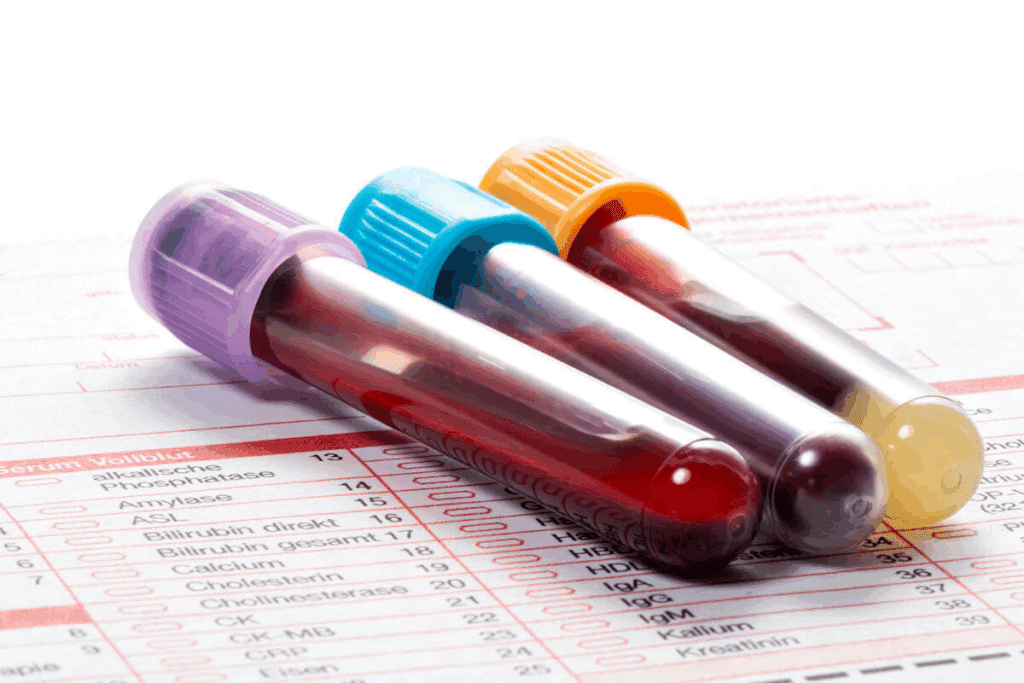
Are you noticing irregular periods, hot flashes, or unexpected weight changes in your 40s? These signs might mean you’re in perimenopause, a phase before menopause that can last 8-10 years. Knowing if you’re in perimenopause is key to managing its symptoms. This is the ultimate guide to the hormonal test for perimenopause. Learn the 3 critical blood tests (like FSH) your doctor will order.
At Liv Hospital, we use trusted medical knowledge and detailed testing to guide you through perimenopause. This stage is marked by big changes in hormones, affecting about 70% of women. Even though there’s no single test for it, doctors look at your age, menstrual history, and symptoms to figure out if you’re in perimenopause.
Key Takeaways
- Perimenopause is a transitional phase leading up to menopause, typically lasting 8-10 years.
- Symptoms of perimenopause include irregular periods, hot flashes, and unexplained weight changes.
- A detailed diagnostic approach is needed to understand if you’re entering perimenopause.
- Blood work can offer more insight by checking hormone levels.
- Doctors consider age, menstrual history, and symptoms when checking for perimenopause.
Understanding Perimenopause: The Transitional Phase

The journey to menopause starts with perimenopause, a time of big hormonal changes. Women may feel many symptoms because of these changes. It’s important to know about these changes to manage perimenopause well.
What Happens During the 8-10 Year Transition
Perimenopause can last 8 to 10 years. Hormones like estrogen and progesterone change a lot. This time is marked by irregular periods and physical symptoms.
Hormonal changes in perimenopause cause many symptoms. It’s key for women to know what to expect.
Common Symptoms Experienced by 70% of Women
About 70% of women have symptoms like hot flashes, mood swings, and irregular periods. These symptoms can be different for everyone.
- Hot flashes
- Mood swings
- Irregular menstrual cycles
- Sleep disturbances
The Hormonal Fluctuation Pattern
Hormone levels in perimenopause change a lot. A single blood test might not show everything. It’s important to understand these changes to make sense of test results.
Changing estrogen and progesterone levels are key signs of perimenopause. They affect women’s health in many ways.
Here’s a quick look at common symptoms and how often they happen during perimenopause:
Symptom | Prevalence |
Hot Flashes | 60-80% |
Mood Swings | 50-70% |
Irregular Periods | 70-90% |
Getting to know perimenopause helps women deal with its effects on their health.
Understanding perimenopause helps women manage this important life stage. Tests like perimenopause bloodwork and menopause labs are key. They help check hormone levels and guide treatment.
Why Hormonal Tests for Perimenopause Matter

Hormonal tests are key in diagnosing and managing perimenopause. They aren’t the only way to diagnose it, but they help a lot. They help rule out other conditions that might cause similar symptoms.
Differentiating Perimenopause from Other Health Conditions
Hormonal tests are important because they help tell perimenopause apart from other health issues. Symptoms of perimenopause can look like those of thyroid problems, PCOS, and other hormonal imbalances. Testing for specific hormones helps doctors understand a woman’s hormonal status better.
Key hormones tested in perimenopause include Follicle-Stimulating Hormone (FSH), Luteinizing Hormone (LH), estradiol, and progesterone. These hormones show how ovaries are working and if hormones are balanced. This helps doctors know if symptoms are from perimenopause or something else.
Benefits of Early Detection and Intervention
Early detection and treatment can greatly improve a woman’s life in perimenopause. Finding hormonal imbalances early lets doctors treat symptoms and prevent health problems later. For example, low estradiol levels might lead to hormone replacement therapy (HRT) to ease symptoms and protect bones.
Early treatment also helps women make choices about their reproductive health. This includes planning families and managing menstrual cycles.
When Symptoms Warrant Testing
Not every woman in perimenopause needs a test right away. But, some situations call for more investigation. Severe symptoms like heavy bleeding, bad hot flashes, or mood swings need testing. Women with irregular periods, PCOS, or other reproductive issues might also benefit from hormone tests.
Talking to a healthcare provider about symptoms and testing is a good idea. They can help decide the best next steps.
Key Hormones Evaluated in Perimenopause Blood Work
Perimenopause is a time of big hormonal changes. These changes can be tracked with blood tests. Knowing about these shifts helps doctors understand where you are in perimenopause.
Follicle-Stimulating Hormone (FSH) Elevation Patterns
Follicle-Stimulating Hormone (FSH) levels go up as ovaries work less. This shows a drop in ovarian function. High FSH levels mean you’re moving towards menopause.
Luteinizing Hormone (LH) Changes
Luteinizing Hormone (LH) changes a lot in perimenopause. It can jump up and down. Knowing about these changes helps doctors see if your hormones are balanced.
Estradiol Level Fluctuations
Estradiol, a type of estrogen, changes a lot too. Levels under 50 pg/ml often mean you’re in menopause. Watching estradiol levels helps doctors know how far along you are in perimenopause.
Progesterone Decline and Implications
Progesterone levels drop in perimenopause. This can mess with your menstrual cycle and other body functions. Knowing about these changes helps manage symptoms and find the right treatment.
Doctors use blood tests to check these hormones. This helps them figure out where you are in perimenopause. They can then make a plan to help you feel better and live better.
Types of Hormonal Tests for Perimenopause
Diagnosing perimenopause requires different hormonal tests. Each test has its own benefits. They help doctors check hormone levels and understand the changes women go through during this time.
Standard Single-Point Blood Tests
Standard blood tests measure hormone levels at one time. They give a quick look at the hormonal state. These tests check the levels of four important hormones: Follicle-Stimulating Hormone (FSH), Luteinizing Hormone (LH), estradiol, and progesterone.
Doctors say hormone blood tests aren’t always needed to diagnose perimenopause or menopause. But, they can be helpful for tracking hormone levels, mainly for women on Hormone Replacement Therapy (HRT)” (
Source: Medical Guidelines
).
Hormone | Normal Range | Significance |
FSH | 3.5-12.5 mIU/mL | Elevated levels may indicate ovarian reserve decline |
LH | 2.4-12.6 mIU/mL | Surge in LH triggers ovulation |
Estradiol | 50-400 pg/mL | Fluctuations affect menstrual cycle and symptoms |
Progesterone | 0.2-2 ng/mL (follicular phase) | Decline can lead to irregular periods |
Comprehensive Cycle Mapping
Comprehensive cycle mapping tests hormone levels many times in the menstrual cycle. It gives a detailed look at hormonal changes. This helps spot patterns and irregularities.
Saliva Testing Options
Saliva testing is another way to check hormone levels. It’s done at home and is easy and non-invasive. It tracks hormonal changes throughout the day.
Saliva testing kits measure estradiol and progesterone levels in saliva. These tests are great for tracking hormone level changes over time.
At-Home Testing Kits: Pros and Cons
At-home testing kits are convenient and private. They let women check their hormonal health easily. But, their accuracy and reliability can vary.
- Pros: Convenient, private, and potentially cost-effective.
- Cons: Variable accuracy, may require careful interpretation.
Choosing a testing method depends on individual needs. It’s important to talk to a healthcare provider to find the best test.
Preparing for Your Perimenopause Blood Test
Getting ready for a perimenopause blood test is more than just going to the lab. It’s about planning and knowing your menstrual cycle well. To get the best from your perimenopause blood work, consider a few key factors that can change the results.
Optimal Timing During Your Menstrual Cycle
The timing of your hormonal test for perimenopause is very important. Hormones change a lot during your cycle. Knowing when to get tested is key.
The best time for a perimenopause hormone test is usually on the second or third day of your period. This helps measure hormone levels like Follicle-Stimulating Hormone (FSH) and Estradiol at their baseline.
Day of Menstrual Cycle | Hormone Level Assessment |
2-3 | Baseline FSH and Estradiol levels |
21-23 | Progesterone level assessment |
Factors That May Skew Test Results
Many things can change how accurate your blood test for perimenopause is. These include some medicines, what you eat, and when you have the test.
- Medications: Hormone therapy, birth control, and some antidepressants can change hormone levels.
- Dietary Habits: Eating certain foods or taking supplements before the test can affect results.
- Time of Day: Hormones can change throughout the day, so it’s important to be consistent.
Pre-Test Instructions to Follow
To get accurate results, follow these steps:
- Fasting: Some tests need you to fast before the blood draw.
- Medication Disclosure: Tell your doctor about any medicines or supplements you’re taking.
- Consistency: Try to have your blood test at the same time every day, as your doctor suggests.
By following these tips, you can make sure your perimenopause blood work gives a clear picture of your hormones.
“Accurate diagnosis and treatment of perimenopause require a complete understanding of hormonal changes and their effects on women’s health.”Medical Expert, OB-GYN Specialist
Working with Healthcare Providers for Proper Testing
To get the right testing for perimenopause, working with healthcare experts is key. It can be tough to navigate the healthcare world. But, with the right help, you can get the care you need.
Finding Perimenopause-Informed Practitioners
Finding a doctor who knows about perimenopause is important. Look for doctors who focus on women’s health and hormonal issues. Ask friends, family, or your regular doctor for recommendations.
When looking for a doctor, think about these things:
- Experience in treating women in perimenopause
- Knowledge of the latest research on perimenopause and hormonal testing
- Willingness to answer your questions and address your concerns
Questions to Ask Before Testing
Before getting blood tests for perimenopause, ask important questions. Talk to your doctor about the testing process, what to expect, and how they’ll use the results. Some questions to ask include:
- What hormones will be tested, and why?
- How will the test results be interpreted?
- What are the next steps if the results indicate perimenopause?
Insurance Coverage Considerations
Knowing what your insurance covers is important for testing. Check with your insurance to see what’s covered and what’s not. Some plans cover certain tests, while others don’t.
Test/Type | Insurance Coverage | Out-of-Pocket Cost |
FSH Test | Yes | $0 – $50 |
Estradiol Test | Yes | $0 – $50 |
Comprehensive Hormone Panel | Maybe | $100 – $500 |
When to Seek a Second Opinion
If you’re not sure about your diagnosis or treatment, get a second opinion. Getting a second opinion can be scary, but it’s important for your care. Signs you might need a second opinion include:
- Persistence of symptoms despite treatment
- Uncertainty about the diagnosis
- Concerns about the treatment plan
By working with healthcare providers and being informed, you can feel confident about your testing. Always advocate for yourself and seek the care you deserve.
Interpreting Perimenopause Blood Test Results
Understanding perimenopause blood tests can be tricky but very important. It helps us manage symptoms and make smart health choices. Knowing our blood test results is key to finding the right treatment.
When we get our test results, we look at FSH levels, Estradiol ranges, and hormone ratios. These details tell us a lot about our hormones. They help doctors create treatment plans just for us.
Understanding FSH Levels
FSH (Follicle-Stimulating Hormone) levels show how well our ovaries are working. FSH levels above 10-25 mIU/mL suggest our ovaries are slowing down, which is a sign of perimenopause. But, FSH levels can change a lot during this time. So, one test might not tell the whole story.
FSH Level (mIU/mL) | Interpretation |
Below 10 | Normal ovarian function |
10-25 | Declining ovarian function |
Above 25 | Significantly reduced ovarian function |
Estradiol Ranges
Estradiol levels tell us about our estrogen levels. During perimenopause, Estradiol levels between 50-400 pg/mL are common. This shows how estrogen levels can change a lot during this time. Levels under 50 pg/mL usually mean we’ve reached menopause.
Hormone Ratio Significance
The ratio of different hormones, like FSH to Estradiol, gives us more information. A higher FSH to Estradiol ratio means our ovaries are working less. Doctors look at these ratios to understand our test results better and plan our treatment.
By grasping these important details, we can better handle the challenges of perimenopause. This knowledge helps us make informed choices about our health.
Additional Tests to Complement Hormone Assessment
To understand perimenopause fully, we must look beyond hormone tests. Other health indicators are also key. Hormone tests are important, but more tests give a fuller picture of a woman’s health during this time.
Thyroid Function Panel
Thyroid issues can seem like perimenopause symptoms. So, thyroid function tests are vital. They check Thyroid-Stimulating Hormone (TSH), free thyroxine (FT4), and free triiodothyronine (FT3). These tests help spot thyroid problems that might be causing symptoms.
Adrenal Function Testing
Adrenal function tests show how well our body handles stress. They check cortisol levels in blood, saliva, or urine. This is important in perimenopause because stress can make symptoms worse.
Vitamin D and Bone Health Markers
Vitamin D and bone health tests are key in perimenopause. Estrogen decline can harm bones. Tests for vitamin D, calcium, and bone-specific alkaline phosphatase check bone health. A DEXA scan also measures bone mineral density.
Metabolic Health Indicators
Metabolic health tests, like lipid profiles and blood glucose, check heart and metabolic health. They help spot risks early. This allows for quick action to prevent problems.
By adding these tests to hormone tests, we get a better view of a woman’s health in perimenopause. This approach helps us offer tailored care and support during this big life change.
Conclusion: Using Test Results to Navigate Your Perimenopause Journey
Understanding your blood work and hormonal tests is key to managing symptoms and health concerns during perimenopause. By using the insights from these tests, women can work with their doctors to create a plan just for them.
Test results help guide treatment choices, making the journey through perimenopause smoother. A test can show hormone levels like follicle-stimulating hormone (FSH) and estradiol.
With this information, women can make better choices about lifestyle changes and treatments. This can greatly improve their quality of life during this time. By using the insights from blood work, women can actively manage their health.
FAQ
What is perimenopause, and how is it diagnosed?
Perimenopause is a phase before menopause, lasting 8-10 years. It’s marked by hormonal changes that cause symptoms. Doctors diagnose it based on age, menstrual history, and symptoms. Blood tests help confirm the diagnosis and monitor hormone levels.
What are the common symptoms of perimenopause?
Symptoms include hot flashes, mood swings, and irregular periods. About 70% of women experience these during perimenopause.
How do hormonal tests help in managing perimenopause?
Hormonal tests help tell perimenopause apart from other conditions. They show how ovaries work and help decide treatments.
What key hormones are tested during perimenopause blood work?
Tested hormones are FSH, LH, estradiol, and progesterone. They help understand ovarian function and hormone balance.
What are the different types of hormonal tests available for perimenopause?
Tests include blood tests, cycle mapping, saliva tests, and at-home kits. Each has its own benefits and considerations.
How should I prepare for a perimenopause blood test?
Knowing the best time in your cycle is key. Medications, diet, and time of day can affect results. Follow pre-test instructions for accurate results.
How do I interpret perimenopause blood test results?
High FSH levels mean your ovaries are working less. Estradiol levels between 50-400 pg/mL are typical. Hormone ratios also give insight into balance.
What additional tests may be recommended alongside hormone assessment?
Tests might include thyroid and adrenal function, vitamin D, and bone health. They help understand overall health.
How can test results guide treatment decisions and lifestyle changes during perimenopause?
Test results help create a personalized plan. They guide managing symptoms and improving quality of life with healthcare providers.
What is the significance of FSH levels in perimenopause?
FSH levels rise as ovaries decline. High FSH levels signal a decrease in ovarian reserve, indicating perimenopause.
How do estradiol levels change during perimenopause?
Estradiol levels fluctuate a lot during perimenopause. Levels below 50 pg/ml often mean menopause.
Can at-home testing kits accurately diagnose perimenopause?
At-home kits vary in accuracy. Always consult a healthcare provider for proper interpretation and guidance.
References
National Center for Biotechnology Information. Evidence-Based Medical Guidance. Retrieved from https://www.ncbi.nlm.nih.gov/pmc/articles/PMC6082400/