Last Updated on November 14, 2025 by

Speeding up cancer recovery needs a few key steps. These include finding cancer early, getting care from many experts, using treatments backed by science, and having strong support. By focusing on these areas, we can help cancer patients live longer and better lives.
Dealing with breast discomfort in menopause or menopause sore breasts is tough, even when you’re fighting cancer. Knowing how hot flashes symptoms of cancer affect recovery helps patients and their families. It makes the healing journey smoother.
Key Takeaways
- Early detection is key to better cancer survival rates.
- Multidisciplinary care teams offer full support for cancer patients.
- Using treatments proven to work improves recovery and life quality.
- Strong support systems are essential for cancer recovery.
- The 5-year survival rate for all cancers in the US has reached 69% as of 2025.
The Current State of Cancer Recovery in 2025
In 2025, cancer recovery has made big strides. We’ve seen better treatments and support for patients. Advances in tech, treatment plans, and care have all helped improve cancer outcomes.
5-Year Survival Rates Reaching 69% Nationwide
The 5-year survival rate for cancer patients is a key measure of treatment success. By 2025, this rate has hit 69% nationwide. This shows a big leap forward in cancer care.
Early detection, new treatments, and better support have all played a part. “The overall 5-year survival rate for all cancers has increased significantly over the past few decades,” say cancer research groups. This shows why we must keep funding cancer research and improving treatment.
18.6 Million Survivors and Growing
By 2025, over 18.6 million cancer survivors live in the United States. This number shows how far we’ve come in treating cancer. It also points to the need for more care and support for survivors.
Cancer survivors deal with issues like hot flashes, tiredness, and emotional struggles. We need a team effort from doctors, support groups, and families to help them.
Projections for 2030 and Beyond
By 2030, we expect over 22 million cancer survivors. This growth comes from better early detection and treatment, and an older population. As more survivors emerge, we’ll need more resources and support tailored to their needs.
Healthcare will have to change to meet these needs. We’ll need more personalized care, use tech to keep an eye on patients, and build community support. This way, we can help cancer survivors live well.
Early Detection: The Foundation of Faster Recovery
Early detection is key to beating cancer. Finding cancer early means better treatment and quicker recovery. We stress the need to be proactive in cancer detection.
Screening Guidelines That Save Lives
Following screening guidelines is vital for early cancer detection. These guidelines are based on solid research and consider age and risk. For example, regular mammograms and colonoscopies can spot breast and colorectal cancers early.
Sticking to these guidelines can greatly boost cancer survival rates. It’s important to talk to your doctor about the right screening schedule for you.
Recognizing Warning Signs Early
Knowing the warning signs of cancer can lead to quicker diagnosis and treatment. Look out for unexplained weight loss, persistent pain, and changes in skin or bowel habits. It’s key to tell apart common health issues from cancer symptoms.
For instance, it’s important to tell apart menopause symptoms from cancer signs. Sometimes, what seems like typical menopause pain could be cancer. If you have unusual or ongoing symptoms, see your doctor.
“The earlier cancer is detected, the better the chances of successful treatment and recovery.”
” Oncologist
Technology Advancements in Detection
New medical tech has made cancer detection better. Tools like liquid biopsies, advanced imaging, and genetic testing are getting more advanced. They help find cancer sooner and more accurately.
- Liquid biopsies can find cancer DNA in the blood, a non-invasive way to diagnose.
- Advanced imaging, like MRI and PET scans, give detailed views of tumours.
- Genetic testing can spot genetic changes linked to higher cancer risk.
These tech advances are changing how we detect and treat cancer. They help doctors create more tailored and effective treatment plans.
Evidence-Based Treatment Approaches for Accelerated Recovery
The key to faster cancer recovery is using the latest medical advancements. By using cutting-edge research and clinical expertise, we can improve treatment outcomes. This helps speed up the recovery process.
Personalized Medicine and Targeted Therapies
Personalized medicine has changed cancer treatment by making therapies fit each patient’s needs. Targeted therapies focus on specific cancer cell traits. This reduces harm to healthy cells and boosts treatment success.
- Genetic profiling helps find the best treatment options.
- Targeted therapies can lower side effects and enhance quality of life.
- Personalized treatment plans change based on patient response.
Clinical Trials and Emerging Treatments
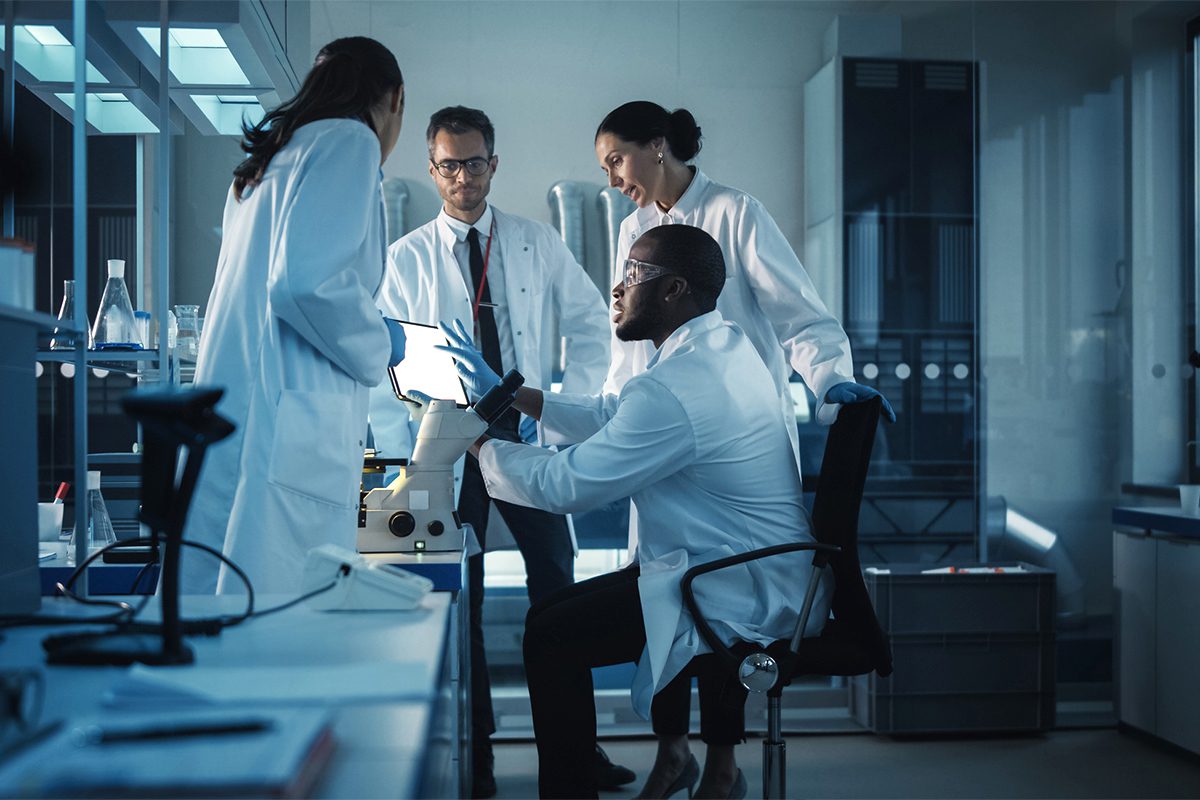
Clinical trials are key in improving cancer treatment by testing new therapies. These trials give patients access to new treatments that might not be available yet.
- Clinical trials check if new treatments are safe and work well.
- New treatments offer hope for patients with few options.
- Being in clinical trials helps develop future cancer treatments.
Measuring Treatment Response Effectively
It’s important to measure how well treatments work to adjust plans and get the best results. Advanced imaging and biomarker tests help doctors track patient progress.
- Regular checks let doctors make timely changes to treatment plans.
- Advanced imaging gives detailed views of treatment success.
- Biomarkers predict how patients will react to certain therapies.
By using evidence-based treatments, personalized medicine, clinical trials, and effective monitoring, we can greatly speed up cancer recovery. This improves patient outcomes.
Understanding Hot Flashes, Symptoms of Cancer, and Treatment Effects
It’s important to know how hot flashes relate to cancer and its treatment. Many cancer patients, including those getting treatment, experience hot flashes. These symptoms are not just for menopause but can also be caused by cancer treatment.

Distinguishing Cancer-Related Hot Flashes from Menopause
It’s key to tell apart hot flashes from cancer treatment and menopause. Cancer treatment hot flashes are often more severe and don’t follow menopause patterns. Healthcare providers must understand the cause to treat it right. We work with patients to find the cause and create a plan just for them.
Menopause hot flashes happen when estrogen levels drop. But, cancer treatment hot flashes can be caused by hormone therapy, some chemotherapy, and surgeries that change hormone levels. Getting the right diagnosis is vital for managing symptoms.
Hormone Therapy Effects on Recovery
Hormone therapy is used for some cancers, like hormone-positive breast cancer. It helps treat cancer but can cause hot flashes. We watch patients on hormone therapy closely to manage symptoms and adjust treatment if needed.
The effect of hormone therapy on recovery varies. Some patients see big improvements, while others face tough side effects like hot flashes. Knowing hormone therapy’s effects helps us support our patients better.
The Power of Multidisciplinary Care Teams
Multidisciplinary care teams are changing cancer recovery. They bring together experts from different fields. This teamwork ensures patients get care that fits their needs.
Coordinating Specialists for Optimal Results
A team might include oncologists, surgeons, and radiologists. These experts work together to create a treatment plan. This plan covers all parts of a patient’s condition, leading to better care and results.
In breast cancer cases, a team might include a medical oncologist, a surgical oncologist, and a radiation oncologist. Together, they decide the best treatment. They consider the cancer’s stage, the patient’s health, and their wishes.
Communication Strategies with Your Medical Team
Good communication is key with a multidisciplinary team. Patients should ask questions and share their concerns. Clear talk ensures the team knows the patient’s needs, leading to more tailored care.
“The key to successful cancer treatment is a team approach, where specialists work together to provide complete care.”
_ Oncologist
Second Opinions and Their Value
Getting a second opinion is very valuable. It offers new insights and reassurance. A multidisciplinary team can help get a second opinion, ensuring the best advice.
- A second opinion can confirm the initial diagnosis and treatment plan.
- It can also provide alternative treatment options.
- Patients can gain a better understanding of their prognosis.
For those who’ve had breast cancer, questions about hormone replacement therapy (HRT) are common. Alternatives to HRT, like non-hormonal meds and lifestyle changes, can help manage symptoms. For example, antidepressants or anticonvulsants, or dietary changes, can help with hot flashes.
Lifestyle Modifications That Enhance Recovery Speed
We think that making certain lifestyle changes can help with cancer treatment. Healthy habits can make a big difference in recovery. Things like regular exercise, eating right, and getting enough sleep are key to healing.
Exercise Protocols Proven to Improve Outcomes
Being active is important for getting better after cancer. Exercise protocols that fit your health can help a lot. For example, yoga or short walks are good at first.
Research shows exercise can help with symptoms, mood, and physical function. It’s important to talk to doctors to make an exercise plan that’s right for you.
Nutrition Strategies During Different Recovery Phases
Nutrition strategies are key for healing after cancer. Eating foods like fruits, veggies, whole grains, and lean proteins boosts your immune system.
As you go through different recovery stages, your diet needs might change. For example, you might need more calories and protein during treatment. Knowing what you need and adjusting your diet can really help your recovery.
Sleep Optimization Techniques for Healing
Sleep optimization is very important for healing and recovery. Bad sleep can make you tired, weaken your immune system, and affect your mood. To sleep better, try going to bed at the same time, making your bedroom cozy, and avoid caffeine before bed.
Also, try relaxation methods like meditation or deep breathing to help with stress and sleep. Good sleep helps your body heal faster and improves your recovery.
Building Emotional and Physical Support Systems
A good support system is key for beating cancer. It helps with the emotional and physical challenges of treatment. We’ll look at what makes up these systems.
Support from Family and Loved Ones
Family support is very important in cancer recovery. Strong support at home can greatly help a patient’s mind and body. Emotional support from family can reduce feelings of loneliness and worry.
- Encourage open communication about the patient’s needs and feelings.
- Provide practical help with daily tasks and errands.
- Be present and available to listen and offer comfort.
Accessing Community Resources
Community resources are also key. They offer physical support like rides to treatment, nutrition advice, and home care.
- Identify local cancer support groups and organizations.
- Utilize online resources and forums for additional guidance and connection.
- Reach out to community health services for practical assistance.
The Benefits of Professional Psychological Support
Professional psychological support is vital for many. Mental health experts help with the emotional side of cancer treatment. They can help with issues like sore breasts after menopause.
Some benefits of professional support include:
- Coping strategies for managing anxiety and depression.
- Support in dealing with the emotional aspects of cancer treatment.
- Guidance on maintaining a positive outlook and resilience.
With a strong emotional and physical support system, cancer patients can handle their treatment better. This can lead to a better recovery.
Conclusion: Creating Your Personalized Cancer Recovery Acceleration Plan
Accelerating cancer recovery is a complex task. It involves early detection, a team of healthcare experts, proven treatments, and strong support. A personalized cancer recovery plan is key. It lets people tailor their care to fit their needs.
It’s important to know the difference between cancer symptoms and menopause signs. For example, knowing when to worry about breast pain after menopause or where estrogen comes from after menopause helps patients make better choices.
By using these strategies and working with doctors, patients can make a plan that’s just right for them. This approach not only speeds up recovery but also boosts overall health and happiness.
FAQ
What are the common symptoms of menopause during cancer treatment?
Symptoms of menopause during cancer treatment include hot flashes and breast discomfort. Changes in menstrual cycles also happen. It’s important to know these symptoms to manage them well.
Does menopause ever end, and how does it relate to cancer recovery?
Menopause ends when a woman hasn’t had a period for 12 months. Knowing this can help tailor cancer treatment plans.
Can hormone therapy cause cancer, and what are the risks?
Hormone therapy can affect cancer risk differently for each person. We look at the risks and benefits for cancer recovery.
How can I distinguish between menopause aches and pains and cancer symptoms?
It’s important to tell the difference between menopause discomfort and cancer symptoms. We offer tips on how to do this and when to see a doctor.
What are the signs of early menopause, and how does it affect women on birth control pills?
Signs of early menopause include irregular periods and hot flashes. Women on birth control pills should talk to their doctor about their menopause status.
When should I worry about breast pain after menopause, and could it be related to cancer?
Breast pain after menopause can have many causes, including hormonal changes. While it’s usually not cancer, see a doctor for persistent or severe pain.
What alternatives are available instead of hormone replacement therapy (HRT) after breast cancer?
Women with breast cancer may choose non-hormonal treatments for menopause symptoms. We explore these options to help patients make informed choices.
Can menstruation occur after menopause, and what does it mean for cancer patients?
Menstruation after menopause is rare and may indicate an issue. Cancer patients should get any post-menopausal bleeding checked by a doctor.
Where does estrogen come from after menopause, and how does it affect cancer recovery?
After menopause, estrogen is mainly made in fat cells. Knowing this can help manage cancer recovery, mainly for hormone-sensitive cancers.
How can I manage sore breasts after menopause, and are there any cancer-related concerns?
Sore breasts after menopause can be managed with lifestyle changes and sometimes medical treatment. We discuss the causes and when to check for cancer.
Reference
- Rodin, G., Zimmermann, C., Mayer, C., Howell, D., Katz, M., Sussman, J., Mackay, J. A., & Brouwers, M. (2009). Clinician“patient communication: evidence-based recommendations to guide practice in cancer. Current Oncology, 16(6), 42-49. https://www.ncbi.nlm.nih.gov/pmc/articles/PMC2794681/
- Epstein, R. M., & Street, R. L., Jr. (2007). Patient-centered communication in cancer care: promoting healing and reducing suffering. National Cancer Institute, NIH Publication. https://cancercontrol.cancer.gov/sites/default/files/2020-06/pcc_monograph.pdf
- Brédart, A., Bouleuc, C., & Campone, M. (2022). Helping patients communicate with oncologists when cancer treatment resistance occurs. JMIR Research Protocols, 11(1), e26414. https://www.researchprotocols.org/2022/1/e26414/
Speeding up cancer recovery needs a few key steps. These include finding cancer early, getting care from many experts, using treatments backed by science, and having strong support. By focusing on these areas, we can help cancer patients live longer and better lives.

Dealing with breast discomfort in menopause or menopause sore breasts is tough, even when you’re fighting cancer. Knowing how hot flashes symptoms of cancer affect recovery helps patients and their families. It makes the healing journey smoother.
Key Takeaways
- Early detection is key to better cancer survival rates.
- Multidisciplinary care teams offer full support for cancer patients.
- Using treatments proven to work improves recovery and life quality.
- Strong support systems are essential for cancer recovery.
- The 5-year survival rate for all cancers in the US has reached 69% as of 2025.
The Current State of Cancer Recovery in 2025
In 2025, cancer recovery has made big strides. We’ve seen better treatments and support for patients. Advances in tech, treatment plans, and care have all helped improve cancer outcomes.
5-Year Survival Rates Reaching 69% Nationwide
The 5-year survival rate for cancer patients is a key measure of treatment success. By 2025, this rate has hit 69% nationwide. This shows a big leap forward in cancer care.
Early detection, new treatments, and better support have all played a part. “The overall 5-year survival rate for all cancers has increased significantly over the past few decades,” say cancer research groups. This shows why we must keep funding cancer research and improving treatment.
18.6 Million Survivors and Growing
By 2025, over 18.6 million cancer survivors live in the United States. This number shows how far we’ve come in treating cancer. It also points to the need for more care and support for survivors.
Cancer survivors deal with issues like hot flashes, tiredness, and emotional struggles. We need a team effort from doctors, support groups, and families to help them.
Projections for 2030 and Beyond
By 2030, we expect over 22 million cancer survivors. This growth comes from better early detection and treatment, and an older population. As more survivors emerge, we’ll need more resources and support tailored to their needs.
Healthcare will have to change to meet these needs. We’ll need more personalized care, use tech to keep an eye on patients, and build community support. This way, we can help cancer survivors live well.
Early Detection: The Foundation of Faster Recovery
Early detection is key to beating cancer. Finding cancer early means better treatment and quicker recovery. We stress the need to be proactive in cancer detection.
Screening Guidelines That Save Lives
Following screening guidelines is vital for early cancer detection. These guidelines are based on solid research and consider age and risk. For example, regular mammograms and colonoscopies can spot breast and colorectal cancers early.
Sticking to these guidelines can greatly boost cancer survival rates. It’s important to talk to your doctor about the right screening schedule for you.
Recognizing Warning Signs Early
Knowing the warning signs of cancer can lead to quicker diagnosis and treatment. Look out for unexplained weight loss, persistent pain, and changes in skin or bowel habits. It’s key to tell apart common health issues from cancer symptoms.
For instance, it’s important to tell apart menopause symptoms from cancer signs. Sometimes, what seems like typical menopause pain could be cancer. If you have unusual or ongoing symptoms, see your doctor.
“The earlier cancer is detected, the better the chances of successful treatment and recovery.”
” Oncologist
Technology Advancements in Detection
New medical tech has made cancer detection better. Tools like liquid biopsies, advanced imaging, and genetic testing are getting more advanced. They help find cancer sooner and more accurately.
- Liquid biopsies can find cancer DNA in the blood, a non-invasive way to diagnose.
- Advanced imaging, like MRI and PET scans, give detailed views of tumours.
- Genetic testing can spot genetic changes linked to higher cancer risk.
These tech advances are changing how we detect and treat cancer. They help doctors create more tailored and effective treatment plans.
Evidence-Based Treatment Approaches for Accelerated Recovery
The key to faster cancer recovery is using the latest medical advancements. By using cutting-edge research and clinical expertise, we can improve treatment outcomes. This helps speed up the recovery process.
Personalized Medicine and Targeted Therapies
Personalized medicine has changed cancer treatment by making therapies fit each patient’s needs. Targeted therapies focus on specific cancer cell traits. This reduces harm to healthy cells and boosts treatment success.
- Genetic profiling helps find the best treatment options.
- Targeted therapies can lower side effects and enhance quality of life.
- Personalized treatment plans change based on patient response.
Clinical Trials and Emerging Treatments
Clinical trials are key in improving cancer treatment by testing new therapies. These trials give patients access to new treatments that might not be available yet.
- Clinical trials check if new treatments are safe and work well.
- New treatments offer hope for patients with few options.
- Being in clinical trials helps develop future cancer treatments.
Measuring Treatment Response Effectively
It’s important to measure how well treatments work to adjust plans and get the best results. Advanced imaging and biomarker tests help doctors track patient progress.
- Regular checks let doctors make timely changes to treatment plans.
- Advanced imaging gives detailed views of treatment success.
- Biomarkers predict how patients will react to certain therapies.
By using evidence-based treatments, personalized medicine, clinical trials, and effective monitoring, we can greatly speed up cancer recovery. This improves patient outcomes.
Understanding Hot Flashes, Symptoms of Cancer, and Treatment Effects
It’s important to know how hot flashes relate to cancer and its treatment. Many cancer patients, including those getting treatment, experience hot flashes. These symptoms are not just for menopause but can also be caused by cancer treatment.
Distinguishing Cancer-Related Hot Flashes from Menopause
It’s key to tell apart hot flashes from cancer treatment and menopause. Cancer treatment hot flashes are often more severe and don’t follow menopause patterns. Healthcare providers must understand the cause to treat it right. We work with patients to find the cause and create a plan just for them.
Menopause hot flashes happen when estrogen levels drop. But, cancer treatment hot flashes can be caused by hormone therapy, some chemotherapy, and surgeries that change hormone levels. Getting the right diagnosis is vital for managing symptoms.
Hormone Therapy Effects on Recovery
Hormone therapy is used for some cancers, like hormone-positive breast cancer. It helps treat cancer but can cause hot flashes. We watch patients on hormone therapy closely to manage symptoms and adjust treatment if needed.
The effect of hormone therapy on recovery varies. Some patients see big improvements, while others face tough side effects like hot flashes. Knowing hormone therapy’s effects helps us support our patients better.
The Power of Multidisciplinary Care Teams
Multidisciplinary care teams are changing cancer recovery. They bring together experts from different fields. This teamwork ensures patients get care that fits their needs.
Coordinating Specialists for Optimal Results
A team might include oncologists, surgeons, and radiologists. These experts work together to create a treatment plan. This plan covers all parts of a patient’s condition, leading to better care and results.
In breast cancer cases, a team might include a medical oncologist, a surgical oncologist, and a radiation oncologist. Together, they decide the best treatment. They consider the cancer’s stage, the patient’s health, and their wishes.
Communication Strategies with Your Medical Team
Good communication is key with a multidisciplinary team. Patients should ask questions and share their concerns. Clear talk ensures the team knows the patient’s needs, leading to more tailored care.
“The key to successful cancer treatment is a team approach, where specialists work together to provide complete care.”
_ Oncologist
Second Opinions and Their Value
Getting a second opinion is very valuable. It offers new insights and reassurance. A multidisciplinary team can help get a second opinion, ensuring the best advice.
- A second opinion can confirm the initial diagnosis and treatment plan.
- It can also provide alternative treatment options.
- Patients can gain a better understanding of their prognosis.
For those who’ve had breast cancer, questions about hormone replacement therapy (HRT) are common. Alternatives to HRT, like non-hormonal meds and lifestyle changes, can help manage symptoms. For example, antidepressants or anticonvulsants, or dietary changes, can help with hot flashes.
Lifestyle Modifications That Enhance Recovery Speed
We think that making certain lifestyle changes can help with cancer treatment. Healthy habits can make a big difference in recovery. Things like regular exercise, eating right, and getting enough sleep are key to healing.
Exercise Protocols Proven to Improve Outcomes
Being active is important for getting better after cancer. Exercise protocols that fit your health can help a lot. For example, yoga or short walks are good at first.
Research shows exercise can help with symptoms, mood, and physical function. It’s important to talk to doctors to make an exercise plan that’s right for you.
Nutrition Strategies During Different Recovery Phases
Nutrition strategies are key for healing after cancer. Eating foods like fruits, veggies, whole grains, and lean proteins boosts your immune system.
As you go through different recovery stages, your diet needs might change. For example, you might need more calories and protein during treatment. Knowing what you need and adjusting your diet can really help your recovery.
Sleep Optimization Techniques for Healing
Sleep optimization is very important for healing and recovery. Bad sleep can make you tired, weaken your immune system, and affect your mood. To sleep better, try going to bed at the same time, making your bedroom cozy, and avoid caffeine before bed.
Also, try relaxation methods like meditation or deep breathing to help with stress and sleep. Good sleep helps your body heal faster and improves your recovery.
Building Emotional and Physical Support Systems
A good support system is key for beating cancer. It helps with the emotional and physical challenges of treatment. We’ll look at what makes up these systems.
Support from Family and Loved Ones
Family support is very important in cancer recovery. Strong support at home can greatly help a patient’s mind and body. Emotional support from family can reduce feelings of loneliness and worry.
- Encourage open communication about the patient’s needs and feelings.
- Provide practical help with daily tasks and errands.
- Be present and available to listen and offer comfort.
Accessing Community Resources
Community resources are also key. They offer physical support like rides to treatment, nutrition advice, and home care.
- Identify local cancer support groups and organizations.
- Utilize online resources and forums for additional guidance and connection.
- Reach out to community health services for practical assistance.
The Benefits of Professional Psychological Support
Professional psychological support is vital for many. Mental health experts help with the emotional side of cancer treatment. They can help with issues like sore breasts after menopause.
Some benefits of professional support include:
- Coping strategies for managing anxiety and depression.
- Support in dealing with the emotional aspects of cancer treatment.
- Guidance on maintaining a positive outlook and resilience.
With a strong emotional and physical support system, cancer patients can handle their treatment better. This can lead to a better recovery.
Conclusion: Creating Your Personalized Cancer Recovery Acceleration Plan
Accelerating cancer recovery is a complex task. It involves early detection, a team of healthcare experts, proven treatments, and strong support. A personalized cancer recovery plan is key. It lets people tailor their care to fit their needs.
It’s important to know the difference between cancer symptoms and menopause signs. For example, knowing when to worry about breast pain after menopause or where estrogen comes from after menopause helps patients make better choices.
By using these strategies and working with doctors, patients can make a plan that’s just right for them. This approach not only speeds up recovery but also boosts overall health and happiness.
FAQ
What are the common symptoms of menopause during cancer treatment?
Symptoms of menopause during cancer treatment include hot flashes and breast discomfort. Changes in menstrual cycles also happen. It’s important to know these symptoms to manage them well.
Does menopause ever end, and how does it relate to cancer recovery?
Menopause ends when a woman hasn’t had a period for 12 months. Knowing this can help tailor cancer treatment plans.
Can hormone therapy cause cancer, and what are the risks?
Hormone therapy can affect cancer risk differently for each person. We look at the risks and benefits for cancer recovery.
How can I distinguish between menopause aches and pains and cancer symptoms?
It’s important to tell the difference between menopause discomfort and cancer symptoms. We offer tips on how to do this and when to see a doctor.
What are the signs of early menopause, and how does it affect women on birth control pills?
Signs of early menopause include irregular periods and hot flashes. Women on birth control pills should talk to their doctor about their menopause status.
When should I worry about breast pain after menopause, and could it be related to cancer?
Breast pain after menopause can have many causes, including hormonal changes. While it’s usually not cancer, see a doctor for persistent or severe pain.
What alternatives are available instead of hormone replacement therapy (HRT) after breast cancer?
Women with breast cancer may choose non-hormonal treatments for menopause symptoms. We explore these options to help patients make informed choices.
Can menstruation occur after menopause, and what does it mean for cancer patients?
Menstruation after menopause is rare and may indicate an issue. Cancer patients should get any post-menopausal bleeding checked by a doctor.
Where does estrogen come from after menopause, and how does it affect cancer recovery?
After menopause, estrogen is mainly made in fat cells. Knowing this can help manage cancer recovery, mainly for hormone-sensitive cancers.
How can I manage sore breasts after menopause, and are there any cancer-related concerns?
Sore breasts after menopause can be managed with lifestyle changes and sometimes medical treatment. We discuss the causes and when to check for cancer.
Reference
- Rodin, G., Zimmermann, C., Mayer, C., Howell, D., Katz, M., Sussman, J., Mackay, J. A., & Brouwers, M. (2009). Clinician“patient communication: evidence-based recommendations to guide practice in cancer. Current Oncology, 16(6), 42-49. https://www.ncbi.nlm.nih.gov/pmc/articles/PMC2794681/
- Epstein, R. M., & Street, R. L., Jr. (2007). Patient-centered communication in cancer care: promoting healing and reducing suffering. National Cancer Institute, NIH Publication. https://cancercontrol.cancer.gov/sites/default/files/2020-06/pcc_monograph.pdf
- Brédart, A., Bouleuc, C., & Campone, M. (2022). Helping patients communicate with oncologists when cancer treatment resistance occurs. JMIR Research Protocols, 11(1), e26414. https://www.researchprotocols.org/2022/1/e26414/
Speeding up cancer recovery needs a few key steps. These include finding cancer early, getting care from many experts, using treatments backed by science, and having strong support. By focusing on these areas, we can help cancer patients live longer and better lives.
Dealing with breast discomfort in menopause or menopause sore breasts is tough, even when you’re fighting cancer. Knowing how hot flashes symptoms of cancer affect recovery helps patients and their families. It makes the healing journey smoother.
Key Takeaways
- Early detection is key to better cancer survival rates.
- Multidisciplinary care teams offer full support for cancer patients.
- Using treatments proven to work improves recovery and life quality.
- Strong support systems are essential for cancer recovery.
- The 5-year survival rate for all cancers in the US has reached 69% as of 2025.
The Current State of Cancer Recovery in 2025
In 2025, cancer recovery has made big strides. We’ve seen better treatments and support for patients. Advances in tech, treatment plans, and care have all helped improve cancer outcomes.
5-Year Survival Rates Reaching 69% Nationwide
The 5-year survival rate for cancer patients is a key measure of treatment success. By 2025, this rate has hit 69% nationwide. This shows a big leap forward in cancer care.
Early detection, new treatments, and better support have all played a part. “The overall 5-year survival rate for all cancers has increased significantly over the past few decades,” say cancer research groups. This shows why we must keep funding cancer research and improving treatment.
18.6 Million Survivors and Growing
By 2025, over 18.6 million cancer survivors live in the United States. This number shows how far we’ve come in treating cancer. It also points to the need for more care and support for survivors.
Cancer survivors deal with issues like hot flashes, tiredness, and emotional struggles. We need a team effort from doctors, support groups, and families to help them.
Projections for 2030 and Beyond
By 2030, we expect over 22 million cancer survivors. This growth comes from better early detection and treatment, and an older population. As more survivors emerge, we’ll need more resources and support tailored to their needs.
Healthcare will have to change to meet these needs. We’ll need more personalized care, use tech to keep an eye on patients, and build community support. This way, we can help cancer survivors live well.
Early Detection: The Foundation of Faster Recovery
Early detection is key to beating cancer. Finding cancer early means better treatment and quicker recovery. We stress the need to be proactive in cancer detection.
Screening Guidelines That Save Lives
Following screening guidelines is vital for early cancer detection. These guidelines are based on solid research and consider age and risk. For example, regular mammograms and colonoscopies can spot breast and colorectal cancers early.
Sticking to these guidelines can greatly boost cancer survival rates. It’s important to talk to your doctor about the right screening schedule for you.
Recognizing Warning Signs Early
Knowing the warning signs of cancer can lead to quicker diagnosis and treatment. Look out for unexplained weight loss, persistent pain, and changes in skin or bowel habits. It’s key to tell apart common health issues from cancer symptoms.
For instance, it’s important to tell apart menopause symptoms from cancer signs. Sometimes, what seems like typical menopause pain could be cancer. If you have unusual or ongoing symptoms, see your doctor.
“The earlier cancer is detected, the better the chances of successful treatment and recovery.”
” Oncologist
Technology Advancements in Detection
New medical tech has made cancer detection better. Tools like liquid biopsies, advanced imaging, and genetic testing are getting more advanced. They help find cancer sooner and more accurately.
- Liquid biopsies can find cancer DNA in the blood, a non-invasive way to diagnose.
- Advanced imaging, like MRI and PET scans, give detailed views of tumours.
- Genetic testing can spot genetic changes linked to higher cancer risk.
These tech advances are changing how we detect and treat cancer. They help doctors create more tailored and effective treatment plans.
Evidence-Based Treatment Approaches for Accelerated Recovery
The key to faster cancer recovery is using the latest medical advancements. By using cutting-edge research and clinical expertise, we can improve treatment outcomes. This helps speed up the recovery process.
Personalized Medicine and Targeted Therapies
Personalized medicine has changed cancer treatment by making therapies fit each patient’s needs. Targeted therapies focus on specific cancer cell traits. This reduces harm to healthy cells and boosts treatment success.
- Genetic profiling helps find the best treatment options.
- Targeted therapies can lower side effects and enhance quality of life.
- Personalized treatment plans change based on patient response.
Clinical Trials and Emerging Treatments
Clinical trials are key in improving cancer treatment by testing new therapies. These trials give patients access to new treatments that might not be available yet.
- Clinical trials check if new treatments are safe and work well.
- New treatments offer hope for patients with few options.
- Being in clinical trials helps develop future cancer treatments.
Measuring Treatment Response Effectively
It’s important to measure how well treatments work to adjust plans and get the best results. Advanced imaging and biomarker tests help doctors track patient progress.
- Regular checks let doctors make timely changes to treatment plans.
- Advanced imaging gives detailed views of treatment success.
- Biomarkers predict how patients will react to certain therapies.
By using evidence-based treatments, personalized medicine, clinical trials, and effective monitoring, we can greatly speed up cancer recovery. This improves patient outcomes.
Understanding Hot Flashes, Symptoms of Cancer, and Treatment Effects
It’s important to know how hot flashes relate to cancer and its treatment. Many cancer patients, including those getting treatment, experience hot flashes. These symptoms are not just for menopause but can also be caused by cancer treatment.
Distinguishing Cancer-Related Hot Flashes from Menopause
It’s key to tell apart hot flashes from cancer treatment and menopause. Cancer treatment hot flashes are often more severe and don’t follow menopause patterns. Healthcare providers must understand the cause to treat it right. We work with patients to find the cause and create a plan just for them.
Menopause hot flashes happen when estrogen levels drop. But, cancer treatment hot flashes can be caused by hormone therapy, some chemotherapy, and surgeries that change hormone levels. Getting the right diagnosis is vital for managing symptoms.
Hormone Therapy Effects on Recovery
Hormone therapy is used for some cancers, like hormone-positive breast cancer. It helps treat cancer but can cause hot flashes. We watch patients on hormone therapy closely to manage symptoms and adjust treatment if needed.
The effect of hormone therapy on recovery varies. Some patients see big improvements, while others face tough side effects like hot flashes. Knowing hormone therapy’s effects helps us support our patients better.
The Power of Multidisciplinary Care Teams
Multidisciplinary care teams are changing cancer recovery. They bring together experts from different fields. This teamwork ensures patients get care that fits their needs.
Coordinating Specialists for Optimal Results
A team might include oncologists, surgeons, and radiologists. These experts work together to create a treatment plan. This plan covers all parts of a patient’s condition, leading to better care and results.
In breast cancer cases, a team might include a medical oncologist, a surgical oncologist, and a radiation oncologist. Together, they decide the best treatment. They consider the cancer’s stage, the patient’s health, and their wishes.
Communication Strategies with Your Medical Team
Good communication is key with a multidisciplinary team. Patients should ask questions and share their concerns. Clear talk ensures the team knows the patient’s needs, leading to more tailored care.
“The key to successful cancer treatment is a team approach, where specialists work together to provide complete care.”
_ Oncologist
Second Opinions and Their Value
Getting a second opinion is very valuable. It offers new insights and reassurance. A multidisciplinary team can help get a second opinion, ensuring the best advice.
- A second opinion can confirm the initial diagnosis and treatment plan.
- It can also provide alternative treatment options.
- Patients can gain a better understanding of their prognosis.
For those who’ve had breast cancer, questions about hormone replacement therapy (HRT) are common. Alternatives to HRT, like non-hormonal meds and lifestyle changes, can help manage symptoms. For example, antidepressants or anticonvulsants, or dietary changes, can help with hot flashes.
Lifestyle Modifications That Enhance Recovery Speed
We think that making certain lifestyle changes can help with cancer treatment. Healthy habits can make a big difference in recovery. Things like regular exercise, eating right, and getting enough sleep are key to healing.
Exercise Protocols Proven to Improve Outcomes
Being active is important for getting better after cancer. Exercise protocols that fit your health can help a lot. For example, yoga or short walks are good at first.
Research shows exercise can help with symptoms, mood, and physical function. It’s important to talk to doctors to make an exercise plan that’s right for you.
Nutrition Strategies During Different Recovery Phases
Nutrition strategies are key for healing after cancer. Eating foods like fruits, veggies, whole grains, and lean proteins boosts your immune system.
As you go through different recovery stages, your diet needs might change. For example, you might need more calories and protein during treatment. Knowing what you need and adjusting your diet can really help your recovery.
Sleep Optimization Techniques for Healing
Sleep optimization is very important for healing and recovery. Bad sleep can make you tired, weaken your immune system, and affect your mood. To sleep better, try going to bed at the same time, making your bedroom cozy, and avoid caffeine before bed.
Also, try relaxation methods like meditation or deep breathing to help with stress and sleep. Good sleep helps your body heal faster and improves your recovery.
Building Emotional and Physical Support Systems
A good support system is key for beating cancer. It helps with the emotional and physical challenges of treatment. We’ll look at what makes up these systems.
Support from Family and Loved Ones
Family support is very important in cancer recovery. Strong support at home can greatly help a patient’s mind and body. Emotional support from family can reduce feelings of loneliness and worry.
- Encourage open communication about the patient’s needs and feelings.
- Provide practical help with daily tasks and errands.
- Be present and available to listen and offer comfort.
Accessing Community Resources
Community resources are also key. They offer physical support like rides to treatment, nutrition advice, and home care.
- Identify local cancer support groups and organizations.
- Utilize online resources and forums for additional guidance and connection.
- Reach out to community health services for practical assistance.
The Benefits of Professional Psychological Support
Professional psychological support is vital for many. Mental health experts help with the emotional side of cancer treatment. They can help with issues like sore breasts after menopause.
Some benefits of professional support include:
- Coping strategies for managing anxiety and depression.
- Support in dealing with the emotional aspects of cancer treatment.
- Guidance on maintaining a positive outlook and resilience.
With a strong emotional and physical support system, cancer patients can handle their treatment better. This can lead to a better recovery.
Conclusion: Creating Your Personalized Cancer Recovery Acceleration Plan
Accelerating cancer recovery is a complex task. It involves early detection, a team of healthcare experts, proven treatments, and strong support. A personalized cancer recovery plan is key. It lets people tailor their care to fit their needs.
It’s important to know the difference between cancer symptoms and menopause signs. For example, knowing when to worry about breast pain after menopause or where estrogen comes from after menopause helps patients make better choices.
By using these strategies and working with doctors, patients can make a plan that’s just right for them. This approach not only speeds up recovery but also boosts overall health and happiness.
FAQ
What are the common symptoms of menopause during cancer treatment?
Symptoms of menopause during cancer treatment include hot flashes and breast discomfort. Changes in menstrual cycles also happen. It’s important to know these symptoms to manage them well.
Does menopause ever end, and how does it relate to cancer recovery?
Menopause ends when a woman hasn’t had a period for 12 months. Knowing this can help tailor cancer treatment plans.
Can hormone therapy cause cancer, and what are the risks?
Hormone therapy can affect cancer risk differently for each person. We look at the risks and benefits for cancer recovery.
How can I distinguish between menopause aches and pains and cancer symptoms?
It’s important to tell the difference between menopause discomfort and cancer symptoms. We offer tips on how to do this and when to see a doctor.
What are the signs of early menopause, and how does it affect women on birth control pills?
Signs of early menopause include irregular periods and hot flashes. Women on birth control pills should talk to their doctor about their menopause status.
When should I worry about breast pain after menopause, and could it be related to cancer?
Breast pain after menopause can have many causes, including hormonal changes. While it’s usually not cancer, see a doctor for persistent or severe pain.
What alternatives are available instead of hormone replacement therapy (HRT) after breast cancer?
Women with breast cancer may choose non-hormonal treatments for menopause symptoms. We explore these options to help patients make informed choices.
Can menstruation occur after menopause, and what does it mean for cancer patients?
Menstruation after menopause is rare and may indicate an issue. Cancer patients should get any post-menopausal bleeding checked by a doctor.
Where does estrogen come from after menopause, and how does it affect cancer recovery?
After menopause, estrogen is mainly made in fat cells. Knowing this can help manage cancer recovery, mainly for hormone-sensitive cancers.
How can I manage sore breasts after menopause, and are there any cancer-related concerns?
Sore breasts after menopause can be managed with lifestyle changes and sometimes medical treatment. We discuss the causes and when to check for cancer.
Reference
- Rodin, G., Zimmermann, C., Mayer, C., Howell, D., Katz, M., Sussman, J., Mackay, J. A., & Brouwers, M. (2009). Clinician“patient communication: evidence-based recommendations to guide practice in cancer. Current Oncology, 16(6), 42-49. https://www.ncbi.nlm.nih.gov/pmc/articles/PMC2794681/