Last Updated on November 27, 2025 by Bilal Hasdemir
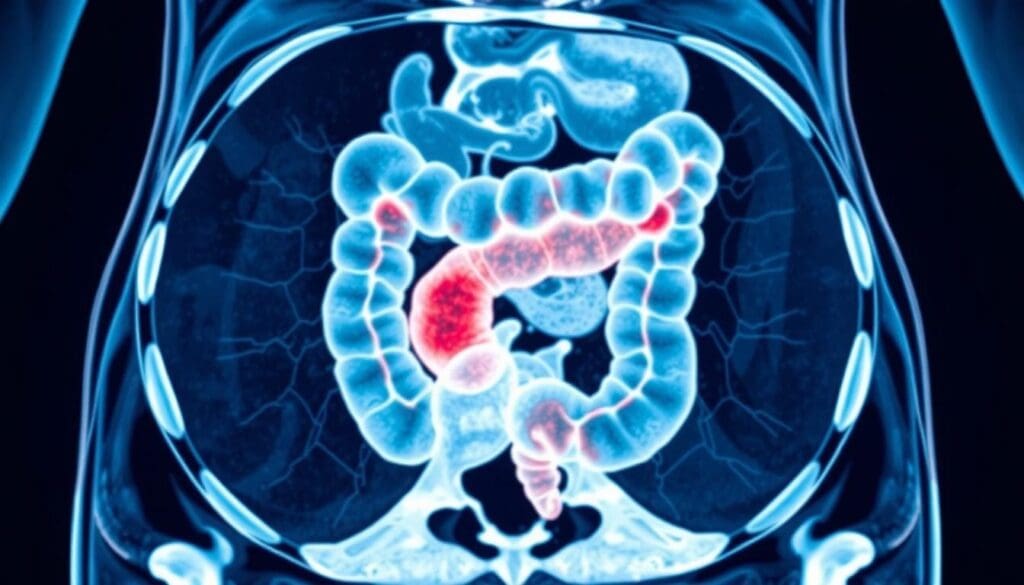
PET scans are key in finding and understanding colon cancer. Studies show they have high sensitivity rates around 90% for spotting cancer that has spread, which answers the important question of how accurate is a PET scan for colon cancer. This makes PET scans a trusted method to see how far the disease has spread. At Liv Hospital, we focus on patient care by using the newest research to give the best treatment. Knowing how PET scans help in finding and understanding colon cancer allows us to choose the right treatment for each patient.
Key Takeaways
- PET scans play a significant role in colon cancer detection and staging.
- High sensitivity rates make PET scans reliable for detecting metastatic disease.
- Accurate staging is critical for determining the best treatment approach.
- Liv Hospital is committed to utilizing advanced diagnostic tools for patient care.
- PET scans guide treatment decisions by assessing disease spread.
The Science Behind PET Scans in Cancer Detection
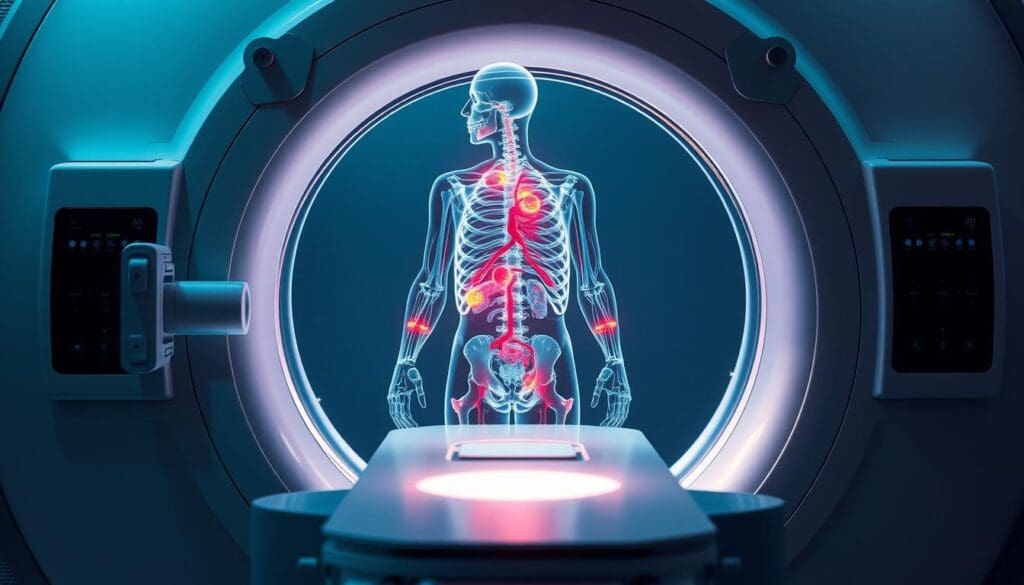
Understanding PET scans is key to seeing their role in fighting cancer. They use advanced tech to show how active cells are in the body. This helps spot cancerous tissues.
Basic Principles of PET Imaging Technology
PET scans work by catching gamma rays from a special tracer in the body. The tracer, Fluorodeoxyglucose (FDG), is a sugar molecule with a radioactive tag. Cancer cells, with their high activity, take up more FDG. This lets PET scans find where glucose is being used more.
The steps are:
- The patient gets a radioactive tracer.
- The tracer goes to active areas.
- A PET scanner finds the gamma rays.
- A computer makes images of where the tracer is.
How Radioactive Tracers Identify Cancer Cells
Tracers like FDG show the difference in how cancer and normal cells use sugar. Cancer cells use more sugar than normal cells. So, PET scans can spot where sugar is being used a lot, showing cancer.
PET scans get better at finding cancer by using new imaging methods. They work even better when combined with CT scans. This mix gives detailed info on both how active cells are and where they are in the body. This makes finding cancer more accurate.
How Accurate Is a PET Scan for Colon Cancer?
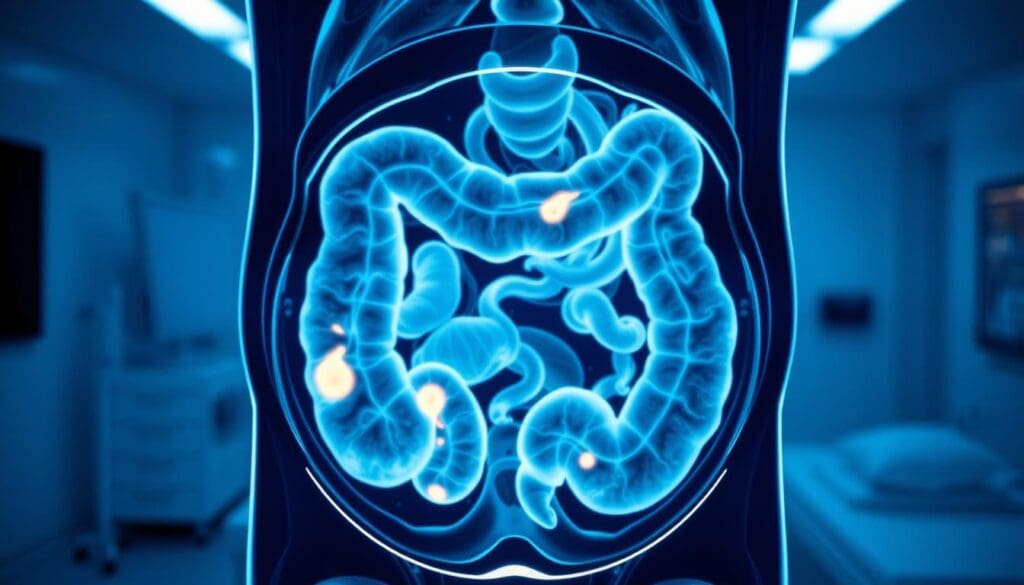
PET scans are used to diagnose colon cancer. Their accuracy depends on sensitivity and specificity rates. We’ll look into these to see how PET scans help in diagnosing colon cancer.
Overall Sensitivity and Specificity Rates
PET scans vary in their ability to find colon cancer. They are about 90% accurate in spotting distant metastases. This makes them great for finding cancer that has spread.
But, PET scans can also have false positives. This happens when they show cancer where there isn’t any. This can be due to inflammation or other metabolic activities.
Factors That Influence Diagnostic Accuracy
Several things can affect how well PET scans work for colon cancer. These include:
- The stage of cancer: PET scans work better for advanced stages.
- The size and location of the tumor: Bigger tumors are easier to see.
- The type of PET scan used: PET/CT fusion scans are more accurate.
- Patient preparation and physiological factors: Proper preparation and understanding patient-specific factors can improve accuracy.
Knowing these factors helps doctors understand PET scan results better. This helps them make better decisions for patient care.
PET Scan Limitations for Primary Colon Cancer Detection
PET scans are useful in cancer staging but have limits in finding primary colon cancer. It’s important for doctors and patients to know this. It affects how they diagnose and plan treatment.
Lower Sensitivity Rates for Primary Tumors
PET scans can miss up to 53% of primary colon cancers. This means many cancers might not be found by PET scans alone. The exact rate can vary based on the tumor’s size, location, and the type of PET scan.
Why Small Adenomas May Be Missed
Small adenomas, which can turn into cancer, are hard to spot with PET scans. This is because:
- PET scans can’t always see small tumors clearly.
- Small adenomas might not show up much on scans because they don’t change much from the surrounding tissue.
Physiological Uptake in the Colon
The colon can take up the tracer used in PET scans, making it hard to read. This can lead to confusion or hide real tumors. Reasons for this include:
- The colon’s natural activity can be mistaken for cancer.
- Other issues like inflammation or infections can also affect the scan.
Knowing these challenges helps use PET scans right in colon cancer care. Even with their limits, PET scans are key in tracking and staging colon cancer. They work best when used with other tests.
Detecting Metastatic Colon Cancer: Where PET Scans Excel
PET scans are great at finding metastatic colon cancer, like distant metastases. This is key for knowing how far the cancer has spread and planning treatment. We’ll look at how PET scans shine in spotting different types of cancer spread.
High Accuracy for Distant Metastases
PET scans are very good at finding distant metastases, with a success rate of about 90%. This is important for finding patients with advanced cancer who might need treatments that target the whole body, not just the tumor.
Being able to spot distant metastases well can change how doctors decide to treat patients. It helps avoid surgeries that aren’t needed and makes sure patients get the right care.
Liver Metastases Detection Capabilities
The liver is a common place for colon cancer to spread. PET scans are really good at finding liver metastases. This is key for knowing how far the cancer has spread.
Research shows PET scans can find liver metastases as well as or better than CT scans. This is important for understanding how far the cancer has spread.
Lung and Lymph Node Metastases Identification
PET scans are also great for finding cancer in the lungs and lymph nodes. These are important for a full picture of the cancer’s spread.
By finding cancer in these places, PET scans help doctors make better treatment plans. These plans are based on the patient’s specific situation.
In summary, PET scans are a vital tool in fighting metastatic colon cancer. They help doctors understand the cancer’s spread and plan the best treatment.
PET/CT Fusion: Enhanced Diagnostic Capabilities
PET/CT fusion combines metabolic and anatomical imaging. This technology merges PET scans’ functional info with CT scans’ detailed images. It gives a deeper understanding of colon cancer.
Combining Metabolic and Anatomical Imaging
PET/CT fusion uses the best of both worlds. It spots cancerous tissues through PET scans’ metabolic info. CT scans then show exactly where these tissues are.
Benefits of PET/CT Fusion:
- Improved diagnostic accuracy
- Enhanced tumor localization
- Better assessment of lymph node involvement
- More accurate staging of colon cancer
Improved Tumor and Lymph Node Assessment
PET/CT fusion makes tumor and lymph node assessment better. It gives both metabolic and anatomical info. This helps doctors see how far cancer has spread and if lymph nodes are involved.
“The use of PET/CT fusion has significantly improved our ability to diagnose and stage colon cancer accurately, leading to more effective treatment planning.” – an Oncologist
A study showed PET/CT fusion is better than PET or CT scans alone. It improved diagnostic accuracy in 85% of cases.
| Imaging Modality | Diagnostic Accuracy |
| PET/CT Fusion | 85% |
| PET Scan Alone | 65% |
| CT Scan Alone | 70% |
Impact on Treatment Planning
PET/CT fusion greatly affects treatment planning for colon cancer. It gives accurate disease extent info. This helps doctors plan better treatments.
Treatment planning considerations include:
- Surgical resectability
- Need for neoadjuvant therapy
- Potential for targeted therapies
- Monitoring for recurrence
In conclusion, PET/CT fusion is a big step forward in colon cancer diagnosis and treatment. It improves accuracy and treatment planning.
Can a PET Scan Replace a Colonoscopy?
Understanding the roles of PET scans and colonoscopies in colon cancer diagnosis is key. Both are important tools, but they serve different purposes in managing colon cancer.
Comparative Detection Capabilities
PET scans and colonoscopies detect colon cancer in different ways. Colonoscopy is great at finding early cancer and polyps before they become cancerous. Colonoscopy is the top choice for colon cancer screening because it can see the whole colon and rectum. This helps find lesions that PET scans might miss.
PET scans, on the other hand, are better at finding cancer that has spread to other parts of the body. A study in the Journal of Nuclear Medicine found PET scans are very good at spotting distant metastases. This makes them key for understanding how far cancer has spread.
Why Colonoscopy Remains the Gold Standard for Screening
Colonoscopy is the top choice for screening colon cancer. It can find and remove polyps before they turn into cancer. A renowned gastroenterologist, says, “Colonoscopy is not just for finding problems; it’s also for fixing them by removing polyps before they become cancerous.”
“Colonoscopy is the only screening test that can both detect and remove precancerous polyps, making it a critical tool in preventing colon cancer.”
Complementary Roles in Colon Cancer Management
While colonoscopy is the main tool for screening colon cancer, PET scans have a supporting role. They help in understanding how far the disease has spread. By using both, doctors can get a full picture of a patient’s health. This leads to better treatment plans.
If a colonoscopy finds a tumor, a PET scan can show if it has spread. This is vital for knowing how to treat the cancer. It helps doctors decide the best course of action.
In summary, PET scans are useful for seeing how far colon cancer has spread. But they can’t replace colonoscopy as the main screening tool. Instead, they work together to give a complete view of a patient’s health. This helps doctors provide the best care possible.
PET Scans vs. Other Diagnostic Methods
There are many ways to diagnose and stage colon cancer. Each method has its own strengths and weaknesses. Knowing the best approach is key for good patient care.
PET Scans vs. CT Scans for Colon Cancer
PET scans and CT scans help in colon cancer diagnosis but in different ways. CT scans show detailed body structures. PET scans are better at finding cancer spread in other parts of the body.
PET scans can spot cancer by looking at how active cells are. This is important for knowing how far cancer has spread.
PET Scans vs. MRI for Colorectal Cancer Assessment
MRI is used to check colorectal cancer, focusing on the tumor and liver. MRI is great for detailed views of soft tissues. But, PET scans can see more of the body for finding cancer in distant places.
Choosing between PET scans and MRI depends on what you need to know. MRI is better for looking at the tumor and liver. PET scans are better for finding cancer in other parts of the body.
PET Scans vs. Blood Tests for Metastasis Detection
Blood tests, like checking CEA levels, help watch for colon cancer coming back. But, they’re not as good as PET scans for finding where cancer has spread.
PET scans show where cancer has spread directly. Blood tests give hints but not as clear a picture. Using both can give a full view of the disease.
The Role of PET Scans in Colon Cancer Staging
PET scans are key in figuring out how far colon cancer has spread. Knowing this helps doctors choose the best treatment and predict how well a patient will do.
TNM Classification System Overview
The TNM system is a common way to stage cancer, including colon cancer. It looks at three main things: the tumor’s size and spread (T), nearby lymph nodes (N), and if cancer has spread to other parts of the body (M). Knowing about TNM helps doctors understand PET scan results better.
“The TNM system helps us stage cancer accurately,” says, a top oncologist. “PET scans are great for finding cancer that has spread far away. This changes the stage and treatment plan a lot.”
How PET Findings Influence Stage Determination
PET scans play a big role in figuring out the cancer stage. They show where the cancer is active, helping doctors find the main tumor and any spread. This info is key for planning treatment.
Using PET scans with other imaging like CT or MRI makes staging more accurate. This way, doctors get all the info they need to stage colon cancer right.
- Identifying primary tumor characteristics
- Detecting lymph node involvement
- Revealing distant metastases
Impact on Treatment Decisions
PET scans’ findings greatly affect treatment choices. Knowing the cancer’s stage helps doctors decide if surgery, chemo, radiation, or a mix is best.
With accurate staging from PET scans, patients get treatment plans that fit them better. For example, if PET scans show cancer has spread far, treatment might change to focus on comfort and quality of life instead of trying to cure it.
In short, PET scans are essential in colon cancer staging. They give vital info for planning treatment. By understanding PET scans’ role, doctors can make better choices, leading to better care for patients.
Monitoring Recurrence and Treatment Response
PET scans are key in finding cancer recurrence and checking how well treatments work in colon cancer. They help us manage colon cancer patients better. This gives us insights for making treatment plans.
Accuracy in Detecting Cancer Recurrence
PET scans are very good at finding colon cancer recurrence. Research shows they spot recurrence early and accurately. This early catch is vital for better treatment and outcomes.
For colon cancer patients, finding recurrence early is critical. It lets us start targeted treatments sooner. This could lead to better survival rates.
Evaluating Treatment Effectiveness
PET scans also help see how well treatments are working. By comparing scans before and after treatment, we know if the cancer is responding. This is key for deciding if treatment should keep going or change.
If the cancer isn’t responding, we can look for other treatments. This might give the patient a better chance of successful treatment.
Recommended Surveillance Protocols
Colon cancer patients need regular checks to catch recurrence and see how treatments are doing. These checks include PET scans, clinical exams, and lab tests. They help us keep an eye on the disease closely.
| Surveillance Component | Frequency | Purpose |
| PET Scan | Every 6-12 months | Detect recurrence, assess treatment response |
| Clinical Assessment | Every 3-6 months | Monitor for symptoms, assess overall health |
| Laboratory Tests | Every 3-6 months | Monitor tumor markers, assess organ function |
By sticking to these check-up plans, we make sure colon cancer patients get the best care. This helps us catch recurrence early and manage their disease well.
False Results and Interpretation Challenges
Understanding PET scan results for colon cancer can be tricky. This is because of the chance for false positives and false negatives. PET scans are very helpful in finding cancer, but their results can be affected by many things.
Common Causes of False Positives
False positives in PET scans for colon cancer happen for a few reasons. For example, inflammation like diverticulitis or inflammatory bowel disease can make glucose levels rise, looking like cancer. Also, normal activity in parts of the colon or rectum might be seen as cancer.
Other reasons for false positives include:
- Recent surgery or biopsy
- Infections or abscesses
- Benign tumors or polyps
- Certain medications or treatments
Scenarios Leading to False Negatives
False negatives are also a big issue. They can lead to late diagnosis or wrong treatment. Small tumors or those that don’t use much glucose might not show up on PET scans. Also, some colon cancers, like mucinous adenocarcinoma, might not be seen well because they don’t take up much glucose.
Things that can cause false negatives include:
- Small tumor size
- Low-grade or well-differentiated tumors
- Mucinous or signet-ring cell carcinomas
- Technical limitations of the PET scan equipment
Importance of Clinical Correlation
Because of the chance for false results, it’s key to look at PET scans with the patient’s whole medical picture. This means looking at their medical history, symptoms, and other test results along with the PET scan.
Healthcare teams should work together to understand PET scan results for colon cancer. This might include:
| Clinical Consideration | Importance in PET Scan Interpretation |
| Medical History | Helps identify possible causes of false positives or negatives |
| Symptom Assessment | Links PET findings with what the patient is feeling |
| Other Diagnostic Tests | Gives more info to back up or question PET scan results |
By combining PET scan results with clinical insight and other test data, doctors can make better choices for patient care.
Patient Preparation and Experience
To get the most out of a PET scan, patients need to know what to do before and during the scan. We help patients through every step for a smooth experience.
Pre-Scan Requirements and Restrictions
Before a PET scan, patients must follow certain rules for accurate results. This includes not eating for a while and avoiding some medications or activities.
Dietary Restrictions: Patients should not eat sugary foods or drinks for at least 24 hours before. Eating a high-fat, low-sugar meal the night before can improve image quality.
| Pre-Scan Requirement | Description | Timing |
| Fasting | Avoid eating and drinking (except water) | 4-6 hours before scan |
| Avoid Sugary Foods | Refrain from consuming sugary items | 24 hours before scan |
| Medication Review | Discuss medications with your doctor | Before scan |
The PET Scanning Procedure
The PET scan procedure is simple and usually takes about 30 minutes to an hour. Patients lie on a table that slides into a large, doughnut-shaped machine. The PET scanner uses radiation to create detailed images of the body’s metabolic activity.
During the scan, patients must stay very quiet and follow breathing instructions. The scan is painless but some might feel claustrophobic because of the scanner’s shape.
Post-Scan Considerations
After the PET scan, patients can usually go back to their normal activities unless told not to by their doctor. The radioactive tracer is usually out of the body within a few hours.
Post-Scan Care: Drinking lots of water helps get rid of the tracer. Some might feel dry mouth or a metallic taste, but these should go away on their own.
We know PET scans can make patients anxious. Our medical team is here to guide and support you, making sure you feel well-informed and cared for.
Conclusion: The Evolving Role of PET Scans in Colon Cancer Care
PET scans are now key in colon cancer care. They give important insights into diagnosing, staging, and managing cancer. PET scans are very accurate in finding cancer that has spread, like to the liver, lungs, or lymph nodes.
The use of PET/CT fusion technology has made diagnosing even better. It helps doctors see tumors and lymph nodes more clearly. This helps make better treatment plans and improves how patients do.
PET scans are not a full replacement for colonoscopy but are a big help. As technology gets better, PET scans will play an even bigger role in cancer care. They will help find cancer again, see how treatments work, and help make treatment plans.
PET scans will keep being a big part of cancer treatment. They give important info that helps tailor care to each patient. This way, doctors can give treatments that are more effective, leading to better results for colon cancer patients.
FAQ
How accurate is a PET scan for colon cancer detection?
PET scans can vary in accuracy for colon cancer. Several factors, like tumor size and location, affect their sensitivity and specificity.
Can PET scans detect colon cancer?
Yes, PET scans can spot colon cancer, mainly when it has spread. But, they’re not as good at finding the main tumor as colonoscopy is.
What are the limitations of PET scans in detecting primary colon cancer?
PET scans struggle to find primary colon cancer, with sensitivity rates between 23-53%. They might miss small tumors because of their resolution and how the colon takes up the scan.
How accurate are PET scans for detecting metastatic colon cancer?
PET scans are very good at finding cancer that has spread, with a sensitivity of about 90%. They’re great for spotting cancer in the liver, lungs, and lymph nodes.
Can a PET scan replace a colonoscopy for colon cancer screening?
No, colonoscopy is the best way to screen for colon cancer. PET scans are used for checking if cancer has spread and for planning treatment.
How does PET/CT fusion improve colon cancer diagnosis?
PET/CT fusion combines metabolic and anatomical images. This helps better assess tumors and lymph nodes. It also improves treatment planning by showing how far the cancer has spread.
What is the role of PET scans in colon cancer staging?
PET scans are key in staging colon cancer. They help find metastatic disease, which affects treatment choices and patient care.
Can PET scans monitor recurrence and treatment response in colon cancer patients?
Yes, PET scans help track if cancer comes back and how well treatments work. This information is vital for managing the disease.
What are the challenges associated with interpreting PET scan results?
Reading PET scan results can be tricky due to false positives and negatives. It’s important to consider the patient’s history and other test results.
How should patients prepare for a PET scan?
Patients need to follow certain steps before the scan, like diet and medication adjustments. This ensures accurate results and a smooth process.
What are the advantages of PET scans over other diagnostic methods for colon cancer?
PET scans offer benefits over CT scans and MRI. They provide metabolic information that helps with diagnosis and treatment planning, improving accuracy.
References
- Engel R, et al. (2024). Diagnostic accuracy and treatment benefit of PET/CT in colorectal cancer. European Journal of Radiology. https://pubmed.ncbi.nlm.nih.gov/39418774/