Last Updated on November 27, 2025 by Bilal Hasdemir
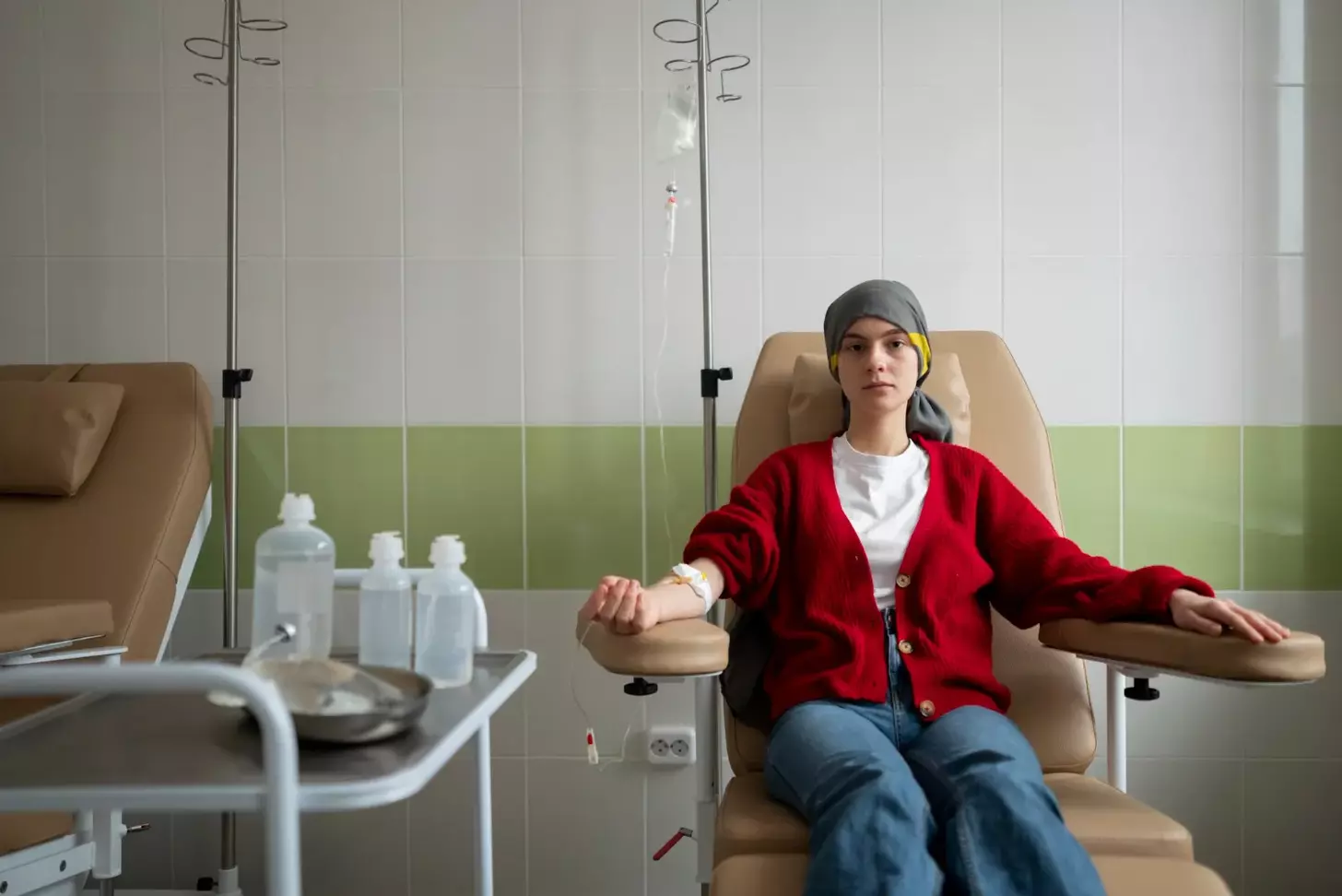
Starting chemotherapy for lymphoma can feel overwhelming. It’s a key treatment for non-Hodgkin’s lymphoma (NHL). Knowing its effects and how long it lasts helps set realistic hopes and outcomes.
At places like Liv Hospital, patients get all-around care during treatment. Chemotherapy side effects can be tough, like losing hair, feeling sick, being very tired, and getting infections easily. How long you’ll be on chemo can vary, but it usually takes months.
Key Takeaways
- Chemotherapy is a common treatment for non-Hodgkin’s lymphoma (NHL).
- Significant side effects include hair loss, nausea, and fatigue.
- Treatment duration varies, typically lasting several months.
- Institutions like Liv Hospital provide complete care.
- Understanding chemotherapy effects is key to managing patient hopes.
Understanding Lymphoma and Its Types
What is Lymphoma?
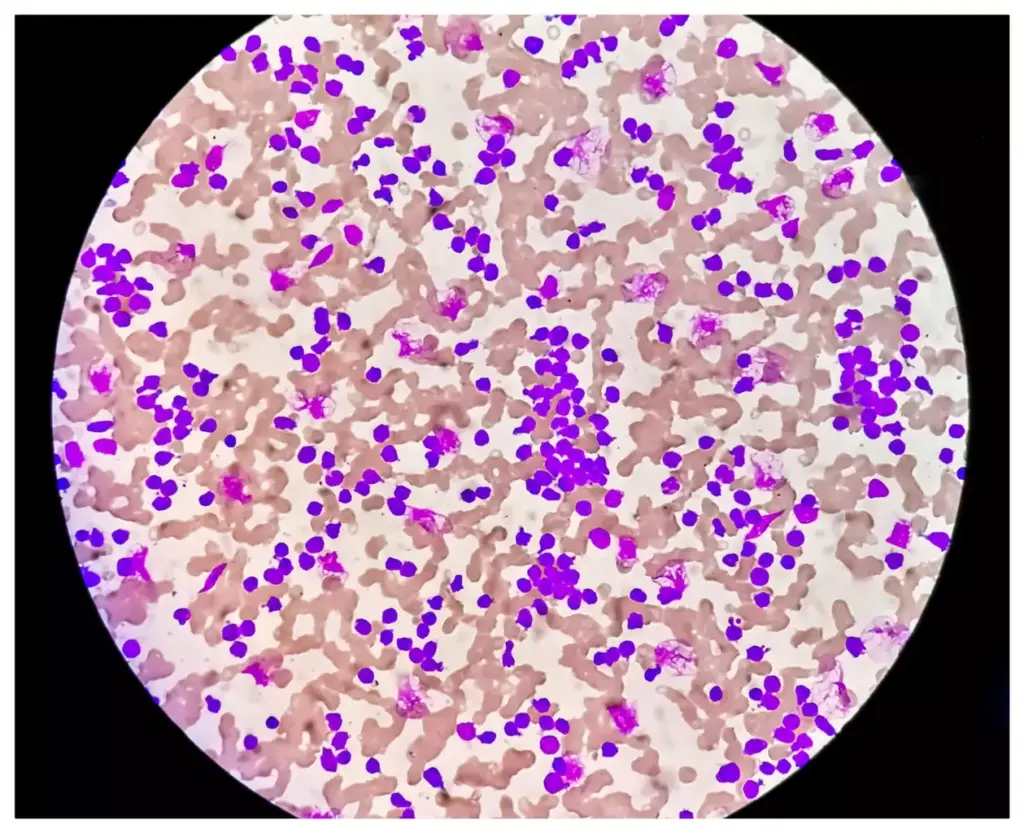
Lymphoma is a blood cancer that starts in the lymphocytes. These cells are important for fighting infections. When they turn cancerous, they can build up in lymph nodes and spleen.
Studies show that understanding lymphoma’s molecular mechanisms can help in treating it lymphoma research.
Hodgkin’s vs. Non-Hodgkin’s Lymphoma
Hodgkin’s lymphoma (HL) and non-Hodgkin’s lymphoma (NHL) are the two main types. HL has Reed-Sternberg cells, while NHL does not. NHL is more common and has many subtypes.
Non-Hodgkin’s lymphoma can be aggressive or indolent. Aggressive NHL needs quick treatment. Indolent NHL may be watched before treatment starts. Hodgkin’s lymphoma is often treated with chemotherapy and radiation.
Staging and Its Impact on Treatment
Staging lymphoma is important for treatment planning. The Ann Arbor Staging System is used. It categorizes lymphoma into four stages based on lymph node involvement and symptoms.
| Stage | Description |
|---|---|
| I | Lymphoma is limited to one lymph node group or lymphoid organ. |
| II | Lymphoma is in two or more lymph node groups on the same side of the diaphragm. |
| III | Lymphoma is in lymph node groups on both sides of the diaphragm. |
| IV | Lymphoma has spread widely through one or more organs that are not part of a lymphatic area. |
Knowing the stage of lymphoma helps doctors choose the best treatment. This can be chemotherapy, radiation, or both. Accurate staging is key for good outcomes and care decisions.
The Basics of Chemo for Lymphoma
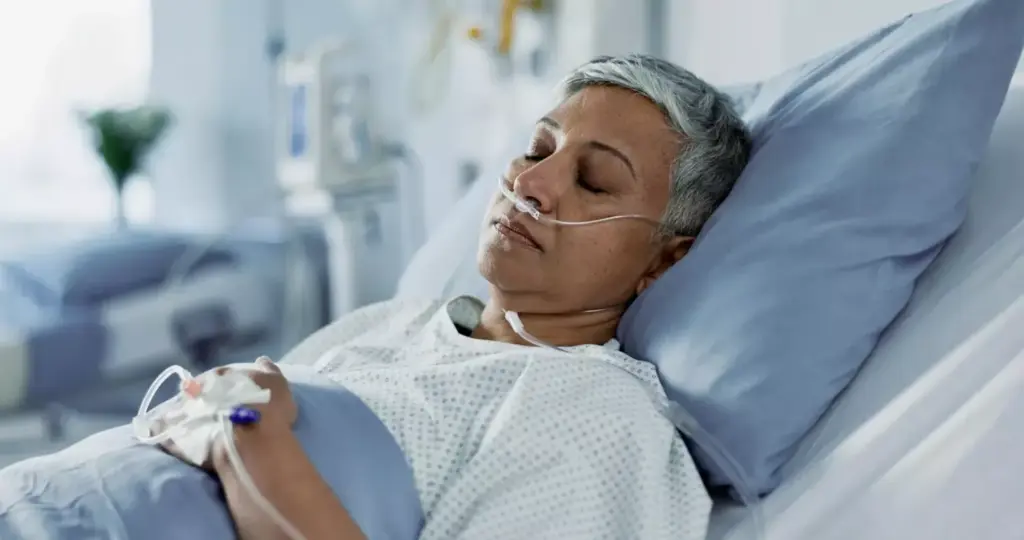
Understanding how chemotherapy works against lymphoma is key for patients. Chemotherapy targets cancer cells all over the body. It’s a big part of treating lymphoma.
How Chemotherapy Works Against Lymphoma
Chemotherapy uses drugs to kill cancer cells or stop them from growing. It’s used alone or with other treatments like radiation or immunotherapy. The goal is to destroy lymphoma cells, get into remission, and stop it from coming back.
We use different chemotherapy drugs together to fight lymphoma cells. These drugs can be given in various ways, based on the patient’s health and type of lymphoma.
Common Chemotherapy Drugs for Lymphoma
Several chemotherapy drugs are used to treat lymphoma, including:
- R-CHOP (Rituximab, Cyclophosphamide, Doxorubicin, Vincristine, and Prednisone)
- EPOCH (Etoposide, Prednisone, Vincristine, Cyclophosphamide, and Doxorubicin)
- ABVD (Adriamycin, Bleomycin, Vinblastine, and Dacarbazine)
These regimens are tailored to the type of lymphoma and the patient’s health. The choice of chemotherapy drugs depends on the cancer stage, patient’s age, and health conditions.
| Chemotherapy Regimen | Drugs Used | Common Use |
|---|---|---|
| R-CHOP | Rituximab, Cyclophosphamide, Doxorubicin, Vincristine, Prednisone | Non-Hodgkin’s Lymphoma |
| EPOCH | Etoposide, Prednisone, Vincristine, Cyclophosphamide, Doxorubicin | Aggressive Non-Hodgkin’s Lymphoma |
| ABVD | Adriamycin, Bleomycin, Vinblastine, Dacarbazine | Hodgkin’s Lymphoma |
Administration Methods and Settings
Chemotherapy for lymphoma can be given in hospitals or at home. The method of administration can vary, with options including intravenous (IV) infusion, oral medications, or injections.
We work closely with patients to find the best way to give chemotherapy. This depends on their needs and the type of chemotherapy.
Common Chemotherapy Regimens for NHL
Chemotherapy is a key part of treating non-Hodgkin’s lymphoma. Different treatments are used based on the type of NHL, the patient’s health, and other factors.
R-CHOP Protocol Explained
R-CHOP is a common treatment for non-Hodgkin’s lymphoma. It combines five drugs: rituximab, cyclophosphamide, doxorubicin, vincristine, and prednisone. This mix is very effective for treating a common type of NHL.
The treatment is given in cycles, each lasting about 21 days. The number of cycles can vary, usually between 3 to 6. Rituximab targets B cells, while the other drugs kill cancer cells in different ways.
EPOCH, ICE, and Other Regimens
Other treatments are used for different types of NHL. EPOCH is an intensive regimen for aggressive or relapsed NHL.
ICE is used for patients with NHL that doesn’t respond to treatment. It’s often followed by a stem cell transplant.
| Regimen | Drugs Used | Common Use |
|---|---|---|
| R-CHOP | Rituximab, Cyclophosphamide, Doxorubicin, Vincristine, Prednisone | First-line treatment for many NHL subtypes |
| EPOCH | Etoposide, Prednisone, Vincristine, Cyclophosphamide, Doxorubicin | Aggressive or relapsed NHL |
| ICE | Ifosfamide, Carboplatin, Etoposide | Salvage chemotherapy for relapsed or refractory NHL |
Choosing the Right Regimen for Different NHL Types
Choosing a chemotherapy regimen depends on many factors. These include the NHL subtype, stage, patient age, and health. For example, R-CHOP is often used for diffuse large B-cell lymphoma. Other regimens, like EPOCH, may be better for aggressive lymphomas.
We work with patients to find the best treatment plan. This plan is based on their needs and the NHL’s characteristics.
Chemotherapy Approaches for Hodgkin’s Lymphoma
Chemotherapy is key in fighting Hodgkin’s lymphoma. We use different treatments based on the disease’s stage and type. This choice helps ensure the best treatment for each patient.
ABVD and Other Standard Protocols
The ABVD regimen is a common treatment for Hodgkin’s lymphoma. It includes adriamycin, bleomycin, vinblastine, and dacarbazine. These drugs work together to target and kill cancer cells.
Other treatments might be used if certain drugs are not suitable for a patient. This decision is made based on the patient’s health and the disease’s specifics.
ABVD Regimen Details:
- Adriamycin: Works by intercalating DNA strands, which stops DNA and RNA synthesis.
- Bleomycin: Causes DNA strand breaks, stopping cancer cell growth.
- Vinblastine: Stops microtubule formation in the mitotic spindle, causing cell cycle arrest.
- Dacarbazine: Acts as an alkylating agent, disrupting DNA replication.
| Drug | Mechanism of Action |
|---|---|
| Adriamycin | Intercalates DNA, inhibiting synthesis |
| Bleomycin | Induces DNA strand breaks |
| Vinblastine | Inhibits microtubule formation |
| Dacarbazine | Alkylating agent, interferes with DNA replication |
Escalated BEACOPP Regimen
For those with advanced Hodgkin’s lymphoma, the escalated BEACOPP regimen is often recommended. It includes bleomycin, etoposide, adriamycin, cyclophosphamide, vincristine, procarbazine, and prednisone. This version uses higher doses of some drugs to improve its effectiveness.
Differences in Treatment Approach from NHL
Hodgkin’s lymphoma treatment differs from non-Hodgkin’s lymphoma (NHL) in several ways. Hodgkin’s lymphoma is often more curable with chemotherapy. It usually requires fewer treatment cycles than some NHL types.
The choice of chemotherapy and radiation therapy can also vary. We customize treatment plans for each patient, considering their lymphoma subtype, health, and other factors. Understanding these differences is key to effective treatment.
How Long is Chemotherapy for Lymphoma?
The time needed for chemotherapy to treat lymphoma varies. It depends on the type and stage of the disease. Chemotherapy uses drugs to kill cancer cells. The treatment’s length is based on the patient’s needs and how well they respond.
Typical Treatment Cycles and Duration
Chemotherapy for lymphoma is given in cycles, each lasting 21 days. The number of cycles can be from 3 to 8. For example, the R-CHOP protocol for Non-Hodgkin’s Lymphoma (NHL) usually involves 3 to 6 cycles.
The total time for chemotherapy can be several months. For example, 6 cycles every 21 days would take about 4 to 5 months. It’s important to remember that treatment time includes recovery periods between cycles.
Factors Affecting Treatment Length
Several things can change how long chemotherapy lasts. These include:
- The type of lymphoma (Hodgkin’s or Non-Hodgkin’s)
- The stage of the disease at diagnosis
- The patient’s overall health and response to treatment
- The specific chemotherapy regimen being used
- Whether chemotherapy is being used alone or with other treatments like radiation or immunotherapy
Knowing these factors helps tailor the treatment plan. This can adjust the treatment’s duration and intensity.
What to Expect During the Treatment Timeline
During chemotherapy, patients will have regular checks. These include:
- Regular blood tests to check for signs of infection or other complications
- Imaging tests (like CT scans or PET scans) to evaluate how well the cancer is responding to treatment
- Physical examinations to assess overall health and detect any side effects
Patients should also keep track of their treatment schedule. This includes cycle dates and follow-up appointments. It helps manage side effects and keeps treatment on track.
Understanding chemotherapy’s typical duration and what can change it helps patients prepare. Our healthcare team is here to support and guide you through this journey.
Short-Term Side Effects of Lymphoma Chemotherapy
Lymphoma chemotherapy is lifesaving but comes with short-term side effects. Knowing these can help manage expectations and improve the treatment experience.
Hair Loss and Physical Appearance Changes
Hair loss, or alopecia, is a common side effect. It happens because chemotherapy targets fast-growing cells, including hair follicles. Hair loss can be upsetting, but it’s usually temporary, with hair growing back after treatment ends.
Managing Hair Loss: Some people wear wigs, hats, or scarves to deal with hair loss. Cooling caps can also help by reducing blood flow to the scalp during treatment.
Nausea, Vomiting, and Digestive Issues
Nausea and vomiting are common, but their severity varies. Modern medicines have greatly improved managing these symptoms.
Digestive Issues: Changes in appetite, taste, and bowel habits can happen. Eating a balanced diet and staying hydrated is key. Sometimes, nutritional supplements are suggested.
Fatigue and Energy Management
Fatigue is a common side effect, making you feel very tired. It’s important to balance rest with activity, prioritize tasks, and live a healthy lifestyle to fight fatigue.
Increased Infection Risk and Precautions
Chemotherapy weakens the immune system, raising the risk of infections. Patients should avoid crowded places, practice good hygiene, and get vaccinated as advised by their healthcare provider.
| Side Effect | Management Strategies |
|---|---|
| Hair Loss | Wigs, hats, scarves, cooling caps |
| Nausea and Vomiting | Antiemetic medications, dietary adjustments |
| Fatigue | Balancing activity and rest, healthy lifestyle |
| Increased Infection Risk | Avoiding crowds, good hygiene, vaccinations |
Long-Term and PotentiaL Severe Side Effects
It’s important to know the long-term side effects of lymphoma chemotherapy. This knowledge helps in managing patient care better. Chemotherapy is key in treating lymphoma but can cause long-term health issues.
Cardiac and Pulmonary Complications
Chemotherapy for lymphoma can harm the heart and lungs. Some drugs, like anthracyclines, can damage the heart muscle. This can lead to heart failure. Monitoring cardiac function is vital during and after treatment.
Some chemotherapy and radiation can also harm the lungs. This can cause symptoms like shortness of breath and cough. Early detection and management of these issues can greatly improve patient outcomes.
Fertility Concerns and Options
Lymphoma chemotherapy can affect fertility in both men and women. Chemotherapy-induced gonadal toxicity can cause infertility or early menopause. It’s important for patients to talk about fertility preservation options with their healthcare provider before treatment.
- Sperm banking for men
- Ovarian tissue freezing or egg freezing for women
- Embryo freezing for couples
Secondary Cancer Risks
One major long-term risk of lymphoma chemotherapy is secondary cancers. Exposure to chemotherapy can raise the risk of therapy-related myeloid neoplasms and other cancers.
Patients should be aware of this risk. They should have regular follow-up screenings to catch any issues early.
Cognitive Effects (“Chemo Brain”)
Many lymphoma survivors experience cognitive changes after chemotherapy, known as “chemo brain.” These changes include memory problems, difficulty concentrating, and slower mental processing.
The exact cause is not fully understood. But research shows chemotherapy can affect the brain. Cognitive rehabilitation and lifestyle changes can help manage these symptoms.
Managing Side Effects During Lymphoma Treatment
Dealing with lymphoma treatment side effects is key. Chemotherapy fights lymphoma but can also cause side effects. These can affect how well you live during treatment.
Medications to Counteract Side Effects
There are medicines to help with common side effects. For example, ondansetron and aprepitant can lessen nausea and vomiting. G-CSF helps by increasing white blood cells to fight off infections.
- Anti-nausea medications: Ondansetron, aprepitant
- Infection prevention: G-CSF
- Pain management: Various analgesics
Lifestyle Adjustments During Treatment
Changing your lifestyle can also help. Eating well, drinking lots of water, and doing gentle exercises can make you feel better. Try to avoid crowded places and sick people to stay healthy.
- Eating small, frequent meals to manage nausea
- Staying hydrated by drinking plenty of fluids
- Engaging in light physical activity, like walking
When to Contact Your Healthcare Team
Knowing when to call your doctor is important. If you have severe side effects like high fever, bad pain, or trouble breathing, call them right away.
Some signs that need quick help include:
- Fever above 100.4°F (38°C)
- Severe pain or difficulty breathing
- Signs of infection, such as redness or swelling
Being proactive and informed can help manage side effects. This can improve your treatment results.
Effectiveness of Chemotherapy for Different Lymphoma Types
Chemotherapy’s success in treating lymphoma depends on the type of lymphoma. It’s a key part of treatment, but its success can change a lot. This is based on the lymphoma type and other factors.
Response Rates for Non-Hodgkin’s Lymphoma
Non-Hodgkin’s lymphoma (NHL) is a group of lymphomas with different responses to treatment. The R-CHOP regimen is often used as a first treatment. It combines rituximab with cyclophosphamide, doxorubicin, vincristine, and prednisone.
Response rates to R-CHOP can vary:
- For diffuse large B-cell lymphoma (DLBCL), one of the most common NHL subtypes, R-CHOP yields complete response rates ranging from 60% to 80%.
- For follicular lymphoma, R-CHOP can achieve response rates of 80% to 90%, though complete remission rates are generally lower.
Success Rates for Hodgkin’s Lymphoma
Hodgkin’s lymphoma (HL) has seen big improvements in treatment outcomes. The ABVD regimen is a standard first-line treatment for HL. It includes adriamycin, bleomycin, vinblastine, and dacarbazine.
Success rates for HL chemotherapy are generally high:
- For early-stage HL, ABVD chemotherapy can achieve cure rates of 80% to 90%.
- For advanced-stage HL, the cure rate with ABVD is around 60% to 70%.
Factors That Influence Treatment Success
Many factors can affect how well chemotherapy works for lymphoma. These include:
- The specific subtype of lymphoma: Different lymphomas react differently to chemotherapy.
- Stage at diagnosis: Earlier stages usually have better outcomes.
- Patient’s overall health: Patients with fewer health issues tend to do better with chemotherapy.
- Genetic factors: Certain genetic markers can predict how well a patient will respond to certain chemotherapies.
We know that while chemotherapy is a powerful tool, its success can change based on these and other factors. Understanding these helps us make treatment plans that fit each patient’s needs, improving outcomes.
Combining Chemotherapy with Other Treatments
Lymphoma treatment often uses a mix of therapies. This includes chemotherapy and other treatments to fight the disease well. We’ll look at how these treatments work together to beat lymphoma.
Immunotherapy and Targeted Therapies
Immunotherapy and targeted therapies have changed how we treat lymphoma. Immunotherapy boosts the body’s fight against cancer cells. Targeted therapies aim at specific molecules that help lymphoma grow. Together with chemotherapy, they can make treatments more effective and lower the chance of the disease coming back.
Rituximab, a type of antibody, is often paired with chemotherapy for some NHL types. This combo has been shown to greatly improve survival and keep the disease from getting worse.
Radiation Therapy in Combination
Radiation therapy is also used with chemotherapy for lymphoma. Radiation kills any cancer cells left in the body, helping prevent the disease from coming back. It’s great for treating localized disease or to strengthen the effects of chemotherapy.
Chemotherapy and radiation therapy are often used together for Hodgkin lymphoma and some NHL types. The order of these treatments depends on the lymphoma type, stage, and the patient’s health.
Stem Cell Transplantation Following Chemotherapy
For some, stem cell transplantation is suggested after chemotherapy. Stem cell transplantation lets for high-dose chemotherapy, which can be more effective. But, it needs stem cells to help the bone marrow recover.
Both autologous (using the patient’s own stem cells) and allogeneic (using donor stem cells) transplants are used. The choice depends on the lymphoma type, patient health, and if a donor is available.
By mixing chemotherapy with immunotherapy, targeted therapies, radiation therapy, and stem cell transplantation, we can make treatments fit each patient’s needs. This approach can improve outcomes and quality of life for those with lymphoma.
Specialized Care During Lymphoma Chemotherapy
Going through lymphoma chemotherapy is easier with the right team and care approach. Our team knows how important it is to care for the whole patient, not just the disease.
The Role of Oncology Teams
Oncology teams are key in lymphoma chemotherapy care. They include doctors, nurses, nutritionists, and more. They do more than just give chemotherapy. They watch over patient health, handle side effects, and offer emotional support.
Liv Hospital shows how important a good oncology team is. They focus on:
- Creating treatment plans that fit each patient
- Keeping a close eye on treatment and making changes as needed
- Offering many support services, like nutrition and mental health help
Patient-Centered Approaches at Treatment Centers
Patient-centered care is vital in treating lymphoma. It focuses on what each patient needs and wants. By putting patients first, treatment centers can make care better, more effective, and more satisfying.
Our centers use patient-centered care in many ways:
- They do thorough assessments to understand each patient’s situation
- They educate and support patients to help them make informed choices
- They work with other healthcare providers for smooth care
Support Services and Resources
Lymphoma chemotherapy affects patients in many ways, not just physically. That’s why support services and resources are so important. They offer help with nutrition, finances, and more.
“Support services are essential for helping patients navigate the complexities of lymphoma chemotherapy. They provide a safety net that can make a significant difference in the patient’s experience and outcome.”
We offer many support services, including:
- Nutritional counseling to meet dietary needs during treatment
- Psychological support to deal with the emotional side of cancer treatment
- Help with transportation and accommodation needs
Conclusion: Weighing the Benefits and Challenges of Lymphoma Chemotherapy
Chemotherapy is a key treatment for lymphoma, bringing many benefits. It helps manage the disease well, leading to remission or significant tumor reduction for many. Yet, it also comes with challenges like short-term and long-term side effects.
It’s important for patients to understand the effects and side effects of chemotherapy. This knowledge helps them make informed decisions about their care. Our healthcare teams work closely with patients to manage these side effects and improve treatment outcomes.
The aim of lymphoma chemotherapy is to get the best results while reducing its challenges. With the right support and care, many patients can successfully finish their treatment and have a positive outlook.
FAQ
What is lymphoma, and how is it treated with chemotherapy?
Lymphoma is a cancer that affects the immune system. Chemotherapy uses drugs to kill cancer cells. The treatment depends on the type and stage of lymphoma.
What are the differences between Hodgkin’s and non-Hodgkin’s lymphoma?
Hodgkin’s lymphoma has Reed-Sternberg cells, while non-Hodgkin’s lymphoma does not. Treatment for each type is different.
How does chemotherapy work against lymphoma?
Chemotherapy targets fast-growing cancer cells. It stops them from growing and reproducing. This treatment can reach cancer cells all over the body.
What are common chemotherapy regimens for non-Hodgkin’s lymphoma?
R-CHOP and EPOCH are common regimens. The choice depends on the type of NHL, patient health, and other factors.
How long does chemotherapy treatment for lymphoma typically last?
Treatment length varies by lymphoma type, stage, and regimen. Patients go through multiple cycles, with regular checks to see how well it’s working.
What are the common short-term side effects of lymphoma chemotherapy?
Short-term side effects include hair loss, nausea, vomiting, fatigue, and a higher risk of infections. Managing these side effects is key to quality of life during treatment.
What are the possible long-term side effects of lymphoma chemotherapy?
Long-term side effects include heart and lung problems, fertility issues, secondary cancer risks, and “chemo brain.” These effects can last long after treatment ends.
How can side effects be managed during lymphoma treatment?
Medications, lifestyle changes, and support services can help manage side effects. If side effects are severe or last too long, patients should talk to their healthcare team.
How effective is chemotherapy for different types of lymphoma?
Chemotherapy’s effectiveness varies by lymphoma type and stage. Success rates for non-Hodgkin’s lymphoma and Hodgkin’s lymphoma depend on patient health and treatment.
Can chemotherapy be combined with other treatments for lymphoma?
Yes, chemotherapy can be combined with immunotherapy, targeted therapies, radiation therapy, and stem cell transplantation. This combination can improve treatment effectiveness and patient outcomes.
What role do oncology teams play in lymphoma chemotherapy?
Oncology teams provide specialized care, support, and guidance. They help patients understand the complexities of lymphoma chemotherapy.
What support services are available to patients undergoing lymphoma chemotherapy?
Treatment centers offer patient-centered approaches. They provide support services and resources to manage the physical, emotional, and practical aspects of treatment.