Last Updated on November 25, 2025 by Ugurkan Demir

Explore how big is a 2mm kidney stone and what to expect for treatment.
A 2mm kidney stone is as small as a pinhead or a grain of sand, measuring 2 millimeters in diameter. Despite its tiny size, it can cause a lot of pain. At Liv Hospital, we know how serious kidney stones are. We’re dedicated to giving you the best care.
Medical experts say a 2mm kidney stone is small. It usually has an 80-90 percent chance of passing on its own. Our urology team at Liv Hospital offers top-notch care. We help you understand, manage, and prevent kidney stones.
Key Takeaways
- A 2mm kidney stone is about the size of a pinhead or grain of sand.
- It has an 80-90 percent chance of passing naturally without surgery.
- Liv Hospital offers complete care for kidney stone management.
- Our urology team gives you personalized attention and proven treatments.
- Knowing the size of a kidney stone helps decide the best treatment.
Understanding Kidney Stones and Their Formation
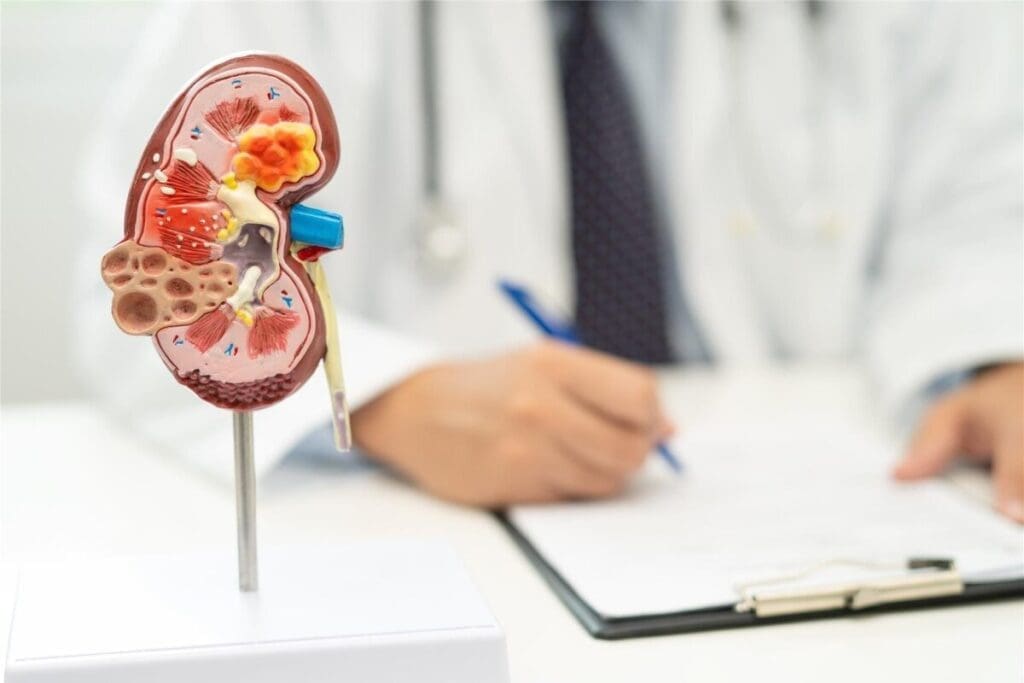
Kidney stones form when urine mineral levels are out of balance. This imbalance happens due to how much water is in the urine. It also depends on what we eat and our genes.
What Are Kidney Stones?
Kidney stones are hard, mineral-based deposits in the kidneys. They come in different sizes and shapes. Their formation is influenced by urine concentration, dietary habits, and genetic predisposition.
Common Causes of Kidney Stone Formation
Several factors contribute to kidney stone formation:
- Drinking too little water, making urine more concentrated
- Eating too much sodium, animal protein, and foods high in oxalate
- Having a family history of kidney stones
- Certain medical conditions, like hyperparathyroidism or urinary tract infections
These factors help create an environment where minerals in the urine can crystallize and form stones.
Types of Kidney Stones
There are several types of kidney stones, each with its own composition and cause:
- Calcium stones: The most common type, often associated with high calcium levels in the urine.
- Uric acid stones: More common in people who lose too much fluid, eat a high-protein diet, or have diabetes or obesity.
- Struvite stones: Typically occur in people with urinary tract infections (UTIs).
- Cystine stones: Rare and usually associated with a genetic disorder that causes the kidneys to release too much cystine into the urine.
Knowing the type of kidney stone is key to finding the right treatment and prevention.
How Big Is a 2mm Kidney Stone?

Knowing the size of a 2mm kidney stone is key for those affected. It’s as small as a pinhead or a grain of sand.
Visual Comparisons to Everyday Objects
A 2mm kidney stone is smaller than a grain of rice, which is 5-6mm long. It’s almost invisible to the naked eye, making it tiny.
Here are some objects for size comparison:
- A pinhead (about 2mm in diameter)
- A grain of sand (varies, but often around 2mm)
- The tip of a sharp pencil lead
Size Perspective in Medical Terms
In medical terms, a 2mm stone’s size is important. It’s very small and likely to pass on its own.
CT scans can measure and show kidney stones. This helps doctors plan the best treatment.
Visualizing a 2mm Stone in the Urinary Tract
Seeing a 2mm stone in the urinary tract is hard because of its size. But knowing where it is and how it moves helps patients understand their situation.
A 2mm stone can be in the kidneys, ureters, or bladder. Its small size means it’s more likely to pass without blocking the system.
Kidney Stone Size Classification System
Knowing the size of kidney stones is key for diagnosis and treatment. This system helps predict if a stone will pass on its own. It also shows when medical help is needed.
Small Stones (Under 5mm)
Stones under 5mm are small. They usually pass without surgery. For example, a 2mm stone is small enough to pass naturally.
Medium Stones (5-10mm)
Stones between 5mm and 10mm are medium-sized. Some may pass on their own, but others might need treatment. This is to help them pass or to solve any problems.
Large Stones (Over 10mm)
Stones over 10mm are large. They often need treatments like lithotripsy or surgery. This is because they’re unlikely to pass naturally.
A leading urologist says, “The size of the stone is a key factor in treatment.”
“Size is just one factor, but it’s a critical one in deciding whether a patient needs conservative management or more aggressive treatment.”
Clinical Significance of Stone Size
The size of a kidney stone matters a lot. It affects how likely it is to pass and the pain it causes. Bigger stones can lead to more pain, blockages, and serious issues.
| Stone Size | Likelihood of Natural Passage | Typical Treatment Approach |
| Under 5mm | High | Conservative management |
| 5-10mm | Moderate | Monitoring, possible intervention |
| Over 10mm | Low | Medical intervention (e.g., lithotripsy, surgery) |
Knowing the size helps doctors give the best treatment for each patient.
The Importance of Stone Location
The spot where a kidney stone is located greatly affects how a patient feels and the treatment they need. While stone size is key, where it is can make symptoms worse or easier to handle.
Kidney Stones in Different Parts of the Urinary System
Kidney stones can appear in the kidneys, ureters, or bladder. The stone’s spot in the system can change how symptoms show up. For example, stones stuck in the ureter can hurt more than those in the kidney.
Ureter stones can block urine flow, causing sharp pain known as renal colic. This pain spreads from the flank to the lower abdomen and groin. It often comes with nausea and vomiting too.
Why Location Can Matter More Than Size
Stone size is important for passing on its own, but location is just as key. Even a tiny stone, like a 2mm one, can hurt a lot if stuck in the ureter. The ureter’s narrow path makes it easy for stones to block, no matter their size.
How a 2mm Stone’s Position Affects Symptoms
A 2mm stone is usually small enough to pass without help. But, its location in the urinary tract can change symptoms a lot. If stuck in the ureter, it can block urine flow and cause a lot of pain.
On the other hand, a 2mm stone in the kidney might not bother you until it moves or grows. So, where a small stone is located is very important for treatment and how you feel.
Symptoms Associated with 2mm Kidney Stones
A 2mm kidney stone can cause different symptoms, like pain and changes in urination. Knowing these symptoms is key for diagnosis and treatment.
Pain Patterns and Intensity
Pain is a common sign of kidney stones. The pain from a 2mm stone can be intense and vary. It often feels sharp and moves from the flank to the lower abdomen or groin.
Pain Characteristics:
- Severe and sharp pain
- Radiation to lower abdomen or groin
- Intermittent or constant pain
Urinary Symptoms
Urinary symptoms also point to a 2mm kidney stone. These include:
- Dysuria (painful urination)
- Frequent urination
- Urgency
- Hematuria (blood in the urine)
These symptoms happen because the stone moves in the urinary tract, causing irritation and blockage.
Systemic Symptoms
At times, a 2mm kidney stone can cause systemic symptoms, mainly if there’s an infection. Symptoms might include:
- Nausea and vomiting
- Fever
- Chills
Seeing a doctor is important if you have these symptoms. They could mean a serious issue.
| Symptom Category | Specific Symptoms |
| Pain | Severe, sharp, radiating pain |
| Urinary | Dysuria, frequency, urgency, hematuria |
| Systemic | Nausea, vomiting, fever, chills |
Passage Rates and Expected Timelines
A 2mm kidney stone often passes on its own. But, many things can change this. Knowing how likely and how long it might take can help patients plan better.
Statistical Likelihood of Natural Passage (80-90%)
Research shows that stones under 4mm often pass naturally. A 2mm stone has an 80-90% chance of passing without help. This good news means most stones move through the body without needing surgery.
“The likelihood of spontaneous passage of a kidney stone is inversely related to its size. Stones less than 5mm in diameter have a significantly higher chance of passing on their own.”
Average Time to Pass a 1-2mm Stone
The time it takes for a 1-2mm stone to pass varies. It can be a few days to a few weeks. How much water you drink, how active you are, and the stone’s type can change this time.
| Stone Size | Average Passage Time |
| 1mm | Several days to 1 week |
| 2mm | 1-3 weeks |
Factors That Affect Passage Time
Many things can change how long it takes for a 2mm stone to pass. These include:
- Hydration levels: Drinking lots of water helps flush out the stone.
- Physical activity: Moving around regularly helps the stone move.
- Stone composition: The stone’s type affects how it passes.
- Individual anatomy: The shape and size of your urinary tract matter.
By knowing these factors and staying healthy, patients can help the stone pass faster and feel less pain.
Conservative Management Strategies
For those with a 2mm kidney stone, the focus is on drinking more water, managing pain, and watching symptoms. This method works well for small stones and can prevent the need for more serious treatments.
Recommended Fluid Intake
Drinking lots of water is key to passing a kidney stone. We suggest drinking 2-3 liters a day. This helps move the stone out and lowers the chance of more stones forming.
A study in the Journal of Urology showed that drinking more water can lower the risk of getting kidney stones again.
“High fluid intake is associated with a reduced risk of kidney stone formation.”
| Fluid Intake | Benefits |
| 2-3 Liters Daily | Helps flush out the stone, reduces risk of further stone formation |
Pain Management Options
Managing pain is a big part of treating kidney stones. You can try over-the-counter pain meds like ibuprofen or acetaminophen. Sometimes, stronger pain relief is needed, and a doctor can help figure out the best choice.
Effective pain management is very important. It can greatly improve how comfortable you feel while passing a stone. Always follow the dosage instructions and talk to a doctor if the pain is too much.
Physical Activity Recommendations
Being active can help pass a kidney stone. Walking or light exercises are good. But, it’s important to avoid hard activities that might make things worse.
When to Consider Medical Intervention
Even though managing symptoms on your own works for small stones, sometimes you need medical help. If your symptoms get worse or you see signs of infection, you should see a doctor right away.
Keep an eye on your symptoms and get medical help if you have severe pain, fever, or trouble urinating. Getting help early can stop serious problems and help you recover better.
Medical Treatment Options for 2mm Stones
When a 2mm kidney stone is found, knowing your treatment options is key. Most small stones are treated without surgery. But, some cases might need medical help to move the stone or ease pain.
Medication Approaches
For many, medicine helps manage symptoms and aid in stone passage. Alpha-blockers can relax ureter muscles, helping the stone move. Also, pain management medications are used to control discomfort.
Most 2mm kidney stones don’t need surgery. They can be managed with hydration and pain relief.
Surgical Interventions
But, sometimes a 2mm stone won’t pass or causes big problems, needing surgery. Though rare for small stones, Extracorporeal Shock Wave Lithotripsy (ESWL) or Ureteroscopy might be considered. This depends on symptoms and the stone’s type.
We stress that surgery is rarely needed for 2mm stones. Most can pass their stone with simple treatments.
Prevalence and Risk Factors
It’s important to know about kidney stones for both patients and doctors. These stones are a big health issue, affecting many people around the world.
Statistical Prevalence
About 11% of men and 7% of women will get a kidney stone at some point. This shows how big of a problem it is. The risk changes based on gender, age, and other things, with some people more likely to get them again.
Age and Gender Distribution
Kidney stones happen more often in men than women. They usually first appear between 30 and 50 years old. Knowing this helps us find who’s most at risk and how to help them.
Recurrence Rates and Risk Assessment
If you’ve had a kidney stone before, you’re more likely to get one again. Factors like family history, diet, how much you drink, and health conditions play a role. Figuring out these risks helps us create better prevention plans.
By understanding kidney stones better, we can do more to prevent them. This helps improve health outcomes for everyone.
Prevention Strategies After Passing a 2mm Stone
To avoid another kidney stone, you need to make changes in your diet and lifestyle. It’s important to know what causes stones and how to prevent them.
Dietary Modifications
Your diet is key in preventing kidney stones. Reducing salt intake is a good start. High sodium can lead to more calcium in your urine, which can cause stones. Try to keep sodium under 2,300 milligrams a day.
Drinking more water is also essential. Water helps dilute your urine, making it less likely for minerals to form stones. Drink at least 2-3 liters of water daily, with water being your main drink.
If you’ve had calcium oxalate stones, watch your oxalate intake. Foods like spinach, beets, and rhubarb are high in oxalate. But you don’t need to cut them out completely. Just eat them in moderation.
Lifestyle Changes
Changing your lifestyle is also important. Maintaining a healthy weight and exercising regularly can help prevent stones. Try to do at least 30 minutes of moderate exercise most days.
In some cases, medication may be needed to prevent stones. This is true for people with conditions like hyperoxaluria or cystinuria. Your doctor will decide if medication is right for you.
Follow-up Testing and Monitoring
Regular check-ups with your doctor are vital. They help monitor your condition and adjust your prevention plan as needed. This may include periodic urine testing and imaging tests to watch for new stones.
By making dietary changes, adopting a healthy lifestyle, and following up with your doctor, you can lower your risk of getting another kidney stone. We help our patients create a prevention plan that fits their needs and risk factors.
Conclusion
Knowing about a 2mm kidney stone is key to managing it well. We’ve looked into how these stones form, their sizes, and symptoms. This knowledge helps in preventing more stones in the future.
A 2mm stone is small and often passes on its own. We talked about the best ways to handle it, like drinking lots of water and managing pain. Sometimes, medical help is needed too.
To wrap it up, managing a 2mm kidney stone requires a full plan. This includes making dietary changes and living healthier. These steps help lower the chance of getting more stones. Our final thoughts stress the importance of being proactive and well-informed to keep your urinary system healthy.
FAQ
What is a 2mm kidney stone?
A 2mm kidney stone is a small, hard mineral deposit. It forms inside the kidneys or urinary tract. It measures 2 millimeters in size.
How big is a 2mm kidney stone compared to everyday objects?
A 2mm kidney stone is about the size of a grain of salt. It’s also similar to a small sand particle. So, it’s quite small.
Can a 2mm kidney stone pass naturally?
Yes, a 2mm kidney stone is small. It has a good chance of passing naturally through the urinary tract.
What are the symptoms of a 2mm kidney stone?
Symptoms include pain in the side or back, below the ribs. Pain can also radiate to the lower abdomen or groin. You might also feel the need to urinate often or urgently.
How long does it take to pass a 2mm kidney stone?
Passing a 2mm kidney stone can take a few days to a few weeks. It depends on how much fluid you drink and your overall health.
What can I do to help pass a 2mm kidney stone?
Drinking 2-3 liters of water daily can help. You can also manage pain with over-the-counter medications. Staying active is also beneficial.
When should I seek medical attention for a 2mm kidney stone?
Seek medical help if you have severe pain, trouble urinating, or signs of infection. This includes fever or chills. Also, if you’ve had kidney stones before and are experiencing symptoms.
Can a 2mm kidney stone cause complications?
Yes, though rare, a 2mm kidney stone can cause problems. This includes urinary tract obstruction or infection if it gets stuck.
How can I prevent future kidney stones after passing a 2mm stone?
To prevent future stones, make dietary changes. Reduce sodium and animal protein. Increase fluid intake and physical activity. Also, follow up with tests and monitoring.
Are there any medical treatments available for 2mm kidney stones?
Most 2mm kidney stones can be managed without medical treatment. But, in some cases, pain management medications may be needed.
Is a 2mm kidney stone considered big?
No, a 2mm kidney stone is small. It’s under 5mm, which is the size for small stones.
What does a 2mm kidney stone look like?
A 2mm kidney stone is a small, hard mineral deposit. It’s usually yellow or brown. It can be seen with medical imaging like ultrasound or CT scans.
References
Government Health Resource. (2025). How Big Is a 2mm Kidney Stone Size. Retrieved from https://uroweb.org/guideline/urolithiasis/
Government Health Resource. (2025). How Big Is a 2mm Kidney Stone Size. Retrieved from https://www.acibademhealthpoint.com/a-2mm-kidney-stone-actual-size/[1