Last Updated on November 27, 2025 by Bilal Hasdemir
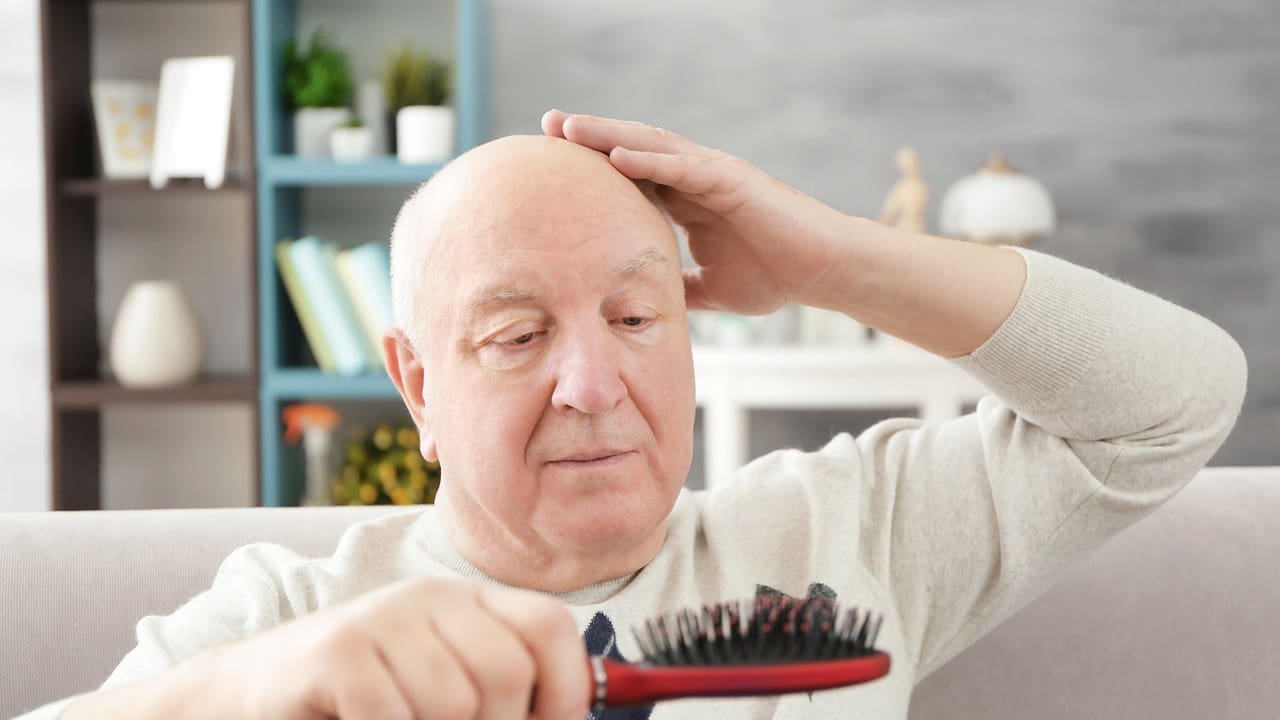
Dealing with brain or pituitary gland tumors is tough. One of the upsetting side effects is hair loss. At Liv Hospital, we know this issue often comes from treatment, not the tumor itself.
Studies show that hair loss is a common side effect of treatments for brain tumors. This is true for radiotherapy and chemotherapy. We focus on the latest care methods and care for our patients. We help them understand what to expect and how to handle these challenges.
Key Takeaways
- Understanding the relationship between brain tumors, pituitary gland tumors, and hair loss.
- Exploring how treatments like radiotherapy and chemotherapy affect hair growth.
- Learning what to expect during treatment for brain or pituitary gland tumors.
- Managing hair loss effectively with the right care and support.
- Liv Hospital’s approach to providing complete care for international patients.
The Relationship Between Brain Tumors and Physical Symptoms
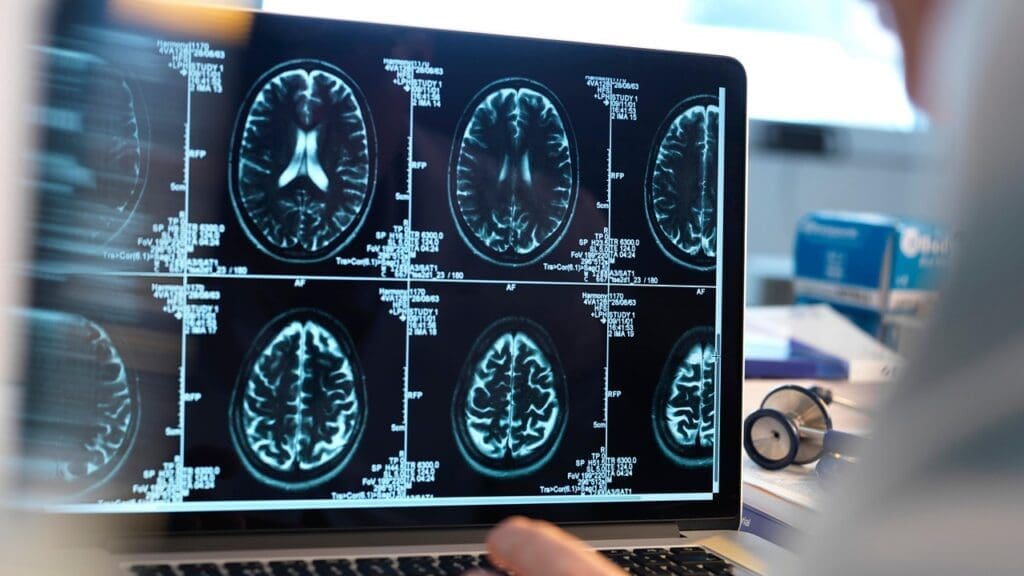
Brain tumors can greatly affect the body, leading to many physical symptoms. These symptoms change based on the tumor’s type and where it is located. We will look at how different brain tumors impact the body.
Types and Locations of Brain Tumors
Brain tumors are divided into primary and secondary types. Primary tumors start in the brain, while secondary ones spread from other parts. Where a tumor is located can greatly affect symptoms. Tumors near important brain areas can cause more severe symptoms.
Common Systemic Effects of Brain Tumors
Brain tumors can lead to symptoms like headaches, seizures, and weakness. These happen because the tumor presses on brain tissue or disrupts brain functions. We will explore these effects further, showing why knowing the tumor’s details is key for treatment.
The symptoms of brain tumors can really impact a patient’s life. By understanding the different types and locations of brain tumors, we can better grasp the challenges of diagnosis and treatment.
Understanding the Pituitary Gland and Its Functions
Knowing how the pituitary gland works is key to understanding its role in health, like hair growth. It’s a small gland at the brain’s base. It helps control many body functions.
Location at the Base of the Brain
The pituitary gland sits in a small space called the sella turcica, at the brain’s base. This spot lets it get signals from the hypothalamus. The hypothalamus controls things like body temperature and hunger. For more on pituitary gland issues, check out page on pituitary tumors.
Role in Hormone Regulation and Hair Growth
The pituitary gland is called the “master gland” because it controls hormone release from other glands. It makes hormones that help with growth, metabolism, and reproduction. It also helps the thyroid gland make hormones important for hair growth.
When hormone levels are off, it can cause hair loss or scalp problems.
Normal Hair Growth Cycle
The hair growth cycle has three phases: anagen, catagen, and telogen. The anagen phase is when hair grows fast. The catagen phase is short, and the telogen phase is when hair rests before falling out and being replaced.
Hormones from the pituitary gland affect how long these phases last and how healthy the hair is.
Can a Brain Tumor Cause Hair Loss? Examining the Evidence
The link between brain tumors and hair loss is complex. Brain tumors themselves don’t usually cause hair loss. But, treatments like radiotherapy and chemotherapy can lead to hair loss.
Direct vs. Indirect Mechanisms
Research shows that brain tumors rarely cause hair loss directly. Instead, hair loss often comes from treatments for the tumor. For example, malignant brain tumors may need aggressive treatment, which can result in hair loss.
Research Findings on Brain Tumors and Hair Loss
Most hair loss from brain tumors comes from treatment, not the tumor itself. A detailed review of studies is shown in the table below:
| Study | Findings | Implications |
|---|---|---|
| Study on Radiotherapy Effects | Hair loss is a common side effect of radiotherapy for brain tumors. | Patients undergoing radiotherapy should be prepared for possible hair loss. |
| Chemotherapy Impact Study | Chemotherapy can cause significant hair loss in patients with brain tumors. | Patients should talk to their healthcare provider about hair loss before starting chemotherapy. |
| Tumor Treatment Outcomes | Treatment outcomes are improving, but hair loss remains a concern. | Ongoing research is needed to reduce treatment side effects like hair loss. |
In summary, brain tumors themselves don’t usually cause hair loss. But, treatments for these tumors can lead to hair loss. Knowing about this can help patients and doctors manage treatment side effects better.
Pituitary Gland Tumors: Specific Effects on the Body
Pituitary gland tumors can greatly affect the body’s hormonal balance. They can cause a variety of symptoms. These tumors happen in the pituitary gland at the brain’s base and can mess with hormone production and regulation.
Hormone Disruptions and Their Consequences
Hormone problems from these tumors can cause many health issues. For example, too much or too little of certain hormones can mess with growth, metabolism, and reproductive processes. It’s very important to know that these issues can affect health and well-being a lot.
Facial Changes and Skin Texture Alterations
Some tumors can also change how the face looks and the skin’s texture. For instance, too much growth hormone can make facial features bigger and change skin texture. These changes can really upset patients and affect their life quality.
Glandular Growth Abnormalities
Pituitary gland tumors can also cause problems with gland growth. This can lead to too much of certain hormones, making symptoms worse. It’s key to understand these effects to grasp the full impact of these tumors.
| Symptom | Description | Hormone Involved |
|---|---|---|
| Facial Changes | Enlargement of facial features | Growth Hormone |
| Skin Texture Alterations | Thickening or coarsening of skin | Growth Hormone |
| Hormonal Imbalance | Disruptions in normal hormone levels | Various Hormones |
Radiotherapy for Brain Tumors: Impact on Hair Follicles
Radiotherapy is a key treatment for brain tumors. But, it can harm hair follicles. We need to know how it affects hair growth and the surrounding tissue.
How Radiation Targets Cancer Cells and Affects Hair
Radiotherapy uses high-energy radiation to kill fast-growing cancer cells. Sadly, it also harms other fast-growing cells, like hair follicles. This can cause hair loss, known as alopecia.
“The radiation oncologist plays a critical role in balancing the need to eradicate cancer cells with the need to minimize damage to surrounding healthy tissues,” as emphasized by medical professionals. We aim to target tumors precisely while protecting nearby tissues, including hair follicles.
Timeline: When Hair Loss Typically Begins After Treatment
Hair loss from radiotherapy usually starts 2-3 weeks into treatment. The amount and length of hair loss vary by treatment area and dose. Sometimes, hair loss is temporary, but it can also be permanent.
Scalp-Specific Radiation Effects
Targeting the scalp with radiotherapy increases hair loss risk. The radiation damages hair follicles, leading to temporary or permanent hair loss. The severity depends on the dose and the patient’s health.
Dealing with hair loss during radiotherapy can be tough. Our healthcare team offers support and guidance. We help patients understand and cope with radiotherapy’s side effects, including hair loss.
Chemotherapy Agents and Their Effects on Hair Growth
Chemotherapy targets fast-growing cells, like cancer and hair follicles. This is why hair loss often happens during treatment.
Mechanisms of Action on Rapidly Dividing Cells
Chemotherapy agents aim to kill fast-growing cancer cells. But, hair follicle cells grow quickly too. So, they get affected, causing hair loss.
Prevalence: Approximately 1 in 4 Patients Experience Hair Loss
About 1 in 4 patients lose a lot of hair during chemotherapy. The amount of hair loss varies. It depends on the treatment, dosage, and the patient’s health.
Temporary vs. Permanent Hair Loss Patterns
Mostly, hair loss from chemotherapy is temporary. After treatment ends, hair usually grows back. But, sometimes, hair loss can be permanent. It depends on the treatment and how the patient reacts.
Dealing with hair loss is tough for those getting chemotherapy. While treating the brain tumor is key, managing side effects is also important. It helps the patient feel better overall.
Hormonal Imbalances: The Connection to Hair Thinning and Alopecia
Hormonal imbalances, often caused by pituitary tumors, can harm hair growth. This leads to thinning and alopecia. The pituitary gland controls hormones that help hair grow. A tumor can upset this balance, causing hair loss.
Endocrine Disruptions from Pituitary Tumors
Pituitary tumors can mess with the endocrine system, causing hormonal imbalances. These imbalances can harm hair growth. Hormone changes can affect hair texture, growth rate, and lead to hair loss.
Specific Hormones That Affect Hair Growth
Certain hormones are key to hair growth. Thyroid hormones, for example, control metabolism and hair cycles. An imbalance in thyroid hormones can cause hair thinning or loss. Sex hormones like estrogen and testosterone also affect hair growth patterns.
Distinguishing Hormonal Hair Loss from Other Types
It’s important to tell hormonal hair loss from other types. Hormonal hair loss often shows as thinning all over the scalp.
“Diagnosing the underlying cause of hair loss is key for effective treatment,”
an endocrinologist, says. Knowing if hair loss is hormonal or not helps choose the right treatment.
Surgical Interventions for Tumor on Pituitary Gland
Surgery is key in treating pituitary gland tumors. It removes the tumor and relieves symptoms. This helps restore hormone balance and improves life quality.
Common Surgical Approaches
Several surgical methods are used to remove these tumors. The most common is endoscopic endonasal surgery. It goes through the nose to reach the gland. This method is less invasive, cuts down recovery time, and leaves less scar.
- Endoscopic Endonasal Surgery: A minimally invasive technique that accesses the pituitary gland through the nose.
- Craniotomy: A more invasive procedure that involves opening part of the skull to access the brain and pituitary gland.
Post-Surgical Hormone Restoration
After surgery, hormone replacement therapy is often needed. This is because the pituitary gland controls many body functions. These include growth, metabolism, and reproductive processes.
Hormone restoration is vital for recovery. It helps patients fully regain their health.
Hair Growth After Successful Tumor Removal
Removing the tumor can help restore hormone balance. This can lead to better hair growth. Patients may see improvements in hair density and texture.
It’s important for patients to keep up with their healthcare provider. This ensures they’re on the right track and treatment plans are adjusted if needed.
What to Expect: Timeline of Hair Changes During Treatment
Knowing what hair changes to expect during treatment for brain or pituitary gland tumors is key. It helps patients get ready for what’s coming. Treatment can really affect hair growth, and knowing this can lessen anxiety and help manage hopes.
Pre-Treatment Preparation
Before starting treatment, it’s important to understand how it might affect your hair. Patients should talk to their healthcare provider about hair loss worries. This talk can help set clear expectations and look into ways to handle hair loss.
During Active Treatment Phase
During treatment, hair changes can happen fast. As one expert says,
“Hair loss is a common side effect of cancer treatment, affecting many patients emotionally and psychologically.”
The timing and how much hair is lost can vary. It depends on the treatment and how each person reacts.
Recovery and Regrowth Patterns
After treatment ends, hair usually starts to grow back. But how fast and how it grows can differ. It’s important for patients to be patient and know that hair growth is slow. Health, treatment type, and post-treatment care all play a role in growth.
Some people might notice changes in hair texture or color after it grows back. Knowing these possible changes can help manage hopes and reduce worry.
Managing and Coping with Treatment-Related Hair Loss
Patients dealing with brain or pituitary gland tumors often face hair loss. This can be tough, but there are ways to handle it.
Practical Strategies and Supportive Care
Using gentle hair care is key. Choose mild shampoos and avoid too much heat styling. Scalp cooling can also help by reducing drug absorption in the scalp.
Psychological Impact and Emotional Support
Hair loss affects patients emotionally. It’s important to talk about these feelings. Seek help from doctors, support groups, or counselors. Emotional support is vital for coping.
Alternative Hair Options During Treatment
Exploring hair alternatives can help. Options include wigs, hats, or scarves. Some places offer free or cheap wigs to cancer patients.
Combining practical steps with emotional support helps patients deal with hair loss during treatment.
Long-Term Outlook: Hair Regrowth After Brain and Pituitary Tumor Treatment
It’s important to know about hair regrowth after treating brain and pituitary tumors. Hair can grow back after treatment, but it takes different times for everyone.
Factors That Influence Recovery
Many things affect hair regrowth after treatment. These include the treatment type, how much radiation or chemotherapy was used, and the patient’s age and health.
Timeframe for Hair Regeneration
Hair usually starts growing back 3 to 6 months after treatment ends. But, it might take up to a year or more for all hair to grow back.
| Timeframe | Hair Regrowth Stage |
|---|---|
| 0-3 months | Hair loss continues or stabilizes |
| 3-6 months | Initial hair regrowth begins |
| 6-12 months | Hair regrowth becomes more pronounced |
When to Seek Additional Help for Persistent Hair Loss
If hair loss lasts more than a year after treatment, or if growth is much less than hoped, see your doctor. They can check and suggest more steps.
Conclusion: Navigating Life After Diagnosis and Treatment
Brain tumors and pituitary gland tumors can really affect a person’s life, including their hair. It’s important for patients to understand how these conditions and treatments work. This helps them deal with their situation better.
We’ve talked about how these tumors can lead to hair loss. We’ve also looked at how different treatments might affect hair growth. Knowing what to expect can help patients prepare for any changes.
Getting the right support during treatment is key. This includes tips for managing hair loss, emotional support, and options for hair during treatment. With the right tools and resources, patients can manage their condition better and feel better overall.
Dealing with life after diagnosis and treatment needs a full approach. By knowing how these tumors can affect hair, patients can better manage their treatment. They can make informed choices about their care.
FAQ
Can a brain tumor directly cause hair loss?
No, brain tumors usually don’t cause hair loss directly. But, treatments like radiotherapy and chemotherapy can lead to hair loss.
How do pituitary gland tumors affect hair growth?
Pituitary gland tumors can mess with hormone production. This can affect hair growth. Hormonal imbalances can cause hair to thin or fall out.
What is the role of the pituitary gland in regulating hair growth?
The pituitary gland is key in controlling hormones that affect hair growth. It helps the hair growth cycle by managing hormones that stimulate hair follicles.
How does radiotherapy for brain tumors impact hair follicles?
Radiotherapy can harm hair follicles, leading to hair loss. The radiation targets fast-growing cells, including cancer cells and hair follicle cells. This damage causes hair loss.
What is the timeline for hair loss after radiotherapy treatment?
Hair loss usually starts a few weeks after radiotherapy begins. The extent and how long it lasts depend on the radiation dose and location.
Can chemotherapy cause permanent hair loss?
Chemotherapy can lead to temporary or permanent hair loss. It depends on the type and dose of the chemotherapy. Some people may regrow hair after treatment, while others may not.
How do hormonal imbalances from pituitary tumors contribute to hair loss?
Hormonal imbalances from pituitary tumors can disrupt hair growth. This can lead to hair thinning or falling out. The specific hormones affected by the tumor can impact hair growth patterns.
What are the common surgical approaches for pituitary gland tumors?
Surgery for pituitary gland tumors often involves transsphenoidal surgery. This method removes the tumor through the sphenoid sinus, minimizing damage to surrounding tissues.
Can hair growth resume after successful removal of a pituitary gland tumor?
Yes, hair growth can resume after removing a pituitary gland tumor. This is because hormone production returns to normal. But, the rate and extent of regrowth vary among individuals.
What are some practical strategies for managing hair loss during treatment?
To manage hair loss, patients can use wigs or hairpieces. Taking care of the scalp is also important. Emotional support from healthcare providers, family, and friends is key.
How long does it take for hair to regrow after treatment completion?
Hair regrowth time varies, but it usually takes several months to a year or more after treatment ends.
When should I seek additional help for persistent hair loss?
If hair loss persists or is concerning, seek help from your healthcare provider. They can find the cause and suggest treatment or management strategies.
Where is a pituitary tumor located?
A pituitary tumor is located in the pituitary gland. This gland is at the base of the brain.
FAQ
Can a brain tumor directly cause hair loss?
No, brain tumors usually don’t cause hair loss directly. But, treatments like radiotherapy and chemotherapy can lead to hair loss.
How do pituitary gland tumors affect hair growth?
Pituitary gland tumors can mess with hormone production. This can affect hair growth. Hormonal imbalances can cause hair to thin or fall out.
What is the role of the pituitary gland in regulating hair growth?
The pituitary gland is key in controlling hormones that affect hair growth. It helps the hair growth cycle by managing hormones that stimulate hair follicles.
How does radiotherapy for brain tumors impact hair follicles?
Radiotherapy can harm hair follicles, leading to hair loss. The radiation targets fast-growing cells, including cancer cells and hair follicle cells. This damage causes hair loss.
What is the timeline for hair loss after radiotherapy treatment?
Hair loss usually starts a few weeks after radiotherapy begins. The extent and how long it lasts depend on the radiation dose and location.
Can chemotherapy cause permanent hair loss?
Chemotherapy can lead to temporary or permanent hair loss. It depends on the type and dose of the chemotherapy. Some people may regrow hair after treatment, while others may not.
How do hormonal imbalances from pituitary tumors contribute to hair loss?
Hormonal imbalances from pituitary tumors can disrupt hair growth. This can lead to hair thinning or falling out. The specific hormones affected by the tumor can impact hair growth patterns.
What are the common surgical approaches for pituitary gland tumors?
Surgery for pituitary gland tumors often involves transsphenoidal surgery. This method removes the tumor through the sphenoid sinus, minimizing damage to surrounding tissues.
Can hair growth resume after successful removal of a pituitary gland tumor?
Yes, hair growth can resume after removing a pituitary gland tumor. This is because hormone production returns to normal. But, the rate and extent of regrowth vary among individuals.
What are some practical strategies for managing hair loss during treatment?
To manage hair loss, patients can use wigs or hairpieces. Taking care of the scalp is also important. Emotional support from healthcare providers, family, and friends is key.
How long does it take for hair to regrow after treatment completion?
Hair regrowth time varies, but it usually takes several months to a year or more after treatment ends.
When should I seek additional help for persistent hair loss?
If hair loss persists or is concerning, seek help from your healthcare provider. They can find the cause and suggest treatment or management strategies.
Where is a pituitary tumor located?
A pituitary tumor is located in the pituitary gland. This gland is at the base of the brain.
References
- American Cancer Society (Coping with Hair Loss) : https://www.cancer.org/cancer/managing-cancer/side-effects/hair-skin-nails/hair-loss/coping-with-hair-loss.html
- Cancer Research UK (Radiotherapy Side Effects for Brain Tumours) : https://www.cancerresearchuk.org/about-cancer/brain-tumours/treatment/radiotherapy/side-effects
- PMC – PubMed Central : https://pmc.ncbi.nlm.nih.gov/articles/PMC3876007
- UCLA Health (Pituitary Tumor Patient Education) : https://www.uclahealth.org/medical-services/surgery/endocrine-surgery/patient-resources/patient-education/endocrine-surgery-encyclopedia/pituitary-tumor
- GammaTile (Brain Tumors: Treatment and Hair Loss) : https://gammatile.com/brain-tumors/treatment-hair-loss