Last Updated on November 27, 2025 by Bilal Hasdemir

Ever felt your heart racing or fluttering when you’re really stressed? You’re not alone. At Liv Hospital, we get how anxiety and heart palpitations are linked. We focus on you to figure out how stress and anxiety can make your heart skip a beat.
Recent studies show it’s key to check your heart when you feel anxious. They help us tell if your heart issues are from anxiety or something more serious like atrial fibrillation (AFib). We learn how anxiety makes your heart beat faster or irregularly. Knowing this helps us find the right treatment for you.
Key Takeaways
- Anxiety can trigger the body’s fight-or-flight response, causing irregular heartbeats.
- Clinical evaluation is key to tell anxiety symptoms from heart problems.
- Understanding anxiety’s link to heart palpitations is important for correct diagnosis.
- Anxiety-induced palpitations are different from atrial fibrillation (AFib) in cause.
- Right diagnosis and treatment depend on knowing the anxiety-heart palpitations connection.
Understanding Heart Palpitations: What They Are and How They Feel
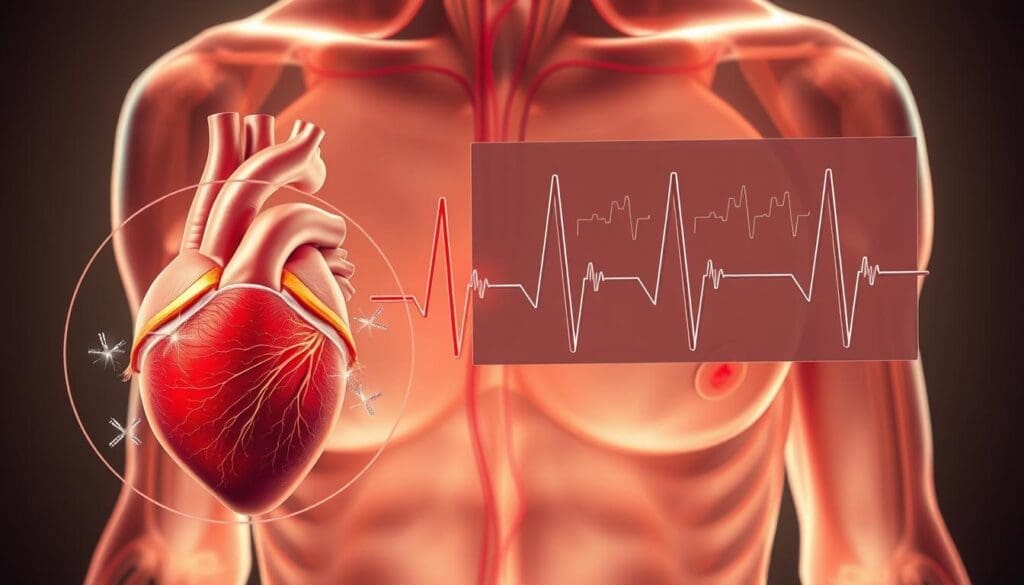
When anxiety hits, it can make your heart feel irregular. This is known as heart palpitations.
Heart palpitations are when your heart beats in an odd way. It might feel like it’s pounding or fluttering. People with anxiety often feel their heart racing or beating oddly.
Describing the Sensation
The feeling of heart palpitations can be scary. It’s like your heart is pounding or fluttering. Some might feel their heart skipping beats or racing too fast.
Many with anxiety complain about palpitations. Knowing what heart palpitations are helps us tell them apart from other heart issues like atrial fibrillation.
| Sensation | Description | Common Causes |
|---|---|---|
| Pounding | A strong, forceful heartbeat | Anxiety, stress |
| Fluttering | A feeling of rapid, irregular heartbeats | Anxiety, caffeine |
| Skipping a beat | A sensation of missed heartbeats | Anxiety, fatigue |
Understanding heart palpitations helps us know they’re different from other heart problems. This way, we can get the right help when we need it.
The Physiology of Anxiety: Fight-or-Flight Response
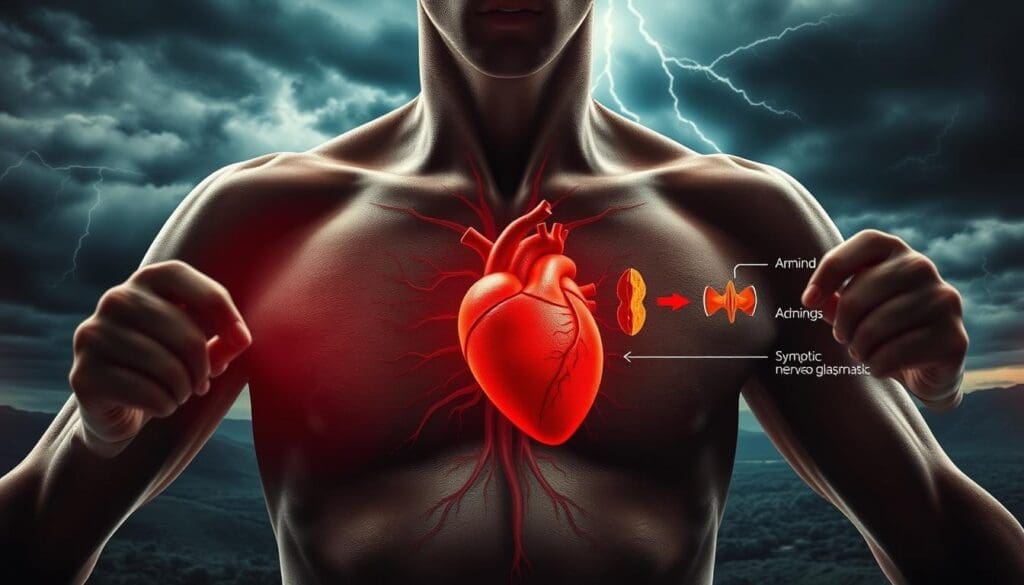
When anxiety hits, our body starts a complex response called the fight-or-flight response. This ancient reaction gets us ready to face the threat or run away. Stress hormones, like adrenaline, play a big role in this process, affecting many parts of our body.
The fight-or-flight response kicks in when we feel threatened. It’s like our body’s way of saying, “Get ready to fight or run!” This response is controlled by the sympathetic nervous system, a part of our autonomic nervous system.
Key physiological changes during the fight-or-flight response include:
- Increased heart rate and blood pressure
- Rapid breathing
- Tension in muscles
- Release of glucose into the bloodstream for energy
These changes help us react to threats. But, when anxiety triggers this response without a real danger, it can cause uncomfortable symptoms. This is because our body is ready to act but has nowhere to go.
Understanding the fight-or-flight response helps us see how anxiety affects our heart and body. Knowing how anxiety works on a physical level is key to managing it.
The connection between anxiety and the fight-or-flight response shows how our mind and body work together. It’s important to treat anxiety as a whole, not just a mental issue.
Can Anxiety Cause Heart Palpitations? The Scientific Connection
Anxiety triggers our body’s stress response, which can lead to heart palpitations. This happens because anxiety activates the fight-or-flight response. It releases stress hormones like adrenaline.
The Physiological Response to Anxiety
Stress hormones can change our heart rate and rhythm, causing palpitations. This response is meant to get us ready for action. But today, it can be triggered by things like public speaking or financial worries.
Research shows anxiety can cause heart symptoms, including palpitations. Studies prove a link between anxiety and heart palpitations. People with anxiety disorders are more likely to have palpitations.
- Anxiety triggers the release of stress hormones, which can affect heart rate and rhythm.
- The fight-or-flight response prepares the body for action, potentially leading to heart palpitations.
- Individuals with anxiety disorders are more likely to experience heart palpitations.
Understanding the Impact
It’s important to know how anxiety affects the heart. By understanding this, we can manage symptoms better. This helps improve our heart health.
Statistics: How Common Are Anxiety-Related Palpitations?
Anxiety-related palpitations are quite common. Studies show a strong connection between anxiety and heart palpitations. Many people with anxiety disorders experience these symptoms.
Recent studies found that up to 30 percent of those with anxiety disorders have palpitations. This shows how anxiety can affect the heart. Knowing this helps doctors and patients deal with these symptoms better.
Prevalence of Anxiety-Related Palpitations
| Population Studied | Percentage Reporting Palpitations |
|---|---|
| General Population with Anxiety Disorders | Up to 30% |
| Patients with Diagnosed Anxiety Conditions | 25-40% |
| Individuals Experiencing Anxiety Symptoms | 15-25% |
These numbers show we need to be aware of anxiety-related palpitations. Knowing how common they are helps doctors give better care.
We know anxiety-related palpitations are a big worry for many. By sharing these statistics, we aim to help understand and manage these symptoms better.
Recognizing Anxiety-Induced Heart Palpitations: Key Symptoms
It’s important to know the signs of anxiety-induced heart palpitations. These signs can vary from person to person. So, it’s key to recognize them.
People with anxiety-induced heart palpitations might show signs like trembling or shaking, sweating, and shortness of breath. These signs can help tell if it’s anxiety or another heart issue.
Each person’s symptoms can be different. Some might feel their heart racing or beating irregularly. Others might feel a pounding or fluttering in their chest. Spotting these signs is important for getting the right medical check-up.
To get a better idea of the symptoms, look at this table:
| Symptom | Description | Frequency |
|---|---|---|
| Trembling/Shaking | Involuntary shaking or trembling, often accompanying palpitations | Common |
| Sweating | Excessive sweating, potentially accompanied by cold sweats | Common |
| Shortness of Breath | Difficulty breathing or feeling winded without exertion | Common |
| Rapid/Irregular Heartbeat | Feeling of the heart racing or beating irregularly | Very Common |
Knowing these symptoms can help you deal with your condition better. It’s vital to talk to a doctor for a proper check-up and diagnosis.
Atrial Fibrillation (AFib): Understanding the Condition
Atrial fibrillation (AFib) is a serious heart condition that needs quick medical help. It causes an irregular and fast heart rate. This can lead to symptoms and serious health problems.
AFib happens when the heart’s upper chambers (atria) beat irregularly. This irregular heartbeat can cause blood clots. These clots can lead to a stroke or other heart problems. It’s important to know the risks of AFib to manage it well.
“Atrial fibrillation is a common heart rhythm problem that affects millions,” says a top cardiologist. “It’s key to tell AFib apart from other heart issues, like anxiety-induced palpitations, to get the right treatment.”
The symptoms of AFib vary but often include heart palpitations, shortness of breath, and tiredness. Some people with AFib might not notice any symptoms. So, regular check-ups are important for catching it early.
Key signs of AFib include:
- Irregular heartbeat
- Rapid heart rate
- Palpitations
- Shortness of breath
- Fatigue
Knowing these signs helps tell AFib apart from anxiety-induced palpitations. While anxiety palpitations are usually not dangerous, AFib can cause serious problems if not treated.
Distinguishing Between Anxiety Palpitations and AFib
It’s important to know the difference between anxiety-induced heart palpitations and AFib. Both can cause irregular heartbeats, but they have different causes and symptoms. A doctor’s evaluation is key to tell them apart and give the right treatment.
Rhythm Patterns and Sensations
Anxiety palpitations and AFib have different heart rhythm patterns and feelings. Palpitations from anxiety might feel like skipped beats or fluttering in the chest. This usually happens when someone is stressed or anxious. AFib, on the other hand, has a rapid and irregular heart rhythm that lasts longer.
Triggering Factors
What causes anxiety palpitations and AFib is different. Palpitations from anxiety are often set off by stress, anxiety, or lifestyle choices. AFib, though, can be caused by age, heart disease, and other health issues. Knowing what triggers palpitations helps doctors figure out the cause.
Duration and Resolution
Anxiety palpitations and AFib have different lengths and how they end. Palpitations from anxiety are episodic and stop when the person relaxes or gets away from stress. AFib episodes, though, can last longer and might need medical help to fix.
| Characteristics | Anxiety Palpitations | AFib |
|---|---|---|
| Rhythm Pattern | Skipped beats or fluttering | Rapid and irregular |
| Triggers | Stress, anxiety, lifestyle factors | Age, heart disease, medical conditions |
| Duration | Episodic, resolves with calm | Can be persistent, requires medical intervention |
In conclusion, knowing the differences between anxiety palpitations and AFib is key. Understanding their rhythm patterns, triggers, and how long they last helps doctors give better care. This ensures patients get the right treatment for their condition.
Panic Attacks and Heart Palpitations: The Intense Connection
Panic attacks can cause intense heart palpitations, a symptom that often causes a lot of distress. During a panic attack, the body’s “fight-or-flight” response is triggered. This leads to symptoms like a rapid or irregular heartbeat.
Heart palpitations during a panic attack can be very scary. These palpitations are not just a result of anxiety. They can also make the fear worse, creating a cycle of fear and anxiety.
Understanding the Symptoms
The symptoms of panic attack-related heart palpitations can vary. Some common descriptions include:
- A pounding or racing heartbeat
- A sensation of skipped beats
- An irregular heart rhythm
These symptoms are usually temporary and go away once the panic attack ends. But knowing what causes them is key to managing them well.
| Characteristics | Panic Attack Palpitations | AFib |
|---|---|---|
| Duration | Typically short-lived, lasting minutes | Can persist for hours, days, or longer |
| Trigger | Often triggered by anxiety or stress | Various triggers, including underlying heart conditions |
| Sensation | Pounding, racing, or irregular heartbeat | Irregular, often described as quivering or fluttering |
By understanding the differences between panic attack-related palpitations and conditions like Atrial Fibrillation (AFib), individuals can better navigate their symptoms. They can also seek the right care when needed.
When to Seek Medical Attention for Heart Palpitations
Heart palpitations are usually not serious, but sometimes they are. They can be a sign of a bigger problem. We’ll talk about when you should get help right away and what tests you might have.
Warning Signs That Require Immediate Care
If you have these symptoms with heart palpitations, get help fast:
- Chest pain or discomfort: This could be a sign of a heart-related issue.
- Dizziness or lightheadedness: Feeling faint or dizzy can indicate a serious underlying condition.
- Shortness of breath: Difficulty breathing or feeling winded even when sitting is a red flag.
- Severe headache or confusion: These could be signs of a more complex issue.
Medical experts say, “If you have heart palpitations with chest pain or severe dizziness, get help right away.”
“The presence of symptoms such as chest pain, shortness of breath, or dizziness alongside heart palpitations warrants immediate medical evaluation to rule out serious conditions.”
Diagnostic Tests to Expect
When you see a doctor for heart palpitations, they might do several tests. These include:
- Electrocardiogram (ECG): This test measures the electrical activity of your heart.
- Holter monitor: A portable device that records your heart’s activity over 24 to 48 hours.
- Echocardiogram: An ultrasound test that provides images of your heart’s structure and function.
- Blood tests: To check for underlying conditions such as thyroid disorders or electrolyte imbalances.
Knowing when to get medical help for heart palpitations is important. Being aware of the tests you might have can help you get the right care. If you’re worried, talk to your doctor.
Managing Anxiety-Related Heart Palpitations
Managing anxiety-related heart palpitations needs a mix of lifestyle changes, relaxation methods, and sometimes medical help. These steps are key to bettering your life quality. Finding the right mix of strategies is essential.
Lifestyle Modifications
Making lifestyle changes is important for managing heart palpitations. Reducing or eliminating stimulants like caffeine and nicotine can help. Also, regular exercise can lower anxiety and improve heart health.
Eating a healthy diet full of fruits, veggies, whole grains, and lean proteins is good for your heart. It’s also wise to limit alcohol and avoid drugs, as they can make palpitations worse.
Relaxation Techniques
Relaxation techniques are key for managing stress and anxiety. Deep breathing exercises, progressive muscle relaxation, and meditation can calm your mind and body. This can reduce palpitations.
Doing yoga or mindfulness practices is also helpful. These activities combine physical movement with mental relaxation, improving overall well-being.
Medical Interventions
Sometimes, medical help is needed for anxiety-related heart palpitations. Consulting with a healthcare professional is vital to find the right treatment. This might include beta-blockers or other medications to control heart rhythm and anxiety.
Cognitive-behavioral therapy (CBT) is also effective for managing anxiety. It helps change negative thought patterns and behaviors that cause anxiety.
The Relationship Between Chronic Anxiety and Heart Health
Research shows that chronic anxiety can harm heart health and raise the risk of heart disease. Anxiety triggers the body’s fight-or-flight response, releasing stress hormones like adrenaline and cortisol. These hormones help us react to threats but can harm the heart if present for too long.
Studies have found that people with chronic anxiety face a higher risk of heart problems. For example, a study in the Journal of the American College of Cardiology linked anxiety disorders to a higher risk of heart disease. This includes heart attacks, sudden cardiac death, and strokes.
- Increased heart rate and blood pressure
- Inflammation and oxidative stress
- Disrupted autonomic nervous system balance
- Unhealthy behaviors such as smoking, poor diet, and lack of exercise
These factors can lead to heart disease over time. Anxiety can also make it harder to manage heart conditions. It’s important for doctors to treat both the physical and mental health of patients.
We know that managing chronic anxiety is key for heart health. Understanding the link between anxiety and heart disease helps us find better ways to prevent and treat it. This includes lifestyle changes, relaxation techniques, and medical treatments tailored to each person.
Key strategies for reducing anxiety’s impact on heart health include:
- Regular exercise and physical activity
- A balanced diet rich in fruits, vegetables, and whole grains
- Stress management techniques such as meditation and deep breathing
- Adequate sleep and relaxation
- Social support from family, friends, or support groups
By using these strategies and working with healthcare providers, people can lower their risk of heart disease. This improves their overall health and well-being.
Conclusion: Finding Peace of Mind About Your Heart
It’s important to know how anxiety and heart palpitations are linked. This knowledge helps in getting the right treatment. By understanding the symptoms, people can manage their heart health better.
Anxiety can make your heart beat fast because of the body’s stress response. To deal with this, making lifestyle changes and using relaxation techniques is helpful. Sometimes, medical help is needed too. These steps can help ease symptoms and lower health risks.
Getting a proper diagnosis and treatment can make you feel better about your heart. Knowing how anxiety affects your heart helps in managing symptoms. This approach is key to avoiding heart problems and improving your life quality.
FAQ
Can stress and anxiety cause heart palpitations?
Yes, stress and anxiety can lead to heart palpitations. This happens because stress hormones like adrenaline affect the heart’s rate and rhythm.
What is the difference between atrial fibrillation (AFib) and anxiety-induced heart palpitations?
AFib is a serious heart condition with an irregular heartbeat. Anxiety-induced palpitations are caused by stress. Knowing the difference is key for the right treatment.
Can anxiety cause heart flutters or palpitations?
Yes, anxiety can cause heart flutters or palpitations. This is because stress hormones affect the heart’s rate and rhythm.
How do panic attacks affect heart palpitations?
Panic attacks can cause severe heart symptoms, including palpitations. This is due to the intense release of stress hormones during an attack.
What are the key symptoms associated with anxiety-induced heart palpitations?
People with anxiety-induced heart palpitations may also feel trembling, sweating, and shortness of breath.
How can I differentiate between anxiety palpitations and AFib?
Knowing the rhythm patterns, sensations, triggers, and episode duration can help tell anxiety palpitations from AFib.
When should I seek medical attention for heart palpitations?
Seek immediate medical help if you have chest pain, dizziness, or shortness of breath. A doctor will do tests to find out why you have palpitations.
Can chronic anxiety affect heart health?
Yes, chronic anxiety can raise the risk of heart problems, including cardiovascular disease. It’s important to manage anxiety well.
What strategies can help manage anxiety-related heart palpitations?
Making lifestyle changes, using relaxation techniques, and getting medical help can help with anxiety-related heart palpitations.
Are anxiety-induced heart palpitations common?
Yes, many people with anxiety disorders experience heart palpitations. This shows the need for proper diagnosis and treatment.
Can anxiety cause atrial fibrillation (AFib)?
Anxiety can lead to heart palpitations but doesn’t directly cause AFib. Yet, anxiety can make heart conditions worse.
Reference links:
“Anxiety & Heart Palpitations — Heart Palpitations and Anxiety” – Verywell Health. https://www.verywellhealth.com/how-to-stop-heart-palpitations-due-to-anxiety-8347544 Verywell Health
“Can anxiety cause atrial fibrillation?” – Medical News Today. https://www.medicalnewstoday.com/articles/can-anxiety-cause-atrial-fibrillation Medical News Today
“The Fundamental Basis of Palpitations: A Neurocardiology Approach” – Current Cardiology Reviews. https://www.eurekaselect.com/article/117796 EurekaSelect
“Meta-Analysis of Anxiety as a Risk Factor for Cardiovascular Disease” – The American Journal of Cardiology. https://www.ajconline.org/article/S0002-9149%2816%2930944-4/fulltext ajconline.org
“Psychological factors and risk of atrial fibrillation: A meta-analysis” – Elsevier. https://www.sciencedirect.com/science/article/abs/pii/S0167527322007598