Last Updated on November 26, 2025 by Bilal Hasdemir

How can you get colon cancer? Learn the 10 worst risk factors. This guide helps you identify and manage your personal risk.
Genetic, lifestyle, and environmental factors all play a part in colon cancer risk. If you have a family history of colon cancer, your risk goes up, even more so if it’s in first-degree relatives. Your diet and how active you are also affect your risk.
Key Takeaways
- Colon cancer risk is influenced by a mix of genetic and lifestyle factors.
- A family history of colon cancer increases an individual’s risk.
- Lifestyle factors such as diet and physical activity level impact colon cancer risk.
- Early detection and prevention are key in managing colon cancer.
- Understanding your personal risk factors is vital for preventing colon cancer.
The Growing Concern: Colorectal Cancer Statistics and Impact
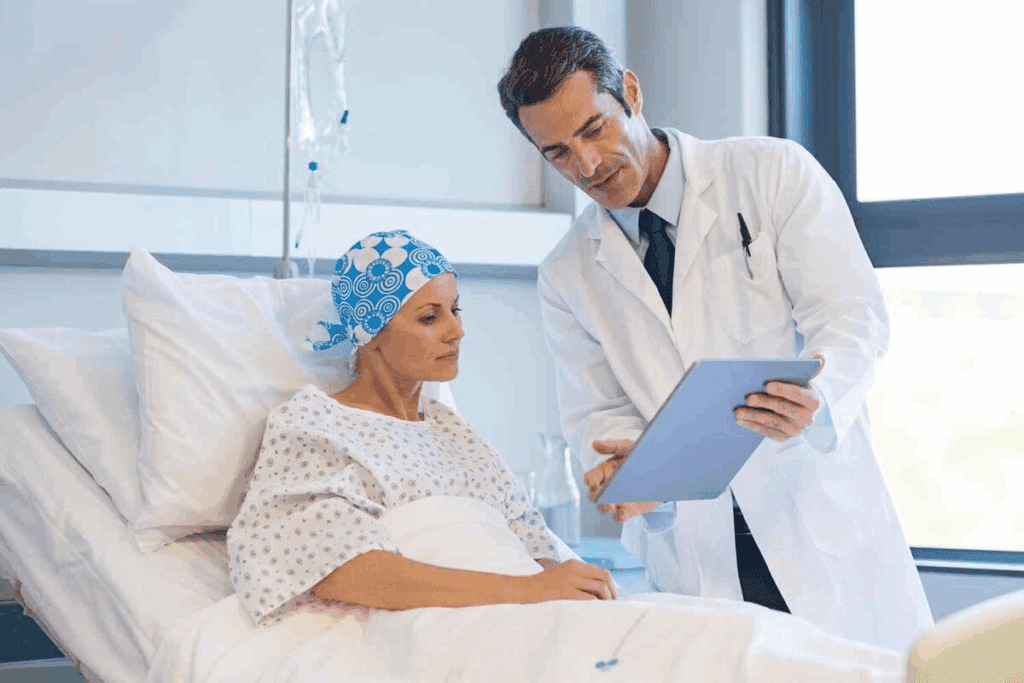
Colorectal cancer is a major concern worldwide, leading to many deaths. It’s a big health issue globally and in the U.S.
Global and U.S. Prevalence
Colon cancer is a common cancer in the U.S. The risk goes up with age, mainly after 50. It’s also a top cancer globally.
The numbers are alarming:
- The American Cancer Society says over 100,000 new cases of colon cancer will be diagnosed in the U.S. each year.
- Worldwide, new cases of colorectal cancer are expected to rise by 60% by 2030.
- In the U.S., it’s the third leading cause of cancer deaths.
Mortality Rates and Survival Statistics
Mortality rates for colorectal cancer have dropped thanks to better screening and treatment. But, survival chances depend a lot on when it’s found.
| Stage at Diagnosis | 5-Year Survival Rate |
| Localized | 90% |
| Regional | 71% |
| Distant | 14% |
Screening early is key to better survival rates. Knowing these stats helps spread the word and encourage screenings for those at risk.
How Can You Get Colon Cancer? Understanding the Development Process

It’s important to know how colon cancer starts to spot risks and take steps to prevent it. Colon cancer grows from normal cells turning into cancer cells. This is a complex process.
It often starts with polyps, which are abnormal growths inside the colon or rectum. Most polyps are harmless, but some can turn into cancer over time.
From Polyps to Cancer: The Progression
The change from polyps to cancer happens through genetic changes. These changes can be influenced by genes and the environment. Removing polyps early can stop colon cancer from developing.
The Interplay Between Genetic and Environmental Factors
Genes and the environment both play big roles in colon cancer. Genes can carry inherited syndromes. The environment includes diet, smoking, and lifestyle choices.
| Risk Factor | Description | Impact on Colon Cancer Risk |
| Genetic Predisposition | Inherited syndromes such as Lynch Syndrome and Familial Adenomatous Polyposis | Increased risk due to genetic mutations |
| Diet | High consumption of red and processed meat, low fiber intake | Increased risk due to dietary factors |
| Smoking | Tobacco use | Increased risk due to carcinogens in tobacco |
Knowing how these factors work together helps us find who’s at higher risk. This way, we can take steps to prevent colon cancer.
Family History: A Critical Risk Factor
A family history of colon cancer greatly increases a person’s risk of getting the disease. This is even more true for those with a close relative who has had colon cancer.
First-Degree Relatives and Risk Doubling
Having a first-degree relative (like a parent, sibling, or child) with colon cancer almost doubles your risk. This shows how important it is to know your family’s health history.
Multiple Affected Family Members
If multiple family members have colon cancer, the risk goes up even more. This might mean there’s a genetic or environmental factor at play in your family.
Age of Diagnosis in Relatives
The age of diagnosis in relatives matters a lot. If a relative was diagnosed young, the risk to others might be even higher. This means it’s key to be aware and possibly get screened earlier if you have a big family history.
Knowing these factors can help find people who should get screened early. This could lower their chance of getting colon cancer.
Genetic Syndromes That Significantly Increase Risk
Some genetic syndromes greatly raise the risk of colon cancer. These conditions come from inherited mutations that make people more likely to get colorectal cancer. Knowing about these syndromes is key for catching cancer early and preventing it.
Lynch Syndrome (Hereditary Non-Polyposis Colorectal Cancer)
Lynch syndrome, also known as hereditary non-polyposis colorectal cancer (HNPCC), is a common genetic syndrome linked to colon cancer. It’s caused by mutations in DNA mismatch repair genes like MLH1, MSH2, MSH6, and PMS2. People with Lynch syndrome face a higher risk of colorectal cancer and other cancers like endometrial, ovarian, and gastric cancers.
Familial Adenomatous Polyposis (FAP)
Familial adenomatous polyposis (FAP) is a genetic syndrome that greatly increases colon cancer risk. It’s caused by mutations in the APC gene. FAP leads to hundreds to thousands of polyps in the colon and rectum. Without treatment, people with FAP almost always get colorectal cancer by age 40.
Other Hereditary Conditions
There are other hereditary conditions that also raise colon cancer risk. These include:
- Attenuated Familial Adenomatous Polyposis (AFAP)
- MUTYH-associated polyposis (MAP)
- Peutz-Jeghers Syndrome
- Juvenile Polyposis Syndrome
These conditions are less common but are serious. Genetic testing and counseling are vital for those with a family history of these conditions.
| Genetic Syndrome | Cause | Risk |
| Lynch Syndrome | Mutations in DNA mismatch repair genes | High risk of colorectal, endometrial, ovarian, and gastric cancers |
| Familial Adenomatous Polyposis (FAP) | Mutations in the APC gene | Nearly 100% risk of colorectal cancer by age 40 |
| Attenuated Familial Adenomatous Polyposis (AFAP) | Mutations in the APC gene | Later onset of colorectal cancer compared to FAP |
Age and Personal Medical History Considerations
Age and personal medical history are key in figuring out colon cancer risk. As people get older, their chance of getting colon cancer goes up a lot. Knowing this helps set up the right screening schedule and prevention steps.
Age-Related Risk Increases
The risk of colon cancer goes up with age, with most cases in people over 50. The American Cancer Society says most cases are in those 65 or older. This age factor is very important for screening guidelines.
Age Group Risk Level Recommended Screening Frequency 50-75 High Every 10 years (colonoscopy) 76 and above High Discuss with healthcare provider Below 50 Varies Based on family history and other risk factors
| Age Group | Risk Level | Recommended Screening Frequency |
| 50-75 | High | Every 10 years (colonoscopy) |
| 76 and above | High | Discuss with healthcare provider |
| Below 50 | Varies | Based on family history and other risk factors |
Previous Colorectal Polyps or Cancer
People with a history of colorectal polyps or cancer face a higher risk of new polyps or cancer. This is because the conditions that caused the first polyps or cancer might not be gone. It’s important to keep up with regular checks to catch and remove new polyps early.
“Surveillance colonoscopy is recommended for individuals with a history of colorectal polyps or cancer to prevent the development of new cancers.”
American Gastroenterological Association
Inflammatory Bowel Disease Impact
Inflammatory bowel disease (IBD), like ulcerative colitis and Crohn’s disease, raises the risk of colon cancer. The ongoing inflammation from IBD can lead to cancer over time. It’s key to manage IBD and get regular colonoscopies to catch any problems early.
Understanding how age and personal medical history affect colon cancer risk helps people take steps to prevent and catch it early. Regular screenings and a healthy lifestyle are important for lowering colon cancer risk.
Dietary Factors That Influence Colon Cancer Risk
Certain foods can increase the risk of colon cancer. Knowing which foods to avoid can help lower this risk.
Red and Processed Meat Consumption
Eating a lot of red and processed meats can raise colon cancer risk. Processed meats are known to be harmful by the World Health Organization. The high fat, preservatives, and cooking methods are thought to be the culprits.
Choosing lean proteins and plant-based foods can help. Opting for lean proteins and alternative protein sources like poultry, fish, and plants can reduce this risk.
Low-Fiber, High-Fat Dietary Patterns
A diet low in fiber and high in fat increases colon cancer risk. High-fiber foods, on the other hand, can help reduce this risk by promoting regular bowel movements and supporting a healthy gut microbiome.
Eating more fruits, vegetables, and whole grains is advised. Aiming for a balanced diet that is rich in nutrients and fiber can improve health and lower colon cancer risk.
Protective Foods and Nutrients
Some foods and nutrients may protect against colon cancer. Foods high in antioxidants, such as fruits and vegetables, can help reduce oxidative stress, which is linked to cancer.
Also, calcium and vitamin D have been suggested to have protective effects. Getting enough of these nutrients through food or supplements, with a doctor’s advice, is beneficial.
Making smart food choices can help prevent colon cancer. A diet full of fruits, vegetables, whole grains, and lean proteins is essential for good health.
Physical Activity and Body Weight: Key Modifiable Factors
Regular exercise and a healthy weight are key to lowering colon cancer risk. Knowing how sedentary lifestyles and obesity affect us helps us make better choices. This way, we can lower our risk of getting colon cancer.
Sedentary Lifestyle Risks
Being too inactive raises the risk of colon cancer. Sitting for long periods can cause insulin resistance and inflammation. These are factors that can lead to cancer. Try to move more and add physical activity to your day to fight these risks.
- Limit screen time and other sedentary activities
- Take short walks or do stretching exercises during the day
- Do regular activities like walking, cycling, or swimming
Obesity and Metabolic Syndrome
Being overweight and having metabolic syndrome increase colon cancer risk. Too much body fat, mainly around the belly, causes inflammation and insulin resistance. This makes it easier for cancer cells to grow. Keep a healthy weight with a balanced diet and exercise is key.
- Keep a healthy BMI with diet and exercise
- Watch your waist size to reduce belly fat
- Eat more fruits, vegetables, and whole grains
Exercise Recommendations for Risk Reduction
Exercise is a big part of preventing colon cancer. The American Cancer Society suggests at least 150 minutes of moderate or 75 minutes of vigorous activity weekly. Adding strength training to your routine can offer more benefits.
By adding exercise to your daily routine and keeping a healthy weight, you can lower your colon cancer risk. Making these lifestyle changes is important to protect yourself from this disease.
Tobacco and Alcohol: Significant Lifestyle Risk Factors
Lifestyle choices, like using tobacco and alcohol, greatly affect colon cancer risk. These substances have a well-known link to colon cancer. It’s important to be aware and take steps to prevent it.
Smoking’s Impact on Colorectal Cancer Development
Smoking tobacco increases the risk of colon cancer. Tobacco smoke’s chemicals harm cell DNA, causing cancer. Research shows smokers face a higher risk than non-smokers.
Key statistics on smoking and colon cancer risk:
| Category | Risk Level |
| Smokers | Increased risk |
| Non-smokers | Lower risk |
| Former smokers | Risk decreases over time after quitting |
Alcohol Consumption Guidelines and Risk
Drinking alcohol also raises colon cancer risk. Heavy drinking is linked to more cancers, including colon cancer. Alcohol’s harmful effects come from how it’s broken down in the body.
Cessation Benefits and Timeline
Stopping smoking and drinking less can lower colon cancer risk. Quitting benefits grow over time, getting closer to non-users’ risks after a few years.
- Within 5 years of quitting smoking, the risk of colon cancer begins to decrease.
- Reducing alcohol intake to moderate levels can also lower colon cancer risk.
Knowing the risks of tobacco and alcohol helps people make choices to lower colon cancer risk. Prevention and early detection are vital in fighting this disease.
Screening Recommendations: The Power of Early Detection
Knowing about screening recommendations is vital for fighting colon cancer. Screening helps find and manage risks early. It’s a key part of preventing colon cancer.
Screening Methods and Their Effectiveness
There are many colon cancer screening options. Each has its own strengths and when to use them. Here are a few:
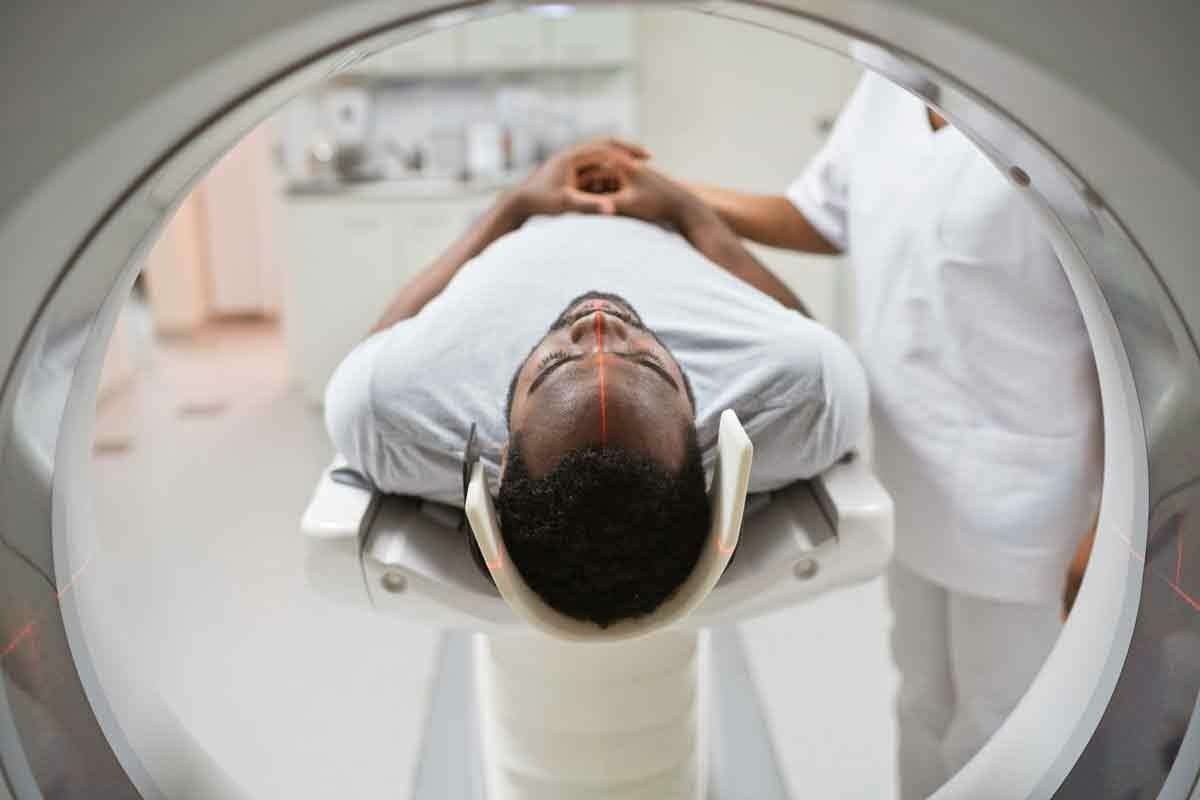
- Colonoscopy: Seen as the best way to find and remove polyps.
- Stool Tests: These tests look for blood or DNA in stool, signs of cancer.
- CT Colonography: Uses X-rays to see inside the colon and rectum.
Health experts say “Early detection is key to surviving colon cancer”. Picking the right screening is very important. Colonoscopy is top for finding and stopping cancer.
Age-Based Guidelines for Average-Risk Individuals
People at average risk should start colon cancer screening at 45. The type and how often you get screened depends on you and your health history.
“The American Cancer Society recommends that adults with an average risk of colon cancer start regular screening at age 45.”
Modified Schedules for High-Risk Groups
Those at higher risk, like those with family history or genetic syndromes, might need to start screening sooner or more often. A doctor will decide the best schedule for you.
Following screening recommendations can greatly lower your colon cancer risk. Early detection through screening is a strong way to prevent and treat colorectal cancer.
Preventive Strategies to Reduce Your Risk
By adding certain habits to your daily routine, you can lower your risk of colon cancer. This includes making lifestyle changes and, for some, using chemoprevention.
Evidence-Based Lifestyle Modifications
Changing your lifestyle is key to preventing colon cancer. Eating a healthy diet full of fruits, veggies, and whole grains helps a lot. It’s also wise to cut down on red and processed meats, as they can increase your risk.
- Add colorful veggies and fruits to your meals.
- Opt for whole grains over refined ones.
- Stick to no more than 18 ounces of red meat a week.
Chemoprevention Options
If you’re at higher risk, some medicines can help protect you from colon cancer. Aspirin and other NSAIDs might have chemopreventive benefits.
| Medication | Potential Benefit | Risks/Considerations |
| Aspirin | Lower risk of colon cancer | Risk of stomach bleeding |
| NSAIDs | May lower colon cancer risk | Can harm heart and stomach |
Integrating Prevention into Daily Life
Making prevention a part of your daily routine is easy. Regular exercise and keeping a healthy weight are essential. Also, avoid smoking and drink less alcohol to lower your risk.
- Do at least 150 minutes of moderate exercise weekly.
- Keep a healthy weight with diet and exercise.
- Don’t smoke and drink alcohol in moderation.
By adopting these lifestyle changes and considering chemoprevention when needed, you can greatly reduce your colon cancer risk.
Advanced Care Options for High-Risk Individuals
For those at high risk of colon cancer, advanced care is key. This includes genetic counseling and specialized surveillance. These methods help in early detection and prevention.
Genetic Counseling and Testing
Genetic counseling and testing are vital for those at high risk. They help identify genetic syndromes or family history. This knowledge lets individuals make informed health decisions.
Benefits of Genetic Counseling:
- Personalized risk assessment
- Guidance on screening and surveillance
- Family planning information
Specialized Surveillance Programs
High-risk individuals benefit from specialized surveillance programs. These programs aim to catch colon cancer early. They include regular colonoscopies and other tests.
Key components of effective surveillance programs include:
- Regular colonoscopic examinations
- Advanced diagnostic imaging
- Personalized follow-up plans
Liv Hospital’s Approach to Colorectal Cancer Prevention
Liv Hospital has a detailed plan for preventing colorectal cancer. They use the latest genetic testing and surveillance. They also create personalized care plans for each patient.
| Program Component | Description | Benefits |
| Genetic Testing | Advanced genetic testing to identify high-risk mutations | Early identification of risk factors |
| Surveillance Colonoscopy | Regular colonoscopic examinations tailored to individual risk | Early detection and removal of precancerous polyps |
| Personalized Care Plans | Customized plans based on genetic, medical, and family history | Effective prevention and early intervention |
Advanced care options can greatly lower the risk of colon cancer for high-risk individuals. It’s important for those with a family history or genetic predisposition to talk to healthcare professionals. They can help find the best care plan.
Conclusion: Taking Control of Your Colorectal Health
Knowing the risks of colon cancer helps people take action to protect their health. By understanding family history, genetic risks, and lifestyle effects, they can make smart choices. This can lower their chance of getting colon cancer.
Healthy habits are key to managing colon cancer risk. Eating a diet full of fiber, staying active, and avoiding tobacco and too much alcohol are important. These steps can help a lot in preventing colon cancer.
It’s also important to get regular screenings and use preventive measures. For those at higher risk, genetic counseling and special programs can offer extra protection. Places like Liv Hospital provide detailed plans for preventing colorectal cancer.
By making these habits a part of everyday life, people can lower their risk and take charge of their health. Taking steps to prevent colon cancer is a smart move towards a healthier life.
FAQ
What are the primary risk factors for colon cancer?
Risk factors for colon cancer include family history and genetic syndromes. Age over 50 and a history of polyps or cancer also increase risk. Lifestyle factors like diet and smoking play a role too.
How does family history impact the risk of colon cancer?
Family history of colon cancer raises your risk. It doubles if many relatives have it or if they got it young.
What is Lynch syndrome, and how does it relate to colon cancer?
Lynch syndrome is a genetic condition. It greatly increases the risk of colon cancer and other cancers.
How does diet influence the risk of colon cancer?
Eating a lot of red and processed meats increases colon cancer risk. But, a diet full of fruits, veggies, and fiber can help protect.
What role does physical activity play in colon cancer prevention?
Being active lowers colon cancer risk. A sedentary lifestyle and obesity raise it. Staying active helps keep a healthy weight.
How do smoking and alcohol consumption affect colon cancer risk?
Smoking and drinking too much alcohol increase colon cancer risk. Quitting and drinking less can lower it.
What are the recommended screening methods for colon cancer?
Screening methods include colonoscopy and fecal tests. The right schedule depends on your risk, like age and family history.
Can colon cancer be prevented?
While not all cases can be prevented, a healthy lifestyle helps. Eating right, staying active, and avoiding harmful substances reduce risk. For higher risk, some meds can help too.
What are the benefits of genetic counseling and testing for colon cancer?
Genetic testing identifies high-risk individuals. It leads to early intervention and special surveillance programs.
How can individuals with a high risk of colon cancer benefit from advanced care options?
High-risk individuals benefit from genetic testing and special programs. These lead to early detection and prevention.
What modifiable risk factors can help reduce the risk of colon cancer?
Modifiable factors include a healthy diet, exercise, and avoiding smoking and alcohol. These can lower colon cancer risk.
Who is considered high risk for colon cancer?
High-risk groups include those with a family history, certain genetic syndromes, a history of polyps or cancer, and inflammatory bowel disease.