Last Updated on November 25, 2025 by Ugurkan Demir
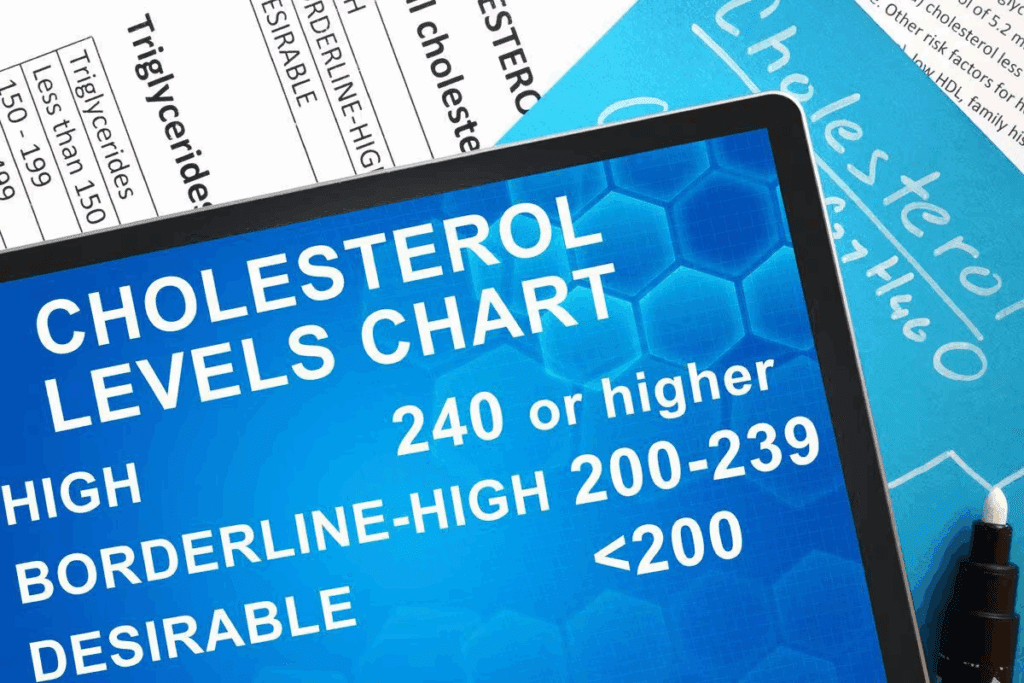
Keeping LDL cholesterol levels in check is key for heart health. We know not everyone wants to rely on meds. Luckily, there are science-backed lifestyle changes that can help.
Many people ask, how can you lower LDL without medication? Eating foods high in soluble fiber—like oats, beans, fruits, and veggies—can help clear LDL from your blood and boost digestive health. Cutting down on saturated fats and choosing healthy monounsaturated fats found in olive oil, nuts, and avocados can also lower bad LDL and raise good HDL.
At Liv Hospital, we blend patient-centered medical care with science-backed natural methods. Our goal is to help you reach healthier cholesterol levels. We focus on dietary changes, lifestyle tweaks, and other proven strategies for your heart’s health.
Key Takeaways
- Dietary changes can significantly impact LDL levels.
- Increasing soluble fiber intake can help remove LDL from the bloodstream.
- Focusing on monounsaturated fats can reduce harmful LDL and increase healthy HDL.
- Lifestyle modifications, including regular exercise, are key for heart health.
- Combining medical care with natural strategies can lead to effective LDL management.
Understanding LDL Cholesterol and Its Impact on Health
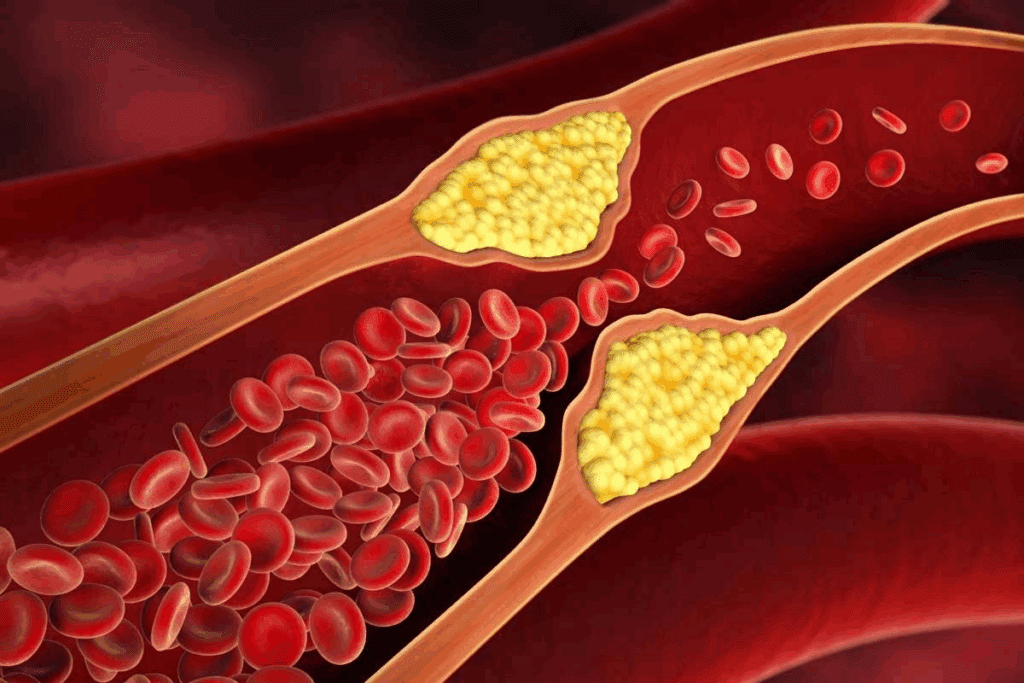
To lower LDL without drugs, we need to know what LDL cholesterol is. It’s a type of fat in our blood. High levels can cause plaque in our arteries, leading to atherosclerosis.
What Is LDL Cholesterol and Why Is It Concerning?
LDL cholesterol is called “bad” because it can harm our arteries. It increases the risk of heart disease, heart attack, and stroke. This buildup can cause inflammation and damage, making it a big concern for our heart health.
The Difference Between LDL and HDL Cholesterol
Knowing the difference between LDL and HDL cholesterol is important for heart health. LDL contributes to plaque buildup, while HDL helps remove excess cholesterol. HDL is called “good” cholesterol because it protects us.
The American Heart Association says keeping both LDL and HDL cholesterol levels healthy is key. This helps prevent heart disease.
Healthy Cholesterol Levels: What to Aim For
Keeping cholesterol levels healthy is vital to avoid heart disease. Here are the recommended levels for LDL and HDL cholesterol:
| Cholesterol Type | Healthy Level | Borderline | High Risk |
| LDL Cholesterol | Less than 100 mg/dL | 100-129 mg/dL | 130 mg/dL or higher |
| HDL Cholesterol | 60 mg/dL or higher | 40-59 mg/dL | Less than 40 mg/dL |
By managing our LDL and HDL cholesterol levels, we can lower our risk of heart disease and stroke. This helps us achieve our goal of lowering LDL without drugs.
The Science Behind Natural Cholesterol Management
Research shows that natural ways to lower LDL cholesterol are effective. Making lifestyle changes, like eating better and exercising more, can really help. These changes can make a big difference in your cholesterol levels.
Research on Non-Pharmaceutical Interventions
Many studies have looked into how to manage cholesterol without drugs. For example, a study in the Journal of the American Medical Association found that eating more soluble fiber can lower LDL by up to 10%.
Key Findings from Research:
- Dietary changes can significantly lower LDL cholesterol.
- Regular exercise, including aerobic and resistance training, improves cholesterol profiles.
- Lifestyle interventions can reduce the need for cholesterol-lowering medications.
How Lifestyle Changes Affect Cholesterol Metabolism
Lifestyle changes can really affect how your body handles cholesterol. For instance, exercise not only helps with weight but also directly impacts cholesterol levels. It lowers LDL and raises HDL.
The Impact of Lifestyle Changes on Cholesterol:
| Lifestyle Change | Effect on LDL | Effect on HDL |
| Increased Soluble Fiber Intake | Decrease | No significant change |
| Regular Aerobic Exercise | Decrease | Increase |
| Resistance Training | Decrease | Increase |
Potential Reduction Percentages from Natural Methods
Natural methods can lead to big drops in LDL cholesterol. For example, eating more soluble fiber can lower LDL by 5-10%. Adding regular exercise can help even more with managing cholesterol.
Summary of Possible Reductions:
- Dietary changes: 5-15% reduction in LDL.
- Regular exercise: Additional 5-10% reduction in LDL.
- Combined lifestyle changes: Up to 20-25% reduction in LDL.
Dietary Changes That Lower LDL Effectively
Eating a heart-healthy diet is key to lowering LDL cholesterol. Making smart food choices can help us lower LDL without medication. It’s all about knowing which foods to eat more of and which to cut back on.
Increasing Soluble Fiber Intake
Soluble fiber is great for lowering LDL cholesterol. It forms a gel in the stomach that binds to bile acids. This removes them from the body, making the liver use more cholesterol to make new bile acids. This reduces blood cholesterol levels.
Foods high in soluble fiber include:
- Oats
- Barley
- Fruits (like apples, berries, and pears)
- Vegetables (such as carrots, brussels sprouts, and broccoli)
- Legumes (beans, lentils, and peas)
Eating more of these foods can lower LDL cholesterol. For example, 5-10 grams of soluble fiber a day can cut LDL by 5-10%.
Incorporating Heart-Healthy Fats
Not all fats are good for us. Heart-healthy fats, like monounsaturated and polyunsaturated fats, can improve our cholesterol. They lower LDL and raise HDL (good) cholesterol.
Heart-healthy fats come from:
- Nuts and seeds (almonds, walnuts, chia seeds, flaxseeds)
- Olive oil
- Avocados
- Fatty fish (salmon, mackerel, sardines)
Switching to these fats instead of saturated and trans fats can greatly improve LDL levels.
Foods to Avoid for Better Cholesterol Management
Some foods can help lower LDL, while others can harm it. Foods high in saturated fats, trans fats, and dietary cholesterol can raise our cholesterol levels.
| Foods to Limit | Why |
| Red meat, full-fat dairy products | High in saturated fats |
| Processed snacks, baked goods | Contain trans fats |
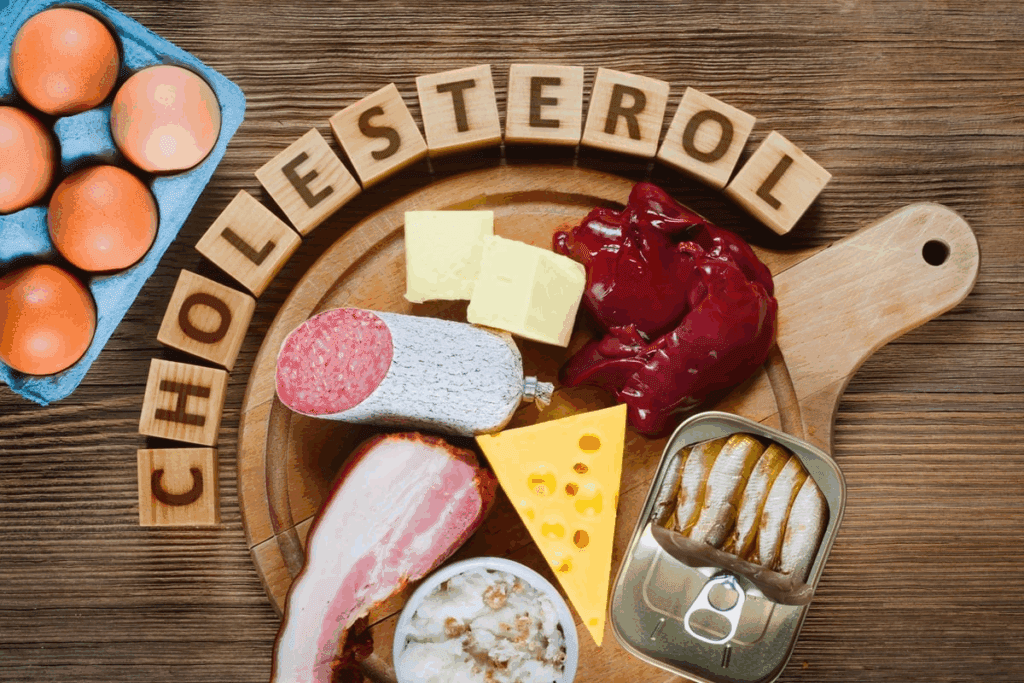
| Organ meats, egg yolks | High in dietary cholesterol |
By choosing wisely and avoiding these foods, we can better manage our LDL cholesterol levels.
How Can You Lower LDL Without Medication Through Exercise
Exercise is a great way to manage cholesterol levels, backed by science. It not only lowers LDL cholesterol but also boosts heart health.
Can Exercise Lower Cholesterol? The Research Says Yes
Many studies prove exercise’s impact on cholesterol. Aerobic exercises like walking, cycling, or swimming are top choices. They lower LDL and raise HDL cholesterol. We’ll look into the science and how to add exercise to your day.
Aerobic Exercise and Its Impact on Cholesterol
Aerobic exercise is known to improve cholesterol. Activities like brisk walking, jogging, and cycling boost HDL and lower LDL. Regular aerobic exercise also helps remove LDL from the blood to the liver.
Resistance Training Benefits for LDL Reduction
While aerobic exercise gets the spotlight, resistance training is also key. Exercises like weight lifting build muscle and boost metabolism. This helps manage cholesterol better. We recommend a mix of both in your routine.
Creating an Effective Exercise Routine for Cholesterol Management
To lower LDL through exercise, be consistent and varied. Aim for 150 minutes of moderate-intensity aerobic exercise or 75 minutes of vigorous-intensity aerobic exercise weekly. Also, do muscle-strengthening activities on two or more days a week. Finding activities you enjoy and changing your routine keeps you motivated.
By combining aerobic exercise, resistance training, and a balanced lifestyle, you can greatly improve your cholesterol. This reduces heart disease risk.
Plant Sterols and Stanols: Natural Cholesterol Fighters
Plant sterols and stanols are natural ways to lower LDL cholesterol. They are found in fruits, vegetables, and grains. These substances help manage cholesterol levels.
How Plant Sterols Work to Block Cholesterol Absorption
Plant sterols and stanols block cholesterol absorption in the intestines. This is key because it lowers the cholesterol in the blood. Studies show they are effective in blocking cholesterol absorption.
Food Sources and Supplements Containing Plant Sterols
Plant sterols and stanols are found in foods like fruits and nuts, but in small amounts. Many people take supplements or eat fortified foods. Fortified margarines, orange juices, and yogurts are good options. Always check the labels for enough plant sterols or stanols.
Recommended Daily Intake for Maximum Benefit
Studies say 2-3 grams of plant sterols or stanols a day can lower LDL cholesterol. Getting this amount is possible with fortified foods and supplements. Always talk to a doctor before starting supplements.
Incorporating Sterol-Fortified Foods Into Your Diet
Adding sterol-fortified foods to your diet is easy and tasty. Use fortified margarine for cooking or baking. Drink orange juice with plant sterols. Try recipes with sterol-rich foods too.
Using plant sterols and stanols is a natural way to manage cholesterol. Always talk to a healthcare professional before making dietary changes.
How to Naturally Lower Cholesterol Without Drugs Through Weight Management
Managing your weight is key to controlling LDL cholesterol without drugs. Keeping a healthy weight is vital for your heart health. Even a small weight loss can greatly lower LDL levels.
The Connection Between Body Weight and LDL Levels
Carrying extra weight, mainly around the belly, raises LDL cholesterol. Visceral fat is active and can change how the liver makes cholesterol. Losing weight can lower LDL and boost heart health.
A study in the Journal of the American Medical Association found a 5-10% weight loss improves LDL cholesterol. This shows how important weight management is for cholesterol control.
Sustainable Weight Loss Approaches
For lasting weight loss, focus on a balanced diet and regular exercise. Crash diets and extreme calorie cuts are not helpful. They may lead to quick weight loss but often result in weight gain later.
- Eat more fruits, vegetables, whole grains, and lean proteins.
- Do regular aerobic exercises like brisk walking or cycling.
- Include strength training to build muscle.
- Watch your portion sizes and avoid overeating.
By following these tips, you can reach a healthy weight and better your cholesterol levels.
How Much Weight Loss Is Needed to See Results
Even a small weight loss of 5-10% can significantly improve LDL cholesterol. For someone weighing 200 pounds, this means losing 10-20 pounds.
| Weight Loss Percentage | Approximate Weight Loss (for a 200-pound individual) | Expected Improvement in LDL Cholesterol |
| 5% | 10 pounds | 5-10% reduction in LDL |
| 10% | 20 pounds | 10-15% reduction in LDL |
Maintaining Weight Loss for Long-Term Cholesterol Control
Keeping weight off is essential for long-term cholesterol control. It requires sticking to healthy eating and exercise. Regularly check your progress and adjust as needed.
“The key to successful weight management is not just losing weight, but maintaining that weight loss over time. This requires a long-term commitment to healthy lifestyle habits.”
— Dr. Jane Smith, Cardiovascular Specialist
By combining sustainable weight loss with a heart-healthy diet and exercise, you can greatly improve your LDL cholesterol and heart health.
Stress Reduction and Sleep: Overlooked Factors in Cholesterol Control
Stress reduction and sleep quality are key but often ignored in controlling cholesterol. Diet and exercise are well-known for heart health. But stress and sleep also play a big role in cholesterol levels.
Chronic Stress and Cholesterol Production
Chronic stress can raise LDL cholesterol levels. Stress makes our body release cortisol, getting ready for “fight or flight.” High cortisol levels over time can increase LDL cholesterol.
Effective stress management techniques are key to lowering cholesterol. Meditation, yoga, and deep breathing can help lower cortisol and relax us.
“Stress management is not just about reducing stress, but also about improving overall well-being and resilience.”
Sleep Quality and Lipid Metabolism
Poor sleep can mess with lipid metabolism, leading to higher LDL levels. Sleep helps regulate our body’s processes, including lipid metabolism. Bad sleep can cause insulin resistance, harming cholesterol levels.
- Establishing a consistent sleep schedule
- Creating a sleep-conducive environment
- Avoiding caffeine and electronics before bedtime
Improving sleep quality can help regulate lipid metabolism and support healthier cholesterol levels.
Effective Stress Management Techniques for Heart Health
Other than meditation and yoga, there are more ways to manage stress:
- Mindfulness-based stress reduction
- Progressive muscle relaxation
- Engaging in hobbies and activities that bring joy
These methods can reduce stress and improve heart health.
Creating a Sleep Routine That Supports Cholesterol Reduction
To help lower cholesterol, a good sleep routine is key. This includes:
- Going to bed and waking up at the same time daily
- Avoiding heavy meals close to bedtime
- Engaging in relaxing activities before sleep
Combining stress management with a healthy sleep routine supports heart health and cholesterol control.
Supplements and Functional Foods for Lowering LDL Without Statins
We often look for supplements and functional foods to help manage LDL cholesterol naturally. While diet and exercise are key, these products can offer extra support. They can be a helpful addition to your routine.
Omega-3 Fatty Acids and Fish Oil
Omega-3 fatty acids, found in fish oil, can lower triglycerides in the blood. This is good for heart health. But, their effect on LDL cholesterol is not fully understood. Always talk to a doctor before starting fish oil supplements, as they can interact with other medicines.
Red Yeast Rice and Other Natural Alternatives
Red yeast rice is a fermented rice product used in traditional Chinese medicine. It may help lower LDL cholesterol by blocking an enzyme. Some studies show it can be as effective as statins, but results vary. Other natural options like berberine also show promise in managing cholesterol.
Soy Proteins and Their Cholesterol-Lowering Effects
Soy proteins, found in soybeans and soy products, may lower LDL cholesterol. The FDA says eating 25 grams of soy protein daily can help heart health. You can get soy proteins from foods like tofu, tempeh, and soy milk, or from supplements.
Garlic, Turmeric, and Other Beneficial Herbs
Herbs like garlic and turmeric are good for heart health. Garlic can lower LDL cholesterol and blood pressure. Turmeric has curcumin, which fights inflammation and supports heart health. Adding these herbs to your diet can be tasty and beneficial.
Conclusion: Creating Your Personal Plan for Lower Cholesterol
We’ve looked at many ways to lower LDL cholesterol without medication. Now, it’s time to make a plan that fits your life and needs. By changing your diet, exercising regularly, managing your weight, reducing stress, and using supplements, you can lower your cholesterol. This will also boost your heart health.
First, look at your current lifestyle and see where you can get better. Think about your eating habits, how active you are, your weight, and how you handle stress. Using the tips from this article, you can make a detailed plan to lower your LDL cholesterol.
Having a personal plan helps you control your heart health. By choosing healthier options and living a better lifestyle, you can lower your heart disease risk. Start your journey to a healthier life by beginning your personalized plan to lower cholesterol today.
FAQ:
Can working out lower cholesterol levels?
Yes, regular exercise can lower LDL cholesterol and boost HDL. Activities like brisk walking, cycling, or swimming work well.
How can I lower my LDL cholesterol without medication?
Lowering LDL cholesterol without meds is possible. Eat more soluble fiber and healthy fats. Limit cholesterol in your diet. Also, exercise, manage your weight, and reduce stress.
What are some natural ways to lower cholesterol without drugs?
Natural methods include eating foods high in soluble fiber and heart-healthy fats. Regular exercise, a healthy weight, and stress management are also key.
Can exercise help reduce cholesterol levels?
Yes, exercise can lower LDL and raise HDL cholesterol. This improves your cholesterol profile. Include aerobic and resistance training in your routine.
How do plant sterols help lower LDL cholesterol?
Plant sterols block LDL absorption in the intestines. They’re in some foods and supplements, aiding a heart-healthy diet.
What is the connection between body weight and LDL levels?
Being overweight, mainly around the waist, raises LDL cholesterol. A balanced diet and exercise help keep cholesterol levels in check.
Can stress affect cholesterol levels?
Yes, stress can increase LDL cholesterol. Activities like meditation or yoga can help manage stress and support heart health.
How does sleep quality impact lipid metabolism?
Poor sleep can disrupt lipid metabolism, affecting cholesterol levels. A consistent sleep routine supports cholesterol reduction and heart health.
Are there any supplements that can help lower LDL cholesterol?
Supplements like omega-3 fatty acids, red yeast rice, and soy proteins may help. Garlic and turmeric are also beneficial. Always talk to a healthcare professional before starting supplements.
How can I create a personalized plan to lower my LDL cholesterol?
Start by assessing your lifestyle and finding areas to improve. Make dietary changes, exercise more, manage your weight, and reduce stress. This will help you lower LDL cholesterol and improve heart health.
References:
- Janapala, U. S., Chennupati, P., & Chin, T. K. (2023). Low cholesterol diet. StatPearls. https://www.ncbi.nlm.nih.gov/books/NBK551722/
- The Impact of Aerobic Exercise on HDL Quantity and Quality. (2023). International Journal of Molecular Sciences, 24(5), 4653.https://www.mdpi.com/1422-0067/24/5/4653
- Grundy, S. M., Stone, N. J., Bailey, A. L., et al. (2019). 2018 AHA/ACC/AACVPR/AAPA/ABC/ACPM/ADA/AGS … Guideline on the Management of Blood Cholesterol: Executive Summary. Circulation, 139(25), e1082-e1143. https://www.ahajournals.org/doi/10.1161/cir.0000000000000625
- Cicero, A. F. G., Colletti, A., & Fogacci, F. (2019). Red yeast rice for hypercholesterolemia. Frontiers in Pharmacology, 10, 148.https://www.frontiersin.org/journals/pharmacology/articles/10.3389/fphar.2019.01449/full