Last Updated on November 25, 2025 by Ugurkan Demir
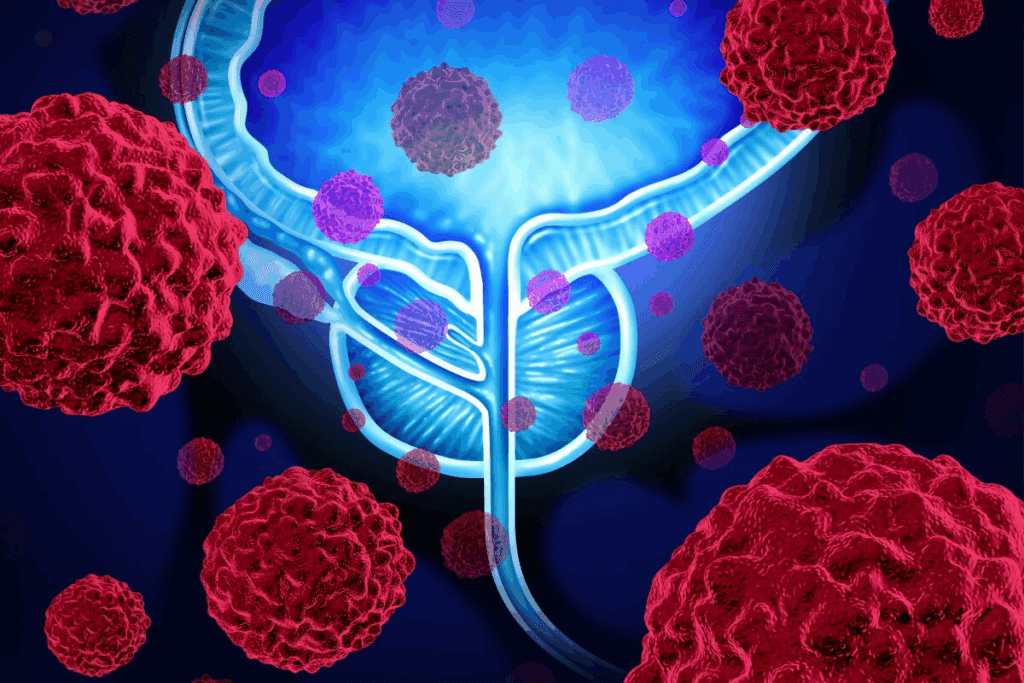
Bladder cancer is a big health problem worldwide. In 2022, about 614,298 new cases were found globally. The American Cancer Society says there will be about 84,870 new cases in 2025. Men make up about 77% of these cases how can you prevent bladder cancer.
At Liv Hospital, we focus on bladder cancer prevention. We use expert care and support to help people manage their urological health. Our goal is to give you the best care and advice to lower your risk of bladder cancer.
Key Takeaways
- Understanding risk factors is key to preventing bladder cancer.
- Lifestyle changes can greatly reduce your risk.
- Finding bladder cancer early is very important.
- Using proven strategies can help lower your risk.
- Getting care that focuses on you is vital.
Understanding Bladder Cancer: Facts and Statistics

It’s important to know the facts and stats about bladder cancer. This disease affects millions worldwide. It’s influenced by where you live, who you are, and how you live.
Global and U.S. Prevalence
Bladder cancer is the 10th most common cancer globally. In 2020, about 573,000 new cases were found. In the U.S., it’s expected that 84,870 new cases will be diagnosed in 2025.
Men make up about 77% of these cases in the U.S. The American Cancer Society says it’s the fourth most common cancer in men here.
Research shows bladder cancer cases have dropped by 0.9% each year from 2013 to 2022. This is good news. But, it’s a big health issue, mainly for certain groups.
Risk Factors and Demographics
Several things can increase your chance of getting bladder cancer. These include smoking, certain chemicals at work, and genetics. Men are more likely to get it than women.
The risk goes up with age, with most cases in people over 70. This is important to know.
Jobs that expose you to harmful chemicals also raise your risk. This includes painting, metalworking, and mining. Workers in these fields need to protect themselves.
Projected Trends Through 2040
Looking to 2040, bladder cancer’s impact is expected to change. Aging populations, lifestyle changes, and better tests will play a role. It’s key to understand these trends for planning healthcare.
As we look ahead, keeping an eye on bladder cancer stats is vital. This helps us fight the disease better.
The Importance of Bladder Cancer Prevention
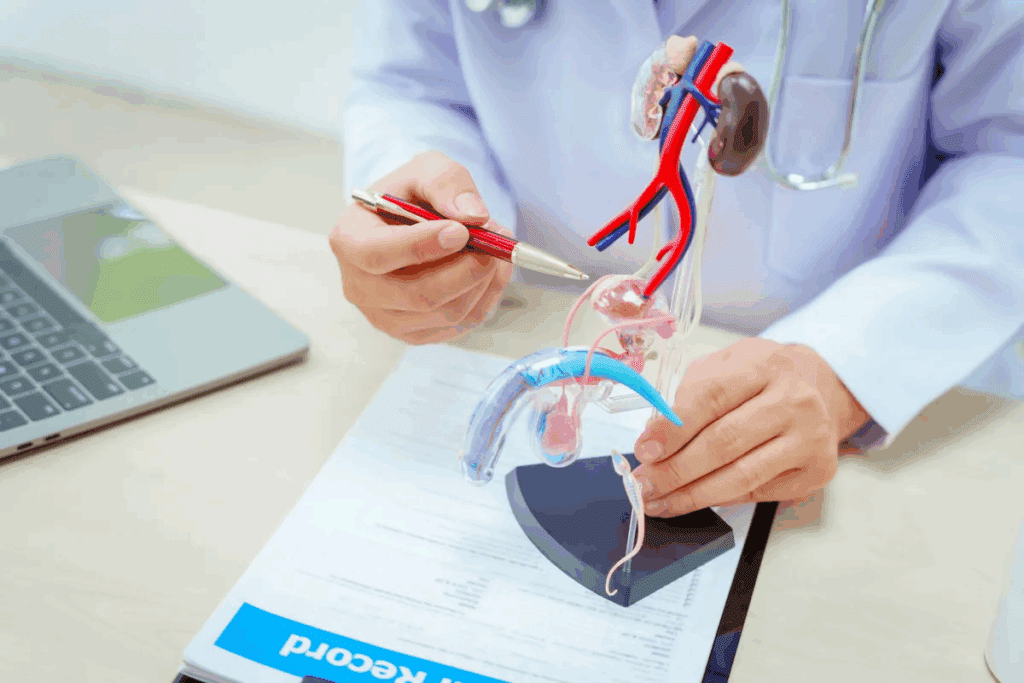
Bladder cancer rates are expected to rise. It’s more important than ever to understand the need for prevention. The world is seeing a 73 to 87 percent increase in bladder cancer cases by 2040. This makes prevention a top public health issue.
Why Prevention Matters
Prevention is key to fighting bladder cancer. By knowing and avoiding risk factors, people can lower their disease risk. Prevention strategies include lifestyle changes, work safety, and awareness campaigns.
Prevention is vital because it can greatly reduce new cases and deaths. With good prevention, we could save thousands of lives and improve many more people’s lives.
Early Detection vs. Prevention Strategies
Early detection is important for treating cancer. But prevention strategies aim to stop cancer before it begins. Early detection finds cancer early, when it’s easier to treat. Prevention tries to stop cancer from happening in the first place.
Prevention and early detection work together. They both help lower bladder cancer cases and deaths.
| Aspect | Early Detection | Prevention Strategies |
| Purpose | Identify cancer early | Reduce cancer risk |
| Methods | Screening tests | Lifestyle changes, safety measures |
| Impact | Improves treatment outcomes | Reduces incidence and mortality |
The Role of the American Cancer Society
The American Cancer Society is key in fighting bladder cancer. They do research, education, and support. They give people tools to lower their bladder cancer risk.
By backing awareness and prevention efforts, the American Cancer Society empowers people. They help communities fight bladder cancer together.
Essential Step 1: Quit Smoking to Reduce Your Risk
Smoking is the biggest risk factor for bladder cancer that you can change. Studies show it causes nearly 40 percent of bladder cancer cases in men in Europe. Quitting smoking is key to lowering this risk and is a big part of preventing bladder cancer.
The Smoking-Bladder Cancer Connection
Smoking is linked to bladder cancer. Tobacco smoke chemicals get into the bloodstream, then the kidneys filter them. These chemicals stay in the urine, exposing the bladder to harmful substances. Quitting smoking greatly reduces this risk and can lower your chance of getting bladder cancer.
Benefits of Quitting at Any Age
Quitting smoking at any age brings quick and lasting health benefits. It helps with recovery after surgery and lowers the risk of infections and heart problems. Quitting also cuts down the risk of bladder cancer and other diseases. Health experts say quitting smoking is a major step to better health.
“The health benefits of quitting smoking are substantial and occur at any age. Within 20 minutes of quitting, your body begins to heal.”
Effective Smoking Cessation Strategies
There are many ways to quit smoking effectively. These include:
- Nicotine replacement therapy (NRT) to manage withdrawal symptoms
- Prescription medications that reduce cravings
- Counseling and support groups for motivation and guidance
- Avoiding triggers that make you want to smoke
Using these strategies together can greatly boost your chances of quitting for good. Drinking plenty of water and living a healthy lifestyle also helps.
Essential Step 2: Minimize Exposure to Workplace Carcinogens
Reducing exposure to harmful substances at work is key to lowering bladder cancer risk. Some jobs expose workers to chemicals that increase bladder cancer risk.
High-Risk Occupations
Some jobs are riskier because of the harmful substances workers face. These include:
- Painters, who are exposed to chemicals in paints and solvents
- Metal workers, who come into contact with various metals and chemicals during their work
- Miners, who are exposed to a range of carcinogenic substances, including arsenic and silica dust
- Leather workers, who may be exposed to chemicals used in the tanning and processing of leather
Protective Measures for At-Risk Workers
Employers must take steps to protect workers. This includes:
- Providing personal protective equipment (PPE)
- Improving ventilation systems
- Ensuring safe handling practices for hazardous materials
Protective Measures for At-Risk Workers
Employers must protect their employees’ health. This includes:
- Providing appropriate PPE to reduce exposure to harmful substances
- Ensuring proper ventilation in work areas to minimize inhalation of carcinogens
- Training workers on the safe handling and disposal of hazardous materials
By taking these steps, workplaces can greatly reduce the risk of exposure to harmful substances.
Understanding Your Workplace Rights
Workers have the right to a safe work environment. Knowing these rights is important. Workers should be aware of:
- Their right to information about the chemicals they are exposed to
- Their right to training on handling hazardous materials
- Their right to report unsafe conditions without fear of retaliation
By being informed and proactive, workers can significantly reduce their risk of bladder cancer.
Essential Step 3: Stay Hydrated and Practice Healthy Urination Habits
Drinking lots of water is key to removing harmful chemicals from the bladder. This helps lower the risk of bladder cancer. We’ll look at why staying hydrated and practicing good urination habits are important for bladder health.
How Hydration Protects Your Bladder
Drinking enough water is vital for bladder health. It dilutes harmful substances in urine, making it easier to flush them out. Adequate hydration also keeps the bladder lining healthy, protecting it from damage.
Optimal Daily Water Intake
Experts say we should drink 6-8 glasses of water daily. But, our needs can change based on our health, how active we are, and where we live. Athletes or those in hot places might need more water. Listen to your body and drink when you’re thirsty.
| Activity Level | Recommended Daily Water Intake |
| Sedentary | 6-8 glasses |
| Moderately Active | 8-10 glasses |
| Very Active | 10-12 glasses |
Urination Frequency and Bladder Health
Good urination habits are also key for bladder health. It’s best to go when you need to, not hold it. Frequent urination helps remove harmful substances, lowering infection risk. But, going too often or too little can signal problems, so finding a balance is important.
By drinking enough water and practicing good urination habits, we can lower bladder cancer risk. It’s a simple yet powerful step towards a healthier life.
Essential Step 4: Adopt a Bladder-Friendly Diet
A well-balanced diet is key to keeping your bladder healthy and lowering bladder cancer risk. What we eat can either help or harm our bladder. By choosing the right foods, we can fight bladder cancer.
Foods That Prevent Bladder Cancer
Some foods are great for your bladder. Carrots are full of antioxidants and may lower bladder cancer risk. Cruciferous vegetables like broccoli and cauliflower have anti-cancer compounds. Eating lots of fruits, rich in vitamin C, also boosts bladder health.
The Mediterranean diet is good for overall health and may prevent bladder cancer. It’s full of fruits, veggies, whole grains, and healthy fats. Foods high in fiber, like whole grains and legumes, help keep your digestive system healthy, which fights cancer.
Foods and Beverages to Limit or Avoid
Some foods can raise bladder cancer risk. It’s smart to limit or avoid foods that irritate the bladder or have harmful substances. Sugary drinks and processed foods should be eaten less. Also, cut down on artificial sweeteners and foods with lots of saturated fats for better health.
- Limit processed meats, which are linked to more cancers.
- Avoid foods high in salt to prevent water retention and bladder irritation.
- Drink less fried foods and those cooked at high heat, as they may have harmful compounds.
Natural Remedies and Dietary Supplements for Bladder Health
Along with a balanced diet, some natural remedies and supplements can help your bladder. Green tea is full of antioxidants and may fight cancer. Omega-3 fatty acids in fish oil supplements could also help your bladder by reducing inflammation.
Always talk to a doctor before taking any supplements. They can interact with medicines or cause problems in some people.
How Can You Prevent Bladder Cancer Through Regular Exercise?
Adding regular exercise to your life can help prevent bladder cancer. We’ll look at how exercise helps fight cancer, the best exercises, and keeping up a fitness routine.
The Science Behind Exercise and Cancer Prevention
Exercise lowers the risk of many cancers, including bladder cancer. It boosts the immune system, cuts down inflammation, and helps fix DNA damage.
Key ways exercise fights cancer include:
- Controlling hormone levels that can grow cancer cells
- Improving insulin sensitivity to lower cancer risks
- Boosting the immune system to fight cancer cells
Recommended Exercise Types and Duration
The American Cancer Society suggests 150 minutes of moderate or 75 minutes of vigorous activity weekly. Moderate activities are brisk walking, cycling, and swimming. Vigorous activities are running, HIIT, and intense sports.
Examples of exercises for your routine:
- Brisk walking or jogging
- Cycling or using a stationary bike
- Swimming or water aerobics
- High-intensity interval training (HIIT)
- Strength training exercises
Starting a Sustainable Fitness Routine
To keep exercising, start slow and build up. Set achievable goals, enjoy your activities, and fit exercise into your day. This makes staying active easier.
For a lasting fitness routine:
- Plan exercise in your daily planner
- Work out with a friend or group
- Track your progress and celebrate wins
- Change your routine to stay interested and avoid plateaus
Essential Step 6: Manage Chronic Bladder Conditions
Managing chronic bladder conditions is key to keeping your bladder healthy and lowering cancer risk. Chronic inflammation and infections in the bladder can up the risk of bladder cancer. It’s important to tackle these issues quickly.
Treating Recurring UTIs and Infections
UTIs and bladder infections that keep coming back need quick and effective treatment. It’s best to see a healthcare provider for the right antibiotics and ways to prevent them. Make sure to finish all antibiotics as told by your doctor.
Drinking lots of water and keeping clean can also help stop UTIs. If you get UTIs a lot, talk to your doctor about how to prevent them.
Addressing Bladder Defects and Catheter Use
Bladder defects or needing to use a catheter need careful handling to avoid problems. Good catheter care is key to avoid infections and other issues. This means cleaning and changing catheters as your doctor says.
If you have a bladder defect or use a catheter, watch for signs of trouble like infection or blockage. If you see these signs, get medical help right away.
When to Consult a Urologist
It’s important to know when to see a specialist for bladder issues. If you have ongoing pain, trouble peeing, or keep getting infections, see a urologist. They can give you the care and treatment you need.
A urologist can help manage your symptoms, treat the root cause, and lower the risk of serious problems like bladder cancer.
Essential Step 7: Early Detection and Screening
Early detection and screening are key to managing bladder cancer. We’ll dive into why it’s important to spot warning signs early. Knowing your screening options and how to prevent cancer from coming back can greatly improve your chances.
Warning Signs That Shouldn’t Be Ignored
Knowing the signs of bladder cancer is vital for catching it early. Look out for:
- Hematuria: Blood in your urine, a possible sign of cancer.
- Frequent Urination: Needing to go more often than usual.
- Painful Urination: Feeling pain or burning when you pee.
If you notice any of these, see a doctor right away.
Screening Options for High-Risk Individuals
There are several ways to screen for bladder cancer if you’re at high risk:
- Urine Cytology: Checking urine for cancer cells.
- Cystoscopy: Using a thin tube with a camera to look inside your bladder.
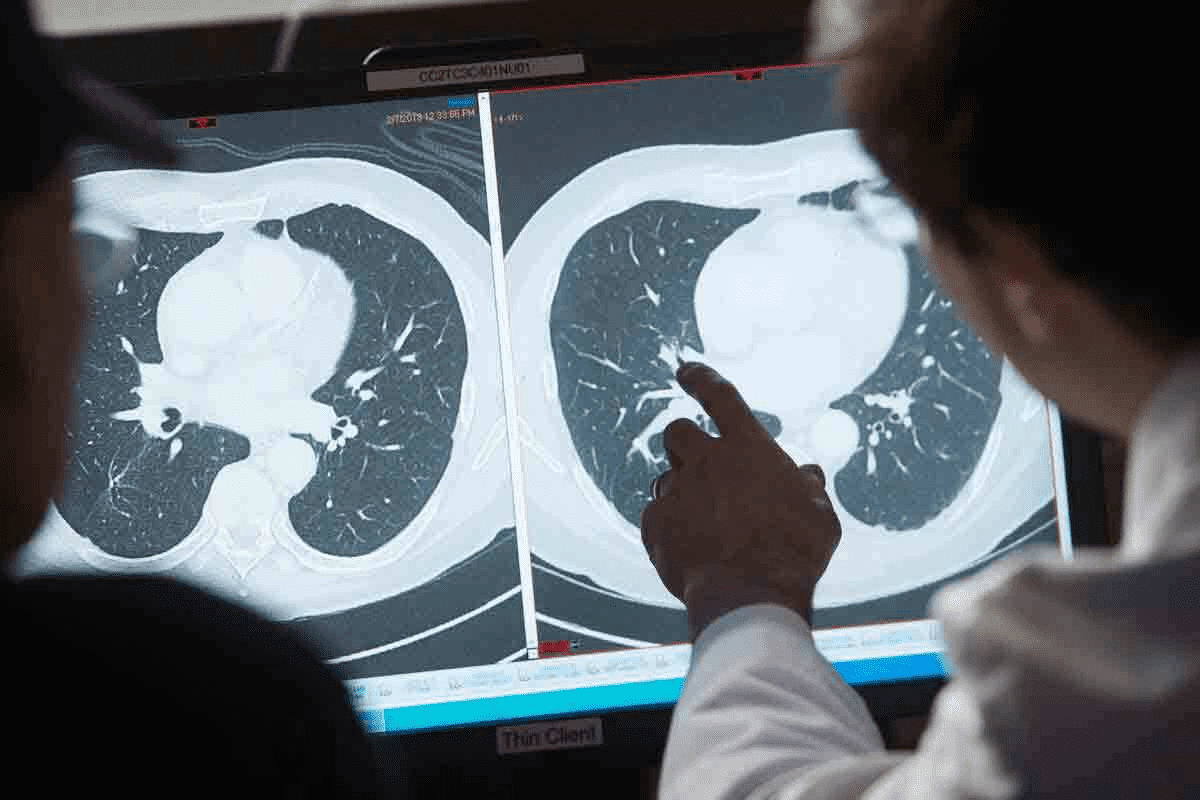
- Imaging Tests: Like CT scans or MRIs to see your bladder and the area around it.
These tests can find bladder cancer early, which helps with treatment.
How to Prevent Bladder Cancer from Recurring
If you’ve had bladder cancer, stopping it from coming back is a big deal. Here are some ways to do it:
- Regular Follow-Up: Keep seeing your doctor for check-ups.
- Lifestyle Changes: Quit smoking, drink plenty of water, and eat well.
- Monitoring for Symptoms: Watch for any changes in how you pee or other signs.
By being proactive, you can lower your risk of bladder cancer coming back.
Conclusion: Taking Control of Your Bladder Health
By following seven key steps, you can lower your risk of bladder cancer and keep your bladder healthy. We’ve talked about quitting smoking, avoiding harmful chemicals at work, drinking plenty of water, eating right, exercising, managing bladder issues, and getting early screenings.
Health is about making smart choices in your life, diet, and medical care. This article has given you tools to improve your bladder health. We urge you to take care of your health by adding these easy steps to your daily routine. This can help prevent bladder cancer and keep you healthy overall.
FAQ
What are the main risk factors for bladder cancer?
Main risk factors for bladder cancer include smoking and exposure to harmful chemicals at work. Chronic bladder infections and a family history also play a role. Knowing these risks helps in preventing the disease.
How does smoking contribute to bladder cancer?
Smoking exposes the bladder to harmful chemicals, leading to cancer. Quitting smoking is key to reducing this risk.
What workplace exposures increase the risk of bladder cancer?
Workers in jobs like painting, metal work, and mining face higher risks. This is due to exposure to harmful chemicals. Wearing protective gear and following safety rules can help.
How does hydration impact bladder health?
Drinking water helps flush out harmful substances from the bladder. This reduces cancer risk. Staying hydrated is vital for bladder health.
What dietary changes can help prevent bladder cancer?
Eating more fruits, vegetables, and whole grains supports bladder health. Avoiding processed foods, artificial sweeteners, and too much caffeine is also good.
Can exercise help prevent bladder cancer?
Yes, regular exercise lowers the risk of bladder cancer. Aim for 30 minutes of moderate exercise daily.
How can chronic bladder conditions be managed to prevent bladder cancer?
Managing chronic bladder issues like UTIs through treatment and lifestyle changes can lower cancer risk.
What are the warning signs of bladder cancer that should not be ignored?
Look out for blood in urine, frequent need to urinate, and pain while urinating. If you notice these, see a doctor right away.
Are there screening options available for bladder cancer?
Yes, high-risk people might need screening tests. Talk to your doctor about your risk to see if screening is right for you.
How can bladder cancer recurrence be prevented?
To prevent recurrence, live a healthy lifestyle. Eat well, exercise, and avoid risk factors. Regular check-ups with your doctor are also important.
What is the role of the American Cancer Society in bladder cancer prevention?
The American Cancer Society raises awareness, supports research, and offers resources for bladder cancer prevention and early detection.
What natural remedies and dietary supplements support bladder health?
Some natural remedies and supplements, like antioxidants, may help bladder health. But, always talk to a doctor before adding new supplements.
References
National Center for Biotechnology Information. (2025). How to Prevent Bladder Cancer 7 Essential Steps. Retrieved from https://pmc.ncbi.nlm.nih.gov/articles/PMC5010611/)