Last Updated on November 17, 2025 by Ugurkan Demir
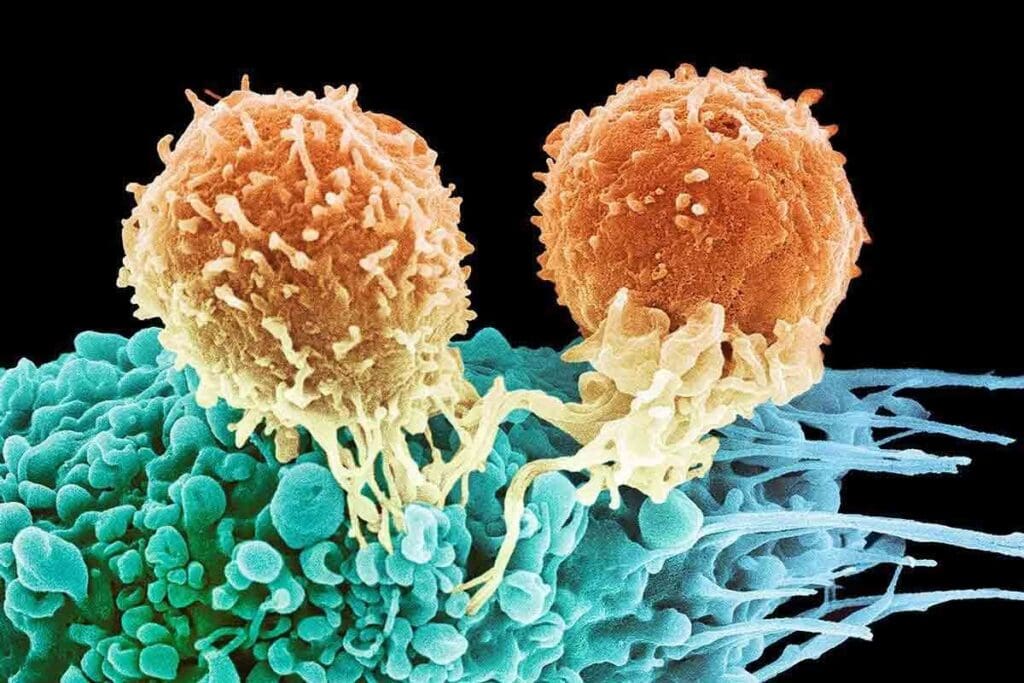
Cancer starts when normal cells get genetic mutations. These changes make them grow out of control. At Liv Hospital, we know this process changes how cells behave. It stops them from dying naturally.
Understanding how healthy cells become cancer cells is key. It helps us see why cancer treatments often target specific genetic pathways. Knowing the basics of cancer shows us how complex it is. It also highlights the need for top-notch medical care.
Key Takeaways
- Cancer starts with genetic mutations in normal cells.
- These mutations lead to uncontrolled cell division.
- Understanding cancer’s origins helps in developing targeted treatments.
- Liv Hospital is committed to providing leading-edge, compassionate care.
- Advanced medical treatments are key in managing cancer.
The Biology of Normal Cells
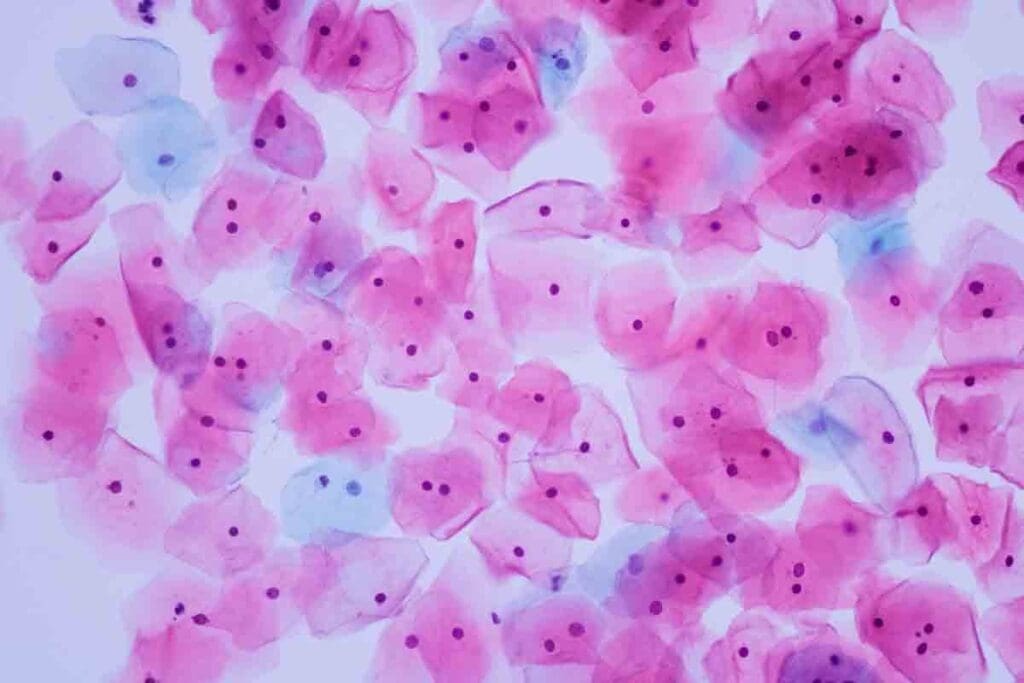
To understand how cancer starts, we need to know how normal cells work. Normal cells are the basic parts of our body, each with its own job and lifespan. When these cells turn into cancer, it’s due to many complex changes.
Cell Structure and Function
Cells are the basic units of life. They have a cell membrane and organelles that do different jobs. The cell nucleus holds most of the cell’s genes, and mitochondria make energy.
Cells working right keeps our body in good shape. how cancer will come They talk to each other through signals, making sure they grow, divide, and die at the right time. If these signals get messed up, cells can start acting strangely, which might lead to cancer.
| Cell Component | Function |
| Nucleus | Contains genetic material |
| Mitochondria | Produces energy for the cell |
| Cell Membrane | Regulates what enters and leaves the cell |
The Normal Cell Cycle
The cell cycle is a controlled process. It lets cells grow, make copies of their DNA, and split into two. This cycle is key tokeeping tissues healthy and fixing them when needed. It has phases like G1, S, G2, and M.
In the G1 phase, cells grow and get ready for DNA copying. The S phase is when DNA is copied, so each new cell gets the right number of chromosomes. The G2 phase is for getting ready to divide, and M is when the cell splits into two.
Keeping the cell cycle in check is vital to stop cells from growing out of control, a sign of cancer. The cycle has checkpoints to make sure DNA is correct before cells divide.
Understanding DNA and Genetic Mutations
At the heart of cancer development are genetic mutations. These changes disrupt normal cellular function. They can be triggered by various factors, including environmental exposures, inherited genes, or spontaneous errors during DNA replication.
What Are Genetic Mutations?
Genetic mutations are changes in the DNA sequence of an organism. In cancer, these mutations affect genes that control cell growth, division, and repair. Some mutations are inherited, while others are acquired due to exposure to carcinogens or errors during DNA replication. Understanding these mutations is key to understanding how cancer develops.
How DNA Damage Occurs
DNA damage can happen in several ways. Environmental factors like UV radiation, smoking, and certain chemicals can cause DNA damage. Viruses and bacteria can also lead to genetic mutations by integrating into the host DNA or causing chronic inflammation. This increases the risk of genetic errors during cell division.
We know that genetic mutations are a critical step in cancer development. By understanding how these mutations occur and their role in cancer, we can better appreciate the complex biology of this disease.
How Cancer Will Come: The Transformation Process
To understand how cancer starts, we need to look at how cells change. This change involves many steps that lead to cancer cells. We’ll see how a normal cell turns into a cancer cell.
Initial Cellular Changes
Changes in cells are key in cancer development. These changes come from genetic mutations that mess with cell function. The Canadian Cancer Society says it takes many mutations to turn a healthy cell into a cancer cell. These mutations can happen due to environmental factors or DNA copying errors.
From Normal Cell to Cancer Cell
The journey from a normal cell to a cancer cell has several steps. First, a normal cell gets genetic mutations that change its behavior. Then, more mutations pile up, causing the cell to grow out of control and become cancerous.
| Stage | Description |
| 1. Genetic Mutation | A normal cell undergoes a genetic mutation that alters its behavior. |
| 2. Accumulation of Mutations | Multiple mutations accumulate, leading to changes in cell function. |
| 3. Uncontrolled Cell Division | The cell begins to divide uncontrollably, forming a mass of cancerous cells. |
The transformation into cancer is complex, with many steps. Knowing these steps is key to finding better cancer treatments.
Key Genetic Players in Cancer Development
Cancer is caused by changes in genes that control cell growth. Genes that change can lead to cancer. We will look at the main genes involved in this process.
Oncogenes: Accelerators of Cancer
Oncogenes are genes that can make cells grow too much. They do this without the usual controls. Normally, these genes help cells grow and divide.
But when they change, they can cause cancer. This happens through mutations or too much of the gene. For example, the RAS gene family can lead to cancer if it mutates.
Tumor Suppressor Genes: The Cellular Brakes
Tumor suppressor genes slow down cell division. They fix DNA mistakes or kill cells that can’t be fixed. Without these genes, cells keep dividing and form tumors.
The TP53 gene is a key tumor suppressor. It helps keep the genome stable and stops cancer. It’s often mutated in human cancers.
| Gene Type | Normal Function | Effect of Mutation |
| Oncogenes | Promote cell growth and division | Uncontrolled cell proliferation |
| Tumor Suppressor Genes | Inhibit cell growth, repair DNA, or initiate apoptosis | Loss of cell cycle regulation, increased cancer risk |
Knowing about oncogenes and tumor suppressor genes helps in making targeted cancer treatments. These treatments aim at the specific genetic changes in each patient’s cancer.
External Triggers of Cancer Formation
External factors play a big role in starting cancer. We’ll look at how things like pollution, infections, and lifestyle choices can lead to cancer.
Environmental Carcinogens
Some chemicals in our environment can raise cancer risk. These carcinogens are found in pollutants, industrial products, and some household items. Here are a few examples:
- Asbestos
- Benzene
- Radon
- Certain pesticides and herbicides
Viral and Bacterial Infections
Some infections can cause cancer. For instance, Human Papillomavirus (HPV) is linked to cervical cancer. Hepatitis B and C viruses can lead to liver cancer. Helicobacter pylori can cause stomach cancer.
Vaccines and proper treatment can lower cancer risk.
Lifestyle and Dietary Factors
Our lifestyle choices, like smoking and heavy alcohol use, can increase cancer risk. A diet lacking nutrients and full of processed foods also raises risk. Important changes include:
- Quitting smoking
- Reducing alcohol intake
- Eating a balanced diet with fruits, vegetables, and whole grains
- Maintaining a healthy weight
By making these lifestyle changes, we can lower our cancer risk.
The Hallmarks of Cancer Cells
Cancer cells grow and divide in ways normal cells can’t. They have traits that let them survive and grow. “The hallmarks of cancer comprise a list of capabilities that distinguish cancer cells from their normal counterparts,” say top cancer researchers. These traits include uncontrolled division and the ability to avoid cell death.
Uncontrolled Cell Division
Cancer cells divide without stop. Normal cells have controls that keep their growth in check. But cancer cells lose these controls, often because of gene mutations.
This loss of control lets cancer cells grow too much. It helps tumors get bigger.
Evading Cell Death
Cancer cells also avoid dying when they should. Normal cells die when they’re damaged or no longer needed. But cancer cells find ways to stay alive, even with big genetic changes.
This skill is key for cancer to keep growing and spreading.
Other Critical Cancer Capabilities
Cancer cells also get other skills to help them grow. They can make new blood vessels, which give them what they need to live. They can also move into other tissues and spread to other parts of the body.
Knowing these cancer traits is key to finding better treatments. By focusing on these skills, we can make cancer therapies more effective.
How Tumulas Form and Grow
It’s key to know how tumors form and grow to find good cancer treatments. A tumor starts when abnormal cells grow into a mass. These cells don’t follow the usual rule of dying when needed.
When one cell becomes immortal, its offspring do too.
Tumor Structure and Development
Tumors grow due to a mix of genetic and environmental factors. Cancer cells keep growing and form a tumor. This tumor can be either benign or malignant, depending on its traits.
The growth of cancer cells comes from genetic changes that cause cells to divide without control.
Benign vs. Malignant Tumors
It’s important to know the difference between benign and malignant tumors. Benign tumors are not cancerous and don’t spread. They also don’t invade nearby tissues.
Malignant tumors, being cancerous, can spread and invade other tissues.
Benign tumors have these key traits:
- Non-cancerous
- Do not invade surrounding tissues
- Do not metastasize
Malignant tumors, on the other hand, have these traits:
- Cancerous
- Invasion into surrounding tissues
- Potential to metastasize
Knowing the difference between benign and malignant tumors helps choose the right treatment. By understanding how tumors grow, we can fight cancer better.
Cancer and the Immune System
Cancer and the immune system are closely connected. The immune system is key in finding and killing cancer cells. How well the immune system responds can affect cancer’s growth.
Immune Surveillance of Cancer
Immune surveillance is when the immune system spots and gets rid of cancer cells. It involves T cells and natural killer cells working together. They aim to destroy cancer cells before they grow into tumors.
This process is vital in fighting cancer. Effective immune surveillance stops cancer by removing cells that could turn bad. It’s a big part of our body’s defense against cancer.
Immune Evasion by Cancer Cells
Even with the immune system’s best efforts, some cancer cells can slip by. They find ways to hide from the immune system, like changing their surface antigens. This lets them keep growing and spreading.
It’s important to know how cancer cells dodge the immune system. Targeting immune evasion mechanisms is a key area in cancer research. It aims to help the immune system better spot and kill cancer cells.
| Characteristics | Immune Surveillance | Immune Evasion |
| Definition | The process by which the immune system recognizes and eliminates cancer cells. | The ability of cancer cells to avoid detection and elimination by the immune system. |
| Mechanisms | Involves T cells, natural killer cells, and other immune cells that identify and destroy cancerous cells. | Includes altering surface antigens, suppressing immune cell function, and creating an immunosuppressive tumor microenvironment. |
| Outcome | Elimination of cancer cells, preventing tumor formation. | Continued growth and proliferation of cancer cells, leading to tumor development. |
Modern Cancer Research and Treatment Approaches
Cancer treatment has evolved a lot thanks to research. We now understand cancer better and are finding new ways to treat it. These new methods are more effective and tailored to each person.
Targeted Therapies
Targeted therapies are a big step forward in fighting cancer. They don’t harm healthy cells like old treatments did. Instead, they focus on cancer cells only.
These therapies find and attack specific genes or proteins in cancer cells. For example, trastuzumab (Herceptin) targets the HER2 protein in some breast cancers.
Prevention Strategies
Preventing cancer is just as important as treating it. We can lower cancer risks by knowing what causes it. This means eating right, exercising, and not smoking.
Vaccines are also key in preventing some cancers. The HPV vaccine, for example, can stop cervical cancer and other cancers linked to HPV.
| Cancer Type | Prevention Strategy | Targeted Therapy |
| Breast Cancer | Regular Mammograms, Healthy Lifestyle | Trastuzumab (HER2-positive) |
| Cervical Cancer | HPV Vaccine, Regular Pap Smears | Bevacizumab (in combination with chemotherapy) |
| Colorectal Cancer | Screening Colonoscopy, Diet | Cetuximab (KRAS wild-type) |
By using targeted therapies and prevention together, we can make cancer treatment better. Research keeps finding new ways to fight cancer. This gives us hope for the future of cancer care.
Conclusion
Understanding how cancer develops is key for those facing a cancer diagnosis. We’ve looked at the complex process of cancer growth. This includes how normal cells change into cancer cells.
Genetic mutations, environmental toxins, and lifestyle choices all impact cancer development. Knowing this helps us see why prevention is so important. It also shows the need for more research into treatments.
Cancer development is complex, needing a full approach to fight it. By understanding the causes, we can lower cancer risk and improve treatment results.
In summary, cancer development is a big issue that needs more research. We can fight cancer better if we work together.
FAQ
What is cancer and how does it start?
Cancer is a disease where cells grow and divide without control. It starts when normal cells change in a way that makes them abnormal. This leads to the growth of cancerous cells.
Why do cells become cancerous?
Cells become cancerous due to genetic changes caused by various factors. These include environmental toxins, viruses, and lifestyle choices. These changes disrupt normal cell function, causing uncontrolled growth.
How do genetic mutations lead to cancer?
Genetic mutations can cause cancer by altering cell function. Mutations can turn on genes that promote cell growth and turn off genes that control it. This leads to cancerous cells.
What are the key genetic players involved in cancer development?
Oncogenes and tumor suppressor genes are key in cancer development. Oncogenes help cells grow, while tumor suppressor genes keep growth in check.
How do external factors contribute to cancer formation?
External factors like toxins, viruses, and lifestyle choices can cause cancer. They lead to genetic mutations that disrupt cell function.
What are the hallmarks of cancer cells?
Cancer cells have key features like uncontrolled growth and avoiding death. These traits help them thrive and spread.
How do tumors form and grow?
Tumors form when cancer cells multiply. They can grow in different ways and can be benign or malignant.
What is the relationship between cancer and the immune system?
The immune system fights cancer cells. But, cancer cells can hide from the immune system, allowing them to grow.
What are the latest advancements in cancer research and treatment?
New research and treatments focus on targeted therapies and prevention. These advances have improved our understanding and treatment of cancer.
How can cancer be prevented?
Preventing cancer involves avoiding harmful factors and early detection. Avoiding toxins and unhealthy lifestyles can help. Early treatment also improves outcomes.
References:
- Loeb, L. A., Springgate, C. F., & Battula, N. (1974). Errors in DNA replication as a basis of malignant changes. Cancer Research, 34(9), 2311–2321. https://cancerres.aacrjournals.org/content/34/9/2311