Last Updated on November 26, 2025 by Bilal Hasdemir

One in eight men will get prostate cancer at some point in their lives. This makes it a big health issue for men all over the world.
The rates of prostate cancer differ around the globe. Some areas have more cases than others. Knowing the risk factors for prostate cancer is key to catching it early and stopping it.
Things like age, family history, and ethnicity greatly affect a man’s chance of getting prostate cancer.
Key Takeaways
- Prostate cancer is a big worry for men everywhere.
- The number of prostate cancer cases varies by place and ethnicity.
- Age and family history are big risks for prostate cancer.
- Finding it early is vital for good treatment and prevention.
- Knowing about prostate cancer stats helps men make better health choices.
The Prostate Gland: Anatomy and Function
It’s important for men to know about the prostate gland. This small gland is like a walnut and is part of the male body’s reproductive system.
What Is the Prostate and Where Is It Located?
The prostate gland is found below the bladder and in front of the rectum. It wraps around the urethra, which carries urine from the bladder to the penis. The gland has glandular and muscular tissues. The glandular tissue makes fluids for semen, and the muscular tissue helps push semen out during ejaculation.
Normal Prostate Function in Male Health
The prostate gland is key for male reproductive health. It produces fluids that feed and protect sperm. These fluids, full of enzymes and proteins, are a big part of semen. The gland’s muscular tissue also helps push semen through the urethra during ejaculation.
A healthy prostate gland is vital for normal reproductive function. Problems like enlargement or cancer can cause urinary and reproductive issues.
| Prostate Function | Description |
| Fluid Production | The prostate gland produces fluids that make up semen, nourishing and protecting sperm. |
| Muscular Support | The muscular tissue in the prostate helps to expel semen during ejaculation. |
| Reproductive Health | A healthy prostate gland is essential for normal reproductive function. |
Defining Prostate Cancer and Its Development
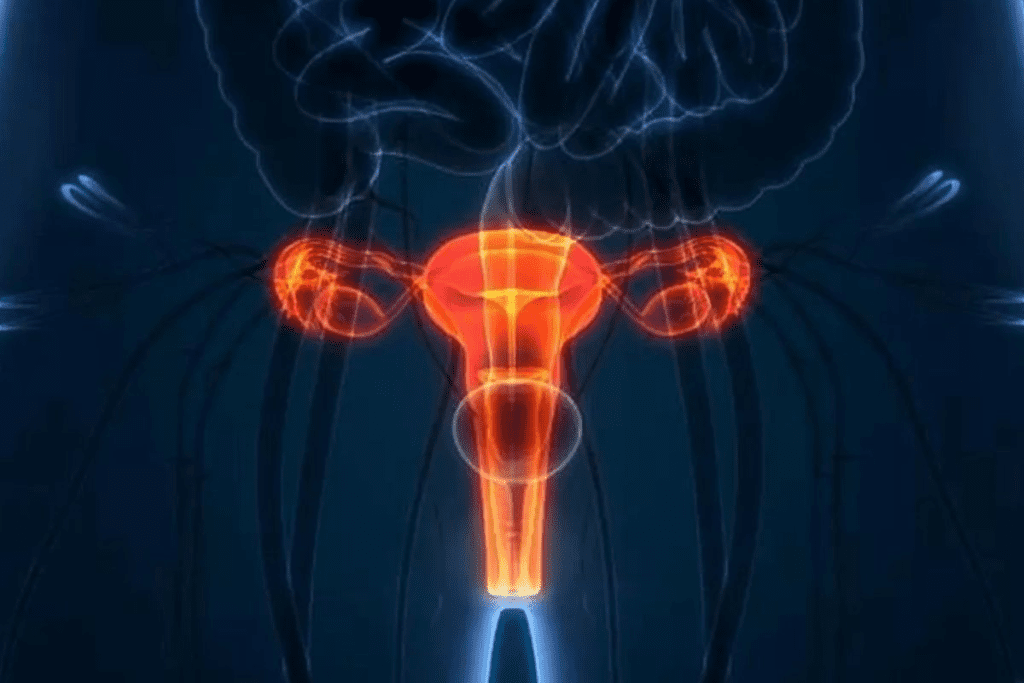
Prostate cancer starts when normal cells in the prostate gland turn into bad cells that grow too much. This change is caused by many factors, including genes and the environment.
Prostate cancer happens when cells in the prostate gland grow and multiply without control. Knowing the types and grades of prostate cancer helps doctors choose the right treatment.
How Cancer Forms in the Prostate
Cancer in the prostate starts with changes in the cells’ genes. These changes make cells grow out of control, forming a tumor. The whole process has several steps, like starting, promoting, and getting worse.
Key stages in prostate cancer development include:
- Genetic mutations in prostate cells
- Uncontrolled cell proliferation
- Tumor formation
- Potential invasion into surrounding tissues
Different Types and Grades of Prostate Cancer
Prostate cancer is not just one disease. It has many types and grades, each with its own traits and chances of survival.
The most common type is adenocarcinoma. It starts in the glandular cells of the prostate.
| Type/Grade | Description | Prognosis |
| Adenocarcinoma | Arises from glandular cells | Varies based on grade and stage |
| Low Grade | Cancer cells resemble normal cells | Generally better prognosis |
| High Grade | Cancer cells are very abnormal | More aggressive, poorer prognosis |
Knowing the type and grade of prostate cancer is key. It helps doctors pick the best treatment and predict how well it will work.
How Common Is Prostate Cancer: Statistics and Prevalence
It’s important to know the stats on prostate cancer to see its big impact on health. This cancer is a big worry worldwide. Looking at how common it is helps us understand the problem’s size.
Global Incidence Rates
Prostate cancer is the second most common cancer in men globally. Over 1.4 million new cases were found in 2020, says the International Agency for Research on Cancer. The rates vary a lot, with the highest in Western countries, like Australia, North America, and Europe.
United States Prevalence Data
In the US, prostate cancer is the most common non-skin cancer in men. The American Cancer Society says about 1 in 8 men will get prostate cancer in their lifetime. The US rates are affected by age, family history, and ethnicity.
The SEER program shows prostate cancer rates are going up. This is partly because more people are living longer and better tests are available.
Comparison to Other Common Cancers
Prostate cancer is among the top in incidence when compared to other cancers. For example, it’s more common than lung and colorectal cancer in many places. But, thanks to early detection and better treatments, death rates are lower.
Knowing how prostate cancer stacks up against other cancers helps us focus our health efforts and use resources wisely.
Will Every Man Eventually Develop Prostate Cancer?
Knowing the risk of prostate cancer can ease worries and myths about it. Prostate cancer is a big worry for men, mainly as they get older.
Addressing the Common Misconception
The myth that every man will get prostate cancer is not true. While the risk goes up with age, not all men will get it. Many things can change a man’s chance of getting prostate cancer, like age, family history, and genes.
Scientific Evidence on Lifetime Risk
Studies show that the risk of prostate cancer varies. The American Cancer Society says about 1 in 8 men will get prostate cancer in their lifetime. This shows prostate cancer is a big health issue but not all men will get it.
Research shows the risk of prostate cancer goes up a lot after 50. But, other factors can change this risk. Knowing these factors is key to understanding your own risk.
| Age Group | Risk of Developing Prostate Cancer |
| 40-49 | 1 in 231 |
| 50-59 | 1 in 43 |
| 60-69 | 1 in 13 |
| 70+ | 1 in 8 |
This table shows how the risk of prostate cancer goes up with age. It highlights why older men should get checked regularly and stay aware.
In short, while prostate cancer is common in men, it’s not a certainty for every man. Knowing the risk and what affects it can help men make smart health choices.
Lifetime Risk Factors: What Are Your Chances?
Understanding your risk of prostate cancer involves looking at several important factors. These factors can help men make better health choices.
Statistical Probability by Age Group
The risk of prostate cancer changes a lot with age. Men under 40 are at very low risk. But, the risk goes up a lot after 50. Most cases are found in men 65 and older.
The American Cancer Society shows how age affects risk. Their data highlights the big jump in cases among older men. This shows how critical age is as a risk factor.
Calculating Individual Risk Assessment
Calculating your risk of prostate cancer is more than just age. Family history and genetic predisposition are also key. Men with a first-degree relative (father or brother) with prostate cancer face higher risks.
Genetic mutations, like in BRCA1 and BRCA2 genes, also raise the risk. Knowing these can help figure out your overall risk.
Healthcare providers use tools and models to estimate your risk. This helps in making smart choices about screening and prevention.
Who Can Get Prostate Cancer?
It’s important to know who can get prostate cancer to catch it early. Men over 50 are most at risk. But, some biological factors can also play a part.
Biological Factors and Prostate Cancer
Several biological factors can raise the risk of prostate cancer. These include:
- Age: The risk grows after 50.
- Family History: Men with a family history are at higher risk.
- Genetic Mutations: Mutations in genes like BRCA1 and BRCA2 can increase risk.
- Ethnicity: African American men have a higher risk.
These factors can work together in complex ways. They can affect a person’s overall risk.
Can Women Get Prostate Cancer?
Prostate cancer is rare in women because they don’t have a prostate gland. But, there are rare cases where women can be affected by cancers similar to prostate cancer.
It’s essential to note that women can carry genetic mutations. These mutations can raise the risk of prostate cancer in their male relatives.
The talk about prostate cancer in women often focuses on reproductive health. It also looks at cancers in the female reproductive system.
Age as the Primary Risk Factor
The risk of prostate cancer goes up a lot with age. This makes age a big risk factor. We’ll look at how prostate cancer rates change with age and why older men are more at risk.
Prostate Cancer Incidence Across Age Brackets
Prostate cancer is rare in men under 40. But, it starts to rise a lot after 50. The American Cancer Society says over 75% of cases are in men 65 and older.
- Men under 40: Rare cases
- Men between 50-64: Increasing incidence
- Men 65 and older: More than 75% of cases diagnosed
Why Older Men Are at Higher Risk
Several things make older men more likely to get prostate cancer. These include:
- Genetic mutations that build up over time and can lead to cancer.
- Hormonal changes, like more testosterone, which can make prostate cells grow.
- Weakened immune system with age, making it tough to fight off cancer cells.
Knowing these factors helps with early detection and prevention. Regular check-ups and knowing your family history are key.
By seeing age as a main risk factor, men and doctors can make better choices about screenings and prevention.
Genetic and Family History Influences
Prostate cancer risk is greatly influenced by genetics and family history. Knowing these factors is key to understanding individual risk. It helps in taking steps to prevent the disease.
Hereditary Risk Patterns
Men with a family history of prostate cancer face a higher risk. The risk grows with more affected relatives. It’s also higher if relatives were diagnosed young. Studies have found patterns that point to a genetic link, including:
- Having a father or brother with prostate cancer
- Having multiple family members affected across generations
- A family history of other cancers, such as breast, ovarian, or pancreatic cancer, which may be linked to shared genetic mutations
Specific Genetic Mutations and Their Impact
Certain genetic mutations raise the risk of prostate cancer. For example, mutations in the BRCA1 and BRCA2 genes, known for breast and ovarian cancer, also increase prostate cancer risk. Other genes, like HOXB13, have been found to increase susceptibility. Knowing about these mutations helps in:
- Identifying individuals at higher risk
- Tailoring screening and preventive strategies
- Informing family members about their risks
Genetic testing can reveal an individual’s risk level. This knowledge allows for early action and may lower the chance of getting prostate cancer.
Racial and Ethnic Disparities in Prostate Cancer Risk
There are big differences in prostate cancer risk, diagnosis, and outcomes based on race and ethnicity. Prostate cancer is a big health issue in the United States. It affects men from different racial and ethnic backgrounds in different ways.
Higher Incidence Among African American Men
African American men face the highest risk of prostate cancer. They are more likely to get diagnosed with it and at a younger age than white men. The reasons for this are complex, involving genetics, environment, and socioeconomic factors.
Genetic factors are a big part of why African American men have a higher risk. Research has found specific genetic mutations in this group that increase their risk.
Variations Across Different Ethnic Populations
While African American men have the highest risk, other ethnic groups have different risks. For example, men of European descent have a lower risk than African American men but a higher risk than men of Asian or Hispanic descent.
The table below shows the incidence and mortality rates of prostate cancer in different racial and ethnic groups in the United States:
| Racial/Ethnic Group | Incidence Rate | Mortality Rate |
| African American | 173.4 per 100,000 | 37.4 per 100,000 |
| White | 105.4 per 100,000 | 18.9 per 100,000 |
| Asian/Pacific Islander | 54.4 per 100,000 | 9.8 per 100,000 |
| Hispanic | 74.8 per 100,000 | 14.3 per 100,000 |
It’s important to understand these disparities. This knowledge helps us develop better interventions. It aims to improve prostate cancer outcomes for all racial and ethnic groups.
Common Misconceptions About Prostate Cancer
Many men believe wrong things about prostate cancer. It’s important to clear up these myths. This helps men understand the disease better.
One big myth is that prostate cancer is like catching a cold. This comes from not knowing how cancer works.
Can You “Catch” Prostate Cancer?
Prostate cancer is not contagious. It’s not spread by viruses or bacteria. It happens when cells in the prostate grow too much.
Key Facts About Prostate Cancer Transmission:
- Prostate cancer is not infectious.
- It cannot be transmitted through sexual contact or other means.
- The exact cause of prostate cancer is not known, but some risk factors are.
Debunking Other Prostate Cancer Myths
There are many myths about prostate cancer. Some say it’s always slow-growing and won’t harm a man’s life. But, some cancers grow fast and need quick treatment.
Common Myths and Facts:
- Myth: Prostate cancer only affects older men. Fact: Age is a risk factor, but it can happen in younger men too.
- Myth: Vasectomy increases prostate cancer risk. Fact: Studies don’t show a clear link between vasectomy and cancer risk.
- Myth: A digital rectal exam (DRE) can cause prostate cancer. Fact: A DRE is a screening tool and doesn’t cause cancer.
Knowing the truth can help men make better health choices. It also reduces worry about prostate cancer.
Teaching men the right information is important. It helps them take charge of their health.
Lifestyle Factors Affecting Prostate Cancer Risk
Changing some lifestyle habits can lower the risk of prostate cancer. This gives men a way to take charge of their health.
Studies show that daily habits and choices greatly affect prostate health. Knowing these factors helps men make better lifestyle choices.
Diet and Nutritional Influences
Eating lots of fruits, vegetables, and whole grains is good for health. It might also lower prostate cancer risk. Some foods are better for the prostate than others.
- Tomatoes and tomato products, which are high in lycopene
- Green tea, known for its antioxidant properties
- Cruciferous vegetables like broccoli and cauliflower
- Fatty fish, which are rich in omega-3 fatty acids
Physical Activity and Body Weight
Staying active and keeping a healthy weight are key. Exercise can lower prostate cancer risk. But, being overweight can increase the risk of aggressive prostate cancer.
| Activity Level | Relative Risk |
| Low | 1.0 |
| Moderate | 0.8 |
| High | 0.6 |
Smoking, Alcohol, and Environmental Factors
Smoking raises prostate cancer risk and other health problems. Drinking alcohol in moderation is best. Too much can harm health.
Environmental factors, like chemicals and pollutants, also affect prostate cancer risk. Knowing these risks helps men make better choices about their environment and lifestyle.
By choosing wisely, men can lower their prostate cancer risk. It’s important to stay informed and talk to doctors about health concerns.
Prostate Cancer Progression and Spread
Prostate cancer can spread to other parts of the body, like bones and lymph nodes. Sometimes, it even reaches the brain. Knowing how it spreads helps doctors treat it better.
Mechanisms of Metastasis
When prostate cancer spreads, it’s a complex process. Cancer cells change and grow, allowing them to move to other areas. They can travel through the blood or lymph system to start new tumors.
Key Steps in Metastasis:
- Local invasion of cancer cells into surrounding tissues
- Entry into the bloodstream or lymphatic vessels
- Survival within the circulatory system
- Adhesion to the endothelial lining of distant organs
- Proliferation at the new site to form metastatic tumors
Brain Metastasis in Prostate Cancer
Prostate cancer can also spread to the brain, though it’s not common. This usually happens when the cancer is advanced and has certain genetic changes.
The table below shows where prostate cancer often spreads and what it looks like.
| Metastasis Site | Frequency | Characteristics |
| Bones | High | Osteoblastic metastases, often causing bone pain |
| Lymph Nodes | Common | Involvement indicates spread beyond the prostate |
| Brain | Less Common | Associated with advanced disease and poor prognosis |
Knowing how prostate cancer spreads helps doctors find better treatments. This can improve how well patients do.
Screening and Early Detection Methods
Early detection is key in fighting prostate cancer. There are many screening methods to find the disease early. It’s important for men to know about these methods to make good health choices.
PSA Testing: Benefits and Limitations
The Prostate-Specific Antigen (PSA) test is a common tool for prostate cancer screening. It checks PSA levels in the blood, which can be high in men with cancer. The test can find cancer early, which might lead to treatment before symptoms show.
But, there are downsides to PSA testing. It can give false positives and find slow-growing cancers that might not harm or kill.
Benefits of PSA Testing:
- Early detection of prostate cancer
- Potential for reduced mortality rates
- Monitoring of cancer progression
Limitations of PSA Testing:
- Risk of false positive results
- Detection of slow-growing tumors
- Potential for unnecessary biopsies and treatments
Digital Rectal Examination and Advanced Screening Tools
Other screening methods include the Digital Rectal Examination (DRE) and advanced imaging. The DRE lets a healthcare provider feel the prostate for any oddities. Tools like MRI scans give detailed prostate images, helping spot cancerous spots.
The table below shows the different ways to screen for prostate cancer:
| Screening Method | Description | Benefits |
| PSA Testing | Measures PSA levels in the blood | Early detection, monitoring of cancer progression |
| Digital Rectal Examination (DRE) | Physical examination of the prostate gland | Detection of abnormalities, complementary to PSA testing |
| Advanced Imaging (e.g., MRI) | Detailed imaging of the prostate gland | Accurate detection of cancerous areas, guides biopsy |
Treatment Options and Survival Rates
Treatment for prostate cancer varies based on the cancer’s type, the patient’s health, and personal choices. It’s important to know the different treatments and their success rates to make the best choice.
Standard Treatment Approaches
Common treatments for prostate cancer include surgery, radiation, and active surveillance. Surgery, like radical prostatectomy, removes the prostate gland. It’s often chosen for men with early-stage cancer. Radiation therapy uses high-energy rays to target cancer cells.
Active surveillance means watching the cancer closely with tests and exams. It’s often suggested for men with low-risk cancer.
Innovative and Emerging Therapies
New treatments are being explored, like immunotherapies and targeted therapies. These aim to boost the immune system and target cancer cells directly.
Clinical trials are key to testing these new treatments. Men with prostate cancer should talk to their doctor about joining a trial.
Survival Statistics by Stage and Grade
Survival rates for prostate cancer depend on the cancer’s stage and grade at diagnosis. The American Cancer Society provides survival data based on these factors.
| Stage at Diagnosis | 5-Year Relative Survival Rate | 10-Year Relative Survival Rate |
| Localized | 100% | 100% |
| Regional | 100% | 95% |
| Distant | 31% | 15% |
These numbers show why early detection and treatment are critical. Men with early-stage cancer have a high survival rate. Those with distant cancer face a tougher fight.
Conclusion: Putting Prostate Cancer Risk in Perspective
It’s key to understand prostate cancer risk factors and how common it is. This knowledge helps people make better health choices. By looking at the numbers and what increases risk, folks can get a clearer picture of their chances.
Many things affect prostate cancer risk, like age, genes, and lifestyle. Guys over 65 face a bigger risk, and African American men are more likely to get it. While some risks can’t be changed, knowing them helps people act early to prevent or catch them.
It’s vital to talk about prostate cancer risk to spread awareness. Knowing the value of screenings and catching cancer early can lower the risk of serious cases. Staying up-to-date on prostate cancer and taking steps to prevent it can greatly improve health and happiness.
FAQ
Does every man have a prostate?
No, not every man has a prostate. While it’s a normal part of male anatomy, some are born without it. Others may have it removed surgically.
Will every man eventually get prostate cancer?
No, not every man will get prostate cancer. It’s a common cancer among men, but the risk depends on age, family history, and genetics.
What are the chances of getting prostate cancer?
The risk of getting prostate cancer varies. About one in eight men will be diagnosed with it in their lifetime, says the American Cancer Society.
Can women get prostate cancer?
No, women can’t get prostate cancer because they don’t have a prostate gland. But, they can carry genetic mutations that raise the risk in their male relatives.
How common is prostate cancer?
Prostate cancer is very common among men. It’s the 15th most common cancer worldwide, according to the International Agency for Research on Cancer.
What are the risk factors for prostate cancer?
Risk factors include age, family history, genetics, obesity, and lifestyle. Men with a family history or certain genetic mutations are at higher risk.
Can prostate cancer be transmitted like a disease?
No, prostate cancer isn’t contagious. It develops from genetic mutations and risk factors, not from infection or exposure.
How does prostate cancer progress and metastasize?
Prostate cancer spreads through the bloodstream or lymphatic system. It can reach bones, lymph nodes, and other organs, like the brain.
What are the benefits and limitations of PSA testing?
PSA testing can find prostate cancer early. But, it’s not perfect. Elevated PSA levels can mean cancer, but other conditions can cause them too. Talk to a healthcare provider about the benefits and limitations.
What are the treatment options for prostate cancer?
Treatment depends on the cancer’s stage, grade, and the patient. Options include surgery, radiation, hormone therapy, chemotherapy, or active surveillance.
How can I reduce my risk of prostate cancer?
Some risks can’t be changed, but you can lower your risk. Stay healthy, be active, eat well, and avoid smoking and too much alcohol.
What is the survival rate for prostate cancer?
Survival rates vary by stage and grade. The American Cancer Society says nearly 100% of men with localized disease survive five years.
References
Kratzer, T. B. (2025). Prostate cancer statistics, 2025. CA: A Cancer Journal for Clinicians.
https://acsjournals.onlinelibrary.wiley.com/doi/full/10.3322/caac.70028