Last Updated on November 27, 2025 by Bilal Hasdemir
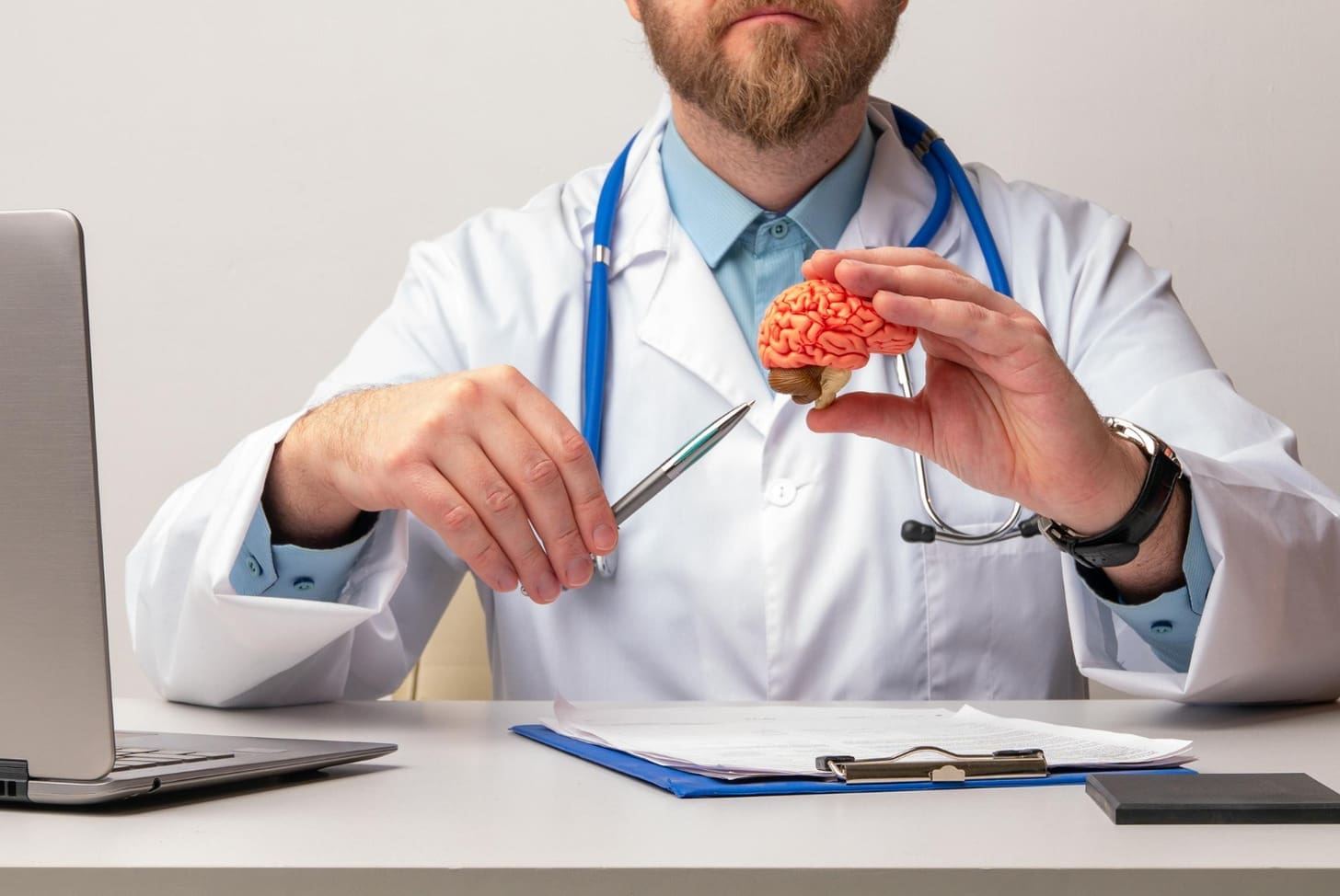
Receiving a brain cancer diagnosis can be overwhelming, and the question of whether it’s curable is a pressing concern for many patients and their families. At Liv Hospital, we understand the complexity of this question and are committed to providing the latest advancements in brain cancer treatment.
While a definitive cure for brain cancer remains elusive, significant progress has been made in treating various types of brain tumors. Our team is dedicated to delivering personalized care, with treatment plans tailored to each patient’s unique needs.
We explore the potential for curing brain tumors, with a focus on the latest research and survival statistics. Our commitment is to provide world-class cancer care, offering renewed hope to patients and their families.
Key Takeaways
- The curability of brain cancer depends on the type and grade of the tumor.
- Benign brain tumors and some lower-grade malignancies have higher survival rates.
- Liv Hospital is committed to providing the latest advancements in brain cancer treatment.
- Personalized treatment plans are tailored to each patient’s unique needs.
- Significant progress has been made in treating various types of brain cancer.
Understanding Brain Cancer: Types and Prognosis
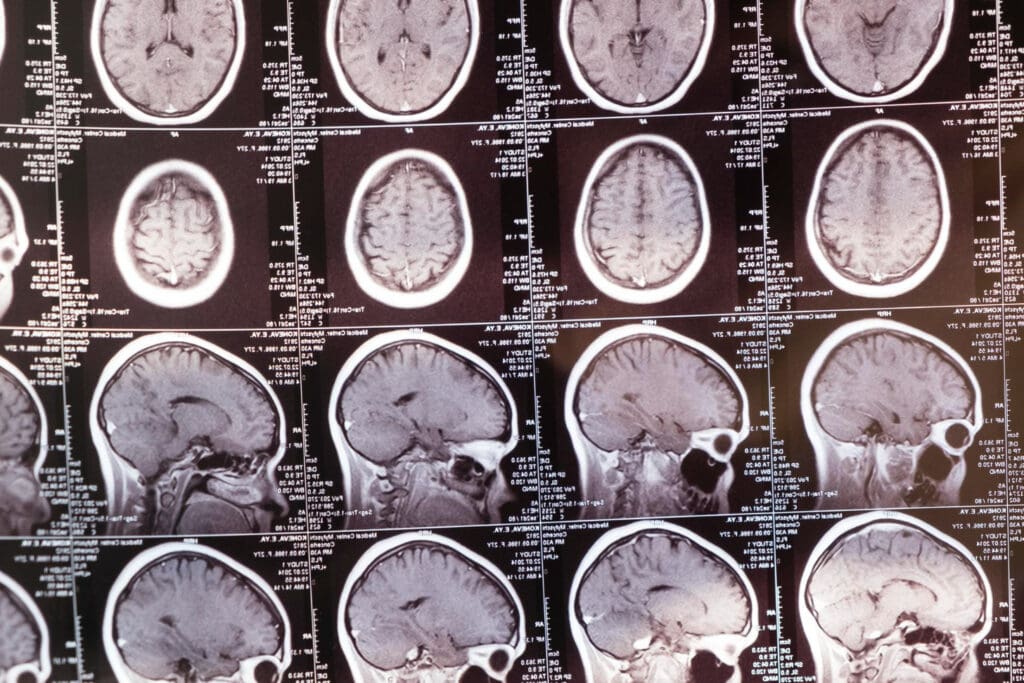
Understanding brain cancer requires knowledge of the different tumor types and their respective prognoses. Brain cancer is not a single disease but rather a collection of various tumor types, each with its unique characteristics and challenges.
Different Types of Brain Tumors
Brain tumors can be broadly classified into primary and secondary tumors. Primary brain tumors originate in the brain, while secondary brain tumors result from cancer cells spreading to the brain from other parts of the body. Within these categories, there are numerous subtypes based on the cell type and location.
Some common types of primary brain tumors include:
- Gliomas: Arising from glial cells, these tumors can range from low-grade to highly malignant glioblastomas.
- Meningiomas: Typically benign tumors that form in the meninges, the protective membranes surrounding the brain.
- Medulloblastomas: Commonly found in children, these malignant tumors occur in the cerebellum.
Grading System and What It Means
The grading system for brain tumors is a critical factor in determining prognosis and treatment plans. The World Health Organization (WHO) grading system is widely used, categorizing tumors from Grade I (benign) to Grade IV (highly malignant).
| WHO Grade | Description | Characteristics |
|---|---|---|
| Grade I | Benign | Slow-growing, non-cancerous |
| Grade II | Low-grade | Relatively slow-growing, may recur |
| Grade III | Malignant | More aggressive, cancerous |
| Grade IV | High-grade | Highly malignant, aggressive growth |
Malignant vs. Benign Brain Tumors
The distinction between malignant and benign brain tumors is crucial for understanding prognosis and treatment options. Malignant tumors are cancerous and tend to grow rapidly, invading surrounding brain tissue. Benign tumors, while non-cancerous, can still cause problems due to their location and potential to compress or damage nearby brain structures.
“The difference between malignant and benign brain tumors lies not just in their growth rate but also in their impact on surrounding brain tissue and overall patient prognosis.” – Neuro-Oncologist
Factors Affecting Prognosis
Several factors influence the prognosis for brain cancer patients, including:
- Age: Younger patients generally have a better prognosis than older adults.
- Tumor Type and Grade: The specific type and grade of the tumor significantly impact prognosis.
- Overall Health: Patients with good overall health tend to have better outcomes.
- Response to Treatment: How well the tumor responds to initial treatment is a critical prognostic factor.
By understanding these factors and the different types of brain tumors, patients and their families can better navigate the complexities of brain cancer diagnosis and treatment.
Current Survival Rates and Statistics
The prognosis for brain cancer patients varies widely based on several factors, including the type of cancer and age. At Liv Hospital, we recognize the importance of understanding current survival rates to provide the most accurate information and treatment options available.
Five-Year Survival Rates by Cancer Type
Five-year relative survival rates for malignant brain cancers in adults range from about 33 to 36 percent. These rates are influenced significantly by the specific type of brain cancer. For instance, glioblastoma, a particularly aggressive form of brain cancer, has a poorer prognosis compared to some other types.
Survival rates by specific cancer type:
- Glioblastoma: Generally has a lower survival rate due to its aggressive nature.
- Lower-grade gliomas: Tend to have better survival rates, though this can vary based on numerous factors.
- Meningiomas: Often have a more favorable prognosis, especially if benign.
Glioblastoma Prognosis and Challenges
Glioblastoma is one of the most challenging brain cancers to treat, with a generally poor prognosis. Despite advancements in treatment modalities, the survival rate for glioblastoma remains relatively low. Research and clinical trials continue to explore new and innovative approaches to improve outcomes for glioblastoma patients.
Survival Rates for Lower-Grade Tumors
Lower-grade brain tumors, such as grade I or II gliomas, typically have better survival rates compared to their higher-grade counterparts. Treatment strategies for these tumors often involve a combination of surgery, radiation, and monitoring, with a focus on preserving neurological function.
Age and Other Demographic Factors
Age and other demographic factors play a significant role in determining brain cancer survival rates. Younger patients generally have better survival rates than older adults. Additionally, overall health, genetic factors, and the presence of other medical conditions can influence an individual’s prognosis.
| Age Group | Relative 5-Year Survival Rate |
|---|---|
| 20-44 years | 73% |
| 45-54 years | 55% |
| 55-64 years | 38% |
| 65 years and older | 21% |
Understanding these statistics and factors helps patients and their families make informed decisions about their care. At Liv Hospital, we are committed to providing world-class healthcare with complete support for international patients, utilizing the latest data and research to guide treatment options.
Is There a Cure for Brain Cancer? The Current Reality
Understanding whether brain cancer is curable requires a deep dive into current medical research and treatment options. The complexity of brain cancer makes it a challenging condition to treat, but advancements in medical science have brought new hope to patients.
Defining “Cure” in the Context of Brain Cancer
The term “cure” in brain cancer refers to the complete eradication of the tumor with no recurrence. However, due to the aggressive nature of some brain tumors, treatment goals often focus on controlling tumor growth, managing symptoms, and improving quality of life.
Key factors influencing the potential for a cure include:
- The type and grade of the brain tumor
- The tumor’s location and size
- The patient’s overall health and age
Which Brain Tumors Are Potentially Curable
Some types of brain tumors are more likely to be cured than others. Benign brain tumors, such as meningiomas and acoustic neuromas, are often curable with surgery or radiation therapy. Certain low-grade gliomas may also have a favorable prognosis with appropriate treatment.
Challenges in Treating Malignant Brain Tumors
Malignant brain tumors, such as glioblastoma, pose significant treatment challenges due to their aggressive growth and resistance to conventional therapies. Despite advances in surgery, radiation, and chemotherapy, the prognosis for these tumors remains poor.
Common challenges include:
- Tumor recurrence
- Resistance to treatment
- Damage to surrounding brain tissue
The Role of Personalized Medicine
Personalized medicine has revolutionized brain cancer treatment by tailoring therapies to individual patients based on their unique genetic and molecular profiles. This approach has shown promise in improving treatment outcomes and patient survival rates.
At Liv Hospital, we are committed to providing cutting-edge, personalized care for brain cancer patients, utilizing the latest advancements in medical science to achieve the best possible outcomes.
Conventional Treatment Approaches
The treatment of brain cancer typically involves a combination of conventional approaches tailored to the individual patient. These treatments are designed to combat the disease effectively, improving patient outcomes and quality of life.
Surgical Interventions and Innovations
Surgical interventions remain a primary treatment for many types of brain tumors. Advances in surgical techniques and technology have significantly improved outcomes for patients. Minimally invasive surgeries and image-guided surgery are examples of innovations that have reduced recovery times and improved precision.
Our team works closely with neurosurgeons to determine the most appropriate surgical approach for each patient, considering factors such as tumor location and size.
Radiation Therapy Options
Radiation therapy is another cornerstone in the treatment of brain cancer. It involves the use of high-energy particles or waves to destroy or damage cancer cells. External beam radiation therapy and stereotactic radiosurgery are common types of radiation therapy used to treat brain tumors.
The choice of radiation therapy depends on the type, size, and location of the tumor, as well as the patient’s overall health.
Chemotherapy Protocols
Chemotherapy is often used in conjunction with other treatments for brain cancer. It involves the use of medicaredrugs to kill cancer cells or stop them from dividing. Temozolomide is a commonly used chemotherapy drug for treating certain types of brain tumors.
Chemotherapy protocols are tailored to the individual patient, taking into account the specific characteristics of their cancer.
Targeted Drug Therapies
Targeted drug therapies are a newer approach to treating brain cancer. These therapies use drugs that target specific genes or proteins involved in the growth and survival of cancer cells. Bevacizumab is an example of a targeted therapy used in the treatment of certain brain cancers.
Targeted therapies offer new hope for patients with specific genetic profiles, providing a more personalized treatment approach.
| Treatment Approach | Description | Benefits |
|---|---|---|
| Surgical Interventions | Removal or reduction of tumor through surgery | Immediate reduction of tumor burden, potential for complete removal |
| Radiation Therapy | Use of high-energy particles to kill cancer cells | Effective for tumors that cannot be completely removed by surgery, can target residual cancer cells |
| Chemotherapy | Use of drugs to kill cancer cells or stop their division | Can be used for systemic treatment, effective against rapidly dividing cells |
| Targeted Drug Therapies | Drugs targeting specific genes or proteins in cancer cells | Personalized treatment approach, potentially fewer side effects compared to traditional chemotherapy |
Emerging and Experimental Therapies
The landscape of brain cancer treatment is evolving rapidly with the advent of emerging and experimental therapies. At Liv Hospital, we are committed to staying at the forefront of these advancements, offering our patients access to the latest and most promising treatments.
Immunotherapy Approaches
Immunotherapy, which harnesses the body’s immune system to fight cancer, has shown significant potential in treating brain cancer. By enhancing the immune system’s ability to recognize and attack cancer cells, immunotherapy offers a new avenue for treatment.
Types of Immunotherapy:
- Checkpoint inhibitors
- Cancer vaccines
- Monoclonal antibodies
CAR-T Cell Therapy Progress
CAR-T cell therapy involves genetically modifying a patient’s T cells to recognize and target cancer cells. This therapy has shown promise in treating certain types of blood cancers and is now being explored for brain cancer.
Benefits of CAR-T Cell Therapy:
- Targeted treatment with potentially fewer side effects
- Ability to cross the blood-brain barrier
- Potential for long-term cancer control
Oncolytic Virus Therapy
Oncolytic virus therapy uses viruses that selectively infect and kill cancer cells, sparking an immune response against the tumor. This innovative approach is being studied in various clinical trials for brain cancer.
| Therapy Type | Mechanism | Potential Benefits |
|---|---|---|
| Immunotherapy | Enhances immune response against cancer cells | Targeted treatment, potentially fewer side effects |
| CAR-T Cell Therapy | Genetically modifies T cells to target cancer cells | Crosses blood-brain barrier, long-term cancer control |
| Oncolytic Virus Therapy | Uses viruses to selectively kill cancer cells | Sparks immune response, potentially effective against various tumor types |
Vaccine-Based Treatments
Vaccine-based treatments aim to prevent cancer recurrence by stimulating the immune system to recognize and attack remaining cancer cells. These vaccines are being researched for their potential to improve outcomes in brain cancer patients.
As research continues to advance, these emerging and experimental therapies hold great promise for improving the treatment landscape for brain cancer. At Liv Hospital, we are dedicated to providing our patients with access to the latest clinical trials and innovative treatments, ensuring they receive the best possible care.
Clinical Trials and Research Centers
Advancements in brain cancer treatment are being driven by ongoing clinical trials and research efforts worldwide. At Liv Hospital, we recognize the critical role that clinical trials and research centers play in shaping the future of brain cancer care.
How to Find Appropriate Clinical Trials
Finding the right clinical trial can be a daunting task for patients and their families. We work closely with patients to identify suitable clinical trials based on their specific needs and conditions. Resources such as the National Cancer Institute’s database and other reputable clinical trial registries are utilized to find trials that match patient profiles.
To locate a clinical trial, patients can:
- Consult with their healthcare provider about potential clinical trials.
- Search online databases such as ClinicalTrials.gov.
- Contact research institutions directly.
- Reach out to organizations dedicated to brain cancer support.
Leading Brain Cancer Research Institutions
Several institutions are at the forefront of brain cancer research, driving innovation and advancing treatment options. Some of the leading research institutions include:
| Institution | Focus Area | Notable Research |
|---|---|---|
| Memorial Sloan Kettering Cancer Center | Immunotherapy, Targeted Therapies | Developing personalized treatment plans based on genetic profiling. |
| MD Anderson Cancer Center | Radiation Oncology, Surgical Innovations | Advancing proton therapy for brain tumors. |
| Stanford University Medical Center | Gene Therapy, Stem Cell Research | Exploring gene editing techniques for brain cancer. |
Promising Ongoing Studies
Ongoing studies are investigating new treatment modalities, including immunotherapy approaches and CAR-T cell therapy. These studies aim to improve survival rates and quality of life for brain cancer patients.
International Collaboration Efforts
International collaboration is crucial in the fight against brain cancer. By sharing knowledge, resources, and data, research institutions worldwide can accelerate the development of new treatments. We participate in global research initiatives, fostering collaboration between leading research centers.
Through these efforts, we can:
- Enhance our understanding of brain cancer biology.
- Develop more effective treatment strategies.
- Improve patient outcomes through global cooperation.
Integrative and Supportive Care Approaches
We recognize that managing brain cancer effectively requires a holistic approach that includes both medical treatment and supportive care. At Liv Hospital, we are committed to providing comprehensive care that addresses the physical, emotional, and social needs of our patients.
Nutritional Support During Treatment
Nutritional support is a critical aspect of brain cancer care, helping patients maintain their strength and overall health during treatment. A well-balanced diet can help manage treatment side effects and support recovery. Our team of nutritionists works closely with patients to develop personalized dietary plans that meet their specific needs.
Nutritional counseling is available to help patients understand the importance of nutrition during treatment and how to incorporate healthy eating habits into their lifestyle.
Mind-Body Therapies
Mind-body therapies, such as meditation, yoga, and cognitive-behavioral therapy, can help reduce stress and improve the overall well-being of brain cancer patients. These therapies can be particularly beneficial in managing the emotional and psychological challenges associated with a cancer diagnosis.
Our institution offers a range of mind-body therapies tailored to the needs of brain cancer patients, providing a supportive environment that fosters healing and relaxation.
Managing Treatment Side Effects
Effective management of treatment side effects is crucial to ensuring that patients can continue their treatment as planned. Our team works closely with patients to identify and manage side effects, using a combination of conventional and supportive care approaches.
- Medications to manage symptoms
- Physical therapy to maintain mobility and strength
- Nutritional support to manage dietary challenges
Rehabilitation and Recovery
Rehabilitation and recovery programs are an essential part of the care we provide to brain cancer patients. These programs are designed to help patients regain their strength, mobility, and independence after treatment.
Our rehabilitation team includes physical therapists, occupational therapists, and speech therapists who work together to develop personalized rehabilitation plans that address the unique needs of each patient.
Patient Resources and Support Systems
Navigating a brain cancer diagnosis can be overwhelming, but patients and their families can access various resources and support systems. At Liv Hospital, we are committed to providing our patients with the information and support they need to make informed decisions about their care.
Brain Cancer Organizations and Foundations
Several organizations and foundations are dedicated to supporting brain cancer patients. These include:
- The Brain Tumor Foundation: Offers resources and support for patients and families.
- The American Brain Tumor Association: Provides educational materials, support groups, and advocacy.
- The National Brain Tumor Society: Funds research and provides information on treatment options and support services.
Financial Assistance Programs
Financial assistance is crucial for many patients undergoing treatment for brain cancer. Programs available include:
- Medicaid and Medicare: Government programs that can help cover treatment costs.
- Patient Access Programs: Many pharmaceutical companies offer assistance programs to help with medication costs.
- Non-profit Organizations: Organizations like the Patient Access Network Foundation provide financial assistance for treatment and related expenses.
Caregiver Support Resources
Caregivers play a vital role in the care and support of brain cancer patients. Resources available to them include:
- Caregiver Support Groups: Many organizations offer support groups where caregivers can share their experiences and receive support.
- Respite Care: Services that provide temporary relief for caregivers.
- Educational Resources: Materials and workshops that help caregivers understand how to care for their loved ones.
Online Communities and Support Groups
Online communities and support groups provide a platform for patients and caregivers to connect with others who are going through similar experiences. These include:
- Social Media Groups: Many organizations and support groups have social media presence where members can connect and share information.
- Forums and Discussion Boards: Websites dedicated to brain cancer often have forums where patients and caregivers can ask questions and receive support.
- Virtual Support Groups: Some organizations offer virtual support groups, making it easier for people to participate from anywhere.
At Liv Hospital, we believe in the importance of a comprehensive support system for brain cancer patients. By providing access to these resources, we aim to improve the quality of life for our patients and their families.
Conclusion: Hope on the Horizon
Advances in treatment and research offer new hope for patients with brain cancer. At Liv Hospital, we are committed to providing the latest care and support to our patients, helping them navigate their journey with brain cancer.
With a focus on personalized medicine, innovative therapies, and comprehensive care, we are dedicated to improving treatment outcomes and offering hope to those affected by brain cancer. The future of brain cancer treatment is promising, with ongoing research and emerging therapies that are changing the landscape of care.
As we continue to push the boundaries of what is possible in brain cancer treatment, we remain hopeful for the future and committed to delivering the best possible care to our patients. Our commitment to advancements in brain cancer care is unwavering, and we are dedicated to providing hope in brain cancer treatment to those who need it most.
FAQ
Is there a cure for brain cancer?
While there is currently no definitive cure for brain cancer, significant progress has been made in treating various types of brain cancer. The possibility of a cure depends on factors such as the type of brain tumor, its grade, and the patient’s overall health.
Can brain cancer be cured?
Some brain tumors are potentially curable with the right treatment approach, while malignant tumors remain challenging to cure. Advances in personalized medicine have improved treatment outcomes, offering new hope for patients.
Are malignant brain tumors curable?
Malignant brain tumors are more aggressive and challenging to treat compared to benign tumors. While they can be difficult to cure, various treatment options are available, including surgery, radiation therapy, and chemotherapy.
What are the latest advancements in brain cancer treatment?
Emerging and experimental therapies, such as immunotherapy, CAR-T cell therapy, oncolytic virus therapy, and vaccine-based treatments, are being explored in clinical trials, offering new possibilities for treatment.
How can I find clinical trials for brain cancer treatment?
Patients can find appropriate clinical trials through various resources, including our team at Liv Hospital, who work closely with leading brain cancer research institutions to stay updated on the latest studies.
What support systems are available for brain cancer patients and their families?
Brain cancer organizations and foundations, financial assistance programs, caregiver support resources, and online communities and support groups are available to provide valuable information and support.
How can nutritional support help during brain cancer treatment?
Nutritional support during treatment is vital for maintaining strength and overall health. Our team provides guidance on nutritional support to help patients cope with treatment and its side effects.
What is the role of personalized medicine in brain cancer treatment?
Personalized medicine has improved treatment outcomes by tailoring treatment plans to the individual needs of each patient, taking into account factors such as the type of brain tumor, its grade, and the patient’s overall health.
Are brain tumors treatable?
Yes, brain tumors are treatable, and various treatment options are available, including surgery, radiation therapy, chemotherapy, and targeted drug therapies. The most effective treatment plan is determined by a team of experts on a case-by-case basis.
FAQ
Is there a cure for brain cancer?
While there is currently no definitive cure for brain cancer, significant progress has been made in treating various types of brain cancer. The possibility of a cure depends on factors such as the type of brain tumor, its grade, and the patient’s overall health.
Can brain cancer be cured?
Some brain tumors are potentially curable with the right treatment approach, while malignant tumors remain challenging to cure. Advances in personalized medicine have improved treatment outcomes, offering new hope for patients.
Are malignant brain tumors curable?
Malignant brain tumors are more aggressive and challenging to treat compared to benign tumors. While they can be difficult to cure, various treatment options are available, including surgery, radiation therapy, and chemotherapy.
What are the latest advancements in brain cancer treatment?
Emerging and experimental therapies, such as immunotherapy, CAR-T cell therapy, oncolytic virus therapy, and vaccine-based treatments, are being explored in clinical trials, offering new possibilities for treatment.
How can I find clinical trials for brain cancer treatment?
Patients can find appropriate clinical trials through various resources, including our team at Liv Hospital, who work closely with leading brain cancer research institutions to stay updated on the latest studies.
What support systems are available for brain cancer patients and their families?
Brain cancer organizations and foundations, financial assistance programs, caregiver support resources, and online communities and support groups are available to provide valuable information and support.
How can nutritional support help during brain cancer treatment?
Nutritional support during treatment is vital for maintaining strength and overall health. Our team provides guidance on nutritional support to help patients cope with treatment and its side effects.
What is the role of personalized medicine in brain cancer treatment?
Personalized medicine has improved treatment outcomes by tailoring treatment plans to the individual needs of each patient, taking into account factors such as the type of brain tumor, its grade, and the patient’s overall health.
Are brain tumors treatable?
Yes, brain tumors are treatable, and various treatment options are available, including surgery, radiation therapy, chemotherapy, and targeted drug therapies. The most effective treatment plan is determined by a team of experts on a case-by-case basis.