Last Updated on November 27, 2025 by Bilal Hasdemir

Breast malignancy, also known as breast cancer, is a big health issue for women everywhere. In 2022, about 2.3 million women got this disease. Sadly, it caused 670,000 deaths.
These numbers show how big and urgent the problem of breast cancer is. It’s a top reason for cancer deaths in women. Knowing why and what happens with breast cancer is very important.
At Liv Hospital, we aim to give top-notch care. We focus on the patient and use the newest methods and keep getting better.
Key Takeaways
- Breast cancer is a leading cause of cancer-related deaths among women globally.
- In 2022, 2.3 million women were diagnosed with breast cancer worldwide.
- The disease resulted in 670,000 deaths in 2022.
- Understanding the causes and consequences of breast cancer is key for managing it well.
- Liv Hospital is committed to providing world-class care for breast cancer patients.
The Global Impact of Breast Malignancy
Breast cancer is a major cause of death in women worldwide. It’s a big health issue that needs a detailed plan to fight it.
What Is Breast Cancer?
Breast cancer is a tumor that grows in the breast. It happens when breast cells grow too much and don’t stop. Early detection is key to beating breast cancer. We’ll look at its causes, signs, and treatments.
Knowing about breast cancer helps everyone. It helps us spot risks, signs, and make smart treatment choices.
Current Global Incidence and Mortality
Breast cancer cases are rising, with different death rates in different places. Studies show that 1 in 20 women worldwide will get breast cancer. Sadly, 1 in 70 will die from it.
| Region | Incidence Rate | Mortality Rate |
|---|---|---|
| North America | 92.1 per 100,000 | 15.2 per 100,000 |
| Europe | 85.4 per 100,000 | 17.1 per 100,000 |
| Asia | 34.6 per 100,000 | 10.3 per 100,000 |
The table shows how breast cancer rates vary by region. These numbers show we need specific actions and awareness to tackle breast cancer worldwide.
Breast Cancer Statistics Worldwide
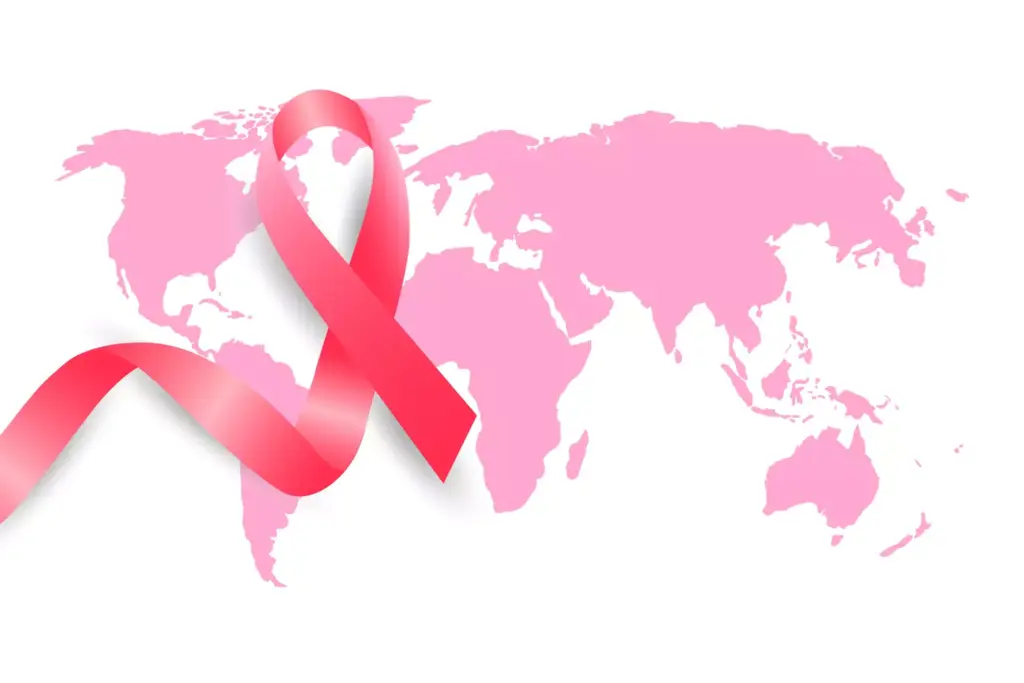
Global breast cancer statistics show a complex picture. They are influenced by where you live and your economic status. It’s clear that breast cancer is a big health problem worldwide.
Regional Variations in Incidence Rates
Breast cancer rates differ a lot around the world. North America and Western Europe have higher rates than many African and Asian countries. For example, rates are over 90 per 100,000 women in Belgium and Denmark. But, they are less than 30 in many African countries.
This difference comes from lifestyle, genetics, and how often people get screened. Countries with better healthcare systems find more cases through screening. This leads to higher rates.
Mortality Rates Across Different Countries
Mortality rates from breast cancer also vary a lot. Some countries have seen big drops in death rates thanks to better treatments. But, others are struggling with high death rates.
In low- and middle-income countries, breast cancer is often found too late. This means worse outcomes. But, countries with strong healthcare and early detection see death rates go down.
The Human Development Index Connection
There’s a link between a country’s Human Development Index (HDI) and breast cancer rates. Countries with a higher HDI have more cases but fewer deaths. Those with a lower HDI have fewer cases but more deaths.
By 2050, new breast cancer cases could hit 3.2 million a year, with 1.1 million deaths. This will mostly affect countries with lower HDI. It shows we need to work together to improve detection and treatment, mainly in less developed areas.
Breast Cancer in the United States
Breast cancer is a big health problem in the U.S. Recent stats show how common and serious it is. We’ll look at the latest numbers on breast cancer cases and deaths. We’ll also explore who gets it and why.
Current Incidence and Mortality Statistics
Health groups in the U.S. have shared important data on breast cancer. In 2025, about 316,950 women will be diagnosed with invasive breast cancer. Sadly, around 42,170 women will lose their lives to it. These numbers show how much breast cancer affects the U.S. population.
Incidence and Mortality Rates
| Year | Estimated New Cases | Estimated Deaths |
|---|---|---|
| 2025 | 316,950 | 42,170 |
| 2024 | 310,000 | 41,000 |
| 2023 | 297,790 | 43,700 |
The numbers show a steady rise in new cases. This highlights the need for more awareness and prevention. The impact on women’s health is significant, making it vital to understand these trends.
Demographic Patterns and Risk Distribution
Breast cancer rates differ among various groups in the U.S. Knowing these differences helps us target our efforts better.
- Age: Most breast cancer cases happen in women over 50. The risk goes up with age.
- Ethnicity: White women get breast cancer more often, but African American women are more likely to die from it.
- Family History: Women with a family history of breast cancer face a higher risk. This risk is even higher if a first-degree relative was diagnosed.
By studying these patterns and risk factors, we can tackle breast cancer more effectively. This helps us prevent and treat it better.
Projected Trends and Future Outlook
By 2050, the number of breast cancer cases is expected to skyrocket. This increase is due to several factors. It’s important to understand these trends to shape the future of breast cancer.
Estimated Growth in Cases by 2050
Studies show that breast cancer cases will jump globally by 2050. Demographic changes, lifestyle, and better diagnostic tools will drive this growth. We’ll see a big rise in new cases, putting more pressure on healthcare systems.
To grasp the scale of this problem, let’s look at the numbers:
| Region | Estimated Cases in 2020 | Projected Cases by 2050 | Percentage Increase |
|---|---|---|---|
| North America | 280,000 | 420,000 | 50% |
| Europe | 400,000 | 580,000 | 45% |
| Asia | 850,000 | 1,300,000 | 53% |
Factors Driving Increasing Incidence Rates
Several factors are pushing up breast cancer rates. Lifestyle changes, like diet and exercise, are big contributors. Demographic shifts, like aging and urbanization, also play a part. Environmental and genetic factors add to the increase.
It’s key to understand these factors to fight breast cancer’s growing impact. By studying how these elements interact, we can prepare for the future. This will help us lessen the disease’s effects.
Why Is Breast Malignancy So Deadly?
It’s important to understand why breast cancer is so deadly. This knowledge helps us find better treatments and improve survival rates. Breast cancer is a complex disease with uncontrolled cell growth and spread.
Biological Mechanisms of Breast Cancer
Genetic and epigenetic changes play a big role in breast cancer. Mutations in genes like BRCA1 and BRCA2 raise the risk of breast cancer. These changes can make cells grow out of control.
Research shows breast cancer is not just one disease. It’s a group of disorders with different molecular types. Each type has its own characteristics and treatment needs.
Metastasis and Disease Progression
Metastasis is the main reason breast cancer is deadly. It’s when cancer cells spread to other parts of the body. This process is complex and involves several steps.
The ability of cancer cells to spread is influenced by genetics, the tumor environment, and the immune system. Understanding these factors is key to stopping metastasis in breast cancer.
Challenges in Treatment and Management
Despite progress in treating breast cancer, there are big challenges. Resistance to therapy is a major problem. Cancer cells can resist treatments like chemotherapy and hormone therapy. Also, breast cancer’s diversity makes finding effective treatments hard.
We need new ways to treat breast cancer. This includes learning more about the disease and finding new targets for therapy.
| Challenge | Description | Potential Solution |
|---|---|---|
| Therapy Resistance | Cancer cells develop resistance to treatment | Developing new therapeutic agents and combination regimens |
| Disease Heterogeneity | Breast cancer is a heterogeneous disease | Personalized medicine approaches based on molecular subtyping |
| Metastasis | Spread of cancer cells to distant organs | Targeting metastatic pathways and improving early detection |
Risk Factors and Causes of Breast Cancer
Many things can increase the risk of getting breast cancer. This includes genes, lifestyle choices, and past health. Knowing these can help find people at high risk and take steps to prevent it.
Genetic and Hereditary Factors
Genes like BRCA1 and BRCA2 play a big role in breast cancer. People with a family history of breast cancer are at higher risk. Genetic tests can find these genes early, helping to act fast.
Other genetic syndromes, like Li-Fraumeni and Cowden, also raise the risk. While we can’t change these genes, knowing about them helps manage risk through careful checks and prevention.
| Genetic Factor | Description | Risk Level |
|---|---|---|
| BRCA1 Mutation | Increased risk of breast and ovarian cancer | High |
| BRCA2 Mutation | Increased risk of breast, ovarian, and other cancers | High |
| Li-Fraumeni Syndrome | Increased risk of multiple cancers, including breast cancer | High |
| Cowden Syndrome | Increased risk of breast, thyroid, and other cancers | Moderate to High |
Lifestyle and Environmental Influences
Our lifestyle choices can also affect our risk. Drinking alcohol can increase the risk of breast cancer. Being overweight, mainly after menopause, also raises the risk due to more estrogen.
Some environmental pollutants and radiation can also increase risk. For example, chemicals that act like hormones can raise cancer risk.
Hormonal and Reproductive Factors
Hormones and reproductive history are key in breast cancer. Starting menstruation early or menopause late means more estrogen exposure. Having children later or not at all can also affect risk.
Using hormone replacement therapy (HRT) during menopause can also raise risk. Knowing this helps in making choices about HRT.
Understanding the mix of genetic, lifestyle, and hormonal factors helps us find and help those at high risk. This way, we can catch and prevent breast cancer early.
Physical and Psychological Consequences of Breast Cancer
Breast cancer affects more than just the body. It also impacts a person’s mind and social life. Getting diagnosed and treated can change a person’s life in many ways.
Physical Impact and Side Effects of Treatment
Treatment for breast cancer can cause physical side effects. These include fatigue, pain, and changes in how you look like hair loss and scars. Long-term effects like lymphedema and neuropathy can also happen. These can make daily life hard and affect your overall health.
For more information on the age groups most affected by breast cancer, you can visit Liv Hospital’s resource on breast cancer age.
Psychological and Emotional Effects
The mind can be just as affected as the body. Patients often feel anxiety, depression, and fear of the cancer coming back. The emotional burden of a cancer diagnosis and treatment can be huge. It affects not just the patient but also their family and friends.
Having a support system, like counseling and support groups, is key. It helps patients deal with their emotional challenges. By understanding the mental effects of breast cancer, we can offer better care.
Social and Economic Consequences
Breast cancer also has big social and economic effects. The cost of treatment can be very high, causing financial problems for many. It can also make it hard for patients to work and do things they normally do.
The social effects go beyond family and friends. Patients may find it hard to adjust to changes in their social roles and identity. This can be tough to handle.
In summary, breast cancer has many effects that need a full care approach. We must look at the physical, mental, social, and economic impacts to help patients fully.
Prevention and Early Detection Strategies
Learning about prevention and early detection is key to lowering breast cancer deaths. We’ve made big strides in finding ways to stop and catch breast cancer early. This helps people live longer.
Screening Guidelines and Methods
Regular screening is vital for catching cancer early. Mammography is the top choice for screening, finding tumors before symptoms show. Women should follow guidelines from trusted health groups, like the American Cancer Society. They suggest starting mammograms at age 45.
Other tests, like breast ultrasound and magnetic resonance imaging (MRI), are used too. They help find cancers in dense breasts, alongside mammograms.
Preventive Measures and Risk Reduction
Preventive steps can lower breast cancer risk. Eating right, staying active, and drinking less alcohol can help. Also, risk-reducing medications like tamoxifen and raloxifene are options for those at high risk.
Women with certain genetic mutations (like BRCA1 and BRCA2) might consider prophylactic mastectomy or salpingo-oophorectomy. These choices are big and should be talked over with doctors.
Treatment Advances Improving Survival
New treatments have greatly boosted breast cancer survival rates. Targeted therapies, like trastuzumab, have changed treatment for HER2-positive cancers. Endocrine therapy is also key for hormone receptor-positive cancers.
New surgical techniques and radiation therapy methods have made treatments better. They cause fewer side effects and work better.
We’re seeing more new treatments, like immunotherapy and targeted therapies. These offer hope to patients.
Conclusion: The Path Forward in Combating Breast Cancer
Combating breast cancer needs a mix of research, education, and better healthcare. Breast cancer is a big problem worldwide, with different rates in different places. We need strong plans to tackle this disease, even in areas with few treatment options.
New steps, like starting a Cancer Treatment Centre in Tamale, show progress. But, we face issues like missing radiotherapy machines and not enough trained staff. We must focus on training more experts in cancer care. For more on the need for radiotherapy centers in Northern Ghana, check Ghana Business News.
New research and better care for breast cancer give us hope. By keeping up with research and improving healthcare, we can better fight breast cancer. This means getting radiotherapy machines ready faster and working with others to help.
As we go forward, fighting breast cancer must be our top goal. With a united effort, we can help patients everywhere and lessen the disease’s impact globally.
FAQ
What is breast cancer?
Breast cancer starts in the breast tissue, often in the ducts or lobules. It happens when abnormal cells grow and multiply without control, forming a tumor.
How common is breast cancer worldwide?
Breast cancer is the most common cancer in women globally. Over 2 million new cases are diagnosed every year. It affects women of all ages, but the risk grows with age.
What are the global statistics on breast cancer incidence and mortality?
Breast cancer causes about 685,000 deaths each year worldwide. The rates vary by region, with more cases in developed countries.
Is breast cancer a deadly disease?
Yes, breast cancer can be deadly if not caught and treated early. But, thanks to better medical care and early detection, survival rates have greatly improved.
Why is breast cancer so deadly?
It can spread to other parts of the body, making it hard to treat. This spreading, or metastasis, is a major reason it’s deadly.
What are the risk factors for breast cancer?
Risk factors include genetics, lifestyle, and hormones. Women with a family history, who are overweight, or exposed to radiation are at higher risk.
Can breast cancer be prevented?
While you can’t prevent it completely, you can lower your risk. Stay healthy, exercise, and get regular mammograms.
What are the symptoms of breast cancer?
Symptoms include a lump, changes in breast shape, and nipple discharge or pain.
How is breast cancer diagnosed?
It’s diagnosed with imaging tests like mammograms and ultrasounds. Biopsy procedures also remove tissue for examination.
What are the treatment options for breast cancer?
Treatment varies based on the cancer’s stage and type, and your health. It may include surgery, chemotherapy, radiation, and hormone therapy.
What is the rate of breast cancer globally?
The global rate is about 47.8 per 100,000 women. There are big differences in rates around the world.
How many people die from breast cancer yearly?
About 685,000 people die from breast cancer every year worldwide.
Will breast cancer kill you?
If not caught and treated early, breast cancer can be fatal. But, early detection and treatment greatly improve survival chances.
Is breast cancer fatal?
Yes, breast cancer can be fatal. The outcome depends on the cancer’s stage, type, and treatment success.
What is the global incidence of breast cancer?
Over 2 million new cases of breast cancer are diagnosed every year. It’s the most common cancer in women worldwide.
What are the consequences of breast cancer?
Breast cancer’s effects are physical, emotional, and economic. It impacts not just the person but also their family and community.
References
- International Agency for Research on Cancer (IARC). Breast cancer cases and deaths are projected to rise globally [Press release]. Lyon, France: IARC; 24 February 2025. Available from: https://www.iarc.who.int/wp-content/uploads/2025/02/pr361_E.pdf IARC
- Kim J, Harper A, McCormack V, Sung H, Houssami N, Morgan E, Mutebi M, Garvey G, Soerjomataram I, Fidler‑Benaoudia M, et al. Global patterns and trends in breast cancer incidence and mortality across 185 countries. Nature Medicine. 2025 Apr; 31(4):1154–1162. doi:10.1038/s41591-025-03502-3 Nature+1
- Breast Cancer Facts & Statistics. BreastCancer.org. Available from: https://www.breastcancer.org/facts-statistics Breastcancer.org
- Breast Cancer Facts & Stats 2025 – Incidence, Age, Survival, & More. NationalBreastCancer.org. Available from: https://www.nationalbreastcancer.org/breast-cancer-facts/ nationalbreastcancer.org