Last Updated on November 26, 2025 by Bilal Hasdemir
B cells are key players in our immune defense. They produce antibodies to fight off pathogens. At Liv Hospital, we focus on cutting-edge healthcare that mirrors this process. We see how important B cells are in making antibodies and boosting our immune system.
Recent studies show the power of single B cell technology. It makes antibody production more precise and cuts down on animal testing. This breakthrough has changed immunology. It helps us grasp how B cells make antibodies and how we can use this for medical progress.
Key Takeaways
- B cells are vital in fighting off infections, mainly by making antibodies.
- Single B cell technology improves antibody production and lowers animal testing.
- Liv Hospital is dedicated to innovative healthcare that improves patient care.
- Understanding how B cells make antibodies is key to advancing immunology.
- B cells are the main cells that release antibodies.
The Fundamental Role of B Cells in Immune Defense
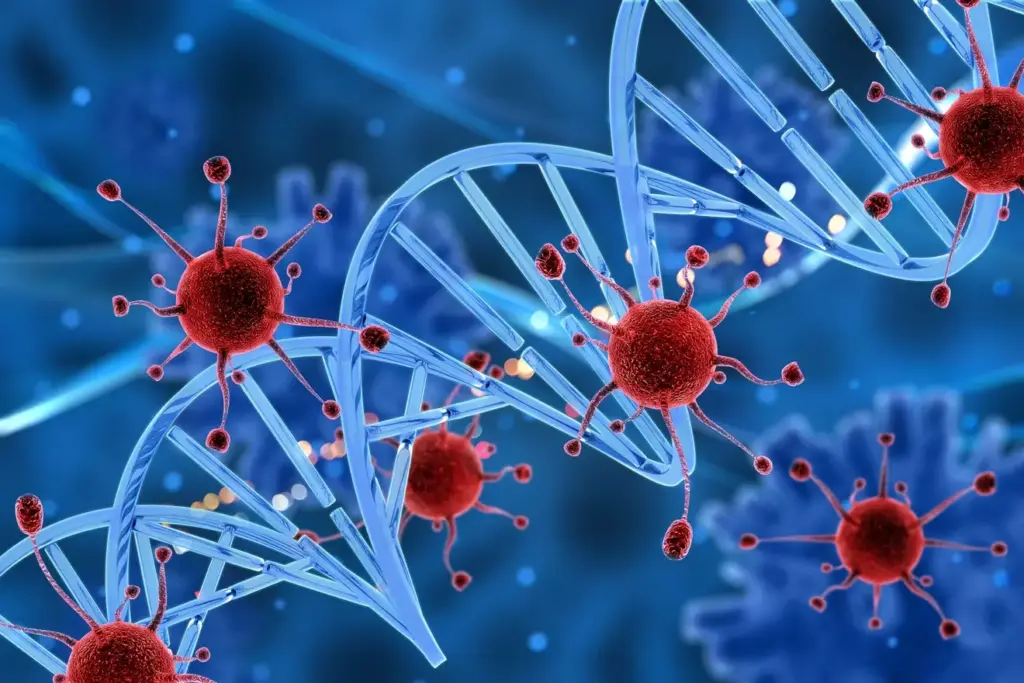
B cells are key players in our immune system. They make antibodies to fight off pathogens and harmful substances.
B cells, or B lymphocytes, are a type of white blood cell. They grow into plasma cells or memory B cells. This is essential for our immune defense.
Origin and Development of B Lymphocytes
B cells start from hematopoietic stem cells in the bone marrow. They go through many stages before becoming fully functional B cells.
As they develop, B cells create a wide range of antibodies. This diversity helps our immune system fight many different threats.
B Cell Receptors and Antigen Recognition
B cells find antigens with their B cell receptors (BCRs). The BCR is like a preview of the antibody they will make.
When a B cell finds its antigen, it gets activated. This leads to more B cells and the creation of plasma cells and memory B cells. This is a key part of our immune response.
Understanding B cells is important, like in treatments for head and neck cancer. It shows how vital B cells are in making antibodies.
What Do B Cells Produce: Antibodies and Other Immune Molecules
B cells are key in making immunoglobulins and cytokines. These molecules help fight off pathogens and keep us healthy.
Immunoglobulins as Primary B Cell Products
Immunoglobulins, or antibodies, are what B cells mainly produce. They are Y-shaped proteins that find and stick to specific antigens. This helps get rid of pathogens from our bodies.
The process of making antibodies is complex. It involves genetic rearrangement, transcription, and translation.
Antibodies have several important features:
- Specificity: They are very specific to certain antigens.
- Diversity: The immune system can make many different antibodies to fight various pathogens.
- Memory: B cells remember specific antigens. This allows for a quick response when they meet again.
Cytokines and Secondary Molecules
B cells also make cytokines and other molecules. These molecules help coordinate the immune response. They work together to fight off infections or diseases.
Cytokines have several key roles:
- They help activate and grow other immune cells.
- They help turn immune cells into active cells.
- They control the inflammatory response to prevent too much damage.
Studying diseases like diabetes shows how important immune molecules are. By looking at how B cells make antibodies and other molecules, we learn more about immune-related conditions.
For example, plasma cells make lots of antibodies, while memory B cells remember specific pathogens. This is important for both quick defense and long-term protection.
Understanding Antibody Structure and Classification
Immunoglobulins, or antibodies, are Y-shaped proteins vital for the immune system. They are key in neutralizing antigens and providing immunity. Single B cell technology has greatly enhanced our knowledge of antibody production and diversity.
The Basic Architecture of Immunoglobulins
An antibody is made of two heavy chains and two light chains, forming a Y shape. This shape is essential for binding to specific antigens. The variable regions at the tips recognize antigens, while the constant regions at the base determine the antibody’s class.
The variable regions are key for recognizing and binding to antigens. This specificity helps the immune system fight a wide range of pathogens. The constant region, in contrast, interacts with other immune system components like complement proteins and Fc receptors.
Five Classes of Antibodies and Their Functions
There are five main types of antibodies: IgA, IgD, IgE, IgG, and IgM. Each has unique functions and roles in immune defense. Knowing about these classes is important for understanding how the immune system works.
| Antibody Class | Primary Location | Main Function |
|---|---|---|
| IgA | Mucosal surfaces | Provides protection against pathogens at mucosal surfaces |
| IgD | Surface of mature B cells | Acts as a receptor for antigen recognition |
| IgE | Mast cells and basophils | Involved in allergic reactions and parasite defense |
| IgG | Blood and tissues | Provides long-term immunity against pathogens |
| IgM | Blood | First line of defense, activates complement |
The diversity in antibody classes helps the immune system fight various infections and diseases. Each class has evolved to protect against different pathogens.
How Do B Cells Produce Antibodies: The Cellular Machinery
B cells make antibodies through a complex process. This involves genetic rearrangement and protein synthesis. It’s key for the immune system to fight off pathogens.
Genetic Rearrangement in Antibody Production
Genetic rearrangement is the base of antibody diversity. B cells go through V(D)J recombination. This mixes variable, diversity, and joining gene segments to create unique antibodies.
The RAG1 and RAG2 enzymes help in this process. They make a wide range of antibodies. This is vital for the immune system to defend against many threats.
Transcription and Translation of Antibody Genes
After rearrangement, the immunoglobulin gene is transcribed into mRNA. This includes both variable and constant region genes. The mRNA then goes through splicing to become mature.
This mature mRNA is translated into protein. The translation happens on ribosomes in the endoplasmic reticulum (ER). The antibody chains are then folded and assembled here.
- Transcription of immunoglobulin genes
- Splicing of primary transcript
- Translation of mRNA into protein
- Folding and assembly of antibody chains
Post-translational Modifications and Secretion
After translation, antibodies get modified. Glycosylation is one of these modifications. It’s important for their function. These changes happen in the Golgi apparatus.
Antibodies are then packaged into secretory vesicles. They are ready to be released from the cell. Plasma cells are key in this process. They are specialized for making and secreting antibodies.
Studies on ficerafusp alfa show the importance of understanding antibody production. This includes genetic rearrangement, transcription, translation, and secretion.
B Cell Activation: The Trigger for Antibody Production
Learning about B cell activation helps us understand how our body fights off infections. This process involves different pathways, each vital for defense against pathogens.
T Cell-Dependent Activation Pathways
T cell-dependent activation is a detailed process. It involves B cells and T helper cells working together. This pathway is key for making high-affinity antibodies and for remembering past infections.
It starts when B cells find and take in antigens. Then, they show pieces of these antigens to T helper cells. This is through their MHC class II molecules.
- Antigen recognition and internalization by B cells
- Presentation of antigen-derived peptides to T helper cells
- Activation of T helper cells and their subsequent interaction with B cells
- Proliferation and differentiation of B cells into antibody-secreting plasma cells
T Cell-Independent Mechanisms
T cell-independent activation happens without T cells. It’s for certain antigens, like polysaccharides and lipopolysaccharides.
This method is fast. It’s great for fighting off infections early on.
| Characteristics | T Cell-Dependent | T Cell-Independent |
|---|---|---|
| Antigen Type | Proteins | Polysaccharides, Lipopolysaccharides |
| Immune Response | High-affinity antibodies, Immunological memory | Rapid response, Limited affinity maturation |
| T Cell Involvement | Required | Not required |
Research on diseases like diabetes shows B cell activation’s importance. If B cell activation goes wrong, it can lead to autoimmune diseases. These are when the immune system attacks the body’s own cells.
Understanding B cell activation helps us see how the immune system works. It shows how different parts of the immune system protect us from infections and diseases.
Clonal Expansion and Differentiation of B Lymphocytes
Clonal expansion and differentiation are key steps for B cells to grow into plasma cells and memory cells. These steps are vital for the body’s immune response. They help fight off pathogens effectively.
The Germinal Center Reaction
The germinal center reaction is a critical event for B lymphocytes. It happens in lymphoid follicles of secondary lymphoid organs like lymph nodes and the spleen. Activated B cells multiply quickly and form germinal centers, where they mature.
This reaction is marked by intense B cell growth, somatic hypermutation, and class switching. These changes help B cells make antibodies that better target antigens. They also change the type of antibodies produced, boosting the immune response.
Somatic Hypermutation and Affinity Maturation
Somatic hypermutation introduces random mutations into antibody genes. This happens in germinal centers and leads to antibodies with different affinities for antigens.
Affinity maturation favors B cells making high-affinity antibodies. Those making lower-affinity antibodies are eliminated. This makes the antibody response more effective.
| Process | Description | Outcome |
|---|---|---|
| Somatic Hypermutation | Introduction of random mutations into antibody genes | Increased antibody diversity |
| Affinity Maturation | Selection of B cells producing high-affinity antibodies | Enhanced immune response |
Class Switching: Changing Antibody Functions
Class switching lets B cells change the type of antibody they make. This happens through a recombination event that changes the antibody’s constant region. This results in antibodies with different functions.
For instance, a B cell might switch from making IgM to IgG, IgA, or IgE. Each type of antibody has a unique role in fighting pathogens. Class switching helps the immune system adapt to different pathogens and mucosal surfaces.
Key aspects of class switching include:
- Recombination events that alter the constant region of antibody heavy chains
- Production of antibodies with different effector functions
- Adaptation of the immune response to various pathogens and mucosal surfaces
Plasma Cells: The Primary Cells Which Produce Antibodies
When B cells mature into plasma cells, they become the key players in antibody production. Plasma cells are specialized cells that have undergone significant changes to become efficient antibody-producing factories.
Transformation of B Cells into Antibody-Secreting Plasma Cells
The transformation of B cells into plasma cells is a critical step in the adaptive immune response. During this process, activated B cells undergo significant changes in their gene expression profile, morphology, and function. We observe that this transformation is accompanied by the upregulation of genes involved in antibody production and secretion.
The key features of this transformation include:
- Increased expression of immunoglobulin genes
- Development of extensive endoplasmic reticulum for protein synthesis
- Enhanced secretory machinery for antibody release
Structural Adaptations for Mass Antibody Production
Plasma cells have several structural adaptations that enable them to produce large quantities of antibodies. One of the most notable features is the development of an extensive network of rough endoplasmic reticulum (RER), which is studded with ribosomes actively translating immunoglobulin mRNA into protein.
The RER is critical for antibody synthesis, allowing plasma cells to produce vast amounts of immunoglobulins. Plasma cells also have a well-developed Golgi apparatus for antibody packaging and secretion.
Lifespan and Regulation of Plasma Cell Activity
The lifespan of plasma cells can vary significantly, ranging from a few days to several months or even years. Short-lived plasma cells are typically generated during the initial immune response and provide immediate protection. In contrast, long-lived plasma cells, often referred to as plasma cell memory, can persist for extended periods, providing sustained immunity.
The regulation of plasma cell activity is complex and involves multiple factors, including:
- Cytokines and growth factors that support plasma cell survival and function
- Interactions with other immune cells, such as T cells and dendritic cells
- Feedback mechanisms that control antibody production to prevent excessive or autoreactive responses
Understanding the regulation of plasma cell activity is critical for developing effective vaccines and therapies that target antibody-mediated immunity.
Memory B Cells: Guardians of Long-term Immunity
Memory B cells are key to the immune system’s memory. They help us fight off infections we’ve had before. This is because they remember past infections and can quickly respond when we meet the same antigen again.
Formation and Characteristics of Memory B Cells
Memory B cells form when we first fight off an infection. They are a special type of B cell that remembers the antigen. These cells can stay dormant for years, ready to spring into action.
Key characteristics of memory B cells include:
- High affinity for their specific antigen
- Ability to quickly respond to antigen re-exposure
- Capacity to differentiate into antibody-secreting plasma cells upon re-activation
Rapid Response to Secondary Antigen Exposure
When memory B cells meet their antigen again, they quickly multiply and turn into plasma cells. This makes our immune response faster and stronger the second time around. It helps protect us better from infections.
The rapid response is characterized by:
- Increased antibody production
- Higher affinity antibodies
- More effective neutralization or removal of the pathogen
We know how vital memory B cells are for long-term immunity. Studies show they play a big part in keeping our immune system ready for future threats. This allows us to fight off infections more efficiently.
Which Cells Secrete Antibodies: The Complete Picture
Knowing which cells make antibodies is key to understanding how we fight off infections. Making antibodies is a complex job that many cells do together. They work as a team to protect us from harmful germs.
We will look at the cells that make antibodies. We’ll see what they do, how they work, and their role in fighting off infections.
Short-lived vs. Long-lived Plasma Cells
Plasma cells are the main antibody makers. They come in two types: short-lived and long-lived. This depends on how long they live.
Short-lived plasma cells quickly make antibodies to fight off infections. Long-lived plasma cells keep making antibodies for a long time. This helps us stay protected for a long time.
| Characteristics | Short-lived Plasma Cells | Long-lived Plasma Cells |
|---|---|---|
| Lifespan | Short-term, often days to weeks | Long-term, often years to decades |
| Antibody Production | Rapid, immediate response | Continuous, sustained production |
| Role in Immunity | Immediate defense against infection | Long-term protection against pathogens |
Plasmablasts and Their Role in Early Response
Plasmablasts are cells that turn into plasma cells. They are important in the early fight against infections. They can grow and turn into cells that make antibodies.
When we get sick, plasmablasts quickly make lots of antibodies. This helps fight off the infection early on.
Other Cells Contributing to Antibody Production
While plasma cells and plasmablasts are the main antibody makers, other cells help too. B cells turn into plasma cells, and T cells help B cells. These cells work together for a strong immune response.
This teamwork is vital for our body to fight off infections well.
Innovative Approaches in B Cell Research at Liv Hospital
At Liv Hospital, we’re leading the way in B cell research. Our team works hard to improve patient care. We use the latest technologies and methods to do this.
Single B Cell Technology for Precise Antibody Production
We’ve made a big leap with single B cell technology. This method lets us find and make antibodies with great precision. It’s a game-changer for immunology.
This technology has changed how we make new antibodies. It makes them more specific and speeds up finding them.
| Technology | Advantages | Applications |
|---|---|---|
| Single B Cell Technology | High specificity, rapid discovery | Targeted therapies, immunological research |
| Traditional Methods | Less specific, time-consuming | Limited therapeutic applications |
Reducing Animal Use in Antibody Development
We’re working hard to use fewer animals in our research. With single B cell technology, we need animals less for making antibodies. This is better for animals and makes our research more efficient.
We’re also creating new models that act like human immune systems. This means we use animals even less.
Enhancing Reproducibility in Immunological Research
We focus a lot on making our research reliable. We use strict protocols and the latest tech to get the same results every time. This helps us move forward in immunology and makes treatments more reliable.
We’re open about how we do our research. This lets others check and confirm our findings. It’s all about making sure our work is trustworthy.
Conclusion: The Vital Role of B Cells in Adaptive Immunity
B cells are key in our body’s defense against infections. They make antibodies that help fight off pathogens. This process is vital for long-term protection.
B cells go through a complex process to create different antibodies. They turn into plasma cells, which are the main antibody makers. This ability to quickly respond to infections is a big part of their role.
Studying B cells and how they make antibodies is important. At Liv Hospital, new methods like single B cell technology are being used. This research helps us understand B cells better and find new treatments for diseases.
What cells produce antibodies?
B cells, mainly plasma cells, are key in making antibodies.
How do B cells produce antibodies?
B cells make antibodies through a detailed process. This includes genetic rearrangement and transcription. Then, translation, post-translational modifications, and secretion follow.
What is the role of B cells in immune defense?
B cells are vital in immune defense. They recognize antigens, produce antibodies, and offer long-term immunity through memory B cells.
What are the different classes of antibodies and their functions?
There are five antibody classes: IgA, IgD, IgE, IgG, and IgM. Each class has a unique function. For example, IgA protects mucosal surfaces, IgE is involved in allergic responses, and IgG activates the complement system.
How are B cells activated to produce antibodies?
B cells are activated through T cell-dependent and T cell-independent pathways. These pathways trigger antibody production.
What is the significance of plasma cells in antibody production?
Plasma cells, derived from B cells, are key in mass-producing and secreting antibodies.
What is the role of memory B cells in long-term immunity?
Memory B cells ensure long-term immunity. They quickly respond to secondary antigen exposure, preventing infection.
Do B cells produce immunoglobulins?
Yes, B cells produce immunoglobulins, or antibodies. These are vital for immune defense.
What is the difference between short-lived and long-lived plasma cells?
Short-lived plasma cells respond quickly to infection. Long-lived plasma cells maintain antibody production over time.
How does Liv Hospital contribute to B cell research?
Liv Hospital leads in B cell research. It uses cutting-edge methods like single B cell technology. This enhances antibody production and reduces animal use in research.
What is the importance of understanding B cell biology?
Knowing B cell biology is key for creating effective treatments. It also helps us better understand the immune system.
References :
- Wikipedia. B cell. Available from: https://en.wikipedia.org/wiki/B_cell
- Danaher / Life Sciences. B Cells & Antibody Production. Available from: https://lifesciences.danaher.com/us/en/library/b-cells-antibody-production.html
- Schofield D. Antibody production by B cells. Evitria. Available from: https://www.evitria.com/journal/antibodies/antibody-production-by-b-cells/
- Akadeum Life Sciences. Antibody production: How the antigen–antibody reaction is used in B-cells. Available from: https://www.akadeum.com/technology/microbubbles/antibody-production-how-the-antody-antigen-reaction-is-used-in-bacs
- Akkaya M, Kwak K, Pierce SK. B cell memory: building two walls of protection against pathogens. Nature Reviews Immunology. 2020;20(4):229–238. Available from: https://www.nature.com/articles/s41577-019-0244-2