Last Updated on December 2, 2025 by Bilal Hasdemir
Keeping your prostate healthy is key for men’s health. Prostate cancer is a big issue, making up 30% of male cancers. The market for prostate health is expected to hit over $46 billion by 2025. This shows how important it is to prevent problems.

Urologist Christian Pavlovich, M.D., says men can improve their prostate health by making lifestyle changes. Starting early is vital to avoid prostate issues.
Key Takeaways
- Prostate cancer is a significant health concern for men worldwide.
- Maintaining a healthy lifestyle is key for prostate health.
- Preventive steps can lower the risk of prostate problems.
- The global market for prostate health solutions is growing fast.
- Starting early is essential for prostate health.
Understanding Your Prostate and Its Function
The prostate gland is key to the male reproductive system. It’s located below the bladder and is about the size of a walnut. It surrounds the urethra, which carries urine from the bladder to the penis.
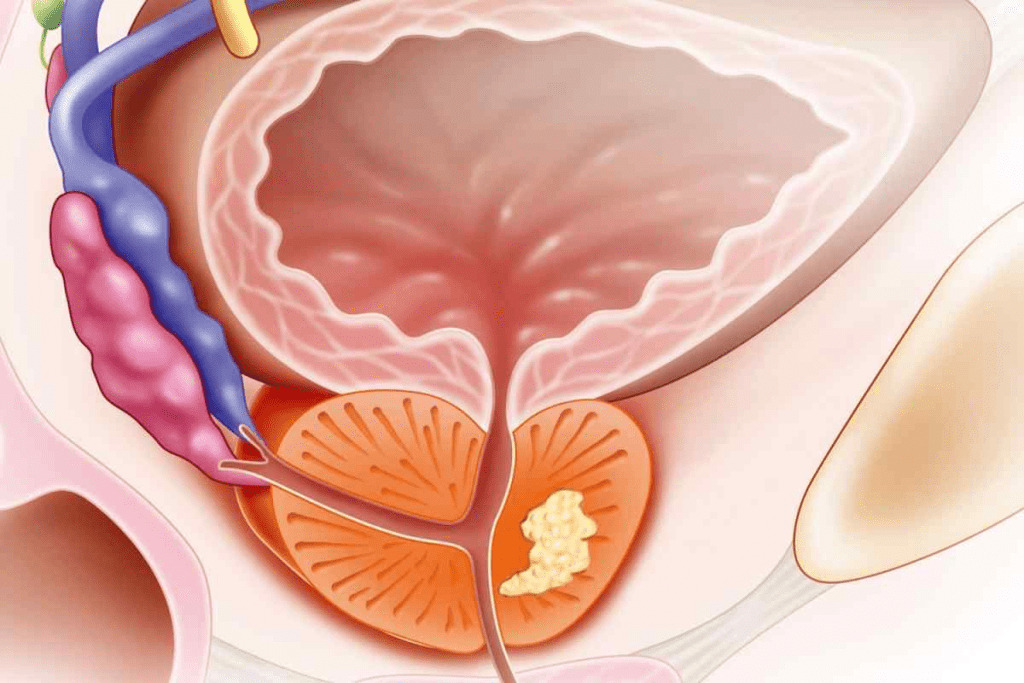
What the Prostate Gland Does in Your Body
The prostate gland mainly makes fluids for semen. This fluid is full of nutrients and proteins that help sperm. It also has muscles to help push semen out during ejaculation.
Knowing how the prostate gland works is vital. It’s important for fertility and reproductive health. The fluid it produces is essential for sperm to survive and move through the reproductive system.
Common Prostate Problems Men Face
The prostate gland can face several issues. Benign Prostatic Hyperplasia (BPH) is a non-cancerous growth that can cause urinary problems. Prostatitis is inflammation, often due to infection. And prostate cancer is a serious condition that needs early treatment.
Men should talk to their doctors about any prostate concerns. Regular check-ups can catch problems early, making them easier to treat.
Alarming Statistics About Prostate Health
Prostate health is very important, as alarming statistics show a worrying trend in prostate cancer. Prostate cancer is one of the most common cancers in men, and it’s getting more common. It’s key to understand these numbers to see how serious the issue is and why we need to act fast.

The 3% Annual Rise in Prostate Cancer Cases
Prostate cancer cases have gone up by 3% every year from 2014, mainly for advanced stages. This increase is a big worry and shows we need to spread the word and find ways to catch it early. The steady increase in cases shows we must tackle prostate problems early on.
Early detection is vital for better survival rates. If prostate cancer is caught early, the five-year survival rate is almost 100%. This shows how important screening and early diagnosis are in fighting prostate cancer.
Early Detection and Survival Rate Connection
There’s a strong link between finding cancer early and living longer. By catching prostate cancer early, men can greatly boost their chances of successful treatment and survival. This is even more important for those at higher risk, who should be careful about how to avoid prostate cancer through lifestyle changes and regular health checks.
To understand this better, look at these statistics:
- Early detection can lead to a near 100% five-year survival rate for prostate cancer.
- The annual rise in prostate cancer cases highlights the need for men to take charge of their prostate health.
- Regular screening can spot prostate issues before they get worse.
By knowing these facts and taking action, men can lower their risk of getting advanced prostate cancer and improve their health.
When and How to Screen Your Prostate
Deciding when to start prostate screening depends on age and risk. Men should talk to their doctor about screening at 50. But, Black men and those with a family history of prostate cancer should start at 45.
Screening Guidelines by Age and Risk Group
Screening rules change with age and risk. For average-risk men, screening starts at 50. But, those at higher risk, like Black men or those with a family history, should start at 45. The American Cancer Society gives guidelines for doctors to assess individual risks.
Different Types of Prostate Screening Tests
There are several prostate screening tests. The PSA test checks PSA levels in blood, which can be high in men with cancer. The DRE lets doctors feel the prostate for any issues. It’s important to talk to a doctor about these tests.
Addressing Racial Disparities in Prostate Health
Racial disparities in prostate health are a big issue. African American men face higher rates of prostate cancer. It’s vital to talk about risk with doctors to fight these disparities.
Knowing about screening guidelines and tests helps men make smart choices about their health. Regular talks about screening are key as men get older.
Eat These Foods for a Healthy Prostate
Eating the right foods is key for a healthy prostate. A diet full of vegetables, fruits, and healthy fats is best. Try a Mediterranean diet for overall health, including prostate well-being.
Vegetables and Fruits That Protect Your Prostate
Vegetables and fruits are vital for a healthy diet. They’re packed with antioxidants, vitamins, and minerals that protect the prostate. Here are some of the best ones:
- Cruciferous vegetables like broccoli and cauliflower, which contain compounds that may help reduce the risk of prostate cancer.
- Tomatoes, rich in lycopene, an antioxidant that has been linked to improved prostate health.
- Berries such as blueberries and raspberries, which are high in antioxidants and may help reduce inflammation.
For more information on how diet influences prostate health, you can visit Medical News Today for detailed insights.
Healthy Fats That Support Prostate Function
Healthy fats are vital for overall health and support prostate function. Foods rich in healthy fats include:
- Fatty fish like salmon and sardines, which are high in omega-3 fatty acids that reduce inflammation.
- Nuts and seeds, such as walnuts and flaxseeds, which are rich in healthy fats and antioxidants.
- Olive oil, a key component of the Mediterranean diet, which has been associated with numerous health benefits.
Foods to Limit for Better Prostate Health
Some foods can harm prostate health. It’s important to limit or avoid:
- Charred meats, which have been linked to an increased risk of prostate cancer.
- High-fat dairy products, which may influence hormone levels and potentially affect prostate health.
- Processed foods, often high in unhealthy fats, salt, and sugar, which can contribute to overall health issues.
By choosing the right foods, you can greatly support your prostate health. While diet is just one part of health, a balanced diet with a healthy lifestyle is best for your prostate.
Exercise Routines That Benefit Your Prostate
Physical activity can greatly lower the risk of prostate problems. Regular exercise boosts overall health and is key for a healthy prostate.
Exercise is a key part of a healthy life, and it helps your prostate too. Studies show men who exercise often have less chance of prostate issues like BPH and cancer.
Types and Frequency of Recommended Activities
To get the most from exercise for your prostate, know the best types and how often to do them. Aerobic exercises like brisk walking, cycling, and swimming are great. They keep your heart healthy and help you stay at a good weight, both of which lower prostate problem risks.
- Aim for at least 150 minutes of moderate-intensity aerobic activity or 75 minutes of vigorous-intensity aerobic activity per week.
- Incorporate strength training exercises into your routine at least two times a week.
- Include flexibility and stretching exercises to improve overall mobility.
How Physical Activity Reduces Prostate Cancer Risk
Research shows exercise can lower prostate cancer risk. Exercise affects hormone levels, like testosterone, which can impact cancer. It also boosts your immune system and reduces inflammation, helping prevent cancer.
By adding regular exercise to your life, you can help keep your prostate healthy and lower the risk of prostate issues.
Maintain a Healthy Weight to Protect Your Prostate
Keeping a healthy weight is key for your overall health, including your prostate. Too much body fat, mainly around the belly, is not just about looks. It’s a big risk for health problems, like prostate issues.
The Connection Between Obesity and Prostate Issues
Studies have found a strong link between obesity and a higher risk of advanced prostate cancer and BPH. Obesity can cause long-term inflammation in the body. This might help prostate problems grow and get worse.
Also, obesity can mess with hormone levels, like testosterone and estrogen. These hormones are important for prostate health. Men with obesity might face a higher chance of prostate cancer coming back after treatment.
Practical Weight Management Strategies
But, it’s possible to keep a healthy weight with the right diet and exercise. Here are some tips:
- Eat more fruits, veggies, whole grains, and lean proteins.
- Drink less sugary drinks and eat fewer processed foods and fats.
- Do at least 150 minutes of moderate exercise, or 75 minutes of hard exercise, or mix both, each week.
- Do strength training exercises two times a week.
By making these lifestyle changes, you can not only lose weight but also get healthier. This can help lower your risk of prostate problems.
Prostate Health Supplements: What Works and What Doesn’t
Not all prostate supplements work the same. It’s key to find ones backed by science. Knowing what supplements help and what doesn’t is important for making smart choices.
Evidence-Based Supplements for Prostate Support
Some supplements might help your prostate. For example, zinc is important for prostate health. But, always talk to a doctor before taking zinc.
Saw palmetto is another supplement that gets talked about. It might help with enlarged prostate symptoms. But, more research is needed to know for sure.
Natural Remedies Worth Considering
There are also natural ways to support your prostate. Omega-3 fatty acids in fish oil might help because they’re anti-inflammatory. But, more research is needed to confirm their benefits for prostate health.
Changing your diet can also help. Eating more fruits, veggies, and healthy fats is good for your overall health, including your prostate.
When to Talk to Your Doctor About Supplements
Always talk to your doctor before starting any supplements. This is even more important if you’re on medication or have health issues. Your doctor can check for any risks and make sure the supplements are safe for you.
Talking to your doctor about supplements can also help find the best ones for you. They’ll consider your health and what you need.
Conclusion: Your Prostate Health Action Plan
Men can lower their risk of prostate problems by taking a holistic approach. We’ve shared important steps like regular check-ups, eating right, staying active, and keeping a healthy weight. These actions are key to prostate health.
Putting these steps together forms a prostate health action plan. This plan can greatly lower the chance of prostate cancer and other issues. We suggest following our advice to make a plan that fits your life.
By being proactive about prostate health, men can live better lives. They can also cut down on prostate-related health problems. These steps are good for your overall health and happiness.
FAQ
What is the role of the prostate gland in the male reproductive system?
The prostate gland is key in the male reproductive system. It makes fluids that are part of semen. These fluids help sperm during ejaculation. A healthy prostate is vital for normal urine and reproductive functions.
What are the common prostate problems men face?
Men often deal with prostate issues like Benign Prostatic Hyperplasia (BPH), prostatitis, and prostate cancer. These problems can cause trouble urinating, pain, or discomfort.
How often should I get screened for prostate cancer?
How often to get screened for prostate cancer depends on age and risk. Talk to your doctor to figure out the best schedule. This might include a PSA test and a digital rectal exam (DRE).
What foods are beneficial for maintaining a healthy prostate?
Eating vegetables, fruits, and healthy fats is good for the prostate. Antioxidant-rich foods like tomatoes, berries, and leafy greens are great. Omega-3 fatty acids in salmon also help reduce inflammation.
How does exercise impact prostate health?
Exercise is good for prostate health. It lowers the risk of prostate cancer and improves health overall. Aim for 150 minutes of moderate exercise or 75 minutes of vigorous exercise weekly.
Is there a connection between obesity and prostate health?
Yes, being overweight increases the risk of prostate problems, including cancer. Eating right and exercising can help keep a healthy weight and reduce this risk.
Can supplements support prostate health?
Some supplements, like saw palmetto, zinc, and lycopene, might help prostate health. But, always talk to a doctor before taking supplements. They can interact with medicines or cause problems in some people.
How can I reduce my risk of developing prostate cancer?
To lower your risk of prostate cancer, live a healthy lifestyle. Eat well, exercise, keep a healthy weight, and get screened as advised. Also, talk to your doctor about your risk and screening options.
What are the benefits of early detection in prostate cancer?
Finding prostate cancer early greatly improves survival and treatment success. Screening can catch cancer early, when it’s easier to treat. This reduces the risk of serious disease and improves life quality.
How can I manage an enlarged prostate?
To manage an enlarged prostate, make lifestyle changes. Drink less before bed, avoid caffeine and spicy foods, and exercise. Your doctor may also suggest medicines or other treatments to help symptoms.
Reference
- American Cancer Society. (2024). Prostate cancer: Early detection. Retrieved from https://www.cancer.org/cancer/prostate-cancer/detection-diagnosis-staging/acs-recommendations.html
- Harvard T.H. Chan School of Public Health. (2018). Diet and lifestyle choices for a healthy prostate. Retrieved from https://www.hsph.harvard.edu/nutritionsource/prostate-cancer/
- National Cancer Institute. (n.d.). Cancer stat facts: Prostate cancer. Retrieved from https://seer.cancer.gov/statfacts/html/prostate.html