Last Updated on November 27, 2025 by Bilal Hasdemir
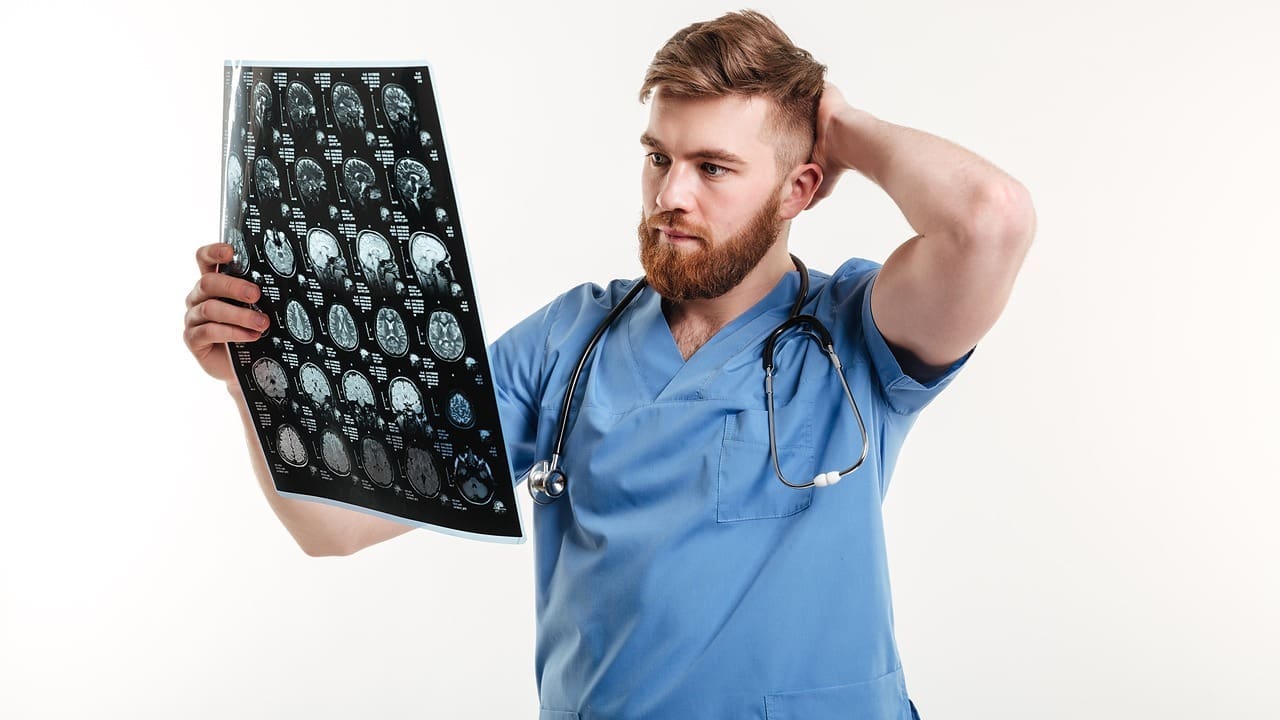
Choosing the right imaging technique is key when diagnosing brain damage and detecting brain injury. At Liv Hospital, we know how important it is to pick the best tool for accurate and timely care.
In emergency settings, a CT scan is often the first choice for acute brain injury. This is because it quickly shows fractures and acute bleeds.
We use both CT scans and MRI to check and see how much brain damage there is. CT scans are fast and effective in emergencies. But MRI gives detailed images that are essential for a full assessment.
Key Takeaways
- CT scans are preferred for acute brain injuries due to their speed and effectiveness.
- MRI provides detailed images for a full assessment of brain damage.
- Liv Hospital is committed to using the latest technology for accurate diagnoses.
- Choosing the right imaging technique is key for timely and effective care.
- Our medical team is dedicated to providing personalized care for patients with brain injuries.
Understanding Brain Imaging Technologies
Brain imaging technologies have changed neurology and emergency medicine a lot. We use these tools to find and treat brain injuries well. CT scans and MRI are the main ones, each with its own way of working.
Basic Principles of CT Scanning
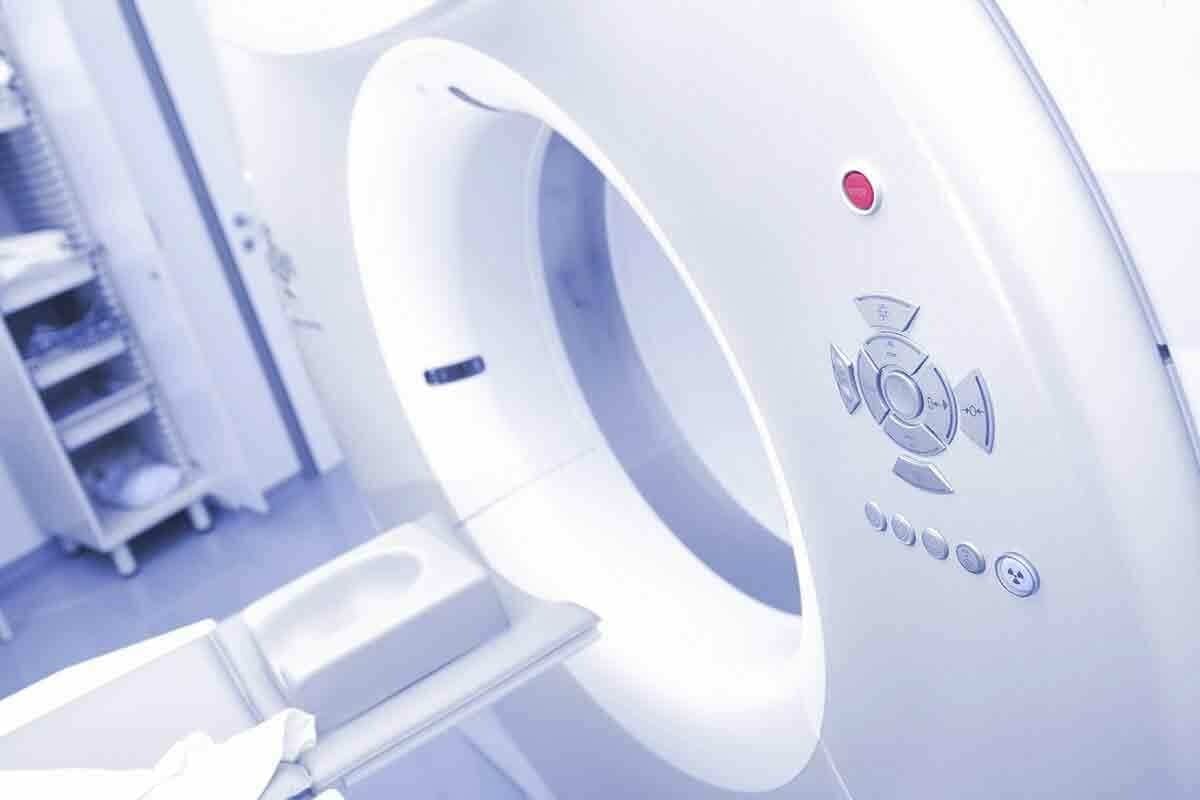
CT scans use X-rays to make detailed pictures of the brain. They are great in emergencies when fast checks are needed.
How MRI Technology Works
MRI uses strong magnetic fields and radio waves to show brain details clearly. It’s known for its ability to spot small brain problems well.
Key Differences in Imaging Approach
CT scans and MRI work differently. CT scans are quicker and easier to get, but MRI shows soft tissues better. Knowing this helps pick the right scan for each case.
| Imaging Modality | Key Features | Clinical Applications |
|---|---|---|
| CT Scan | Quick, uses X-rays, good for detecting acute hemorrhages | Emergency situations, detecting fractures and hemorrhages |
| MRI | High-resolution images, superior soft tissue contrast | Detecting subtle brain abnormalities, white matter injuries |
CT Scan Brain Injury Detection: Strengths and Applications
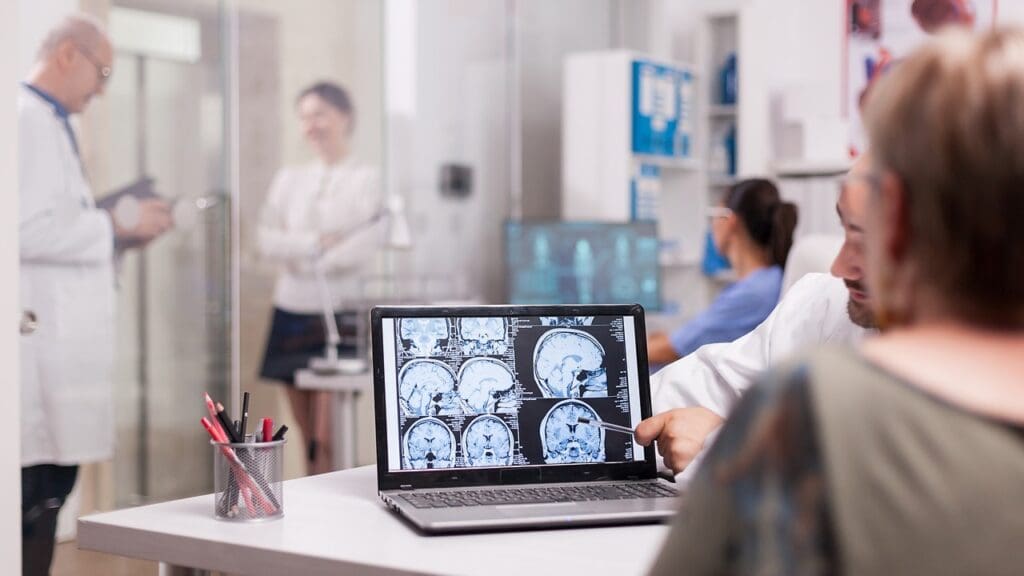
CT scans play a key role in finding brain damage. They are very useful, mainly in urgent care settings.
Speed and Accessibility in Emergency Situations
CT scans are great in emergencies because they are fast. They can spot acute hemorrhages quickly. This is vital in trauma care.
Studies show that CT scans can greatly improve patient outcomes in emergencies.
Effectiveness in Detecting Fractures and Acute Hemorrhages
CT scans are excellent at finding fractures and acute hemorrhages.
Radiation Exposure Considerations
CT scans have many benefits, but we must think about radiation risks. We need to balance their benefits against the risks, mainly for kids or when scans are repeated.
MRI Capabilities for Brain Damage Assessment
MRI technology has changed how we assess brain damage. It offers detailed views of brain injuries. Its soft tissue contrast helps spot issues that other scans miss.
Superior Soft Tissue Contrast
MRI shines in showing soft tissues clearly. This is key for spotting injuries in the brain’s delicate parts. MRI’s soft tissue contrast beats CT scans, leading to more precise diagnoses.
Detection of Subtle Brain Abnormalities
MRI excels at finding small brain issues that CT scans can’t. It spots tiny damage or tissue changes. Advanced MRI sequences help us understand the patient’s full condition.
“MRI is great for finding white matter injuries and small brain issues not seen on CT scans.”
Visualizing White Matter Injuries
White matter injuries are common after brain trauma. MRI is top-notch at showing these injuries. We use special MRI methods to see how much damage there is. This helps us plan treatment and rehab.
| Imaging Modality | Soft Tissue Contrast | Detection of Subtle Abnormalities | White Matter Injury Visualization |
|---|---|---|---|
| MRI | High | Excellent | Excellent |
| CT Scan | Low | Limited | Limited |
Using MRI’s strengths, we can make more accurate diagnoses. This helps us create better treatment plans for brain damage patients.
Comparing Response Times in Acute Brain Trauma
Acute brain trauma needs quick and accurate diagnosis. This makes comparing CT scan and MRI response times very important. In emergencies, how fast doctors get imaging results is key for making quick decisions.
CT Scan: The First-Line Emergency Tool
CT scans are often the first choice for acute brain trauma. They offer quick and reliable results, which are vital for emergency decisions. We use CT scans first because they can quickly spot acute hemorrhages and fractures.
When MRI Becomes Necessary Despite Time Constraints
Even though CT scans are first, MRI is needed for detailed soft tissue injuries. MRI’s superior soft tissue contrast lets us see subtle brain issues not seen on CT scans. We often use MRI after CT scans to get a fuller picture.
Triage Protocols in Traumatic Brain Injury
In traumatic brain injury, CT scans are first because of their speed and availability. Studies show these protocols work well in quickly finding who needs immediate help. We stick to these protocols to give our patients the best care fast.
Knowing the good and bad of CT scans and MRI helps us better handle acute brain trauma. This way, we can improve patient results.
Detection of Different Types of Brain Injuries
Finding brain injuries quickly is key for good treatment. CT scans and MRI are both important for this. They help spot injuries like contusions, hematomas, and more complex ones like diffuse axonal injuries. Knowing how they work helps pick the best tool for diagnosis.
Contusions and Hematomas
CT scans are often the first choice for seeing acute hemorrhagic contusions and hematomas. They’re fast and good at finding fresh blood. MRI, on the other hand, gives more details on contusions and small hemorrhages, even in later stages.
Diffuse Axonal Injury Visualization
Diffuse axonal injuries (DAI) are hard to spot, even with CT scans. They might look normal or show vague signs. MRI is better at showing DAI because it can see changes in white matter and tiny damage.
Ischemic vs. Hemorrhagic Injuries
Both CT and MRI can find ischemic and hemorrhagic injuries. But they’re better at different things. CT is great for finding fresh blood, while MRI is better for seeing ischemic injuries and old blood.
Acute Detection Capabilities
In urgent cases, CT scans are best because they’re fast and good at finding blood. MRI is used when the patient can handle a more detailed look.
Chronic Injury Monitoring
For long-term brain injury checks, MRI is better. It can spot small changes in brain tissue and has better contrast for soft tissues.
| Injury Type | CT Scan Capability | MRI Capability |
|---|---|---|
| Contusions/Hematomas | High sensitivity for acute hemorrhage | Detailed assessment of extent and small hemorrhages |
| Diffuse Axonal Injury | Limited detection | Superior visualization of white matter damage |
| Ischemic Injuries | Limited sensitivity | High sensitivity for ischemic damage |
Brain Hemorrhage Detection Capabilities
Brain hemorrhages are hard to diagnose, with CT and MRI showing their strengths. It’s key to spot these accurately for the right treatment.
Can a Brain Bleed Be Missed on a CT Scan?
CT scans are great for finding fresh blood in the brain. But, small or hidden bleeds might slip by. As blood ages, it becomes harder to see on CT scans.
MRI’s Advantage in Detecting Small or Old Bleeds
MRI shines when it comes to finding small or old blood in the brain. It can spot tiny bleeds that CT scans miss. This is super helpful for people who have had head injuries or might have chronic bleeding.
Microbleeds and Their Clinical Significance
Microbleeds, seen on MRI, hint at small blood vessel problems. They raise the risk of stroke and brain decline. MRI’s ability to find these tiny bleeds helps doctors predict and manage patient outcomes.
We use CT scans and MRI together to fully understand brain hemorrhages. Knowing what each can do helps us care for patients better.
Limitations of Brain Imaging Technologies
CT scans and MRI are great for diagnosing brain injuries. But, they have limits that doctors must think about. These limits can affect how accurate diagnoses and treatments are.
When Brain Damage Doesn’t Show on Imaging
Sometimes, brain damage can’t be seen on CT or MRI scans. Studies show up to 80% of cases might not show up, mainly in the early stages or when the damage is small. This shows why doctors need to look at the whole picture and might need to do more tests.
False Negatives and Their Implications
False negatives, where scans miss brain damage, can be very serious. They might cause delays or wrong treatments, which can make things worse. Knowing why false negatives happen, like technical issues or scan timing, is key to avoiding these problems.
Complementary Use of CT and MRI
Using CT and MRI together can help fix their individual problems. CT scans are good for finding bleeding right away, while MRI spots small brain issues better. This combo helps doctors understand brain injuries better.
We know CT and MRI are important for diagnosing, each with its own good and bad points. By knowing their limits and using them wisely, we can make diagnoses more accurate. This helps us care for patients with brain injuries better.
Patient Experience During Brain Imaging Procedures
We know how important comfort is during CT and MRI scans. These tests are key for diagnosing brain issues. A good experience helps us get accurate results.
CT Scan: Procedure and Comfort Considerations
CT scans are quick and don’t hurt much. Patients lie on a table that moves into the scanner. They must stay very quiet during the scan. It usually takes just a few minutes.
We make sure the room is comfy. Patients wear gowns and blankets if they need them.
MRI: Managing Claustrophobia and Noise
MRI scans can be tough for some because of the tight space and loud sounds. We use open MRI machines to help with claustrophobia. We also give earplugs or headphones to block out the noise. Sometimes, we might suggest a mild sedative.
Preparing Patients for Brain Imaging
Before the scan, we explain what will happen and answer any questions. We tell them to stay very quiet and follow any special instructions. This helps make the scan go smoothly.
- Clear instructions are provided to patients before the procedure.
- Patients are encouraged to ask questions and express any concerns.
- Comfort measures are taken to reduce anxiety and discomfort.
Clinical Decision-Making: When to Use CT vs. MRI
Choosing between CT and MRI scans for brain injury diagnosis is a big decision. We look at the situation, the patient’s condition, and other factors to decide. This helps us make the best choice.
Emergency Scenarios and Initial Assessment
In emergencies, CT scans are often the first choice because they’re quick and easy to get. They’re recommended for the first look, mainly when bleeding is suspected. This fast check is key in trauma cases where quick action is needed.
Follow-up Imaging Protocols
For later checks or detailed looks, MRI is preferred. MRI shows soft tissues better, helping spot small brain issues. It’s great for seeing how bad the injury is and planning treatment.
Cost, Availability, and Insurance Considerations
The choice between CT and MRI also depends on cost, where they are, and insurance. CT scans are cheaper and easier to find, but MRI gives more detailed pictures. We need to think about these when deciding.
Deciding between CT and MRI is about looking at what each offers. We consider the situation, what the patient needs, and what we have. This way, we make choices that help our patients the most.
How Imaging Findings Guide Treatment Planning
Understanding imaging results is key in choosing the right treatment for brain injuries. Both CT scans and MRI are vital in planning treatment.
Surgical vs. Conservative Management Decisions
Doctors use imaging to decide between surgery and non-surgical treatments. A CT scan can spot urgent problems like bleeding or fractures that need surgery. MRI, on the other hand, shows soft tissue injuries, helping decide if a non-surgical approach is better.
- Surgical Management: Needed for serious issues like big bleeds or depressed fractures.
- Conservative Management: Suitable for milder injuries or those not needing surgery right away.
Monitoring Recovery and Rehabilitation
Imaging is also key in tracking patient recovery and guiding rehab. Regular scans can show how injuries heal or if new problems arise. This helps adjust rehab plans.
Predicting Outcomes Based on Imaging Findings
Some imaging results can predict how well a patient will do. For example, MRI findings on white matter injury can hint at long-term brain function. Knowing this helps tailor rehab and gives patients and families a better idea of what to expect.
Conclusion: The Complementary Role of CT and MRI in Brain Injury Detection
Both CT scans and MRI are key in finding brain injuries. CT scans are fast and good for emergencies. They spot bleeding and breaks quickly. MRI, on the other hand, shows soft tissues better. It’s great for finding small brain problems.
Research shows that using CT and MRI together helps a lot. It leads to better diagnoses and treatment plans. For example, a study found that combining them helps with traumatic brain injuries. This way, doctors can make better choices, helping patients more.
In short, using CT and MRI together is a big step forward. It helps us understand brain damage better and plan treatments. As we keep improving, using these tools together will be key to caring for brain injury patients.
FAQ
Does brain damage always show up on a CT scan or MRI?
Not always. CT scans and MRI are great tools, but they can miss some brain damage. This is true for minor injuries or certain types, like diffuse axonal injury.
Can a brain bleed be missed on a CT scan?
Yes, sometimes a brain bleed can be missed on a CT scan. This might happen if the bleed is small or if the scan is done too early or late. MRI is better at finding small or old bleeds.
How does MRI detect brain damage?
MRI shows brain damage by giving clear images of brain structures. It can spot small injuries and bleeds because of its detailed view.
What are the advantages of using MRI over CT for brain injury detection?
MRI has many benefits. It shows brain details better than CT, spots small injuries, and sees white matter damage. This makes MRI great for seeing all brain damage.
When is a CT scan preferred over MRI for detecting brain injuries?
CT scans are better in emergencies. They’re fast, easy to get, and good for finding acute injuries and fractures. They’re a key first tool in brain trauma.
Can MRI show old brain injuries?
Yes, MRI can show old brain injuries. It’s good for finding old bleeds and checking how brain trauma affects us long-term.
How do CT and MRI complement each other in diagnosing brain injuries?
CT and MRI work together well. CT is great for finding acute injuries, while MRI shows soft tissue damage. Together, they give a full picture of brain injuries.
What factors influence the choice between CT and MRI for brain imaging?
Many things decide between CT and MRI. It depends on how urgent the situation is, the injury type, the patient’s condition, and what’s available and affordable.
How do imaging findings from CT and MRI guide treatment planning?
CT and MRI findings are key for planning treatment. They help doctors choose between surgery and watching and waiting. They also help track recovery and predict outcomes.
Are there any limitations to using CT and MRI for brain injury detection?
Yes, there are limits. They can miss some injuries, and CT uses radiation. This means choosing the right imaging depends on the situation.
References
- PMC – PubMed Central : https://www.ncbi.nlm.nih.gov/pmc/articles/PMC11579544
- Duke Tisch Brain Tumor Center (MRI vs. CT Scan) : https://www.tischbraintumorcenter.duke.edu/blog/which-better-brain-imaging-mri-vs-ct-scan
- Ellis Injury Law (MRIs vs. CT Scans for Brain Injuries) : https://ellisinjurylaw.com/brain-injury/mris-vs-ct-scans-for-diagnosing-brain-injuries
- PubMed/NCBI : https://pubmed.ncbi.nlm.nih.gov/39574979
- DocPanel (TBI MRI and CT Scan) : https://docpanel.com/5-things-you-should-know-about-your-tbi-mri-and-ct-scan