Last Updated on November 27, 2025 by Bilal Hasdemir
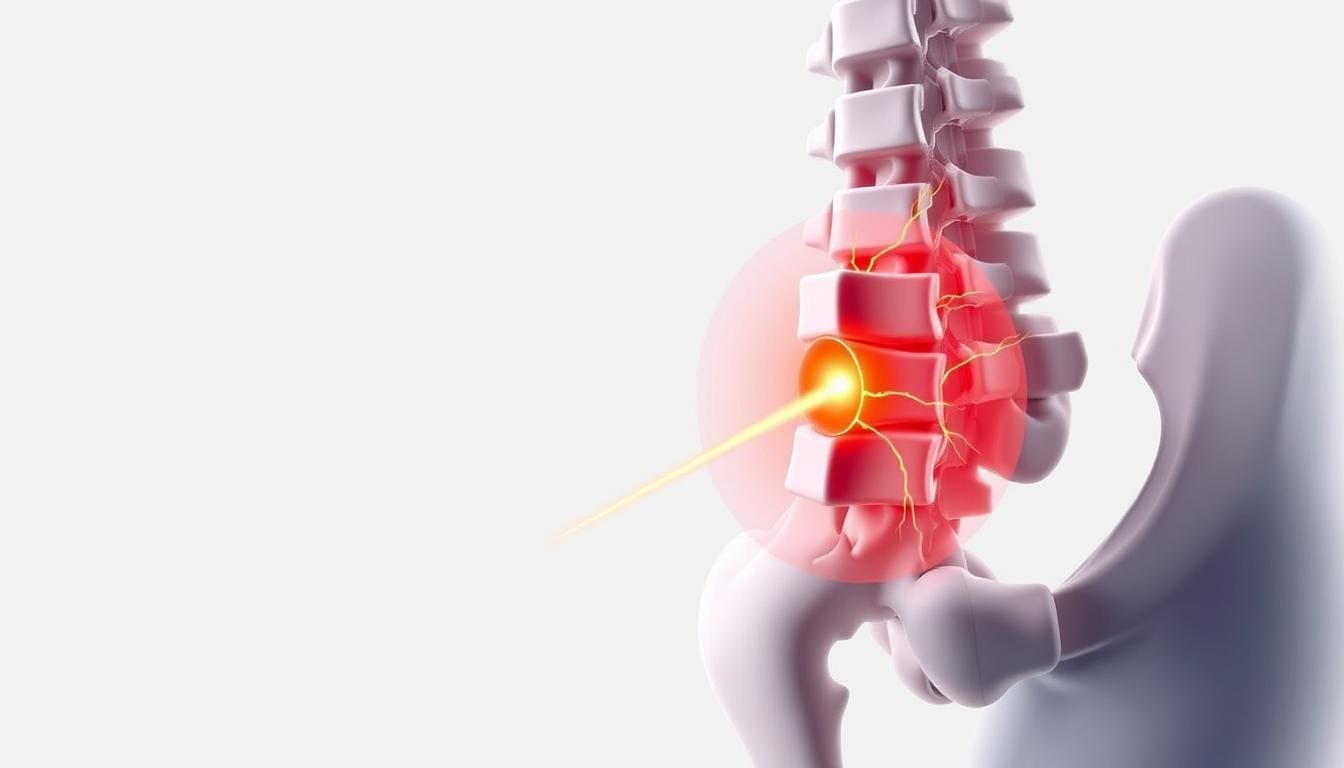
Hip pain can really disrupt your life. It’s often caused by a herniated lumbar disc. This happens when the soft center of the disc leaks out through a tear. It can press on nerves, leading to pain in the hip.
Studies have found that lumbar disc herniation is a big reason for hip pain. This pain is usually deep, aching, or spreads out. We’ll look into how a herniated lumbar disc can cause hip pain and what you can do about it.
Key Takeaways
- A herniated lumbar disc can cause hip pain by compressing or irritating nerves.
- Lumbar disc herniation is a documented cause of hip pain.
- Pain from a herniated disc can radiate to the hip, buttock, or groin.
- Understanding the cause of hip pain is key to effective treatment.
- There are ways to manage hip pain caused by a herniated lumbar disc.
Understanding the Lumbar Spine Anatomy
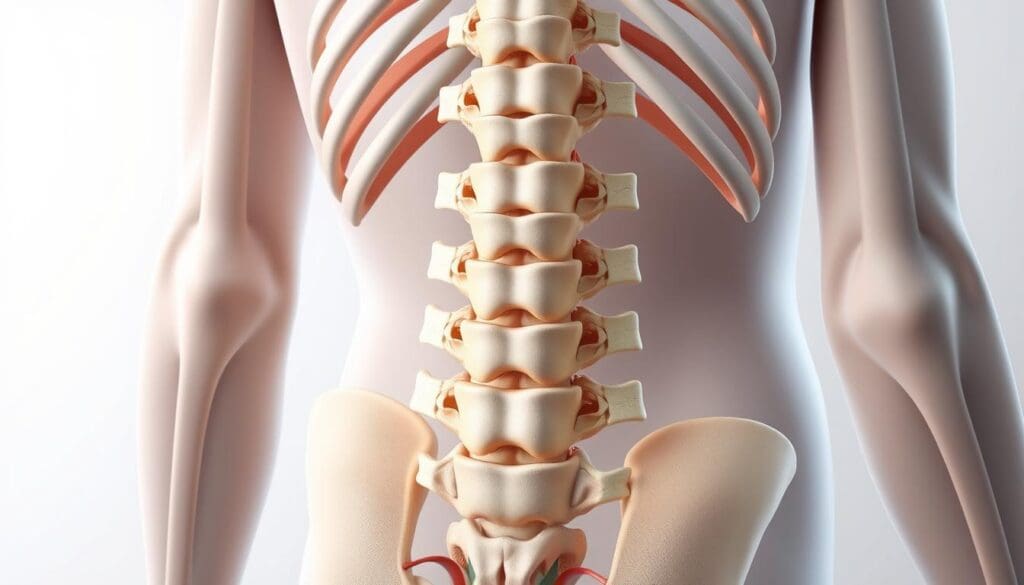
To understand how a herniated lumbar disc causes hip pain, we need to know the lumbar spine’s anatomy. It has five vertebrae, labeled L1 to L5, with discs in between that absorb shock.
Structure of the Lumbar Vertebrae and Discs
The lumbar vertebrae support a lot of body weight and allow for movement. Each vertebra has a big body and a back part that protects the spinal canal. The discs between vertebrae have a tough outer layer and a soft center.
These discs are key for shock absorption, flexibility, and spine stability. But they can get injured or wear out, leading to problems like disc herniation.
Nerve Pathways from the Lumbar Spine to the Hip
The lumbar spine is not just structural; it’s also a nerve pathway to the lower body, including the hips. Nerves from the spinal cord exit through the vertebrae to reach the hips.
These nerves form larger networks, like the lumbosacral plexus, which supplies nerves to the hip and legs. The sciatic nerve, for example, comes from the L4-S3 nerve roots and runs down the thigh and leg.
The Relationship Between Spinal Nerves and Hip Function
The spinal nerves from the lumbar spine are vital for hip function. They send signals for movement and sensation in the hip. When these nerves get compressed or irritated, like with a herniated disc, it can cause hip pain and dysfunction.
Knowing this relationship is key for diagnosing and treating hip pain from lumbar spine issues.
| Nerve Root | Function | Symptoms of Compression |
|---|---|---|
| L4 | Controls muscles involved in hip flexion and knee extension | Pain or weakness in the front of the thigh, potentially radiating to the knee |
| L5 | Innervates muscles responsible for hip abduction and ankle dorsiflexion | Pain or numbness on the lateral aspect of the leg, potentially affecting the big toe |
| S1 | Controls ankle plantarflexion and toe flexion | Pain or weakness in the back of the leg, potentially affecting the lateral foot |
What is a Herniated Lumbar Disc?
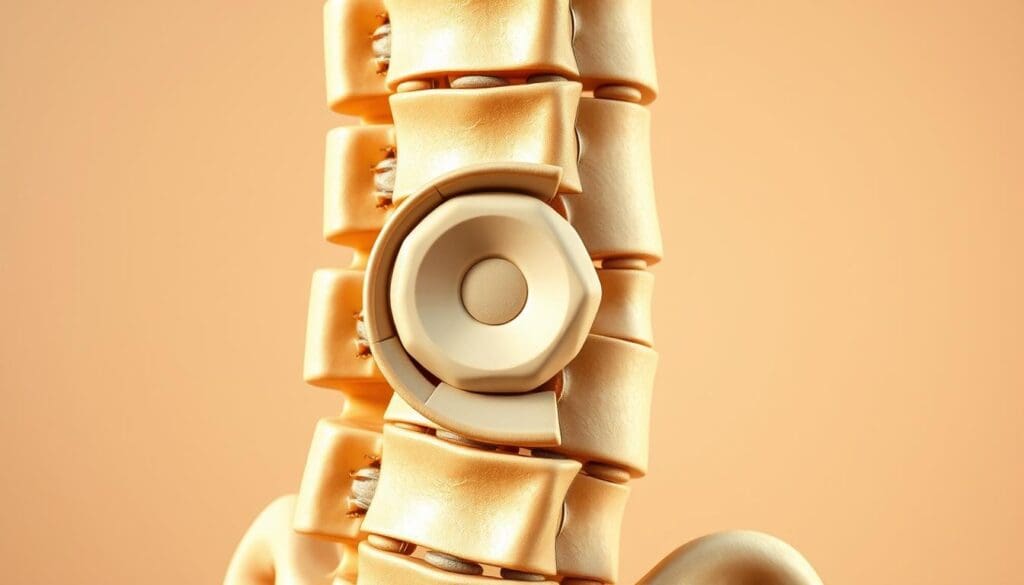
Knowing about a herniated lumbar disc can help us understand its impact on our back health. It’s a condition in the lower back that causes pain. We’ll look into what it is, its types, and where it usually happens.
Definition and Types of Disc Herniation
A herniated disc happens when the soft center of a spinal disc pushes out through a tear. This can irritate nerves, leading to pain, numbness, or weakness in the back or legs. There are different types, like protrusion, extrusion, and sequestration, each with its own level of severity.
The type of herniation affects symptoms and treatment. For example, a protrusion might cause mild symptoms, while a sequestration could lead to more serious nerve issues.
Difference Between Herniated and Bulging Discs
It’s important to know the difference between a herniated and a bulging disc. A bulging disc bulges out without a tear, while a herniated disc has a rupture. Both can cause discomfort, but the severity and treatment may differ.
Common Locations for Lumbar Disc Herniation
Herniated discs can happen in different spots along the lumbar spine. The most common places are at L4-L5 and L5-S1. These areas are under a lot of stress and wear out faster, making them more likely to herniate.
Knowing where and what types of herniation occur helps in diagnosing and treating them better.
The Connection Between Herniated Lumbar Disc and Hip Pain
The link between herniated lumbar discs and hip pain is complex. We will look into how a herniated disc can cause hip pain. This happens through nerve compression, backed by scientific studies.
How Nerve Compression Leads to Referred Pain
A herniated disc can press on nerves. This pressure sends pain signals along the nerve. The pain is felt in areas other than the herniation site, known as referred pain. For a herniated lumbar disc, this pain can reach the hip.
L4-L5 Herniation and Hip Pain Correlation
Research shows L4-L5 herniations often cause hip pain. The nerves affected at this level are linked to the hip. Compression of these nerves can cause hip pain.
Scientific Evidence Supporting the Connection
Studies confirm a strong link between lumbar disc herniation and hip pain. For example, patients with L4-L5 herniations often feel hip pain. This evidence supports the connection between herniated lumbar discs and hip pain.
| Study | Findings |
|---|---|
| Study on L4-L5 Herniation | 75% of patients experienced hip pain |
| Research on Nerve Compression | Nerve compression was found to be a primary cause of referred pain |
Debunking the “Hip Disc” Misconception
The term “hip disc” is often misused. It describes hip pain caused by a herniated lumbar disc. This can lead to wrong diagnoses and treatments. It’s important to understand the pain comes from the lumbar spine.
By knowing the link between herniated lumbar discs and hip pain, doctors can give better diagnoses. They can also offer more effective treatments, helping patients get better.
Symptoms of Hip Pain Caused by Lumbar Disc Herniation
Knowing the symptoms of hip pain from lumbar disc herniation is key to treating it well. When a lumbar disc herniates, it can press on or irritate nearby nerves. This can cause a range of symptoms in the hip and leg.
Characteristic Pain Patterns
The pain from lumbar disc herniation can differ a lot from person to person. Some common signs include:
- Pain that spreads from the lower back to the hip and leg
- Aching or sharp pain in the hip area
- Pain that gets worse with certain movements or positions
- Pain that feels stiff or limits movement
A study in the Journal of Orthopaedic & Sports Physical Therapy found that the pain pattern can vary a lot. This makes it hard to diagnose.
Associated Symptoms: Numbness, Tingling, and Weakness
People with lumbar disc herniation may also feel numbness, tingling, or weakness in their hip and leg. These symptoms happen because the herniated disc can press on or irritate the nerves going to the hip and leg.A well-known orthopedic surgeon, says these symptoms can really affect a person’s life.
Differentiating from Other Hip Pain Causes
It’s important to tell hip pain from lumbar disc herniation apart from other causes. Other conditions like osteoarthritis, tendinitis, and bursitis can also cause hip pain.
| Condition | Common Symptoms | Distinguishing Features |
|---|---|---|
| Lumbar Disc Herniation | Pain, numbness, tingling, weakness in hip and leg | Radiating pain from lower back, symptoms worsen with certain movements |
| Osteoarthritis | Pain, stiffness, limited mobility | Pain typically localized to hip joint, worse with weight-bearing activities |
| Tendinitis | Pain, swelling, tenderness | Pain localized to specific tendon, worse with specific movements |
Understanding the symptoms and differences helps healthcare providers create a treatment plan that fits the individual’s needs.
Sciatica and Its Relationship to Herniated Lumbar Discs
Sciatica is a pain that spreads along the sciatic nerve. It’s often linked to herniated lumbar discs. This condition bothers millions, making daily life hard.
What is Sciatica?
Sciatica is pain that goes from the lower back to the legs. It comes from the sciatic nerve. The pain can be mild or very strong. It might also cause numbness, tingling, and weakness in the leg.
Key characteristics of sciatica include:
- Pain radiating from the lower back down to the legs
- Numbness or tingling sensations in the legs
- Muscle weakness in the affected leg
- Sharp, shooting pain that can make standing or walking difficult
How Lumbar Disc Herniation Triggers Sciatic Pain
Lumbar disc herniation can cause sciatic pain. It happens when the herniated disc presses on the sciatic nerve roots. This can lead to inflammation and pain that spreads along the nerve.
- Disc herniation compressing the nerve roots
- Inflammation and irritation of the nerves
- Pain signals being sent along the sciatic nerve
When Sciatica Manifests as Hip Pain
Sciatica can feel like hip pain. This happens when the nerve compression affects the hip area. It makes diagnosing the problem tricky.
| Condition | Primary Symptoms | Common Causes |
|---|---|---|
| Sciatica | Radiating pain, numbness, tingling | Lumbar disc herniation, nerve compression |
| Lumbar Disc Herniation | Lower back pain, radiating pain | Degeneration, trauma, lifting heavy objects |
| Hip Pain | Pain in the hip region, limited mobility | Osteoarthritis, bursitis, sciatica |
It’s important to understand the link between sciatica and herniated lumbar discs. Knowing the symptoms and causes helps doctors treat it better. This can help ease pain and improve life quality.
Common Causes and Risk Factors for Lumbar Disc Herniation
Many factors can lead to a lumbar disc herniation. Knowing these causes helps in preventing and treating the condition.
Age-Related Degeneration
As we get older, our spine’s discs naturally degenerate. This means they lose water, becoming less flexible and more likely to tear. Age-related degeneration makes it harder for discs to handle stress, increasing the risk of herniation.
Traumatic Injuries
Accidents or heavy lifting can damage the lumbar discs. The injury’s force can cause a herniation by putting too much strain on the disc. It’s important to lift safely and avoid heavy lifting to protect your lower back.
Lifestyle and Occupational Risk Factors
Some lifestyles and jobs can raise the risk of a herniated lumbar disc. These include:
- Jobs that involve heavy lifting or bending
- A sedentary lifestyle, which can lead to weakened back muscles
- Smoking, which can reduce oxygen supply to the discs, accelerating degeneration
- Poor posture, which can unevenly distribute stress across the spine
Knowing these risks helps in taking steps to prevent them. This includes staying healthy, exercising, and improving work ergonomics.
Genetic Predisposition
Genetics can also affect the risk of a lumbar disc herniation. People with a family history of back problems may be more likely to have disc issues. This is because inherited traits can affect disc composition and spinal structure.
Understanding these factors helps in creating effective prevention and treatment plans.
| Risk Factor | Description | Preventive Measures |
|---|---|---|
| Age-Related Degeneration | Natural aging process affecting disc health | Regular exercise, maintaining a healthy weight |
| Traumatic Injuries | Damage from accidents or heavy lifting | Proper lifting techniques, safety gear |
| Lifestyle and Occupational Factors | Jobs involving heavy lifting, sedentary lifestyle | Workplace ergonomics, regular physical activity |
| Genetic Predisposition | Family history of back problems | Awareness and early intervention, regular check-ups |
Diagnosing Herniated Lumbar Disc as the Source of Hip Pain
Figuring out if a herniated lumbar disc is causing hip pain takes a few steps. We look at how the body feels and use special tests. Let’s see how we find out what’s behind hip pain.
Physical Examination Techniques
First, we check the body to see if a herniated lumbar disc is the problem. We check how well the spine moves, muscle strength, and nerve function. Here are some ways we do this:
- Straight leg raise test to check the sciatic nerve
- Tests to see how well the spine moves and if it hurts
- Checking muscle strength to find any weakness
- Checking for numbness or feeling changes in the skin
These tests help us figure out if a herniated lumbar disc is causing hip pain.
Imaging Studies: MRI, CT Scans, and X-rays
Imaging tests are key to confirming a herniated lumbar disc diagnosis. We often use:
- MRI to see soft tissues like discs and nerves
- CT scans to look at bones and find fractures or wear
- X-rays to check the spine’s alignment and for bone problems
These tests give us a clear picture of the spine. They help us spot any disc problems or other reasons for hip pain.
Nerve Conduction Studies and EMG
Nerve conduction studies (NCS) and electromyography (EMG) check nerve function. They help us see if nerves are damaged or compressed. These tests can:
- Check how nerves conduct signals
- Find nerve compression or damage
- Tell if the problem is with the nerve root or not
NCS and EMG give us important info on how a herniated lumbar disc affects nerves.
Differential Diagnosis Considerations
When we think hip pain might be from a herniated lumbar disc, we also look at other possible causes. These include:
| Condition | Characteristics | Diagnostic Clues |
|---|---|---|
| Osteoarthritis | Joint pain, stiffness, limited mobility | X-ray evidence of joint degeneration, reduced joint space |
| Trochanteric Bursitis | Lateral hip pain, tenderness over greater trochanter | Tenderness to palpation, pain with hip abduction |
| Piriformis Syndrome | Buttock pain, sciatica-like symptoms | Pain with piriformis stretching, tenderness over piriformis muscle |
By looking at these other possibilities, we make sure we find the right cause. Then, we can plan the best treatment.
Conservative Treatment Approaches
For those with hip pain from a herniated lumbar disc, there are effective first steps. We know treating hip pain well needs a mix of methods. These methods tackle both the symptoms and the root causes.
Rest and Activity Modification
The first step often is rest and changing activities to not make things worse. This means not doing heavy lifting, bending, or twisting. These actions can hurt the herniated disc and cause hip pain.
By resting, we can lower inflammation and ease pain. This helps the affected area heal.
Physical Therapy and Exercise Programs
Physical therapy is key in managing hip pain from a herniated disc. A custom exercise plan can make the spine’s muscles stronger. It also improves flexibility and posture.
It’s best to mix stretching, core exercises, and low-impact cardio. This combo helps the body heal and reduces pain.
Medications for Pain and Inflammation
In some cases, medications are needed to control pain and swelling. Over-the-counter pain relievers, like NSAIDs, can help. They reduce inflammation and ease pain.
For more serious cases, doctors might suggest oral steroids or muscle relaxants. Always under a doctor’s watchful eye.
Epidural Steroid Injections
For those who don’t get better with first steps, epidural steroid injections can help a lot. These injections put corticosteroids near the affected disc. They cut down inflammation and swelling around the nerves.
This procedure is done under X-ray to make sure it’s done right.
By trying these conservative treatments, many people find relief from hip pain without surgery. It’s important to work with healthcare experts to find the best treatment plan for you.
Surgical Options for Persistent Hip Pain from Lumbar Disc Herniation
If you have hip pain from a lumbar disc herniation and other treatments haven’t helped, surgery might be the next step. We know it’s tough and painful, but we’re here to help you understand your options.
When Surgery Becomes Necessary
Surgery is usually considered when other treatments don’t work. This choice depends on how bad your symptoms are, how they affect your life, and your overall health.
Here are some reasons you might need surgery:
- Severe pain that makes it hard to do daily tasks
- Significant nerve compression causing weakness or numbness
- Conservative treatments haven’t helped
- Having cauda equina syndrome, a serious condition needing quick medical help
Types of Surgical Procedures
There are several surgeries for lumbar disc herniation causing hip pain. The right procedure depends on your condition and the surgeon’s advice.
Some common surgeries include:
- Discectomy: Removing the herniated disc material that’s pressing on nerves
- Microdiscectomy: A less invasive version of discectomy, using a microscope for accuracy
- Laminectomy: Taking out part or all of the vertebra (lamina) to relieve pressure on the spinal cord or nerves
- Spinal Fusion: Joining two or more vertebrae together to stabilize the spine, sometimes used with other procedures
Minimally Invasive Techniques
Minimally invasive surgeries have changed how we treat lumbar disc herniation. These methods use smaller cuts, cause less damage, and often lead to faster recovery than traditional surgery.
Minimally invasive discectomy is a technique that removes herniated disc material with little disruption to surrounding tissues. It can reduce pain after surgery and help you get back to normal activities faster.
Recovery and Rehabilitation After Surgery
Recovery after surgery for lumbar disc herniation varies based on the procedure and your health. Generally, you’ll need to rest and then follow a rehabilitation program to regain strength and mobility.
Important parts of recovery and rehabilitation include:
- Managing pain with medication and other therapies
- Slowly returning to normal activities, avoiding heavy lifting or bending
- Physical therapy to improve flexibility, strength, and posture
- Follow-up appointments with the surgical team to check on healing and address any concerns
Understanding your surgical options and what to expect during recovery helps you make informed decisions. It’s the first step towards easing persistent hip pain from lumbar disc herniation.
Conclusion: Living with and Beyond Lumbar Disc-Related Hip Pain
Living with lumbar disc herniation and hip pain can be tough. But, research shows that with the right care, people can manage it. Understanding the link between these issues helps us find better ways to treat them.
A good treatment plan is key. It should include physical therapy, medicines, and changes in lifestyle. This approach helps tackle both the physical and emotional sides of chronic pain. It lets people take back control of their lives and feel better overall.
Dealing with chronic pain takes time, effort, and support. We urge people to team up with their doctors to create a treatment plan that fits them. With the right help, it’s possible to handle lumbar disc herniation and hip pain. This way, people can live a better life.
FAQ
What is a herniated lumbar disc, and how does it cause hip pain?
A herniated lumbar disc happens when the soft center of the disc leaks out. This can press on nerves, causing pain in the hip.
What are the common symptoms of hip pain caused by a herniated lumbar disc?
Symptoms include pain, numbness, tingling, and weakness in the hip and leg. These signs help doctors figure out if it’s a herniated disc.
How is a herniated lumbar disc diagnosed as the cause of hip pain?
Doctors use physical exams, MRI, CT scans, and X-rays to diagnose. They also do nerve tests and rule out other causes.
What are the conservative treatment options for managing hip pain caused by a herniated lumbar disc?
Conservative treatments include rest, physical therapy, and pain meds. Epidural steroid injections can also help.
When is surgery necessary for persistent hip pain caused by lumbar disc herniation?
Surgery is needed when other treatments don’t work. It’s for nerve compression or other serious issues. There are many surgical options.
What is the recovery process like after surgery for a herniated lumbar disc?
After surgery, you’ll rest and then start physical therapy. The goal is to get back to normal activities.
Can lifestyle adjustments help manage lumbar disc-related hip pain?
Yes, a healthy lifestyle can help. This includes keeping a good weight, improving posture, and exercising regularly.
What is the difference between a herniated disc and a bulging disc?
A herniated disc has a tear, letting the gel leak out. A bulging disc bulges without a tear. They cause different symptoms and need different treatments.
Can a herniated lumbar disc cause sciatica?
Yes, it can. A herniated disc can press on the sciatic nerve. This leads to pain that feels like it’s in the hip.
Are there any risk factors that increase the likelihood of developing a herniated lumbar disc?
Risk factors include age, injuries, lifestyle, and genetics. These can lead to a herniated disc and hip pain.
References
NCBI Bookshelf (National Library of Medicine): Herniated Disc (Specific NCBI Book ID)
NCBI Bookshelf (National Library of Medicine): Anatomy, Back, Intervertebral Discs (Specific NCBI Book ID)