Last Updated on November 26, 2025 by Bilal Hasdemir
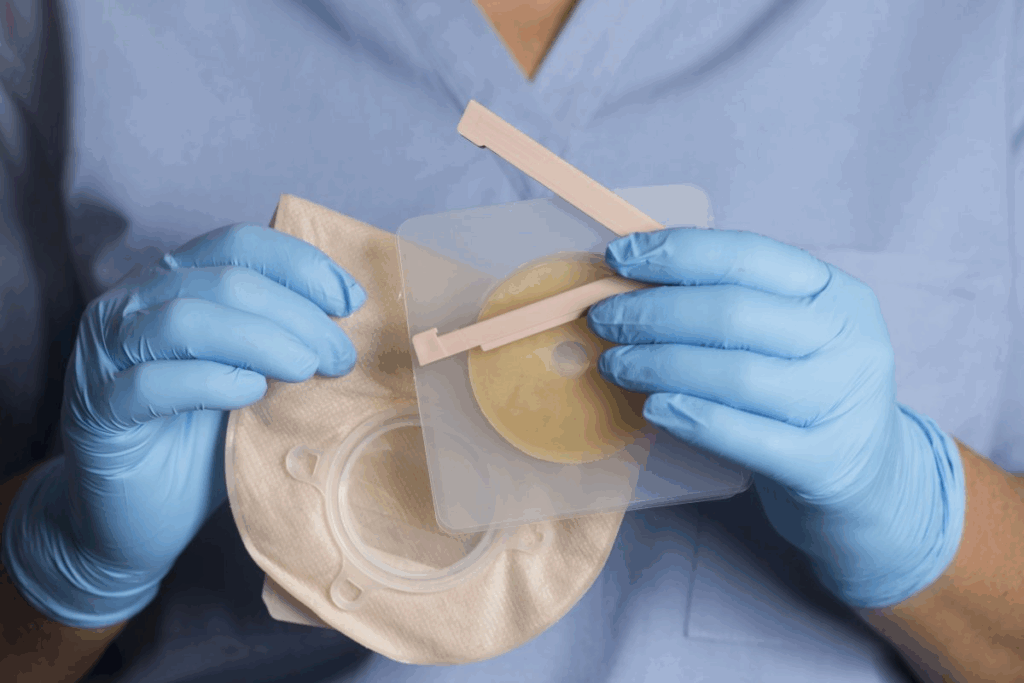
An ostomy bag, also called a stoma bag or colostomy bag, is a medical device. It collects waste through a surgically made opening in the abdomen. It’s important to care for it well and change it often to avoid skin problems and keep things clean.Learn how does a stoma bag work, how to use it properly, and care instructions for beginners.
Using a stoma bag right means knowing its purpose and how to handle it. The pouch goes on the belly, not near the belt line, and stays hidden under clothes. Always follow the advice of a healthcare provider or nurse on how to change it.
Key Takeaways
- Understand the purpose and proper use of a stoma bag.
- Learn how to attach and secure the ostomy pouch.
- Discover the steps for emptying and cleaning the stoma bag.
- Find out how to care for your stoma bag to maintain hygiene.
- Follow healthcare provider instructions for changing the pouch.
Understanding Stoma Bags and Their Purpose
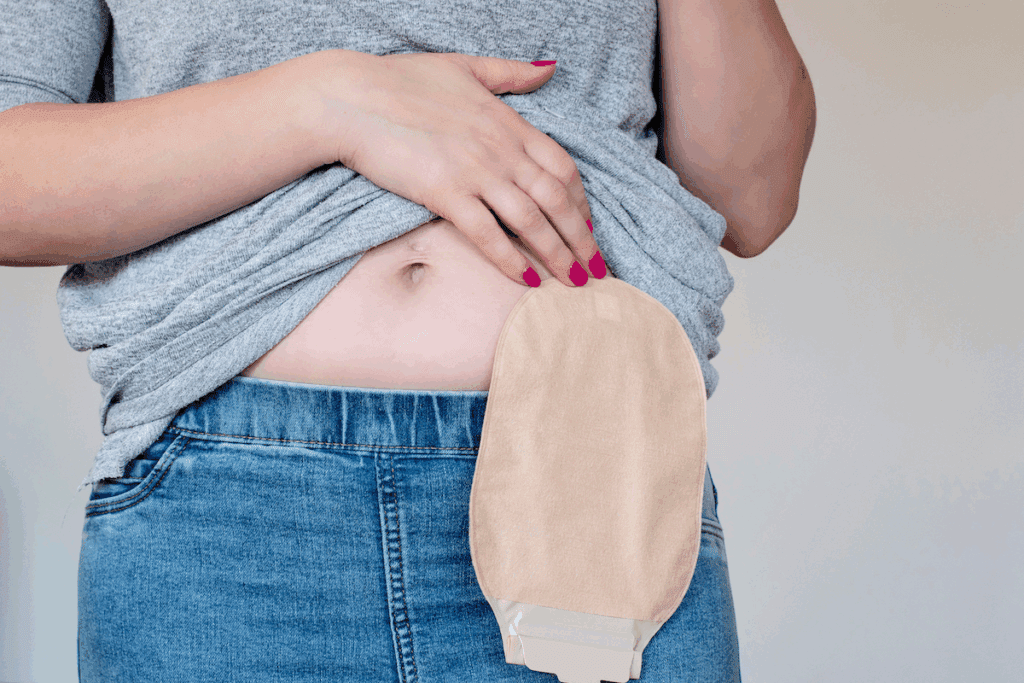
To understand the importance of stoma bags, it’s key to know what is a stoma and why it’s made.
A stoma is a surgically made opening in the abdomen. It lets waste leave the body. This surgery is needed for many medical reasons or surgeries.
What Is a Stoma and Why It’s Created
Stomas are made for several reasons. They are mainly needed when the intestinal or urinary tract doesn’t work right. Some main reasons include:
- Cancer or tumors in the digestive or urinary system
- Inflammatory bowel disease (IBD) such as Crohn’s disease or ulcerative colitis
- Trauma or injury to the abdomen
- Congenital conditions that affect the normal development of the digestive or urinary system
By making a stoma, surgeons can skip or take out the sick part. This lets waste go around it.
Medical Conditions Requiring Stoma Bags
Many medical conditions need stoma bags. These include:
- Colorectal Cancer: Surgery might make a stoma to move fecal matter.
- Inflammatory Bowel Disease (IBD): Conditions like Crohn’s disease and ulcerative colitis might need a stoma.
- Bladder Cancer or Dysfunction: Urostomy might be needed for urinary diversion.
These conditions show how important stoma bags are in patient care.
The Purpose of Stoma Bags in Patient Care
The main goal of a stoma bag is to safely divert bodily waste. Stoma bags are made to:
- Collect waste, keeping patients clean and comfortable
- Offer a safe and private way to handle waste
- Lower the chance of leaks and skin problems
By doing these things, stoma bags greatly help people with a stoma. They let them live active and normal lives, even with their health issues.
How Does a Stoma Bag Work
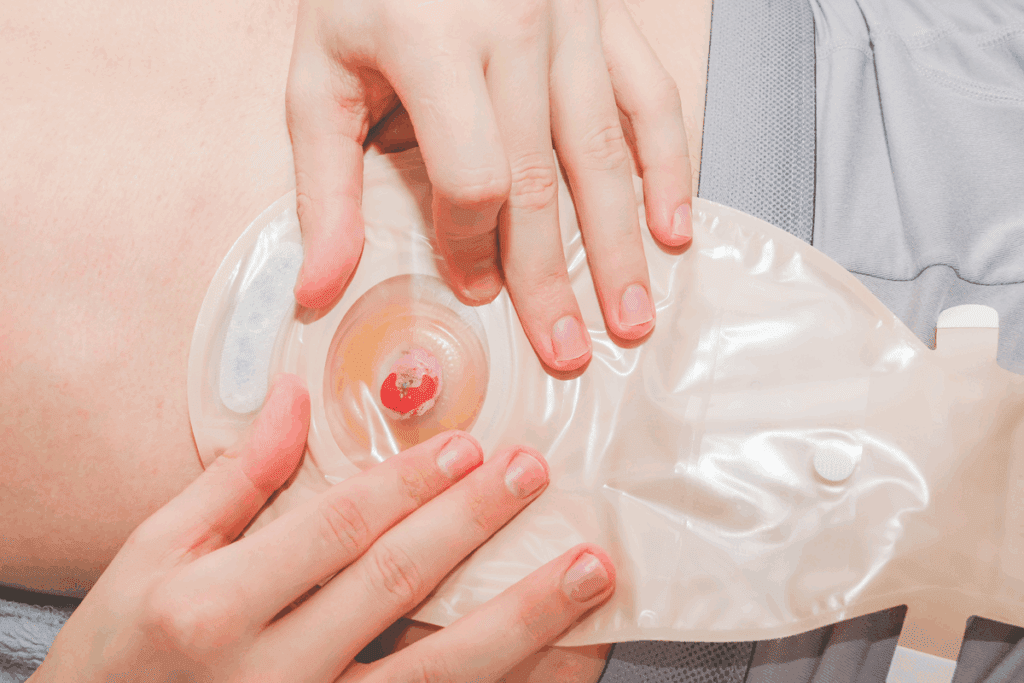
Understanding stoma bags is key for those with ostomy surgery. A stoma bag collects waste from a surgically made opening in the abdomen.
The Basic Mechanics of Waste Collection
A stoma bag uses a pouching system attached to the abdomen with an adhesive. This setup is made to be secure and leak-free, ensuring waste is caught well.
The pouch is made to be leak-proof and odor-resistant. This makes it discreet and comfortable for users. Stoma bags come in one-piece or two-piece systems, fitting various body types and lifestyles.
Adhesive Systems and Skin Protection
The adhesive system is vital for a stoma bag’s secure hold on the skin. Today’s adhesives protect the skin from irritation and stick well.
These systems include skin barriers to prevent skin issues and keep the skin healthy around the stoma. The right adhesive can greatly affect the comfort and security of the stoma bag.
Odor and Leak Prevention Technology
Stoma bags now have advanced tech to stop odors and leaks. They have filters for gas release and strong adhesives to prevent leaks.
The pouching system is made to be secure and discreet. This lets people manage their condition with confidence. Stoma bag technology keeps getting better, improving comfort and security for users.
Types of Stoma Bags Available
The market offers a wide range of stoma bags. These are designed to meet different needs and lifestyles. Users can find a stoma bag that fits their body type and needs.
One-Piece vs. Two-Piece Systems
Stoma bags come in one-piece and two-piece systems. One-piece systems combine the pouch and adhesive baseplate. This makes them easy to apply and remove.
Two-piece systems let you detach the pouch from the baseplate. This offers more flexibility and convenience, making pouch changes easier.
- One-piece systems are simple and easy to use.
- Two-piece systems allow for changing the pouch without removing the baseplate, which is more comfortable for some.
Drainable vs. Closed Pouches
Stoma bags differ in whether they are drainable or closed. Drainable pouches are for users who need to empty their pouch often, like those with ileostomies. They have a bottom outlet for drainage.
Closed pouches are used when the whole pouch needs to be changed after use, usually for colostomies.
- Drainable pouches let you empty the contents without changing the whole pouch.
- Closed pouches are simpler in design and are often used for procedures that need less frequent changes.
Specialized Options for Different Body Types and Lifestyles
There are specialized stoma bags for various body types and lifestyles. These include bags with extra support, for active lifestyles, and discreet bags for everyday wear.
For example, some bags have extra adhesive for active users. Others are more compact for easier hiding under clothes.
Understanding the different stoma bags helps users make better choices. They can pick options that best fit their needs and improve their quality of life.
Essential Supplies for Stoma Care
To keep your stoma clean and prevent problems, you need the right supplies. You’ll need basic items and some extra accessories for better comfort and security.
Basic Supplies Checklist
Starting with the basics is key for good stoma care. You’ll need:
- A new stoma bag or pouch
- Adhesive remover spray to safely remove the old pouch
- Gauze pads or clean washcloths for cleaning the stoma area
- A measuring guide to ensure the correct size of the wafer or flange
Having these basic stoma supplies ready helps keep your stoma in good shape. It also stops possible problems.
Optional Accessories That Improve Comfort and Security
There are also optional stoma accessories to make life easier. These include:
- Ostomy belts for added security
- Barrier rings or pastes to improve the seal around the stoma
- Skin protectants to safeguard the skin around the stoma
- Deodorizers for managing odor
These extras are great for those with special needs or likes. They help make stoma care more personal.
Using basic stoma supplies and the right optional stoma accessories keeps your stoma clean. It also stops problems and makes life better.
Preparing for Stoma Bag Attachment
Getting ready for stoma bag attachment is key. It’s not just about the steps, but also about feeling comfortable and secure. A good setup can make a big difference.
Creating a Clean Environment
First, make sure the area is clean and hygienic. Clean the surface where you’ll attach your stoma bag. Also, wash your hands well with soap and water.
- Clear a flat surface to lay out your supplies.
- Wipe down the surface with a disinfectant.
- Ensure good lighting to see what you’re doing.
Gathering Necessary Supplies
Having all the necessary supplies ready is important. You’ll need your stoma bag, skin barriers, cleaning materials, and disposal bags.
- Check that you have the correct size and type of stoma bag.
- Have wipes or cleaning solution ready for cleaning the stoma area.
- Prepare a disposal bag for the old stoma bag.
Timing Considerations for Changes
The timing of stoma bag changes matters a lot. It’s best to change when the bag is not too full, like in the morning.
Plan the change when you’re not busy or stressed. This makes the process easier.
Mental Preparation and Relaxation Techniques
Mental preparation is as important as the physical steps. A few moments of calm can help a lot.
- Take deep breaths to calm your nerves.
- Listen to soothing music or use a relaxation app.
- Visualize the process going smoothly.
Step-by-Step Guide to Attaching a Stoma Bag
Attaching a stoma bag right is key for its work and comfort. A good fit means better life quality and less chance of leaks or skin problems.
Removing the Old Bag Safely
Start by taking off the old bag carefully. Use an adhesive remover spray to loosen it gently. Then, slowly peel it off without jerking it to avoid skin irritation or injury.
Be gentle to protect the skin around the stoma.
Cleaning the Stoma Area Properly
Next, clean the stoma area well. Use warm water and a clean washcloth to clean it gently. This step removes leftover adhesive, bacteria, and other harmful stuff that could cause infections or irritation.
Make sure the area is dry before moving on. Any moisture can mess up the new bag’s adhesion.
Measuring and Cutting the Correct Opening Size
To get a good fit, accurately measure the stoma size. Use a stoma measuring guide to find the right diameter. Cut the wafer to fit perfectly, avoiding too tight or too loose.
A snug fit stops leaks and keeps the bag in place.
Applying Skin Barriers and Adhesives
Before putting on the new bag, apply a skin barrier around the stoma. This protects the skin from the adhesive and irritants. Then, apply the adhesive to the wafer or skin, depending on your bag type.
Spread the adhesive evenly and check for air bubbles or wrinkles. These can ruin the seal.
How to Empty a Stoma Bag Properly
Knowing how to empty a stoma bag right is key for those with ostomies. It’s important to empty it regularly to avoid leaks and discomfort. This keeps the bag from getting too full.
Recognizing When to Empty Your Bag
Empty your stoma bag when it’s about 1/3 full. Waiting too long can make the bag too heavy, leading to leaks. Regular checks help keep things clean and prevent problems.
Step-by-Step Emptying Process
The steps to empty a stoma bag are simple:
- Head to the toilet and sit down.
- Open the spout or valve at the bottom of the pouch.
- Allow the contents to drain out.
- Once drained, clean the spout or valve with toilet paper.
- Close the spout or valve securely.
Be gentle when handling the stoma bag to avoid irritation or injury to the stoma site.
Hygiene Practices During Emptying
Keeping clean during emptying is very important. Wash your hands before and after handling the stoma bag. Also, clean the spout or valve well after each use to stop bacteria and smells.
By following these tips, people with ostomies can manage their bags well. This ensures they stay comfortable and confident every day.
Changing Your Stoma Bag: Complete Process
Changing a stoma bag is a key part of ostomy care. It needs careful attention and knowledge of the different bags. The steps ensure hygiene, comfort, and security.
Frequency of Changing Different Types of Bags
The time to change a stoma bag varies by type and personal needs. Colostomy bags often need changing 2-3 times a day because of solid waste. Ileostomy bags can last 2-4 days, as they handle liquid waste. Urostomy bags also need changing every 2-3 days, or as needed.
| Type of Stoma Bag | Average Frequency of Change |
| Colostomy Bag | 2-3 times a day |
| Ileostomy Bag | Every 2-4 days |
| Urostomy Bag | Every 2-3 days |
Differences Between Changing Colostomy, Ileostomy, and Urostomy Bags
Changing a stoma bag has similar steps for all types, but each has its own needs. For colostomy bags, keeping the skin clean and dry is key. Ileostomy bags can be emptied without removal, but need changing too. Urostomy bags must be handled carefully to avoid backflow.
Post-Change Care and Disposal
After changing, check the skin for irritation or complications. Dispose of the used bag properly in a sealed bag. Keeping the area clean is vital to prevent infections and ensure comfort.
Knowing how to change different stoma bags helps manage ostomy care. This way, individuals can live a better life with their condition.
Maintaining Healthy Skin Around Your Stoma
Keeping the skin around your stoma healthy is key for comfort and well-being. People with a stoma should watch out for skin problems and take steps to avoid them.
Common Skin Complications and Their Causes
Issues like irritation, redness, and skin stripping can happen around the stoma. These problems might come from a bad fit, allergic reactions, or not taking care of the skin right. Knowing the cause helps find the right fix.
For example, irritation might be from the adhesive in the stoma bag. Changing the adhesive or using a skin barrier can help. Talking to a healthcare expert can offer tailored advice.
Preventative Skin Care Routine
Having a good skin care routine is essential for healthy skin around the stoma. This means cleaning the skin right, making sure the bag fits well, and using barriers to stop irritation. Cleaning gently is important to avoid infections and help skin heal.
- Clean the skin gently with mild soap and water.
- Pat dry the area thoroughly before applying a new stoma bag.
- Use a skin barrier or protective film to prevent irritation.
When to Seek Medical Help for Skin Issues
Knowing when to get medical help for stoma skin problems is important. If irritation doesn’t go away, you see signs of infection, or have a bad skin reaction, get help fast.
“If you notice any unusual changes in your skin, such as increased redness, swelling, or pain, it’s essential to consult your healthcare provider promptly.”
Seeing a doctor early can stop small problems from getting worse. Regular visits to a healthcare professional can also help keep your skin healthy around your stoma.
Troubleshooting Common Stoma Bag Problems
Fixing common stoma bag problems is key to keeping users confident and comfortable. Issues like leaks, odor, and fit problems can pop up, even with good care. These problems can really affect a person’s life quality.
Dealing with Leaks and Preventing Future Occurrences
Leaks are a big worry for stoma bag users. They can cause skin irritation and make users feel insecure. To tackle leaks, it’s important to:
- Make sure the stoma bag fits right and the wafer is the correct size.
- Look for any wear or damage on the adhesive.
- Clean the stoma area well before putting on a new bag.
To stop leaks from happening again, check the bag’s adhesion often. Also, keep the skin around the stoma healthy and irritation-free.
Managing Odor Effectively
Handling odor is a big part of stoma care. Even though stoma bags are made to keep smells in, some foods and meds can make odors worse. To keep odors under control:
- Use products like deodorants or filters to help.
- Keep up with good hygiene, like emptying and cleaning the bag often.
- Stay away from foods that can make smells stronger.
By using these tips, users can cut down on odor problems. This helps them feel more confident about using their stoma bags.
Addressing Fit and Comfort Issues
Getting the right fit and comfort is essential for a stoma bag to work well. Problems with fit and comfort can lead to leaks, skin irritation, and discomfort. To fix these issues:
- Make sure the stoma bag is the right size for the user’s stoma.
- Use things like belts or supports to help with security and comfort.
- Talk to a healthcare professional for help with adjusting the bag’s fit.
By solving fit and comfort problems, users can have a better experience with stoma bags. This also lowers the chance of more serious issues.
Conclusion
Proper care and management of a stoma bag are key to a good quality of life. Understanding its purpose, mastering how to attach and empty it, and following a routine are important. This way, people can manage their condition with confidence.
Liv Hospital is dedicated to top-notch healthcare for those with a stoma. They offer full support and guidance. This helps patients deal with the challenges of managing a stoma bag.
Stoma bag care includes regular cleaning, proper adhesion, and timely emptying. Following these steps helps avoid problems, keeps things clean, and ensures comfort and health. Good stoma bag care is vital for well-being. With the right help and support, people can live active and happy lives.
In summary, effective stoma bag management needs a complete approach. By following the outlined guidelines, individuals can focus on their health and comfort. This reflects the high care standards of places like Liv Hospital.
FAQ
What is a stoma bag and its purpose?
A stoma bag is a medical device for collecting waste from a surgically made opening in the abdomen, called a stoma. It helps manage waste safely and hygienically. This allows patients to live normally despite their health conditions.
How does a stoma bag work?
A stoma bag collects waste from the stoma. It sticks to the abdomen with an adhesive. Modern bags have technology to prevent smells and leaks, making them comfortable and discreet.
What are the different types of stoma bags available?
There are many stoma bags, like one-piece and two-piece systems, and drainable and closed pouches. One-piece systems combine the pouch and adhesive baseplate. Two-piece systems let you detach the pouch from the baseplate.
How often does a colostomy bag need to be changed?
Changing a colostomy bag depends on the person’s needs and the bag type. Usually, they are changed every few days. Always follow the manufacturer’s guidelines and talk to a healthcare professional for advice.
How is a colostomy bag attached?
To attach a colostomy bag, first remove the old one safely. Clean the stoma area well. Then, measure and cut the right opening size. Apply skin barriers and adhesives to secure the new bag.
What are the essential supplies for stoma care?
Basic stoma care supplies include a new bag, adhesive remover spray, gauze pads or clean washcloths, and a measuring guide. You might also want ostomy belts, barrier rings, and skin protectants for extra comfort and security.
How do I maintain healthy skin around my stoma?
To keep skin around the stoma healthy, use a gentle cleaning routine and protective products. Always check the skin for irritation and get medical help if problems don’t go away.
How do I troubleshoot common stoma bag problems?
To fix common stoma bag issues, check the bag’s fit and adhesion for leaks. Use odor-control products for smells. Adjust the wafer size or use accessories for better fit and comfort.
What is the purpose of a stoma?
A stoma is a surgically made opening in the abdomen. It allows waste to be diverted out of the body. This is often due to conditions like colorectal cancer or inflammatory bowel disease.
What does a stoma do?
A stoma diverts waste out of the body. This lets patients manage their waste safely and hygienically with a stoma bag.
References
Changing your ostomy pouch. MedlinePlus, U.S. National Library of Medicine. (2024). https://medlineplus.gov/ency/patientinstructions/000204.htm