Last Updated on December 2, 2025 by Bilal Hasdemir

Couples facing the challenge of conceiving after a vasectomy still have hope and guidance. To understand their options, it’s important to first know how does a vasectomy work. A vasectomy is a common form of male birth control that blocks sperm from reaching the semen, preventing pregnancy. However, it’s not always a permanent barrier to fatherhood.
The journey to pregnancy after a vasectomy can be complex, involving different medical treatments and personal factors. With a pregnancy rate of just 0.58% after vasectomy, the procedure is highly effective”but not foolproof.
For couples who want to conceive after this procedure, there are several medical options. These include vasectomy reversal and sperm aspiration with IVF, both offering pathways to natural conception or assisted pregnancy.
At leading medical centers like Liv Hospital, couples receive expert support to explore these choices and find the best route toward successful conception.
Key Takeaways
- Vasectomy is not a permanent barrier to fatherhood.
- The pregnancy rate after vasectomy is 0.58%.
- Options for conceiving after vasectomy include vasectomy reversal and sperm aspiration with IVF.
- Expert hospitals like Liv Hospital support couples in achieving pregnancy.
- Several factors influence the choice of procedure, including time and age.
Understanding How a Vasectomy Works and Its Effectiveness
Before getting a vasectomy, it’s key to know how it impacts male fertility. This surgery cuts or blocks the vas deferens. This tube carries sperm from the testicles to the penis. It’s a permanent way to prevent pregnancy.
The Vasectomy Procedure Explained
The vasectomy process is simple and done in a doctor’s office or clinic. There are two main methods: the traditional vasectomy and the no-scalpel vasectomy. The no-scalpel method is less invasive, making a small puncture to access the vas deferens. This reduces complications and speeds up healing.
During the surgery, the vas deferens is cut, and a part is removed. Then, the ends are sealed or clipped. This stops sperm from being ejaculated during sex.
What Happens to Sperm After a Vasectomy
After a vasectomy, sperm are made but can’t pass through the vas deferens. They are absorbed by the body. The immune system treats them as foreign substances.
Expected Changes in Ejaculate After the Procedure
Men often wonder if they’ll ejaculate normally after a vasectomy. The answer is yes; a vasectomy doesn’t affect ejaculation or its sensation. The ejaculate is present but sperm-free. This is because most ejaculate fluid comes from the seminal vesicles and prostate, not the testicles.

Vasectomy Effectiveness Rates and Possible Failures
Vasectomy is very effective, with a failure rate under 1%. But it’s not 100% effective. There’s a small chance of failure, like if the vas deferens reconnects or if there’s sperm beyond the blockage. Men should have semen analyses to check for sperm.
Knowing about vasectomy’s effectiveness and risks is important. While it’s a reliable birth control, it’s permanent. And there’s a chance it might not work.
Natural Conception After Vasectomy: Understanding the Possibilities
For couples where the male partner has had a vasectomy, knowing about natural conception is key. Vasectomy is very effective, but sometimes, pregnancy can happen.
We’ll look at the chances of getting pregnant after a vasectomy. We’ll also talk about signs that might mean the vasectomy didn’t work. And when you should see a doctor.
Documented post-vasectomy pregnancy statistics
Research shows that about 0.58% of couples get pregnant after a vasectomy. This shows that while vasectomy works well, it’s not 100% effective.
There are several reasons why pregnancy might happen after a vasectomy. These include:
- Vasectomy technique: Different methods have different success rates.
- Surgeon experience: The skill of the surgeon can affect how well the vasectomy works.
- Post-procedure care and follow-up: Following instructions and going to follow-up appointments can make a difference.
Signs your vasectomy might have grown back together
Vasectomy failure is rare but can happen if the vas deferens reconnects. Some signs of failure include:
- Pain or swelling in the testicular area could mean a problem.
- A change in semen analysis results, showing sperm where there shouldn’t be.
- An unexpected pregnancy in the partner is the clearest sign of failure.
If you notice any of these signs, getting medical help is important.
When to seek medical evaluation for possible vasectomy failure
If you think your vasectomy might have failed, due to symptoms or an unexpected pregnancy, see a doctor. They can do a semen analysis to check for sperm.
Seeing a doctor early is important. It helps you understand your situation and plan for the future.

Vasectomy Reversal: The Primary Path to Conception
Vasectomy reversal is a surgery that can make a man fertile again after a vasectomy. It reconnects the vas deferens, allowing sperm to flow into the semen. This is a hopeful way for couples to conceive naturally.
The Reversal Procedure Explained
The procedure involves microsurgery to join the severed vas deferens. There are two main methods: vasovasostomy and vasoepididymostomy. Vasovasostomy reconnects the cut ends of the vas deferens. Vasoepididymostomy is used for epididymis blockages.
These include how long ago the vasectomy was and the woman’s age.
Success Rates Based on Time and Age
The time between the vasectomy and reversal affects success. The sooner it’s done, the better the chances. Men who reverse within 3 to 8 years have a 60% to 90% success rate.
Success also depends on the surgeon’s skill and the method used.
Female Partner Age and Fertility Considerations
The woman’s age and fertility are key to success. Fertility drops after 35. Even with a successful reversal, conception depends on the woman’s fertility.
Recovery and Timeline for Attempting Conception After Reversal
Allow healing time before trying to conceive. Men should avoid heavy lifting for weeks. The time to try conceiving varies, but it’s usually a few months.
Checking sperm counts after surgery is important. This shows if sperm are returning to the semen.
Knowing about vasectomy reversal helps couples make informed choices for conception.
Assisted Reproductive Techniques for Post-Vasectomy Families
Couples facing infertility after a vasectomy have hope. Advanced medical procedures offer a solution. These methods give families a chance to conceive.
Surgical Sperm Retrieval Methods Explained
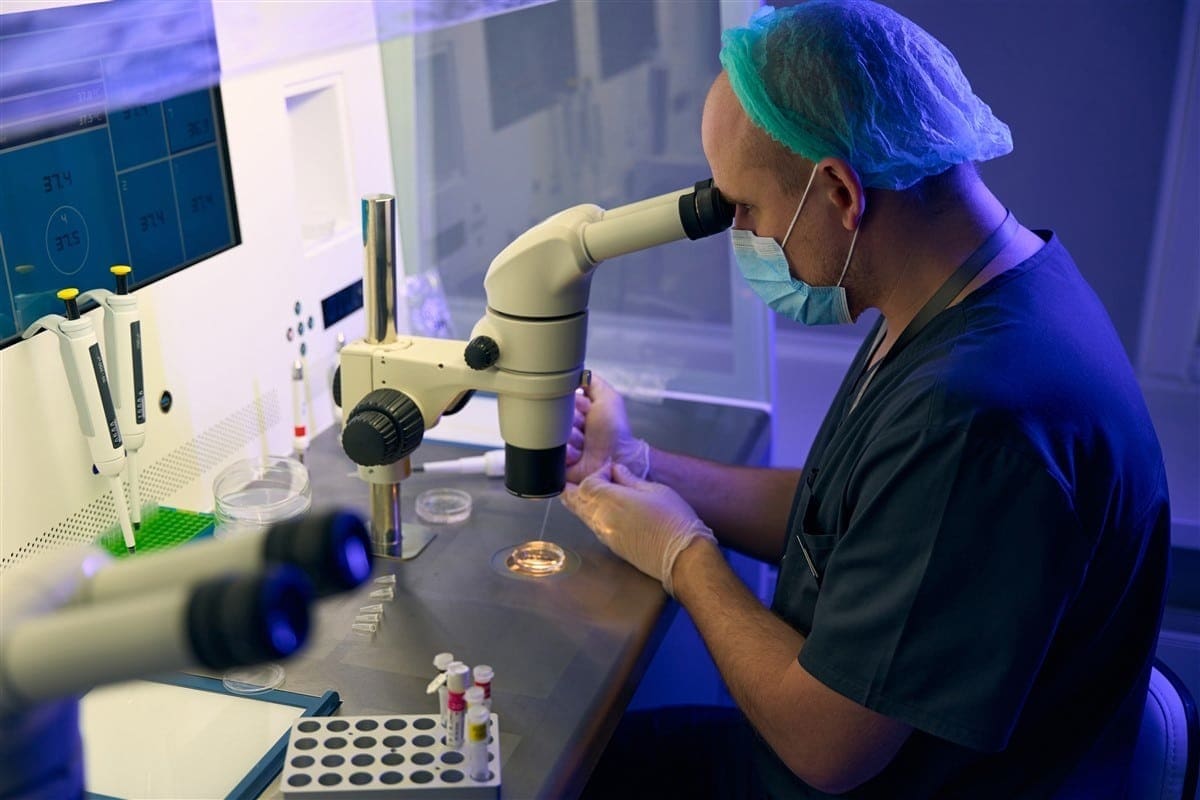
Surgical sperm retrieval is key for men after a vasectomy. Techniques like Microsurgical Epididymal Sperm Aspiration (MESA) and Testicular Sperm Extraction (TESE) help get viable sperm. This sperm can then be used in IVF or other fertility treatments.
These surgeries are done under local anesthesia or sedation. This makes the process comfortable for the patient. The choice of method depends on the patient’s medical history and the clinic’s needs.
IVF with Retrieved Sperm: Process and Expectations
After sperm retrieval, it’s used for In Vitro Fertilization (IVF). In IVF, the sperm and egg are fertilized in a lab. Then, the embryo is transferred to the uterus.
IVF success depends on sperm and egg quality, the woman’s age, and the clinic’s skill. Couples should talk to their fertility specialist about their chances of success.
Specialized Fertility Clinics and Treatment Protocols
Fertility clinics with advanced techniques have detailed treatment plans. These clinics use the latest technology and have experienced staff. They guide couples through the process.
When choosing a clinic, consider success rates, the team’s experience, and services offered. Many clinics also provide counseling and support for the emotional aspects of fertility treatment.
Comparing Costs, Success Rates, and Considerations for Different Techniques
Couples should know the costs, success rates, and considerations of different methods. IVF with retrieved sperm is effective but can be pricey compared to vasectomy reversal.
When evaluating techniques, consider the cost per cycle, success chances, and treatment demands. Couples should talk to their healthcare provider to find the best option for them.
Conclusion: Making the Right Choice for Your Family’s Future
Knowing the chances of getting pregnant after a vasectomy is key for families. The vasectomy is very effective, but it’s not 100% sure. Sometimes, people can get pregnant naturally after a vasectomy.
If you want to conceive after a vasectomy, you have options. Vasectomy reversal and assisted reproductive techniques are available. At Liv Hospital, we offer top-notch care for those dealing with fertility issues.
Our team is here to help you understand your reproductive health. We use the latest treatments and technologies to help you on your path to parenthood. Whether you’re thinking about getting pregnant after a vasectomy or looking into reversal, we’ll support you every step of the way.
FAQ
Can you undo a vasectomy?
Yes, you can undo a vasectomy with a procedure called vasectomy reversal. It tries to open the vas deferens again. This might help you get fertile again.
What are the signs that my vasectomy has grown back together?
If your vasectomy seems to have failed, you might see sperm in your semen. Or, you could get pregnant. You might also feel a lump in your testicle or epididymis, which could mean a blockage or reconnection.
What is the likelihood of pregnancy after a vasectomy?
Getting pregnant after a vasectomy is rare, with a rate of about 0.58%. But, this chance can change based on how long it’s been and the surgeon’s skill.
What happens to sperm after a vasectomy?
Even after a vasectomy, your testes keep making sperm. But your body absorbs them instead of letting them out. This way, they don’t show up in your semen.
Do you still ejaculate after a vasectomy?
Yes, you can ejaculate after a vasectomy. The procedure just blocks the vas deferens. So, sperm can’t get into your semen.
What color is sperm after a vasectomy?
Your semen’s color and feel stay the same after a vasectomy. The lack of sperm doesn’t change how it looks.
Where does sperm go after a vasectomy?
After a vasectomy, sperm get absorbed by your body. They don’t come out in your semen. Instead, they get broken down by your immune system.
What are the chances of getting pregnant after a vasectomy?
The odds of getting pregnant after a vasectomy are low, about 0.58%. But it can happen if the vasectomy fails or if you don’t wait long enough before trying to conceive.
Can I still have normal sex after a vasectomy?
Yes, a vasectomy doesn’t affect your sex life. You can start having sex again after a vasectomy once your doctor says it’s okay. This is usually a few days or weeks later.
How long after vasectomy reversal can I try to conceive?
How long to wait to try to conceive after a vasectomy reversal varies. But, usually, men are told to wait a few months. This lets the area heal and checks if the reversal worked through semen tests.
Reference
- Ha, A. S., et al. (2025). A contemporary estimate of vasectomy failure in the United States: Analysis of US claims data. Journal of Urology. https://pubmed.ncbi.nlm.nih.gov/39740108/
- Borrell, J. A., et al. (2025). Comparing vasectomy techniques, recovery, and effectiveness outcomes: A systematic review. International Journal of Impotence Research. https://www.nature.com/articles/s41443-025-01018-5
- Yang, F. (2020). Review of vasectomy complications and safety concerns. International Journal of Urology. https://www.ncbi.nlm.nih.gov/pmc/articles/PMC8255399/
- Northwestern Medicine. (2025). 7 surprising facts about vasectomies. https://www.nm.org/healthbeat/healthy-tips/Surprising-Facts-About-Vasectomies