

Attention Deficit Hyperactivity Disorder (ADHD) is a complex condition that affects the brain’s chemistry and structure. Studies show that ADHD is linked to imbalances in neurotransmitter systems, like dopamine and norepinephrine.
At Liv Hospital, we study how ADHD impacts the brain’s neurotransmitters and structure. We find that people with ADHD have unique brain differences compared to those without it.
Explore how does adhd affect the brain‘s neurotransmitters and structure, revealing the complex mechanisms behind this condition.
Knowing these differences is key to finding the right treatment. We’ll look into how ADHD changes dopamine and norepinephrine levels. We’ll also explore what this means for managing ADHD.
Key Takeaways
- ADHD is a neurodevelopmental condition that affects brain chemistry and structure.
- Imbalances in dopamine and norepinephrine are characteristic of ADHD.
- Individuals with ADHD have differences in brain structure and function.
- Understanding these differences is critical for effective treatment.
- Research into ADHD neurotransmitters can guide treatment options.
Understanding ADHD as a Neurodevelopmental Condition
ADHD is a neurodevelopmental condition. It shows differences in brain development and function, mainly in attention and impulse control. Knowing this is key to creating effective treatments and support for those with ADHD.
ADHD is seen as a genetic disorder. Certain gene changes affect brain development. Studies show that people with ADHD have brain differences compared to those without it. Understanding these differences helps us see how ADHD impacts behavior and thinking.
What Defines ADHD from a Neurological Perspective
Neurologically, ADHD is marked by changes in brain areas for attention, impulse control, and executive function. The brain’s neurotransmitter systems, like dopamine and norepinephrine, are also important. They play a big role in ADHD symptoms.
The dopamine system is key for reward and motivation. Differences in dopamine signaling are linked to ADHD symptoms. Knowing ADHD’s neurological roots helps in creating specific treatments.
The Evolution of ADHD Research and Understanding
ADHD research has grown a lot over time. It’s now seen as a complex neurodevelopmental condition, not just a simple behavioral issue. New research in neuroimaging and genetics has helped us understand ADHD better.
Research keeps finding out how genes, environment, and brain development interact in ADHD. This growing knowledge is vital for better diagnostic tools and treatments.
How Does ADD Affect the Brain’s Chemistry
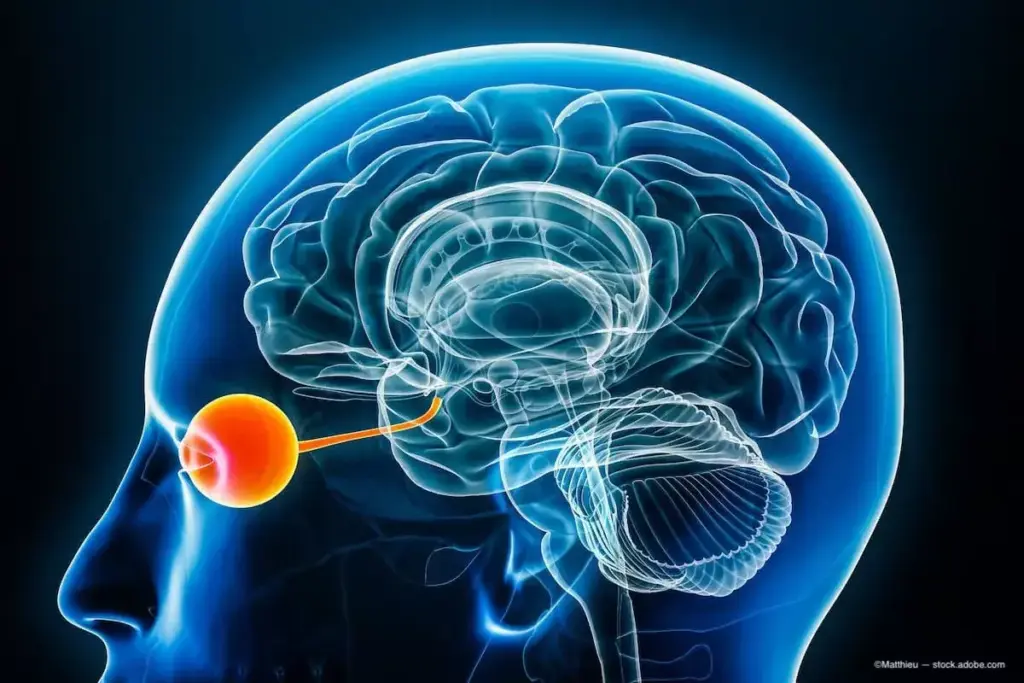
ADHD’s neurochemistry is complex, with imbalances in many neurotransmitter systems. It changes the levels and how certain neurotransmitters work. These changes affect attention, motivation, and impulse control.
The Dopamine Connection
Dopamine is key for reward and motivation. In ADHD, dopamine levels and function are often off. This makes it hard to focus and stay motivated, mainly for tasks without quick rewards.
Studies show dopamine issues are a big part of ADHD symptoms. Learn more about ADHD and the.
Beyond Dopamine: Norepinephrine and Serotonin
Dopamine is important, but norepinephrine and serotonin also play big roles. Norepinephrine helps with attention and alertness. Its imbalance can cause ADHD symptoms. Serotonin helps with mood and impulse control.
The mix of these neurotransmitters is complex. Their imbalance leads to ADHD symptoms. Knowing how they work is key to finding treatments.
Medicines for ADHD often aim to fix these imbalances. They help by adjusting these neurotransmitter systems. This can ease ADHD symptoms.
Structural Differences in the ADHD Brain
Studies have found big differences in the brains of people with ADHD. These findings help us understand why ADHD causes certain problems. They show how ADHD affects how we think and act.
Prefrontal Cortex and Executive Function Challenges
The prefrontal cortex is key for making decisions and controlling impulses. In ADHD, this area is often smaller or less active. Research shows that this can lead to problems with planning and controlling impulses.
These problems can make it hard to organize tasks and manage time. They are big challenges for people with ADHD and affect their daily lives a lot.
Basal Ganglia and Limbic System Variations
The basal ganglia help control movement and thinking. The limbic system is important for emotions and motivation. ADHD is linked to changes in these areas. These changes can affect how we feel and react to rewards.
- The basal ganglia help with movement and thinking.
- The limbic system is key for emotions and motivation.
- Changes in these areas can cause emotional and reward processing problems.
Neuroimaging Findings in ADHD Research
Neuroimaging, like MRI, has helped find brain differences in ADHD. These studies show that ADHD brains often have smaller areas, like the prefrontal cortex and basal ganglia.
“Neuroimaging has revolutionized our understanding of ADHD, providing insights into the neurobiological underpinnings of the disorder.” — Medical Expert, ADHD Researcher
How Structural Differences Manifest as ADHD Symptoms
The brain differences in ADHD directly cause its symptoms. For example, a less active prefrontal cortex can make it hard to focus and control impulses. Changes in the basal ganglia and limbic system can lead to too much activity and trouble controlling emotions.
- Problems with attention and impulse control come from differences in the prefrontal cortex.
- Too much activity and trouble controlling emotions come from changes in the basal ganglia and limbic system.
- Knowing about these differences helps us find better treatments.
Understanding the ADHD brain helps us see how complex the disorder is. It also helps us find better ways to treat it. This knowledge is very important for both doctors and people with ADHD.
Conclusion: The Complex Neurobiology of ADHD
ADHD is a complex condition that affects brain chemistry and structure. It leads to imbalances in neurotransmitters like dopamine, norepinephrine, and serotonin. These are key for attention and controlling impulses.
The brain areas impacted by ADHD include the prefrontal cortex, basal ganglia, and limbic system. These areas are important for executive functions, motor control, and managing emotions. Knowing which brain parts ADHD affects is key for creating effective treatments.
Neuroimaging studies have shown structural differences in ADHD brains. They help us understand how ADHD works and which brain areas are affected. By studying ADHD’s neurobiology, we can improve diagnosis, treatment, and management. This will help those with ADHD live better lives.
As we learn more about ADHD’s brain effects, we can create better support strategies. This will help address the unique challenges faced by those with ADHD. With this knowledge, we can offer more complete care, improving their overall well-being.
FAQ:
What is ADHD and how does it affect the brain?
ADHD, or Attention Deficit Hyperactivity Disorder, is a condition that affects how the brain works. It changes the brain’s structure and function, mainly in areas that handle attention and impulse control. This leads to symptoms like not paying attention, acting impulsively, and being too active.
How does ADHD impact brain chemistry?
ADHD messes with the brain’s chemistry, affecting neurotransmitters like dopamine and norepinephrine. Dopamine is key for motivation and reward. Imbalances in these chemicals cause ADHD symptoms.
What are the structural differences in the ADHD brain?
Studies show ADHD brains have smaller and less active areas, like the prefrontal cortex. These changes cause ADHD symptoms, such as trouble focusing, acting without thinking, and being too active.
How does dopamine affect ADHD?
Dopamine is vital for motivation and reward. In ADHD, not enough dopamine leads to trouble focusing and acting impulsively. Knowing this helps create treatments that fix the dopamine issue.
What is the role of norepinephrine in ADHD?
Norepinephrine helps with attention and staying alert. In ADHD, not enough norepinephrine causes trouble focusing and being too active.
How do neuroimaging findings contribute to our understanding of ADHD?
Neuroimaging shows ADHD brains are different from others. These findings help researchers understand ADHD better. They also guide the creation of treatments that target ADHD’s specific challenges.
What are the implications of understanding ADHD’s neurobiological underpinnings?
Knowing how ADHD affects the brain is key to better treatments. It helps us see ADHD’s complexities. This knowledge leads to more effective ways to diagnose and manage ADHD.
How does ADHD affect brain structure and function?
ADHD changes the brain’s structure and function, mainly in areas for attention and impulse control. Studies show ADHD brains have smaller and less active areas, like the prefrontal cortex.
References:
National Center for Biotechnology Information. Evidence-Based Medical Guidance. Retrieved from https://pmc.ncbi.nlm.nih.gov/articles/PMC3320218/