Last Updated on November 27, 2025 by Bilal Hasdemir

Ever felt like you can’t catch your breath, only to find out it’s your anxiety? It’s scary to struggle with breathing, and you might wonder if it’s linked to your anxiety. At Liv Hospital, our team works hard to help you see how anxiety and breathing problems are connected.
When we’re anxious, our body goes into fight-or-flight mode. This can make us breathe too much and tighten our muscles. It might feel like we can’t breathe, even if there’s nothing wrong with our lungs. By looking into how anxiety affects our breathing, we can find ways to help you feel better.
Key Takeaways
- Anxiety can trigger the body’s fight-or-flight response, leading to hyperventilation.
- Hyperventilation can cause feelings of breathlessness and shortness of breath.
- Anxiety can make breathing problems worse.
- Understanding the link between anxiety and breathing difficulties is key to managing symptoms.
- Our team at Liv Hospital is here to offer personalized support for anxiety-related breathing issues.
The Relationship Between Anxiety and Respiratory Symptoms
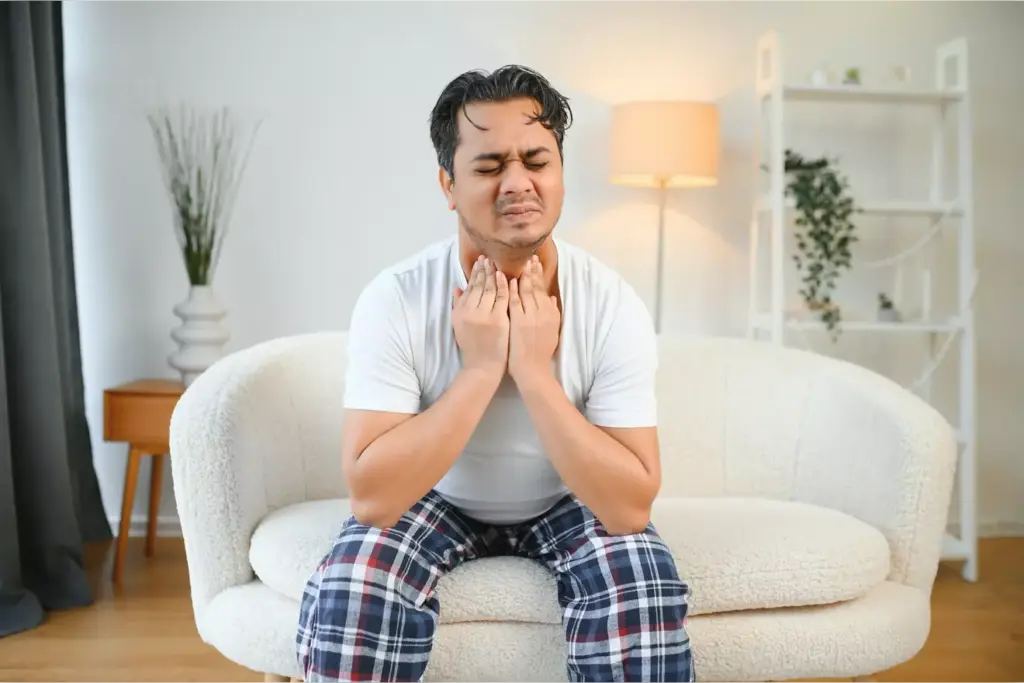
People with anxiety often experience shortness of breath. This creates a complex link between mental health and physical symptoms. We will dive into this connection, looking at how common breathlessness is in anxious individuals and how anxiety and breathing problems feed into each other.
Statistical Overview: How Common is Breathlessness with Anxiety
Studies show that 30 to 50 percent of anxious people have trouble breathing. This shows why treating breathing issues is key in anxiety care.
| Study | Prevalence of Breathlessness | Population Studied |
|---|---|---|
| Smith et al., 2020 | 35% | General Anxiety Disorder patients |
| Johnson et al., 2019 | 42% | Panic Disorder patients |
| Williams et al., 2018 | 28% | Mixed Anxiety Disorders |
Table: Prevalence of breathlessness in various anxiety disorder studies.
The Cycle of Anxiety and Breathing Problems
Anxiety can make breathing harder, which can make anxiety worse. This creates a cycle that’s hard to stop without help.
It’s important to understand this cycle. This way, we can create better treatments that help both the mind and body with anxiety-related breathing issues.
Understanding the Fight-or-Flight Response in Breathing
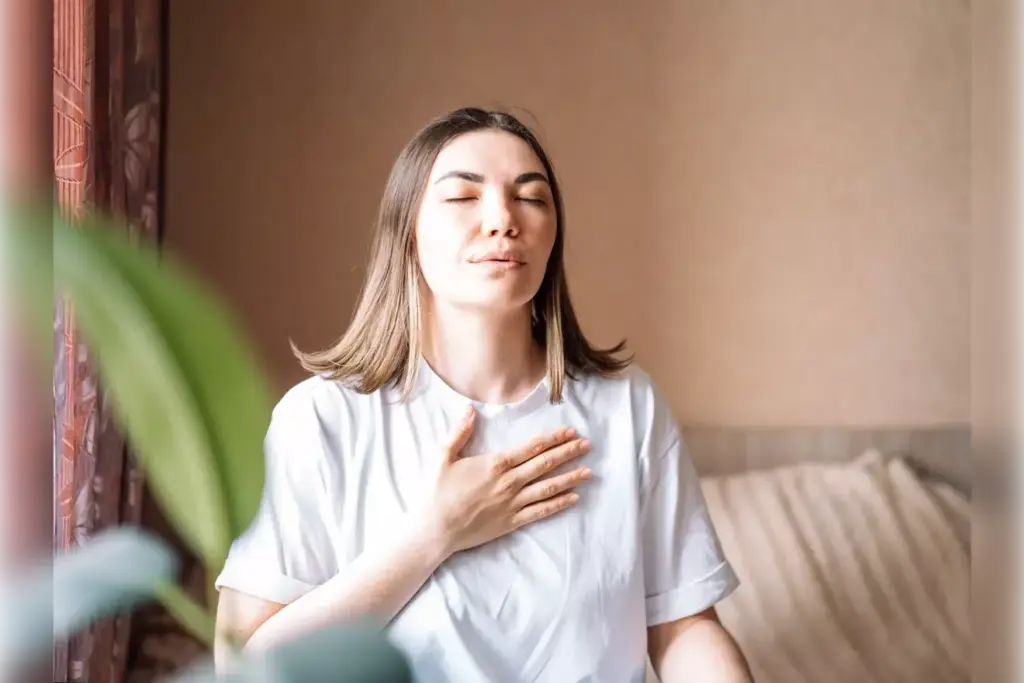
The fight-or-flight response is a body reaction to threats. It plays a big role in breathing problems linked to anxiety. When we see a threat, our body’s sympathetic nervous system kicks in. This leads to changes that get us ready to act.
How Stress Activates Emergency Breathing Patterns
Stress and anxiety release stress hormones like adrenaline. These hormones change how we breathe. This can cause hyperventilation and fast breathing, signs of the fight-or-flight response. People might feel short of breath or like they can’t breathe.
A study on Psychology Today found that this response changes how we breathe. It shows how stress can affect our breathing.
| Physiological Change | Effect on Breathing |
|---|---|
| Increased Heart Rate | Rapid breathing and hyperventilation |
| Muscle Tension | Chest tightness and difficulty breathing |
| Release of Stress Hormones | Altered breathing patterns and shortness of breath |
Neurological Pathways of Anxiety-Induced Respiratory Changes
The brain’s limbic system and respiratory centers in the brainstem work together. They change how we breathe when we’re stressed or anxious. This is how anxiety affects our breathing.
Knowing how these pathways work is key to treating breathing problems caused by anxiety. By focusing on these mechanisms, doctors can help people with anxiety shortness of breath more effectively.
Anxiety and Trouble Breathing: Common Symptoms
Anxiety can really mess with how we breathe, causing fast breathing and tight chests. When we feel anxious, our body goes into stress mode. This can make it hard to breathe.
Hyperventilation and Rapid Breathing
Hyperventilation is a big sign of anxiety breathing problems. It’s when you breathe too fast and deep. This can lower blood carbon dioxide, causing dizziness and even fainting. Hyperventilation syndrome often goes hand in hand with anxiety.
Chest Tightness and Constriction
Feeling your chest tight or constricted is common with anxiety. It’s linked to the body’s “fight-or-flight” response. This makes your chest muscles tense, making breathing hard and uncomfortable.
Feeling Out of Breath or Unable to Get Enough Air
Many with anxiety say they can’t catch their breath. This feeling can be scary, as it might seem like a serious health issue. But, in anxiety, it usually isn’t a sign of something serious.
Knowing these symptoms is key for diagnosis and treatment. Recognizing the connection between anxiety and breathing issues helps doctors help more people.
The Physiological Mechanisms of Anxiety-Related Shortness of Breath
Anxiety and shortness of breath are linked through several key mechanisms. When we feel anxious, our body’s “fight or flight” response kicks in. This response changes how our respiratory system works.
Respiratory Muscle Tension and Dysfunction
Anxiety can tighten the muscles we use to breathe, like the diaphragm and intercostal muscles. This tightness can make it hard to breathe right. Respiratory muscle tension is a big problem for people with anxiety, making them feel like they can’t catch their breath.
- Increased muscle tone in the neck and chest area
- Overactivation of accessory respiratory muscles
- Potential for muscle fatigue over time
Breathing Pattern Disorders
Anxiety can mess up our breathing patterns, leading to breathing pattern disorders. These disorders can show up as hyperventilation, rapid shallow breathing, or irregular rhythms. Such changes can make us feel like we’re not getting enough air.
Some common traits of breathing pattern disorders include:
- Hyperventilation, leading to reduced carbon dioxide levels in the blood
- Rapid and shallow breathing, which can cause inadequate gas exchange
- Irregular breathing patterns that may cause discomfort or panic
Blood Gas Changes During Anxiety Episodes
During anxiety, our breathing changes can affect our blood gas levels. For example, hyperventilation can lower carbon dioxide (CO2) levels in the blood, known as hypocapnia. This can cause dizziness, lightheadedness, and a faster heart rate, making us feel even more short of breath.
| Blood Gas Parameter | Normal State | During Anxiety Episode |
|---|---|---|
| CO2 Levels | 35-45 mmHg | Decreased (Hypocapnia) |
| O2 Levels | 75-100 mmHg | Often Normal or Slightly Increased |
| pH Levels | 7.35-7.45 | Increased (Respiratory Alkalosis) |
Understanding how anxiety affects our breathing and blood gas levels is key to managing shortness of breath. By recognizing these connections, healthcare providers can create better plans to help manage these symptoms.
When Anxiety Makes It Hard to Breathe: Real Experiences
Anxiety can make it feel like you can’t breathe. This is called “hard to breathe anxiety.” It’s a scary feeling that many people with anxiety disorders face. It makes it hard to do simple things because you can’t breathe right.
Personal Accounts of Anxiety Breathlessness
Many with anxiety say they feel short of breath when they’re really anxious. Sarah, a 32-year-old marketing executive, says, “During a panic attack, I feel like I’m suffocating. It’s as if my chest is constricted, and I just can’t get enough air.” These stories show how anxiety can make you feel physically trapped.
John, a 45-year-old teacher, also talks about feeling short of breath for no reason. He found out later it was because of his anxiety. His story shows how anxiety and breathing problems are connected.
- Feeling of suffocation
- Chest tightness
- Inability to catch breath
These symptoms can be so bad that people think they’re having a heart attack. They worry they’re seriously sick.
The Psychological Impact of Breathing Difficulties
Feeling short of breath anxiety can really mess with your mind. It makes you worry more about having another episode. This can make you avoid things that make you anxious.
Feeling anxiety shortness of breath for days is really tough. It affects your mental health and daily life. Always worrying about when it will happen again is very tiring.
“The fear of not being able to breathe is overwhelming. It’s a constant companion that I wish I could shake off.” – Emily, 28
If you’re always worried about breathing because of anxiety, you should get help. While anxiety can cause breathing problems, long-lasting ones need a doctor’s check-up. They can make sure there’s no other health issue.
Distinguishing Anxiety Shortness of Breath from Medical Emergencies
It’s important to tell if shortness of breath is from anxiety or a serious medical issue. Knowing the difference helps get the right treatment. If you’re having trouble breathing, figure out if it’s anxiety or something more serious.
Key Differences Between Panic and Cardiac/Pulmonary Issues
Anxiety can make you feel like you can’t breathe, along with a fast heartbeat, sweating, and shaking. But, these signs can also show up in heart or lung problems. This makes it hard to tell the difference.
To know if it’s anxiety or a serious problem, look at these points:
- Nature of the pain: Anxiety pain is sharp and in one spot. Heart or lung pain feels like a dull ache or pressure.
- Triggers: Anxiety breathing problems often happen when you’re stressed or scared. But, serious health issues can happen without warning.
- Associated symptoms: Heart or lung problems might also make you dizzy, nauseous, or have pain that spreads. These aren’t as common with anxiety.
Red Flags That Indicate Non-Anxiety Causes
Some signs mean your shortness of breath might not be from anxiety. Look out for these red flags:
| Red Flag | Possible Indication |
|---|---|
| Severe chest pain or pressure | Cardiac issue |
| Difficulty speaking or swallowing | Respiratory or cardiac issue |
| Coughing up blood or frothy sputum | Pulmonary issue |
| Severe dizziness or loss of consciousness | Cardiac or neurological issue |
When to Seek Immediate Medical Attention
If you’re not sure if your shortness of breath is from anxiety or a serious problem, it’s better to be safe. Get help right away if you notice any of these:
“If you have any symptoms that are severe, worsening, or accompanied by other alarming signs, don’t hesitate to seek medical help. It’s always better to be safe than sorry when it comes to your health.”
In summary, figuring out if your shortness of breath is from anxiety or a serious issue needs careful thought. Knowing the differences and watching for red flags helps you decide when to get medical help.
Why Anxiety Shortness of Breath Can Last for Days
Anxiety shortness of breath can be very hard to deal with for days. It makes many wonder why it lasts so long. We will look at why it keeps going, like muscle tension, getting used to anxiety, and worrying a lot.
Persistent Muscle Tension After Stress
Anxiety makes our body tense up, which can make breathing hard. Even after the anxiety goes away, our muscles can stay tense. This makes breathing hard for a long time.
Key factors that contribute to persistent muscle tension include:
- Prolonged activation of the body’s stress response
- Increased muscle tone in the chest and diaphragm
- Reduced ability to relax after stress
Anxiety Sensitization and Breathing Awareness
Anxiety makes us more aware of how we breathe. This can make us feel short of breath even when we’re not. So, normal breathing can become a source of worry, making symptoms last longer.
The Role of Continued Worry in Prolonged Symptoms
Worrying about our health or symptoms can make anxiety shortness of breath worse. When we worry, our body stays tense, making it hard to relax and breathe. This worry can make the symptoms worse, creating a cycle.
To break this cycle, it’s essential to address both the physical and psychological aspects of anxiety-related breathing difficulties. Understanding why symptoms last can help us find ways to manage them. This way, we can deal with anxiety shortness of breath that lasts for days.
Evidence-Based Techniques to Manage Anxiety Breathing Symptoms
Managing anxiety breathing symptoms needs a mix of different techniques. At Liv Hospital, we teach people how to handle their breathing issues. Our approach is patient-focused and includes many health services.
Anxiety can make breathing hard in many ways. This includes fast breathing, tight chest, and feeling short of breath. But, there are ways to make these symptoms better.
Diaphragmatic and Pursed-Lip Breathing Exercises
Diaphragmatic breathing, or belly breathing, uses the diaphragm to slow down breathing. It helps reduce anxiety. Pursed-lip breathing also slows down breathing and keeps airways open longer. This makes breathing easier.
Progressive Muscle Relaxation for Respiratory Relief
Progressive muscle relaxation (PMR) involves tensing and relaxing muscles. It helps release physical tension. By reducing muscle tension, PMR makes breathing easier when you’re anxious.
| Technique | Description | Benefits |
|---|---|---|
| Diaphragmatic Breathing | Engages diaphragm to slow down breathing | Reduces anxiety, slows down heart rate |
| Pursed-Lip Breathing | Slows down breathing, keeps airways open | Eases breathing, reduces respiratory rate |
| Progressive Muscle Relaxation | Tenses and relaxes muscle groups | Reduces muscle tension, promotes relaxation |
Mindfulness Approaches to Breathing Regulation
Mindfulness, like meditation and yoga, helps you notice your breathing. It teaches you to control your breath. By focusing on now, you can lower anxiety and breathe better.
Adding these techniques to your daily life can help manage anxiety breathing symptoms. It can also improve your life quality.
Medical and Therapeutic Interventions for Chronic Breathing Difficulties
Anxiety can cause breathing problems. Our team offers many treatments to help. We focus on giving top-notch care to patients from around the world. We make sure each person gets care that fits their needs.
Pharmacological Approaches to Anxiety-Related Respiratory Symptoms
Medicines are key in treating breathing issues linked to anxiety. Drugs like benzodiazepines and SSRIs can ease anxiety. This includes making breathing easier.
| Medication Type | Primary Use | Benefits |
|---|---|---|
| Benzodiazepines | Short-term relief of severe anxiety | Rapid onset of action |
| SSRIs | Long-term management of anxiety disorders | Effective in reducing overall anxiety symptoms |
The American Psychological Association says meds can help with anxiety. But, it’s important to talk to a doctor about the right medicine and how much to take.
Cognitive Behavioral Therapy for Breathing Pattern Disorders
Cognitive Behavioral Therapy (CBT) is great for breathing problems tied to anxiety. It helps people change negative thoughts and actions that make symptoms worse.
“CBT is a problem-focused approach that helps individuals understand how their thoughts, feelings, and actions are interconnected, and how these interactions affect their breathing and overall well-being.”
CBT works best when paired with breathing exercises and relaxation. This combo helps manage anxiety-related breathing issues better.
Multidisciplinary Treatment Approaches
Using a team of doctors from different fields is often the best way to tackle breathing problems. This team might include pulmonologists, psychologists, and physical therapists. They work together to create a detailed treatment plan.
By mixing different treatments and medicines, people can better manage their symptoms. This helps improve their life quality.
Conclusion: Breaking the Cycle of Anxiety and Breathing Difficulties
It’s key to understand how anxiety and breathing troubles are linked. We’ve looked into how anxiety can cause breathing issues. This includes the body’s physical responses to anxiety.
Knowing the signs of anxiety-related breathing problems is a big step. Techniques like deep breathing, muscle relaxation, and mindfulness can help. These methods can ease anxiety and breathing troubles.
It’s important to know when breathing issues are just anxiety and when they’re a medical emergency. If symptoms don’t go away or are very bad, get medical help. Together, we can use proven methods and get help when needed to overcome anxiety and breathing issues.
Does anxiety cause shortness of breath? Yes, it can. Anxiety triggers the body’s fight-or-flight response. This leads to fast breathing and hyperventilation. Knowing this helps us find ways to manage anxiety and feel better overall.
FAQ
Does anxiety cause shortness of breath?
Yes, anxiety can lead to shortness of breath. When we feel anxious, our body goes into “fight-or-flight” mode. This triggers fast breathing and other breathing problems.
Can stress cause breathing difficulty?
Yes, stress can make breathing hard. Stress makes our body breathe quickly, leading to hyperventilation and other breathing issues.
What are the symptoms of anxiety-related breathing difficulties?
Symptoms include hyperventilation, rapid breathing, and feeling tight in the chest. You might also feel like you can’t breathe well or get enough air.
How long can anxiety shortness of breath last?
Anxiety shortness of breath can last for days. It’s caused by muscle tension, anxiety sensitization, and ongoing worry.
Can anxiety make you feel out of breath even when you’re not physically active?
Yes, anxiety can make you feel out of breath even when you’re not moving. It causes tension in the respiratory muscles, leading to breathing problems.
How can I manage anxiety breathing symptoms?
To manage symptoms, try diaphragmatic and pursed-lip breathing exercises. Also, progressive muscle relaxation and mindfulness can help regulate breathing.
When should I seek medical attention for shortness of breath?
Seek medical help right away if you have severe shortness of breath, chest pain, or other emergency symptoms.
Can cognitive behavioral therapy help with anxiety-related breathing difficulties?
Yes, cognitive behavioral therapy (CBT) can help. CBT addresses anxiety and breathing disorders, helping you manage symptoms.
Are there any medical interventions for chronic breathing difficulties caused by anxiety?
Yes, there are treatments for chronic breathing issues due to anxiety. Medication and CBT are among the options to manage symptoms.
Does anxiety cause shortness of breath?
Yes, anxiety can lead to shortness of breath. When we feel anxious, our body goes into “fight-or-flight” mode. This triggers fast breathing and other breathing problems.
Can stress cause breathing difficulty?
Yes, stress can make breathing hard. Stress makes our body breathe quickly, leading to hyperventilation and other breathing issues.
What are the symptoms of anxiety-related breathing difficulties?
Symptoms include hyperventilation, rapid breathing, and feeling tight in the chest. You might also feel like you can’t breathe well or get enough air.
How long can anxiety shortness of breath last?
Anxiety shortness of breath can last for days. It’s caused by muscle tension, anxiety sensitization, and ongoing worry.
Can anxiety make you feel out of breath even when you’re not physically active?
Yes, anxiety can make you feel out of breath even when you’re not moving. It causes tension in the respiratory muscles, leading to breathing problems.
How can I manage anxiety breathing symptoms?
To manage symptoms, try diaphragmatic and pursed-lip breathing exercises. Also, progressive muscle relaxation and mindfulness can help regulate breathing.
When should I seek medical attention for shortness of breath?
Seek medical help right away if you have severe shortness of breath, chest pain, or other emergency symptoms.
Can cognitive behavioral therapy help with anxiety-related breathing difficulties?
Yes, cognitive behavioral therapy (CBT) can help. CBT addresses anxiety and breathing disorders, helping you manage symptoms.
Are there any medical interventions for chronic breathing difficulties caused by anxiety?
Yes, there are treatments for chronic breathing issues due to anxiety. Medication and CBT are among the options to manage symptoms.
References
- Healthline. Is My Shortness of Breath from Anxiety? Retrieved from https://www.healthline.com/health/shortness-of-breath-anxiety. (Healthline)
- Medical News Today. How to Tell if Shortness of Breath is from Anxiety. Retrieved from https://www.medicalnewstoday.com/articles/326831. (Medical News Today)
- Dura Medical. Can Anxiety Make You Short of Breath? Retrieved from https://duramedical.us/can-anxiety-make-you-short-of-breath.
- NCBI Bookshelf. [Book/Chapter on Shortness of Breath and Anxiety; NBK535717]. Retrieved from https://www.ncbi.nlm.nih.gov/books/NBK535717.
- MyPsychiatrist Blog. How to Tell if Shortness of Breath Is From Anxiety. Retrieved from https://mypsychiatrist.com/blog/how-to-tell-if-shortness-of-breath-is-from-anxiety.