Last Updated on October 28, 2025 by
Donating bone marrow is a big step, and you might wonder about the recovery. The good news is that bone marrow regeneration is amazing. It lets donors bounce back fast.
Studies show that bone marrow donation is safe. The body replaces the donated cells in 4 to 6 weeks. Donors might feel sore or tired, but they usually get back to normal in 2 to 3 weeks.
At Liv Hospital, we focus on keeping donors safe and cared for. We make sure our methods are up-to-date and safe. Knowing what to expect after donation is key for donors.
Key Takeaways
- Donated bone marrow cells are replaced within 4 to 6 weeks.
- Most donors return to their usual activities within 2 to 3 weeks.
- Bone marrow donation is a safe process with proper care.
- Donors may experience soreness or fatigue after the procedure.
- Liv Hospital prioritizes donor care and safety.
Understanding Bone Marrow and Its Functions
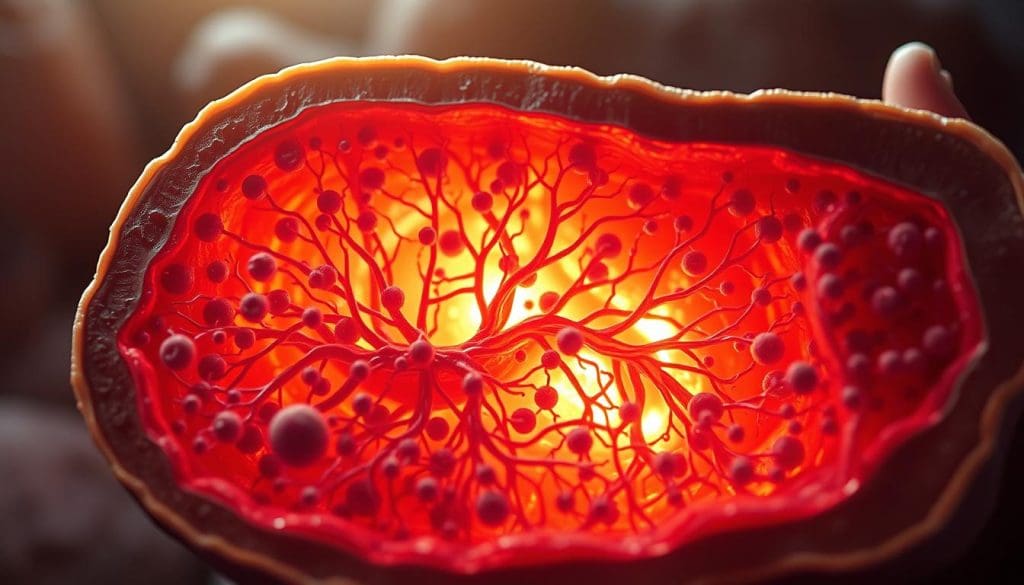
Bone marrow is a key part of our health. It’s a spongy tissue in bones like the hips and thighbones. It helps make blood cells and supports our immune system.
Composition of Bone Marrow
Bone marrow has blood vessels and stem cells. These stem cells are important for its work. They can turn into different types of cells, like blood cells and fat cells.
In adults, bone marrow is mostly red marrow for blood cell production. The rest is yellow marrow with fat cells.
Role in Blood Cell Production
Bone marrow is key for making blood cells. Hematopoiesis is the process of making blood cells in the bone marrow. It turns stem cells into red blood cells, white blood cells, and platelets.
- Red blood cells carry oxygen.
- White blood cells fight infections.
- Platelets help blood clot.
Importance in the Immune System
Beyond making blood cells, bone marrow is vital for our immune system. It’s where immune cells like B lymphocytes mature. This is important for fighting off infections and diseases.
“The bone marrow is a vital organ that is essential for the production of blood cells and the support of the immune system. Its health is critical for our overall well-being.”
In summary, bone marrow is vital for our health. It makes blood cells and supports our immune system. Knowing about its role helps us understand its importance.
The Bone Marrow Donation Process

Bone marrow donation has changed a lot. Now, there are more ways to donate, making it easier for more people. We’ll look at the different types of bone marrow donation and what makes each one special.
Types of Bone Marrow Donation
There are mainly two ways to donate bone marrow: Peripheral Blood Stem Cell (PBSC) donation and traditional bone marrow harvest. Each has its own way of doing things and benefits.
Peripheral Blood Stem Cell (PBSC) Donation
PBSC donation takes stem cells from the donor’s blood. It’s less painful than the old way and uses a process called apheresis. This method filters the blood to get the stem cells and then puts the blood back.
Traditional Bone Marrow Harvest
The traditional method takes marrow from the donor’s bone, usually from the hip. It’s more invasive and needs anesthesia.
Let’s compare PBSC donation and traditional bone marrow harvest to see how they differ.
| Donation Method | Procedure | Recovery Time |
|---|---|---|
| PBSC Donation | Apheresis, collecting stem cells from blood | Typically shorter, 1-2 weeks |
| Traditional Bone Marrow Harvest | Surgical extraction from hip bone | Generally longer, 2-4 weeks |
Knowing the differences helps donors choose the best method for them.
Can Bone Marrow Regrow After Donation?
Many people wonder if bone marrow can grow back after it’s donated. Bone marrow can regenerate, which is key for donors to recover. We’ll look at the science behind this, what affects how fast it grows back, and how it compares to other body parts.
Scientific Evidence of Regeneration
Research proves that bone marrow can grow back after donation. This happens through the growth of stem cells, which are vital for making blood cells. The speed of bone marrow regrowth depends on the donor’s health and age.
Regeneration Process: Bone marrow’s regrowth is a complex process. It starts with stem cells getting activated. Then, these cells multiply and turn into different blood cells.
Factors Affecting Regrowth Rate
Several things can change how fast bone marrow regrows after donation. These include:
- Donor’s Age: Younger donors tend to have a faster regrowth rate compared to older donors.
- Overall Health: Donors with better overall health tend to recover more quickly.
- Nutritional Status: Adequate nutrition is key for supporting the regeneration process.
| Factor | Influence on Regrowth Rate |
|---|---|
| Age | Younger donors recover faster |
| Overall Health | Better health leads to quicker recovery |
| Nutritional Status | Adequate nutrition supports regeneration |
Comparison to Other Regenerative Tissues
Besides bone marrow, other tissues like the liver and skin can also regenerate. But, how they do it and at what speed can differ a lot.
Comparison: The liver can almost fully regrow after big damage. But bone marrow’s regrowth is more complex. It involves replacing stem cells and making new blood cells. Knowing these differences helps us understand bone marrow’s unique regenerative abilities.
The Biological Process of Bone Marrow Regeneration
After donating bone marrow, the body starts a remarkable healing process. It works to get back its ability to make blood cells. This involves many cell types working together to fix the bone marrow.
Stem Cell Proliferation
The healing starts with stem cell growth. These cells can turn into different types of blood cells. They are key to getting the bone marrow to make blood again.
Red Blood Cell Restoration
Next, the body focuses on making red blood cells again. These cells carry oxygen around the body. Growth factors and cytokines help turn stem cells into red blood cells.
White Blood Cell Recovery
The body also works to get the white blood cell count back up. White blood cells help fight infections and diseases. Getting these cells back is important for the immune system to work right again.
The bone marrow regeneration shows how amazing our bodies are at healing. With stem cell growth and the making of different blood cells, the body can get better after bone marrow donation.
Timeline for Bone Marrow Recovery
After donating bone marrow, the body starts a healing process. Knowing the recovery timeline helps donors understand what to expect. It also aids in taking care of themselves after the donation.
Initial Recovery Phase (First Week)
The first week after donation is when the body reacts. Donors might feel tired, sore, and have bruises. Resting and avoiding hard activities is key to healing.
Eating well and staying hydrated is important. Drinking plenty of water helps get rid of drugs and aids in bone marrow recovery.
Mid-Term Recovery (2-6 Weeks)
In the mid-term phase, donors start to feel better. Fatigue lessens, and soreness fades. Slowly getting back to physical activities helps regain strength.
| Recovery Stage | Typical Symptoms | Recommended Actions |
|---|---|---|
| Initial (First Week) | Fatigue, soreness, bruising | Rest, nutrition, hydration |
| Mid-Term (2-6 Weeks) | Decreasing fatigue, less soreness | Gradually increase physical activity |
| Complete Restoration (2-3 Months) | Full energy return, minimal to no soreness | Maintain healthy lifestyle, regular check-ups |
Complete Restoration (2-3 Months)
By the end of the recovery, donors usually feel fully energized. Keeping a healthy lifestyle is vital for bone marrow health.
It’s important to keep up with doctor visits. This helps track recovery and address any issues.
Common Side Effects During Bone Marrow Recovery
Donors often face several side effects after bone marrow donation. These can range from mild to severe but are usually manageable. Proper care and attention are key.
Physical Symptoms
After donating bone marrow, donors may feel pain, fatigue, and discomfort. Pain management is vital. Donors get medication to ease these symptoms.
A study found that most donors feel pain or discomfort after the procedure. (Source: A study on bone marrow donation outcomes). This discomfort is usually managed with medication and rest.
| Symptom | Duration | Management |
|---|---|---|
| Pain at donation site | Several days to a week | Pain relief medication |
| Fatigue | Several weeks | Rest, hydration, and nutrition |
Energy Level Fluctuations
Donors often see changes in their energy levels after donation. Fatigue can last weeks. It’s important to rest when feeling tired.
Eating well and staying hydrated can help with energy levels. Adequate rest and avoiding hard activities are also advised during recovery.
Managing Discomfort
It’s essential to manage discomfort well for a smooth recovery. This means following the pain management plan, staying hydrated, and resting enough.
“Rest and recovery are just as important as the donation process itself. Donors should prioritize their health and follow medical advice to ensure a successful recovery.”
By knowing the common side effects and managing them, donors can recover more comfortably.
Natural Ways to Promote Bone Marrow Regrowth
Supporting bone marrow regrowth naturally involves a balanced diet, enough water, and stress management. After donating bone marrow, it’s key to help your body recover. This can be done through holistic methods that boost regeneration.
Nutritional Support for Regeneration
Eating a diet full of essential nutrients is vital for bone marrow regeneration. Iron, vitamin B12, and folate are key for making blood cells.
| Nutrient | Role in Bone Marrow Regeneration | Food Sources |
|---|---|---|
| Iron | Essential for hemoglobin production | Red meat, spinach, beans |
| Vitamin B12 | Critical for red blood cell formation | Meat, fish, poultry, dairy products |
| Folate | Important for DNA synthesis and repair | Leafy greens, legumes, citrus fruits |
Hydration and Its Impact
Drinking enough water is key for bone marrow health. Water carries nutrients and removes waste, helping with regeneration.
Drink at least eight glasses of water a day. But, your needs might change based on how active you are and your health.
Rest and Stress Management
Managing stress and getting enough rest are important for healing. Meditation, yoga, and deep breathing can lower stress.
- Get 7-8 hours of sleep each night to aid recovery.
- Use relaxation techniques to handle stress.
- Keep a balanced life to avoid too much physical or mental strain.
By adding these natural methods to your life, you can help your body regrow bone marrow after donation.
Modern Medical Approaches to Enhance Recovery
Modern medicine has changed how bone marrow donors recover. At Liv Hospital, we follow international standards and keep improving care. This ensures a safer and more efficient healing journey for donors.
Current Care Pathways That Minimize Risk
We have designed care paths to reduce risks in bone marrow donation. We do comprehensive pre-donation evaluations to check if donors are suitable. This includes medical screenings and care plans tailored to each donor.
“The safety of our donors is our top priority,” says Dr. [Last Name], a leading expert in hematology at Liv Hospital. “We aim to give the best care through strict protocols and constant monitoring.”
Liv Hospital’s Approach to Bone Marrow Donation
Liv Hospital focuses on donor-centric care in bone marrow donation. We use the latest facilities and methods to make the donation process safe and comfortable. Our team works with donors to address their concerns and support them during recovery.
Post-Donation Monitoring and Support
Post-donation care is key in our care pathway. We give donors detailed post-donation instructions and make sure they can reach our medical team anytime. We also schedule regular check-ups to monitor their recovery and quickly address any issues.
- Personalized post-donation care plans
- 24/7 access to medical support
- Regular follow-up appointments
We focus on modern medical methods and care for donors. Our goal is to make the bone marrow donation process smooth and safe. Our dedication to top-notch healthcare is shown in our detailed care pathways and support for donors.
Research Advances in Bone Marrow Regeneration
New research is uncovering the secrets of bone marrow regeneration. We’re seeing big steps forward in understanding how bone marrow heals itself. This progress not only deepens our knowledge but also opens doors to new treatments.
Current Studies on Regenerative Capacity
Researchers are diving into bone marrow’s ability to fix damaged tissues. They’re looking closely at stem cells because they’re key to bone marrow’s healing power. These studies are giving us new ways to use bone marrow for medical help.
Bone Marrow Aspiration Concentrate Findings
Bone marrow aspiration concentrate (BMAC) is a hot topic in research. It shows great promise for boosting bone marrow healing. BMAC is packed with stem cells and growth factors that help fix bones and tissues. It’s being used in orthopedic and dental fields to aid in healing.
Future Directions in Research
As research keeps moving forward, we’ll see even more exciting ways to heal bone marrow. Future studies will aim to improve bone marrow aspiration and concentrate making. They’ll also explore gene therapy and biomaterials to better healing results. These developments could lead to better care and more treatment options for patients.
Conclusion: The Remarkable Regenerative Capacity of Bone Marrow
Bone marrow can regrow and restore itself after donation. This shows its amazing ability to heal. We’ve looked at how it regenerates, from the start of recovery to full recovery.
Studies back up bone marrow’s regenerative power. This is key for donors to get better and for regenerative medicine. Knowing how bone marrow regenerates helps us make care better and safer for donors.
At Liv Hospital, we take bone marrow donation very seriously. We focus on caring for donors after donation. This includes monitoring and support to help them recover well.
In short, bone marrow’s ability to heal is very important. It shows we need to keep studying it. This will help us understand it better and its role in our health.
FAQ
Can bone marrow regrow after donation?
Yes, bone marrow can regrow and restore itself after donation. This usually happens within a few weeks to a few months.
What factors influence the rate of bone marrow regrowth?
Several factors affect how fast bone marrow regrows. These include the donor’s health, age, and the donation method.
How long does it take for bone marrow to fully recover after donation?
Bone marrow recovery time varies. It goes through an initial, mid-term, and complete restoration phase. This can take up to 2-3 months.
What are some natural ways to promote bone marrow regrowth?
Eating well, staying hydrated, and managing stress can help bone marrow grow back. A balanced diet, enough water, and stress control are key.
What are the common side effects experienced by donors during bone marrow recovery?
Donors often feel physical symptoms, energy changes, and discomfort. These can be managed with care and support.
How does Liv Hospital support bone marrow donors during the recovery process?
Liv Hospital offers detailed care plans and monitoring. They aim to reduce risks and help donors recover faster.
What is the role of stem cells in bone marrow regeneration?
Stem cells are vital for bone marrow regeneration. They multiply and turn into different blood cells to restore marrow function.
How does bone marrow regeneration compare to that of other tissues in the body?
Bone marrow regeneration is complex, like other tissue regeneration. But it has its own unique aspects.
What is bone marrow aspiration concentrate, and how is it used in research?
Bone marrow aspiration concentrate is a product rich in stem cells and growth factors. It’s being studied for its therapeutic uses.
What are the future directions in bone marrow regeneration research?
Future research aims to develop new treatments. These will use bone marrow’s regenerative power, like stem cells for tissue repair.
References
PMC (NCBI) ” PMC3123714
https://pmc.ncbi.nlm.nih.gov/articles/PMC3123714/
ASCPM ” Bone Marrow Aspirate Concentrate (BMAC)
https://ascpm.com/regenerative-medicine/bone-marrow-aspirate-concentrate/
OrthoRepair ” The Process of Stem Cell Therapy: From Bone Marrow to Healing
https://orthorepair.com/the-process-of-stem-cell-therapy-from-bone-marrow-to-healing/
Harvard Stem Cell Institute (HSCI) ” A new signaling system for blood regeneration
https://hsci.harvard.edu/news/new-signaling-system-blood-regeneration
OC Wellness Physicians ” Which Stem Cells are Used for Bone Marrow Treatment?
https://ocwellnessphysicians.com/which-stem-cells-are-used-for-bone-marrow-treatment/
FAQ
Can bone marrow regrow after donation?
Yes, bone marrow can regrow and restore itself after donation. This usually happens within a few weeks to a few months.
What factors influence the rate of bone marrow regrowth?
Several factors affect how fast bone marrow regrows. These include the donor’s health, age, and the donation method.
How long does it take for bone marrow to fully recover after donation?
Bone marrow recovery time varies. It goes through an initial, mid-term, and complete restoration phase. This can take up to 2-3 months.
What are some natural ways to promote bone marrow regrowth?
Eating well, staying hydrated, and managing stress can help bone marrow grow back. A balanced diet, enough water, and stress control are key.
What are the common side effects experienced by donors during bone marrow recovery?
Donors often feel physical symptoms, energy changes, and discomfort. These can be managed with care and support.
How does Liv Hospital support bone marrow donors during the recovery process?
Liv Hospital offers detailed care plans and monitoring. They aim to reduce risks and help donors recover faster.
What is the role of stem cells in bone marrow regeneration?
Stem cells are vital for bone marrow regeneration. They multiply and turn into different blood cells to restore marrow function.
How does bone marrow regeneration compare to that of other tissues in the body?
Bone marrow regeneration is complex, like other tissue regeneration. But it has its own unique aspects.
What is bone marrow aspiration concentrate, and how is it used in research?
Bone marrow aspiration concentrate is a product rich in stem cells and growth factors. It’s being studied for its therapeutic uses.
What are the future directions in bone marrow regeneration research?
Future research aims to develop new treatments. These will use bone marrow’s regenerative power, like stem cells for tissue repair.