Last Updated on November 26, 2025 by Bilal Hasdemir

Chemotherapy is a key part of fighting cancer. It aims to kill cancer cells and stop them from spreading. But, many patients worry if cancer can grow while they’re getting treatment. At Liv Hospital, we get these worries and aim to clear things up.
Studies show that sometimes, chemotherapy might make the tumor environment worse. This could make cancer more likely to spread. It doesn’t mean chemotherapy doesn’t work. It just shows that the relationship between treatment and cancer spread is complicated.
It’s important to understand how cancer can grow during chemotherapy. This knowledge helps both patients and doctors. We’ll look at signs that might mean treatment isn’t working. We’ll also share the latest research and what it means for those getting chemotherapy.
Key Takeaways
- Chemotherapy aims to destroy cancer cells but may not always prevent their spread.
- The tumor microenvironment can be affected by chemotherapy, potentially influencing cancer progression.
- Certain warning signs may indicate that chemotherapy is not working effectively.
- Understanding these dynamics is key for managing patient hopes and treatment plans.
- Liv Hospital is dedicated to giving full care and support to patients from around the world.
Understanding Cancer Metastasis and Treatment Challenges
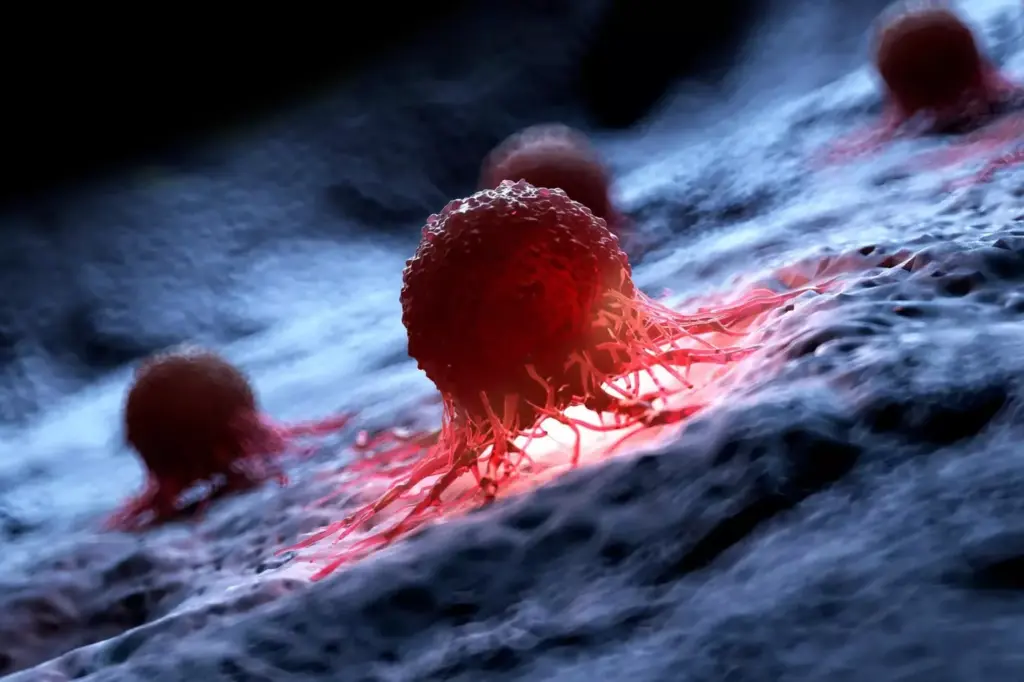
Cancer cells can travel from their original site to other parts of the body. This journey is complex and can make treatment harder. It also affects how well a patient does.
The Process of Cancer Metastasis
Cancer cells break away from the tumor and travel through the blood or lymph. They then form new tumors in other parts of the body. This journey has many steps, each one a chance for cancer cells to avoid treatment.
One big challenge is cancer cell dormancy. These cells can stay alive but not grow. Finding ways to wake them up is key to better treatments.
Goals of Chemotherapy in Cancer Treatment
Chemotherapy aims to kill cancer cells or stop them from growing. Its main goals are to shrink tumors, stop cancer from spreading, and ease symptoms. Sometimes, it’s used to make tumors smaller before surgery or radiation.
But, chemotherapy has its limits. Cancer cells can become resistant to the drugs. This makes treatment less effective. Also, chemotherapy can cause side effects that affect a patient’s life quality.
The Complexity of Cancer Cell Behavior
Cancer cells are very adaptable and can avoid treatment. Their behavior is influenced by genetics, the tumor environment, and cancer stem cells. Understanding this is key to creating effective treatments.
By knowing what makes cancer cells resistant and how they spread, doctors can create better treatment plans. This approach helps patients get the care they need.
Can Cancer Spread While on Chemo? The Science Explained

Chemotherapy is a key part of cancer treatment. But, many wonder if cancer can spread while on chemo. We dive into the science behind this, looking at how chemo and cancer interact.
Research on Cancer Progression During Treatment
Studies have looked into how chemo affects cancer spread. They found that chemo can sometimes make tumors more likely to spread. For example, it can increase circulating tumor cells, which help cancer spread.
Chemo also triggers epithelial-mesenchymal transition (EMT). This makes cancer cells move more easily, increasing the chance of them spreading. Knowing this helps us find ways to reduce chemo’s negative effects on cancer spread.
Mechanisms That Allow Cancer to Spread Despite Chemotherapy
Several ways help cancer spread during chemo. Changing the tumor environment makes it easier for cancer cells to move. Chemo also picks out cancer stem cells that are harder to kill and more likely to spread.
The immune system’s role in cancer spread during chemo is complex. Chemo aims to kill cancer cells but can weaken the immune system. This can lead to more cancer cells spreading.
How Often Does Cancer Spread During Chemo Treatment
How often cancer spreads during chemo varies a lot. It depends on the cancer type, its stage, and the chemo used. While there’s no single answer, research shows chemo can sometimes help cancer spread.
It’s important for patients and doctors to know the risks and benefits of chemo. By understanding how cancer spreads during treatment, we can improve treatment plans. This aims to lower the risk of cancer spreading.
How Chemotherapy May Inadvertently Influence Cancer Spread
Chemotherapy’s role in cancer treatment is complex. It can affect how tumors grow and spread. This is because it changes the environment around the tumor and the cancer cells themselves.
Changes in the Tumor Microenvironment
Chemotherapy can change the area around the tumor. This change might help cancer cells spread more easily. Studies show that some chemotherapy drugs can make the tumor stroma more supportive of metastasis.
Chemotherapy can also release growth factors and cytokines. These substances can help tumors grow and spread.
Here’s a table showing how chemotherapy can change the tumor microenvironment:
| Change | Description | Potential Impact |
|---|---|---|
| Release of Growth Factors | Chemotherapy can cause the release of various growth factors. | May promote tumor growth and metastasis. |
| Inflammation | Chemotherapy-induced inflammation can alter the tumor microenvironment. | Can enhance cancer cell migration and invasion. |
| Immune Suppression | Chemotherapy can suppress the immune system, making it harder for the body to fight cancer. | May allow cancer cells to evade immune detection and spread. |
Epithelial-Mesenchymal Transition and Circulating Tumor Cells
Chemotherapy can make cancer cells more mobile and invasive. This is through a process called epithelial-mesenchymal transition (EMT). EMT helps these cells become circulating tumor cells (CTCs).
Potential for Treatment Resistance
Chemotherapy can also make cancer cells resistant to treatment. When cancer cells survive, they can develop mutations. These mutations make them resistant to chemotherapy.
This resistance can lead to more aggressive cancer cells. This can cause the disease to progress faster.
Here’s a list of how chemotherapy might unintentionally help cancer spread:
- Altering the tumor microenvironment
- Inducing epithelial-mesenchymal transition
- Promoting the formation of circulating tumor cells
- Leading to treatment resistance
Understanding these complex interactions is key to better cancer treatments. By recognizing chemotherapy’s unintended effects, we can improve patient outcomes.
Factors Affecting the Likelihood of Cancer Metastasis During Treatment
Many things can affect how likely cancer is to spread during treatment. Knowing these can help manage the disease. The process is complex, with many elements at play.
Cancer Type and Aggressiveness
The type and how aggressive cancer is can greatly affect the chance of it spreading. Some cancers, like pancreatic and lung cancer, are more aggressive and likely to spread.
- Cancer grading: The grade of the cancer, which shows how much the tumor cells look like normal cells, can influence metastasis risk.
- Genetic mutations: Certain genetic mutations in cancer cells can affect their ability to spread.
Individual Biological Factors
Individual biological factors also play a big role in cancer metastasis during treatment. These include:
- Patient’s overall health: Patients with underlying health conditions may have a different risk profile for metastasis.
- Immune system status: The effectiveness of a patient’s immune system can influence their ability to fight cancer and potentially affect metastasis.
- Genetic predispositions: Some individuals may have genetic factors that influence their cancer’s behavior.
Treatment Regimen Considerations
The specifics of the treatment regimen can also influence the likelihood of cancer metastasis. Factors to consider include:
- Type of chemotherapy: Different chemotherapy agents have varying effects on cancer cells and the risk of metastasis.
- Treatment schedule: The frequency and duration of chemotherapy sessions can impact the cancer’s behavior.
- Combination therapies: Using chemotherapy with other treatments, like radiation or targeted therapy, can affect metastasis risk.
By understanding these factors, healthcare providers can tailor treatment plans better. This can help reduce the risk of metastasis.
Can Cancer Spread During Chemo and Radiation Combination Therapy?
Using both chemotherapy and radiation therapy together is common in cancer treatment. It raises questions about how it might affect cancer spread. We need to understand how these treatments work together and how they affect patients.
Interaction Between Different Treatment Modalities
Chemotherapy and radiation therapy are often used together to improve treatment results. Chemotherapy targets cancer cells all over the body. Radiation therapy focuses on specific tumor areas. The way these treatments work together can affect cancer cells in different ways.
Research shows that combining chemotherapy and radiation can be more effective. But, there’s a worry that it might also make cancer spread in some cases. For example, radiation can change the area around the tumor, making it easier for cancer cells to spread.
“The challenge lies in balancing the benefits of combination therapy with the possible risks, needing careful thought about treatment plans.”
Managing Risks in Multimodal Treatment Approaches
Managing risks from combination therapy requires a detailed approach. Doctors must look at the cancer type, stage, and patient factors to choose the best treatment. Regular checks and adjustments to the treatment plan are key to avoiding bad effects.
Understanding how different treatments work together is vital for better patient outcomes. Tailoring treatments to each patient’s needs helps manage risks and improve results. This is based on a study on cancer treatment modalities.
Research on Combined Treatment Outcomes
Research is ongoing to understand how combining chemotherapy and radiation affects cancer spread. Scientists are looking at things like treatment timing and dosage to find the best approach. This aims to maximize benefits while reducing risks.
As we learn more about cancer and treatment interactions, we can develop better, more personalized treatments. By studying combination therapy, we aim to improve patient outcomes and lower the risk of cancer spreading.
Warning Signs That Chemotherapy Isn’t Working
It’s important to know the warning signs if chemotherapy isn’t working. Chemotherapy is complex and works differently for everyone. Being aware of these signs can help.
New Metastases Development
One key warning sign is new metastases. Metastasis happens when cancer spreads to other parts of the body. If new metastases appear, it might mean the treatment isn’t working.
Growth of Existing Tumors
Another sign is if tumors grow instead of shrinking. Tumors are checked regularly during treatment. If they grow, it could mean the chemotherapy isn’t effective.
Lack of Tumor Shrinkage on Imaging
Chemotherapy’s success is often measured by tumor shrinkage. If tumors don’t shrink or stay the same size, it’s a bad sign. This could be because the cancer is resistant to the drugs.
Physical Symptoms That May Indicate Cancer Progression
Some physical symptoms can also warn of treatment failure. These include ongoing pain, unexplained weight loss, and fatigue. If you notice these symptoms, tell your doctor right away.
Spotting these signs early is key. It helps both patients and doctors adjust treatment plans. Working closely with your oncology team is essential.
Can Chemotherapy Make Cancer Worse? Separating Fact from Fear
The link between chemotherapy and cancer is complex and often misunderstood. Chemotherapy is a key part of cancer treatment, but worries about it making cancer worse exist. We must clear up these worries and talk about the good and bad sides of chemotherapy.
Addressing Common Misconceptions
Many think chemotherapy can make cancer spread or get worse. But studies show it’s not that simple. Chemotherapy aims to kill cancer cells and has proven benefits in treating many cancers.
Cancer is different for everyone, and how it reacts to chemotherapy varies. The type of cancer, its stage, and the patient’s health all affect how well chemotherapy works.
Balancing Benefits and Risks in Cancer Treatment
When thinking about chemotherapy, weighing its benefits against risks is key. It can be very effective in treating some cancers, improving survival chances and quality of life. Yet, it can also have side effects and risks, like treatment resistance or changes in the tumor environment that might make cancer worse.
| Benefits of Chemotherapy | Risks and Possible Complications |
|---|---|
| Effective in treating various cancers | Potential for treatment resistance |
| Can improve survival rates | Changes in tumor microenvironment |
| Enhances quality of life | Side effects and toxicity |
The Importance of Evidence-Based Decision Making
Decisions in cancer treatment should be based on solid evidence. We use the latest research and clinical data to guide treatment. This ensures patients get the best care possible, reducing risks and increasing benefits of chemotherapy.
Understanding chemotherapy’s effects on cancer helps us make better treatment choices. It’s also vital for patients to talk openly with their doctors about their concerns and questions. This way, they get advice tailored to their needs.
In summary, while there are worries about chemotherapy, it’s important to separate fact from fear. Knowing the good and bad of chemotherapy and relying on evidence helps us make informed choices in cancer treatment.
How Oncologists Monitor and Respond to Cancer Progression During Treatment
Oncologists keep a close eye on how cancer responds to treatment. They make changes as needed to improve results. This involves using different tools and methods to check if treatment is working.
Regular Assessment Protocols
Oncologists follow set protocols to track cancer during treatment. These protocols include:
- Regular imaging tests (e.g., CT scans, MRI) to track changes in tumor size and detect new metastases
- Blood tests to monitor tumor markers and assess overall health
- Physical examinations to evaluate the patient’s overall condition and detect any new symptoms
- Patient-reported outcomes to understand the impact of treatment on quality of life
Regular assessments help oncologists make informed decisions about treatment adjustments. They can spot issues early and act quickly.
Can Chemo Shrink Tumors: Measuring Treatment Success
Chemotherapy’s success is often seen in tumor shrinkage. Oncologists look at several factors to judge success, including:
- Reduction in tumor size on imaging studies
- Decrease in tumor markers
- Improvement in symptoms and quality of life
Measuring treatment success is key to deciding if treatment should continue or change. Oncologists consider many factors when evaluating chemotherapy.
Adjusting Treatment Strategies
When cancer grows, oncologists change treatment plans to fight it better. This might mean:
- Changing the chemotherapy regimen
- Adding or switching to targeted therapy or immunotherapy
- Considering surgical or radiation therapy options
Changing treatment plans needs a deep understanding of the disease and the patient’s health. Oncologists work with patients to create a tailored plan.
When to Consider Alternative Approaches
In some cases, oncologists might look into different treatments. This choice is based on things like:
- Treatment resistance or disease progression
- Unacceptable side effects
- Changes in the patient’s overall health or preferences
Exploring different treatments is a team effort between the oncologist, patient, and care team. They work together to find the best next steps.
Conclusion: Making Informed Decisions About Cancer Treatment
Understanding cancer treatment is key for patients to make smart choices. We’ve looked at how cancer can spread during chemo and the signs that treatment might not be working. We also talked about how doctors keep an eye on cancer growth and respond.
Patients can work with their doctors to change their treatment plans if needed. This teamwork helps patients make better choices about their cancer care.
Many worry if chemo can make cancer spread. Chemo is a big part of cancer treatment, but it’s important to know its effects. Talking to doctors about these worries is vital for making good treatment choices.
To make smart decisions about cancer treatment, patients need to know all about their options and what might happen. We aim to give patients the info and support they need to face their cancer journey.
FAQ
Can cancer spread while on chemotherapy?
Yes, cancer can spread during chemotherapy in some cases. We look into the complexities of cancer treatment. We also explore the factors that affect how likely cancer is to spread.
How often does cancer spread during chemo treatment?
The chance of cancer spreading during chemotherapy varies. It depends on the cancer type and how aggressive it is. Also, individual patient factors play a role. Some cancers are more likely to spread during treatment.
Can chemotherapy make cancer worse?
Sometimes, chemotherapy can make cancer worse. It’s not always effective and can even help cancer spread. We explain why this happens and why making decisions based on evidence is key.
What are the warning signs that chemotherapy isn’t working?
Signs that chemotherapy might not be working include new metastases and tumors growing. Lack of response on imaging studies and specific symptoms are also warning signs. We talk about these signs and why it’s important to watch how treatment is going.
Can radiation therapy make cancer spread?
Radiation therapy is often used with chemotherapy. While it can control cancer, there are risks. We discuss how different treatments interact and managing these risks.
How do oncologists monitor cancer progression during treatment?
Oncologists use regular checks, like imaging studies and physical exams, to watch cancer during treatment. We explain how success is measured and when it might be time to try something else.
Can chemo shrink tumors?
Chemotherapy can shrink tumors, but results vary. It depends on the cancer type and how aggressive it is. We talk about what affects treatment success and why adjusting strategies is important.
Does chemotherapy cause cancer?
There’s no proof that chemotherapy causes cancer. But, some chemotherapy agents might increase the risk of secondary cancers. We clear up misconceptions and talk about weighing treatment benefits and risks.
Can cancer metastasis occur during chemo?
Yes, cancer can metastasize during chemotherapy. We explore how cancer can spread despite treatment. We also look at what factors influence metastasis.
What happens if chemotherapy is not working?
If chemotherapy isn’t working, doctors might change treatment plans or try something new. We stress the importance of regular checks and making decisions based on evidence in cancer treatment.
References
- National Cancer Institute. (2017, April). Can chemotherapy promote metastasis? Cancer Currents Blog. Retrieved from https://www.cancer.gov/news-events/cancer-currents-blog/2017/chemotherapy-effect-metastasis
- Karagiannis, G. S., Condeelis, J. S., & Oktay, M. H. (2018). Chemotherapy‑induced metastasis: Mechanisms and translational opportunities. Clinical & Experimental Metastasis. Retrieved from https://pmc.ncbi.nlm.nih.gov/articles/PMC6035114/ PMC
- Chemotherapy‑induced metastasis: molecular mechanisms and clinical therapies. (Year). Retrieved from https://pmc.ncbi.nlm.nih.gov/articles/PMC10462662/ PMC
- Cancer Research UK. (n.d.). Why some cancers come back. Retrieved from https://www.cancerresearchuk.org/about-cancer/what-is-cancer/why-some-cancers-come-back
- Facing Our Risk of Cancer Empowered (FORCE). (n.d.). Neoadjuvant chemotherapy and metastasis. Retrieved from https://www.facingourrisk.org/XRAY/neoadjuvant-chemotherapy-and-metastasis