Last Updated on November 4, 2025 by mcelik
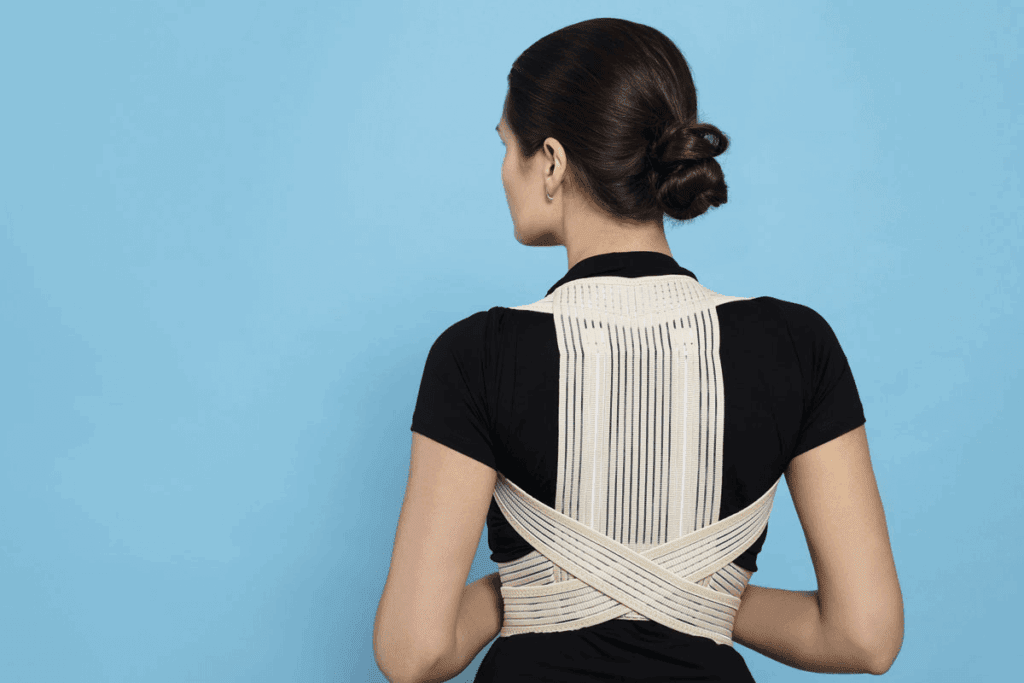
Scoliosis is a complex medical condition that causes the spine to curve abnormally. A significant number of individuals affected by scoliosis experience complications that extend beyond the spine, impacting various bodily organs and systems. How does scoliosis affect the body? We Reveal the Crucial organs being “squished” by your spinal curve.
Understanding scoliosis symptoms and their implications on overall health is key. As we explore the effects of scoliosis, it’s clear that it can lead to various scoliosis complications. These complications affect not just the spine but also other vital organs.
Key Takeaways
- Scoliosis is more than just a spinal condition; it can affect multiple bodily systems.
- Understanding scoliosis symptoms is key to managing the condition effectively.
- Scoliosis complications can be significant, impacting quality of life.
- Early diagnosis and treatment are critical in mitigating the effects of scoliosis.
- Comprehensive care is essential for individuals affected by scoliosis.
Understanding Scoliosis: Definition and Types
The term scoliosis refers to an abnormal lateral curvature of the spine. It can appear in different forms and levels of severity. This condition is more than just a simple curve; it’s a deviation from the spine’s normal straight alignment when viewed from the front or back.
What is scoliosis?
Scoliosis is an abnormal curvature of the spine. It can happen in various parts of the spine, like the thoracic, lumbar, or thoracolumbar regions. The shape of the curvature can be a “C” or “S” and can vary greatly among people.
Different types of scoliosis
There are several types of scoliosis, each with its own characteristics:
- Idiopathic scoliosis: This is the most common form, making up about 80% of cases. The exact cause is unknown, but it’s thought to involve genetics and environment.
- Congenital scoliosis: This type is present at birth due to abnormal spinal development during fetal formation.
- Neuromuscular scoliosis: It’s linked to neurological or muscular diseases, such as cerebral palsy or muscular dystrophy.
- Degenerative scoliosis: It occurs in adults due to degenerative changes in the spine, like arthritis or disc degeneration.
Prevalence and demographics
Scoliosis affects people of all ages, but it’s most often diagnosed in adolescents. During the growth spurt just before puberty. About 2-3% of adolescents are affected, with idiopathic scoliosis being the most common. It tends to run in families, suggesting a genetic link.
Knowing the different types of scoliosis and how common they are is key for early detection and treatment. Recognizing the signs and symptoms can help individuals get medical evaluation and treatment. This can potentially reduce the risk of complications from scoliosis.
The Anatomy of a Curved Spine
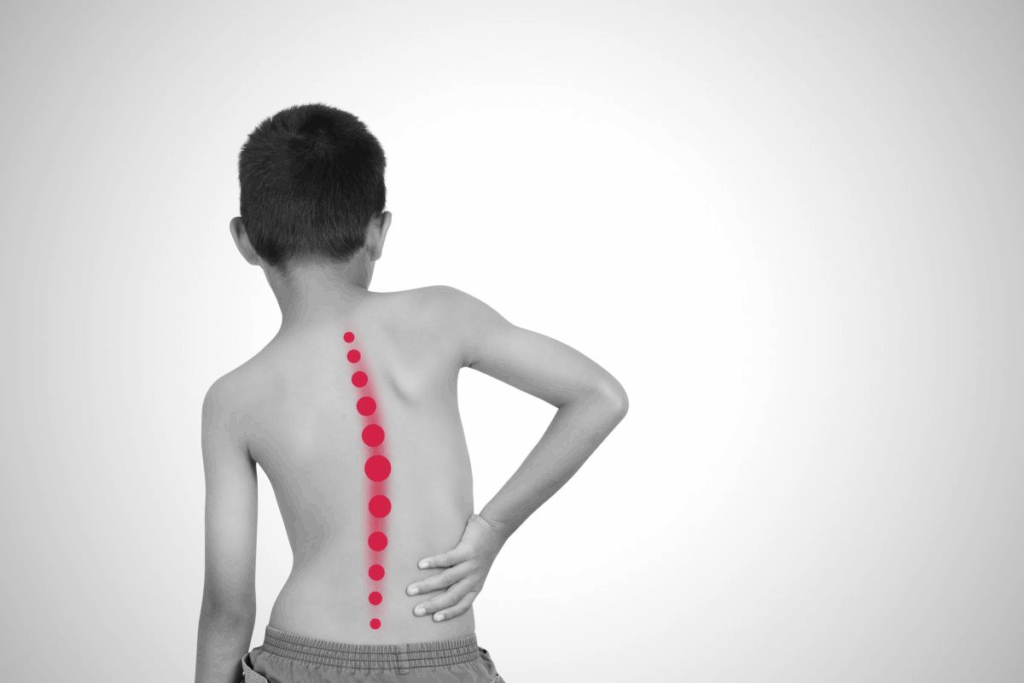
The human spine is complex and can cause health issues if it curves abnormally. Scoliosis, a condition with abnormal lateral curvature, has big anatomical effects.
Normal Spine Alignment vs. Scoliotic Curves
A normal spine curves gently when seen from the side. But from the front or back, it should look straight. Scoliosis, on the other hand, makes the spine curve like a “C” or “S” shape from the front.
This abnormal curve can happen in different parts of the spine, like the thoracic and lumbar areas.
Cobb Angle Measurement
| Cobb Angle (degrees) | Severity |
| 10-20 | Mild |
| 21-40 | Moderate |
| 41-60 | Severe |
| >60 | Very Severe |
How Does Scoliosis Affect the Body
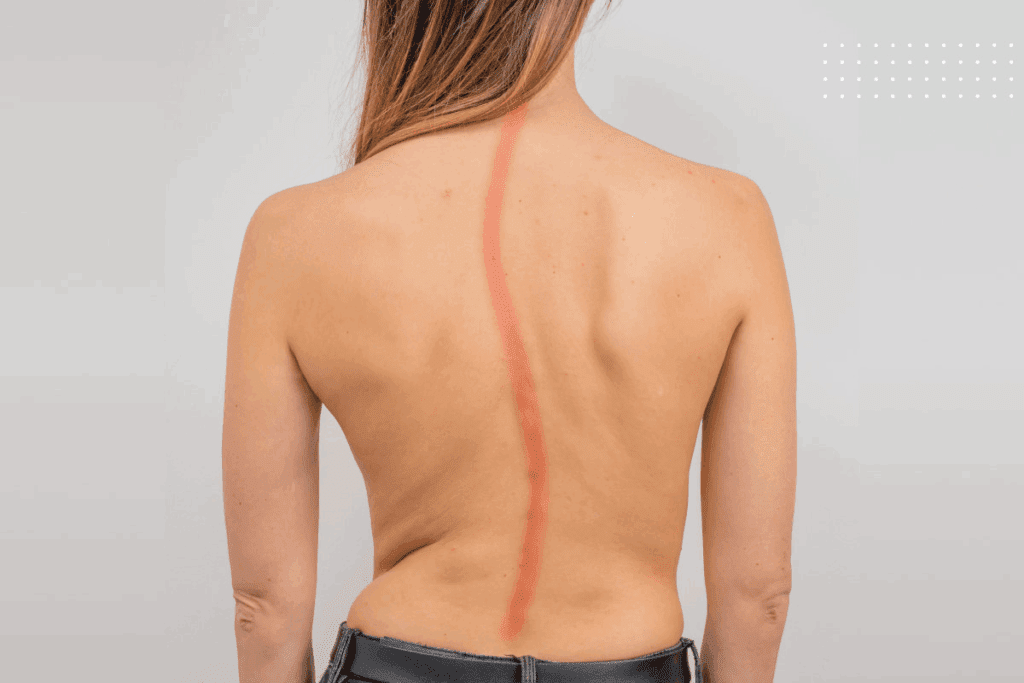
Understanding how scoliosis affects the body is key to managing symptoms and improving life quality. Scoliosis impacts more than just the spine. It can affect many bodily systems.
Primary vs. Secondary Effects
Scoliosis has both primary and secondary effects. Primary effects are directly related to the spinal curvature. These include back pain and visible deformity. Secondary effects come from the primary effects and can include breathing difficulties and emotional distress.
For example, back pain from spinal curvature (primary effect) can lead to reduced mobility and fatigue (secondary effects). Knowing the difference between primary and secondary effects is important for effective treatment.
Severity Correlation with Symptoms
The severity of scoliosis often matches the intensity of its symptoms. Those with mild scoliosis may have few symptoms. But those with severe curvature face big challenges like pain, breathing issues, and reduced mobility.
| Severity of Scoliosis | Common Symptoms |
| Mild | Minimal pain, slight deformity |
| Moderate | Noticeable curvature, occasional pain, some breathing difficulties |
| Severe | Significant pain, pronounced deformity, substantial breathing difficulties |
Individual Variation in Symptoms
It’s important to remember that symptoms of scoliosis vary greatly from person to person. The location and degree of curvature, overall health, and age can all play a role. This means that each person’s experience with scoliosis is unique.
For instance, some people with scoliosis may have a lot of pain but not much trouble breathing. Others may face severe respiratory issues with less pain. This shows why personalized care and treatment plans are so important.
Respiratory System Impact: Lungs and Breathing
Severe scoliosis can cause breathing problems. The curved spine can squeeze the lungs, making it hard to breathe.
Lung Compression in Severe Scoliosis
Severe scoliosis can press on the lungs and diaphragm. This reduces the space for the lungs to expand. It makes breathing harder.
Breathing Difficulties and Reduced Lung Capacity
People with severe scoliosis may find it hard to breathe. They might get short of breath even when doing simple tasks. How hard it is to breathe depends on how curved the spine is.
- Shortness of breath during light physical activity
- Fatigue due to inadequate oxygen intake
- Increased respiratory rate as the body tries to compensate for reduced lung capacity
How to Recognize Respiratory Compromise
It’s important to know the signs of breathing trouble. Look out for:
- Persistent shortness of breath
- Blue discoloration of the lips or fingers (cyanosis)
- Confusion or drowsiness due to inadequate oxygen supply to the brain
If you see these signs, get medical help right away. Early treatment can help a lot.
Cardiovascular Effects: Heart and Blood Vessels
Scoliosis can affect the heart and blood vessels. It can change how the heart works and how blood circulates. This can lead to serious problems.
Heart Displacement and Compression
In severe scoliosis, the spine’s curve can push the heart out of place. This can make it hard for the heart to work right. It might not pump blood as well as it should.
The heart’s position can change a lot depending on the spine’s curve. Sometimes, the heart gets squeezed, which can mess up its chambers and function.
Potential Circulation Issues
Scoliosis can mess with blood flow. The heart and big blood vessels might get squished or pushed out of place. This can cause fatigue, dizziness, or shortness of breath.
It’s important to watch for circulation problems in people with scoliosis. These issues can really affect their health.
Long-term Cardiovascular Risks
People with scoliosis face long-term heart risks, mainly if their condition is bad or untreated. They might get high blood pressure, heart failure, or other heart diseases.
| Cardiovascular Risk | Description | Potential Impact |
| Hypertension | High blood pressure due to altered circulation | Increased risk of heart disease |
| Heart Failure | Reduced heart function due to prolonged strain | Impaired ability to pump blood effectively |
| Cardiovascular Disease | Diseases affecting the heart and blood vessels | Increased risk of cardiovascular events |
It’s key to understand how scoliosis affects the heart and blood vessels. Knowing the risks helps doctors create better treatment plans. This can help avoid serious heart problems.
Digestive System Complications
Scoliosis affects more than just the spine. It can also impact the digestive system. The spine’s curvature can cause various internal problems, including digestion issues.
Stomach and Intestinal Displacement
In people with scoliosis, the spine’s abnormal curve can push the stomach and intestines out of place. This can cause digestive problems because the digestive system’s normal structure is changed.
The severity of stomach and intestinal displacement depends on the spine’s curvature. In some cases, this can cause a lot of discomfort and problems.
Scoliosis and Digestive Discomfort
Digestive discomfort is common in those with scoliosis. The displaced digestive organs and the pressure from the curved spine can cause bloating, abdominal pain, and trouble swallowing.
The level of digestive discomfort varies among people with scoliosis. It depends on the severity of the curvature and which organs are affected.
Can Scoliosis Cause Constipation?
Yes, scoliosis can lead to constipation. The displaced intestines and the pressure from the curved spine can affect bowel movements. This can cause constipation in some individuals.
| Potential Cause | Effect on Digestion |
| Stomach Displacement | Bloating, Abdominal Pain |
| Intestinal Displacement | Constipation, Difficulty Swallowing |
| Internal Pressure | Discomfort, Digestive Issues |
It’s important to understand how scoliosis affects the digestive system. Recognizing these impacts helps individuals with scoliosis get the right medical care. This can help alleviate their symptoms.
Liver and Gallbladder Compression
Scoliosis can affect internal organs like the liver and gallbladder. The abnormal spine curve can press or move these organs. This might cause them to work less well.
Scoliosis of the Liver – What It Means
“Scoliosis of the liver” happens when the liver gets pressed or moved because of a curved spine. This can change how the liver works.
Potential Impacts on Liver Function
The liver can be affected in many ways by scoliosis. This includes:
- Impaired detoxification processes
- Altered metabolism
- Potential for increased liver enzymes indicating liver stress
Gallbladder Positioning with Spinal Curvature
The gallbladder’s spot can change with scoliosis. The curved spine might push or press the gallbladder. This could mess with its job and bile flow.
To understand how scoliosis affects the liver and gallbladder, let’s look at a table:
| Organ/System | Potential Impact | Possible Symptoms |
| Liver | Compression, impaired detoxification | Fatigue, jaundice |
| Gallbladder | Displacement, bile flow obstruction | Abdominal pain, digestive issues |
Knowing these effects is key to managing scoliosis well. It helps lessen harm to internal organs.
Neurological Implications of Scoliosis
Scoliosis can affect the nervous system in many ways. It impacts health significantly. We need to understand how it affects the spinal cord, nerves, and nervous system function.
Spinal Cord and Nerve Compression
The spine’s curvature in scoliosis can cause spinal cord compression. This can lead to numbness, tingling, and weakness in the limbs. Nerve compression also causes pain and disrupts nerve function, leading to long-term damage if not treated.
Vagus Nerve Damage Possible
The vagus nerve is vital for the nervous system. It runs from the brain to the abdomen. Severe scoliosis can damage this nerve. Vagus nerve damage can affect heart rate, digestion, and breathing. It’s important to watch for signs of damage to manage scoliosis well.
How Scoliosis Affects the Nervous System
Scoliosis can harm the nervous system in several ways. It can compress nerves and the spinal cord. It can also affect nerve function subtly.
- Chronic pain due to nerve compression or irritation
- Muscle weakness or imbalance
- Coordination and balance issues
- In severe cases, significant neurological deficits
In conclusion, scoliosis’s neurological effects are very important. Understanding its impact on the spinal cord, nerves, and nervous system helps manage it better. Patients and healthcare providers must work together.
Musculoskeletal Effects Beyond the Spine
Scoliosis doesn’t just affect the spine. It also impacts the whole musculoskeletal system. The spine’s curve can affect nearby structures, causing various problems.
Rib Cage Deformities and Expansion
The spine’s curve in scoliosis can warp the rib cage. This might reduce lung space and make breathing hard. Rib cage deformities can also make the chest look uneven, changing how the torso looks.
Pelvic Tilting and Leg Length Discrepancies
Scoliosis can make the pelvis tilt unevenly. This uneven pelvis can make one leg seem shorter than the other. These differences can mess up posture and walking, leading to more musculoskeletal issues.
Muscle Imbalances and Compensation Patterns
The body tries to adapt to scoliosis by creating muscle imbalances. Some muscles work too much, while others don’t work enough. This imbalance leads to compensation patterns, where the body finds new ways to move or stand. These patterns can cause more strain and pain over time.
It’s key to understand these effects to manage scoliosis well. By tackling these issues, people with scoliosis can lessen their impact and enhance their life quality.
Reproductive and Urinary Systems
Scoliosis can affect the reproductive and urinary systems, impacting health and well-being. The spine’s curvature can cause pelvic organ displacement. This can lead to various complications.
Pelvic Organ Displacement
In people with scoliosis, pelvic organs can shift due to spine curvature. This can cause bladder and reproductive health issues. The severity of these effects depends on the spine’s curvature and overall health.
This displacement can cause discomfort and urination or bowel movement problems. It may also affect reproductive health, leading to infertility or pregnancy complications.
Potential Bladder Compression
Bladder compression is a risk with pelvic organ displacement. It can cause urinary issues like frequent urination or incomplete emptying. In severe cases, it may increase the risk of urinary tract infections.
| Potential Effects | Description |
| Urinary difficulties | Frequent urination or incomplete bladder emptying |
| Increased risk of infections | Urinary tract infections due to bladder compression |
| Reproductive issues | Potential infertility or pregnancy complications |
Pregnancy Considerations with Scoliosis
For those with scoliosis who get pregnant, there are important considerations. Pregnancy can worsen scoliosis symptoms and affect pregnancy outcomes. It’s vital to have close monitoring by healthcare providers to manage any complications.
Some key pregnancy considerations include:
- Regular check-ups with healthcare providers to monitor scoliosis and pregnancy
- Managing pain and discomfort associated with scoliosis
- Planning for any complications during delivery
Physical Appearance Changes
Scoliosis can change how you look, making your body look uneven. These changes can make you feel bad about yourself. We will look at how scoliosis can affect your looks.
Visible Body Asymmetry
One big sign of scoliosis is when your body looks uneven. You might notice your shoulders are not even, your pelvis is tilted, or one side of your rib cage sticks out more. This is more obvious in severe cases.
Key aspects of body asymmetry include:
- Uneven shoulder heights
- Prominent or protruding ribs on one side
- A tilted or uneven pelvis
Can Scoliosis Make You Shorter?
Scoliosis can make you shorter because of the way your spine curves. If the curve is very bad, you might notice you’re shorter. This happens more often if the scoliosis is not treated or is very severe.
Protruding Ribs and Uneven Shoulders
People with scoliosis often have ribs that stick out more on one side. This makes their body look uneven. Their shoulders might also look different because of the spine’s curve.
| Physical Change | Description |
| Visible Body Asymmetry | Uneven shoulders, tilted pelvis, or prominent rib cage |
| Height Loss | Potential loss of height due to severe spinal curvature |
| Protruding Ribs | Ribs may protrude more on one side due to spinal curvature |
| Uneven Shoulders | Shoulders may become uneven due to spinal deformity |
Pain Patterns Associated with Organ Compression
Understanding pain in scoliosis means knowing the difference between muscle and organ pain. Scoliosis affects more than just the spine. It can hurt various organs and cause a lot of discomfort.
Differentiating Musculoskeletal from Organ-Related Pain
Muscle pain in scoliosis comes from changes in the spine and muscles. This pain can feel sharp or dull and usually stays in the curved area. Organ pain, on the other hand, comes from organs being squished or moved by the spine.
To tell these pains apart, look at where the pain is, what it feels like, and what makes it worse. For example, pain that gets worse when you breathe deeply or change positions might mean organ compression.
Common Pain Locations and Characteristics
Pain from organ compression in scoliosis can be in different places, like the chest, belly, and lower back. This pain can feel like a dull ache or sharp stabbing.
| Organ Affected | Common Pain Location | Characteristics |
| Lungs | Chest | Sharp, worse with deep breathing |
| Stomach | Upper abdomen | Dull ache, possibly related to eating |
| Intestines | Lower abdomen | Cramping, possibly related to bowel movements |
When Pain Signals a Serious Problem
Pain is common in scoliosis, but some signs mean you need to see a doctor fast. Severe, sudden, or getting worse pain, along with trouble breathing or bad stomach issues, is a big warning sign.
Watching your pain closely and getting medical help if it’s serious or really hurts your daily life is key.
What Happens If Scoliosis Is Left Untreated
Not treating scoliosis can cause many problems. These include organ compression and a lower quality of life. It’s key to know how scoliosis can worsen and its long-term effects on the body.
Factors Affecting Progression
Several factors can affect how scoliosis gets worse. These include:
- Age: Scoliosis can get worse faster in younger people, during growth spurts.
- Severity of the curve: Bigger curves are more likely to get worse and cause big problems.
- Type of scoliosis: Different types of scoliosis get worse at different rates.
- Genetic predisposition: People with a family history of scoliosis may see it get worse faster.
Long-term Organ Function Concerns
Untreated scoliosis can harm organ function over time. As the spine curves, it can press on and move important organs. This can lead to:
- Respiratory issues: Pressing on the lungs can make breathing hard and reduce lung size.
- Cardiovascular problems: Moving the heart can cause circulation problems and heart risks.
- Digestive discomfort: Moving the stomach and intestines can cause digestive problems, like constipation.
Quality of Life Impact
Untreated scoliosis can greatly affect quality of life. People may face:
- Chronic pain: As the curve gets worse, it can cause ongoing pain that makes daily tasks hard.
- Reduced mobility: Scoliosis can make it hard to move and be flexible.
- Visible deformity: Untreated scoliosis can make the body look uneven, hurting self-esteem and confidence.
Knowing the risks of not treating scoliosis shows why getting medical help is so important. It helps avoid these problems and improves life quality.
Diagnostic Approaches for Organ Compression
Diagnosing organ compression from scoliosis involves several steps. We use imaging and functional tests to see how spinal curves affect organs.
Imaging Techniques to Assess Organ Impact
Imaging is key in finding organ compression. We use advanced tools to see the spine and organs around it.
- X-rays: Show the initial spinal shape and alignment.
- Computed Tomography (CT) scans: Give detailed views of the spine, ribs, and organs, spotting any issues.
- Magnetic Resonance Imaging (MRI): Looks at soft tissues and nerves, helping to check for nerve problems and spinal health.
Functional Testing for Organ Systems
Functional tests are also vital. They help us see how scoliosis affects organ work. We test different systems to understand the impact.
| Organ System | Functional Test | Purpose |
| Respiratory | Pulmonary Function Tests (PFTs) | Check lung size and breathing quality |
| Cardiovascular | Electrocardiogram (ECG), Echocardiogram | Look at heart function and any compression effects |
| Digestive | Gastrointestinal motility studies | Study symptoms like constipation or belly pain |
When to Seek Medical Evaluation
Knowing when to see a doctor is important. If you have ongoing pain, trouble breathing, or digestive problems, get checked. Early care can help a lot.
By using imaging and tests, we can fully understand scoliosis’s effects. Then, we can plan the best treatment.
Treatment Options to Reduce Organ Compression
Managing scoliosis requires different treatments to ease organ pressure. The right treatment depends on how severe the scoliosis is, the patient’s health, and the organ pressure level.
Conservative Approaches
First, doctors often try non-surgical methods to treat scoliosis. These include physical therapy, back muscle exercises, and pain relief.
Physical Therapy: Physical therapy programs are tailored to improve spinal flexibility and strength. This can help lessen the curvature and organ pressure.
- Targeted exercises to improve posture and reduce curvature
- Manual therapy techniques to enhance spinal mobility
- Education on proper body mechanics to prevent further strain
Bracing Effectiveness
Bracing is a common non-surgical method, mainly for teens with scoliosis. How well a brace works depends on the curvature’s severity and how well the patient wears it.
| Bracing Benefits | Considerations |
| Can prevent curvature progression | Requires consistent wear (often 16-23 hours/day) |
| May reduce organ compression | Can be uncomfortable and affect daily activities |
| Effective for skeletally immature patients | Regular adjustments are necessary |
Surgical Interventions
When non-surgical methods fail or the scoliosis is severe, surgery is considered. Surgery aims to correct the spine, stabilize it, and lessen organ pressure.
Surgical Techniques: There are several surgical methods, like spinal fusion and vertebral column resection. The choice depends on the curvature’s severity and location.
Every patient’s case is different, and treatment plans are customized. By exploring all options, we can find the best way to reduce organ pressure and improve life quality.
Conclusion: Taking Control of Your Scoliosis Journey
Understanding scoliosis helps people take charge of their health. It shows how scoliosis affects the body, like the lungs, heart, and stomach. This knowledge is key to making smart choices about treatment.
Knowing the risks of scoliosis lets people work with doctors to find the best ways to manage it. This might mean using braces or surgery, depending on how severe it is.
We urge those with scoliosis to be proactive in their care. This way, they can reduce risks, ease symptoms, and live better. Managing scoliosis well means looking at all parts of a person’s life, not just their health.
By being in control of their scoliosis, people can face their journey with strength. We aim to offer top-notch care and support for those with scoliosis. Our goal is to help them reach their best health and happiness.
FAQ
What is scoliosis and how does it affect the body?
Scoliosis is a condition where the spine curves abnormally. It can put pressure on organs inside the body. This can cause pain and discomfort, and even serious health problems.
Can scoliosis cause breathing difficulties?
Yes, severe scoliosis can press on the lungs. This can make breathing hard and reduce lung capacity. It’s important to watch for breathing problems and see a doctor if they don’t go away.
How does scoliosis affect the digestive system?
Scoliosis can push the stomach and intestines out of place. This can make digestion uncomfortable. It might also cause constipation because of the changed body shape and organ pressure.
Can scoliosis affect the nervous system?
Yes, it can. Scoliosis can press on the spinal cord and nerves. This might cause neurological symptoms. It can also affect the vagus nerve, which affects the whole body.
What are the possible cardiovascular effects of scoliosis?
Scoliosis can push the heart and affect blood flow. This might lead to heart problems over time if not treated.
Can scoliosis cause pain?
Yes, it can. Pain from scoliosis comes from the muscles and organs. The pain’s location and type can vary. It’s important to find the cause of the pain to treat it right.
How is scoliosis diagnosed, and what are the treatment options?
Doctors use X-rays and tests to find scoliosis. Treatment can be simple steps, bracing, or surgery. The goal is to ease symptoms and improve life quality.
Can scoliosis affect physical appearance?
Yes, it can. Scoliosis can make the body look uneven. It might also make the ribs stick out and shoulders uneven. It can even affect how tall someone is.
What happens if scoliosis is left untreated?
If not treated, scoliosis can get worse. It can harm organ function and greatly affect life quality. It’s key to get medical help and talk about treatment options.
How does scoliosis affect the liver and gallbladder?
Scoliosis can press on the liver and gallbladder. This might hurt liver function. The gallbladder’s position can also change because of the spine’s curve.
Can scoliosis cause bowel problems?
Yes, it can. Scoliosis can lead to constipation and other bowel issues. This is because of the changed body shape and organ pressure.
Can back problems cause digestive issues?
Yes, back issues like scoliosis can affect digestion. The spine is close to digestive organs. Pressure or displacement can cause problems.
How does scoliosis affect the reproductive and urinary systems?
Scoliosis can move pelvic organs and press on the bladder. This might cause reproductive and urinary problems. It’s important to talk about pregnancy with a doctor.
References
- Qiabi, M., & Al Qahtani, A. M. (2014). Scoliosis and bronchial obstruction. Journal of Pulmonary Medicine. https://www.ncbi.nlm.nih.gov/pmc/articles/PMC4530852/
- Ismoilov, U. M. (2025). The impact of scoliosis on internal organs. European Journal of Medical and Molecular Pathology, 5(1). https://inovatus.es/index.php/ejmmp/article/download/5071/5198/7854