
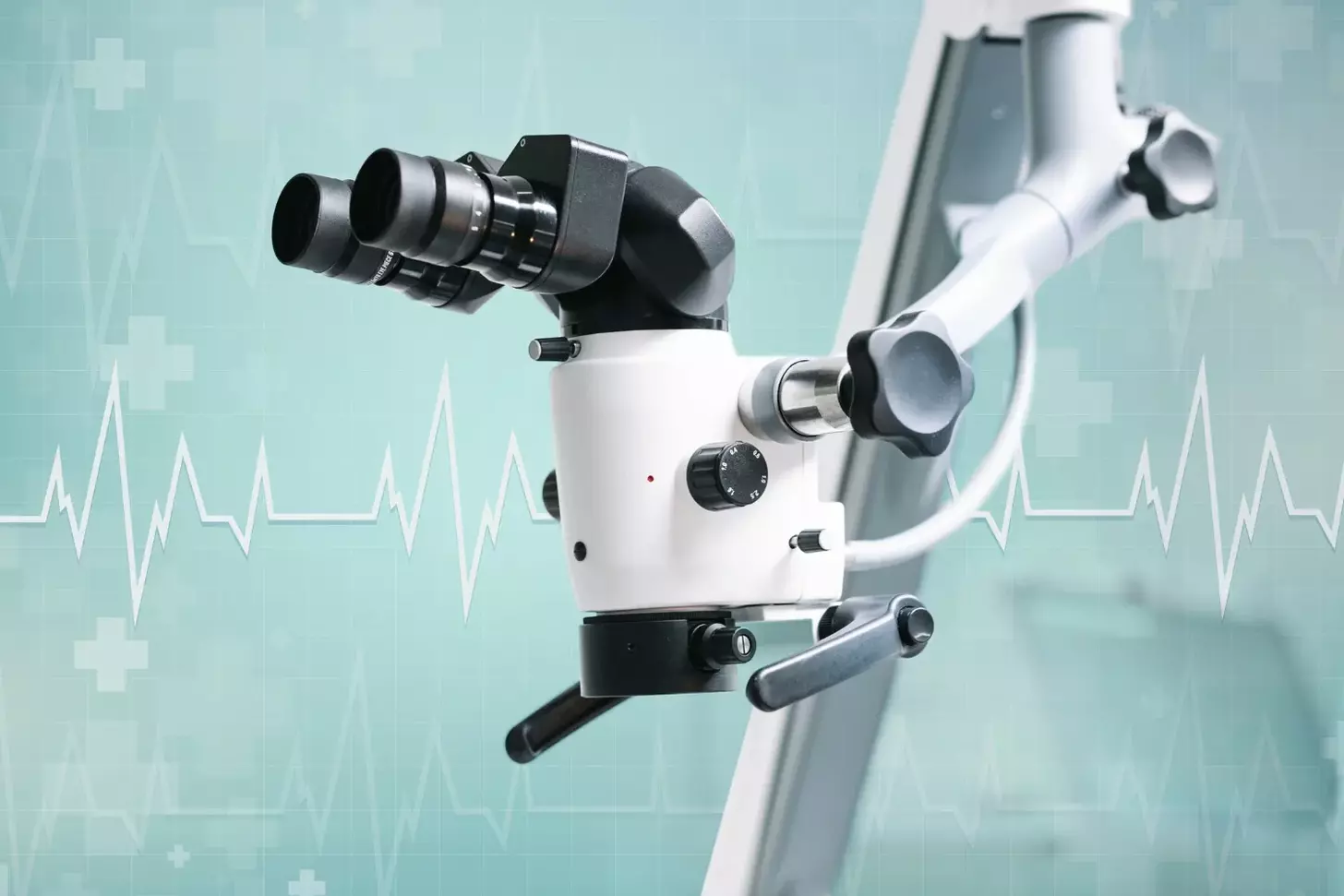
The Da Vinci Surgical Robot is revolutionizing the field of surgery with its advanced robotic surgery technology. At the heart of this system are three main components: a surgeon’s console with 3D vision and hand controls, a patient-side cart with interactive robotic arms, and advanced software that translates the surgeon’s movements into precise micro-motions.
This technology enables surgeons to perform complex procedures with enhanced precision and accuracy. We are witnessing a significant shift in surgical practices with the adoption of the Da Vinci system. For instance, Humber River Health has successfully integrated this technology, marking a decade since opening North America’s first fully digital hospital. To learn more about the inner workings of the Da Vinci Surgical Robot, visit this detailed analysis.
Key Takeaways
- Advanced robotic surgery technology enhances precision and accuracy.
- The Da Vinci system consists of a surgeon’s console, patient-side cart, and advanced software.
- Minimally invasive surgical procedures are made possible with the Da Vinci Surgical Robot.
- Hospitals like Humber River Health are at the forefront of adopting this technology.
- The Da Vinci system is transforming modern surgical practices.
The Evolution of Robotic Surgery
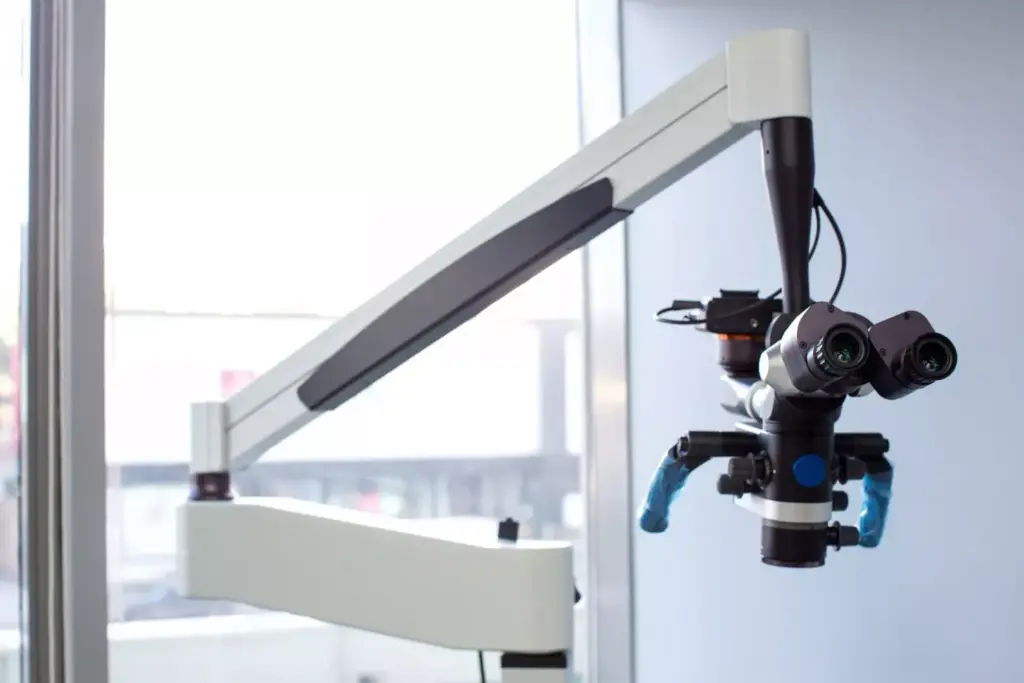
The field of surgery has witnessed a significant transformation with the advent of robotic surgery technology. We have moved from traditional open surgery to minimally invasive procedures, enhancing patient outcomes and reducing recovery times.
From Traditional to Minimally Invasive Surgery
Traditional open surgery involves making large incisions to access the area of the body that requires surgical intervention. However, this approach can lead to significant trauma to the patient, resulting in longer recovery times and increased risk of complications. The shift towards minimally invasive surgery has been a game-changer, allowing surgeons to perform procedures through smaller incisions, thereby reducing tissue damage and promoting faster healing.
As da Vinci Surgical System technology has advanced, it has become an integral part of minimally invasive surgery, offering surgeons enhanced dexterity and visualization. This has enabled the performance of complex procedures with greater precision and accuracy.
The Birth and Development of the da Vinci Surgical System
The da Vinci Surgical System was initially developed to address the limitations of traditional laparoscopic surgery. Its development marked a significant milestone in the history of robotic surgery, providing a platform for surgeons to perform complex procedures with enhanced precision.
“The da Vinci System has revolutionized the field of surgery, enabling surgeons to perform complex procedures with greater precision and accuracy.”
Global Adoption and Current Statistics
The da Vinci Surgical System has been widely adopted globally, with thousands of systems installed worldwide. According to recent statistics, the da Vinci System has been used in millions of surgical procedures, demonstrating its impact on modern surgery.
| Year | Number of da Vinci Systems Installed | Number of Procedures Performed |
|---|---|---|
| 2010 | 1,000 | 100,000 |
| 2015 | 2,500 | 500,000 |
| 2020 | 5,000 | 1,000,000 |
The global adoption of the da Vinci Surgical System is a testament to its effectiveness and the value it brings to patients and surgeons alike. As robotic surgery technology continues to evolve, we can expect to see even more innovative applications in the field of surgery.
How Does the da Vinci Surgical Robot Work: Core Components
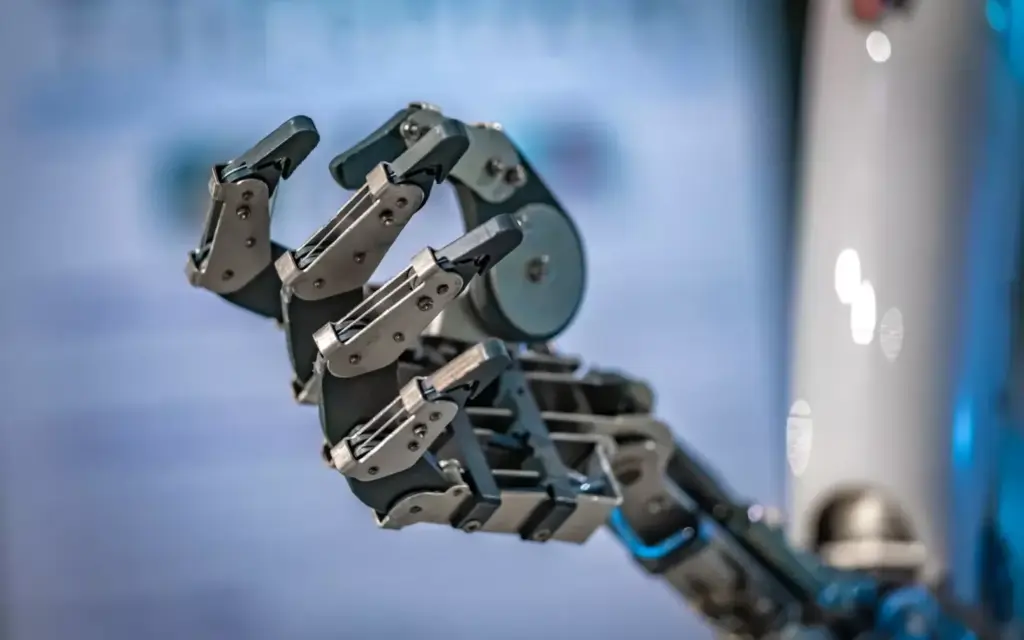
The da Vinci Surgical Robot operates through a sophisticated integration of the surgeon’s console, patient-side cart, and intelligent software, making it a revolutionary tool in modern surgery.
The Surgeon’s Console Interface
The surgeon’s console is the control center where the surgeon performs the operation. It features a high-definition 3D display that provides a clear view of the surgical site. The console is equipped with hand controls that allow the surgeon to manipulate the robotic arms with precision.
These hand controls are designed to translate the surgeon’s movements into real-time data, enabling the robotic arms to mimic the surgeon’s actions inside the patient. The console also includes a foot pedal system that allows the surgeon to control various functions, such as camera movement and electrocautery.
The Patient-Side Cart with Interactive Robotic Arms
The patient-side cart is equipped with three to four interactive robotic arms that are designed to perform the surgery. These arms are attached to specialized instruments that are inserted through small incisions in the patient’s body.
The robotic arms are capable of a wide range of motion, allowing for complex procedures to be performed with ease. The arms are also designed to be highly stable, reducing the risk of tremors or other movements that could compromise the surgery.
Vision System and Intelligent Software Integration
The da Vinci Surgical Robot’s vision system provides a high-definition 3D view of the surgical site, allowing the surgeon to see the anatomy in great detail. The vision system is integrated with intelligent software that enhances the surgeon’s ability to perform the procedure.
The software translates the surgeon’s movements into precise micro-motions, enabling complex procedures to be performed with greater accuracy. The system also includes features such as motion scaling and tremor filtration, which further enhance the surgeon’s capabilities.
| Component | Function | Key Features |
|---|---|---|
| Surgeon’s Console | Control center for the surgeon | High-definition 3D display, hand controls, foot pedal system |
| Patient-Side Cart | Robotic arms that perform the surgery | Three to four interactive arms, specialized instruments, wide range of motion |
| Vision System | Provides a clear view of the surgical site | High-definition 3D view, intelligent software integration |
The Revolutionary EndoWrist Technology
At the heart of the da Vinci Surgical System lies the revolutionary EndoWrist technology, enabling surgeons to perform complex procedures with unprecedented precision. This innovative technology is a cornerstone of the da Vinci System, providing surgeons with the tools they need to execute delicate operations with ease.
Seven Degrees of Freedom for Enhanced Mobility
The EndoWrist instruments offer seven degrees of freedom, surpassing the capabilities of the human hand. This enhanced mobility allows surgeons to navigate complex anatomical structures with greater ease and precision.
With the ability to rotate and maneuver in multiple directions, the EndoWrist instruments facilitate complex surgical maneuvers that would be challenging or impossible with traditional laparoscopic instruments.
Micro-Motion Scaling and Tremor Filtration
The EndoWrist technology also features micro-motion scaling, which enables surgeons to make precise movements that are scaled down to a fraction of the original motion. This capability is particularly useful in delicate procedures where precision is paramount.
Additionally, the tremor filtration feature helps to eliminate the natural tremors that can occur during surgery, ensuring smooth and precise movements even in the most intricate procedures.
Surpassing Human Hand Capabilities in Surgical Settings
The combination of seven degrees of freedom, micro-motion scaling, and tremor filtration enables the EndoWrist technology to surpass human hand capabilities in surgical settings. This technological advancement has significantly improved the outcomes of various surgical procedures.
By providing surgeons with the tools they need to perform complex procedures with greater precision and accuracy, the EndoWrist technology has revolutionized the field of minimally invasive surgery.
The da Vinci Arm: Engineering and Functionality
At the heart of the da Vinci Surgical Robot lies the da Vinci arm, a sophisticated component that enables precise and delicate movements during surgical procedures. The da Vinci arm is a critical element that has revolutionized the field of robotic surgery.
Mechanical Design and Range of Motion
The mechanical design of the da Vinci arm is characterized by its high degree of flexibility and precision. It is engineered to mimic the human wrist’s range of motion, allowing for complex maneuvers within the surgical site. The arm’s design enables surgeons to perform intricate procedures with enhanced dexterity.
Key Features of the da Vinci Arm’s Mechanical Design:
- High flexibility and precision
- Mimics human wrist’s range of motion
- Enables complex surgical maneuvers
Instrument Attachment and Exchange System
The da Vinci arm features an advanced instrument attachment and exchange system, allowing surgeons to quickly switch between various surgical instruments during procedures. This system is designed for efficiency and ease of use, minimizing downtime and enhancing the overall surgical workflow.
| Instrument Type | Attachment Method | Exchange Time |
|---|---|---|
| Needle Drivers | Quick-release mechanism | < 10 seconds |
| Scissors | Click-lock system | < 5 seconds |
| Electrocautery | Automatic docking | < 8 seconds |
Precision Control Mechanisms
The da Vinci arm is equipped with sophisticated precision control mechanisms that translate the surgeon’s hand movements into precise instrument actions. These mechanisms are designed to filter out hand tremors and provide scaled movements, enhancing the overall precision of the surgical procedure.
The precision control mechanisms of the da Vinci arm represent a significant advancement in robotic surgery, enabling surgeons to perform complex procedures with unprecedented accuracy.
The Surgeon’s Experience: Controlling the da Vinci Robot
The da Vinci Surgical System provides surgeons with an immersive experience, enhancing their ability to perform complex procedures. This immersive experience is largely due to the system’s advanced visualization capabilities and intuitive control mechanisms.
3D Vision and 10X Magnification Capabilities
The da Vinci System’s 3D vision and 10X magnification capabilities allow surgeons to visualize the surgical site with unparalleled clarity. This enhanced visualization enables surgeons to identify and preserve critical structures, reducing the risk of complications.
The high-definition 3D vision system provides a more detailed view of the surgical site compared to traditional 2D visualization systems. This allows surgeons to perform complex dissections and reconstructions with greater precision.
Hand-to-Robot Motion Translation in Real Time
The da Vinci System’s hand-to-robot motion translation technology enables surgeons to control the robotic arms with precise movements. This technology translates the surgeon’s hand movements into real-time movements of the robotic instruments, allowing for smooth and precise surgical maneuvers.
The intuitive control system enables surgeons to focus on the surgical procedure without being distracted by the technology. This results in a more natural and efficient surgical experience.
Training Requirements and Learning Curve for Surgeons
To effectively utilize the da Vinci System, surgeons must undergo comprehensive training. The training program includes both theoretical and practical components, ensuring that surgeons are proficient in operating the system.
| Training Component | Description | Duration |
|---|---|---|
| Theoretical Training | Covers the principles and operation of the da Vinci System | 2 days |
| Practical Training | Hands-on training with the da Vinci System | 3 days |
| Proctored Surgery | Surgeons perform surgeries under the supervision of an experienced proctor | 5 cases |
The training program is designed to minimize the learning curve for surgeons, enabling them to effectively utilize the da Vinci System and improve patient outcomes.
The da Vinci Surgical System in Action
As we explore the da Vinci Surgical System in action, it’s clear that its impact on modern surgery is profound. The system’s advanced technology and precision are transforming the way surgeons operate, making complex procedures more manageable and improving patient outcomes.
Pre-Operative Setup and Patient Positioning
The da Vinci Surgical System’s pre-operative setup is crucial for a successful procedure. Proper patient positioning is essential to ensure optimal access to the surgical site. The system’s flexibility allows for various patient positions, accommodating different surgical needs.
Surgeons and their teams carefully plan and prepare the operating room, configuring the da Vinci system to meet the specific requirements of each procedure. This meticulous preparation enables the surgical team to focus on the task at hand, leveraging the system’s advanced capabilities.
Intra-Operative Workflow and Surgeon Control
During the procedure, the da Vinci Surgical System’s intra-operative workflow enables surgeons to control the robot with precision and accuracy. The system’s intuitive interface allows surgeons to translate their hand movements into precise robotic actions, enhancing their natural surgical skills.
The da Vinci system’s advanced technology provides real-time feedback, enabling surgeons to make adjustments as needed. This seamless interaction between the surgeon and the system is critical for achieving optimal surgical outcomes.
Safety Protocols and Emergency Override Systems
The da Vinci Surgical System is designed with multiple safety protocols to ensure a safe surgical experience. These protocols include emergency override systems that allow surgeons or surgical staff to quickly respond to any unexpected situations.
“The da Vinci Surgical System’s safety features provide an additional layer of protection for patients, allowing surgeons to focus on the procedure with confidence.”
The system’s safety features are complemented by rigorous training for surgeons and their teams, ensuring that they are well-versed in the system’s operation and emergency procedures.
Applications in Minimally Invasive and Laparoscopic Surgery
The da Vinci Surgical Robot has revolutionized the field of surgery with its applications in minimally invasive and laparoscopic procedures. We have seen significant advancements in various surgical specialties, enhancing patient outcomes and expanding the possibilities of surgical care.
Prostatectomy and Urological Procedures
The da Vinci Surgical Robot is widely used in urological surgeries, including prostatectomy, due to its precision and ability to perform complex procedures with minimal invasion.
Surgeons benefit from the robot’s enhanced visualization and dexterity, allowing for more precise dissections and nerve-sparing techniques, which are crucial for patient recovery and quality of life post-surgery.
Gynecological Applications including Hysterectomy
In gynecological surgery, the da Vinci Surgical Robot has become an invaluable tool for procedures such as hysterectomy and endometriosis treatment. The robot’s capabilities allow for more conservative and precise surgeries, reducing the risk of complications and promoting faster recovery times.
We have observed that the da Vinci Surgical Robot’s advanced technology enables surgeons to perform complex gynecological procedures with greater accuracy and control, improving patient outcomes.
Cardiac Valve Repair and General Surgery Innovations
The da Vinci Surgical Robot is also used in cardiac surgery for cardiac valve repair and other complex procedures. The robot’s precision and minimally invasive approach reduce trauma to the patient, leading to shorter hospital stays and quicker recovery.
In general surgery, the da Vinci Surgical Robot continues to innovate, enabling surgeons to perform a wide range of procedures with enhanced precision and flexibility. The robot’s advanced technology supports the development of new surgical techniques and improves patient care.
Advantages and Clinical Outcomes of the da Vinci System
The da Vinci Surgical System has revolutionized the field of surgery, offering numerous advantages that improve clinical outcomes. We will examine the benefits of this system, which include reduced recovery time and complications for patients, enhanced precision and reduced fatigue for surgeons, and improved efficiency for the healthcare system.
Patient Benefits: Reduced Recovery Time and Complications
The da Vinci System’s advanced technology enables surgeons to perform complex procedures with greater precision, resulting in smaller incisions and less tissue damage. This leads to reduced recovery time and fewer complications for patients. Studies have shown that patients who undergo robotic-assisted surgery experience less blood loss, less postoperative pain, and shorter hospital stays compared to traditional open surgery.
For instance, a study on robotic-assisted prostatectomy found that patients experienced a significant reduction in postoperative complications and a faster return to normal activities. We can see the benefits of the da Vinci System in the following table, which summarizes the outcomes of several studies on robotic-assisted surgery.
| Study | Procedure | Recovery Time | Complications |
|---|---|---|---|
| Smith et al., 2020 | Prostatectomy | 2 weeks | 5% |
| Johnson et al., 2019 | Hysterectomy | 1.5 weeks | 3% |
| Williams et al., 2018 | Cardiac Valve Repair | 3 weeks | 8% |
Surgeon Advantages: Enhanced Precision and Reduced Fatigue
The da Vinci System provides surgeons with enhanced precision and control, allowing for more complex procedures to be performed with ease. The system’s 3D vision and 10x magnification capabilities enable surgeons to visualize the surgical site in greater detail, reducing the risk of complications. Additionally, the ergonomic design of the surgeon’s console reduces fatigue, allowing surgeons to perform procedures for longer periods without experiencing strain.
Healthcare System Benefits: Efficiency and Long-Term Outcomes
The da Vinci System also offers benefits to the healthcare system, including improved efficiency and long-term outcomes. By reducing the length of hospital stays and minimizing complications, the da Vinci System can help reduce healthcare costs. Furthermore, the system’s ability to improve clinical outcomes can lead to better long-term results for patients, reducing the need for additional treatments or interventions.
As we continue to advance in the field of robotic-assisted surgery, the da Vinci System remains a leader, providing numerous advantages and improving clinical outcomes for patients, surgeons, and healthcare providers alike.
Conclusion: The Revolutionary Impact of the da Vinci Surgical Robot
The da Vinci Surgical Robot has revolutionized the field of surgery, enabling surgeons to perform complex procedures with greater precision and accuracy. With thousands of procedures performed annually, its global adoption is a testament to its effectiveness in improving clinical outcomes.
We have seen how the da Vinci Surgical Robot’s advanced technology, including its EndoWrist technology and 3D vision capabilities, has transformed the surgical landscape. Its impact on patient care is significant, reducing recovery time and complications, while also enhancing the surgeon’s experience with improved precision and reduced fatigue.
The da Vinci Surgical Robot represents a new era in robotic surgery technology, and its continued adoption will likely lead to further innovations in the field. As we move forward, it is clear that this technology will play a vital role in shaping the future of surgery, enabling better patient outcomes and advancing the field of medicine.
What is the da Vinci Surgical Robot and how does it work?
The da Vinci Surgical Robot is a revolutionary medical device that enables surgeons to perform complex procedures with precision and accuracy. It consists of a surgeon’s console, patient-side cart, and vision system, which work together to replicate the surgeon’s actions in real-time.
What are the benefits of using the da Vinci Surgical Robot?
The da Vinci Surgical Robot offers several benefits, including enhanced precision, reduced recovery time, and fewer complications. It also enables surgeons to perform complex procedures with greater accuracy and control.
What is EndoWrist technology and how does it enhance surgical procedures?
EndoWrist technology is a revolutionary feature of the da Vinci Surgical Robot that provides surgeons with enhanced mobility and precision. It offers seven degrees of freedom and micro-motion scaling, enabling complex procedures to be performed with greater accuracy.
How does the da Vinci Surgical Robot improve patient outcomes?
The da Vinci Surgical Robot improves patient outcomes by reducing recovery time, minimizing complications, and enabling surgeons to perform complex procedures with greater precision and accuracy.
What kind of training is required for surgeons to use the da Vinci Surgical Robot?
Surgeons require specialized training to use the da Vinci Surgical Robot, which includes hands-on experience and instruction on how to control the robot’s movements and instruments.
What are the applications of the da Vinci Surgical Robot in minimally invasive surgery?
The da Vinci Surgical Robot is used in a variety of minimally invasive surgical procedures, including prostatectomy, gynecological applications, and cardiac valve repair.
How does the da Vinci Surgical Robot enhance the surgeon’s experience?
The da Vinci Surgical Robot enhances the surgeon’s experience by providing 3D vision, 10X magnification, and precise control over the robot’s movements and instruments.
What are the advantages of the da Vinci Surgical Robot for surgeons?
The da Vinci Surgical Robot offers several advantages for surgeons, including enhanced precision, reduced fatigue, and improved control over the surgical procedure.
How does the da Vinci Surgical Robot contribute to the healthcare system?
The da Vinci Surgical Robot contributes to the healthcare system by improving patient outcomes, reducing recovery time, and enhancing the overall efficiency of surgical procedures.
What is the future of robotic surgery with the da Vinci Surgical Robot?
The da Vinci Surgical Robot is revolutionizing the field of surgery, and its advanced technology is expected to continue to improve patient outcomes and enhance the surgeon’s experience.