Last Updated on November 27, 2025 by Bilal Hasdemir
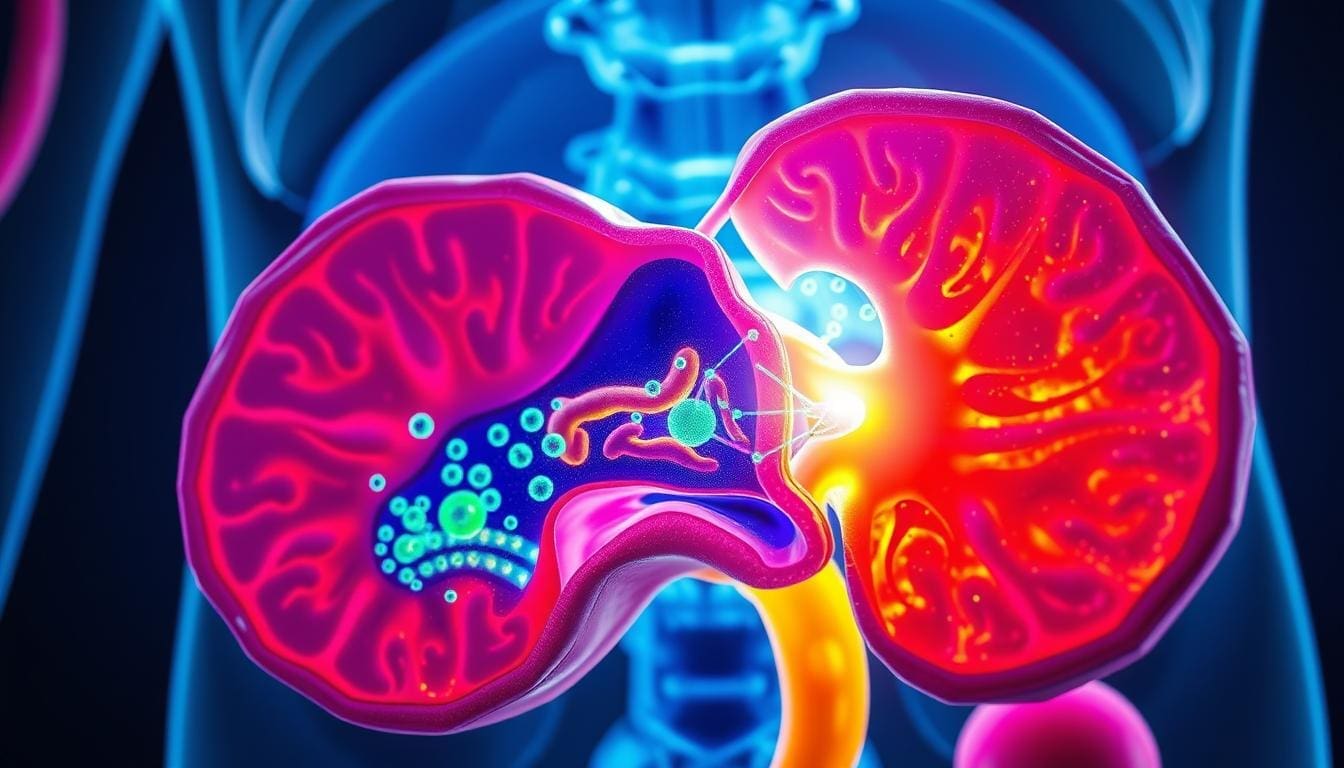
At Liv Hospital, we know you might worry about prostate regeneration after radiation therapy. Studies show that the prostate gland doesn’t fully come back after removal or complete damage. But, it can partially regenerate after some treatments.
We look into how the prostate can grow back after radiation therapy. We talk about its limits and the chance for growth. The ability for prostate regrowth changes based on the treatment and personal factors.
Key Takeaways
- The prostate gland has a limited capacity for regrowth after certain treatments.
- Partial regeneration is possible after radiation therapy.
- The extent of regrowth varies depending on individual factors and treatment.
- Understanding prostate regeneration is key for managing expectations.
- Liv Hospital is dedicated to giving top-notch care and support to international patients.
The Prostate Gland: Structure and Function
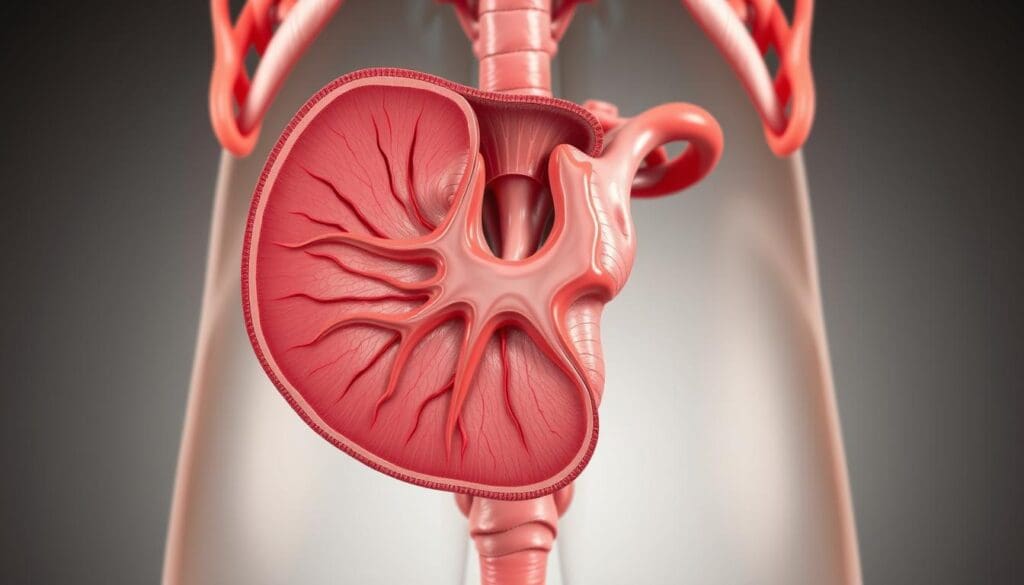
Understanding the prostate gland’s structure and function is key to seeing its regenerative power. This gland is a complex part of the male reproductive system.
Anatomy and Physiological Role
The prostate gland sits below the bladder and wraps around the urethra. It’s made of glandular, fibrous, and smooth muscle tissues. The glandular tissue makes prostate fluid, which helps and protects sperm.
This fluid is vital for fertility. The prostate gland’s role is to help make seminal fluid. This fluid is essential for sperm to move well.
The gland’s size and shape change with age, due to hormones and other factors. Its design supports its function well.
Cellular Composition of Prostate Tissue
Prostate tissue has different cell types. Epithelial cells line the gland and make prostate fluid. Stromal cells, including smooth muscle and fibroblasts, support the gland. Neuroendocrine cells help control cell processes.
Understanding prostate tissue’s cells is key to knowing how it regenerates. Research shows stem and progenitor cells are important in this process.
Normal Growth Patterns Throughout Life
The prostate gland grows and changes with age. It starts to grow in puberty, thanks to testosterone. In adulthood, it can grow more, leading to BPH.
Knowing how it grows normally helps us tell the difference between normal growth and disease. The table below shows the prostate gland’s growth patterns through life.
| Life Stage | Prostate Growth Pattern |
|---|---|
| Childhood | The prostate gland is small and underdeveloped. |
| Puberty | The prostate gland begins to grow and develop, stimulated by testosterone. |
| Adulthood | The prostate gland can continue to grow, potentially leading to conditions such as BPH. |
| Old Age | The prostate gland may continue to grow, and the risk of prostate cancer increases. |
The prostate gland’s structure and function are complex and change with age. Knowing these changes helps us understand its regenerative ability.
“The prostate gland is a dynamic organ that undergoes significant changes throughout a man’s life, influenced by hormonal fluctuations and other factors.”
Common Prostate Conditions and Treatment Options
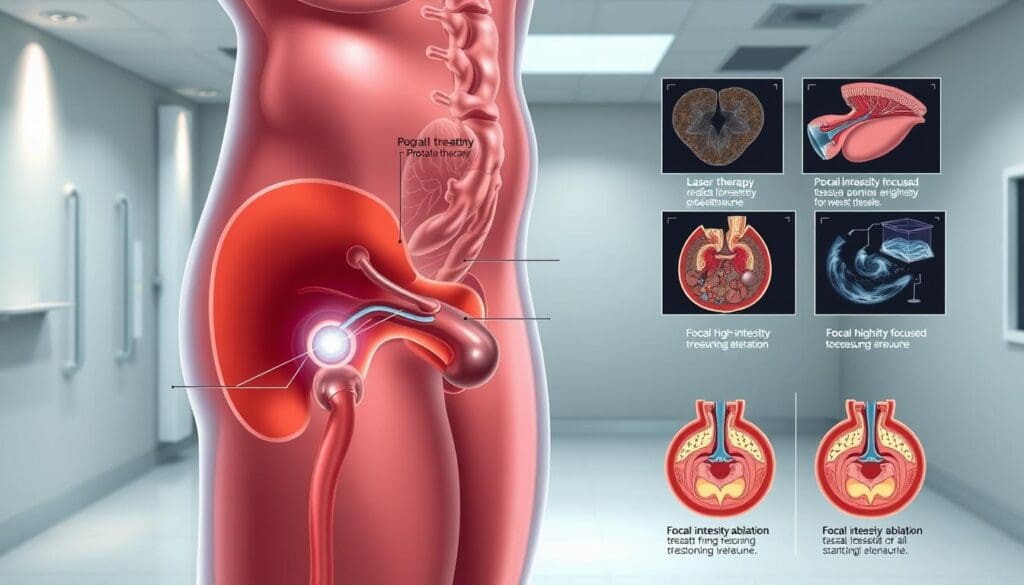
It’s important to know about common prostate conditions for effective treatment. We’ll look at how common they are, their impact, and the treatment options available.
Prostate Cancer: Prevalence and Impact
Prostate cancer is a big deal for men worldwide. It affects their quality of life. The risk goes up with age, making it a big worry for older men.
Key statistics on prostate cancer include:
- 1 in 8 men will get prostate cancer in their lifetime.
- It’s the second leading cause of cancer death in men.
- Screening has helped improve survival rates.
Benign Prostatic Hyperplasia (BPH)
BPH is a non-cancerous growth of the prostate gland. It’s common in older men and can really impact their life. It causes urinary symptoms.
Symptoms of BPH include:
- Frequent urination
- Weak or interrupted urine flow
- Nocturia (waking up multiple times at night to urinate)
Treatment for BPH varies. It can range from watchful waiting to medications and surgery, based on symptoms.
Treatment Modalities and Their Effects on Tissue
There are many treatments for prostate conditions, like surgery and radiation therapy. Each affects the prostate differently.
Radiation therapy can change prostate tissue, making prostate enlargement reversal harder. But, some prostate rejuvenation techniques aim to lessen these effects.
Looking into natural prostate growth remedies is common. But, always talk to a doctor before trying any treatment.
The right treatment depends on the condition, its severity, and the patient’s health. Knowing these factors is key for managing and possibly reversing prostate enlargement.
Radiation Therapy for Prostate Conditions
Radiation therapy is a key part of treating prostate health today. It helps with different prostate issues, like cancer. This treatment can be customized for each patient, making it more personal.
External Beam Radiation vs. Brachytherapy
There are two main types of radiation therapy for prostate issues: External Beam Radiation Therapy (EBRT) and Brachytherapy. EBRT uses beams from outside the body to target the prostate. It’s precise, aiming to hit the tumor without harming nearby tissues.
Brachytherapy places small radioactive seeds inside the prostate. This method gives a strong dose of radiation right to the tumor. It helps protect the healthy tissues around it.
Cellular and Tissue Changes During Treatment
Radiation therapy, whether EBRT or Brachytherapy, changes prostate tissue at a cellular level. It damages cancer cells’ DNA, stopping them from growing and killing them. This can shrink tumors and ease symptoms.
The treatment also affects nearby tissue, causing inflammation and changes. But these effects are usually short-lived, and the body can recover.
Immediate Post-Radiation Tissue Status
Right after treatment, the prostate may show signs of inflammation and irritation. This is a normal reaction. Over time, the gland may shrink as damaged cells are removed by the body.
Knowing how radiation therapy affects prostate tissue is key for patient care. We watch patients closely to handle any issues that come up.
Looking into whether the prostate can regrow after radiation is important. The answer depends on the treatment’s extent and the patient’s health.
Can the Prostate Grow Back After Treatment?
Prostate regeneration after treatment is a topic of great interest. Research has shed light on its possibilities and limitations. We will look at the evidence for prostate regeneration and what factors influence its growth.
Research Evidence on Partial Regeneration
Studies show that the prostate can partially regenerate after treatments like radiation therapy. Some prostate tissue may regrow, but the extent varies among individuals. For example, a study in the Journal of Urology found that some patients experienced partial regeneration after radiation therapy.
The prostate’s ability to regenerate is linked to stem-like cells within the gland. These cells can turn into different cell types, helping with tissue repair and regeneration. But, this process can be affected by age, health, and the treatment used.
Limitations of Prostate Regenerative Capacity
While there’s evidence for partial regeneration, significant regrowth is rare. The prostate’s regenerative ability is limited, and it often doesn’t return to its pre-treatment size or function. If the prostate is removed surgically, it cannot grow back.
The factors that limit prostate regeneration include the extent of tissue damage during treatment and individual differences in regenerative capacity. Understanding these limitations is key for managing patient expectations and making informed treatment decisions.
Distinguishing Between Regrowth and Recurrence
It’s important to know the difference between prostate regrowth and recurrence. Regrowth means the prostate tissue grows back after treatment, while recurrence means prostate cancer returns. Tests like PSA monitoring and imaging studies help tell these apart.
Accurate diagnosis is critical for deciding the next steps. If prostate cancer recurs, more treatments may be needed. But, if benign prostate tissue regrows, it might not need further action, though ongoing monitoring is recommended.
Cellular Mechanisms Behind Prostate Regeneration
Recent studies have uncovered the cellular processes behind prostate regeneration. We’ll explore how different cell types and molecular pathways help the prostate heal.
Stem-like Cells and Their Regenerative Properties
Stem-like cells are vital for prostate regeneration. They can turn into various prostate cell types, aiding in tissue repair. These cells are also more resilient to radiation, helping the prostate to heal.
Differentiated Luminal Cells in Tissue Recovery
Differentiated luminal cells are also important in prostate regeneration. Though they’re more damaged by radiation, they can help in healing. Research shows they can change into stem-like cells, boosting the prostate’s healing power.
Molecular Pathways Involved in Regeneration
Many molecular pathways are key to prostate regeneration. The Notch, Wnt/β-catenin, and Hedgehog pathways control cell growth, differentiation, and survival. Knowing these pathways can help find new ways to improve prostate regeneration.
Prostate Recovery Following Different Interventions
The prostate gland’s recovery after medical treatments is complex. It depends on the treatment type. Each treatment affects prostate tissue differently, leading to varied recovery and regrowth outcomes.
Post-Radiation Tissue Preservation and Recovery
Radiation therapy is a common prostate cancer treatment. It can harm healthy tissue around the cancer. Yet, the prostate gland can recover after radiation.
Studies show recovery happens through several ways. These include:
- The regeneration of surviving prostate cells
- The restoration of tissue architecture
- The recovery of prostate function
Hormone Deprivation Therapy and Subsequent Regrowth
Hormone deprivation therapy (HDT) reduces male hormones to slow cancer growth. It can shrink the prostate. After HDT, some patients see prostate tissue regrow when hormone levels return.
But, this regrowth is not always complete or normal. HDT can permanently change prostate tissue.
Key factors influencing regrowth after HDT include:
- The duration of HDT
- The age of the patient at the time of treatment
- The overall health of the patient
Why Surgically Removed Prostates Cannot Regenerate
The prostate gland cannot grow back if removed surgically. This is because its complex anatomy cannot be recreated by the body.
The main reasons for this lack of regeneration include:
- The removal of the entire gland, including its supporting structures
- The loss of stem cells and progenitor cells necessary for regeneration
- The absence of a natural scaffold for tissue regrowth
Knowing how prostate recovery varies with different treatments helps patients and doctors make better choices.
Factors Influencing Prostate Tissue Regeneration
Knowing what affects prostate regeneration is key to setting realistic goals after treatment. The prostate’s ability to heal is influenced by many factors.
Age and Regenerative Capacity
Age is a big factor in how well the prostate can heal. As men get older, the prostate changes in ways that can slow down healing. Studies show that younger men tend to heal faster than older men.
A study in the Journal of Urology found that older men have slower cell growth and more cell aging. This makes it harder for the prostate to heal.
| Age Group | Regenerative Capacity |
|---|---|
| Younger men (<50 years) | Higher regenerative capacity |
| Older men (>60 years) | Lower regenerative capacity |
Hormonal Environment and Testosterone Levels
The hormones in your body, like testosterone, greatly affect how well the prostate can heal. Testosterone is important for keeping the prostate healthy and helping it to heal.
Testosterone therapy is being looked at as a way to help the prostate heal in some cases. But, how testosterone affects healing is complex and needs careful thought.
Overall Health Status and Immune Function
Your overall health and how well your immune system works also matter a lot for healing the prostate. Chronic health problems, like diabetes and heart disease, can make healing harder by weakening the body’s healing powers.
Staying healthy, eating well, and exercising regularly can help keep your immune system strong. This might help your prostate heal better.
- Eating a nutrient-rich diet
- Engaging in regular physical activity
- Managing chronic health conditions
Understanding these factors helps doctors better support patients. This way, patients can have more realistic hopes and work towards the best recovery after prostate treatment.
Debunking Myths About Prostate Regeneration
Misconceptions about prostate regeneration are common. They often come from unproven claims about natural remedies and supplements like ‘Prosta Renew’.
Exploring prostate health, it’s key to know what’s real and what’s not. Many look for natural ways to grow their prostate. But, how well these methods work varies a lot.
Analysis of “Prosta Renew” and Similar Supplements
Supplements like “Prosta Renew” promise to help prostate health with natural ingredients. But, there’s limited clinical evidence that they really help in growing back the prostate.
- Many supplements don’t go through enough testing or get FDA approval.
- Ingredients might not work well with other medicines or could have side effects.
- Claims of “prostate rejuvenation techniques” are often based on personal stories, not science.
It’s important to talk to a doctor before taking any supplements.
Misconceptions About Natural Remedies
Some think natural remedies can greatly improve prostate health. While some natural compounds might help, the idea they can fully grow back prostate tissue is too good to be true.
“The idea that natural remedies can ‘grow back’ the prostate is misleading. While diet and lifestyle changes can help prostate health, they can’t prevent all prostate problems.”
Knowing what natural remedies can and can’t do helps manage what we expect from them in prostate regeneration.
Special Considerations for Transgender Individuals
For transgender individuals, prostate health is a big concern, even with hormone therapy. The question “can the prostate grow back” is very important here.
Studies show hormone therapy can change prostate size and health. But, the prostate doesn’t usually “grow back” like it might in cisgender men after some treatments.
It’s important for transgender individuals to talk openly with their doctors about prostate health and any worries about regeneration or treatment.
Conclusion: Managing Expectations After Prostate Treatment
Knowing if the prostate can grow back after treatment is key. We’ve looked into how treatments like radiation affect the prostate. This helps us understand what patients can expect.
Studies show that some prostate tissue can come back, but it’s different for everyone. Things like age, hormones, and health play a big role in how much it can grow back.
It’s important to know the difference between regrowth and cancer coming back. This helps doctors give better advice and support to patients. It helps them understand what to expect after treatment.
Prostate regrowth after treatment means we need to keep a close eye on patients. By setting the right expectations and supporting them well, we can make their lives better. This is how we improve their health and happiness.
FAQ
Can the prostate gland regenerate after radiation therapy?
The prostate gland can partially recover after radiation therapy. But, it’s unlikely to fully grow back.
What is the difference between partial regeneration and full regrowth of the prostate?
Partial regeneration means the prostate can recover some of its tissue and function. Full regrowth means it returns to its original state completely.
How does radiation therapy affect prostate tissue?
Radiation therapy can harm prostate tissue. It causes cell death, inflammation, and scarring. This makes it hard for the prostate to regenerate.
Can supplements like “Prosta Renew” help with prostate regeneration?
There’s not much scientific proof that supplements like “Prosta Renew” help with prostate regeneration. Always talk to a healthcare professional before trying any supplements.
How does age affect the prostate’s regenerative capacity?
Older people might have a harder time regrowing their prostate. Age can reduce the prostate’s ability to recover.
What role do stem-like cells play in prostate regeneration?
Stem-like cells are key in prostate regeneration. They can turn into different cell types and help the tissue recover.
Can hormone deprivation therapy impact prostate regrowth?
Yes, hormone deprivation therapy can affect prostate regrowth. It lowers hormone levels, like testosterone, which are important for prostate growth.
Why can’t surgically removed prostates regenerate?
A prostate that’s been surgically removed can’t grow back. This is because the tissue is gone and can’t recover.
Are there any natural remedies that can support prostate health?
Some natural remedies might help with prostate health. But, there’s not much scientific proof they help with regeneration.
What factors influence prostate tissue regeneration?
Several things can affect prostate regeneration. These include age, hormones, and overall health.
Can prostate cancer recurrence be distinguished from regrowth?
Yes, doctors can tell the difference between prostate cancer recurrence and regrowth. They use tests like imaging and biopsies.
How does the hormonal environment impact prostate regeneration?
Hormones, like testosterone, are very important for prostate regeneration. They help control growth and maintenance of prostate tissue.
References
NIH (National Institutes of Health) — New insight into regenerating prostate tissue
https://www.nih.gov/news-events/nih-research-matters/new-insight-into-regenerating-prostate-tissue
Harvard Health Publishing — How to Handle a Relapse After Treatment for Prostate Cancer
Cancer.gov — Prostate Cancer: HypoRT Radiation Therapy Safety