Last Updated on November 26, 2025 by Bilal Hasdemir
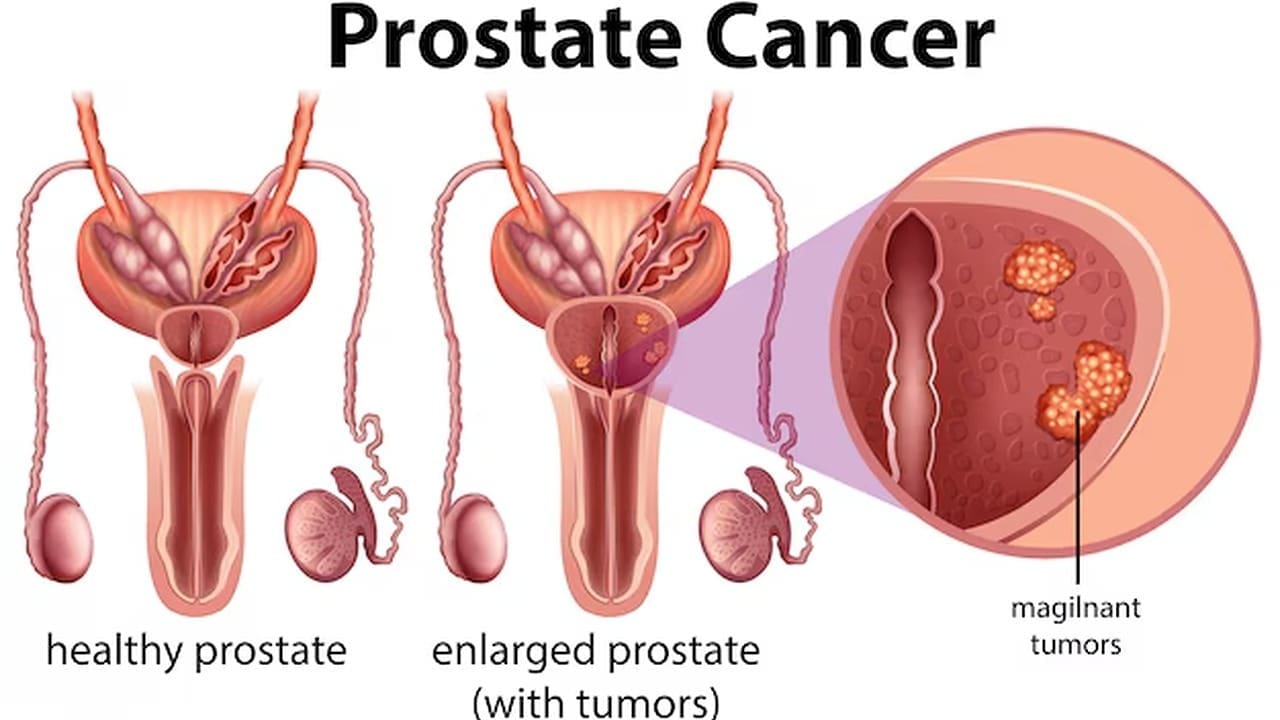
Knowing how fast aggressive prostate cancer grows is key for making quick decisions and planning treatments. At Liv Hospital, we focus on caring for our patients and supporting them every step of the way.
Prostate cancer is a big problem, being the second leading cause of cancer deaths in men in the Western world. Aggressive prostate cancer can spread fast, sometimes in just months or a few years. We’ll look at what affects its growth rate and why catching it early is so important.
Key Takeaways
- Aggressive prostate cancer can grow and spread rapidly.
- Understanding the growth rate is key for effective treatment planning.
- Liv Hospital provides patient-centered care and innovative support.
- Early intervention is critical in managing aggressive prostate cancer.
- Prostate cancer is a significant cause of cancer deaths in men.
Understanding Prostate Cancer: The Basics

Prostate cancer is a big worry for men. It comes in different types and levels of severity. Knowing the basics helps us understand how serious it can be.
The prostate gland is a small, walnut-sized organ. It’s below the bladder and in front of the rectum. It makes fluids that help sperm grow and stay healthy.
What is Prostate Cancer?
Prostate cancer happens when cells in the prostate gland grow too much. This forms a tumor. Tumors can be non-cancerous or cancerous. Cancerous tumors can spread to other parts of the body.
Key facts about prostate cancer:
- It’s a common cancer in men, mostly over 65.
- Family history, age, and ethnicity can increase your risk.
- Early prostate cancer often has no symptoms, so regular checks are key.
Types and Classifications
Prostate cancer isn’t just one disease. It has many types based on the cells and how they behave. The most common is adenocarcinoma, from glandular cells.
Other rare types include:
- Small cell carcinoma
- Neuroendocrine tumors
- Sarcomas
Doctors use the Gleason score to measure how aggressive prostate cancer is. Knowing this helps choose the right treatment.
Learning about prostate cancer basics helps us understand its growth and severity. This knowledge is important for making treatment choices.
How Fast Does Aggressive Prostate Cancer Grow
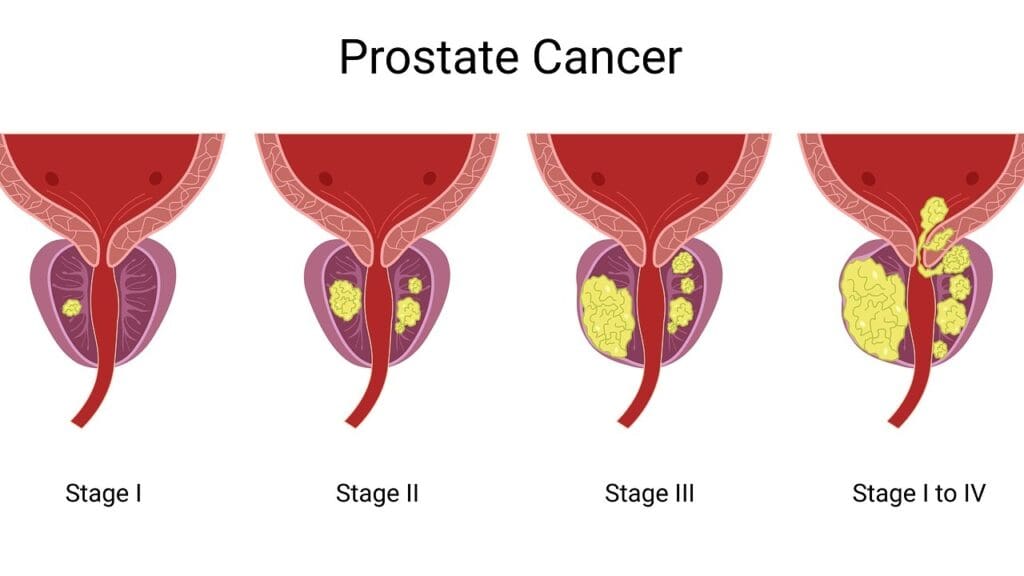
Knowing how fast aggressive prostate cancer grows is key to making good treatment plans. This type of cancer grows quickly, so acting fast is very important.
Studies show aggressive prostate cancer grows and spreads faster than slow-growing types. Slow-growing cancer might take years to grow, but aggressive types can grow in months.
Timeframes for Aggressive Progression
Aggressive prostate cancer grows fast and can spread quickly. Research shows it can grow and spread faster than slow-growing types. It usually happens in a shorter time than slow-growing cancer.
A study found aggressive prostate cancer can double in size in 6-12 months. Slow-growing cancer might take years to double in size.
“The growth rate of prostate cancer is a critical factor in determining the prognosis and treatment options for patients. Aggressive prostate cancer requires prompt and effective treatment to prevent rapid progression.”
Comparing to Slow-Growing Variants
Slow-growing prostate cancer might not need immediate treatment. It can often be watched closely. The main difference is in how fast they grow and how likely they are to spread.
| Characteristics | Aggressive Prostate Cancer | Slow-Growing Prostate Cancer |
|---|---|---|
| Growth Rate | Rapid, doubling in 6-12 months | Slow, doubling in several years |
| Potential to Metastasize | High | Low |
| Typical Treatment Approach | Immediate intervention (surgery, radiation) | Active surveillance, monitoring |
The table shows the big differences between aggressive and slow-growing prostate cancer. It’s clear why getting the right diagnosis and treatment is so important.
Dealing with prostate cancer is tough. By looking at how fast aggressive and slow-growing cancer grow, we can see why treatment needs to be tailored to each person.
Measuring Aggressiveness: The Gleason Score System
The Gleason score system is a key tool for doctors to check how aggressive prostate cancer is. It looks at the tumor’s appearance under a microscope. This gives insights into how fast the cancer might grow and how aggressive it is.
Predicting Growth Rate with Gleason Scores
Gleason scores go from 2 to 10, with higher numbers meaning more aggressive cancer. The score comes from adding the two most common cell patterns in the tumor. Each pattern is rated from 1 to 5.
A lower Gleason score means the cancer cells look more like normal cells. This usually means the cancer grows slower. On the other hand, a higher score means the cells are more abnormal. This often means the cancer grows and spreads faster.
For example, a Gleason score of 6 or less usually means the cancer is less aggressive. But a score of 8 or higher means it’s more aggressive. Scores of 7 can be split into 3+4 and 4+3. The latter is more aggressive because of more grade 4 cells.
Interpreting Your Gleason Score Results
Knowing your Gleason score is key to figuring out the right treatment. Here’s what different scores usually mean:
| Gleason Score | Aggressiveness Level | Typical Treatment Approach |
|---|---|---|
| 6 or less | Low | Active surveillance or surgery/radiation |
| 7 (3+4) | Moderate | Surgery or radiation therapy |
| 7 (4+3) | Moderate to High | Surgery or radiation therapy, possibly with more treatments |
| 8-10 | High | Aggressive treatment, like surgery, radiation, and maybe chemotherapy or hormone therapy |
Talking to your doctor about your Gleason score is very important. They can explain what it means for you. And they can help decide the best treatment plan.
Stages of Prostate Cancer Progression
Knowing the stages of prostate cancer is key to finding the right treatment. Prostate cancer can grow from a small problem to a big issue, affecting health and life quality.
Localized Prostate Cancer
Localized prostate cancer stays in the prostate gland. It hasn’t spread to other areas yet. Early treatment can greatly improve chances of beating this cancer. Doctors might suggest watching it closely, surgery, or radiation, based on the cancer and the patient’s health.
Regional Spread
At the regional stage, cancer has moved to nearby tissues or lymph nodes. This includes areas like the seminal vesicles or bladder neck. Even though it’s harder to treat, it’s not always hopeless. Doctors might use hormone therapy, radiation, and surgery together.
Distant Metastasis
Distant metastasis means cancer has spread to far-off places like bones, liver, or lungs. This stage is also called metastatic prostate cancer. While options are limited, treatments can help manage symptoms and slow the cancer’s growth. Focusing on comfort and quality of life is a big part of treatment at this stage.
It’s vital for patients and doctors to understand these stages. This helps make better choices about treatment and care. Early detection and quick action are key to fighting prostate cancer.
How Quickly Can Prostate Cancer Spread?
It’s important to know how fast prostate cancer can spread to plan treatment. The speed of spread varies a lot between people. This depends on how aggressive the cancer is.
Common Sites of Metastasis
Prostate cancer often spreads to bones, lymph nodes, and organs like the lungs and liver. The spine, pelvis, and ribs are the bones most affected. Bone metastasis can cause a lot of pain and increase the risk of fractures.
Lymph nodes in the pelvic area and sometimes outside the pelvis can also be affected. While less common, metastasis to organs can greatly affect a patient’s outlook.
Timeline of Metastatic Progression
The time it takes for prostate cancer to spread varies a lot. For some, it stays in one place for years. For others, it spreads quickly. The Gleason score, PSA levels, and overall health play a big role in this.
| Stage | Characteristics | Typical Timeline |
|---|---|---|
| Localized | Cancer confined to the prostate | Variable, potentially many years |
| Locally Advanced | Cancer has spread beyond the prostate | Several years |
| Metastatic | Cancer has spread to distant sites | Varies, often related to treatment response |
For more information on how fast prostate cancer can grow, you can visit Georgia Radiation Therapy.
Risk Factors for Developing Aggressive Prostate Cancer
Aggressive prostate cancer can be caused by genetics, environment, and lifestyle. Knowing these factors helps find people at high risk. This knowledge leads to better prevention and early detection.
Genetic Predisposition
Genetics are key in aggressive prostate cancer. Mutations in genes like BRCA1 and BRCA2 raise the risk. Men with these genetic issues should get tested and talk to a counselor.
Age and Family History
Age is a big risk factor, with most cases in men over 65. A family history of prostate cancer, like in a father or brother, also raises the risk. Being diagnosed young in the family increases this risk. Men with a family history should talk to their doctor about screening early.
Lifestyle and Environmental Factors
Lifestyle and environment also play a part. Some factors include:
- Diet: Eating too much processed meat and dairy can increase risk.
- Obesity: Being overweight is linked to a higher risk of aggressive prostate cancer.
- Physical Activity: Not being active enough may raise the risk.
- Exposure to Certain Chemicals: Some chemicals, like Agent Orange, can increase risk.
Understanding and managing these risk factors can help lower the chance of aggressive prostate cancer.
Biological Markers Influencing Prostate Cancer Growth Rate
Many biological markers help us understand how fast prostate cancer grows. These markers are key to creating personalized treatment plans. They show how aggressive the cancer is and how fast it might spread.
Genetic Mutations and Markers
Genetic changes greatly affect how aggressive prostate cancer is. Mutations in genes like TP53 and PTEN are linked to more aggressive cancer. For more on this, check out the National Cancer Institute’s page on prostate cancer.
Genetic testing can spot these mutations. This lets doctors tailor treatments better. Knowing the tumor’s genetics helps predict how fast it might grow and choose the best treatments.
Hormonal Influences
Hormones, like testosterone, greatly affect prostate cancer growth. Prostate cancer cells often respond to hormones. So, treatments that lower hormone levels or block their effects are common.
The role of hormones in prostate cancer shows how important hormone therapy is. By adjusting hormone levels, doctors can slow cancer cell growth. This might help delay the cancer’s spread.
PSA Velocity as a Predictor
PSA velocity, or how fast PSA levels change, is a key marker. A quick rise in PSA levels might mean the cancer is growing fast.
Watching PSA velocity helps doctors see how aggressive the cancer is. A high PSA velocity might mean the cancer needs more aggressive treatment. Learn more about prostate cancer aggressiveness at different ages on Liv Hospital’s page on prostate cancer.
Treatment Approaches for Rapidly Progressing Prostate Cancer
Managing rapidly progressing prostate cancer requires a variety of treatments. We will look at the different ways to fight this aggressive cancer.
Immediate Intervention Options
Patients with rapidly progressing prostate cancer need quick action. This can include:
- Surgery: Radical prostatectomy removes the prostate gland.
- Radiation Therapy: High-energy rays kill cancer cells.
- Hormone Therapy: Lowering testosterone slows cancer growth.
These treatments can be used alone or together. The right choice depends on the cancer’s stage, the patient’s health, and their wishes.
Managing Metastatic Disease
When cancer spreads, the focus is on controlling it and easing symptoms. For metastatic prostate cancer, options include:
- Chemotherapy: Drugs kill cancer cells that have spread.
- Targeted Therapy: Drugs target cancer cell traits.
- Immunotherapy: Boosts the immune system to fight cancer.
| Treatment | Description | Benefits |
|---|---|---|
| Chemotherapy | Using drugs to kill cancer cells | Can slow disease progression |
| Targeted Therapy | Drugs targeting cancer cell characteristics | Reduces harm to healthy cells |
| Immunotherapy | Stimulating the immune system | Enhances body’s natural defenses |
Emerging Therapies for Aggressive Forms
New treatments for aggressive prostate cancer are being researched. New therapies include:
- PARP Inhibitors: Drugs that block the PARP enzyme, involved in DNA repair.
- Genetic Testing and Therapy: Identifying genetic mutations to tailor treatment.
These new approaches offer hope for better outcomes for patients with aggressive prostate cancer.
Conclusion
Understanding aggressive prostate cancer is key to effective treatment. We’ve looked into its growth rate, stages, and what makes it aggressive.
Aggressive prostate cancer needs a detailed treatment plan. Knowing the Gleason Score System and cancer stages helps manage it better. Genetic and hormonal factors also play a big role.
We’ve talked about the need for quick action, managing cancer spread, and new treatments. As we learn more, staying updated on treatments is vital.
In summary, aggressive prostate cancer is a serious issue. It requires a deep understanding of its growth and treatment. We need ongoing research and personalized care to tackle this complex disease effectively.
FAQ
How fast does aggressive prostate cancer grow?
Aggressive prostate cancer grows and spreads at different rates. It usually grows faster than slow-growing types. The growth rate depends on the Gleason score, genetic mutations, and hormones.
What is the Gleason score system, and how does it predict prostate cancer aggressiveness?
The Gleason score system grades prostate cancer based on tumor cell appearance. It ranges from 2 to 10, with higher scores meaning more aggressive cancer. We use it to decide the best treatment.
How quickly can prostate cancer spread to other parts of the body?
Prostate cancer can spread to bones, lymph nodes, and lungs at different rates. Aggressive cancer often spreads quickly, within a few years. We watch for signs of spread to plan treatment.
What are the risk factors for developing aggressive prostate cancer?
Risk factors include genetic predisposition, age, family history, and lifestyle. Diet and physical activity level also play a role. We identify high-risk individuals for targeted screening.
How do biological markers influence prostate cancer growth rate?
Biological markers like genetic mutations and hormones affect growth rate. We use these to predict disease progression and tailor treatments.
What are the treatment approaches for rapidly progressing prostate cancer?
Treatments include surgery, radiation, managing metastasis, and new therapies like immunotherapy. We create personalized plans for each patient.
How long does it take for prostate cancer to develop?
Prostate cancer can take years to develop, with slow growth at first. Aggressive cancer grows faster, making early detection key.
What are the common sites of prostate cancer metastasis?
Common metastasis sites are bones, lymph nodes, lungs, and liver. We monitor for signs to plan effective treatments.
How does PSA velocity predict prostate cancer growth rate?
PSA velocity indicates cancer growth rate. Rising levels may mean aggressive cancer, leading to more aggressive treatment.
What are the stages of prostate cancer progression?
Stages include localized, regional, and distant metastasis. Understanding these stages helps us plan effective treatments and improve outcomes.
How quickly does prostate cancer grow, and what factors influence its growth rate?
Growth rate varies based on Gleason score, genetic mutations, and hormones. We use a detailed approach to understand each patient’s cancer and plan treatment
.
References
- Canadian Cancer Society: https://cancer.ca/en/cancer-information/cancer-types/prostate/staging
- National Center for Biotechnology Information (NCBI) / Books: https://www.ncbi.nlm.nih.gov/books/NBK470550/