Last Updated on November 26, 2025 by Bilal Hasdemir
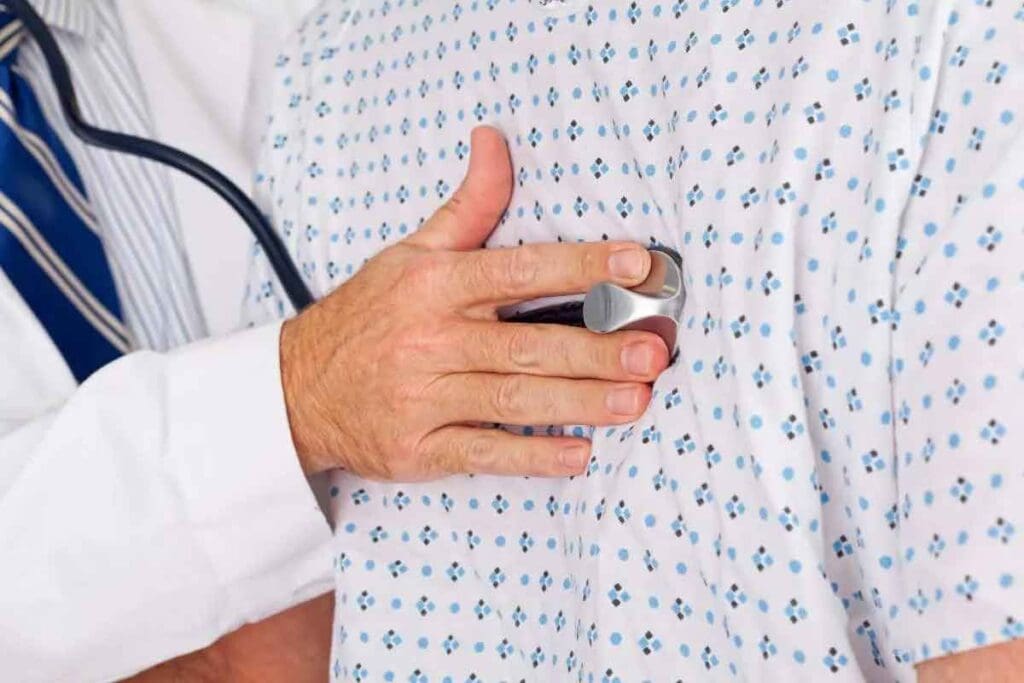
Cardiac ablation is a precise medical treatment for heart rhythm disorders. At Liv Hospital, it’s done with the latest academic protocols. The focus is on patient safety and care from all medical teams.
Cardiac ablation uses thin, flexible catheters inserted through the groin. These catheters are guided into the heart. Advanced imaging and mapping help find the problem tissue. The goal is to destroy or isolate it, fixing the heart rhythm.
Liv Hospital aims to give the best care for cardiac ablation patients. They focus on the patient, ensuring they get all the support they need. This approach helps patients feel safe and cared for during treatment.
Key Takeaways
- Cardiac ablation is a minimally invasive procedure used to treat heart rhythm disorders.
- The procedure involves using catheters to deliver energy to the heart tissue.
- Liv Hospital uses advanced imaging and mapping technology to guide the procedure.
- The goal of cardiac ablation is to restore a normal heart rhythm.
- Liv Hospital prioritizes patient safety and multidisciplinary care.
Understanding Cardiac Ablation
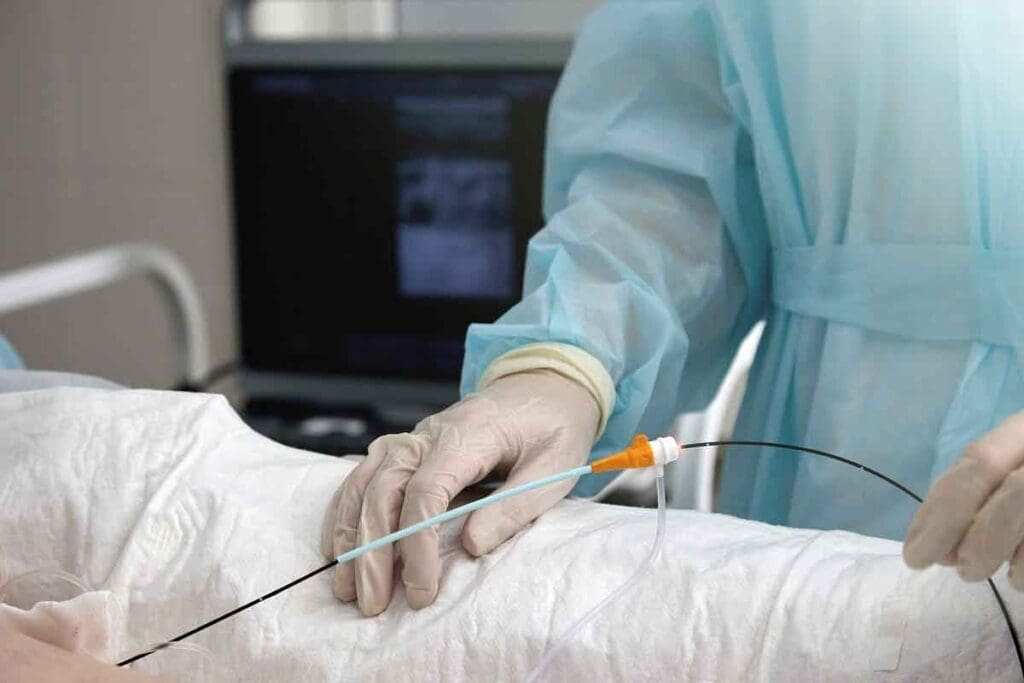
Cardiac ablation is a key medical procedure for treating heart rhythm disorders. It’s a minimally invasive method that aims to fix irregular heartbeats. It does this by destroying or isolating the abnormal electrical pathways in the heart.
Definition and Purpose
During cardiac ablation, doctors use catheters to send energy to the heart. This energy treats the cause of arrhythmias. The goal is to make the heart beat normally again, which can greatly improve a patient’s life.
Types of Heart Rhythm Disorders Treated
Cardiac ablation helps with several heart rhythm issues, including:
- Atrial fibrillation
- Supraventricular tachycardia (SVT)
- Atrial flutter
These conditions can lead to symptoms like palpitations, shortness of breath, and fatigue. These symptoms can really affect a person’s daily life.
The Evolution of Ablation Technology
Ablation technology has seen a lot of progress over time. It now uses advanced imaging and mapping to be more precise. This has led to better treatments for complex arrhythmias.
Thanks to these advancements, ablation technology has become more effective. Recovery times have also decreased, and complications have been reduced.
When Is Cardiac Ablation Recommended?

Cardiac ablation is suggested when other treatments don’t work well for arrhythmias. It’s for people with heart rhythm problems that really hurt their quality of life.
Medical Conditions That May Require Ablation
Several medical conditions might need cardiac ablation. These include:
- Atrial fibrillation
- Atrial flutter
- Supraventricular tachycardia (SVT)
- Ventricular tachycardia
These conditions can lead to symptoms like palpitations, shortness of breath, and fatigue. They can really affect a person’s daily life.
When Medications Fail to Control Arrhythmias
Medications are usually the first choice for arrhythmias. But if they don’t work or cause bad side effects, cardiac ablation is a good option.
Common issues with medication treatment include:
- Inadequate symptom control
- Significant side effects
- Long-term ineffectiveness
Determining If You’re a Good Candidate
To see if you’re a good candidate for cardiac ablation, a thorough check is needed. This looks at how bad your symptoms are, how well previous treatments worked, and your overall health.
Things considered in this check include:
- The type and severity of your arrhythmia
- Previous treatments and their outcomes
- Your overall health and any comorbid conditions
Types of Cardiac Ablation Procedures
Cardiac ablation treats arrhythmias with various techniques. This gives patients several choices based on their condition. It’s a procedure to fix irregular heart rhythms by destroying bad electrical paths in the heart.
Radiofrequency Ablation
Radiofrequency ablation is a common method. It uses heat from electrical energy to destroy bad heart paths. It works well for some SVT and ventricular tachycardia.
Cryoablation (Freezing Method)
Cryoablation freezes the bad heart tissue instead of using heat. It’s good for treating arrhythmias near sensitive heart areas. This method is precise.
Laser and Ultrasound Ablation
Laser ablation destroys tissue with a laser. Ultrasound ablation uses sound waves. These methods are less common but offer options for certain arrhythmias or when other methods don’t work.
Choosing the Right Type for Your Condition
Choosing a cardiac ablation method depends on several things. These include the arrhythmia type and location, the patient’s health, and the doctor’s opinion. A detailed evaluation and consultation with a cardiologist or electrophysiologist is key to picking the right method.
| Ablation Method | Description | Common Applications |
| Radiofrequency Ablation | Uses heat to destroy abnormal tissue | SVT, certain ventricular tachycardias |
| Cryoablation | Freezes abnormal heart tissue | Ablation near sensitive heart areas |
| Laser Ablation | Uses a laser to destroy abnormal tissue | Specific arrhythmias, alternative to RF and cryo |
| Ultrasound Ablation | Utilizes high-frequency sound waves | Less common, alternative for specific conditions |
Knowing about different cardiac ablation procedures helps patients make informed choices. Talking to a healthcare provider about each method helps understand which is best for their condition.
Pre-Procedure Evaluation and Testing
The pre-procedure evaluation is key for those getting cardiac ablation. It involves many tests to check the heart’s function and find the cause of arrhythmia.
Necessary Diagnostic Tests
Before cardiac ablation, patients get tested to check their heart health. These tests include:
- Electrocardiograms (ECG): To record the heart’s electrical activity.
- Echocardiograms: To see the heart’s structure and function.
- Blood Tests: To look for conditions that might affect the procedure.
- Stress Tests: To check how the heart works under stress.
Consultation with Your Electrophysiologist
Talking to an electrophysiologist is a big step before the procedure. The doctor will:
- Talk about the risks and benefits of cardiac ablation.
- Explain the procedure in detail.
- Answer any questions or concerns the patient has.
This meeting helps patients know what to expect during and after the procedure. It helps reduce anxiety and prepares them well.
Risk Assessment and Discussions
A detailed risk assessment is done before the procedure. The electrophysiologist will talk about:
- The risks of the procedure.
- Any precautions or preparations needed?
- Instructions for care after the procedure.
Knowing the risks and taking steps to avoid them helps patients have a smoother recovery.
Preparing for Your Cardiac Ablation
To make your cardiac ablation procedure go smoothly, you need to prepare well. Getting ready right can make the procedure more successful and help you recover faster.
Medication Adjustments
Changing your medications is a key part of getting ready. Expert , a renowned cardiologist, says, “You might need to stop some medicines before the procedure to lower risks.” This includes blood thinners or drugs for irregular heartbeats. Always follow your doctor’s advice on changing your meds to avoid problems.
Usually, you should keep taking your usual medicines unless your doctor tells you to stop. Knowing which medicines to keep or stop is very important.
Dietary and Activity Restrictions
What you eat and do before the procedure is also important. You might need to fast for a while before the procedure or avoid certain foods. Drinking lots of water is also good.
You should also avoid hard work or heavy lifting before the procedure. These steps help reduce risks.
What to Bring to the Hospital
Knowing what to bring to the hospital makes things easier. Bring your ID, insurance cards, a list of your medicines, and any medical records. Don’t forget comfy clothes and personal items like glasses or hearing aids.
Mental Preparation and Anxiety Management
Getting mentally ready is as important as getting physically ready. Try deep breathing, meditation, or visualization to calm your nerves. Learning about the procedure and its results can also help.
“The more informed you are, the less anxious you’ll be,” says
.
Talking about your worries with your doctor can make you feel more at ease and prepared for the procedure.
How Is Ablation Done: The Procedure Day
On the day of the cardiac ablation, patients arrive at the hospital. They start the admission process. This step is key to a successful procedure.
Arrival and Admission Process
Patients are admitted and checked in upon arrival. They then go to a pre-procedure area. There, they prepare for the cardiac ablation.
Pre-Procedure Preparations
Preparation includes changing into a hospital gown. Patients also have their vital signs checked and medical history reviewed. An intravenous (IV) line is inserted for medication and anesthesia.
Anesthesia Options and Administration
Anesthesia types vary based on the patient’s condition and procedure complexity. Options include local anesthesia, conscious sedation, or general anesthesia. The anesthesia team will choose the best option with the patient.
Transfer to the Electrophysiology Lab
After preparation, patients move to the electrophysiology lab. This lab has advanced technology for cardiac ablation. It is staffed by experienced healthcare professionals, including electrophysiologists and nurses.
| Procedure Step | Description |
| Arrival and Admission | Patients arrive and are admitted to the hospital. |
| Pre-Procedure Preparations | Patients are prepared for the procedure, including changing into a hospital gown and IV insertion. |
| Anesthesia Administration | Anesthesia is administered based on the patient’s condition and procedure complexity. |
| Transfer to the electrophysiology Lab | Patients are transferred to the lab for the cardiac ablation procedure. |
Step-by-Step Breakdown of the Ablation Procedure
The cardiac ablation procedure is a detailed treatment aimed at fixing an abnormal heart rhythm. It involves several key steps. These steps need precision and the latest technology to find and treat the abnormal tissue causing arrhythmia.
Catheter Insertion Through the Groin
The first step is inserting catheters through the groin. These catheters are guided into the heart using advanced imaging and mapping technology. This tech helps doctors see the heart’s structure and find the abnormal tissue.
Advanced Imaging and Mapping Technology
Advanced imaging and mapping are key in the ablation procedure. 3D mapping and electroanatomical mapping create detailed heart maps. These maps are vital for finding the arrhythmia source and planning treatment.
According to the National Center for Biotechnology Information, these mapping systems have greatly improved the accuracy and success.
Identifying Abnormal Tissue
With the catheters in place, the next step is finding the abnormal tissue. This is done by analyzing heart electrical signals with the mapping tech. The doctor can then locate the areas that need treatment.
Delivering Energy to Target Areas
After finding the abnormal tissue, the doctor uses the catheters to deliver energy. This energy destroys or isolates the problem areas. The energy type used varies, with options like radiofrequency ablation and cryoablation.
| Ablation Technique | Description | Application |
| Radiofrequency Ablation | Uses heat to destroy abnormal tissue | Treats various types of arrhythmias |
| Cryoablation | Uses extreme cold to freeze abnormal tissue | Effective for treating certain arrhythmias, especially in delicate areas |
The ablation procedure’s step-by-step breakdown shows its complexity and precision. Knowing the process helps patients prepare for the procedure and what to expect.
What to Expect During the Procedure
Knowing what happens during a cardiac ablation can make patients feel less anxious. The process includes important steps for its success.
Duration and Possible Sensations
A cardiac ablation usually takes 2 to 4 hours. This depends on the heart issue being treated. Patients might feel some discomfort or pressure, but this is usually managed with anesthesia.
Patients might feel a pinch or sting when the catheter is put in, but it’s brief. Local anesthesia and sedation help keep discomfort low during the procedure.
The Electrophysiology Team’s Role
The electrophysiology team iskey ton the procedure. They include skilled doctors and nurses who make sure everything goes well and safely.
They watch over the patient’s health, use special technology, and apply the ablation energy to the heart.
Communication During the Procedure
Even though patients are sedated, they can talk to the team. They should tell the team if they feel any pain or discomfort. This helps the team adjust as needed.
Monitoring Vital Signs and Heart Rhythm
The team keeps a close eye on the patient’s vital signs and heart rhythm. This is vital for the patient’s safety and the success of the treatment.
| Monitoring Aspect | Description | Importance |
| Vital Signs | Continuous monitoring of heart rate, blood pressure, and oxygen saturation | Ensures patient safety and detects any issues early |
| Heart Rhythm | Real-time monitoring of the heart’s electrical activity | Key to treating arrhythmias effectively |
Immediate Post-Procedure Care
After cardiac ablation, the care right after is key ftoa good recovery. Patients are watched closely in the recovery room. This helps manage any discomfort and makes the transition to the next care stage smoother.
Recovery Room Monitoring
In the recovery room, doctors keep a close eye on the patient’s vital signs and heart rhythm. This is a critical time to catch and fix any problems early.
They track heart rate, blood pressure, and oxygen levels. The team is ready to act if they see any issues.
Managing Discomfort and Pain
Patients often feel some discomfort or pain after the procedure. This is usually managed with medicine to keep them comfortable.
Good pain management is important for a smooth recovery. Patients should tell their healthcare team about any pain or discomfort.
Initial Movement Restrictions
To avoid bleeding, patients are told to limit their movements. This means avoiding heavy lifting, bending, or hard activities.
Following these rules is important to avoid complications. Patients get specific instructions based on their situation.
First 24 Hours After Ablation
The first 24 hours after the procedure are very important. Patients get detailed care instructions for home. This includes how to take medicine, what activities to avoid, and what to watch for in terms of complications.
“The first 24 hours are critical for recovery. Follow your doctor’s instructions carefully to ensure a successful outcome.”
By following the recommended care guidelines, patients can lower the risk of problems and help their recovery.
Recovery at Home After Cardiac Ablation
After cardiac ablation, it’s key to follow a home recovery plan. This helps your healing process go smoothly.
Activity Guidelines and Restrictions
Your doctor will tell you how active to be after ablation. You should avoid heavy lifting and bending for a few days to a week. Light walking is usually encouraged to keep blood flowing and prevent clots.
Start with light activities and gradually increase them as your doctor advises. It’s important to listen to your body and not overexert yourself. This can cause problems.
Insertion Site Care
It’s vital to take good care of the site where the catheter was inserted. Keep the area clean and dry, and follow your doctor’s advice for dressing changes. Watch for signs of infection like redness, swelling, or discharge. Report any concerns to your healthcare provider.
Medication Management
Your doctor will guide you on managing your medications after ablation. You might need to keep taking your current meds or start new ones. Adhere to the prescribed medication regimen and be aware of any side effects.
When to Call Your Doctor
Know when to call your doctor during recovery. Contact them if you have severe chest pain, difficulty breathing, or signs of infection at the insertion site. Also, report any unusual heart rhythms or palpitations.
By following these guidelines and staying in touch with your healthcare team, you can have a successful recovery at home after cardiac ablation.
Potential Risks, Success Rates, and Outcomes
It’s important to know the risks and success rates of cardiac ablation before getting it. This procedure is usually safe and works well for many heart rhythm problems. But, like any treatment, it can have risks and complications.
Common Side Effects and Management
After cardiac ablation, you might feel pain or discomfort where the catheter was inserted. You could also see swelling, bruising, or a hematoma. These symptoms usually go away on their own. Using over-the-counter pain meds can help. It’s also key to take care of the wound and follow up with your doctor to avoid infections.
Some people might have temporary heart rhythm problems after the procedure. These usually don’t last long. But if you have any lasting or severe symptoms, tell your doctor right away.
Serious Complications to Be Aware Of
Even though rare, serious problems can happen during or after cardiac ablation. These include cardiac tamponade, stroke, or pulmonary vein stenosis. Seek medical help if you have severe chest pain, trouble breathing, or neurological issues.
Other serious but rare issues include damage to the heart’s electrical system or vascular problems at the catheter site. The chance of these problems depends on your health and the procedure’s complexity.
Success Rates for Different Arrhythmias
The success of cardiac ablation varies by the arrhythmia type. For example, treating supraventricular tachycardia (SVT) and atrial flutter works well most of the time. But,treating atrial fibrillation is more complex and has lower success rates.
- SVT: Success rates range from 90% to 95%
- Atrial Flutter: Success rates are generally high, around 90%
- Atrial Fibrillation: Success rates vary, typically between 50% to 70% for long-term freedom from arrhythmia
Long-term Effectiveness and Possible Need for Repeat Procedures
The long-term success of cardiac ablation depends on many factors. These include the heart condition, the arrhythmia type, and the patient’s health. Some might need repeat procedures to keep their arrhythmia under control.
It’s important to see a cardiologist or electrophysiologist for follow-up. They can check if the procedure is working and address any new symptoms. You might also need to make lifestyle changes and take medication to keep your heart healthy.
Conclusion
Cardiac ablation is a key treatment for heart rhythm disorders. It helps patients take back control of their heart health. The success of the procedure depends on the type of arrhythmia and the patient’s health.
A team of experts, using advanced technology, ensures safety and the best results. Patients can make better choices by knowing about the procedure’s risks and benefits.
Liv Hospital is dedicated to top-notch care for cardiac ablation patients. This treatment is a precise and effective solution for heart rhythm disorders. It greatly improves patients’ quality of life.
In summary, cardiac ablation is a major step forward in treating arrhythmias. It shows its importance in modern cardiology.
FAQ
What is cardiac ablation?
Cardiac ablation is a procedure to treat heart rhythm problems. It destroys or isolates bad electrical pathways in the heart.
How is cardiac ablation performed?
To perform cardiac ablation, doctors use thin, flexible catheters. They go through the groin and into the heart. Advanced technology helps find and treat the problem areas.
What are the different types of cardiac ablation procedures?
There are several types of cardiac ablation. These include radiofrequency, cryoablation, laser, and ultrasound ablation. Each has its own way of treating heart issues.
What conditions are treated with cardiac ablation?
Cardiac ablation treats many heart rhythm disorders. This includes atrial fibrillation, atrial flutter, and supraventricular tachycardia.
How do I prepare for cardiac ablation?
Preparing for cardiac ablation means adjusting your medications and diet. You’ll also need to limit activities and undergo tests and a consultation with a specialist.
What can I expect during the cardiac ablation procedure?
The procedure can take several hours. You might feel some discomfort or pressure. But, his is usually managed with anesthesia.
What are the possible risks and complications of cardiac ablation?
Cardiac ablation is generally safe. But you might experience discomfort at the catheter site or bleeding. Rare but serious complications can also occur.
What is the recovery process like after cardiac ablation?
After the procedure, you’ll be watched in the recovery room. You’ll be told about movement restrictions and how to care for your wound. You’ll also learn about your medication.
How successful is cardiac ablation in treating arrhythmias?
Success rates vary based on the arrhythmia type. Some have higher success rates than others. You might need more than one procedure for long-term results.
When should I contact my doctor after cardiac ablation?
If you have increased pain, bleeding, or other concerns, contact your doctor. They can help with your recovery.
Reference
- Ghzally, Y. (2023). Catheter Ablation. In StatPearls. National Center for Biotechnology Information. https://www.ncbi.nlm.nih.gov/books/NBK470203/