

Last Updated on November 27, 2025 by Bilal Hasdemir

At Liv Hospital, we focus on keeping patients safe and using the latest methods in angio procedures. An angiogram, or vascular angiogram, is a key tool for seeing blood vessels through X-ray after dye is injected.
We use angiogram procedures to find and treat many vascular issues. First, a catheter is put into a blood vessel. Then, it’s moved to the needed area with live images.
Our team is committed to top-notch healthcare, supporting patients from around the world. We know how vital angio vascular health is for your overall health.

Angiography is a way doctors look at blood vessels in detail. It’s key for finding and treating vascular problems. Knowing about angiograms helps patients understand how modern medicine works.
An angiogram shows the inside of blood vessels through X-rays. It helps find blockages, aneurysms, or other issues. This tool is essential for planning treatments, like surgeries or angioplasty. It’s used to check blood vessel health, which is vital for treating heart and vascular diseases.
Angiograms can look at arteries and veins. The choice depends on the patient’s needs. For example, an arterial angiogram checks arteries, which carry blood from the heart. A venous angiogram looks at veins, which bring blood back to the heart. The right angiogram is chosen based on the patient’s condition.
Doctors use angiograms to find many conditions, like heart disease. The info from an angiogram helps make treatment plans better. This improves patient care.
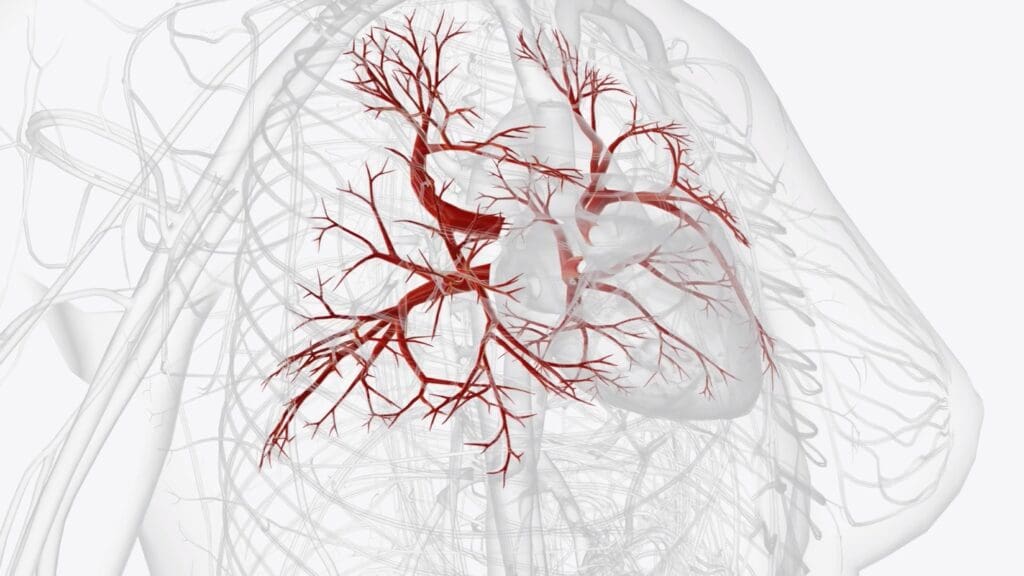
We use angiograms to diagnose and treat many vascular diseases. Angiography is a key tool for doctors to find and manage heart and brain conditions.
Heart diseases are a main reason for angiograms. Coronary artery disease is a big one. It shows blockages or narrowings in heart arteries. This info is key for deciding on treatments like angioplasty or CABG.
Peripheral artery disease (PAD) is another heart issue. Angiograms check for blockages in leg arteries. This helps plan treatments like angioplasty and stenting to improve blood flow.
Angiograms are also key for brain conditions. Cerebral vasospasm is when brain blood vessels narrow. Angiography spots the problem vessels, guiding treatment.
Other issues include aneurysms and arteriovenous malformations (AVMs). Angiograms show these problems clearly. This helps plan surgery or endovascular treatments.
Studies show angiography helps prevent heart problems by finding and treating diseases early. It helps doctors plan better treatments. This leads to better patient results.
Knowing what to do before an angiogram is key to a good outcome. We’ll walk you through what you need to do. This will help keep you safe and make the procedure a success.
We do medical checks and tests before your angiogram. These include blood tests and electrocardiograms. They help us find any risks or problems.
Tell your doctor about all medications you take, like blood thinners. Also, mention any allergies. This helps us prepare and avoid risks during the procedure.
Some medications might need to be changed or stopped before your angiogram. For example, blood thinners like warfarin or aspirin may be paused to lower bleeding risk. Your doctor will tell you how to manage your meds before the procedure.
You might need to fast for 4-6 hours before your angiogram. Also, avoid heavy meals and hard activities on the day of the procedure. Make sure someone can drive you home after, as you might feel drowsy from the sedation.
Following these guidelines helps make your angiogram safe and successful. If you have questions or worries, talk to your healthcare provider.
An angiogram is a detailed imaging test of blood vessels. It involves several steps to get clear images. We’ll walk you through from start to finish.
The first thing we do is get the patient and equipment ready. We place the patient on an X-ray table, usually lying on their back. This makes it easier to reach the blood vessels we need to see.
The table has special imaging tech, like fluoroscopy, to help us. We clean and sterilize the area where we’ll insert the catheter, often in the groin or arm. This step helps prevent infection.
To make the patient comfortable, we give local anesthesia at the insertion site. This numbs the area, so we can insert the catheter without pain. Sometimes, we also give mild sedation to help the patient relax.
We carefully manage the anesthesia and sedation. This way, the patient stays comfortable but can follow instructions.
With the patient ready and numb, we insert the catheter. We make a small incision or use a needle to put it in the blood vessel. Then, we guide it through the blood vessels using X-ray images.
We use contrast dye to make the blood vessels show up better on the X-rays. This dye helps us get clear images of the blood vessels. It’s key for making a diagnosis and planning treatment.
The angiogram procedure involves injecting a contrast dye into the blood vessels. Then, X-ray technology is used to image them. This is key for diagnosing and treating vascular conditions.
Different contrast agents are used in angiography, depending on the procedure and patient. Iodine-based contrast agents are often used because they are safe and effective. But, for those with allergies or kidney issues, alternative contrast agents might be better.
We pick the right contrast agent based on the patient’s history, the procedure, and the area being examined.
After the dye is injected, X-ray imaging captures detailed blood vessel images. The X-ray machine takes quick images as the dye moves through the vessels. This lets us see any problems.
Advanced X-ray techniques, like digital subtraction angiography, make the images clearer. They remove background structures and show the contrast-filled vessels better.
The images from the angiogram show important details about the blood vessels. They help us spot blockages, narrowings, or malformations. This is key for diagnosing diseases like coronary artery disease and cerebral vascular disease.
By looking at the images, we can figure out the best treatment. This could be angioplasty, stenting, or other interventions. The dye makes the blood vessels stand out, helping us target our care effectively.
Knowing what to expect during an angiogram is key. It helps reduce anxiety and makes the process smoother. We want our patients to feel at ease.
An angiogram usually takes 30 to 60 minutes. The time can change based on the case’s complexity and the angiogram type. We keep a close eye on patients to ensure their comfort and safety.
Here’s a general breakdown of what to expect during the timeline:
| Procedure Stage | Typical Duration | Description |
|---|---|---|
| Preparation | 10-15 minutes | Getting the patient ready, including positioning and administering local anesthesia. |
| Catheter Insertion | 5-10 minutes | Inserting the catheter into the appropriate blood vessel. |
| Contrast Dye Injection and Imaging | 10-20 minutes | Injecting contrast dye and capturing images. |
| Post-Procedure Monitoring | 10-15 minutes | Monitoring the patient after the procedure for any immediate complications. |
Patients might feel some sensations during the angiogram, but they are usually mild. Local anesthesia numbs the area where the catheter is inserted, making it less uncomfortable. Some might feel a pinch or pressure when the catheter is inserted or when the contrast dye is injected.
The contrast dye can cause a warm sensation in some patients. This feeling is temporary and not usually uncomfortable. We are there to address any concerns or discomfort.
Most patients find the angiogram procedure tolerable. We aim to make the experience as comfortable as possible. Our team is always ready to answer any questions or concerns.
Arterial and venous angiograms are used for different medical needs. They use different methods and are used in various ways. It’s important for doctors to know which one is best for each patient.
Arterial angiography uses dye to see the arteries. It helps find problems like coronary artery disease and blockages. Doctors use a catheter to reach the arteries.
Venous angiography looks at the veins. It helps diagnose venous thrombosis and varicose veins. Doctors inject dye into a vein, usually in the arm or leg.
The main differences are in how they’re done, what they’re used for, and their applications. Arterial angiography is more invasive for artery problems. Venous angiography is less invasive for vein issues.
Angiography is very versatile, allowing for targeted procedures in different body parts. This includes the heart and brain. It helps doctors diagnose and treat vascular conditions better.
Coronary angiography is key for checking the heart’s blood supply. It spots blockages or issues in the heart’s arteries. This guides treatment for heart disease.
To do this, a catheter is put through an artery in the leg or arm. It’s then guided to the heart’s arteries. Contrast dye is injected, and X-rays show the artery’s state.
Cerebral angiography looks at the brain’s blood vessels. It gives detailed images of the brain’s blood system. It’s vital for finding issues like aneurysms and narrowed brain arteries.
It helps us see how blood flows to the brain. This lets us find the cause of brain symptoms. We can then treat them quickly and right.
Peripheral angiography checks blood vessels outside the heart and brain, mainly in the limbs. It’s key for finding peripheral artery disease (PAD). PAD causes pain or makes it hard to move.
Other angiograms include renal for the kidneys, hepatic for the liver, and pulmonary for the lungs. Each gives insights into the health of its organ.
In summary, specialized angiogram procedures have greatly improved our ability to diagnose and treat vascular diseases. These advanced tools help us give more precise and effective care to patients with various vascular conditions.
Angiograms are usually safe, but there are risks and complications to know about. It’s important to understand these to make informed choices and prepare well.
Most people have little to no side effects from an angiogram. But, some common ones include:
These side effects are usually mild and go away quickly. It’s key to follow the care instructions after the procedure to lessen these effects.
Though rare, serious complications can happen. Some include:
| Complication | Frequency |
|---|---|
| Bleeding or hematoma at the catheter site | 1-2% |
| Infection | <1% |
| Stroke or transient ischemic attack | <1% |
| Contrast-induced nephropathy | Variable, depending on patient factors |
The chance of these complications can change based on the patient’s health and the procedure used.
Some factors can make complications more likely. These include:
People with these risk factors need extra care and monitoring before, during, and after the procedure to lower the risk of complications.
Knowing the risks and complications helps patients prepare better and talk to their healthcare provider about any worries.
Knowing what to expect after an angiogram can help reduce anxiety and improve recovery. The recovery phase is key to avoiding complications and ensuring a smooth healing process.
Right after the angiogram, we watch patients closely in a recovery area. We check their vital signs like blood pressure and heart rate. This is to make sure there are no immediate problems.
Key aspects of immediate post-procedure care include:
We tell patients about activity limits and wound care. They should avoid heavy lifting, bending, or hard activities for a while.
| Activity | Recommended Restriction Period |
|---|---|
| Heavy lifting | 24-48 hours |
| Strenuous exercise | 48-72 hours |
| Bending or straining | 24-48 hours |
Wound care means keeping the catheter site clean and dry. We give detailed instructions on how to do this and when to remove any dressings or bandages.
Even though complications from angiograms are rare, it’s important to know when to get help. We tell patients to call their doctor if they have any of these symptoms:
By following these guidelines and knowing the signs of complications, patients can feel more confident during their recovery.
Angiogram procedures are key in modern medicine. They help doctors diagnose and treat many vascular conditions. Thanks to new research and tech, these procedures are getting better, helping patients more.
New imaging methods and contrast agents are making angiograms more accurate. This means doctors can find and fix problems better. The future of vascular imaging looks bright, with new tech and techniques on the way.
Our institution is always looking for the latest in angiogram tech. We want to give our patients the best care possible. As tech keeps improving, we’ll see even more precise and tailored care for vascular diseases.
An angiogram is a way to see inside blood vessels. It helps find problems like blockages or aneurysms. This is done to check for symptoms or health issues.
To get ready, you’ll need to have some tests and talk to your doctor about your meds. You might also need to change your diet and activity level. This helps make sure the procedure goes well.
First, we put a thin tube into a blood vessel. Then, we move it to the area we need to see. We use dye and X-rays to see the blood vessels. This helps us find and possibly fix problems.
We usually use local anesthesia to numb the area. Sometimes, we also give sedation to help you relax.
Angiograms usually take 30 minutes to an hour. But, it can be shorter or longer based on the case.
Arterial angiograms look at arteries, while venous ones look at veins. We pick the right one based on your condition.
