Last Updated on November 26, 2025 by Bilal Hasdemir

Breast cancer is a common cancer among women worldwide. It leads to ongoing research and new treatments. Recent breakthroughs include targeted therapies and combination regimens. These have improved survival rates and slowed disease progression.
At Liv Hospital, we offer top-notch healthcare and support for international patients. Our team works hard to understand the latest in breast cancer treatments and cure research. We cover many treatments like surgery, radiotherapy, and hormone therapy. We also explore new approaches that are changing breast cancer care.
Key Takeaways
- Advances in targeted therapies and combination regimens improve survival rates.
- Liv Hospital provides extensive support for international patients.
- Many treatment options are available, including surgery and hormone therapy.
- New methods are transforming breast cancer care.
- Ongoing research brings new hope for breast cancer patients.
Understanding Breast Cancer: Types and Stages

Breast cancer is not just one disease. It’s a group of tumors with different traits. Each type needs a unique treatment plan. Knowing the types and stages of breast cancer is key to finding the right treatment.
Common Types of Breast Cancer
Breast cancer is divided into types based on hormone receptors and HER2 status. The main types are:
- Hormone Receptor-Positive Breast Cancer: This type grows because of estrogen and/or progesterone.
- HER2-Positive Breast Cancer: It has too much HER2 protein, helping cancer cells grow.
- Triple-Negative Breast Cancer: It doesn’t have estrogen, progesterone receptors, or HER2 protein. It’s harder to treat.
Breast Cancer Staging and Its Impact on Treatment
Staging breast cancer is vital for knowing the prognosis and treatment. The TNM system is widely used. It looks at the tumor size (T), lymph node involvement (N), and metastasis (M).
| Stage | Description |
|---|---|
| Stage 0 | Cancer cells are in ducts or lobules but haven’t spread. |
| Stage I | The tumor is small and hasn’t reached lymph nodes. |
| Stage II | The tumor is bigger or in a few nearby lymph nodes. |
| Stage III | The tumor is larger or in more lymph nodes but not far away. |
| Stage IV | Cancer has spread to distant places like bones, liver, or lungs. |
Knowing the stage of breast cancer helps choose the best treatment. This could be surgery, chemotherapy, radiation, or a mix of these.
The Current State of Breast Cancer Treatment

Breast cancer treatment now uses many methods together. Surgery, radiotherapy, chemotherapy, and hormone therapy have made treatments better. “The way we manage breast cancer has changed a lot,” says Dr. Jane Smith, a top oncologist. “We focus more on treating each patient as an individual and work together as a team.”
Standard Treatment Approaches
Doctors use surgery, radiotherapy, chemotherapy, and hormone therapy to treat breast cancer. The right treatment depends on the cancer type, stage, and the patient’s health. Surgery is often the first step, with options like lumpectomy or mastectomy. Radiotherapy follows to kill any cancer cells left behind.
Chemotherapy and hormone therapy are also key. Chemotherapy targets cancer cells that have spread. Hormone therapy helps those with hormone receptor-positive cancer. “These treatments have greatly improved survival rates and quality of life for patients,” says Dr. John Doe, a cancer expert.
Treatment Success Rates
Thanks to better treatments and early detection, breast cancer survival rates have gone up. Studies show a big increase in five-year survival rates. A
‘study published in the Journal of Clinical Oncology found that the five-year survival rate for women with stage I breast cancer is now over 90%.’
Multidisciplinary Treatment Teams
Having a team of healthcare professionals is very important. Doctors, oncologists, radiologists, and nurses work together to create a treatment plan for each patient. This teamwork ensures patients get the best care, leading to better outcomes and quality of life.
In summary, today’s breast cancer treatment is a team effort with many options. Knowing about these treatments, success rates, and the role of teams helps patients make informed choices about their care.
Surgical Options for Breast Cancer
Surgery is key in treating breast cancer. It offers many options based on each patient’s needs. New surgical methods have made care better and safer.
Lumpectomy vs. Mastectomy
Choosing between lumpectomy and mastectomy depends on several things. These include the cancer’s stage, tumor size, and what the patient wants. A lumpectomy removes the tumor and some tissue around it, keeping most of the breast. On the other hand, a mastectomy removes one or both breasts, either partially or fully.
When deciding, we look at many factors. For small cancers, a lumpectomy with radiation might be best. But for bigger cancers or if the patient prefers, a mastectomy could be better.
Reconstructive Surgery Options
Reconstructive surgery is vital for many women after breast cancer. It helps make the breast look like it did before surgery. There are two main types: implant-based and using the patient’s own tissue.
We team up with plastic surgeons to help patients understand their options. This way, they can choose what’s best for them.
Lymph Node Surgery
Lymph node surgery is also important in treating breast cancer. It removes and checks lymph nodes to see if cancer has spread. Sentinel lymph node biopsy is a less invasive way to find the first node cancer might reach.
This helps us tailor treatments better. It might mean less surgery or treatments for some patients.
Radiation Therapy Advancements
Modern radiation therapy is changing how we treat breast cancer. It makes treatments better and less harsh. Radiation therapy is key in fighting breast cancer, and new methods have made treatments better for patients.
External Beam Radiation
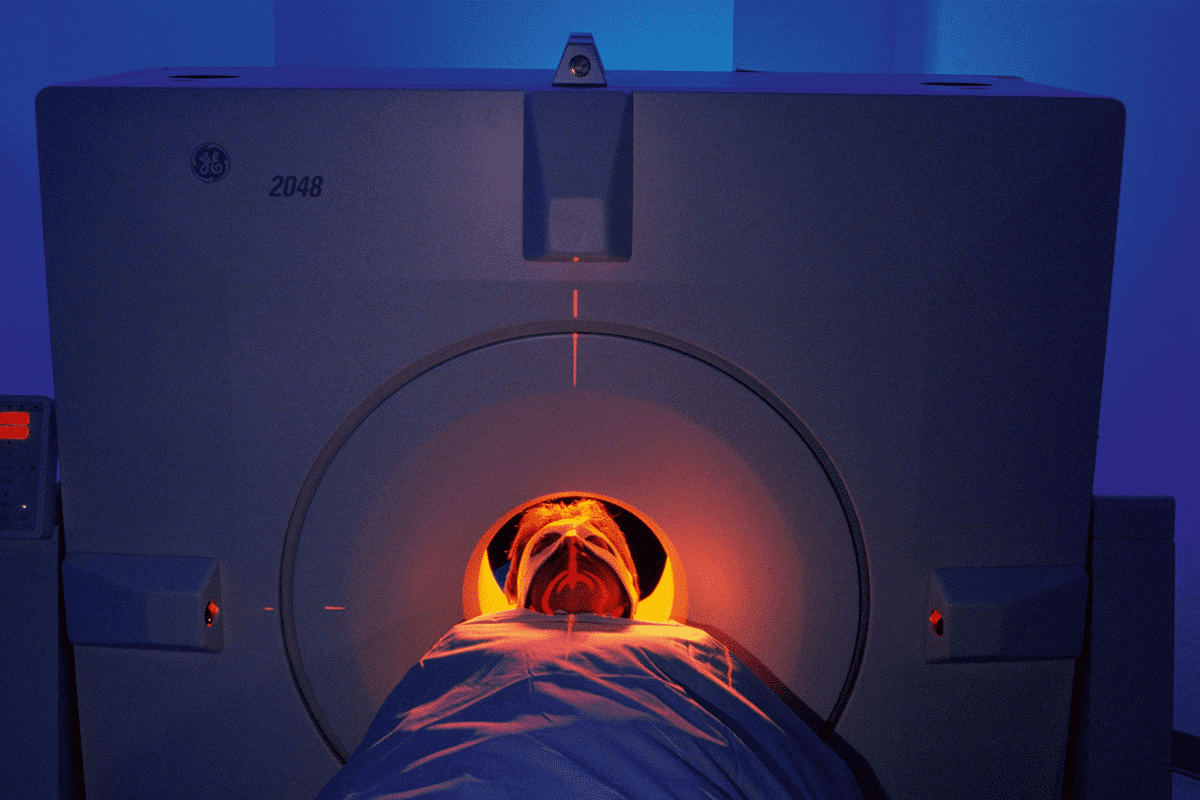
External beam radiation therapy (EBRT) is a common treatment for breast cancer. It uses beams from outside the body to hit the tumor. Thanks to new methods, EBRT can now target cancer cells better, harming less of the healthy tissue around it. New techniques like intensity-modulated radiation therapy (IMRT) and image-guided radiation therapy (IGRT) help control the radiation more accurately.
Brachytherapy and Targeted Radiation
Brachytherapy places a radioactive source inside or near the tumor. It delivers high doses of radiation right to the cancer cells, protecting nearby tissues. Targeted brachytherapy is showing great promise in treating early-stage breast cancer, with shorter treatment times than traditional methods. New methods like balloon brachytherapy and interstitial brachytherapy offer more options for patients.
Reducing Side Effects in Modern Radiation
One big improvement in radiation therapy is lessening side effects. Modern methods aim to be more precise, protecting healthy tissues from radiation. The deep inspiration breath-hold (DIBH) technique, for example, helps patients breathe deeply during treatment, reducing heart and lung exposure. Better imaging technologies also help see the tumor and surrounding areas more clearly, lowering side effect risks.
As radiation therapy keeps getting better, we’ll see even more new ways to fight breast cancer. The mix of new tech and techniques will likely lead to better results and a better life for patients during and after treatment.
Chemotherapy: Traditional and New Approaches
Chemotherapy is a key part of treating breast cancer. It’s getting better, with less side effects. It’s tough, but it’s a big part of fighting breast cancer.
When Chemotherapy Is Recommended
Doctors often suggest chemotherapy for breast cancer patients. This depends on the cancer’s size and spread. They also consider the patient’s health and wishes.
Chemotherapy plans are made just for each patient. Things like hormone receptors and genetic makeup help decide if it’s needed.
Neoadjuvant vs. Adjuvant Chemotherapy
Chemotherapy can be given before or after surgery. Neoadjuvant chemotherapy makes tumors smaller for easier removal. Adjuvant chemotherapy kills any cancer cells left behind.
Both methods have their advantages. The right choice depends on the patient’s cancer and health. Our team talks it over to find the best option.
Minimizing Chemotherapy Side Effects
Chemotherapy can have tough side effects. We use new treatments and support to lessen these. This includes targeted therapies and care for side effects.
New chemotherapy methods are more precise and effective. They harm healthy cells less. We also help with side effects like nausea and hair loss.
| Chemotherapy Approach | Description | Benefits |
|---|---|---|
| Neoadjuvant Chemotherapy | Administered before surgery to shrink tumors | Makes surgery easier, potentially less extensive |
| Adjuvant Chemotherapy | Given after surgery to eliminate remaining cancer cells | Reduces risk of cancer recurrence |
| Targeted Chemotherapy | Uses drugs that target specific cancer cell characteristics | More effective, fewer side effects |
Knowing about different chemotherapy methods helps us tailor treatment plans. We work together to find the best fit for each patient.
Hormone Therapy for Breast Cancer
Hormone therapy is key in treating hormone receptor-positive breast cancer. It stops cancer cells from getting the hormones they need to grow.
There are many hormone therapies for this type of cancer. Each one works differently to lower the chance of cancer coming back.
Selective Estrogen Receptor Modulators (SERMs)
SERMs block estrogen receptors on cancer cells. This stops estrogen from helping these cells grow. Tamoxifen is a well-known SERM used in treating hormone receptor-positive breast cancer.
Aromatase Inhibitors
Aromatase inhibitors lower estrogen levels in the body. They do this by stopping the enzyme aromatase from making estrogen. Letrozole and Anastrozole are common aromatase inhibitors used in breast cancer treatment.
Selective Estrogen Receptor Degraders (SERDs)
SERDs block and break down estrogen receptors. This makes it harder for estrogen to help cancer cells grow. Fulvestrant is a SERD used for advanced hormone receptor-positive breast cancer.
The right hormone therapy depends on many things. These include the patient’s menopausal status, cancer stage, and other health conditions.
| Hormone Therapy Type | Mechanism of Action | Examples |
|---|---|---|
| Selective Estrogen Receptor Modulators (SERMs) | Block estrogen receptors on cancer cells | Tamoxifen |
| Aromatase Inhibitors | Lower overall estrogen levels by inhibiting aromatase | Letrozole, Anastrozole |
| Selective Estrogen Receptor Degraders (SERDs) | Block and degrade estrogen receptors | Fulvestrant |
Advances in hormone therapy have greatly improved treatment for hormone receptor-positive breast cancer. Ongoing research aims to find even better hormone therapies. This offers hope for better patient care in the future.
Treatment Approaches for Different Breast Cancer Subtypes
Knowing the different types of breast cancer is key to finding the right treatment. New discoveries in molecular biology have led to better treatments for each type.
Breast cancer is not one disease but many, each with its own traits and treatment needs. The main types are hormone receptor-positive, HER2-positive, and triple-negative breast cancer.
Hormone Receptor-Positive Breast Cancer
This type makes up about 70-80% of breast cancer cases. It’s called hormone receptor-positive because it responds to hormones like estrogen and progesterone. Treatment often includes hormone therapy, which can be:
- Selective estrogen receptor modulators (SERMs) like tamoxifen
- Aromatase inhibitors that lower estrogen levels in the body
- Selective estrogen receptor degraders (SERDs) that degrade estrogen receptors
HER2-Positive Breast Cancer
HER2-positive breast cancer makes up about 20% of cases. It’s marked by too much HER2 protein or gene amplification. Treatment for this type often involves targeted therapies such as:
- Trastuzumab (Herceptin)
- Pertuzumab (Perjeta)
- Ado-trastuzumab emtansine (Kadcyla)
- Lapatinib (Tykerb)
These therapies have greatly improved outcomes for HER2-positive patients.
Triple-Negative Breast Cancer
Triple-negative breast cancer (TNBC) lacks receptors for estrogen, progesterone, and HER2. It makes up about 10-15% of cases and grows and spreads quickly. Treatment for TNBC usually involves chemotherapy, as it doesn’t respond to hormone or HER2 therapies. Researchers are working to find new treatments for TNBC.
In summary, the treatment for breast cancer depends on the type. Knowing the specific traits of each type is vital for effective treatment.
Is There a Cure for Breast Cancer? Current Perspectives
Research on breast cancer is moving forward, making a cure seem possible for many. There’s no single cure yet, but survival rates have gotten better. New treatments are helping patients live longer, and scientists are working on even better options.
Defining “Cure” in the Context of Breast Cancer
The idea of a “cure” for breast cancer is complex. In cancer, a cure means the disease is gone for good. But breast cancer has many types, each with its own outlook.
“The term ‘cure’ is often misunderstood; it’s more about achieving long-term survival and quality of life.” This shows how important it is to know what treatment aims to achieve.
Long-term Survival Rates and Remission
Survival rates for breast cancer have jumped up a lot. This is thanks to better detection and treatment. When the disease is no longer found, it’s called remission, a big win in treatment.
- Early-stage breast cancer is more likely to be treated successfully and for a long time.
- New treatments like chemotherapy, hormone therapy, and targeted therapy have helped a lot.
- Research into new therapies and combinations is aiming to keep improving survival rates.
Factors Affecting Curability
Many things can change how likely a cure is for breast cancer. These include the cancer’s stage, type, and the patient’s health. Knowing these helps doctors plan better treatments.
“The curability of breast cancer depends on various factors, including the stage, subtype, and overall health of the patient.” This highlights the need for treatments tailored to each person.
By looking at these factors and using the latest treatments, we can boost the chance of a cure for breast cancer. The progress so far is encouraging, and there’s more to come.
Advanced and Metastatic Breast Cancer Treatment
New treatments have changed how we fight advanced and metastatic breast cancer. Now, we have more ways to help patients live longer and better.
Managing Metastatic Disease
Dealing with metastatic breast cancer needs a team effort. We create plans that fit each patient’s life and needs. Treatments like chemotherapy, hormone therapy, and targeted therapy help control the disease and ease symptoms.
Systemic Therapy Options:
- Chemotherapy: Treats many types of breast cancer, including triple-negative and metastatic.
- Hormone Therapy: Works for hormone receptor-positive breast cancer, lowering the chance of it coming back.
- Targeted Therapy: Attacks cancer cells with specific traits, like HER2 proteins, to slow or stop growth.
Palliative Care Approaches
Palliative care is key for advanced and metastatic breast cancer. It aims to ease symptoms and stress, improving life quality for patients and their families. Palliative care teams work with oncologists to meet physical, emotional, and social needs.
Palliative care interventions may include:
- Pain management
- Symptom control
- Emotional and psychological support
- Spiritual care
- Support for patients and their families
Extending Survival and Quality of Life
We focus on making patients live longer and better. Advances in palliative care and systemic therapy have greatly improved outcomes. We keep looking for new ways to care for patients and join clinical trials to do better.
Key Strategies:
- Personalized treatment planning
- Multidisciplinary care teams
- Access to the latest therapies and clinical trials
- Comprehensive supportive care
By using these strategies, we offer full care for patients with advanced and metastatic breast cancer.
Breakthrough Treatments and Clinical Trials
The future of breast cancer treatment is looking bright. New research and clinical trials are changing how we treat the disease. Now, we focus more on personalized medicine and targeted therapies.
Targeting PIK3CA Mutations
One exciting area is targeting PIK3CA mutations. This gene, when mutated, can lead to cancer. Targeted therapies that block this gene’s activity are showing promise in trials.
These therapies aim to slow cancer growth while protecting healthy cells. This is a big step forward, helping those with tumors carrying this mutation.
Novel Combination Therapies
Researchers are also working on new combination therapies. They mix treatments like chemotherapy, targeted therapy, and immunotherapy. This mix aims to make treatments more effective and fight resistance.
For example, pairing a targeted therapy with chemotherapy can be more effective. These combinations are being tested in trials, hoping to improve patient results.
Immunotherapy Advancements
Immunotherapy is another promising area. It uses the immune system to fight cancer. Researchers are looking into different ways to boost the immune system’s cancer-fighting abilities.
To learn more about these treatments, including immunotherapy, visit Liv Hospital’s page on new cancer treatments. This site offers updates on the latest therapies and how they’re helping patients.
How to Find Clinical Trials
Clinical trials are key to improving breast cancer treatment. Patients can talk to their doctors about joining trials. Online resources and patient advocacy sites also list trials and who can join.
Joining trials gives patients access to new treatments and helps research progress. We suggest patients look into these options and talk to their healthcare team.
Conclusion: The Future of Breast Cancer Treatment
The future of breast cancer treatment looks bright. Breast cancer research is ongoing, leading to new treatments. Studies with 2,169 women with DCIS and 185 with LCIS show new therapies are coming.
These studies have a median follow-up of 11 years. They found that high-grade DCIS made up 63% of cases. Most cases were oestrogen-receptor positive. Treatment options like surgery and radiotherapy varied.
PRS313, a new risk score, will help find high-risk patients. This could lead to better treatments for them. We’re moving towards more personalized care, which could include longer screening for high-risk patients.
FAQ
What are the common types of breast cancer and how are they treated?
There are several types of breast cancer, like hormone receptor-positive, HER2-positive, and triple-negative. Treatment varies by type. Hormone receptor-positive cancer often gets hormone therapy. HER2-positive gets targeted therapies. Triple-negative is usually treated with chemotherapy.
What are the different stages of breast cancer and how do they impact treatment?
Breast cancer is staged based on tumor size, lymph node involvement, and if it has spread. This helps plan treatment. Early-stage cancer might get surgery and adjuvant therapy. Advanced cancer gets systemic therapy and palliative care.
What are the standard treatment approaches for breast cancer?
Treatments for breast cancer include surgery, radiotherapy, chemotherapy, and hormone therapy. The choice depends on the cancer’s stage and type, and the patient’s needs.
How is hormone receptor-positive breast cancer treated?
Hormone receptor-positive cancer is treated with hormone therapy. This includes SERMs, aromatase inhibitors, and SERDs. These treatments aim to block estrogen’s growth-promoting effects on cancer cells.
What are the surgical options for breast cancer?
Surgical options include lumpectomy, mastectomy, and reconstructive surgery. The choice depends on the tumor’s size and location, and the patient’s preferences.
How is radiation therapy used in breast cancer treatment?
Radiation therapy kills cancer cells and lowers recurrence risk. It includes external beam radiation and brachytherapy. The choice depends on the cancer’s stage and type.
What is the role of chemotherapy in breast cancer treatment?
Chemotherapy kills cancer cells. Neoadjuvant chemotherapy shrinks tumors before surgery. Adjuvant chemotherapy lowers recurrence risk after surgery.
Is there a cure for breast cancer?
While progress has been made, finding a “cure” is complex. Outcomes depend on the cancer’s stage, type, and individual factors.
How is advanced and metastatic breast cancer treated?
Advanced and metastatic cancer is treated with systemic therapy. This includes chemotherapy, hormone therapy, and targeted therapies. Palliative care aims to improve quality of life.
What are the emerging therapies for breast cancer?
New therapies include targeted therapies, immunotherapy, and combination therapies. These are being tested in clinical trials, giving hope for advanced or refractory cancer.
How can I find clinical trials for breast cancer treatment?
Clinical trials can be found online at ClinicalTrials.gov or through advocacy organizations. Patients should also ask their healthcare provider about trials.
What is the importance of multidisciplinary treatment teams in breast cancer care?
Multidisciplinary teams are key in breast cancer care. They include surgeons, oncologists, and other professionals. These teams create personalized plans, ensuring complete care for patients.
References
- Labiotech. (n.d.). The future of breast cancer treatment: 5 promising approaches. Retrieved from https://www.labiotech.eu/in-depth/future-breast-cancer-treatment/ Labiotech.eu
- Institute of Cancer Research. (2025). ASCO 2025: New therapy improves survival in advanced breast cancer and delays need for chemotherapy. Retrieved from https://www.icr.ac.uk/about-us/icr-news/detail/asco-2025–new-therapy-improves-survival-in-advanced-breast-cancer-and-delays-need-for-chemotherapy
- Living Beyond Breast Cancer. (2025). New breast cancer drugs and treatment combinations show promise across subtypes at ASCO 2025. Retrieved from https://www.lbbc.org/news/new-breast-cancer-drugs-and-treatment-combinations-show-promise-across-subtypes-asco-2025
- Penn Medicine. (2025, September 2). Pioneering strategy may keep breast cancer from coming back. Retrieved from https://www.pennmedicine.org/news/pioneering-strategy-may-keep-breast-cancer-from-coming-back Penn Medicine
- Susan G. Komen®. (n.d.). What’s New in Breast Cancer. Retrieved from https://www.komen.org/breast-cancer/whats-new-in-breast-cancer