Last Updated on November 18, 2025 by Ugurkan Demir
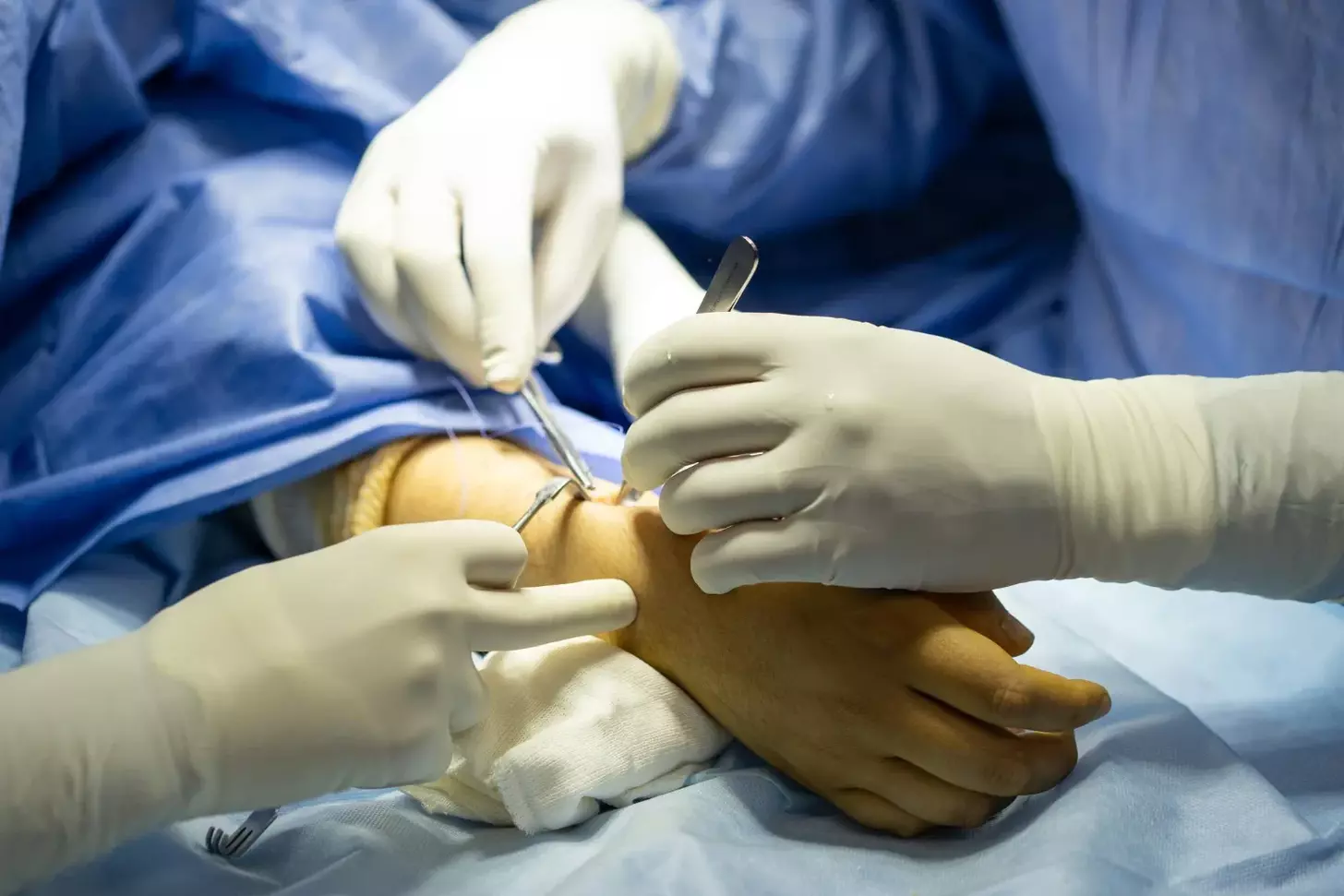
Choosing carpal tunnel release surgery is a big step for those with wrist pain and numbness. At Liv Hospital, we focus on patient care and top-notch surgery to get the best results.
This surgery is done as an outpatient. It takes only 10–20 minutes and is done under local anesthesia. Our team will explain everything to you, so you know what to expect.
We know you might have questions about the surgery and recovery. Our aim is to support you fully during your treatment.
Key Takeaways
- Carpal tunnel release surgery is a common operation to relieve median nerve compression.
- The procedure is typically performed under local anesthesia and takes 10-20 minutes.
- Liv Hospital provides patient-centered care and world-class surgical expertise.
- Recovery expectations will be explained by our medical team to help you prepare.
- Our goal is to provide complete support throughout your treatment journey.
Understanding Carpal Tunnel Syndrome and When Surgery Is Necessary
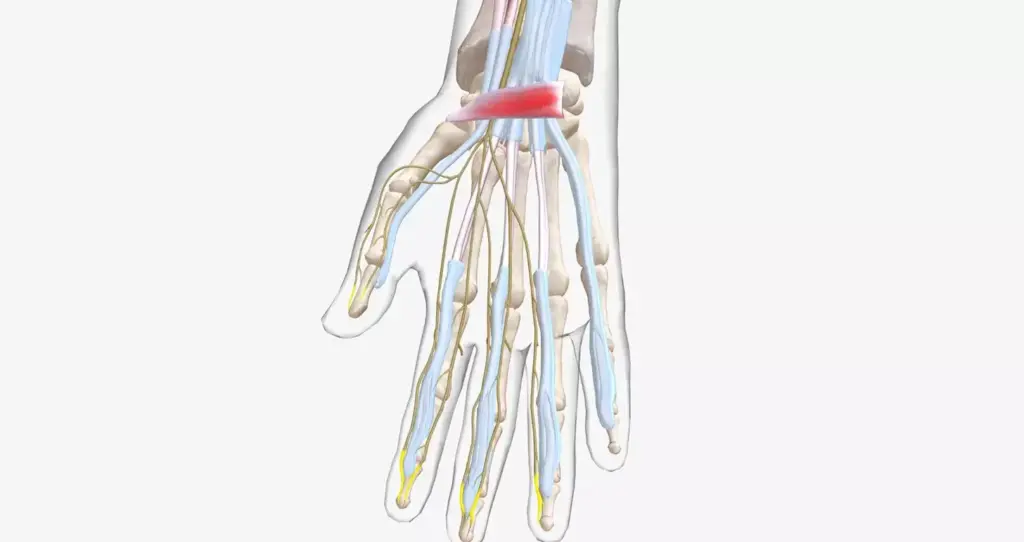
It’s important to know about carpal tunnel syndrome to choose the right treatment. This condition happens when the median nerve in the wrist gets compressed. This can cause numbness, tingling, and other symptoms in the hand.
What Causes Carpal Tunnel Syndrome
Many things can lead to carpal tunnel syndrome. Repetitive motion is a big cause, as it can swell the carpal tunnel and press on the nerve. Other reasons include wrist anatomy and health factors like diabetes or rheumatoid arthritis.
Using vibrating tools or staying in one position for too long can also make it worse. Knowing what causes it helps in preventing and treating it.
Conservative Treatment Options
At first, doctors try to ease the pressure on the median nerve with non-surgical methods. Wrist splints help keep the wrist straight. Physical therapy strengthens the wrist and hand.
Changing your lifestyle and taking medication like anti-inflammatory drugs are also options. These can help with mild to moderate cases.
Indications for Surgical Intervention
If these treatments don’t work, or if the condition is severe, surgery might be needed. Surgery cuts the ligament that presses on the nerve. It’s considered when symptoms are bad and don’t get better.
Surgery is also an option if there’s nerve damage or if the hand gets weak. Knowing when surgery is needed helps patients make the best choice for their care.
Types of Carpal Tunnel Syndrome Surgery

Surgeries for carpal tunnel syndrome include open and endoscopic releases. Both aim to ease pressure on the median nerve by cutting the carpal ligament. The choice depends on the condition’s severity, patient preference, and the surgeon’s advice.
Open Carpal Tunnel Release
Open carpal tunnel release uses a bigger cut in the wrist. This lets the surgeon see and cut the carpal ligament clearly. It ensures the median nerve is fully released.
Endoscopic Carpal Tunnel Release
Endoscopic carpal tunnel release uses smaller cuts and a camera. It might cause less pain and quicker healing than open surgery. But, talking to a doctor is key to decide the best option.
Both open and endoscopic carpal tunnel release work well. Choosing one depends on your symptoms and health. Always talk to a healthcare expert before deciding.
Preparing for Your Carpal Tunnel Release Surgery
Getting ready for carpal tunnel surgery is key to a smooth process. Being well-prepared can help reduce anxiety and make recovery easier.
Medical Evaluation and Testing
We need a detailed medical check-up before surgery. This includes blood tests and nerve studies. Our team will use these results to plan your surgery.
Medication Adjustments
Some medicines can impact your surgery. Tell us about all your medications. We might ask you to stop or change some before surgery.
Day-of-Surgery Instructions
We’ll give you clear instructions for the surgery day. It’s important to follow these closely. Arrive on time and bring a friend or family member.
What to Bring to the Surgery Center
Bring ID, insurance cards, and a list of your medicines. Wear comfy clothes that let you easily access your wrist. We’ll give you all the details you need.
How Carpal Tunnel Syndrome Surgery Is Performed
Carpal tunnel release surgery cuts the transverse carpal ligament to relieve pressure on the median nerve. This is done when other treatments don’t work.
Anesthesia Options
We talk about anesthesia with our patients before surgery. The surgery is usually done under local anesthesia. This numbs the wrist area, keeping patients awake and comfortable.
In some cases, we might use sedation to help patients relax further.
The CTR Procedure Step-by-Step
The carpal tunnel release procedure has several steps:
- An incision is made in the palm, about 2-3 inches long.
- The skin and tissues are gently moved aside to show the transverse carpal ligament.
- The ligament is then cut to relieve pressure on the median nerve.
- After cutting the ligament, the incision is closed with sutures.
Duration of the Operation
The surgery is quick, taking 10-20 minutes. But, the total time at the surgery center is longer. This includes getting ready and recovering.
Knowing the details of the procedure can help ease worries. Our team is here to support you every step of the way.
Open Carpal Tunnel Release vs. Endoscopic Techniques
Choosing between open and endoscopic carpal tunnel release is important. It depends on the patient’s body and the surgeon’s skills. Both methods have their good points and not-so-good points.
Comparing Surgical Approaches
Open carpal tunnel release makes a small cut in the palm. This lets the surgeon ease pressure on the median nerve. Endoscopic carpal tunnel release, on the other hand, uses a tiny cut and a camera. This way, the surgeon can see inside without messing up the area too much.
Key differences between the two techniques include:
- The size and location of the incision
- The use of endoscopic visualization
- The extent of tissue disruption
- The recovery time and post-operative pain
Benefits and Drawbacks of Each Method
Open carpal tunnel release is simple and lets the surgeon see the nerve directly. But, it might take longer to heal because of the bigger cut. Endoscopic carpal tunnel release has a smaller cut and might heal faster. But, it needs special tools and training.
A top doctor said,
“The choice between open and endoscopic carpal tunnel release depends on the surgeon’s experience and the patient’s specific condition.”
This shows how important it is to tailor treatment to each person for the best results.
How Surgeons Choose the Appropriate Technique
Surgeons look at many things when picking between open and endoscopic carpal tunnel release. They think about how bad the patient’s condition is, the body’s shape, and their own skill with each method. By looking at these things, surgeons pick the best way to help each patient.
“Both open and endoscopic techniques are generally safe and highly effective,” says a lot about the need to know the details of each method.
Immediate Post-Operative Experience
After carpal tunnel release surgery, patients are watched closely in the recovery room. This ensures a smooth start to their recovery.
Recovery Room Monitoring
In the recovery room, we keep an eye on patients for a while. We check for any immediate problems and manage pain well. This helps us fix any issues quickly and make sure the patient is okay before they go home.
Pain Management Strategies
Pain management is key in the recovery phase. We use medicines and other methods to reduce pain. Patients get pain relief medicine to help with any discomfort after surgery.
Initial Wound Care and Dressing
Good wound care is vital for healing and avoiding infection. The surgical area is covered with a special dressing. We teach patients how to keep their wound clean and dry.
Discharge Instructions
Before leaving, patients get clear instructions on care. This includes pain management, wound care, and when to come back for follow-ups. We stress the importance of following these steps for a smooth recovery.
Knowing what to expect right after surgery helps patients prepare for a comfortable recovery. Our team is dedicated to giving full care and support during this time.
Recovery From Carpal Tunnel Syndrome Surgery
Recovering from carpal tunnel surgery takes time and involves several steps. Most people feel better from nighttime pain and tingling right away. It takes about 2–3 months for grip strength to fully improve.
Week 1: Managing Pain and Swelling
The first week is key for handling pain and swelling. Keep your hand up to reduce swelling and use ice packs for pain. Medication and rest help manage pain.
Effective pain management strategies include:
- Using prescribed pain medication as directed
- Applying ice packs to the affected area
- Keeping the hand elevated above heart level
Weeks 2-4: Increasing Hand Function
Once pain and swelling go down, you can start to use your hand more. Gentle exercises help improve flexibility and strength. We recommend a rehabilitation program that fits your needs.
Gentle exercises during this period may include:
- Finger bending and straightening
- Wrist extensions
- Forearm stretches
Months 1-3: Rehabilitation and Strengthening
In the first three months, exercises get more challenging. The aim is to get your hand fully functional and strong again. We guide you to do the right exercises.
Return to Work and Daily Activities Timeline
When you can go back to work and daily activities depends on your job and how fast you recover. Usually, people can do light tasks in a few weeks. It takes 2-3 months to do everything again.
| Activity | Expected Return Timeline |
|---|---|
| Light duties (e.g., desk work) | 1-3 weeks |
| Moderate manual work | 3-6 weeks |
| Heavy manual labor | 6-12 weeks |
Potential Risks and Complications
Carpal tunnel release surgery is usually safe. But, there are risks and complications to know about. It’s important to understand these to make the best choice for your treatment.
Common Side Effects
Most people have some side effects after surgery. These can include:
- Pain and discomfort at the surgical site
- Swelling and bruising in the hand or wrist
- Numbness or tingling sensations
- Stiffness in the hand or wrist
These side effects are usually mild and go away in a few weeks. Following our post-operative care instructions can help.
Serious Complications
Though rare, serious complications can happen. These may include:
- Nerve damage, potentially leading to persistent numbness or weakness
- Infection, which may require additional treatment
- Complex regional pain syndrome, a condition characterized by chronic pain
- Recurrence of carpal tunnel syndrome symptoms
Knowing about these complications is key. We’ll guide you to reduce these risks.
Long-Term Considerations
Most people fully recover from surgery. But, some may face long-term effects. These can include:
- Persistent scar tenderness
- Slight changes in hand or wrist function
We’ll talk about these long-term effects with you. This ensures you’re ready for recovery.
We focus on patient safety at our institution. We take all steps to reduce surgery risks. Knowing the risks helps you make a good choice and prepares you for recovery.
Success Rates and Outcomes of Carpal Tunnel Surgery
Carpal tunnel release surgery has a success rate of over 90%. We’ll look at how well symptoms get better, what affects success, and how often symptoms come back. This will give you a clear idea of what to expect.
Symptom Resolution Statistics
Most patients see a big improvement in their symptoms after surgery. Over 90% of patients say they feel better. A study by Sonex Health found this to be true.
Factors Affecting Surgical Success
Several things can affect how well surgery works. These include how bad the condition was before surgery, any health problems, and the surgery method. Getting treatment early can help avoid more nerve damage.
Recurrence Rates
Even though surgery works well, symptoms can come back. Studies say this happens to some, but not many. How the surgery is done and aftercare can affect this.
Patient Satisfaction Data
Most patients are very happy with the results of their surgery. They say they feel better and can use their hands more easily. Surveys show many are pleased with the surgery’s benefits.
Conclusion: What to Expect After Carpal Tunnel Surgery
After carpal tunnel release surgery, most people feel a lot better. We’ve talked about the surgery, how to prepare, and what to expect during recovery.
Knowing what happens after surgery is key for a good recovery. Most people see a big improvement in their symptoms and life quality. The recovery includes managing pain, swelling, and getting back to normal activities.
The recovery from carpal tunnel surgery takes time and can vary for everyone. But, with the right care and rehab, most people have good results. We’re here to support you every step of the way, making sure you get the best care.
FAQ
What is carpal tunnel syndrome surgery?
Carpal tunnel syndrome surgery, also known as carpal tunnel release, is a procedure. It’s designed to relieve pressure on the median nerve in the wrist. This helps to alleviate symptoms like numbness, tingling, pain, and weakness in the hand.
How is carpal tunnel release surgery performed?
The surgery is done under local anesthesia. It involves either an open or endoscopic technique. The goal is to release the carpal ligament and relieve pressure on the median nerve.
What are the types of carpal tunnel release surgery?
There are two main types. Open carpal tunnel release uses a larger incision. Endoscopic carpal tunnel release is less invasive, using one or two smaller incisions and a camera.
Is carpal tunnel surgery painful?
The surgery itself is done under anesthesia to minimize discomfort. After the surgery, pain is managed with medication and rest.
What is the recovery time after carpal tunnel release surgery?
Recovery time varies. Most patients can manage pain and swelling within the first week. Hand function improves over the next weeks. Full recovery and return to normal activities can take several months.
What are the risks and complications of carpal tunnel surgery?
Common side effects include pain and swelling. More serious complications, though rare, can include nerve damage or infection.
How successful is carpal tunnel release surgery?
The surgery has a high success rate. Most patients experience significant relief from symptoms. Success can depend on the severity of the condition and overall health.
Can carpal tunnel syndrome recur after surgery?
While the surgery is generally effective, recurrence is possible. Understanding factors that contribute to recurrence can help in managing and potentially preventing it.
What should I expect immediately after carpal tunnel surgery?
After surgery, patients are monitored in the recovery room. Instructions are provided for post-operative care, including pain management, wound care, and follow-up appointments.
How do I prepare for carpal tunnel release surgery?
Preparation includes a thorough medical evaluation and adjusting medications as necessary. Follow specific instructions for the day of surgery, including arrival time and necessary documents.
What is the difference between open and endoscopic carpal tunnel release?
Open carpal tunnel release involves a larger incision to directly visualize the carpal ligament. Endoscopic carpal tunnel release uses smaller incisions and a camera. This potentially leads to less tissue damage and quicker recovery.