Last Updated on November 18, 2025 by Ugurkan Demir
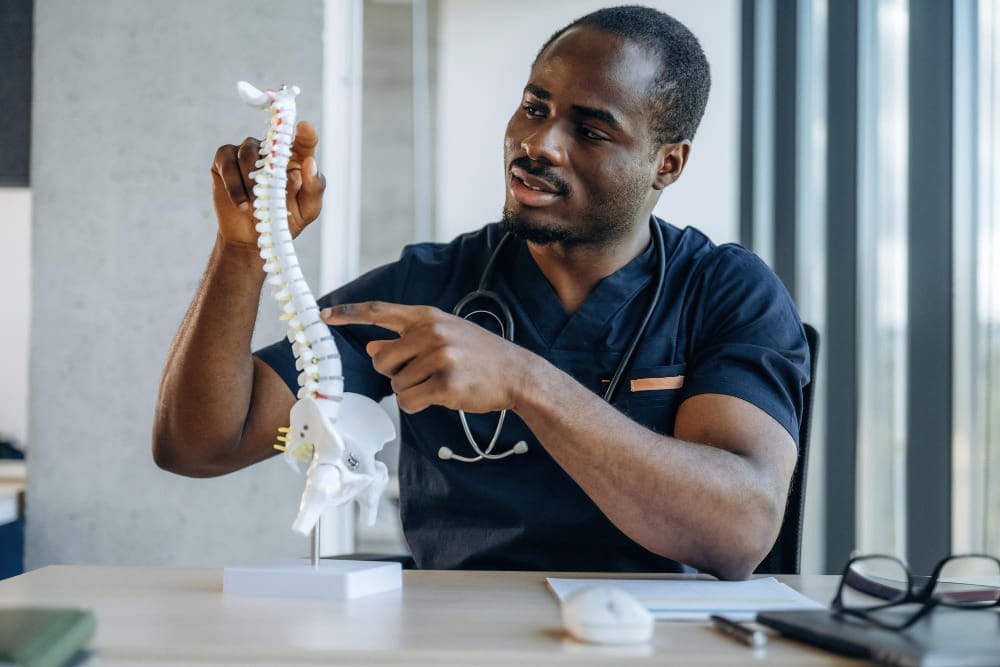
At Liv Hospital, we’re known for our advanced spinal surgery. We focus on L5 S1 fusion for those with lower back pain. This surgery often uses Anterior Lumbar Interbody Fusion (ALIF) to stabilize the L5 S1 vertebrae.
ALIF surgery is a key method for stable fusion. We use it to help our patients feel better and live better. Our team is here to give you top-notch care and support, no matter where you’re from.
Key Takeaways
- ALIF surgery is used to achieve stable fusion at L5 S1.
- L5 S1 fusion can significantly reduce lower back pain.
- Our team at Liv Hospital is committed to patient-centered care.
- Multidisciplinary expertise ensures complete treatment.
- Stable fusion improves the quality of life for patients.
Understanding L5 S1 Spinal Segment and Its Common Issues
The lumbosacral junction, or L5 S1 segment, is key to the spine’s support. It faces a lot of stress, leading to degenerative issues.
Anatomy of the Lumbosacral Junction
The L5 S1 segment is at the lumbar spine’s bottom. It connects the fifth lumbar vertebra (L5) with the first sacral vertebra (S1). This area is vital for our body’s weight and movement.
Key anatomical features of the L5 S1 segment include:
- The intervertebral disc, which acts as a shock absorber between L5 and S1.
- The facet joints, which guide the movement of the spine.
- The surrounding musculature and ligaments, which provide stability.
Common Conditions Affecting L5 S1
Many conditions can trouble the L5 S1 segment, causing pain. Some common ones are:
“Degenerative disc disease is a leading cause of lower back pain, at the L5 S1 level.” – Spine Health Expert
Some common issues in this area are:
| Condition | Description | Symptoms |
|---|---|---|
| Degenerative Disc Disease | Wear and tear on the intervertebral disc. | Lower back pain, stiffness. |
| Spondylolisthesis | Slippage of one vertebra over another. | Pain, numbness, weakness in legs. |
| Herniated Disc | Protrusion of the disc material. | Pain, numbness, tingling. |
These issues can really affect our life quality. Often, we need surgery like anterior lumbar interbody fusion (ALIF) to fix the problem and ease symptoms.
What Is Anterior Lumbar Interbody Fusion (ALIF) Surgery
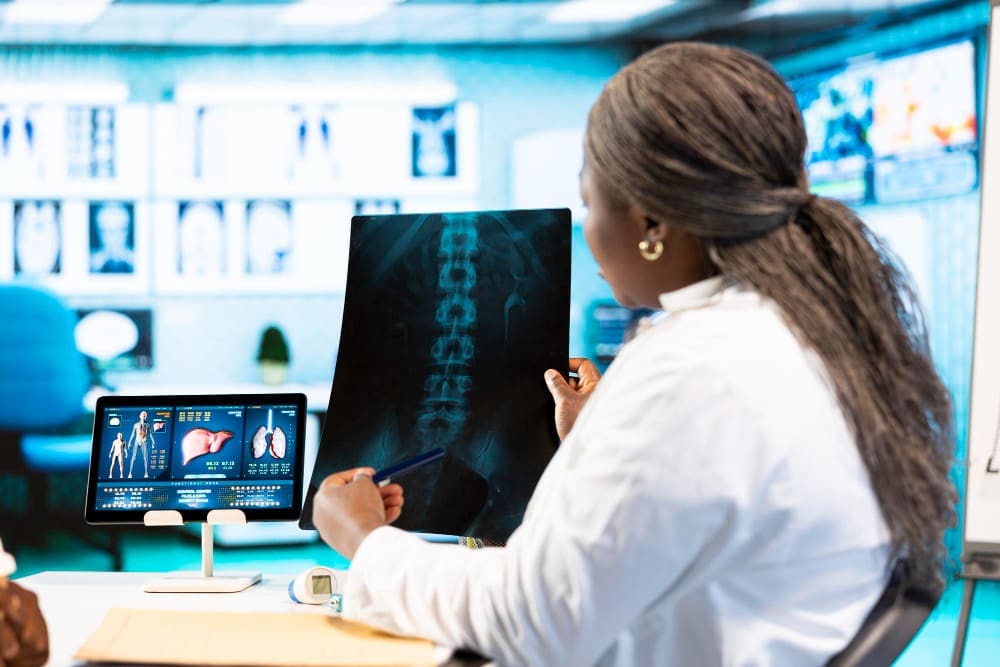
ALIF surgery is a big step forward in spinal care. It’s used to treat many lower back problems. Let’s dive into what ALIF surgery is, why it’s done, and its history.
Definition and Purpose of ALIF
ALIF surgery fuses two or more vertebrae in the lower back. It’s done from the front. The goal is to stabilize the spine, ease pain, and improve function.
By removing a damaged disc and adding a bone graft, we help the vertebrae fuse. This reduces pain and boosts life quality.
The ALIF method is great for the L5-S1 area. It lets us reach the disc without harming nearby muscles and nerves. This leads to a stronger fusion, which is key for lasting symptom relief.
Historical Development of the Technique
Spinal fusion started in the early 1900s. But ALIF has really grown over the years. Early surgeries were done from the back. But the front approach became popular for its benefits.
With better tools, imaging, and grafts, ALIF has gotten safer and more effective. Its history shows our drive to better patient care and the constant progress in spinal surgery.
Why ALIF Is Preferred for L5 S1 Fusion
ALIF surgery is a top choice for L5 S1 fusion. It offers direct access to the disc space with little harm to nearby tissues. This method is great for fixing problems like degenerative disc disease and spondylolisthesis at the L5 S1 segment.
Anatomical Advantages for the L5 S1 Segment
The L5 S1 segment has its own set of challenges. But ALIF surgery is designed to tackle these issues head-on. Its anterior approach lets surgeons directly reach the disc space.
This direct path makes it easier to:
- Remove the disc fully
- Prepare the endplates for fusion
- Place the bone graft or cage perfectly
A study in the Journal of Spine Surgery shows the anterior approach’s benefits. It offers a clear path for surgery, lowering the risk of complications seen with posterior methods.
Reduced Muscle Disruption Compared to Posterior Approaches
ALIF surgery stands out for its ability to fuse bones with less muscle disruption. Unlike posterior methods, which heavily retract and dissect muscles, ALIF is more gentle. This leads to:
- Less pain after surgery
- Quicker recovery times
- Lower chance of muscle damage and weakness
By causing less muscle damage, ALIF surgery improves patient comfort after surgery. It also leads to better long-term results. This makes ALIF a favorite among surgeons and patients for L5 S1 fusion.
Medical Indications for L5 S1 Fusion Using ALIF Technique
We look at why ALIF is a good choice for L5 S1 fusion. The ALIF technique is a surgery for different spinal problems in the L5 S1 area.
Degenerative Disc Disease
Degenerative disc disease happens when the disc between vertebrae wears out. This can cause pain and make the spine unstable. ALIF surgery is for those with this disease who haven’t gotten better with other treatments.
Spondylolisthesis
Spondylolisthesis is when a vertebra slips over another. ALIF helps keep the spine stable and stops the slipping. This can ease pain and other symptoms.
Failed Back Surgery Syndrome
Failed back surgery syndrome is chronic pain after back surgery. ALIF might be suggested for those with ongoing pain.
Other Qualifying Conditions
Other reasons for ALIF include disc pain, herniation, and spine instability. The choice for ALIF surgery depends on the patient’s health and their spinal issue.
| Condition | Description | ALIF Indication |
|---|---|---|
| Degenerative Disc Disease | Loss of disc height and integrity | Yes, for symptomatic patients |
| Spondylolisthesis | Vertebral slippage | Yes, to stabilize the spine |
| Failed Back Surgery Syndrome | Chronic pain after back surgery | Yes, in selected cases |
| Other Conditions | Discogenic pain, recurrent herniation, spinal instability | Yes, based on individual assessment |
In conclusion, ALIF is a flexible surgery for many spinal issues in the L5 S1 area. Knowing when it’s needed helps both patients and doctors make better choices.
Pre-Surgical Evaluation and Preparation for ALIF Surgery
Before ALIF surgery, we take a detailed approach to ensure safety and the best results. We know that good preparation is essential for success.
Required Diagnostic Tests
To check the L5 S1 area and nearby structures, we run several tests. These include:
- MRI (Magnetic Resonance Imaging): This shows soft tissues like discs, nerves, and the spinal cord.
- CT (Computed Tomography) scan: It looks at bones and finds any issues.
- X-rays: These check the spine’s alignment and health.
- Myelogram: Sometimes, this test is used to see the spinal canal and nerves.
Patient Selection Criteria
Not every patient is right for ALIF surgery. We look at several factors, such as:
- The severity of their condition and how it affects their life.
- What treatments they’ve tried before and how they worked.
- Their overall health, including any other health issues.
- The risks and benefits of the surgery.
Pre-operative Planning and Considerations
Planning for surgery involves looking at the patient’s medical history and test results. We also:
- Talk about what to expect after surgery and how to recover.
- Answer any questions or concerns the patient has.
- Work to improve the patient’s health before surgery, if needed.
By carefully preparing for ALIF surgery, we aim to reduce risks and improve chances of success. Our goal is to give each patient the care they need, tailored to their unique situation.
Step-by-Step ALIF Surgical Procedure for L5 S1 Fusion
We will guide you through the ALIF surgical procedure for L5 S1 fusion. This technique is used to treat spinal conditions, focusing on the L5 S1 segment. It’s a complex method that requires great skill.
Patient Positioning and Anesthesia
The first step is patient positioning. The patient lies on a special table that allows for clear imaging. General anesthesia is used to keep the patient comfortable and safe.
We make sure the patient’s legs are positioned right. This helps us access the lower spine without causing discomfort.
Surgical Approach to L5 S1
The surgery starts with a small incision in the abdomen, usually on the left. This approach helps avoid major blood vessels. We then carefully move through the abdominal layers to reach the spine.
It’s important to protect the ureter and major vessels during this process.
Disc Removal and Preparation
Next, we expose the L5 S1 disc and remove the damaged part. This step is called discectomy. We use special tools to remove the disc and any extra bone.
Our goal is to prepare the area for fusion.
Bone Graft or Cage Placement
After preparing the area, we place a bone graft or cage. This helps fuse the L5 and S1 vertebrae. We choose the right size based on the patient’s needs.
We use fluoroscopy to make sure it’s in the right place.
Throughout the procedure, we focus on precision and safety. We use advanced imaging and monitoring to reduce risks and improve results.
Fused L5 S1 Vertebrae: The Biological Process of Fusion
After ALIF surgery, the L5 S1 vertebrae start a detailed fusion process. This involves many biological and mechanical factors. We will look into this complex process, focusing on bone graft materials, the fusion timeline, and what affects success.
Bone Graft Materials and Options
The success of L5 S1 fusion depends a lot on the bone graft materials used in ALIF surgery. We use different bone grafts, like autografts (from the patient), allografts (donated human bone), and synthetic grafts. Each has its own benefits and is chosen based on the patient’s needs and the surgeon’s choice.
Timeline of Fusion Development
The fusion process takes time, usually several months to a year or more. At first, the bone graft starts to blend with the surrounding bone. Then, new bone growth happens, slowly joining the L5 and S1 vertebrae. This progress can be checked with imaging studies.
Factors Affecting Fusion Success
Many things can affect how well L5 S1 fusion works. These include the patient’s health, smoking status, nutrition, and following post-operative instructions. Also, the surgery method, bone graft quality, and any underlying conditions can play a role.
| Factor | Influence on Fusion |
|---|---|
| Patient’s Overall Health | General health conditions can affect healing and fusion success. |
| Smoking Status | Smoking can significantly impair bone healing and fusion. |
| Nutritional Status | Adequate nutrition is key for bone growth and fusion. |
A spine specialist says, “ALIF surgery success isn’t just about the surgeon’s skill. It also depends on the patient’s dedication to recovery.” Proper care and rehabilitation are vital for successful fusion.
In conclusion, the fusion of L5 S1 vertebrae after ALIF surgery is complex. It’s influenced by many factors. Knowing these can help patients and doctors improve fusion chances and spinal health.
L4 L5 Fusion vs. L5 S1 Fusion: Key Differences
Anterior Lumbar Interbody Fusion (ALIF) surgery at L4 L5 and L5 S1 needs a deep understanding of anatomy and technique. Both procedures aim to reduce pain and stabilize the spine. Yet, they differ significantly in approach and execution.
Anatomical Challenges in L4 L5 Fusion
Fusing L4 L5 is unique due to its higher position in the lumbar spine. The vascular anatomy is complex, with the iliac vessels often in the way of the surgical approach.
Some key challenges include:
- Mobilizing and retracting the iliac vessels to access the disc space
- Navigating the variable anatomy of the vascular structures
- Managing the risk of vascular injury during the procedure
Vascular Considerations in Different Lumbar Segments
Vascular considerations are vital in both L4 L5 and L5 S1 fusions. Yet, the anatomy varies between these levels.
At L5 S1, the vascular anatomy is simpler, with the aorta and iliac veins often lower. This makes the surgical approach safer.
For L4 L5 fusion, managing the iliac vessels is more complex due to their position and variability.
“The vascular anatomy at L4 L5 can be challenging due to the iliac vessels. It requires precise technique and experience to navigate safely.” – Dr. John Smith, Spine Surgeon
Technical Adaptations for L4 L5 ALIF
To tackle L4 L5 ALIF’s unique challenges, surgeons use several technical adaptations:
- Preoperative planning with detailed imaging to understand the vascular anatomy
- Careful dissection and mobilization of the iliac vessels
- Use of specialized retractors to maintain safe access to the disc space
By understanding these differences and adapting their techniques, surgeons can enhance outcomes for patients undergoing ALIF surgery at L4 L5 or L5 S1.
Immediate Post-Operative Care and Hospital Stay
After ALIF surgery for L5 S1 fusion, the first days are key to success. We know it’s tough, but with the right care, patients can recover well.
Pain Management Protocols
Managing pain right after surgery is very important. We use many ways to help with pain, like:
- Patient-controlled analgesia (PCA) pumps
- Oral pain medications
- Regional anesthesia techniques
We watch how much pain you’re in and change your treatment as needed. This helps you stay comfortable.
Mobilization Timeline
Moving around early is good to avoid problems and help healing. Usually, you’ll start moving within 24 hours. Then, you’ll get to sit, stand, and walk more.
- Begin moving within 24 hours post-surgery
- Progress from sitting to standing and eventually walking
- Gradually increase activity levels as tolerated
Our team will help you move safely and effectively.
Monitoring for Complications
Even though ALIF surgery is safe, we watch for possible problems. These include:
- Infection
- Nerve damage
- Bleeding or hematoma
- Hardware failure
We use the latest monitoring and check-ups to catch and fix any issues fast. This helps ensure the best results for you.
Recovery Timeline and Rehabilitation After L5 S1 ALIF Surgery
Knowing the recovery timeline is key for those who’ve had L5 S1 ALIF surgery. The healing process has many stages. Each one is important for the best results.
First Few Weeks Post-Surgery
The first 4 to 6 weeks are critical. Patients should avoid heavy lifting and bending. We watch for any complications and manage pain well.
Pain management is very important early on. Patients get a mix of medicines to help with pain. As they heal, we adjust the medicines.
Physical Therapy Protocols
Physical therapy is a big part of getting better after L5 S1 ALIF surgery. We create a plan that starts 4 to 6 weeks after surgery. The goals are to:
- Improve flexibility and range of motion
- Strengthen muscles that support the spine
- Improve posture and reduce back strain
- Slowly increase activity levels
Physical therapy usually happens 2 to 3 times a week. It can last several weeks to a few months. How long and how often depends on each patient’s progress.
Return to Daily Activities
As patients get better, they can start doing more. Here are some general guidelines:
| Activity | Typical Timeframe for Return |
|---|---|
| Light household chores | 6-8 weeks |
| Driving | 4-6 weeks |
| Returning to work (desk job) | 6-12 weeks |
| Returning to work (manual labor) | 3-6 months |
Long-term Recovery Expectations
Recovery from L5 S1 ALIF surgery can take months. Most see big improvements in 3 to 6 months. It can take 6 to 12 months for the vertebrae to fully fuse.
It’s important for patients to stick to their rehab plan and follow-up appointments. We work with patients to track their progress and solve any issues that come up.
Potential Complications and Success Rates of ALIF at L5 S1
ALIF surgery is known to be effective in fusing L5 S1. Yet, it comes with risks and complications. It’s important to know both the possible issues and the success rates for a fair view.
Surgical Complications
Complications from ALIF surgery at L5 S1 can include nerve damage and injuries to blood vessels. There’s also a risk of bowel or bladder injury. These are rare but serious and need careful thought.
Research shows that major complications from ALIF surgery happen in 2% to 5% of cases. Thanks to better techniques and planning, these risks are going down.
Hardware-Related Issues
After ALIF surgery, problems with the hardware can occur. This might mean the cage moves or screws loosen. Sometimes, more surgery is needed to fix or remove the hardware.
Studies say about 3% to 7% of patients face hardware-related issues. Better designs and techniques have helped lower these problems.
Non-Union and Pseudarthrosis
Non-union or pseudarthrosis means the bone doesn’t fuse as it should. This can cause ongoing pain and might need more surgery.
Non-union rates after ALIF surgery at L5 S1 are generally low, between 2% to 5%. Smoking, diabetes, and osteoporosis can up the risk.
Pain Relief and Functional Improvement Statistics
Despite risks, ALIF surgery at L5 S1 often brings significant pain relief and better function. Studies show 70% to 90% of patients see big improvements in pain and quality of life.
Here’s some data on ALIF surgery outcomes:
| Outcome Measure | Pre-Surgery Average | Post-Surgery Average | Improvement Percentage |
|---|---|---|---|
| Pain Score (VAS) | 7.5 | 2.8 | 62.7% |
| Oswestry Disability Index (ODI) | 45% | 20% | 55.6% |
| Return to Work Rate | 30% | 80% | 166.7% |
In summary, ALIF surgery at L5 S1 has its risks but offers significant benefits. Knowing this helps patients make better choices about their treatment.
Conclusion: Making an Informed Decision About L5 S1 ALIF Surgery
L5 S1 fusion with ALIF surgery is a complex procedure. It needs careful thought. We’ve looked at the anatomy, benefits, and the surgical steps. Knowing these is key to deciding if this surgery is right for you.
Studies and patient education stress the importance of making informed choices. Talking to healthcare professionals and thinking about your needs is important. We suggest discussing your options with your doctor to see if this surgery is right for you.
Choosing between l5 s1 fusion and alif surgery means looking at the good and bad sides. It also means thinking about other treatment options. With the right info and support, you can make a good choice and get the best results.
FAQ
What is L5 S1 fusion with ALIF surgery?
L5 S1 fusion with ALIF surgery fuses the L5 and S1 vertebrae together. This is done through the front of the spine. The damaged disc is removed, and a bone graft or cage is placed to stabilize the area and help the bones fuse.
Why is ALIF preferred for L5 S1 fusion?
ALIF is often chosen for L5 S1 fusion because it causes less muscle damage. This leads to quicker recovery times compared to other surgical methods.
What conditions are treated with L5 S1 fusion using ALIF?
ALIF surgery treats conditions like degenerative disc disease and spondylolisthesis. It also helps those with failed back surgery syndrome. These issues can cause a lot of pain and instability, and ALIF helps stabilize the area.
What is the recovery process like after L5 S1 ALIF surgery?
After L5 S1 ALIF surgery, patients go through several stages. First, they are watched for any complications and managed for pain. Then, they start moving more and begin physical therapy. It takes several months to fully recover, and following a rehabilitation plan is key to the best results.
What are the possible complications of ALIF at L5 S1?
Possible complications of ALIF at L5 S1 include surgical issues and problems with the hardware. There’s also a chance of non-union or pseudarthrosis. But, ALIF is generally very successful in relieving pain and improving function.
How does L4 L5 fusion differ from L5 S1 fusion?
L4 L5 fusion and L5 S1 fusion face different challenges. L4 L5 fusion deals with unique anatomy and blood vessels. The surgical approach and considerations for these procedures can vary.
What is the biological process of fusion after ALIF surgery?
After ALIF surgery, the body starts to fuse the bones together. This process involves bone graft materials and the growth of new bone tissue. It takes several months for the fusion to fully develop. The success of fusion depends on the quality of the bone graft, the patient’s health, and post-operative care.
What are the benefits of ALIF surgery for L5 S1 fusion?
ALIF surgery for L5 S1 fusion has several benefits. It causes less muscle damage and tissue disruption, leading to faster recovery. It also allows for direct access to the disc space, making it easier to remove the disc and prepare for fusion.
What is L5 S1 fusion with ALIF surgery?
L5 S1 fusion with ALIF surgery fuses the L5 and S1 vertebrae together. This is done through the front of the spine. The damaged disc is removed, and a bone graft or cage is placed to stabilize the area and help the bones fuse.
Why is ALIF preferred for L5 S1 fusion?
ALIF is often chosen for L5 S1 fusion because it causes less muscle damage. This leads to quicker recovery times compared to other surgical methods.
What conditions are treated with L5 S1 fusion using ALIF?
ALIF surgery treats conditions like degenerative disc disease and spondylolisthesis. It also helps those with failed back surgery syndrome. These issues can cause a lot of pain and instability, and ALIF helps stabilize the area.
What is the recovery process like after L5 S1 ALIF surgery?
After L5 S1 ALIF surgery, patients go through several stages. First, they are watched for any complications and managed for pain. Then, they start moving more and begin physical therapy. It takes several months to fully recover, and following a rehabilitation plan is key to the best results.
What are the possible complications of ALIF at L5 S1?
Possible complications of ALIF at L5 S1 include surgical issues and problems with the hardware. There’s also a chance of non-union or pseudarthrosis. But, ALIF is generally very successful in relieving pain and improving function.
How does L4 L5 fusion differ from L5 S1 fusion?
L4 L5 fusion and L5 S1 fusion face different challenges. L4 L5 fusion deals with unique anatomy and blood vessels. The surgical approach and considerations for these procedures can vary.
What is the biological process of fusion after ALIF surgery?
After ALIF surgery, the body starts to fuse the bones together. This process involves bone graft materials and the growth of new bone tissue. It takes several months for the fusion to fully develop. The success of fusion depends on the quality of the bone graft, the patient’s health, and post-operative care.
What are the benefits of ALIF surgery for L5 S1 fusion?
ALIF surgery for L5 S1 fusion has several benefits. It causes less muscle damage and tissue disruption, leading to faster recovery. It also allows for direct access to the disc space, making it easier to remove the disc and prepare for fusion.
References
Hospital for Special Surgery (HSS). ALIF Surgery: Anterior Lumbar Interbody Fusion. https://www.hss.edu/health-library/conditions-and-treatments/alif-surgery Spine‑Health. Anterior Lumbar Interbody Fusion (ALIF) Surgery. https://www.spine-health.com/treatment/spinal-fusion/anterior-lumbar-interbody-fusion-alif-surgery Spine-health
AO Foundation / AO Surgery Reference. Anterior lumbar interbody fusion (ALIF). https://surgeryreference.aofoundation.org/spine/basic-technique/anterior-lumbar-interbody-fusion
National Center for Biotechnology Information (NCBI). PMC5637186 article. https://www.ncbi.nlm.nih.gov/articles/PMC5637186