Last Updated on November 26, 2025 by Bilal Hasdemir
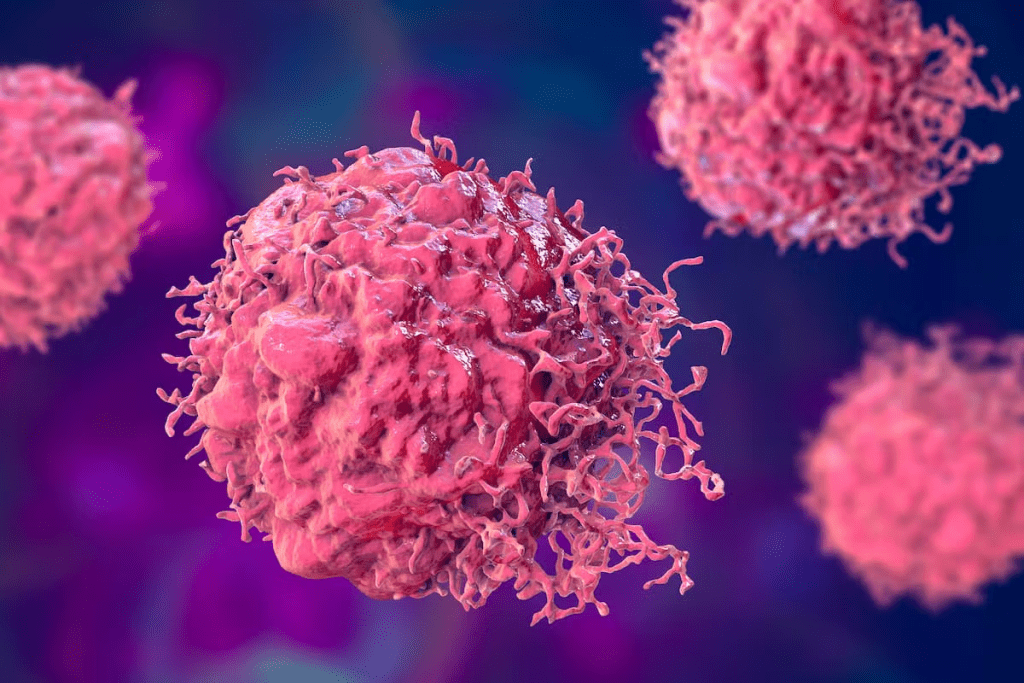
Cancer treatment has made big strides, but a big worry remains: what happens when chemotherapy doesn’t work as expected? It’s about understanding the genetic factors that affect cancer growth.
When patients get chemotherapy, the main aim is to shrink tumors. But if this doesn’t happen, it raises many questions about next steps, including how long can you delay chemo without affecting outcomes. Understanding how well chemotherapy works ” and the impact of treatment delays ” is essential for both patients and doctors in making informed decisions.
Key Takeaways
- Chemotherapy effectiveness varies among patients.
- Genetic factors play a significant role in cancer progression.
- Delaying chemotherapy can have implications for treatment outcomes.
- Understanding treatment options is critical for patients.
- Personalized treatment plans are being developed based on genetic research.
Understanding Chemotherapy Resistance
Chemotherapy is a key treatment for many cancers. But, it can face resistance, making it less effective. Knowing why this happens is key to finding new ways to treat cancer.
Why Some Tumors Don’t Respond to Chemotherapy
Some tumors naturally resist chemotherapy, known as primary resistance. This can happen due to genetic changes. These changes can help the tumor cells fix DNA damage from chemotherapy, making the treatment less effective.
Primary vs. Acquired Resistance
Primary resistance is when a tumor doesn’t respond to chemotherapy from the start. Acquired resistance, on the other hand, develops over time. Tumors adapt to the drugs.
Studies have found that genes like CTHRC1 can help tumors grow and spread. They may also help the tumor cells resist chemotherapy.
Evaluating Treatment Effectiveness
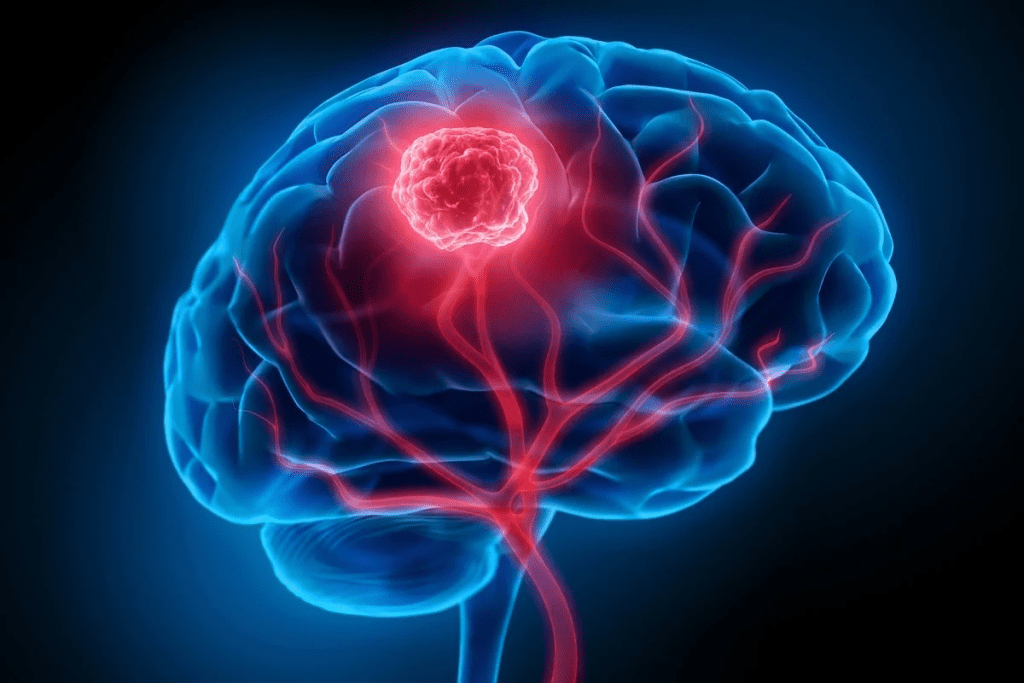
Oncologists use many methods to check if chemotherapy is fighting cancer cells well. It’s key to know if the treatment should keep going, change, or stop.
How Oncologists Measure Tumor Response
They use tests and checks to see how tumors react. Imaging tests like CT scans, MRI, and PET scans help see if tumors are getting smaller or growing.
Chemotherapy’s success is judged in a few ways:
- Complete Response: The tumor is gone.
- Partial Response: The tumor has shrunk a lot but is not gone.
- Stable Disease: The tumor size hasn’t changed.
- Progressive Disease: The tumor has grown or spread.
| Tumor Response Category | Description |
| Complete Response | Tumor has disappeared |
| Partial Response | Tumor has shrunk significantly |
| Stable Disease | Tumor size unchanged |
| Progressive Disease | Tumor has grown or spread |
Signs Chemotherapy Isn’t Working
Some signs show chemotherapy might not be working. These include:
- Tumors getting bigger or new ones showing up on scans.
- Worsening symptoms like pain, tiredness, or trouble breathing.
- Blood tests showing tumor marker levels going up.
Studies at the Garvan Institute on genomics and epigenetics have helped us understand cancer better. This knowledge leads to new treatments. Knowing these signs helps doctors decide if they should keep or change the treatment plan.
When Chemotherapy Fails: Next Steps
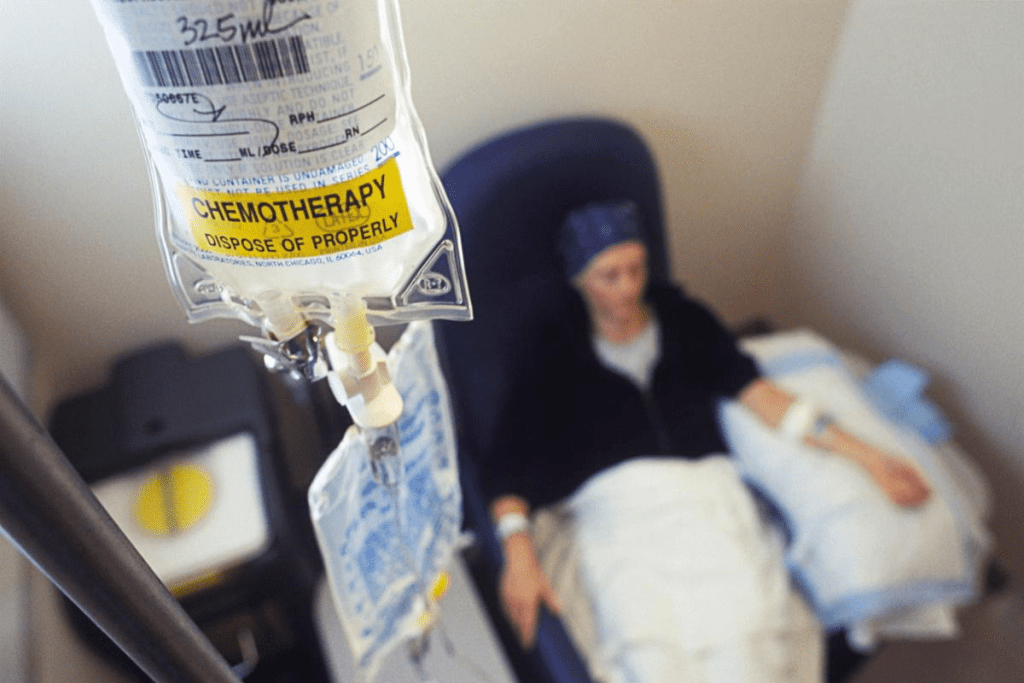
When chemotherapy doesn’t work, it’s time to look at other treatments. It’s important to change the treatment plan and find new ways to fight cancer.
Immediate Medical Interventions
Doctors might try targeted therapy or immunotherapy if chemotherapy fails. These alternative approaches target specific cancer cells or boost the immune system to fight cancer.
Research shows that CTHRC1 is linked to poor cancer outcomes. Scientists are looking into ways to block CTHRC1 to improve treatment results.
What Happens When Chemo Stops Working
If chemotherapy stops working, patients might feel frustrated or hopeless. But, there are many treatment options available. Doctors might suggest clinical trials or new therapies to manage the disease.
It’s key to talk about these options with your oncologist. Discussing the benefits and risks of each treatment helps make informed decisions.
Some possible next steps include:
- Alternative chemotherapy regimens
- Targeted therapy
- Immunotherapy
- Clinical trials
Understanding the options and working with your healthcare team can help. This way, patients can find new ways to move forward after chemotherapy fails.
How Long Can You Delay Chemo Without Compromising Health
Deciding to delay chemotherapy is a big decision. It depends on the cancer type and stage, and the patient’s health. Knowing these factors helps make better treatment choices.
Cancer-Specific Considerations
The urgency of chemotherapy varies with cancer type and stage. Fast-growing cancers like some leukemia or lymphoma need quick treatment. But, slower-growing tumors might allow for a delay without harming outcomes.
Studies, like those from the Garvan Institute, show the importance of personalized cancer treatment. They stress the need to match treatments to each patient’s cancer.
Individual Health Factors
Each person’s health also affects the decision to delay chemotherapy. Those with heart disease or diabetes must think about how chemo will impact them. Chemo can worsen heart conditions or diabetes complications.
So, doctors must carefully look at each patient’s health. This helps decide the best treatment plan.
Consequences of Delaying Chemotherapy Treatment
It’s important to know how delaying chemotherapy affects cancer treatment. Waiting too long can cause cancer to grow and spread. This might mean more intense treatments later on.
Impact on Cancer Progression
When chemotherapy is delayed, cancer can grow and spread. This makes it harder to treat. Studies show that starting chemotherapy on time leads to better results in many cancers.
Key factors influencing cancer progression during chemotherapy delays include:
- The type and stage of cancer
- The presence of genetic mutations
- The overall health of the patient
A study in the Journal of Clinical Oncology found that delays in chemotherapy increase cancer recurrence risk. It stresses the need to follow the treatment plan to prevent cancer growth.
| Factors | Impact on Cancer Progression |
| Cancer Type | Different cancers grow at different rates, affecting treatment urgency. |
| Genetic Mutations | Certain genetic changes can speed up cancer growth. |
| Patient Health | The patient’s overall health and immune system greatly influence cancer growth. |
Effect on Future Treatment Options
Delaying chemotherapy affects not just the current treatment but also future options. As cancer grows, it may become harder to treat. This limits the choices available to patients.
“The timing of chemotherapy is critical. Delays can lead to a cascade of consequences, affecting not just the immediate treatment outcome but also the long-term survival of the patient.”
In conclusion, delaying chemotherapy has many consequences. It affects both cancer growth and future treatment options. It’s vital for patients and doctors to consider these factors when deciding on treatment.
Medical Reasons for Chemotherapy Delays
It’s important to know why chemotherapy might be delayed. Chemotherapy is a complex treatment with big side effects. Delays can happen for many reasons that affect health and treatment success.
Low Blood Cell Counts and Immune Function
Low blood cell counts are a big reason for chemotherapy delays. This can weaken the immune system. Chemotherapy can lower white blood cells, red blood cells, and platelets.
This can lead to neutropenia, anemia, and thrombocytopenia. When blood cell counts drop, the risk of infection goes up. It also makes it harder for the body to recover from treatment.
Research on CTHRC1 shows it affects cancer and treatment response. This research helps us understand why some patients face more severe side effects, like low blood cell counts.
Other Health Complications Requiring Postponement
Other health issues can also cause chemotherapy delays. This includes severe infections, organ problems, or big side effects from previous treatments. For example, if a patient gets a severe infection, chemotherapy might be delayed until the infection is better.
Patients with existing health problems or big side effects might need their treatment plans changed. This could mean delaying chemotherapy to recover or manage side effects.
In summary, there are many reasons for chemotherapy delays. Healthcare professionals need to carefully consider these factors. Understanding these reasons helps patients navigate their treatment better and make informed decisions about their care.
Second-Line Treatment Options
When chemotherapy doesn’t work, looking for other treatments is the next step. These options are key for those whose tumors don’t react to the first treatments.
Alternative Chemotherapy Regimens
Oncologists try different chemotherapy plans if the first one fails. They might use different drugs or change how much is given. For example, research on genes like CTHRC1 has led to new treatments.
Some plans include:
- Switching to drugs the cancer is less resistant to.
- Changing how often or how much chemotherapy is given.
- Using chemotherapy with other treatments like targeted therapy or immunotherapy.
New Alternatives to Chemotherapy
New treatments are being developed. These include:
- Targeted Therapy: Drugs that only harm cancer cells, not healthy ones.
- Immunotherapy: Ways to make the body’s immune system fight cancer better.
- CAR-T Cell Therapy: A type of immunotherapy that modifies T cells to attack cancer.
These new options give hope to those who didn’t respond to traditional chemotherapy. It’s important to talk to an oncologist about these choices.
Choosing a second-line treatment depends on many things. These include the cancer type, the patient’s health, and past treatments. Knowing about these options helps patients make better decisions about their care.
The Role of Low-Dose Chemotherapy
Low-dose chemotherapy, or metronomic chemotherapy, is a new way to treat some cancers. It’s different from traditional chemotherapy because it uses lower doses given more often. This method keeps the treatment going without long breaks.
Benefits of Low-Dose Chemotherapy
This type of chemotherapy has fewer side effects than traditional treatments. It makes life better for patients by being easier to handle. It also works on the blood vessels in tumors, stopping them from growing.
Comparison with Standard Dosing
Low-dose chemotherapy is different from standard treatments in many ways. Standard chemotherapy aims to kill as many cancer cells as possible but can cause harsh side effects. Low-dose chemotherapy keeps the treatment steady, hoping to avoid severe side effects.
Research shows low-dose chemotherapy works well for some patients who can’t handle standard treatments. But, how well it works depends on the cancer type, the patient’s health, and other factors.
What Your Oncologist Might Not Tell You
Cancer patients often leave their oncologist’s office with many questions. They might wonder about their treatment, including things not immediately clear. Oncologists do their best to give full care, but some details might not be shared unless asked.
Understanding Success Rates and Statistics
It’s key for patients to know the success rate of their treatment. Studies by places like the Garvan Institute help us understand cancer better. Success rates depend on the cancer type, its stage, and the patient’s health.
Talking about prognosis with your oncologist is vital. This includes the chance of treatment success and its impact on life quality. Knowing these stats helps patients make better care choices.
| Cancer Type | Treatment Success Rate | 5-Year Survival Rate |
| Breast Cancer (Stage I) | 90% | 99% |
| Lung Cancer (Stage II) | 40% | 60% |
| Colorectal Cancer (Stage III) | 50% | 70% |
The 7-Day Rule in Chemotherapy
The 7-Day Rule is a key concept in chemotherapy. It’s about when treatment is given in relation to the body’s natural cycles. Studies show timing can affect treatment success and recovery.
Some research finds that timing chemotherapy can reduce side effects and boost its effectiveness. Patients should talk to their oncologist about the 7-Day Rule and how it fits into their treatment.
Being informed about cancer treatment helps patients take a more active role. It’s about grasping the treatment’s details and making choices that fit their values and health goals.
Clinical Trials for Chemo-Resistant Cancers
Patients with cancers that don’t respond to chemotherapy might find new hope in clinical trials. These studies test new treatments and medicines to see if they’re safe and work well. For those with chemo-resistant cancers, these trials can offer access to cutting-edge therapies.
Finding Appropriate Trials
Finding the right clinical trial can be tough. But, there are many resources to help:
- National Cancer Institute (NCI): The NCI website has a big database of clinical trials.
- ClinicalTrials.gov: This site lists clinical trials from all over the world.
- Cancer Support Organizations: Groups like the American Cancer Society help find trials.
When looking for a trial, think about where it’s located, the cancer type, and who can join.
Weighing Benefits and Risks
Joining a clinical trial has both good and bad sides. Trials offer new treatments that might work better than current ones. But, these treatments are new, and their effects or side effects might not be known yet.
| Benefits | Risks |
| Access to new treatments | Unknown side effects |
| Potential for better results | May not work as well as usual treatments |
| Medical team will closely watch you | Could cost more or take up more time |
Research has found genes like CTHRC1 as targets for new cancer treatments. This shows the work to find new ways to fight chemo-resistant cancers.
Talking to your doctor about the pros and cons of a trial is key. This helps you make a smart choice.
Communicating with Your Oncologist
Good communication is key to successful cancer treatment. It lets patients make informed decisions and understand their care. This includes knowing their prognosis and the treatment’s complexities.
If treatment isn’t working, talking openly with your oncologist is vital. You should ask questions to understand your situation better. This way, you can explore other treatments that might work better.
Questions to Ask When Treatment Isn’t Working
It’s important to understand your treatment options and why your oncologist chose them. Here are some questions to consider:
- What are the reasons for the current treatment’s ineffectiveness?
- Are there alternative chemotherapy regimens or other treatment options available?
- What are the possible benefits and risks of switching to a different treatment?
- Are there any clinical trials that I might be eligible for?
These questions can give you valuable insights into your treatment. They help you make informed decisions about your care.
Advocating for Alternative Approaches
Being your own advocate is critical in cancer treatment. If your current treatment isn’t working, talk to your oncologist about other options. This could include new chemotherapy, targeted therapy, immunotherapy, or other treatments.
“The most important thing for patients is to be informed and to be advocates for themselves. Ask questions, seek second opinions, and explore all available options.”
Creating a table of alternative approaches can help organize your thoughts. It makes it easier to discuss with your oncologist.
| Treatment Option | Potential Benefits | Potential Risks |
| Targeted Therapy | Targets specific cancer cells, reducing harm to healthy cells | Potential side effects include skin rash and diarrhea |
| Immunotherapy | Boosts the immune system to fight cancer more effectively | Can cause immune-related side effects |
| Clinical Trials | Access to new, innovative treatments not yet widely available | Uncertain efficacy and unknown side effects |
By understanding your options and advocating for yourself, you can work with your oncologist. Together, you can find the best treatment plan for you.
Emotional and Psychological Impact
The journey through cancer treatment is filled with emotional and psychological challenges. These challenges need careful handling. The diagnosis, treatment process, and possible treatment failure can greatly affect mental health and well-being.
Coping with Treatment Failure
Learning that chemotherapy or other treatments are not working can be very hard. It’s important for patients and their families to know their feelings are okay. There are resources to help them cope.
Emotional Support is key during this time. Patients and their families can find help through counseling, support groups, and other resources. These help deal with the emotional and psychological effects of treatment failure.
Support Resources for Patients and Families
There are many support resources for patients and their families. These include:
- Counseling services to help cope with the emotional impact
- Support groups, either in-person or online, to connect with others going through similar experiences
- Educational resources to understand the treatment process and what to expect
- Hotlines and online forums for immediate support
Using these resources can greatly improve life quality for patients and their families during tough times.
Conclusion
Deciding to delay chemotherapy is complex and influenced by many factors. It’s important to understand the effects of postponing chemotherapy to make informed choices.
Studies from places like the Garvan Institute have helped us understand cancer better. This knowledge has led to new treatments. When thinking about delaying chemotherapy, it’s key to consider how it might affect cancer growth and future treatments.
Patients and doctors need to work together to decide on chemotherapy. They should think about the person’s health and the specific cancer. This way, they can face the challenges of delaying chemotherapy and choose the best care path.
FAQ
What happens if chemotherapy doesn’t shrink tumors?
If chemotherapy doesn’t shrink tumors, it could be due to resistance. Doctors then look at other treatment options.
How long can you delay chemotherapy without compromising health?
Delaying chemotherapy’s safety depends on the cancer type and your health. Always talk to your oncologist about the best plan.
What are the consequences of delaying chemotherapy treatment?
Delaying treatment can affect cancer growth and future options. It’s important to consider the risks and benefits.
Why do some tumors not respond to chemotherapy?
Tumors may not respond due to resistance or genetic changes. Knowing the reasons helps find new treatments.
What are the signs that chemotherapy isn’t working?
Signs include tumor growth and worsening symptoms. Doctors use different methods to check treatment success.
What happens when chemotherapy stops working?
When it stops working, doctors look at other treatments. This could include new therapies or clinical trials.
What is low-dose chemotherapy, and is it effective?
Low-dose chemotherapy uses lower doses to reduce side effects. Its success depends on the cancer type and patient factors.
What is the 7-day rule in chemotherapy?
The 7-day rule delays treatment if blood counts are low. This helps prevent complications.
How do oncologists measure tumor response to chemotherapy?
Doctors use imaging, tumor markers, and physical exams to check response. These help guide treatment decisions.
What are the benefits and risks of participating in clinical trials for chemo-resistant cancers?
Trials offer new treatments but come with unknown risks. Discussing these with your oncologist is key.
How can patients advocate for alternative approaches when chemotherapy isn’t working?
Talk openly with your oncologist and ask questions. Seeking a second opinion can also help find new options.
What are the emotional and psychological impacts of cancer treatment, and how can patients cope?
Treatment can cause anxiety and depression. Support groups and counseling can help manage these feelings.
What are the available second-line treatment options when chemotherapy fails?
Options include new therapies or clinical trials. Your oncologist will help choose the best option for you.
How can patients find appropriate clinical trials for chemo-resistant cancers?
Search online databases or ask your oncologist. They can help find relevant trials.
What are the medical reasons for delaying chemotherapy?
Reasons include low blood counts and immune issues. Your oncologist will consider these when deciding on treatment.
What are the consequences of delaying chemotherapy on cancer progression?
Delaying treatment can let cancer progress. This can affect treatment success and survival. Weighing risks and benefits is important.
References
- Kutlu, B., Karadağ, H., Uysal, M., Karadaş, Y., & Bilgici, M. (2023). Metronomic chemotherapy: An alternative strategy in cancer treatment based on continuous low-dose administration. Biomedical and Pharmacology Journal, 16(3), 1301“1314. https://biomedpharmajournal.org/vol18no3/metronomic-chemotherapy-an-alternative-strategy-in-cancer-treatment-based-on-continuous-low-dose-administration/