Last Updated on November 26, 2025 by Bilal Hasdemir
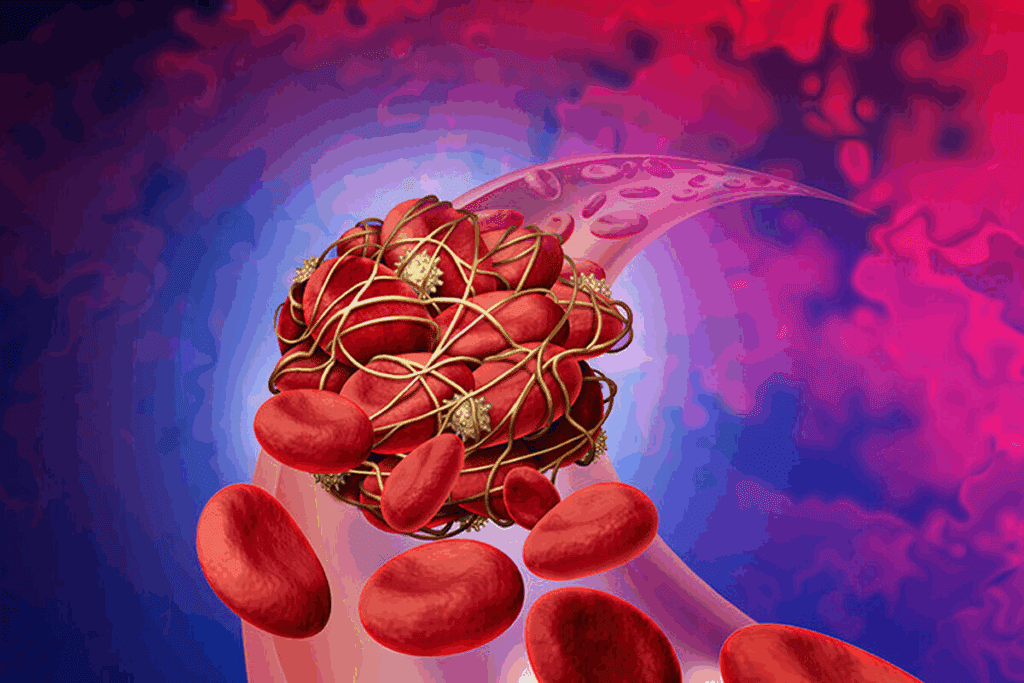
Discover how long you can have a blood clot without knowing and key signs that signal danger. how long can you have a blood clot without knowing
Deep vein thrombosis (DVT) is a serious condition that can sneak up on you without symptoms. It’s important to know the signs, risk factors, and situations where DVT might occur. This knowledge helps in catching it early and treating it right away.
Recognizing the signs of a blood clot is key. They can look like other health problems. Look out for pain, swelling, redness, and warmth in the affected area.
Key Takeaways
- Blood clots can remain undetected for extended periods.
- Up to 30% of individuals with blood clots may not show symptoms.
- DVT is a serious condition that requires timely detection.
- Common signs include pain, swelling, redness, and warmth.
- Understanding risk factors is key to prevention.
Understanding Blood Clots: The Silent Threat
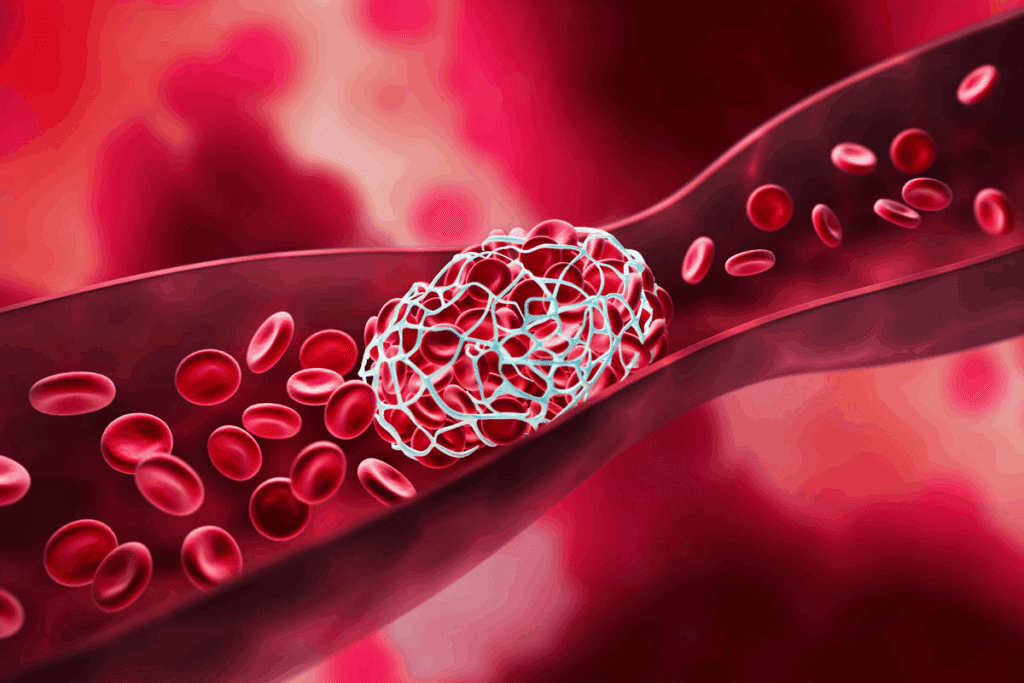
It’s important to know about blood clots to understand the dangers they pose. These clumps of blood can cause serious problems if not treated quickly.
What Is a Blood Clot?
A blood clot is a thick, gel-like mass that forms when blood clots. It’s a natural way the body stops bleeding after an injury. But, if a clot forms inside a vein or artery without injury, it’s very dangerous.
Types of Blood Clots
Blood clots are divided into two main types based on where they form and the blood vessel affected. Here are the two:
- Arterial Clots: These clots block the arteries, which carry oxygen-rich blood. They can severely damage the body by cutting off oxygen supply.
- Venous Clots: These clots form in veins, which carry blood back to the heart. Deep Vein Thrombosis (DVT) is a common type that happens in the legs’ deep veins.
How Blood Clots Form
Blood clots form from several factors, like slow blood flow, injury to blood vessels, and clotting problems. When a blood vessel is hurt, the body tries to stop the bleeding by forming a clot. But, clots can also form without injury due to certain conditions or risk factors.
The clotting process involves several steps. These include activating clotting factors, platelet aggregation, and fibrin formation. Knowing how blood clots form helps us understand the risks and how to prevent them.
How Long Can You Have a Blood Clot Without Knowing

Silent blood clots are a big health worry. They can hide for a long time. This is dangerous because they can cause serious problems before anyone finds out.
The Timeframe of Silent Blood Clots
Blood clots can stay hidden for weeks or months. How long depends on where and how big the clot is.
Key factors influencing the duration of silent blood clots include:
- The location of the blood clot
- The size of the clot
- Individual’s overall health condition
Why Blood Clots Often Go Undetected
Many blood clots don’t show symptoms. This makes it hard for people to know they have a clot until it’s too late.
The reasons behind the lack of symptoms are multifaceted:
- Blood clots in deep veins often don’t cause immediate symptoms.
- Some people might not feel pain as much, so they don’t notice a problem.
- The body might hide the signs of a blood clot.
Statistics on Asymptomatic Blood Clots
Studies show that many deep vein thrombosis (DVT) cases don’t show symptoms. Up to 30-40% of DVT cases don’t have typical symptoms. This means people might not know they have a clot until it’s too late.
Notable statistics include:
| Condition | Percentage Asymptomatic |
| DVT | 30-40% |
| Pulmonary Embolism | Can be asymptomatic in initial stages |
Knowing these stats is key. It shows why we need to be aware and take steps to prevent blood clots.
Common Signs and Symptoms of Blood Clots
Knowing the signs of blood clots is key to getting help fast. Blood clots can happen anywhere in the body. Their symptoms depend on where and how big the clot is.
Deep Vein Thrombosis (DVT) Symptoms
Deep Vein Thrombosis (DVT) happens when a clot forms in deep veins, usually in the legs. Signs of DVT include:
- Swelling in the affected limb
- Pain or tenderness, mostly when standing or walking
- Warmth or redness in the affected area
- Changes in skin color, like a reddish or bluish tint
Some people with DVT might not show any symptoms. But if you notice these signs, see a doctor right away.
Pulmonary Embolism Symptoms
A pulmonary embolism happens when a clot travels to the lungs. This can block blood flow. Symptoms can be serious and include:
- Difficulty breathing or feeling short of breath
- Chest pain that gets worse with deep breathing or coughing
- Coughing up blood
- Rapid heart rate or palpitations
- Lightheadedness or dizziness
If you have these symptoms, get medical help fast. A pulmonary embolism can be deadly.
Arterial Blood Clot Symptoms
Arterial blood clots form in arteries and can block blood flow to important organs. Symptoms depend on where the clot is but might include:
- Sudden numbness or weakness in the face, arm, or leg
- Severe pain in the affected limb
- Coldness or paleness in the affected limb
- Difficulty speaking or understanding speech
Arterial blood clots can cause serious problems like heart attacks or strokes if not treated quickly.
Spotting these symptoms early is important. It helps get medical help fast and avoid serious health issues.
What Does a Blood Clot Look and Feel Like?
It’s important to know how blood clots look and feel to catch them early. Clots can look and feel different based on where they are and how big they are. Knowing their signs is key.
Physical Appearance of Blood Clots
A blood clot can make the area swell, turn red, or change color. The skin might look tight or shiny because of swelling. Sometimes, the area can feel warm to the touch.
“The skin over the affected area may be red, tender, and warm,” says a doctor. This is the body’s way of reacting to the clot.
Sensation and Pain Characteristics
The feeling from a blood clot can be mild or very painful. The pain might stay the same or only happen when you move or touch the area. Some people say it feels like cramping or aching.
People might also feel a heavy or tight feeling in the limb. This is worrying if it’s in the leg, as it could mean a deep vein thrombosis (DVT).
Differences in Appearance Based on Location
Blood clots in different places look and feel different. For example, a clot in a leg vein (DVT) can cause a lot of swelling and pain. A clot in an artery can cause more severe symptoms because it blocks blood flow.
- Clots in superficial veins may be palpable and visible as a cord-like structure.
- Clots in deep veins may not be visible but can cause significant swelling and pain.
- Arterial clots can lead to pallor, pulselessness, and pain in the affected limb.
Knowing these differences helps figure out the type and how serious the clot is. This information helps doctors decide the best treatment.
Early detection and treatment are critical to preventing serious complications such as pulmonary embolism or post-thrombotic syndrome.
Blood Clots in Different Body Locations
Blood clots can form almost anywhere in the body. This is important to know for health risks. They can happen in the legs, arms, lungs, brain, and heart. Each place has its own symptoms and risks.
Leg and Arm Blood Clots
Deep Vein Thrombosis (DVT) often happens in the legs but can also be in the arms. Symptoms include swelling, pain, and color changes in the limb. The American Heart Association says DVT is serious because it can cause pulmonary embolism if the clot moves.
“The risk of DVT is higher in people who are immobile for long periods, such as during long-distance travel or after surgery.” – American Heart Association.
Lung Blood Clots
A pulmonary embolism happens when a clot goes to the lungs and blocks it. Symptoms include sudden shortness of breath, chest pain, and coughing up blood. A pulmonary embolism is a life-threatening condition that requires immediate medical attention.
Brain Blood Clots
Blood clots in the brain can cause a stroke. A stroke happens when the brain doesn’t get enough blood. Symptoms include sudden weakness, confusion, and trouble speaking or understanding speech. Prompt medical treatment is essential to minimize damage.
“Time is brain” when it comes to stroke treatment, stressing the need for quick action.
Heart Blood Clots
A blood clot in the heart can cause a heart attack. Symptoms include chest pain, shortness of breath, and fatigue. Heart attacks require emergency medical care to restore blood flow and prevent damage.
In conclusion, blood clots can be serious depending on where they are in the body. Knowing the symptoms and risks can help get medical help quickly.
Risk Factors for Developing Blood Clots
Knowing the risk factors is important to stop blood clots. Many things can make you more likely to get a blood clot. This includes your genes and how you live.
Genetic Predispositions
Genetics are a big part of blood clot risk. Conditions like Factor V Leiden and low proteins C and S raise your risk. If your family has blood clots, you might too.
Medical Conditions That Increase Risk
Some health issues can up your blood clot risk. These include cancer, heart disease, and autoimmune diseases. If you have one of these, talk to your doctor about how to stay safe.
Lifestyle Factors
How you live affects your blood clot risk too. Smoking, being overweight, and sitting for long times can increase your risk. Choosing a healthy lifestyle can help lower it.
Medications That May Contribute
Some medicines can also raise your risk. This includes birth control pills, hormone therapy, and some cancer treatments. If you’re on these, watch your health closely.
| Risk Factor Category | Specific Risk Factors |
| Genetic Predispositions | Factor V Leiden, Protein C and S deficiencies |
| Medical Conditions | Cancer, Heart Disease, Autoimmune Disorders |
| Lifestyle Factors | Smoking, Obesity, Prolonged Immobility |
| Medications | Hormonal Contraceptives, Hormone Replacement Therapy, Certain Cancer Treatments |
Diagnosing Hidden Blood Clots
Finding hidden blood clots needs a mix of doctor’s checks and special tests. It’s key to catch them early to avoid serious problems and start treatment right away.
Common Diagnostic Tests
There are several tests to find blood clots. Ultrasound is often used to spot Deep Vein Thrombosis (DVT) by seeing the clot and checking blood flow. Blood tests, like the D-dimer test, also help find clots.
The Importance of D-dimer Tests
The D-dimer test checks for a protein piece made when a clot breaks down. It’s good at finding clot problems. A low D-dimer means no clot, but a high one might mean more tests are needed.
Imaging Techniques for Detection
Imaging is key in finding blood clots. Computed Tomography (CT) scans help spot clots in the lungs. Other tools, like Magnetic Resonance Imaging (MRI), can find clots in different places.
Challenges in Diagnosis
Finding hidden blood clots is hard. Symptoms might not be there, and the clot’s spot and the patient’s health can make it tough. Doctors must use tests and their own judgment to find blood clots.
Complications of Undetected Blood Clots
Undetected blood clots can cause severe and life-threatening problems if not treated quickly. The dangers of blood clots are high. It’s key to catch them early and treat them fast.
Short-term Risks
Undetected blood clots can cause a lot of pain and serious health issues in the short term. For example, a clot in the leg can lead to Deep Vein Thrombosis (DVT). This causes pain, swelling, and redness in the leg.
Some immediate dangers include:
- Pulmonary embolism, where the clot moves to the lungs and blocks blood flow.
- Stroke, if the clot is in the brain or moves there.
- Heart attack, if the clot affects the heart.
Long-term Health Consequences
The long-term effects of undetected blood clots can be very bad. Post-thrombotic syndrome (PTS) is a common problem after DVT. It causes chronic pain, swelling, and skin changes in the affected limb.
| Condition | Symptoms | Long-term Effects |
| Post-thrombotic syndrome | Chronic pain, swelling, skin discoloration | Permanent damage to the affected limb |
| Pulmonary hypertension | Shortness of breath, fatigue | Potential heart failure |
“The long-term effects of venous thromboembolism (VTE) can significantly impact a patient’s quality of life, stressing the need for effective management and prevention strategies.”
Life-threatening Complications
One of the worst complications of undetected blood clots is pulmonary embolism (PE). This happens when a clot moves to the lungs. It’s very dangerous and needs quick medical help.
The numbers on pulmonary embolism are scary. They show why we need to be aware and act fast:
- About 10% of people with PE die suddenly.
- Most deaths from PE happen in the first few hours.
Knowing the dangers of undetected blood clots shows why we must see a doctor if symptoms get worse. Catching them early and treating them fast is key to avoiding serious problems and saving lives.
Prevention and Treatment Options
It’s important to know how to prevent and treat blood clots to avoid serious problems. A good plan includes lifestyle changes, medical treatments, and emergency care when needed.
Lifestyle Changes to Reduce Risk
Changing your lifestyle can help a lot. Being active, keeping a healthy weight, and not sitting too long are key. Exercise helps your blood flow better and keeps your heart healthy.
Eating right is also important. Eating lots of fruits, veggies, and whole grains helps your blood vessels. Drinking less alcohol and not smoking also helps prevent blood clots.
Medical Interventions and Medications
If you’re at risk or have had a blood clot, you might need medical help. Doctors often give anticoagulant medicines to stop new clots and stop old ones from getting bigger. Warfarin and novel oral anticoagulants (NOACs) are common medicines used.
| Medication Type | Examples | Purpose |
| Anticoagulants | Warfarin, NOACs | Prevent new clots and stop existing clots from growing |
| Thrombolytics | Alteplase | Dissolve clots in emergency situations |
Emergency Treatments for Acute Blood Clots
Severe blood clots need quick emergency care. Thrombolytic therapy is used to break down clots fast. This is for serious cases like pulmonary embolism or stroke.
Recovery and Long-term Management
Getting better from a blood clot means managing it long-term. This includes taking medicines as told, regular check-ups, and keeping up with healthy habits.
It’s also key to know the signs of blood clots and when to get help. Teaching patients about their condition is a big part of caring for them long-term.
When to Seek Medical Attention
It’s important to know when to get medical help to avoid serious problems from blood clots. Blood clots can be deadly if not treated quickly. So, it’s key to know the signs that mean you need to see a doctor right away.
Warning Signs That Require Immediate Care
Some symptoms mean you’re at high risk for serious blood clot problems. These include:
- Sudden shortness of breath: This could be a sign of a pulmonary embolism, a potentially life-threatening condition.
- Chest pain: Pain or discomfort in the chest can indicate a blood clot in the heart or lungs.
- Severe leg pain or swelling: These symptoms can be indicative of deep vein thrombosis (DVT), a condition that requires prompt medical attention.
If you have any of these symptoms, you need to get medical help right away.
What to Tell Your Doctor
When you see a doctor, it’s important to give them all the details. Be ready to talk about:
- Your symptoms and when they started
- Any recent travel or times when you were not moving much
- Your medical history, including any past blood clots or surgeries
- Any medicines you’re taking now
This info helps your doctor figure out what’s wrong and how to treat you.
Follow-up Care After a Blood Clot
After finding out you have a blood clot, you’ll need to see your doctor again. They’ll help prevent more clots and manage any lasting effects. Your doctor might suggest:
- Anticoagulant medicine to stop more clots
- Regular check-ups to watch your condition
- Changes in your lifestyle, like moving more or eating differently
Following your doctor’s advice can really help your health and lower the chance of more problems.
Conclusion
Understanding blood clots is key to avoiding serious health problems. Knowing the signs, symptoms, and risk factors helps people act early. This can lead to better treatment and outcomes.
Blood clot awareness goes beyond just recognizing symptoms. It’s also about knowing what increases the risk of getting them. This knowledge helps people make better health choices.
Preventing and treating blood clots requires a mix of lifestyle changes and medical care. A healthy lifestyle and working with doctors can lower the risk of blood clots. It also helps if a clot does happen.
In the end, managing blood clots is all about being aware, preventing them, and treating them quickly. By staying informed and taking action, people can keep themselves healthy and safe.
FAQ
How long can you have a blood clot without knowing?
Blood clots can hide for weeks or months without symptoms. Up to 30% of people with clots don’t feel anything. It’s key to know the risks and watch for signs.
What does a blood clot look and feel like?
A blood clot makes the limb swell, feel warm, and hurt. The skin might turn red or change color. Pain can be sharp or just a dull ache.
What are the common signs and symptoms of blood clots?
Signs include swelling, pain, and skin color changes in the affected area for DVT. Pulmonary embolism shows as sudden breath trouble, chest pain, and other serious symptoms.
Can you have a blood clot and not know it?
Yes, many blood clots don’t show symptoms. People might not find out until serious symptoms appear.
How long can a blood clot last?
The time a blood clot lasts varies. It depends on its size, location, and treatment. Untreated clots can cause serious problems.
What does a blood clot in the brain feel like?
A brain clot causes severe headaches, confusion, and weakness. Symptoms vary based on the clot’s size and location.
What does a blood clot in the head feel like?
Like a brain clot, a head clot leads to severe headaches, confusion, and neurological symptoms. Symptoms depend on the clot’s location.
Can you feel blood clots?
In some cases, yes. Clots can cause pain, swelling, and skin color changes. But many are hidden.
What are the risk factors for developing blood clots?
Risk factors include genetics, medical conditions, lifestyle, and medications. Knowing these can help prevent clots.
How are blood clots diagnosed?
Tests like ultrasound and D-dimer tests check for clots. Imaging like CT scans is used for pulmonary embolism.
What are the complications of undetected blood clots?
Undetected clots can cause severe problems. This includes life-threatening pulmonary embolism and long-term issues like post-thrombotic syndrome.