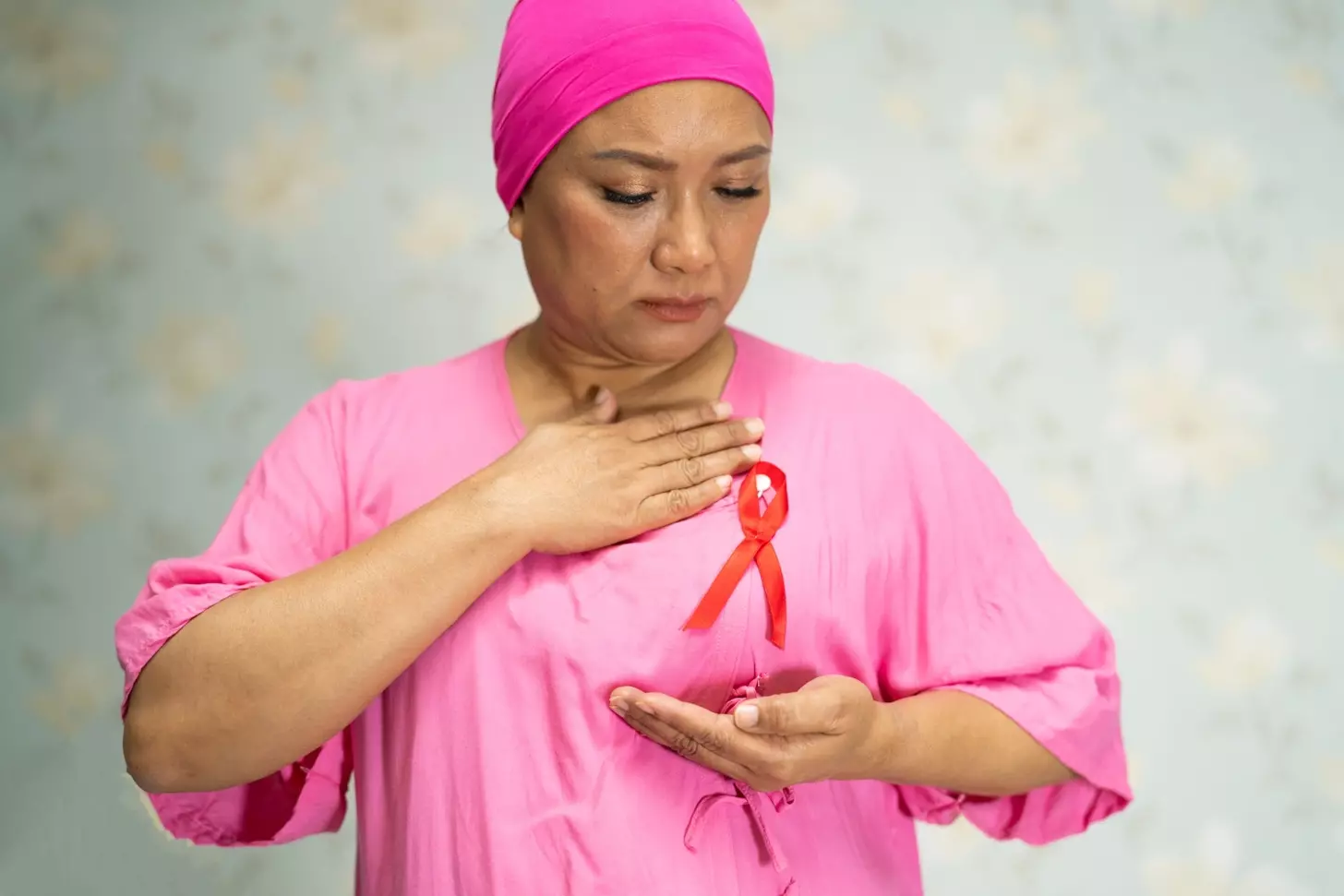
Sickle Cell Disease (SCD) is a group of inherited blood disorders. It affects how the body makes hemoglobin. The most common type, Sickle Cell Anemia (SCA), greatly lowers life expectancy.
Recent studies show that SCA patients in the United States live about 52.6 years on average. This is much lower than the average life span of the general population.
Over the years, survival rates for SCD have gotten better thanks to better medical care. But, the life expectancy for SCA patients is a big concern. It’s important for both patients and healthcare providers to understand the latest research and treatments.
Key Takeaways
- Average lifespan of SCA patients in the US is approximately 52.6 years.
- SCD survival rates have improved over the years.
- Modern treatment advancements are transforming patient prognosis.
- Patient-focused approaches are key to improving life expectancy.
- Liv Hospitals is leading in SCD treatment and care.
Understanding Sickle Cell Disease: A Brief Overview
Sickle Cell Disease changes the shape of red blood cells. It’s caused by a genetic change in the HBB gene. This change makes abnormal hemoglobin, called hemoglobin S.
What Causes Sickle Cell Disease
A mutation in the HBB gene causes Sickle Cell Disease. This mutation leads to hemoglobin S, causing red blood cells to sickle. The disease is inherited in an autosomal recessive pattern. This means you need two defective genes, one from each parent, to have the disease.
Hemoglobin S causes red blood cells to sickle. This can lead to health problems. The sickling of red blood cells is a hallmark of Sickle Cell Disease and can cause anemia, infections, and organ damage.
Types of Sickle Cell Disease
There are several types of Sickle Cell Disease, including:
- HbSS (Sickle Cell Anemia): The most common and severe form of the disease.
- HbSC: A milder form of the disease, resulting from the inheritance of one HbS and one HbC gene.
- HbS/beta-thalassemia: A condition where an individual inherits one HbS gene and one beta-thalassemia gene.
| Type of SCD | Description | Severity |
| HbSS | Sickle Cell Anemia | Severe |
| HbSC | Milder form, one HbS and one HbC gene | Mild to Moderate |
| HbS/beta-thalassemia | One HbS gene and one beta-thalassemia gene | Variable |
How Sickle Cell Disease Affects the Body
Sickle Cell Disease affects the body in many ways. The sickling of red blood cells can cause anemia. The abnormal cells are more prone to destruction.
The sickled cells can also get stuck in small blood vessels. This leads to pain crises and other complications. The disease can also lead to increased risk of infections and organ damage due to the abnormal functioning of the spleen and other organs. Regular medical care and monitoring are essential to manage the disease and prevent complications.
Current Life Expectancy Statistics for Sickle Cell Disease
It’s important to know the life expectancy for sickle cell disease. This info helps patients, doctors, and researchers. Recent data show how long people with sickle cell anemia live, compared to others. They also highlight differences based on where you live and who you are.
Average Lifespan in the United States
In the United States, people with sickle cell anemia live about 52.6 years on average. This number comes from detailed studies. These studies consider many factors, like better medical care and complications.
Comparison to General Population Lifespan
People with sickle cell anemia don’t live as long as the average American. This shows we need more research and better healthcare for them. The big difference in life expectancy points out the challenges of managing sickle cell disease.
Regional and Demographic Variations
Where you live and who you are can affect how long you live with sickle cell anemia. Things like healthcare access, money, and genetics play a big role. For example, those with less access to healthcare might not live as long.
Also, your ethnicity and where you live can change your life expectancy. Some groups face more challenges with sickle cell disease. This means we need to focus our help and support on these groups.
Historical Perspective: How Sickle Cell Survival Rates Have Improved
In the past, sickle cell disease was very deadly. But, thanks to better medical care, survival rates have greatly improved. Back then, kids with sickle cell disease faced big challenges, leading to a high death rate.
Survival Rates in the 20th Century
At the start of the 20th century, sickle cell disease was almost always fatal. It was first found in 1910. Most kids with the disease didn’t live past their early years. But, as doctors learned more and care got better, survival chances improved.
By the mid-1900s, healthcare made a big difference. Antibiotics and better infection management helped people live longer.
Medical Advances That Changed Prognosis
Many medical breakthroughs have helped people with sickle cell disease live longer. Hydroxyurea, a key drug, reduces pain and may extend life. Also, better blood transfusions and managing serious problems have improved survival rates.
- Development of hydroxyurea
- Advancements in blood transfusion techniques
- Better management of complications
Childhood Mortality Improvements
One big change is that fewer kids with sickle cell disease die young. Thanks to better infection control and managing serious issues, many kids now live into adulthood. This shift has changed how doctors care for them, focusing on long-term management and prevention.
| Decade | Average Life Expectancy | Major Advances |
| 1950s | Less than 20 years | Introduction of antibiotics |
| 1980s | Early 40s | Blood transfusion advancements |
| 2000s | Mid-50s | Hydroxyurea and better complication management |
The history of sickle cell disease shows a lot of progress. With ongoing medical advancements, the outlook for those with the disease will likely keep getting better.
How Long Can You Live With Sickle Cell: Factors Affecting Prognosis
The life expectancy of those with sickle cell disease varies. It depends on genetics, medical care, and lifestyle. Knowing these factors helps manage the disease better.
Genetic Factors and Disease Severity
Genetics greatly influence sickle cell disease severity. Certain genetic mutations can lead to more frequent and severe crises. For example, those with HbSS or HbS/β-thalassemia often face more severe symptoms than those with HbSC or HbS/β-thalassemia.
Table: Genetic Factors and Sickle Cell Disease Severity
| Genotype | Disease Severity | Frequency of Crises |
| HbSS | Severe | Frequent |
| HbS/β-thalassemia | Severe | Frequent |
| HbSC | Mild/Moderate | Less Frequent |
| HbS/β-thalassemia | Mild/Moderate | Less Frequent |
Access to Specialized Medical Care
Getting specialized medical care is key for sickle cell disease patients. Regular visits to healthcare experts can help catch and manage problems early. This improves health outcomes.
Early Intervention and Regular Screening
Early action and regular check-ups are essential. They help prevent and manage sickle cell disease complications. This includes getting vaccines, preventive antibiotics, and watching for organ damage signs.
By tackling these factors, sickle cell disease patients can get the right care. This improves their life quality and how long they can live.
Major Complications That Impact Sickle Cell Disease Lifespan
Patients with sickle cell disease face many severe complications. These issues can greatly affect their quality of life. They also play a big role in how long someone with SCD might live.
Acute Chest Syndrome
Acute chest syndrome (ACS) is a major problem for those with sickle cell disease. It causes new lung problems, fever, breathing issues, or chest pain. ACS can lead to serious breathing problems and is a big reason for early death in SCD patients.
Preventing and managing ACS is key. This includes using tools like incentive spirometry, managing pain, and carefully giving blood transfusions.
Stroke and Neurological Complications
Stroke is a serious problem for SCD patients. It can cause big brain damage. Kids with SCD are at high risk, and regular brain scans are needed to find those most at risk. Starting early treatment with blood transfusions can greatly lower stroke risk.
Organ Damage and Failure
SCD often leads to organ damage. This happens because of ongoing blood breakdown, blockages, and damage from blood flow changes. Organs like the kidneys, liver, and heart are often affected. It’s important to keep an eye on organ health to stop or slow organ failure.
Infections and Immune System Challenges
People with SCD are more likely to get infections. This is because their spleen doesn’t work right and their immune system is off. Infections can make sickle cell crises worse and harm health. Getting vaccinated against diseases like pneumococcus is very important.
Modern Treatment Approaches Extending Sickle Cell Life Expectancy
Modern treatments have greatly improved life expectancy for those with sickle cell disease. Advances in research and technology have led to effective treatments. These manage the disease and its complications well.
Medication Therapies
Medicine is key in treating sickle cell disease. Hydroxyurea is a common drug that helps reduce painful crises and may improve survival. Other drugs like voxelotor and crizanlizumab also show promise in lessening the disease’s severity.
Key Medication Therapies:
- Hydroxyurea: Reduces frequency of painful crises
- Voxelotor: Improves hemoglobin levels
- Crizanlizumab: Reduces vaso-occlusive crises
Blood Transfusions and Exchange Procedures
Blood transfusions are vital in managing sickle cell disease. Regular transfusions can lower the risk of stroke and other serious issues. This is because they reduce the number of sickled red blood cells. Exchange transfusions, which replace sickled cells with normal ones, are very effective in severe cases.
| Treatment | Purpose | Benefits |
| Regular Blood Transfusions | Reduce risk of stroke and other complications | Decreases sickling of red blood cells |
| Exchange Transfusions | Manage severe complications | Replaces sickled red blood cells with normal ones |
Stem Cell Transplantation
Stem cell transplantation is the only cure for sickle cell disease. It involves replacing the patient’s bone marrow with healthy marrow from a donor. Though effective, it’s risky and usually reserved for severe cases.
“Stem cell transplantation offers a cure for sickle cell disease, but it’s a complex procedure with risks that need to be carefully considered.”
Emerging Gene Therapies
Gene therapy is a new field that could change sickle cell disease treatment. It aims to correct the genetic mutation causing the disease. This could potentially cure SCD. Several clinical trials are testing its safety and effectiveness.
The future of sickle cell disease treatment looks bright. Ongoing research in gene therapies and other new approaches is promising. These advancements are likely to improve life expectancy and quality of life for SCD patients.
Living Well With Sickle Cell Disease: Quality of Life Considerations
Living with sickle cell disease can be better with the right care. This care looks at the medical, psychological, and social sides of the disease.
Managing Chronic Pain
Chronic pain is a big problem for those with sickle cell disease. It affects their daily life a lot. To manage pain, treatments like medicine, physical therapy, and acupuncture are used.
Personalized pain management plans are key. They help doctors tailor treatments to fit each patient’s needs. This makes life better for them.
Preventing Crises and Complications
Stopping crises and complications is important. Regular doctor visits, vaccines, and sometimes antibiotics are part of this. They help prevent infections.
It’s also important to stay hydrated, avoid extreme weather, and manage stress. These steps help lower the chance of crises.
Psychological and Social Support
Sickle cell disease can really affect a person’s mind. Psychological support from counseling or therapy helps them deal with emotional challenges.
Support groups are also helpful. They offer a place for patients to share their stories and get support from others who get it.
Education and Employment Considerations
Going to school and working can be tough for those with sickle cell disease. It’s important for them to work with teachers and bosses to make plans that work for them.
This might mean flexible hours, access to healthcare, and understanding when they need to take sick days.
By tackling these issues, people with sickle cell disease can have more fulfilling lives. Despite the challenges, they can find happiness and success.
Special Populations: Children, Adolescents, and Pregnancy
Sickle Cell Disease (SCD) affects people differently at different ages. This means we need special care for kids, teens, and pregnant women.
Pediatric Sickle Cell Management
Children with SCD need early diagnosis and ongoing care. Their treatment includes regular doctor visits and steps to prevent infections.
Key components include:
- Newborn screening
- Penicillin prophylaxis
- Regular vaccinations
- Monitoring for complications
Transition from Pediatric to Adult Care
As kids grow up, they need to switch to adult care. It’s important to make this transition smoothly to keep their health care on track.
Strategies include:
- Gradual introduction to adult care
- Education on self-management
- Coordination between healthcare providers
Pregnancy and Family Planning with Sickle Cell Disease
Pregnancy is risky for women with SCD. It’s key to talk about risks and how to manage them before getting pregnant.
| Complications | Management Strategies |
| Preeclampsia | Regular prenatal check-ups |
| Infections | Prophylactic antibiotics |
| Acute Chest Syndrome | Monitoring for respiratory symptoms |
Conclusion: The Future of Sickle Cell Disease Prognosis
The outlook for people with Sickle Cell Disease (SCD) has gotten much better. This is thanks to new medical care and treatments. As we look ahead, research and new ideas will keep helping patients.
Gene therapies are a big step forward. They could lead to treatments that cure SCD. This means better lives and longer years for those with the disease. More research and better care access are key to this future.
We must keep working on SCD care. This means more research and money for new treatments. By doing this, we can help SCD patients live fuller, healthier lives.
FAQ
What is the average lifespan of someone with sickle cell disease?
Studies show that people with sickle cell disease live about 52.6 years in the U.S.
How does the lifespan of someone with sickle cell disease compare to the general population?
People with sickle cell disease live shorter lives than the average person.
What are the factors that affect the prognosis of sickle cell disease?
Several things can change how sickle cell disease turns out. These include genetics, medical care, and early treatment.
What are the major complications that can impact the lifespan of someone with sickle cell disease?
Serious problems like acute chest syndrome, stroke, organ damage, and infections can shorten life.
How have modern treatment approaches improved the life expectancy of individuals with sickle cell disease?
New treatments like medicines, blood transfusions, and gene therapies have helped people live longer.
What are the quality of life considerations for individuals living with sickle cell disease?
Managing pain, preventing crises, and getting support are key to a good life with sickle cell disease.
Are there special considerations for children, adolescents, and pregnant women with sickle cell disease?
Yes, kids, teens, and pregnant women need special care and planning.
What is the historical context of sickle cell disease survival rates?
Survival rates have gotten better over time, thanks to better medical care and managing complications.
How do regional and demographic variations affect the life expectancy of individuals with sickle cell disease?
Where you live and who you are can affect how long you live with sickle cell disease.
What is the life expectancy for someone with sickle cell anemia?
People with sickle cell anemia usually live about 52.6 years, which is less than the average person.
How long can you live with sickle cell disease?
With good care, people with sickle cell disease can live into their 50s. But, life span varies.
References
- Ganesh, R., & Bhor, M. (2023). Sickle cell disease cuts 20 years from life expectancy, study finds. The American Journal of Managed Care. https://www.ajmc.com/view/sickle-cell-disease-cuts-20-years-from-life-expectancy-study-finds